
REVIEW · CHITWAN JUNGLE SAFARIS
From Chitwan: Full Day Jeep Safari in Chitwan National Park
Chitwan wildlife shows up when you stay long. A full-day Jeep safari through Chitwan National Park is a practical way to chase wildlife on Nepal’s ground, not just admire it from a distance. I really like how the guide focuses on habitats and birds, so your day turns into real spotting and not just driving.
The extra hours matter because animals often move with the day’s rhythm, especially near dusk. You’ll also stop for a picnic lunch by the river, which breaks up the drive and keeps the experience feeling outdoorsy rather than rushed. One watch-out: pickup timing can be later than you expect, so plan your morning with a little buffer.
In This Review
- Key highlights
- Why the Full-Day Jeep Safari Timing Makes a Difference in Chitwan
- Getting to the Park: Pickup, Permits, and the Pre-Safari Rules
- Inside the Jeep: How the Park’s Habitats Shape What You See
- Lunch by the River: Why the Break Improves the Safari
- Afternoon Jeep Safari: Chasing Dusk for Better Odds
- The Optional Rapti River Safari for Crocs and Gharial
- Price and Value: What You’re Really Paying For at $197 Per Person
- Who This Tour Fits Best, and Who Should Skip It
- Before You Go: Small Details That Prevent Big Headaches
- Should You Book This Chitwan Full-Day Jeep Safari?
- FAQ
- Where does hotel pickup happen for this tour?
- How long is the Jeep safari tour?
- What’s included in the price?
- Is the Rapti River safari included?
- What wildlife might I see during the safari?
- What languages will the guide speak?
- What should I bring with me?
- Are large bags or pets allowed?
- Is there free cancellation?
Key highlights
- Full-day timing helps your chances, with wildlife often more active later in the day
- Bird-focused guiding turns “seeing stuff” into a true wildlife-sighting experience
- Diverse habitats include grasslands, dense forest, and river edges
- Big animals on the list: one-horned rhino, elephants, and even tiger are possible
- Optional Rapti River safari may add crocodile and gharial chances
Why the Full-Day Jeep Safari Timing Makes a Difference in Chitwan
Chitwan is famous for wildlife, but the smarter question is when animals are most likely to show. This is an 8-hour tour, and that extra time pays off because the park’s action tends to shift through the day. I like how the plan gives you multiple windows to search, not just a single short run where you either get lucky or you don’t.
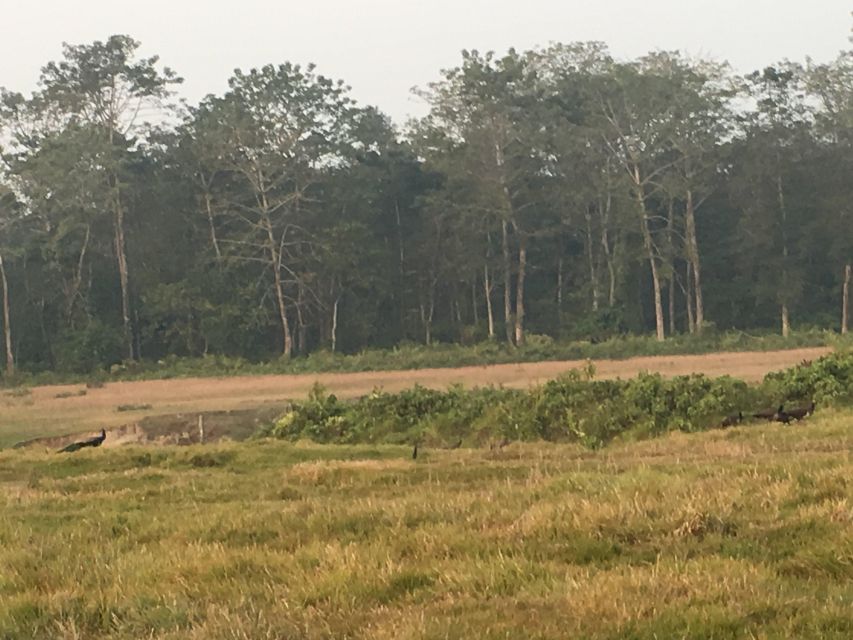
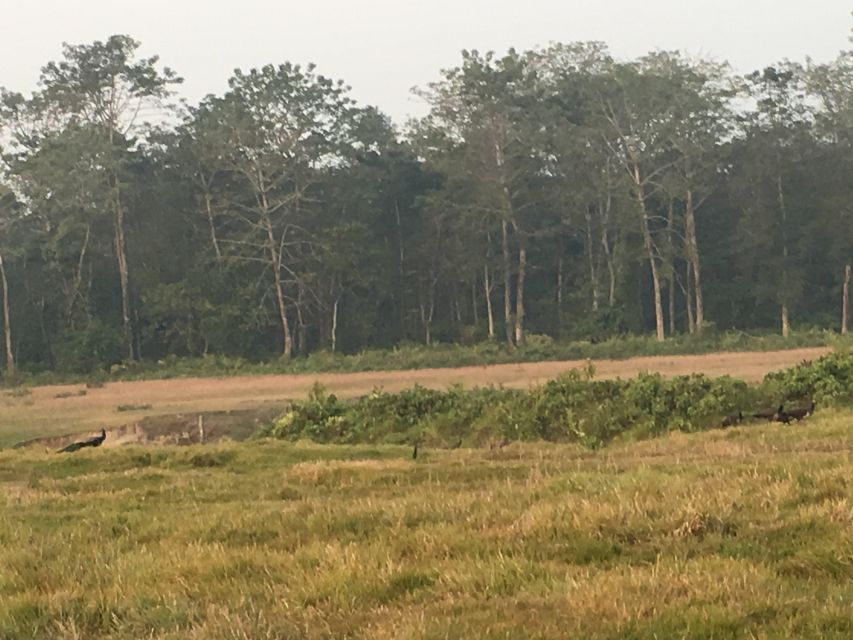
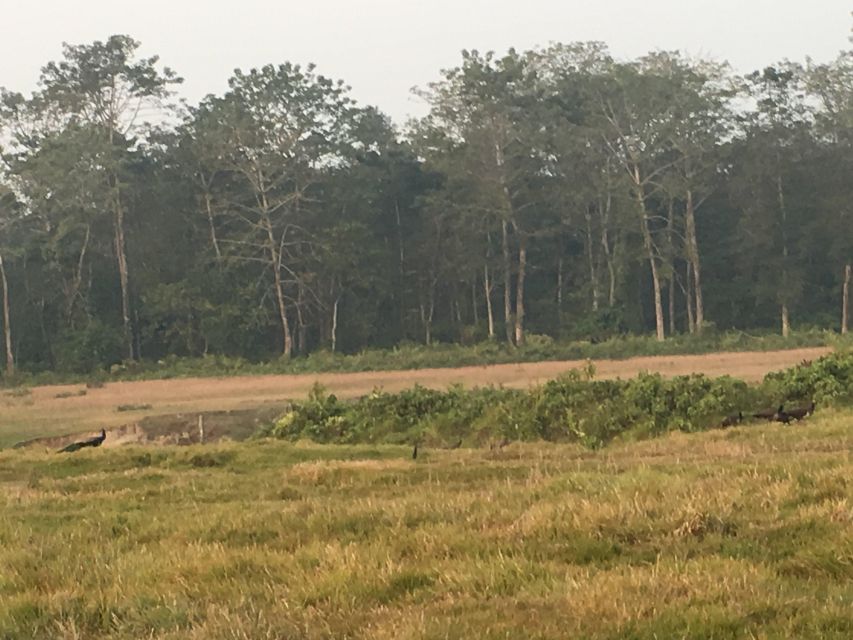
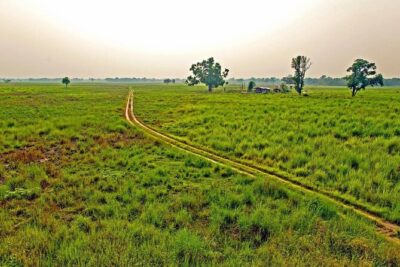
Chitwan National Park is known for having multiple ecosystems close together. You’re not stuck in only one type of terrain. Expect a mix of lush grasslands, dense forest, and winding rivers, which changes what you might see. Grasslands can be good for grazing animals and open-area birds. Forest edges and thicker cover can be where you spot movement and smaller creatures. River sections can pull in both birds and larger wildlife.
A big headline promise is tiger. You might see Bengal tigers, but the information is also honest that tiger sightings are relatively rare. The value here is that you’re still working through a serious wildlife landscape where you can get good returns even if the tiger stays hidden.
Then there’s the human side of “full day.” You get enough time to settle in, follow the guide’s cues, and build momentum. One short safari day can feel like you’re constantly waiting for the next possible sighting. With this longer format, it starts to feel more like a hunt with breathing room.
Getting to the Park: Pickup, Permits, and the Pre-Safari Rules
Your day starts with hotel pickup, and in practice this tour is designed around guests in the Sauraha area. You’ll be collected from your hotel or a designated meeting point in Chitwan, then transferred toward the park entrance.
The drive is typically short, around 30 minutes to an hour, depending on where you’re staying. That matters because it lets you spend real time scanning once you’re inside, not burning the day just to reach the gates.
At the entrance, you’ll handle paperwork for national park permits and official documentation. This part is quick, but it’s important. Your guide helps you get through it smoothly, and it’s also where you confirm what’s allowed for your trip.
Before the jeep starts moving in earnest, you’ll get a briefing on safari rules and safety precautions. This is not just formalities. In a wildlife park, the difference between a good day and a messy one is usually discipline: how close you move, when you stop, and how you keep your attention on the habitat rather than on the vehicle.
You should also expect a small but real constraint: no large luggage and no pets. If you’re planning around this, keep your load light and be ready to bring only what fits the day. The tour asks you to have a passport or ID card, so have it accessible.
Inside the Jeep: How the Park’s Habitats Shape What You See
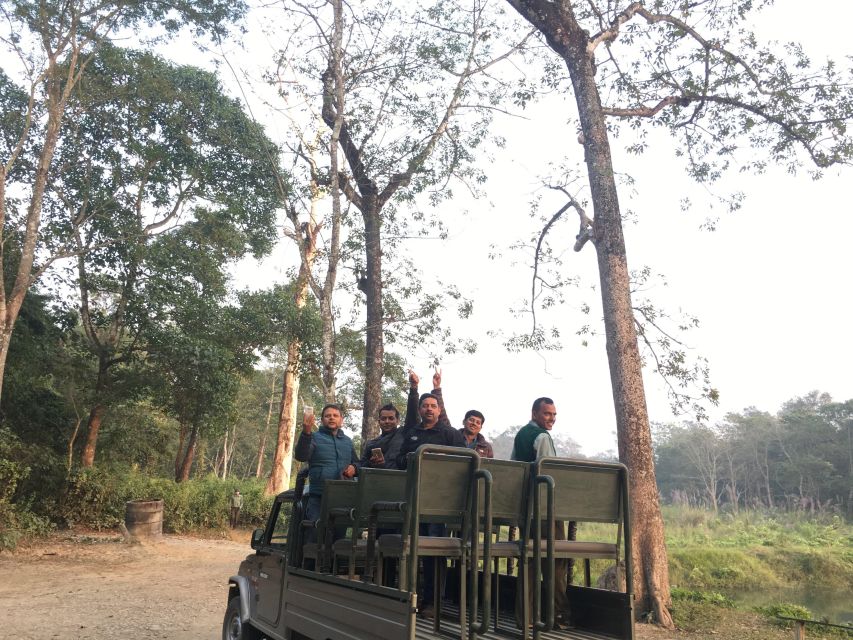
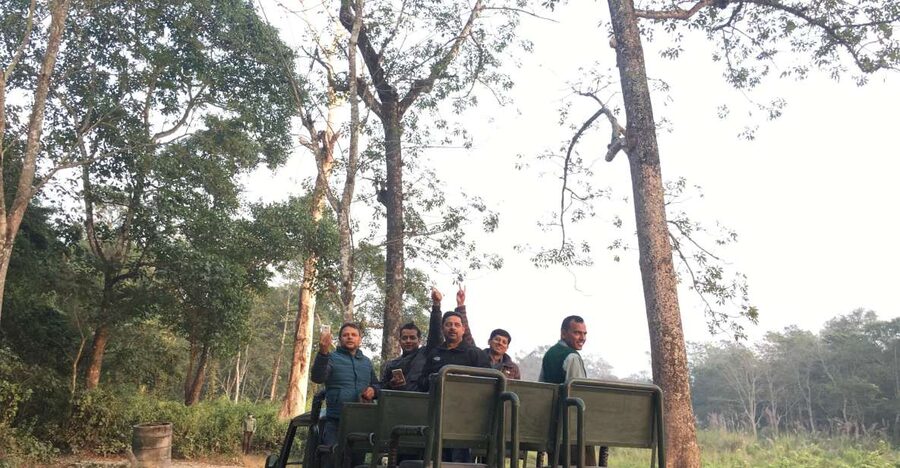
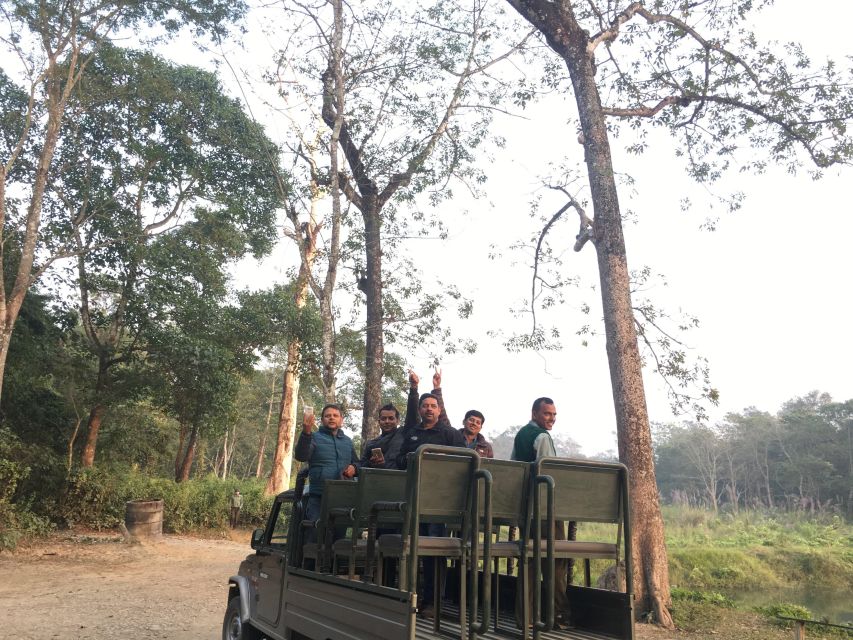
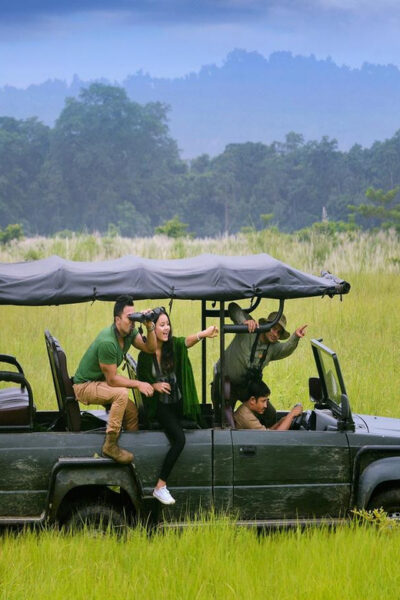
The main action happens during the jeep safari, which can last for several hours and covers different wildlife habitats. This is where your guide earns their keep, because spotting in Chitwan isn’t just luck. It’s reading the terrain.
Here’s what you’re working with:
- Grasslands, which can attract deer and other animals that feed in open areas
- Dense forest, where you may catch glimpses of movement and birds that hide in the understory
- River edges, which can concentrate wildlife coming to drink and feed
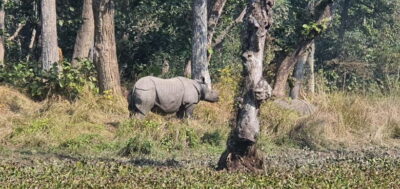
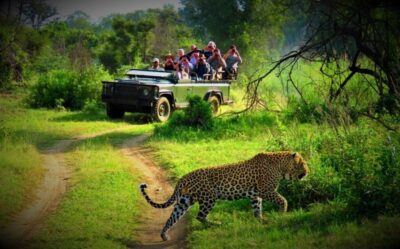
From the animals listed for this area, you may spot one-horned rhinoceroses, elephants, leopards, and crocodiles. You might also see wild boar, monkeys, and other smaller mammals. The birdlife is a major reason people love this outing, and the tour’s whole setup is geared for it. If you enjoy birding, this is the kind of day where your life list can actually expand because you’re looking with intention, not just glancing out a window.
The tiger angle deserves a reality check. Bengal tigers are on the possible list, but the information is clear that tiger sightings are relatively rare. That doesn’t make the trip pointless. It makes it honest. You’re still moving through the best zones and relying on an experienced guide to put you where your odds improve.
One more thing I like is that the safari is structured to change your search zones. You’re not stuck in one track. When the day is long enough, your guide can adjust based on what’s active and what you’re seeing.
Lunch by the River: Why the Break Improves the Safari
Midday is when the tour shifts gears. You get a lunch break around midday, and the plan includes pack lunch. Depending on your package, lunch may be inside the park or at a designated place outside it, but the idea stays the same: you eat, reset, and then go back out with fresher attention.
The highlights talk about enjoying a picnic lunch by the river. That’s more than a cute detail. In wildlife country, your best spotting comes when you’re calm and observant. If you try to “power through” without a proper reset, you get tired, you scan less carefully, and your ability to notice small clues drops.
This is also a natural moment to slow down and look at the setting. Even when you’re not staring at big animals, river sections can offer steady bird activity. That means lunch isn’t just food, it’s part of the wildlife rhythm.
If you’re a bird person, treat the lunch break like a mini bonus. Birds often keep moving even when the big mammals are quiet. You’re already there, and your eyes will be ready when the guide calls out something worth watching.
Afternoon Jeep Safari: Chasing Dusk for Better Odds
After lunch, your jeep safari continues. This is where the full-day format pays again. The plan is built around the idea that wildlife activity can change through the day, and guides often try to time your movements to match what the habitat is doing.
This is also the period where you might see more action around water and food. That timing point comes through strongly in how people describe their experience: animals seem to come out more toward dusk. I like that the tour doesn’t treat dusk like an optional add-on. It’s part of the day, which is exactly when you want to be scanning instead of heading back early.
You might also notice that your guide’s commentary becomes even more useful in the afternoon. You can connect what you saw earlier to what you’re seeing now. For example, once you understand what the habitat offers in the morning, the afternoon becomes a test of how animals respond as the light and temperature shift.
On the big-animal side, you can get a range of sightings over the day. The information lists possible encounters with tigers, one-horned rhinos, and elephants, plus leopards and other animals. Tiger is still not guaranteed, but that’s true of Chitwan in general. The value is the whole-day search, not a promise of one iconic moment.
The Optional Rapti River Safari for Crocs and Gharial
Depending on your selected package, the schedule may include a river safari on the Rapti River. This isn’t just a different view, it can add a different type of wildlife watching.
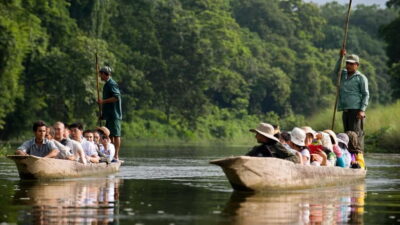
The highlights point to the chance to see crocodiles and the elusive Gharial. A gharial has a long, slender snout, which makes it distinct if you’re lucky enough to spot one. Even if you don’t, river safari time often brings more bird activity because aquatic habitats attract plenty of species.
If you love the water-side side of wildlife watching, this extra segment can make your day feel bigger. It turns a single-mode outing into a two-part experience: land-based jeep safari plus water-based searching.
Price and Value: What You’re Really Paying For at $197 Per Person
At $197 per person, this isn’t a cheap “sit and drive” activity. But it also isn’t priced like a luxury lodge day. The value comes from what’s included and how wildlife-focused the day is.
You’re paying for:
- Hotel pickup and drop-off within the Chitwan area (specifically the Sauraha area)
- A full-day jeep safari with a guide
- Private tour format, which matters when you’re waiting for wildlife. Your time isn’t split across multiple groups or schedules.
- Pack lunch
- National park permits and official documents, which reduces the hassle and keeps you compliant
A private day with permits handled is worth money in this setting. Wildlife spotting can be slow, and slow time costs. When the tour is built around a full-day rhythm, the guide has more freedom to look for the best opportunities rather than being forced into a short, rushed route.
Also consider that the tour is designed for multiple languages (Nepali, English, Hindi). That helps if your comfort level is better in those languages than in others, and it makes the guide’s spotting pointers easier to catch.
Who This Tour Fits Best, and Who Should Skip It
This experience is listed as not suitable for pregnant women and wheelchair users. That likely relates to vehicle access and the overall physical setup of a jeep safari day. If you fall into either group, you’ll want to look for an alternative format in Chitwan.
For everyone else, it’s a great match if you:
- Want a wildlife day that’s serious about time, not just a quick sampling
- Prefer a guided search through multiple habitats
- Enjoy birds, where the guide can help you spot and identify more than you might on your own
- Want a private setup with pickup and permits taken care of
The best season is October to June, which gives you a practical planning window. If you’re traveling in that span, you’re choosing the time of year that the tour information calls out as ideal.
Before You Go: Small Details That Prevent Big Headaches
A few practical items will keep your day smooth.
Bring a passport or ID card, since it’s specifically required. Keep your luggage minimal because large bags are not allowed. If you’re traveling with extra gear, plan how you’ll store it before pickup.
Also remember this is a jeep safari day. It’s a wildlife outing with a lot of scanning and waiting. If you’re the type who hates slow moments, you might feel impatient. If you can handle a day of patience and attention, you’ll get more out of every stop.
Finally, the tour runs with a guide who can speak Nepali, English, and Hindi, so it’s easier to follow instructions and understand what’s being looked for.
Should You Book This Chitwan Full-Day Jeep Safari?
I’d book it if you want your Chitwan day to feel like a real wildlife search: long enough to catch shifting activity, guided enough to make your spotting more productive, and structured enough that you’re not juggling logistics. The bird-focused guiding and the full-day timing toward dusk are the two standout reasons to choose this over shorter options.
Skip it or rethink it if you need wheelchair access or if you’re traveling while pregnant, since it’s listed as not suitable. And keep one practical expectation in mind: pickup timing can vary. Build in a little slack so the day still feels fun, not rushed.
If your goal is animals plus real habitat watching, this is a solid way to spend a full day in Chitwan.
FAQ
Where does hotel pickup happen for this tour?
Pickup is included for guests within the Sauraha area in Chitwan.
How long is the Jeep safari tour?
The duration is 8 hours.
What’s included in the price?
The tour includes hotel pickup and drop-off, a full-day jeep safari, a professional tour guide, a private tour, pack lunch, and the national park permit plus all official document.
Is the Rapti River safari included?
A river safari on the Rapti River may be included, but it depends on the package you choose.
What wildlife might I see during the safari?
You can look out for one-horned rhinoceroses, tigers, elephants, leopards, crocodiles, and many bird species.
What languages will the guide speak?
The live guide speaks Nepali, English, and Hindi.
What should I bring with me?
Bring your passport or ID card.
Are large bags or pets allowed?
No. Luggage or large bags and pets are not allowed.
Is there free cancellation?
Yes. You can cancel up to 24 hours in advance for a full refund.
Chitwan Jungle Safaris worth a second look.
 ★ 5.0Jungle Towernight Stay In Chitwan National Park ,nepal-2 Nights 3 Days PackageFrom $225186 reviews
 ★ 5.03-Day Chitwan National Park Jungle Safari Tour Package with Pick UpFrom $180184 reviews
 ★ 4.63-Day All-Inclusive Chitwan SafariFrom $149133 reviews
 ★ 4.63-Day Chitwan Safari Tour with Hotel TransfersFrom $151127 reviews
 ★ 4.73 Day Chitwan Jungle Safari TourFrom $12987 reviews
 ★ 5.03 Nights 4 Days Chitwan National Park with Tower Night StayFrom $35041 reviews
 ★ 4.7Private 3-Day Chitwan Safari TourFrom $16834 reviews
 ★ 4.52 Days Chitwan Jungle Safari Tour from Pokhara/KathmanduFrom $11727 reviews
Lists this tour sits in