
REVIEW · CHITWAN JUNGLE SAFARIS
Kathmandu/Pokhara: Wildlife, Culture and Jungle Safari Tour
Jeep and canoe in Chitwan felt unreal. This 2 to 3 day Nepal trip connects Tharu culture and Chitwan wildlife spotting with a steady rhythm of activities in Sauraha. You get a full day in the park area, plus village and nature time that goes beyond the usual one-ride photo stop.
I also like how the itinerary mixes big wildlife moments with calmer ones. A Jeep or elephant option is followed by a canoe ride on the Rapti River and a guided jungle walk, so your day has variety instead of nonstop waiting. One thing to consider is that road travel can run longer and comfort can vary, even when AC coach transport is listed, so you should confirm the vehicle type and build a little buffer.
In This Review
- Key Moments That Make This Tour Worth It
- Road To Sauraha: The Part That Controls Your Whole Schedule
- Day 1 In Sauraha: Check-In, Community Dance, and Food That Sets You Up
- Day 2 Morning: Jeep Safari or Elephant Ride, and How to Make It Count
- Day 2 Midday: Canoe on the Rapti River (Where the Park Slows Down)
- Afternoon Jungle Walk and Bird Watching: The Skill-Building Part
- Elephant Breeding Center Visit: Conservation Messaging You Can Question
- Tharu Village Tour: Culture You Can See in Daily Life
- Day 3 Return: A Good Farewell If You Sleep Tonight
- Price and Value: What You’re Really Paying For
- Who This Tour Suits Best
- A Note on Guides and Guides Matter
- Should You Book This Kathmandu-Pokhara to Chitwan Tour?
- FAQ
- How long is the Kathmandu/Pokhara to Chitwan tour?
- Where do you get picked up in Kathmandu or Pokhara?
- What transportation is included between the cities and Sauraha?
- What wildlife activities are included?
- Is the canoe ride included?
- Are meals included?
- Do I get an English-speaking guide?
- What accommodation is included?
- What should I bring for the safari and activities?
Key Moments That Make This Tour Worth It
- Tharu cultural show and community dance at the hall right after you arrive in Sauraha
- Jeep safari or elephant ride through Chitwan with a guide focused on spotting wildlife
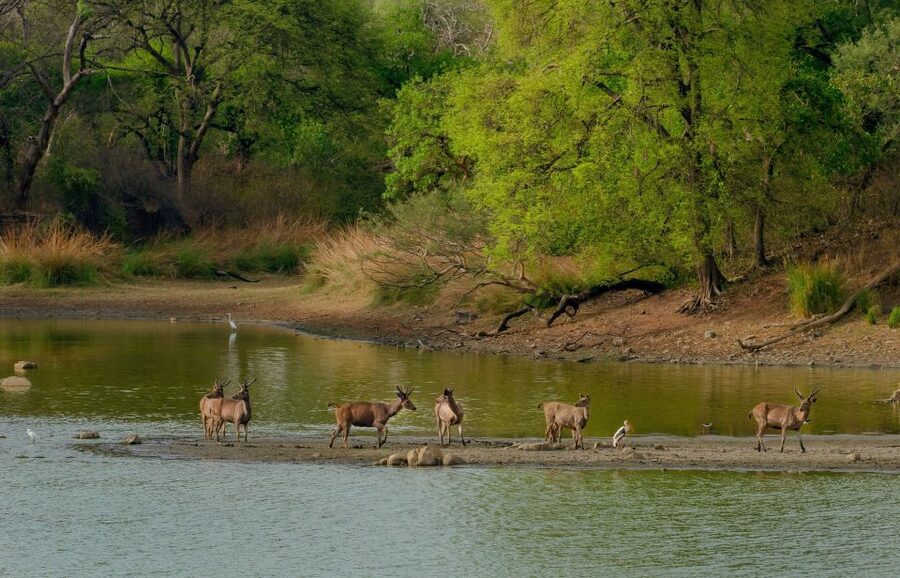
- Rapti River canoe ride with a chance to see crocodiles, elephants, and lots of birds along the banks
- Jungle walk and bird watching led by a guide who points out plants and animals you might miss alone
- Tharu village visit for art, music, dance, and everyday life, not just a quick photo stop
Road To Sauraha: The Part That Controls Your Whole Schedule
This tour is built around a simple idea: get you from Kathmandu or Pokhara to Sauraha, then keep you moving through Chitwan at a human pace. The drive is about 5 to 6 hours depending on the route and conditions, and it matters because it sets the tone for how refreshed you feel on Day 2.
Transport is listed as round-trip by deluxe tourist AC coach, plus hotel pickup and drop-off in key areas like Thamel (Kathmandu), Baidam, and Lakeside Road (Pokhara). There is also a private vehicle option if you want more control, especially if you hate long rides with questionable comfort. My practical advice: before you pay, ask what you will actually get for your exact dates, AC coach versus other bus arrangements, and confirm pickup time for your exact hotel.
If you’re the type who plans tight connections, build in extra slack. One long road day can turn a “2 day” plan into stress, even if the park program stays good.
Day 1 In Sauraha: Check-In, Community Dance, and Food That Sets You Up
Day 1 starts with pickup from your hotel in either Kathmandu or Pokhara, then the drive to Chitwan National Park’s Sauraha area. When you arrive, you check into your hotel, with AC in the rooms. The accommodation is listed as Chitwan Village Resort or a similar Rainbow Safari resort, and if you choose the 5-star option it’s Greenpark resort.
That sounds like standard travel logistics, but it really affects the rest of your trip. After a road day, having AC rooms and included meals means you can rest without constantly spending on extra taxi rides or dinner searches.
Evening is when the cultural side starts. You’ll attend a Tharu cultural dance program at the community hall. Then you eat your included Nepali dinner. I like this order because it gives your brain a change of pace after the drive, and it also frames the next day’s nature time with a local cultural context.
Day 2 Morning: Jeep Safari or Elephant Ride, and How to Make It Count
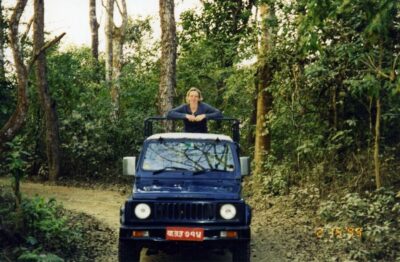
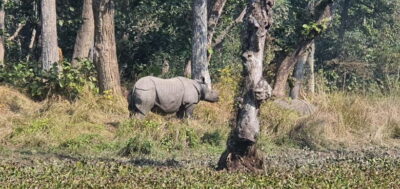
Day 2 begins with breakfast, then you choose between a wildlife jeep safari or an elephant ride on a sharing basis. In Chitwan, the wildlife goal is serious, and the program explicitly expects you might encounter animals like rhinos and tigers. Keep your camera ready, but also remember the best views often come when you’re not trying to force perfect shots.
If you do the Jeep safari, you’ll be with an experienced guide who tries to locate wildlife during the park time window. This is one of the most valuable parts of the tour because your guide’s job is spotting. Without that help, you can spend a lot of time staring at trees.
If you choose the elephant ride, it’s offered as an option, but I want you to think about your own ethics and comfort level. The elephant part is listed as sharing basis and also includes a visit to an elephant breeding center later, so you’ll be around elephants as part of the broader conservation message. Still, if animal welfare is a dealbreaker for you, consider opting for the jeep safari only and compare how you feel about the experience before you lock it in.
Practical tip for either option: wear clothes you can move in, use sunscreen, and keep sunglasses handy. Wildlife time is short and bright, and small discomforts can spoil the focus.
Day 2 Midday: Canoe on the Rapti River (Where the Park Slows Down)
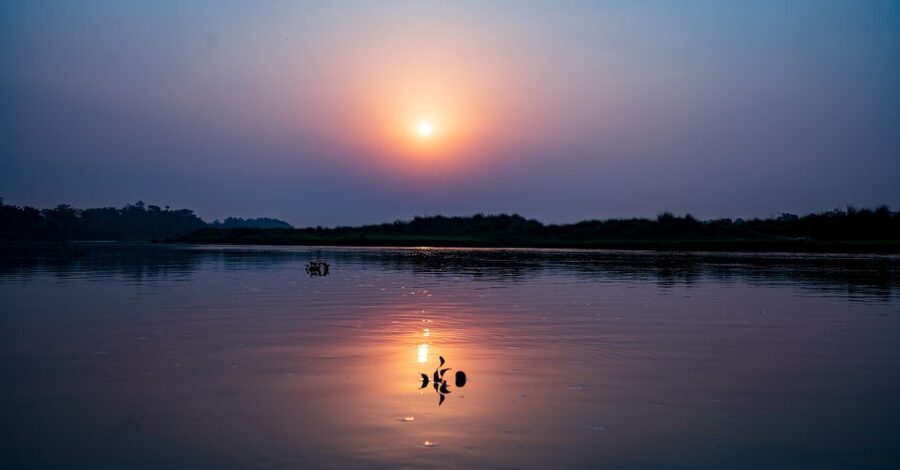
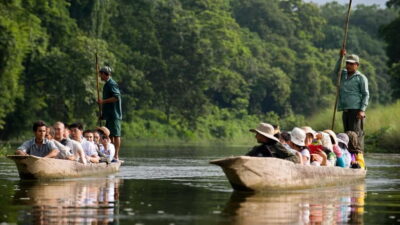
After the safari, you get lunch to refuel. Then comes a canoe ride on the Rapti River, guided. This is not the “fast, thrill-only” segment. The idea is watching river life and birdlife from the water, at a calmer speed.
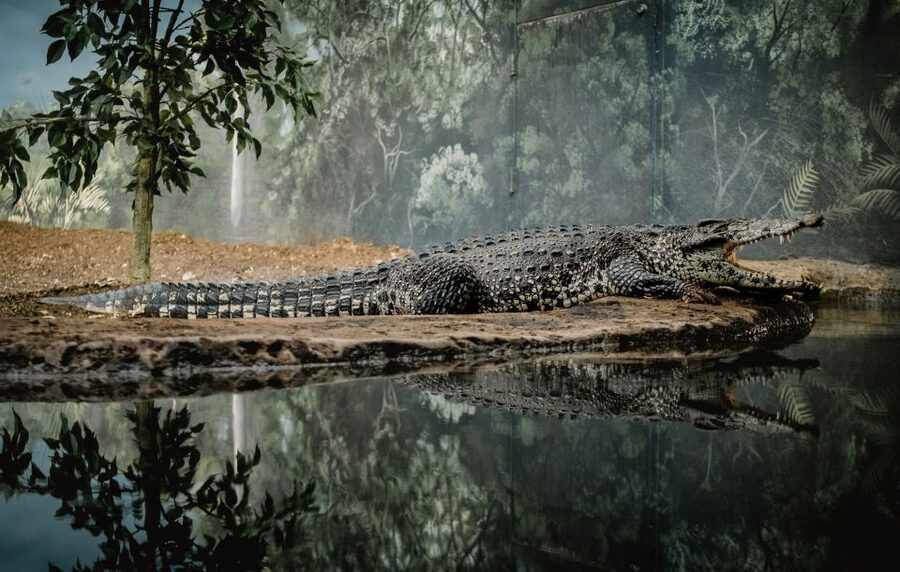
The program specifically notes you should keep an eye out for crocodiles, elephants, and birds near the river edge. Even when big animals don’t appear, canoeing has value because it changes your perspective. From the waterline, you notice movement, tracks, and the rhythm of the ecosystem in a way a car ride never quite matches.
For many people, this canoe segment becomes the favorite because it feels relaxed, yet it still has wildlife possibility. It’s also a great break from the dust and heat, since you’re not walking for most of the ride.
Afternoon Jungle Walk and Bird Watching: The Skill-Building Part
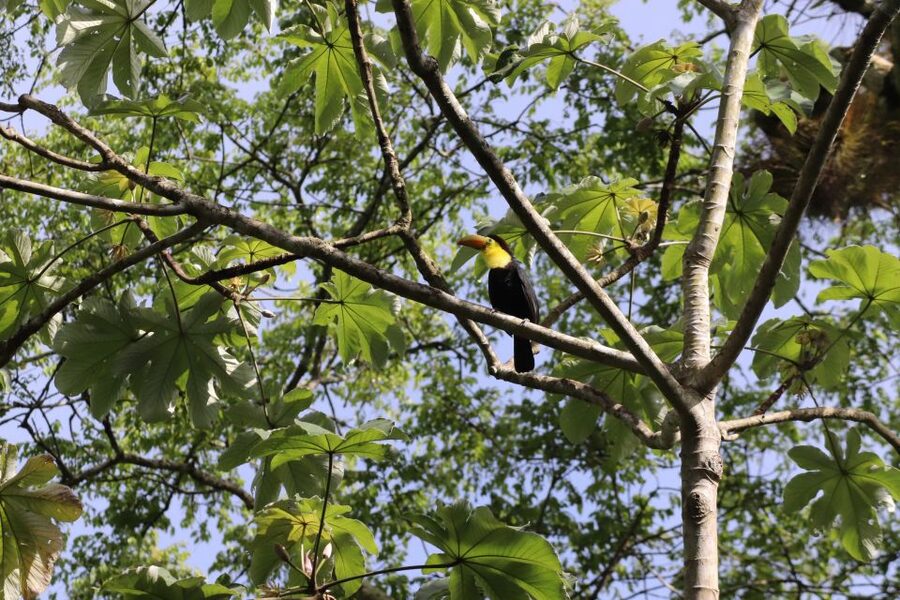
Next you’ll do bird watching and a guided jungle walk through lush areas near the park. This is where the tour earns trust. A good guide turns your walk into a lesson, pointing out plants and wildlife you’d never identify on your own.
The program describes the walk as well-trodden paths with your guide explaining native plants and wildlife unique to the region. I like this segment because it’s active without being exhausting, and it gives you something to look for beyond “big animals only.”
Listen for the small stuff too. Birds and insect sounds are part of Chitwan’s daily soundtrack. When you start noticing what’s around you, the park feels bigger and more alive, even if you don’t spot a tiger in that moment.
Bring binoculars if you have them. They’re listed as something you might bring, and they really help for birdlife.
Elephant Breeding Center Visit: Conservation Messaging You Can Question
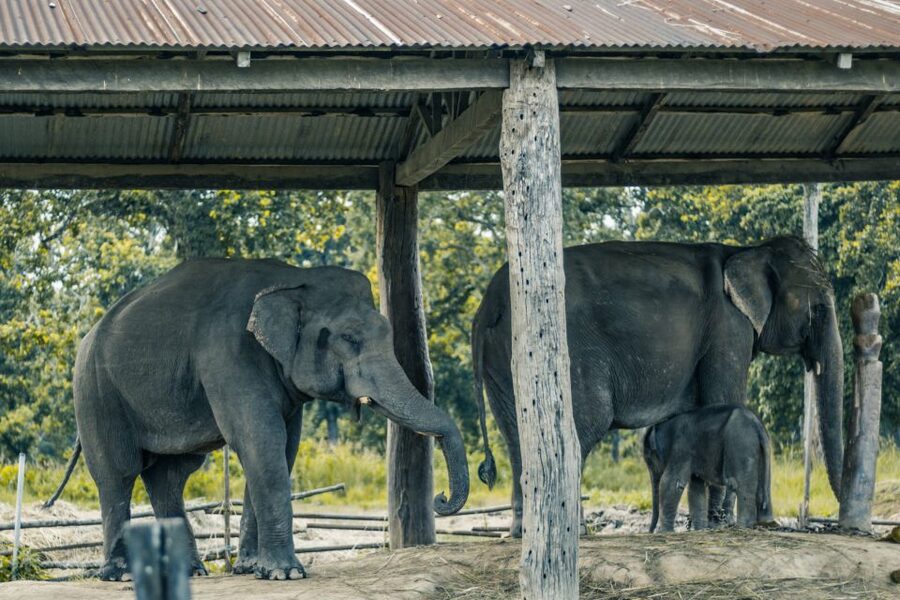
Later, you visit an elephant breeding center to interact with these gentle giants and learn about conservation efforts to protect them. The tour presents it as educational and heartwarming, and that part makes sense because elephant conservation programs are usually about long-term protection and care rather than a one-time performance.
The key for you is to treat this stop as a chance to learn, not just take photos. If you care about how conservation is practiced, ask staff questions during your visit. You can also use the center visit to compare your earlier feelings about the elephant ride, if you picked that option.
Since the itinerary includes both an elephant ride option and a breeding center visit, this becomes one of the most morally nuanced parts of the day. Choose what matches your values, and ask what the center focuses on so you can understand the story being told.
Tharu Village Tour: Culture You Can See in Daily Life
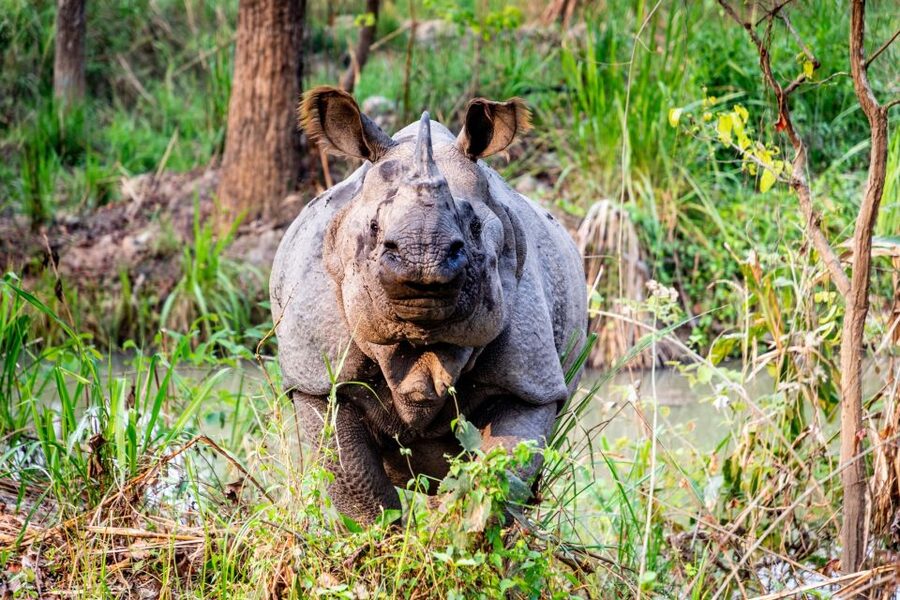
The last major stop on Day 2 is the Tharu village tour. You’ll interact with local people and explore art, music, dance, and culinary delights. The Tharu community is highlighted as having warm hospitality and unique architecture.
This is another section I appreciate because it’s not only a show. The itinerary frames the village visit as guided interaction and exploration, which usually feels more respectful than a rapid outside viewing.
One practical note: this part of the day is hands-on. Wear comfortable clothes for walking and expect to spend time talking and observing. If you’re curious about how people live, you’ll get more out of this than if you treat it like another checklist stop.
Day 3 Return: A Good Farewell If You Sleep Tonight
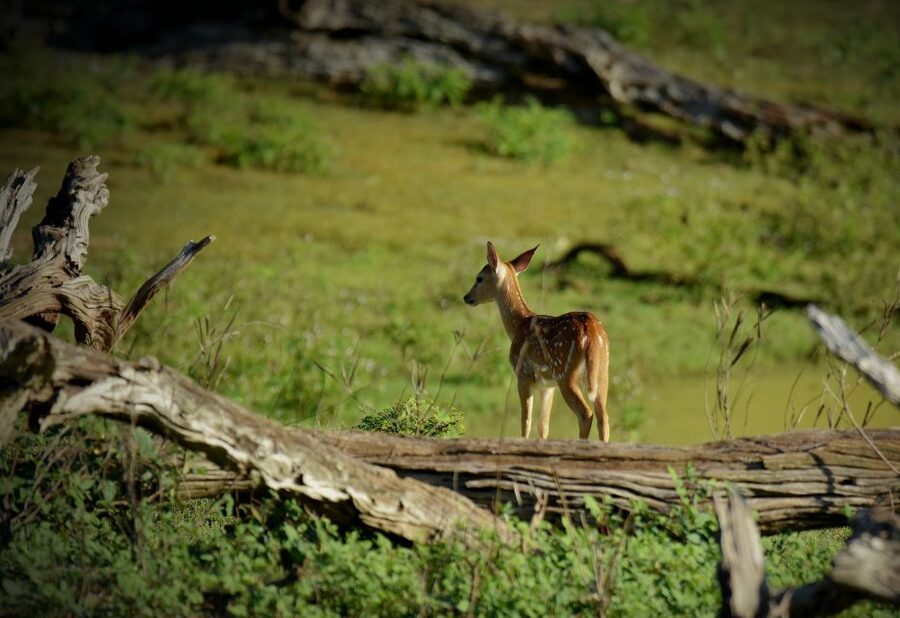
Day 3 is a straightforward return. After breakfast, you’re transported back to Pokhara or Kathmandu, with the drive taking about 6 hours. This is one of the advantages of this tour style: you don’t end the trip with more hiking or more park time. You get a clean landing back into city life.
Before you go, I suggest you take a few minutes to compare what you expected to see versus what you actually experienced. Chitwan is often about chances, not guarantees. The canoe, jungle walk, and Tharu village stops can still deliver a strong memory even when the wildlife moment is smaller than your imagination.
Price and Value: What You’re Really Paying For
The price is listed at $120 per person for a 2 to 3 day experience. On paper, that can sound like a budget deal, but the real value comes from what’s included.
Your costs are bundled into:
- Hotel pickup and drop-off
- Round-trip transport between Kathmandu or Pokhara and Sauraha via tourist AC coach (plus private vehicle option)
- Private accommodation with AC rooms
- All meals during the tour (breakfast, lunch, dinner, with counts matching whether you choose the 2-day option or longer)
- Cultural dance program at the community hall
- Jeep safari or elephant ride on a sharing basis
- Canoeing on the Rapti River
- Bird watching and jungle walk
- Tharu village tour
- Entrance fees and applicable taxes
So the question isn’t only, is $120 cheap. It’s whether you want a package that already covers the hard parts: transport coordination, park entry, guides, and the biggest activities.
The main value risk is logistics quality. If your ride to and from Chitwan is less comfortable than you expected, the “value” math changes. That’s why the private vehicle option is interesting, and why you should confirm transport details early.
Who This Tour Suits Best
This tour fits you if you want:
- A short, structured trip from Kathmandu or Pokhara with minimal planning
- Real time in Chitwan through safari plus river plus guided walks
- A balance of wildlife and people, with Tharu cultural programming on both the evening start and the village visit
- English, Hindi, or Nepali guided interpretation, which helps a lot in a park setting
It may not fit you if:
- You want total control over road comfort and timing, because the drive can be affected by traffic
- You have strong concerns about elephant rides, and you prefer wildlife viewing from vehicles only
- You get frustrated when wildlife spotting turns out to be unpredictable, since the tour includes chances for animals like rhinos and tigers but cannot promise exact sightings
Good news: even if big cats are quiet, the canoe ride and jungle walk still give you a strong day.
A Note on Guides and Guides Matter
A tour like this lives or dies with guidance. Your program includes an authorized English-speaking guide, and the broader team may include people known for punctuality and clear park knowledge.
In one instance, the operator team included someone named Mr Ramesh, who helped a group with safety and getting to the airport during a curfew. That same experience also mentioned a Chitwan ranger named Ram Babu as highly knowledgeable about the national park. You cannot count on the same exact names for every departure, but you can count on the fact that guides with strong park skills make a real difference.
If you want that kind of guidance, ask who your ranger will be and what their focus is on wildlife spotting during your specific safari time.
Should You Book This Kathmandu-Pokhara to Chitwan Tour?
I think you should book this tour if you want a compact, guided Chitwan experience with culture in Tharu village life, plus a full set of included activities that are hard to organize alone. The biggest wins for most people are the smooth flow from city to Sauraha, the food included throughout, the canoe ride on the Rapti River, and the fact that you have guides for both wildlife and nature walking.
You might skip it or adjust your plan if you strongly care about road comfort and you want guaranteed AC for the entire route, or if elephant rides feel ethically or emotionally uncomfortable to you. In those cases, ask about the private vehicle option and consider choosing the jeep safari route.
If you book, do one simple thing before you go: confirm transport details for your exact dates and choose the wildlife mode that matches your comfort level. Then pack what the trip asks for, bring binoculars if you can, and be ready for a Chitwan day that mixes wild sightings with real human culture.
FAQ
How long is the Kathmandu/Pokhara to Chitwan tour?
It runs for 2 to 3 days, depending on the option you choose. There is also a listed 2-day option with 1 night accommodation.
Where do you get picked up in Kathmandu or Pokhara?
Pickup is available from Thamel, Baidam, or Lakeside Road, with pickup near these areas. You should wait in the hotel lobby about 10 minutes before the scheduled time.
What transportation is included between the cities and Sauraha?
Round-trip transportation is included by deluxe tourist AC coach between Pokhara or Kathmandu and Sauraha. A private vehicle is also offered as an option if you contact the provider directly.
What wildlife activities are included?
You can choose a wildlife jeep safari ride or an elephant ride on a sharing basis. The tour also includes a canoe ride and a guided nature walk with bird watching.
Is the canoe ride included?
Yes. The itinerary includes canoeing on the Rapti River.
Are meals included?
Yes. Meals are included during the tour: breakfast, lunch, and dinner for each day of the selected option (2-day or 3-day).
Do I get an English-speaking guide?
Yes. The tour includes a live guide who speaks English, and also English, Hindi, or Nepali are listed as available languages.
What accommodation is included?
The tour includes private deluxe single, twin, or triple rooms with AC. It is listed as Chitwan Village Resort or a similar Rainbow Safari resort, with a 5-star option at Greenpark resort.
What should I bring for the safari and activities?
Bring a passport or ID card, camera, sunscreen, comfortable clothes, binoculars, towel, hat, sunglasses, and water.
Chitwan Jungle Safaris worth a second look.
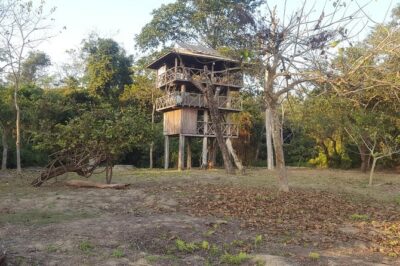 ★ 5.0Jungle Towernight Stay In Chitwan National Park ,nepal-2 Nights 3 Days PackageFrom $225186 reviews
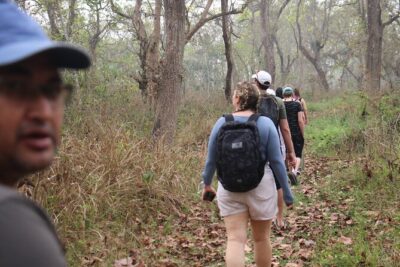 ★ 5.03-Day Chitwan National Park Jungle Safari Tour Package with Pick UpFrom $180184 reviews
 ★ 4.63-Day All-Inclusive Chitwan SafariFrom $149133 reviews
 ★ 4.63-Day Chitwan Safari Tour with Hotel TransfersFrom $151127 reviews
 ★ 4.73 Day Chitwan Jungle Safari TourFrom $12987 reviews
 ★ 5.03 Nights 4 Days Chitwan National Park with Tower Night StayFrom $35041 reviews
 ★ 4.7Private 3-Day Chitwan Safari TourFrom $16834 reviews
 ★ 4.52 Days Chitwan Jungle Safari Tour from Pokhara/KathmanduFrom $11727 reviews
Lists this tour sits in