
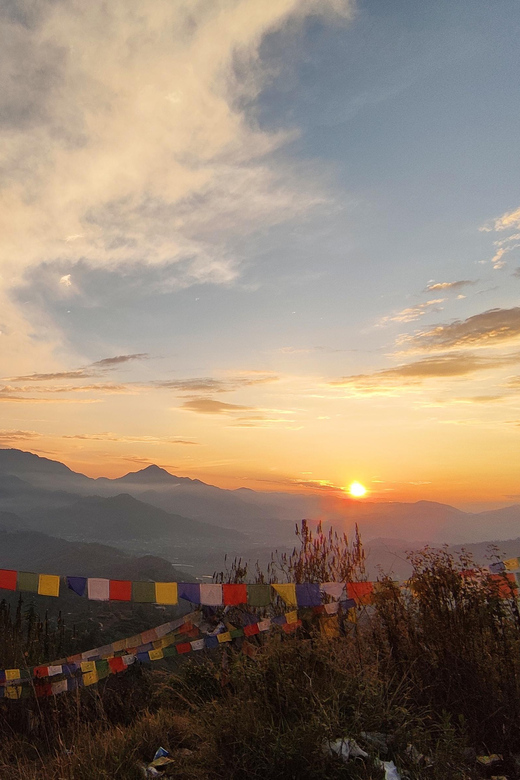
REVIEW · NAMOBUDDHA & DHULIKHEL DAY TRIPS
Live like Monk: Stay in the Nomobuddha Monastry
Monastery mornings beat alarm clocks. This 3-day, small-group stay near Dhulikhel blends early chanting and meditation practice with a real taste of everyday monastic routine. I also like how much is handled for you, from private transport to a guide who can explain what you’re seeing. One catch to keep in mind: depending on the day and the monastery schedule, the amount of direct monk-led practice can feel less than the title suggests.
I like that the program gives you structure, not just sightseeing. You get a walking day up from Dhulikhel, then guided time in the monastery grounds, plus three vegetarian meals daily. The stay is simple and basic, and some rooms may be in a nearby guest house rather than inside the monastery proper.
In This Review
- Key things that make this stay special
- Nomobuddha Near Dhulikhel: What this monk-style stay is (and is not)
- Getting there the right way: private transport, then a 3-hour hike
- Arrival and check-in: what “simple monastery life” really feels like
- Daily chanting and meditation: the rhythm you’ll live by
- Touring the monastery grounds: history, architecture, and what to notice
- Simple vegetarian meals: not just food, but part of the routine
- Where expectations can clash: access to puja, contact, and scheduling
- Price and value at $294: what’s included, and where it can feel expensive
- The guide matters: Anoj as your translator, storyteller, and fixer
- What to pack and how to behave respectfully
- Who should book this monk-style stay, and who should think twice
- Should you book Live like a monk: stay in Nomobuddha Monastery?
- FAQ
- Where is this experience located?
- How long is the program?
- How much does it cost?
- What are the main activities?
- Where will I sleep?
- Are meals included?
- What transportation is included?
- What is the group size and language?
- Is alcohol or any drugs allowed?
- Is cancellation possible, and how flexible is booking?
Key things that make this stay special
- A 3-hour hike from Dhulikhel to Nomobuddha that turns the arrival into part of the experience, not just transport.
- Daily rhythm, not a one-off ceremony, with morning and evening chanting plus meditation time.
- A very small group (up to 10), which makes it easier to ask questions and settle into the pace.
- Vegetarian meals prepared in-house, served as part of the monastery routine, not as an outside restaurant stop.
- A guide who actually explains what it means, with English interpretation and context about Buddhist life.
Further east into Kavre
Nomobuddha Near Dhulikhel: What this monk-style stay is (and is not)
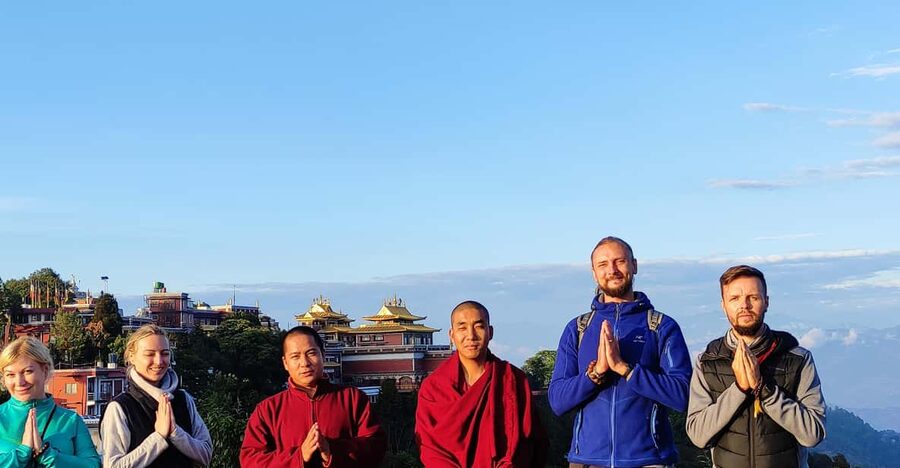
Nomobuddha is in the Bagmati Zone, and the program is built around one core idea: trade modern distractions for a slower schedule. Over 3 days, you follow monastery time, join chanting sessions, and take part in meditation and reflective moments. You’re also guided through the monastery grounds so the place isn’t just scenery, it’s a living religious community.
What you should know up front, so you don’t end up frustrated: the monastery runs on its own calendar. Several people expected a bigger, more hands-on set of rituals and ended up feeling the structure was tighter and sometimes more observation-based. That doesn’t mean the stay is bad, it means you should treat it like a daily practice and learning experience, not a guarantee of a specific public ceremony every day.
Also, the stay is described as inside the monastery, but real-world details matter. In past groups, rooms have been in an old guest house about 100 meters away, and in some cases a newer guest house around 400 meters away. So plan for “close and part of the complex,” even if your door is not literally inside a main monastic building.
Getting there the right way: private transport, then a 3-hour hike
Day 1 starts with private transportation from your pickup area, with options including Bhaktapur, Kathmandu, and Lalitpur. You drive to Dhulikhel, a hill station about 30 kilometers away, and then the schedule shifts into walking mode.
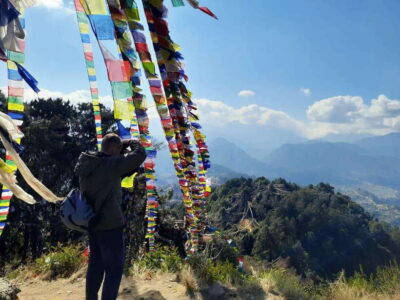
The hike from Dhulikhel to Nomobuddha takes around 3 hours. It’s not presented as a hard trek, but it is still a long walk. This matters because it sets your energy for the rest of the day. If you want a gentle experience later, start the hike prepared, not rushed.
Practical note: Dhulikhel and the route can mean cooler air in the morning and variable conditions underfoot. Bring something for temperature changes, and wear footwear you trust. You’ll thank yourself before you arrive at the monastery for your first evening session.
Arrival and check-in: what “simple monastery life” really feels like
When you reach Nomobuddha, you check in for 2 night accommodation. The program is twin sharing, and the big theme is simplicity. Basic amenities and shared facilities are part of the monastic-style setup, so set your expectations accordingly.
Here’s what stood out from real stays: some people slept in a guest house that is clearly part of the monastery ecosystem, just not the exact building they expected. That can change the feel of the experience, because you might walk a short distance for sessions instead of stepping straight out of your room into the courtyard.
Once you settle in, the day doesn’t fade away into free time. You rest, explore the monastery grounds, and then join an introductory session focused on meditation and chanting. Even if you’re new to this, you’re not left guessing.
Daily chanting and meditation: the rhythm you’ll live by
The heartbeat of the program is daily practice. You’ll take part in sessions led by resident monks, including chanting. The schedule described for the experience includes:
- an introductory meditation and chanting session on arrival night
- a morning chanting session on day 2
- a guided meditation session to start the day with clarity
- an evening chanting session and a meditation wind-down
On the final morning, you join a morning chanting and meditation session again before breakfast.
Now the important, honest part. People’s experiences varied on exactly how much monk-led participation happens in the form of direct meditation instruction versus joining ceremonies or being present during prayers. Some stays have been reported as more “assisting and listening” than “sitting side by side to practice with monks.” Others mention chanting and ceremonies as the highlight.
So think of this as a monastery rhythm experience where you’ll participate in the practice elements available that day, not a scripted meditation retreat where every moment is guaranteed to be interactive.
Touring the monastery grounds: history, architecture, and what to notice
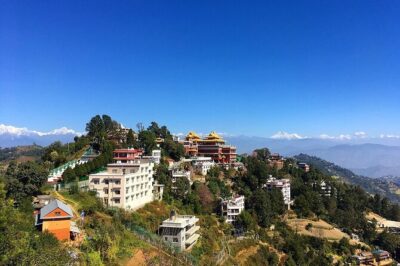
One of the most consistent parts is the guided monastery tour. You get time to learn about the history, architecture, and significance of the monastery in Buddhist culture. You’ll also have a walk as part of the 48 hours at the site, plus time for quiet reflection.
This guided time is valuable because it changes how you interpret everything you see. Without context, you may just notice buildings, prayer spaces, and people moving quietly. With context, you start noticing how the space supports the routine, how rituals relate to practice, and why the place matters to Buddhists beyond the tourism lens.
You may also have personal reflection time. Some days include options like scripture study or gardening activities. The point is not to turn you into a monk. It’s to give you respectful, low-pressure access to how monastery life fills the day.
Simple vegetarian meals: not just food, but part of the routine
You’ll eat three vegetarian meals each day, typically breakfast, lunch, and dinner, with meals prepared by the monastery kitchen. The program explicitly builds these into the schedule, and that matters more than you’d expect.
One of the strongest positive comments from past experiences is the meal time near the monks. Even when the schedule felt lighter on meditation instruction, eating in the monastery context was still a standout moment. It’s practical, calming, and it trains your attention. Meals become part of mindfulness, not a break from it.
For most people, the food is simple and vegetarian. For planning, focus on what you can handle during a quiet routine. If you’re used to lots of snacks or caffeine breaks, you may find yourself feeling more focused, but also a bit “steady and plain.” That’s not a complaint, it’s the nature of the style.
Where expectations can clash: access to puja, contact, and scheduling
The title promises “Live like a monk,” and that sets a high bar. The reality is that the monastery schedule controls what is happening, and the program may not always line up with what you pictured when you booked.
There are clear examples from past participants:
- One person said there was no puja and no meditation and chanting practices in the way they expected, and felt contact with monks was mainly at meals.
- Another said they did not do meditation with monks directly, but instead attended their prayer sessions at set times.
- Others praised the guide for trying to figure out whether pujas were happening, while also noting the monastery did not provide clear information during busy preparations.
That’s why I recommend you approach this with the right mindset:
- Expect chanting and scheduled sessions.
- Expect learning through guided explanation.
- Expect a gentle, structured day, but accept that the most ceremonial moments might be limited or not perfectly synchronized with your arrival.
- If you have very specific ceremony hopes, ask your provider ahead of time what the usual daily pattern looks like during your dates.
When things align, this kind of stay can feel powerful because it’s normal life, not performance. When things don’t align, the value can shift from practice intensity to atmosphere, learning, and meals. Either way, you’ll come away with a better sense of how monastic time is organized.
Price and value at $294: what’s included, and where it can feel expensive
At $294 per person for 3 days, the value depends on how you define a good monk-style stay.
On the included side, you get:
- private transportation to Dhulikhel and back to Kathmandu
- a guide with English interpretation and coverage of guide expenses
- the hike from Dhulikhel to Nomobuddha
- 2 nights of accommodation in a twin-share setup associated with the monastery complex
- daily chanting and meditation sessions led by resident monks
- participation in monastery rituals and practices
- three vegetarian meals per day
- guided tours of the monastery grounds
- access to monastery facilities and amenities
That’s a lot for a single price. Many “quiet experiences” cost more when you add transport and guided interpretation, and this package bundles them. The hike also saves you from doing logistics on your own.
Where the value can feel shaky is when your expectation is heavy, hands-on spiritual practice every day with clear access to monks for instruction. If the schedule on your dates is prayer-heavy but instruction-light, you might feel the program name oversells the interaction.
So, for best value, book with curiosity rather than a checklist. If you want a fully interactive retreat-style meditation program, you may want a different type of spiritual stay. If you want a realistic taste of monastic daily life with guided context, this can be worth it.
The guide matters: Anoj as your translator, storyteller, and fixer
Multiple experiences highlight one person: the guide, named Anoj (sometimes spelled Anose). This is not a throwaway detail. When you’re sitting near monks, the difference between vague sightseeing and real understanding can come down to your guide’s explanations.
People have described Anoj as kind, enthusiastic, prepared, and willing to work the details on the spot, including trying to figure out whether pujas or additional activities were happening during the stay. Another recurring praise was how he connected religion, history, and even Nepal’s natural surroundings to what you were seeing.
So you should actively use that. Ask questions in the quieter moments on the tour walk. If you’re unsure what session you’re joining, ask. If you want to understand what kind of ceremony you’re attending, ask. The program includes the guide, so use them.
What to pack and how to behave respectfully
This is a monastery setting, so behavior and clothing matter. The program notes you should respect traditions and customs, including a dress code and behavior guidelines. That means:
- plan for conservative, modest clothing
- keep your phone use and noise low during sessions
- follow any instructions from your guide or monastery staff without arguing
On the comfort side, keep in mind the accommodations are basic. Shared facilities are part of the deal, so pack light and expect simple routines. If you’re sensitive to cooler mornings, bring a layer. If you’re sensitive to stairs and walking, treat the hike seriously and move steadily.
And one rule is clear: no alcohol and drugs. If you’re planning around that, good. Monastery stays are also not the place for “just one drink” logic.
Who should book this monk-style stay, and who should think twice
This program fits best if you want:
- a slower, structured experience with daily chanting and meditation time
- guided learning so you understand the monastery beyond your first glance
- a realistic taste of routine, meals, and quiet reflection
It may not fit if you want:
- a guaranteed schedule of specific puja ceremonies every day
- intensive one-on-one monk instruction in meditation throughout your stay
- accommodations exactly inside the main monastery building every night
If you’re the type of traveler who gets stressed when a plan changes, you might find the variable intensity of practices hard. If you’re the type who likes learning through context and adapting to what’s happening on site, you’ll likely enjoy it.
Should you book Live like a monk: stay in Nomobuddha Monastery?
My take: book if you’re excited about the daily rhythm, the hike to arrive properly, the guided tour, and the simple meal time near the monks. It’s a small-group, guided, transport-included way to see how monastery life is organized in practice, not just in theory.
Skip or adjust expectations if your main goal is a highly scheduled, highly interactive meditation retreat with guaranteed ceremony content every day. The monastery runs its own life, and past experiences show the amount of monk-led instruction can vary.
A smart move before you go: ask your provider what the typical daily flow looks like during your travel dates, especially how chanting, meditation, and any puja-like moments usually work. If you get a clear answer, you’re likely to feel satisfied with the value.
FAQ
Where is this experience located?
It takes place in Nepal, in the Bagmati Zone, with the program connecting Dhulikhel and Nomobuddha.
How long is the program?
It runs for 3 days and includes 2 nights.
How much does it cost?
The price is $294 per person.
What are the main activities?
You can expect a hike from Dhulikhel to Nomobuddha, guided tours of the monastery grounds, and daily meditation and chanting sessions led by resident monks, plus participation in monastery rituals and practices.
Where will I sleep?
The program includes 2 night accommodation associated with the Nomobuddha Monastery complex (twin sharing). Some stays have been reported in a nearby old or newer guest house rather than directly in the monastery buildings.
Are meals included?
Yes. Three vegetarian meals per day are included: breakfast, lunch, and dinner.
What transportation is included?
Private transportation is provided to Dhulikhel at the start and from Nomobuddha Monastery back to Kathmandu at the end. You will also have guide support throughout.
What is the group size and language?
It is a small group limited to 10 participants, and the live tour guide is English.
Is alcohol or any drugs allowed?
No. Alcohol and drugs are not allowed.
Is cancellation possible, and how flexible is booking?
You can cancel up to 24 hours in advance for a full refund. There is also a reserve now and pay later option, with validity of 3 days from first activation.
The Rest of Our Kavre Bhanjyang Write Ups
East to Dhulikhel and Namobuddha
Everything else we have reviewed around Kavre Bhanjyang
- Dhulikhel Namobuddha and Panauti a day Tour from Kathmandu
★ 4.9 · 10 reviews
Namobuddha & Dhulikhel Day Trips worth a second look.
 ★ 5.0Day Trip to Bhaktapur and Panauti from KathmanduFrom $34184 reviews
 ★ 4.8Dhulikhel to NamoBuddha Day Hike with LunchFrom $462 reviews
 ★ 5.0Dhulikhel, Namobuddha & Panauti: A Scenic Day Tour from KathmanduFrom $6536 reviews
 ★ 5.0Private Scenic Day Hike to NamoBuddhaFrom $532 reviews
 ★ 5.0Namo Buddha and Thrangu Tashi Yangtse Monastery Half-Day TourFrom $10424 reviews
 ★ 5.0Namobuddha Day Tour with LunchFrom $7115 reviews
 ★ 5.0Namobuddha Monastery Hiking Day Tour via Panauti from KathmanduFrom $7015 reviews
 ★ 5.0Bhaktapur Sightseeing & Dhulikhel, Namo Buddha, Panauti TourFrom $7514 reviews
Lists this tour sits in