
REVIEW · ANNAPURNA FOOTHILLS HIKES & SHORT TREKS
From Pokhara: Day Hiking Australian Camp & Dhampus
Himalaya views start early here. I really like the payoff of Australian Camp with Annapurna-range color at sunrise or sunset, and I also like the village side trip to Dhampus and its Gurung culture. The only real catch is that this is an uphill day hike, so if you hate stairs or steep foot trails, you’ll feel it even though the route is short.
I like that this trip is built around a tight, logical loop. You get hotel pickup from Pokhara Lakeside, transport to the trailhead, a guided walk with photo stops, then a relaxed descent and return to town. It’s also a private group experience, so you can move at a sensible pace with your English-speaking guide.
One more thought before you go: mountain weather can swing fast. The best visibility tends to happen in spring and autumn, but even then you’ll want a jacket ready for cooler air as you climb.
In This Review
- Key Points That Make This Hike Worth It
- How This Day Hike From Pokhara Feels in Real Life
- Route And Timing: What “9 Hours” Actually Means
- Pickup, Kande, And The First View Stops
- Australian Camp: Where The Annapurnas Change Color
- Dhampus Gurung Village: Culture Meets Mountain Panoramas
- Phedi Descent And The Return To Pokhara
- The Guide Factor: What Quality Looks Like On This Route
- Price And Value: Is $61 A Smart Deal?
- When To Go: Sunrise, Weather, And Clear Mountain Views
- What To Bring So You Don’t Feel Miserable
- Who This Day Hike Fits Best
- Should You Book This Australian Camp And Dhampus Hike?
Key Points That Make This Hike Worth It
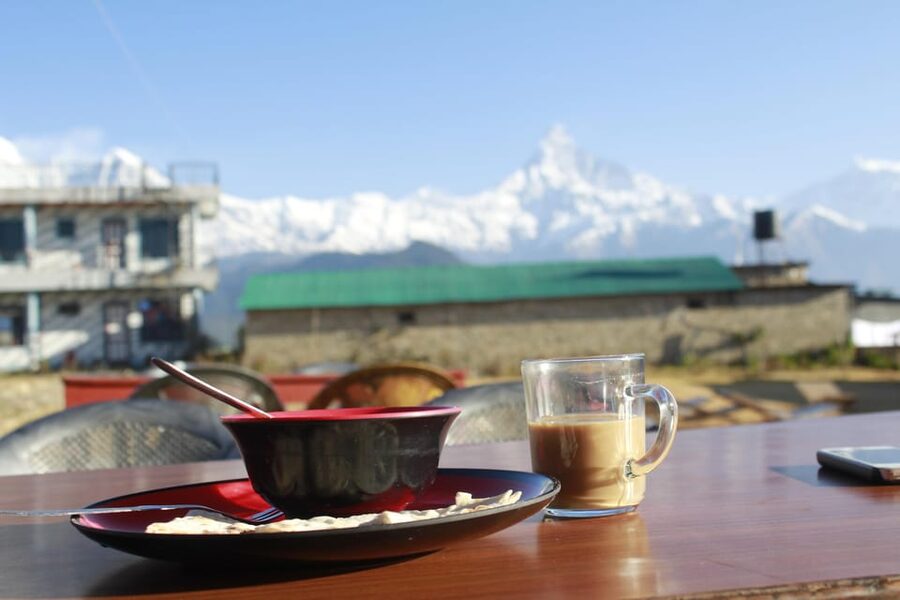
- Australian Camp views of the Annapurna range, including Fishtail, with sunrise or sunset timing
- A manageable day format (about 1.5 hours up from Kande, then continued hiking to Dhampus, then a fairly easy descent)
- Dhampus village time to see daily life in a traditional Gurung community and eat lunch there
- A guided route with local context from professional guides in English, Nepali, or Hindi
- Real variety in scenery, from the trail out of Kande to mountain panoramas and back down to Phedi
Gentler foothill days below the Annapurnas
How This Day Hike From Pokhara Feels in Real Life
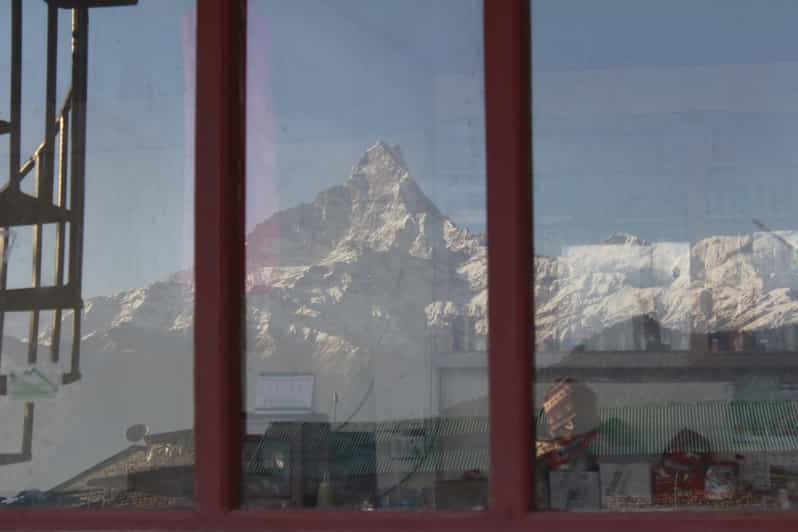
This is the kind of Pokhara hike that does two things well. First, it gets you out of the city quickly to start working your way up toward big views. Second, it gives you a cultural stop that isn’t just a photo moment, with time in Dhampus and lunch at a local restaurant.
The Australian Camp part is the main event. You’ll work up from Kande along a trail that mixes walking through green areas with open outlooks. When you reach the camp area, the goal is simple: watch the mountains change color as the light shifts.
Then there’s Dhampus, which is a very different mood. Instead of chasing the highest viewpoint, you slow down and spend time in a Gurung village setting. You’ll get panoramic sightlines toward the Annapurna and Dhaulagiri mountain groups, but you also get something more human: daily village rhythm, guided context, and a meal that fits the day.
As for difficulty, don’t let the word day fool you. This is still an ascent plus a return descent. One review described the hike as strenuous, even for someone who rates their activity level as around 3 out of 10. Translation: if you’re usually sedentary, plan on working a bit. If you walk regularly, you’ll probably find it manageable with breaks.
Route And Timing: What “9 Hours” Actually Means
The day is built around transport plus three walking segments. Expect a full outing, not a quick stroll.
Here’s the general flow you’ll follow:
You’ll start with hotel pickup in Pokhara Lakeside. Then you’ll drive to Kande, which is about 30 km and roughly 45 minutes away. After a photo stop in Kande, you begin the trek to Australian Camp, about 1.5 hours of walking.
At Australian Camp, you’ll take a break and get guided time and photo time. The plan is to reach the camp in time for sunset viewing, and depending on timing and conditions you may also catch sunrise.
Next, you hike onward from Australian Camp toward Dhampus through rural foot trails. You’ll take more scenic/photo breaks along the way, and you’ll have lunch in Dhampus at a restaurant.
Finally, you descend from Dhampus to Phedi. The descent is described as fairly easy and lasts about 1 hour, then you ride back to Pokhara, about 30 minutes and 19 km.
That sequence matters for your energy. The toughest part is the early climb and the ongoing up-and-forward walking. The descent is shorter and described as easier, which helps if you want a day that feels like a workout, not a punishment.
Pickup, Kande, And The First View Stops
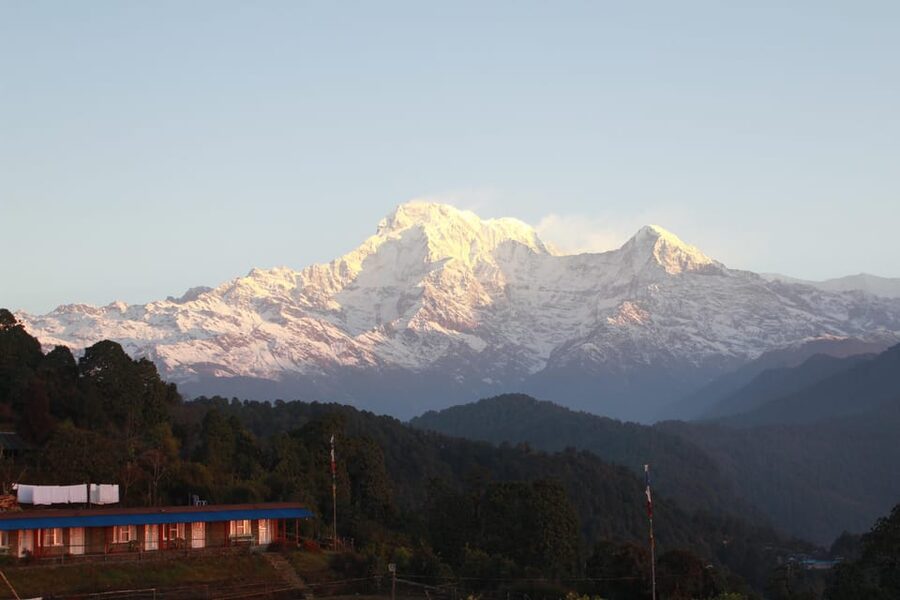
Most hiking days in Nepal start with a drive, but this one keeps it organized. Pickup is included, and you’ll be collected from within the lakeside area. That’s convenient because Pokhara traffic and parking can be a hassle if you try to do this on your own.
Kande is your first real transition point. You’ll drive there, then pause for photos and a guided look before starting the trail. This stop is useful because it breaks the day into two phases. You can stretch your legs, get your bearings, and make sure you’re ready with water, layers, and sun protection before the climb.
The trail from Kande to Australian Camp is where you’ll start noticing Annapurna-range outlines along the way. The hike itself is short enough that you won’t feel stranded, but long enough that you’ll earn the viewpoint. You’ll also get time to appreciate the walking environment, with a mix of forested sections and village-adjacent paths.
If you’re prone to motion sickness in vehicles, plan to eat lightly before pickup and keep water handy. Nothing in the itinerary screams “rough roads,” but you are doing a couple of transfers during the day.
Australian Camp: Where The Annapurnas Change Color
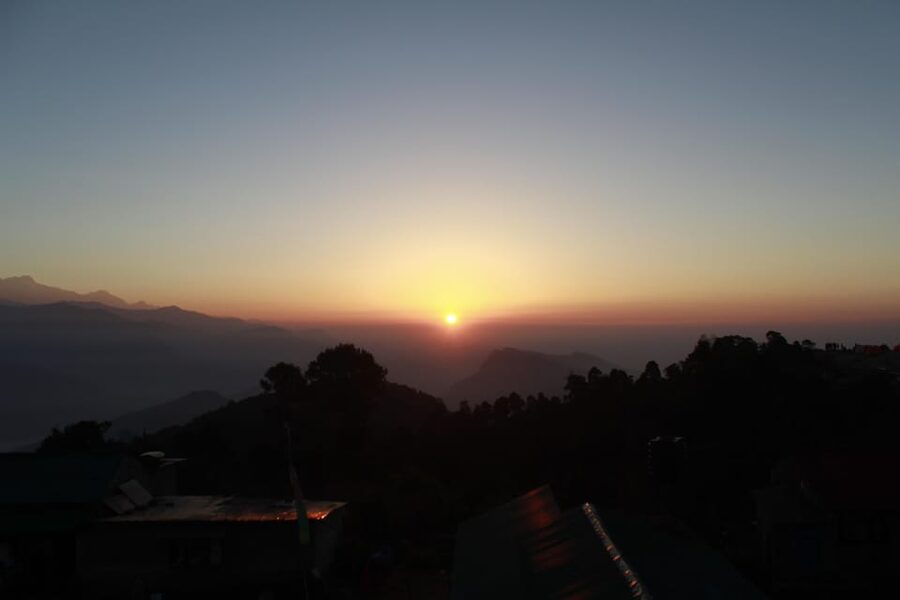
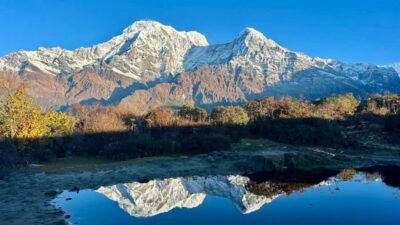
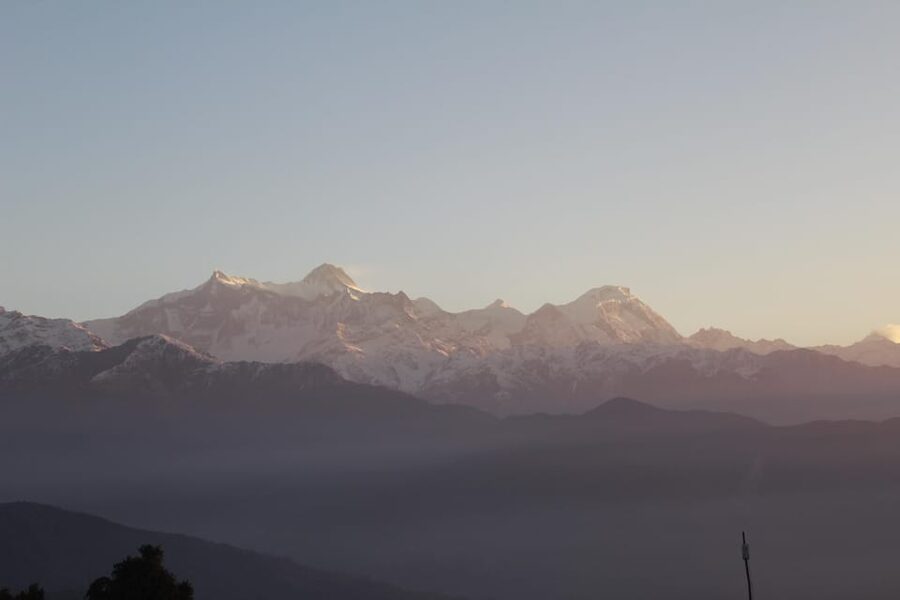
Australian Camp is the star of the show. When you arrive, the atmosphere shifts from trekking focus to view focus. The whole point of this stop is to give you a clean, open vantage for the Annapurna range.
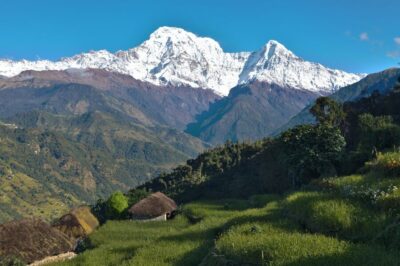
You’ll be in a better position for iconic sightlines, including Fishtail and Annapurna peaks. And because the camp is designed around light, you’re aiming for sunrise or sunset color changes on snow-capped mountains. That lighting matters more than people expect. The difference between mid-day and early morning or evening can be the difference between harsh glare and softer, layered mountain detail.
If you’re tempted to rush, resist. You’ll get guided time and photo stops, so let your guide set the rhythm. Also, take a moment to look beyond the single peak you came for. You’ll likely notice the way the range spreads, not just one dramatic triangle.
Practical tip: pack an extra layer for the camp area. Even if Pokhara feels warm, mountain air cools quickly, especially around dawn or evening. Comfortable shoes also matter here because you’ll likely spend time standing and walking to viewpoints.
Other lodge to lodge routes near Kande
Dhampus Gurung Village: Culture Meets Mountain Panoramas
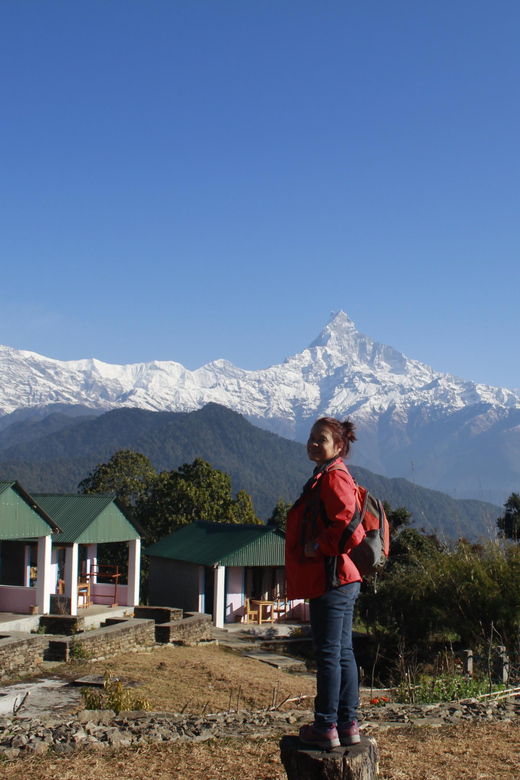
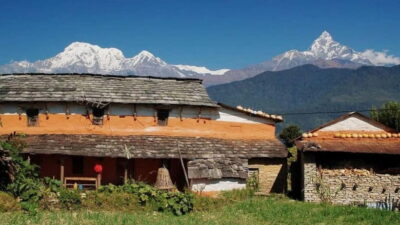
After Australian Camp, the hike continues toward Dhampus. This is where the trip stops being only about scenery. You’ll walk through rural foot trails with views toward Annapurna and Dhaulagiri mountain groups. These are the wider “take it all in” sections, not just one focal peak.
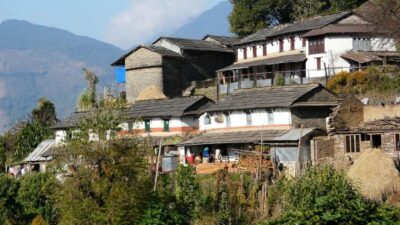
Then you reach Dhampus, a traditional Gurung village. The day’s cultural value comes from having time there, not just driving past. You’ll get photo time, a guided tour, and a walk around the area, plus lunch at a restaurant in Dhampus.
What I like about pairing a viewpoint day with a village visit is that it changes how you remember the hike. The mountains are unforgettable, but the village is what makes it feel real. You’ll see how people live close to the hills, and your guide can help connect what you’re seeing to the region’s Gurung community life.
Lunch is part of the rhythm. Since food isn’t included, you’re making the choice yourself, but you’re not stuck hunting for a place while tired. The itinerary puts you where you can eat after hiking, which helps you keep energy for the descent.
If you have dietary restrictions, plan to communicate with your guide. The trip data only says food and drinks are available for purchase, so options may vary by what’s in the restaurant that day.
Phedi Descent And The Return To Pokhara
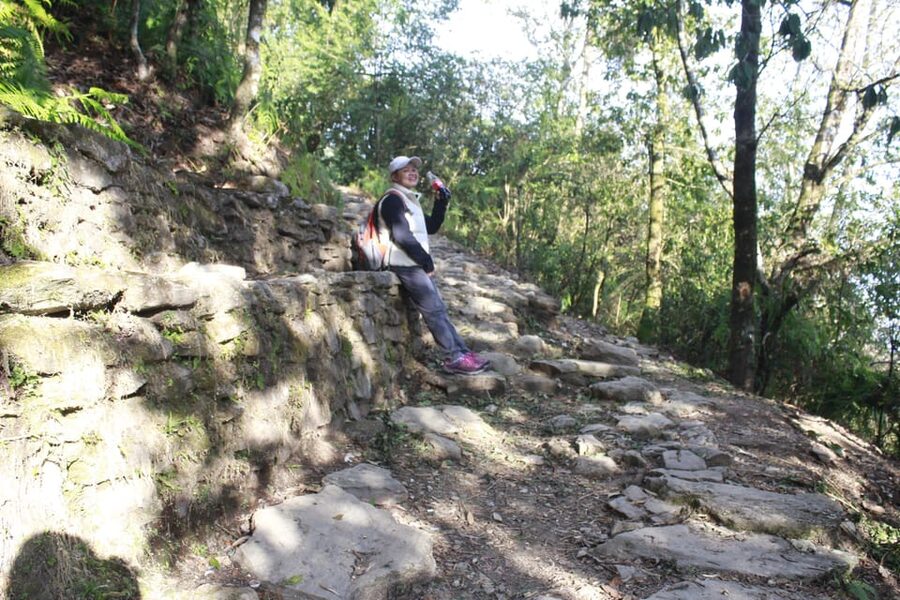
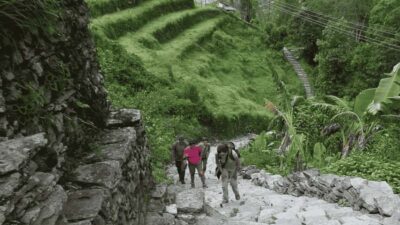
The final chapter is the descent. From Dhampus you’ll head to Phedi via a rural foot trail for about 1 hour, described as fairly easy. That “fairly easy” wording is meaningful. Steep trails can punish your knees on a long day, and this segment is short enough that most people can handle it if they’re taking careful steps.
When you’re descending, your goal is stability, not speed. Small steps and slow pauses for footing usually beat pushing ahead. The weather can also affect this. If the trail is damp, traction matters.
Once you reach Phedi, you’re back in the vehicle for the drive to Pokhara. The ride is short, about 30 minutes over 19 km. That means you’ll likely feel pleasantly tired rather than destroyed, which is ideal if you want to spend the rest of the evening in Pokhara lakeside with a proper meal and a calm walk.
The Guide Factor: What Quality Looks Like On This Route
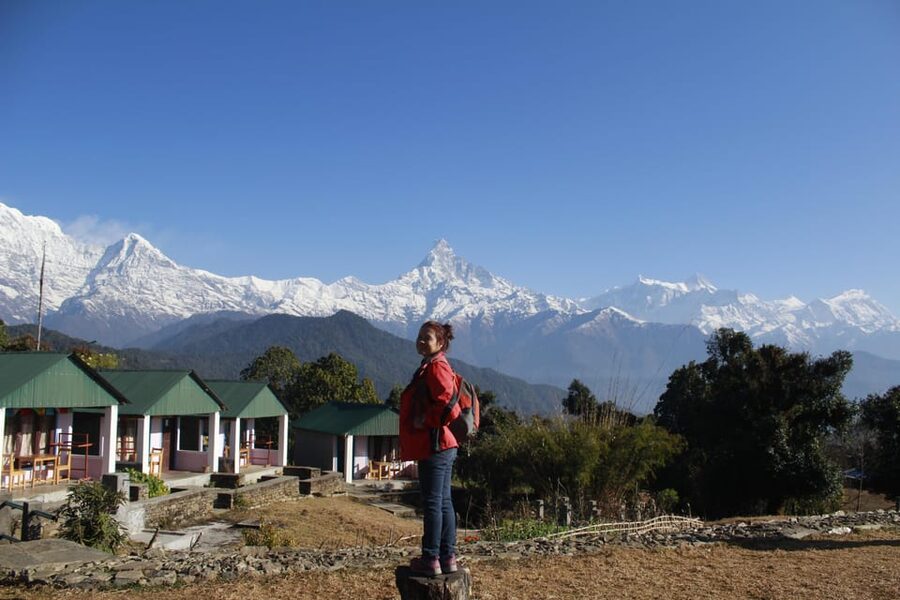
A guided hike can mean a lot of things. Here, the value shows up in four practical places: pacing, route clarity, language help, and safety readiness.
Your guide is described as a professional English-speaking trekking guide, with languages available in English, Nepali, and Hindi. That matters because the difference between a good hike and a great one is often how well you understand what you’re seeing. You’ll also get guide food and all expenses covered, and there’s an emergency first aid kit with the guide plus official documents.
In the feedback, guide names came up clearly: Birendra (often shortened to Bir) and Amrit. Both were praised for being helpful throughout the hike and for taking care of details like being on time for pickup. That detail matters more than it sounds. When the guide runs the day smoothly, you can concentrate on the walk and the views.
Another thing the guides seem to do well is give practical relax-hiking tips, even for older walkers. If you’re planning this as a first serious hike, that kind of guidance can make the day feel less like a test and more like an experience you’re actually enjoying.
Price And Value: Is $61 A Smart Deal?
At $61 per person, you’re paying for a full day package, not just a walking route.
What’s included:
Hotel pickup and drop-off.
A professional guide.
Guide food and all expenses.
Private vehicle transfers from Pokhara to Kande and from Phedi back to Pokhara.
A private tour.
Emergency first aid kit with the guide.
All official document.
What’s not included:
Food and drinks.
Personal expenses.
So what makes it good value? You’re getting transport, a guide, and structure for a full 9-hour window. If you tried to DIY it, you’d likely spend time sorting out a driver, figuring out the trailhead timing, and trying to manage everything without local route support. Here, you’re buying that convenience and safety, and you’re also buying the context your guide can provide.
Is it cheap? It depends on your budget, but for Pokhara standards, it’s in the category of guided day hikes where you’re not stuck paying a fortune for logistics. The “private group” angle also matters. If you’re traveling with friends or family, splitting the cost can make it feel like a very reasonable way to get both mountain time and village time.
The one thing you should budget for is meals. Since lunch is at a restaurant in Dhampus but food is not included, you’ll want to plan a bit of spending for the day.
When To Go: Sunrise, Weather, And Clear Mountain Views
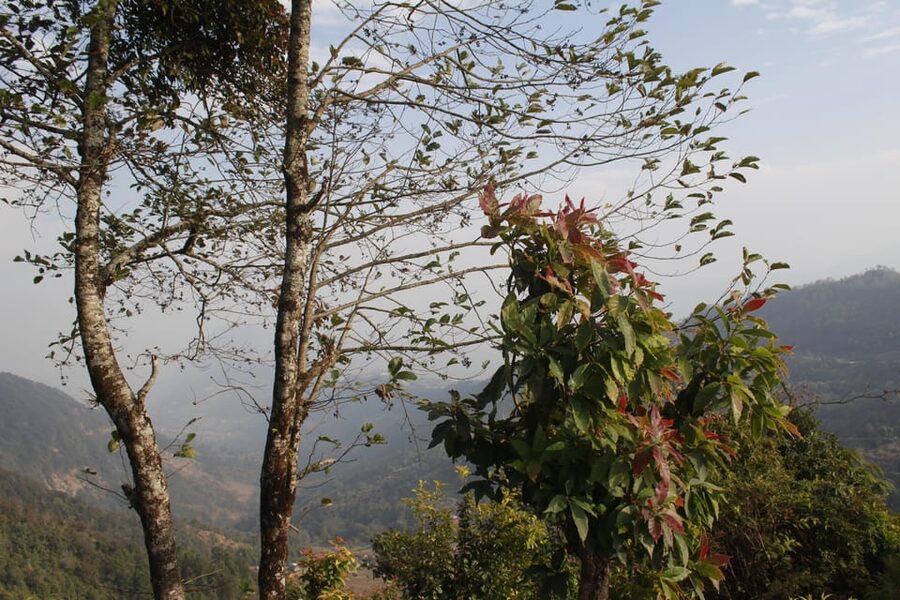
This hike can be done throughout the year, but timing changes your odds of clear views. The best seasons for stable weather and mountain visibility are spring (March to May) and autumn (September to November). Those are also the times when you’ll feel most confident about seeing the Annapurna range without haze ruining the contrast.
That said, mountains are unpredictable. Wind, cloud cover, and temperature shifts can happen even in the best months. Bring layers and plan for a “weather-ready” mindset.
For sunrise versus sunset: both work in theory, but your real experience depends on the day’s conditions. If it’s cloudy, the lighting show can be muted. If it’s clear, you’ll get that color change effect people dream about. Either way, you’ll still walk through the villages and rural trails and come away with the experience.
What To Bring So You Don’t Feel Miserable
The itinerary is only a day, but you’ll be active for hours outdoors. Based on the route and the emphasis on photo stops, plan for basic trekking comfort.
Bring:
Comfortable walking shoes with good grip.
A light rain layer or windproof jacket, because mountain weather changes.
Sunglasses and sunscreen for the open viewpoints.
A water bottle.
A warm layer for Australian Camp area timing, especially if you’re aiming for sunrise or sunset.
You’ll also likely want a small camera or phone setup for those wide Himalayan vistas, including Fishtail and the Annapurna and Dhaulagiri views. Just keep it practical. It’s a hike, not a photo shoot marathon.
Who This Day Hike Fits Best
This trip is a strong match for you if:
You want a single-day plan from Pokhara that still feels like trekking.
You care about mountain views but also want a real village stop, not just a viewpoint.
You like having a guide to manage timing and keep the route clear.
You’d prefer a private tour setting with flexibility on breaks.
It might be less ideal if:
You have knee issues or you dislike steep uphill effort.
You expect a flat walk. This is uphill time up front and a descent at the end.
You’re hoping for a fully packaged food experience, since meals and drinks are extra.
Should You Book This Australian Camp And Dhampus Hike?
Yes, I think you should book it if you’re in Pokhara and you want one memorable mountain day without committing to a multi-day trek. The value is in the combination: a focused viewpoint payoff at Australian Camp, then a cultural visit to a Gurung community in Dhampus, and then an easier-feeling descent back to Phedi.
Before you hit Reserve, double-check your comfort with hills and uneven foot trails. Also, plan for variable weather, and pack layers even if Pokhara seems warm.
If your biggest priority is the view, this delivers. If your priority is a mix of scenery plus village life, it delivers that too, with a guide that can explain what you’re seeing and help you pace the day.
Lodge to Lodge Around Kande
The Rest of Our Kande Write Ups
Foothill Days from Pokhara
Everything else we have reviewed around Kande
- Pokhara: Annapurna Foothills Private Day Hike with Transfers
★ 5.0 · 3 reviews - Pokhara: Day Hiking to Australian Base Camp with Lunch
★ 5.0 · 4 reviews - From Pokhara: Day Hiking Australian Camp & Dhampus
★ 5.0 · 17 reviews - Pokhara: 1-Day Scenic Australian Camp & Dhampus Guided Hike
★ 4.9 · 24 reviews
Annapurna Foothills Hikes & Short Treks worth a second look.
 ★ 5.0Annapurna Foothills Day Hike with TransfersFrom $42100 reviews
 ★ 5.02-Day Private Trekking Tour to Australian Camp & DhampusFrom $9942 reviews
 ★ 5.01-Day Private Dhampus Trekking TourFrom $6735 reviews
 ★ 4.91-Day Scenic Australian Camp & Dhampus Guided HikeFrom $4324 reviews
 ★ 5.0Easy Day Hike to Australian Camp & Dhampus VillageFrom $5824 reviews
 ★ 4.8Australian Base Camp Day Hike From PokharaFrom $3919 reviews
 ★ 4.7Day Hike at Annapurna FoothillsFrom $9817 reviews
 ★ 4.9Guided Day Hike From Dampus To Australian Base CampFrom $5516 reviews
Lists this tour sits in