
REVIEW · NEPAL AIRPORT TRANSFERS & INTERCITY TRAVEL
Pokhara to Kathmandu Premium Sofa Bus Ticket
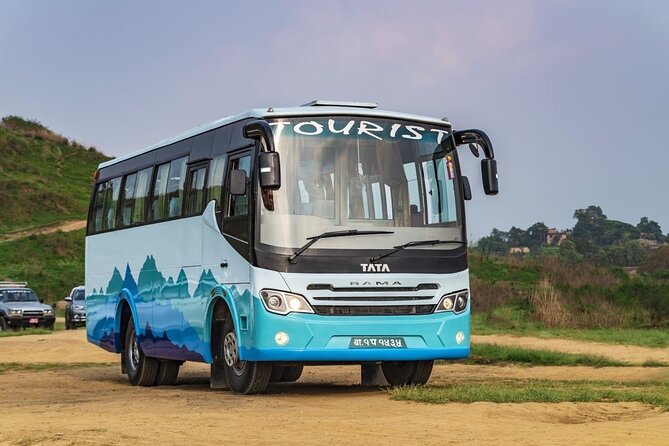
The highway has a way of changing plans. This premium sofa bus ride is an economical way to go between Pokhara and Kathmandu, with reclining seats, bottled water, and views that follow the river for much of the journey.
What I like most is the practical comfort for a day-trip distance, especially the reclining seats that make the long hours feel manageable. I also appreciate the easy structure: two planned breaks, plus bottled water included on board.
The one drawback to keep in mind is that road travel can run late, and a small number of people have mentioned issues like departure timing or a last-minute switch in the bus used. If you’re the type who hates uncertainty, build in buffer time.
In This Review
- Key Points at a Glance
- Premium Sofa Bus Between Pokhara and Kathmandu: What You Actually Get
- Seats, Water, and the Small Comforts That Matter
- Timing and Road Reality: 6 Hours If Smooth, 8 If Not
- The Two Food Stops, Jamune Breakfast and Kurintar Lunch
- Breakfast stop: Jamune area (about 20 minutes)
- Lunch stop: Kurintar area (about 30 minutes)
- What about the third stop?
- River Views and the Recline-Relax Strategy
- Group Size and Atmosphere: Comfortable, Not a Party Bus
- Value for $11: When It’s a Great Deal and When You Should Be Careful
- Who This Bus Suits Best (And Who Should Rethink)
- Practical Tips to Make Your Ride Smoother
- Should You Book This Premium Sofa Bus?
- FAQ
- What time does the Pokhara to Kathmandu bus start?
- How long is the journey?
- Are there food stops during the ride?
- Is bottled water provided on the bus?
- Does the bus stop for local passengers who wave it down?
- What age range is allowed?
- How many passengers are on each bus?
- What ticket type do you receive?
- Can I cancel or change the ticket?
Key Points at a Glance
- Bottled water included on board, so you are not scrambling for drinks mid-ride
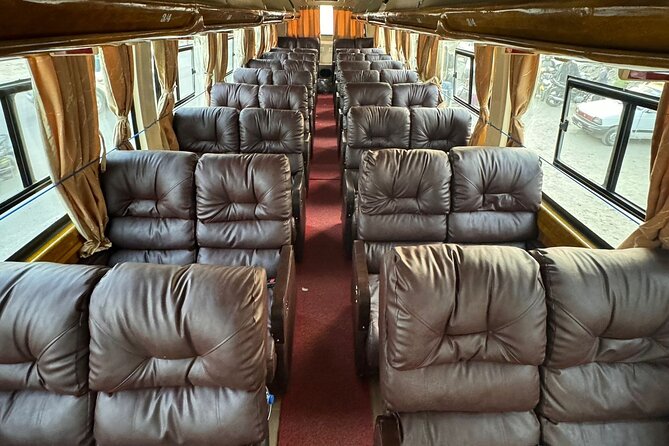
- Reclining sofa-style seats help a lot on a 6 to 8 hour drive
- Two planned stops only: breakfast in Jamune for about 20 minutes, lunch in Kurintar for about 30
- Max 30 travelers per bus, which usually keeps things less cramped than bigger coaches
- No highway pickups for local passengers who try to stop the bus
- Mobile ticket use means less paper to manage at the terminal
Getting between cities, sorted
Premium Sofa Bus Between Pokhara and Kathmandu: What You Actually Get
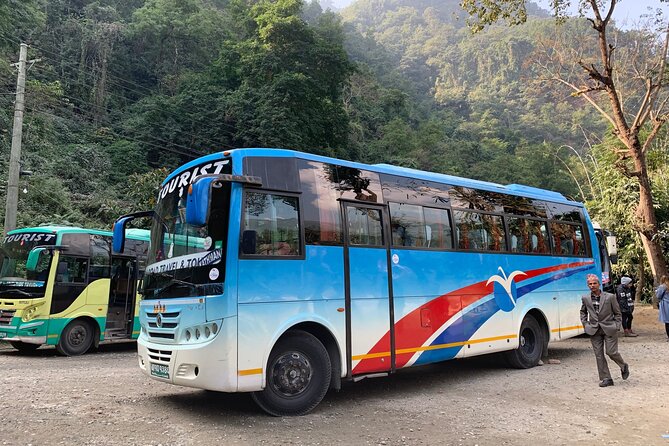
This is a road trip, not a flight, so your main product is time plus comfort. The ticket gets you a premium sofa bus seat from Pokhara to Kathmandu, starting at 6:45 am. The schedule is typically around 6 to 7 hours, though the journey can stretch to 7 or 8 hours depending on conditions.
The ride is pitched as the economical way to do this route with more comfort than the cheapest seats. That matches the vibe: you are paying for reclining comfort, a calmer bus environment (max 30), and a simple plan with a couple of stops.
They use mobile tickets, and the ride ends back at the meeting point. So you can treat this like a straightforward point-to-point transfer, rather than a multi-stop sightseeing tour.
Seats, Water, and the Small Comforts That Matter
For me, the “premium” part is mainly about reducing the misery of long-distance buses. These buses have reclining seats, which matters when you want to rest instead of staring at the same stretch of road for hours. It is a big difference on a Pokhara to Kathmandu drive, where you are likely to feel the time more than you expect.
Bottled water is provided on the bus. That is not a flashy feature, but it saves hassle. You can conserve time at stops, keep some momentum, and not worry about buying drinks at each stop.
Two other details worth noting if they affect how you travel:
- The trip allows ages 6 to 75, so it is fairly broad for families.
- Service animals are allowed, which can be important for some travelers.
And since the bus holds up to 30 people, you should expect fewer “everyone’s bumping past you” moments than on much larger coaches.
Timing and Road Reality: 6 Hours If Smooth, 8 If Not
Here is the honest expectation: this route can be fast when things go smoothly, and slow when the highway gets messy. The journey is often 6 hours if operations run clean. But it can become 7 to 8 hours if there are delays on the road.
One key detail you should plan around is that the bus travels on a highway, so time can be lost to incidents. You are not just waiting for traffic. You are waiting for the road to clear.
Also, there is a known human factor in road travel: punctuality can sometimes slip when buses are swapped or the operator has operational issues. A few past experiences pointed to late departure despite an early meeting time, which is not what anyone wants when you are starting your day at 6:45 am.
My practical advice is simple: plan your morning so you are not dependent on a perfect minute-by-minute schedule. Arrive a bit early, keep an extra water and snack idea in mind just in case a stop runs later, and avoid booking a same-day activity in Kathmandu with zero buffer.
The Two Food Stops, Jamune Breakfast and Kurintar Lunch
The route is designed to be efficient. The bus makes stops in only 3 places, and the most important ones for your schedule are the food breaks.
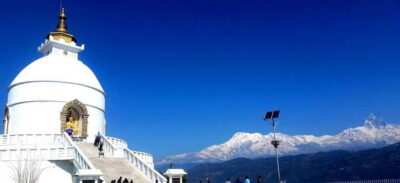
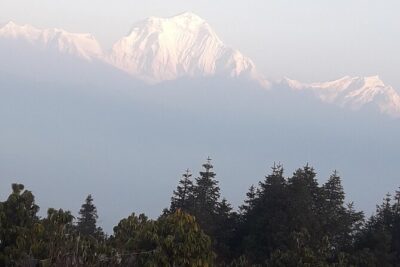
Breakfast stop: Jamune area (about 20 minutes)
You get a breakfast stop around Jamune, and it lasts roughly 20 minutes. This is short enough that you cannot “sit and chat,” but long enough to grab something hygienic and eat with a view.
Both breakfast and lunch are described as offering hygienic food, and the stops themselves are enjoyable because they are near the water. If you are someone who likes to reset your body after hours on the road, this is the moment.
Keep expectations realistic: 20 minutes goes quickly. If you want tea, pay attention to what you order so you are not waiting while the group is already loading back up.
Lunch stop: Kurintar area (about 30 minutes)
Later, you stop in Kurintar for about 30 minutes. This is the longer break, so you have a bit more time to eat and stretch.
Kurintar is also attractive because it sits near a beautiful riverbank view, and the food setup is meant to be clean enough for travelers who want something reliable. If you are traveling with kids, this extra half hour can make the difference between everyone being calm and everyone being cranky.
My best tip here: eat, hydrate, and then take a quick walk. Do not turn it into a full outing. Your bus time is the real clock, and the rest of the day depends on getting back on schedule.
What about the third stop?
The data you have points clearly to the two food stops. The remaining stop is essentially the transition back to your end point in Kathmandu, plus the usual loading and unloading moments. So for planning purposes, treat it as two real breaks, then a direct run onward.
River Views and the Recline-Relax Strategy
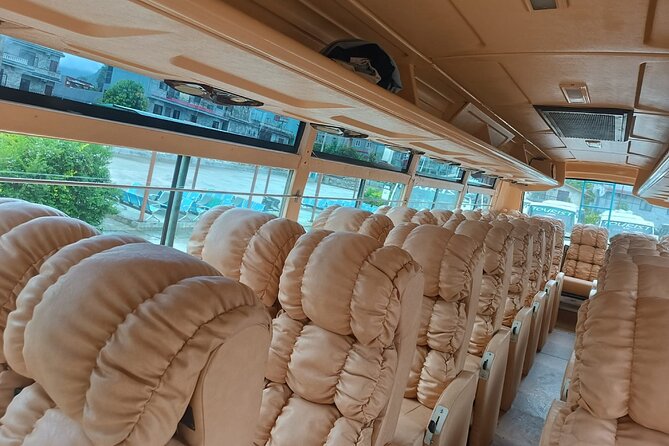
One reason people do Pokhara to Kathmandu by road is the changing terrain and the chance to see life along the route. This bus follows the river for much of the trip, and you might even spot river rafters when conditions line up.
You will not get a “scenic picnic” here, but you do get something better: actual movement through the country. The scenery helps break up the monotony of sitting in one place.
How to make the ride feel shorter:
- Recline early if you are trying to sleep. Waiting until later can make it harder to settle.
- Plan a small entertainment setup. Download something before you board, because the point is rest, not frequent stop-and-go wandering.
- Bring a light layer. Even in warmer months, buses can swing from warm to cool, especially once you spend time in and out of stops.
And because the bus does not stop for highway pickups who wave at the vehicle, you are less likely to get random interruptions. That supports a steadier flow.
Group Size and Atmosphere: Comfortable, Not a Party Bus
With max 30 travelers, this is small enough that the ride feels more controlled. You are not stuck in a crush of strangers, and the boarding and unloading tends to be simpler. That matters because it reduces the “drag” factor at stops.
The atmosphere is also shaped by the bus itself: you get reclining seats, scheduled stops, and a straightforward end back at the meeting point. This is not a sightseeing program. It is transportation with some comfort, plus timed breaks.
If you hate being squeezed into “one more chair, one more person, one more compromise,” this size limit is exactly the kind of detail that can improve your day without you needing to do anything extra.
Value for $11: When It’s a Great Deal and When You Should Be Careful
At $11 per person, the first question is obvious: is this worth it? On this route, it often is, if your expectations match what the bus is. You are not buying luxury, you are buying functional comfort at a price that is hard to beat.
You are getting:
- Reclining seats
- Bottled water
- A structured plan with two timed food stops
- A max 30 coach size
- A mobile ticket and a point-to-point transfer
That is good value for many people because it prevents wasted time. The stops are short, the ride is direct, and the seat comfort helps you arrive without feeling totally wrecked.
But here is the caution side, based on real-world issues that can happen with road operators. Some people have reported problems like:
- Departure delays after being told to arrive for an earlier departure
- A mismatch between the bus they expected and the bus they received
- Seating not matching what they requested
I cannot promise these issues will happen on every trip, but you should plan like they might, especially if you have strong needs like a window seat or tight timing. If you care about the exact bus and seat type, confirm those details before you rely on the photos as a guarantee.
Also, because this is non-refundable and cannot be changed for any reason, you should only book when your schedule is firm.
Who This Bus Suits Best (And Who Should Rethink)
This experience fits best if you:
- Want an economical transfer between Pokhara and Kathmandu
- Plan to rest during the ride and eat at timed stops
- Prefer a smaller bus group, up to 30 people
- Travel within the 6 to 75 age range
- Value practical comfort over fancy extras
It might be less ideal if you:
- Need rock-solid timing with no flexibility
- Have tight connections the same day that you cannot miss
- Are very sensitive to seat assignment and want a very specific seat setup
If your priority is absolute predictability, you might prefer a more controlled transport plan. But if your priority is getting there comfortably for a low cost, this bus is built for that.
Practical Tips to Make Your Ride Smoother
These are small things that help you get the best out of a bus day:
- Start your morning calmly. Being there for the 6:45 am start time is the point, and early arrival can reduce stress.
- Pack a simple comfort kit: earplugs, a light layer, and a snack you can eat if the stop timing feels rushed.
- For Jamune and Kurintar, decide what you want before you sit down, especially during the 20 minute breakfast window.
- If you care about a window seat, bring it up ahead of time so you can avoid last-minute shifting.
And if your day is sensitive to delays, build a buffer in Kathmandu. The road can be unpredictable, and better scheduling beats frustration.
Should You Book This Premium Sofa Bus?
I would book this Pokhara to Kathmandu Premium Sofa Bus if you want a budget-friendly, comfortable transfer with reclining seats, bottled water, and two practical food stops at Jamune and Kurintar. The max 30 capacity and the no-random-pickups approach make it feel more orderly than some bus rides.
I would think twice if your plans cannot tolerate delay, or if you need a very specific seat setup that you assume will match what you see. Road travel can involve operational changes, and because the ticket is non-refundable, you do not want to be gambling with a tight schedule.
If your schedule has room to breathe, this bus is a solid value play for getting between the two cities without turning the trip into an ordeal.
FAQ
What time does the Pokhara to Kathmandu bus start?
The start time listed is 6:45 am.
How long is the journey?
The duration is listed as about 6 to 7 hours, and the trip can take between 7 and 8 hours depending on conditions.
Are there food stops during the ride?
Yes. The bus stops for breakfast in the Jamune area for about 20 minutes and for lunch in the Kurintar area for about 30 minutes.
Is bottled water provided on the bus?
Yes, bottled water is provided on board.
Does the bus stop for local passengers who wave it down?
No. The bus does not stop for local passengers on the highway who wave to stop the bus.
What age range is allowed?
Ages 6 to 75 are allowed.
How many passengers are on each bus?
There is a maximum of 30 travelers per bus.
What ticket type do you receive?
You receive a mobile ticket.
Can I cancel or change the ticket?
No. This experience is non-refundable and cannot be changed for any reason.
The Rest of Our Pokhara Write Ups

Getting Around Nepal
Everything else we have reviewed around Pokhara
- Pokhara: Cable Car Tour – Bird Eye View of Mountain & Lake
★ 4.4 · 3 reviews - Jomsom Muktinath Tour by 4WD SUV 2 Days
★ 5.0 · 3 reviews - Ghorepani Poonhill Private Trek – 2 nights / 3 days
★ 4.5 · 3 reviews - Pokhara: 30-Minute Paragliding Adventure with pick up/drop off
★ 4.5 · 3 reviews - Pokhara: 7-Day Annapurna Base Camp Trek via Ghandruk
★ 4.3 · 3 reviews - Pokhara Group Joining Sarangkot Sunrise Himalayas Tour
★ 5.0 · 3 reviews
Nepal Airport Transfers & Intercity Travel worth a second look.
 ★ 5.0Kathmandu to Pokhara drop-off service by private vehiclesFrom $22527 reviews
 ★ 4.0Kathmandu to Pokhara Tourist Bus Tickets reservationFrom $2225 reviews
 ★ 4.0Kathmandu to Pokhara Bus Ticket- SofaFrom $2124 reviews
 ★ 4.5Kathmandu to Pokhara VIP Sofa Bus TicketFrom $1219 reviews
 ★ 4.0Kathmandu to Pokhara Premium sofa bus ticketFrom $1117 reviews
 ★ 5.0Private Car Service from Kathmandu to PokharaFrom $7710 reviews
 ★ 4.5Kathmandu Sightseeing Tour by Private VehicleFrom $609 reviews
 ★ 5.0Kathmandu to Pokhara Car Rent – Vehicle HireFrom $2508 reviews
Lists this tour sits in