
REVIEW · ANNAPURNA BASE CAMP TREKS
Pokhara: 7-Day Annapurna Base Camp Trek via Ghandruk
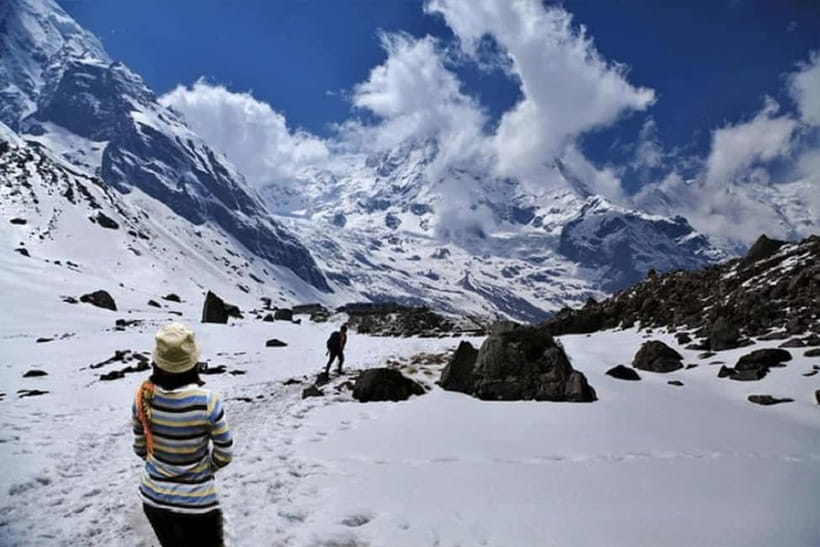
The sunrise at ABC is unreal. This 7-day trek strings together Gurung villages, terraced fields, and high Himalayan views, ending with Annapurna Base Camp in a natural amphitheater. I love how the route mixes forest walking with real village life, and how the views stay close, especially Annapurna I and Machapuchare. One heads-up, though: logistics can get messy with extra charges in guest houses and transport that may not match what you expect.
This is not a technical climb, but it is a serious hike, with multiple long days and big altitude jumps. You’ll move from Pokhara’s lakeside area up through Chhomrong and Sinuwa, then into bamboo and rhododendron forest before the terrain turns alpine. If you like scenery with culture and you’re ready for cold mornings, you’ll likely find this route hits the sweet spot.
In This Review
- Key things I’d mark on your mental map
- The Big Promise: Big Views in 7 Days, Without a Speedy Fantasy
- Day 1, Pokhara to Kande and Landruk: Warming Up With Mountain Views
- Day 2, Chhomrong and Sinuwa: Stone Steps, River Crossings, and Gurung Country
- Day 3, Bamboo to Deurali: When the Trail Turns Green and Then Higher
- Day 4, Machapuchare Base Camp to ABC: The Alpine Switch and the Payoff
- Day 5, Sunrise at ABC and the Descent Choice to Bamboo or Sinuwa
- Day 6, Sinuwa to Chhomrong, Then Ghandruk: Culture and Views on the Way Out
- Day 7, Ghandruk to Birethanti and Back to Pokhara: The Final Legs
- Price and Logistics: What $179 Really Covers, and What You Should Double-Check
- Tea Houses, Meals, and Staying Comfortable at Altitude
- Permits, Guide Support, and Safety Steps You Can Take Today
- Who This Trek Fits Best, and Who Should Rethink It
- Should You Book This Annapurna Base Camp Trek via Ghandruk?
- FAQ
- How long is the trek from Pokhara to Annapurna Base Camp via Ghandruk?
- Where does the trek start?
- What is the highest altitude on this itinerary?
- Is pickup from my hotel included?
- Are permits and fees included?
- What languages does the guide speak?
- Are meals and lodging included?
- What trekking gear is provided, and what should I bring?
- Do I need travel insurance?
- Do I need to pay extra for a porter?
Key things I’d mark on your mental map
- Sunrise inside the Annapurna Sanctuary amphitheater, with a full panorama from Annapurna Base Camp
- Close-up mountain drama for Annapurna I, Machapuchare, Hiunchuli, and the surrounding peaks
- Village rhythm through Gurung settlements, stone stairways, and terraced fields
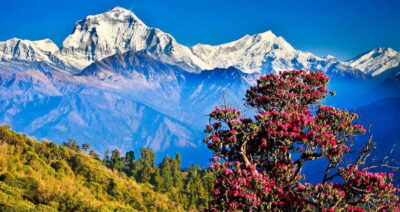
- Forest to alpine transition through bamboo and rhododendron trails, then higher glacier and peak views
- A satisfying cultural exit through Ghandruk village before returning to Pokhara
Other approaches to the Sanctuary gate
The Big Promise: Big Views in 7 Days, Without a Speedy Fantasy
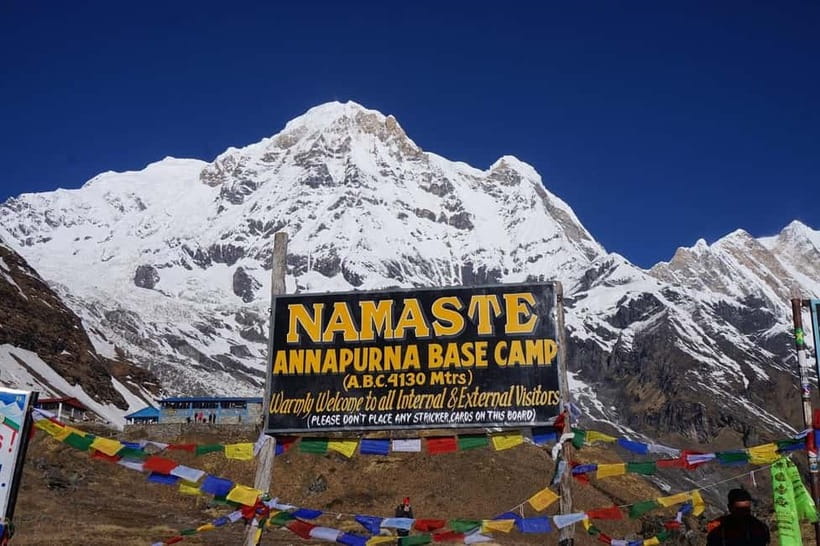
This trek is designed like a best-of sampler, and you feel it in the timing. You’re climbing steadily from about 1,770 m at Kande to 4,130 m at Annapurna Base Camp, with forest days and village days in between. Then, you reverse the descent through the same broad corridor, finishing with Ghandruk, one of the more rewarding places to come down through.
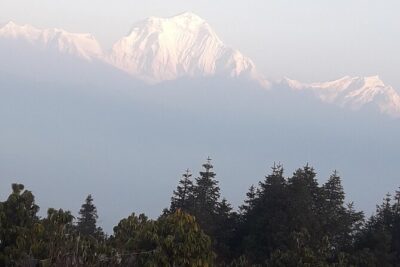
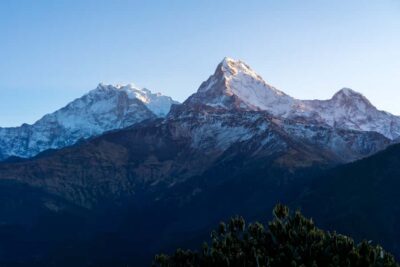
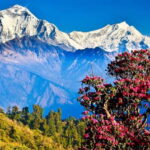
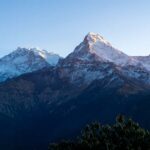
The highlights are specific, not vague. You get a proper sunrise at ABC, not just a quick look after the fact. And the mountain lineup is close enough to feel real: Annapurna I, Machapuchare, Hiunchuli, and the surrounding peaks framing the sanctuary bowl.
The tradeoff is physical effort. Hiking days run roughly 4 to 7 hours, and higher altitude days mean cold air and slower steps. If you’re not used to steep stone sections and long descents, plan to take your time and follow your guide’s pacing.
Day 1, Pokhara to Kande and Landruk: Warming Up With Mountain Views
Your day starts with a short drive from Pokhara to Kande, around 1,770 m. That matters because it gives you a head start on altitude without forcing you to start too low. From there, you trek toward Landruk, passing through spots like Australian Camp and Pothana along a ridge-style route with mountain views.
The walk down into Landruk is a great “settle in” day. Your total hiking time is about 4 to 5 hours, and you end around 1,565 m. Even if you feel strong on paper, first-day trails can still feel long because your body is adjusting, plus you’re soaking in views.
Landruk is your first taste of local life. Expect terraced surroundings and village walking that feels less like pure sightseeing and more like being part of the route people actually live with. This is also where you learn the daily rhythm: early breakfast, steady trekking, tea house check-in, and planning the next day before you get too comfortable.
Day 2, Chhomrong and Sinuwa: Stone Steps, River Crossings, and Gurung Country
Day 2 is where the trek starts to feel like the Annapurna Base Camp journey. You descend to a river, then climb toward Chhomrong. After that, you continue with forest trails and stone steps up to Sinuwa, finishing at about 2,340 m.
This is a 6 to 7 hour day, so it’s a real workout day even if the terrain is not “climb a peak” difficult. Stone stairways can be sneaky, especially on tired legs, and river crossings can slow you down depending on conditions. The upside is that you’re moving through classic village-and-trail scenery.
Chhomrong is one of those hubs where you start seeing the bigger picture of the region. From there, Sinuwa adds more forest energy and a sense of getting pulled deeper toward the sanctuary. You sleep at 2,340 m, which is high enough to make the next stage feel more serious, but not so high that you feel completely crushed on day 3.
Day 3, Bamboo to Deurali: When the Trail Turns Green and Then Higher
On day 3, you go through the Modi Khola valley. The route is described as passing bamboo and rhododendron forest, with stops along the way at Bamboo, Dovan, and then Deurali. You end at about 3,230 m after roughly 6 to 7 hours of hiking.
This is the “ecology day,” and it’s not just pretty. Forest walking can be a relief because the air often feels less exposed than the higher alpine sections. Bamboo and rhododendron trails also mean the route can feel varied, with shade and thick growth making the climb feel different from the earlier village stair days.
Deurali is where you start to notice the change in altitude and weather. By the time you reach this elevation, mornings and evenings can turn sharp, even if the daytime trekking still feels manageable. Think warm layers and wind protection, plus dry socks if you have them.
Shorter Ghorepani options worth weighing
Day 4, Machapuchare Base Camp to ABC: The Alpine Switch and the Payoff
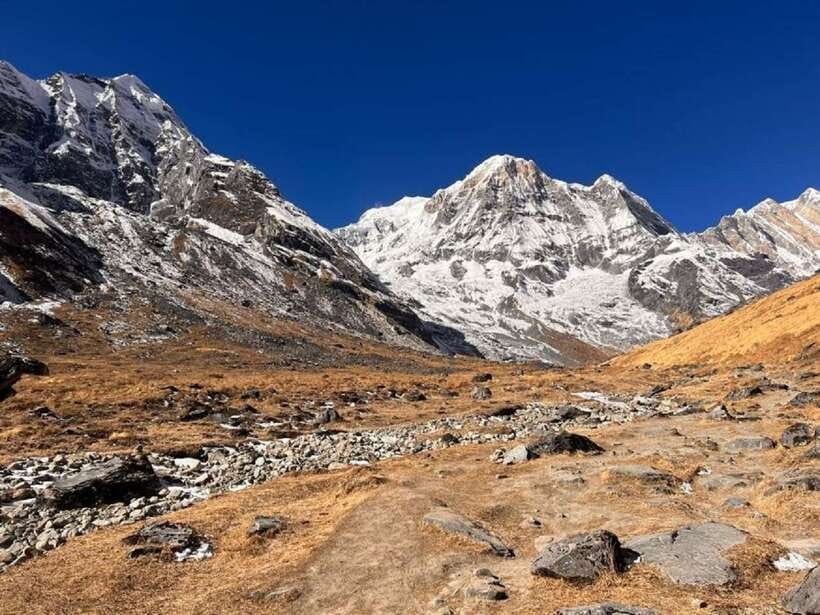
Day 4 is your big step into alpine terrain. You trek from Deurali to Machapuchare Base Camp at about 3,700 m, then continue up to Annapurna Base Camp at 4,130 m. Hiking time is about 5 to 6 hours.
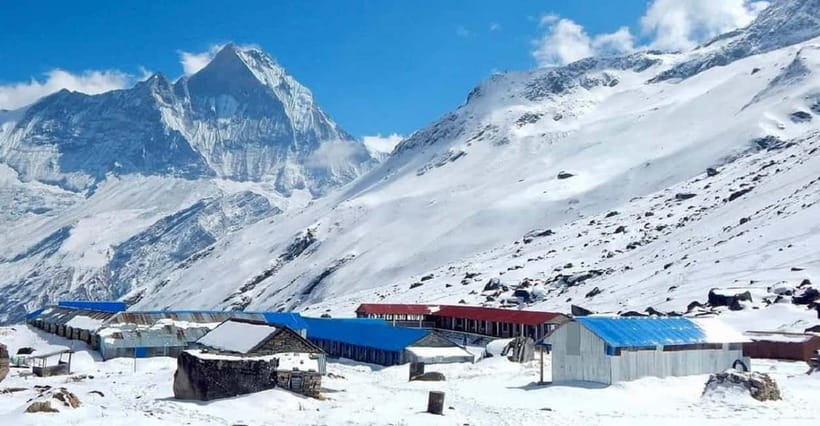
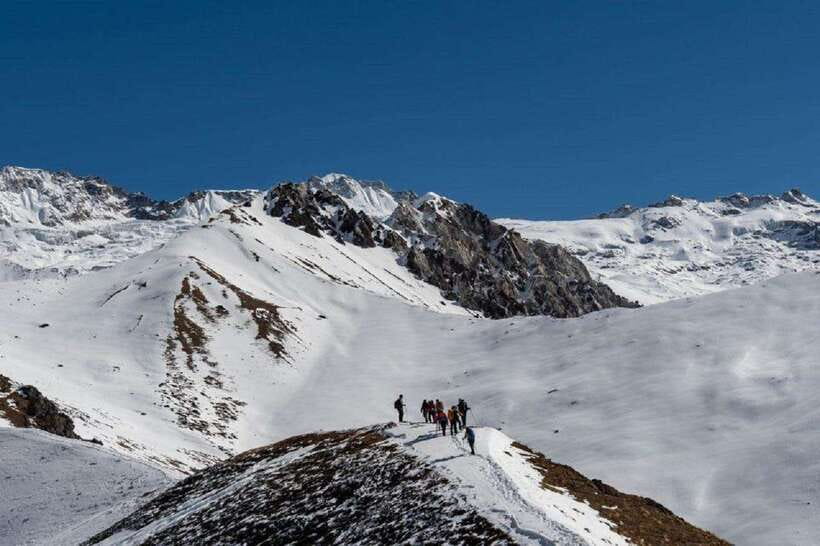
Machapuchare Base Camp matters because it’s a visual transition point. The trek stops feeling like “village-to-village travel” and starts feeling like “mountain stage.” From here, the views open into something more glacier-and-peak focused, with the peaks looming closer.
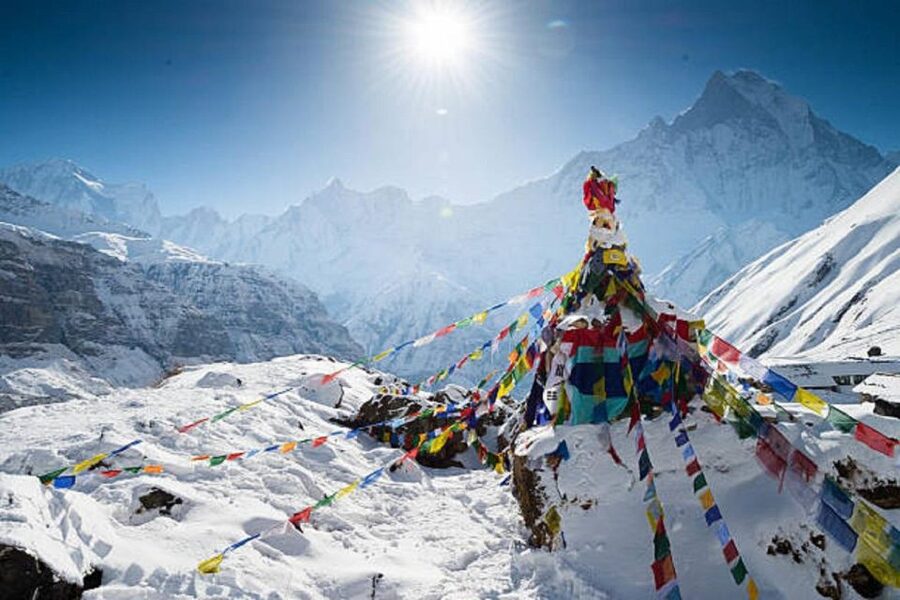
Then you arrive at Annapurna Base Camp, surrounded by the kind of amphitheater setting people come for. This is the day when the trek’s whole sales pitch becomes real: you stand in the sanctuary bowl with snow-covered giants around you and the sense that you’ve reached a high, defined place rather than just a point on a map.
The same altitude that makes this moment huge also means you need to treat your body carefully. You don’t need to panic, but you do need to slow down, drink water, and keep warm. A good guide will steer you toward steady breathing and smart pacing rather than “finish fast” pride.
Day 5, Sunrise at ABC and the Descent Choice to Bamboo or Sinuwa
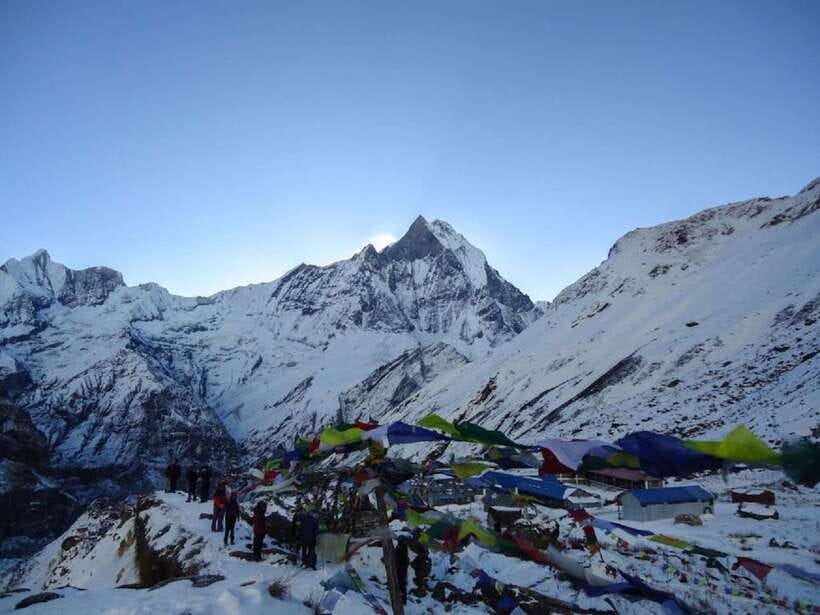
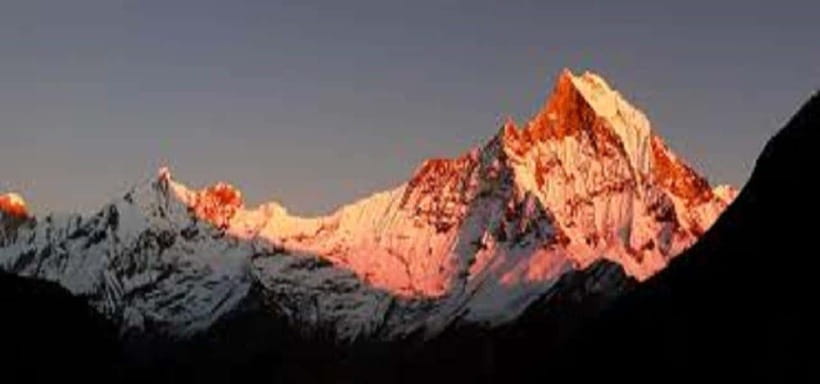
Day 5 is where the itinerary shows its spine: sunrise at Annapurna Base Camp. You get that morning panorama before descending. The route returns through MBC, Deurali, and Dovan, and the overnight depends on pace, either Bamboo or Sinuwa, both around 2,340 m.
This day is special for two reasons. First, sunrise changes the mood of the sanctuary bowl. Second, after a peak night at high altitude, the descent becomes a mix of relief and challenge. Relief because you’re going down. Challenge because downhill can still hammer your knees and feet.
If you’re the type who likes control, use the sunrise window to get your bearings. After the view settles into your memory, the descent becomes more predictable. Your guide will help with tempo so you can manage fatigue without rushing past good moments.
This is also a good day to think about your energy for the final two days. Even if you start feeling strong, don’t ignore the cumulative effect of yesterday’s altitude and today’s downhill.
Day 6, Sinuwa to Chhomrong, Then Ghandruk: Culture and Views on the Way Out
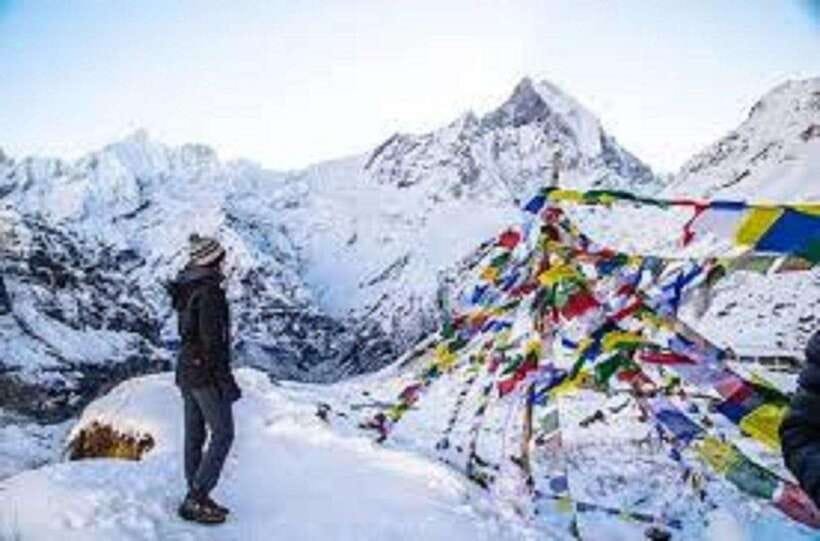
You start day 6 by retracing to Chhomrong, then take a scenic route into Ghandruk. Ghandruk is at about 1,940 m, and your total hiking time is roughly 5 to 6 hours.
This is a powerful kind of day because it blends two things that often get separated on treks. You get the physical satisfaction of finishing the sanctuary portion. Then you get the cultural payoff of ending in a village known for mountain culture and panoramic views.
Chhomrong backtracking can feel repetitive for some people, but it’s often worth it because the trail context is different when you’re leaving the highest areas behind. By the time you’re walking into Ghandruk, the experience becomes less about altitude endurance and more about soaking up the day without worrying about the next big climb.
Ghandruk is also a good place to settle your camera settings, because you’re likely to get clear sightlines on open stretches. Just remember that after high cold mornings, warmer daytime weather can trick you into hiking too lightly. Layer smart.
Day 7, Ghandruk to Birethanti and Back to Pokhara: The Final Legs
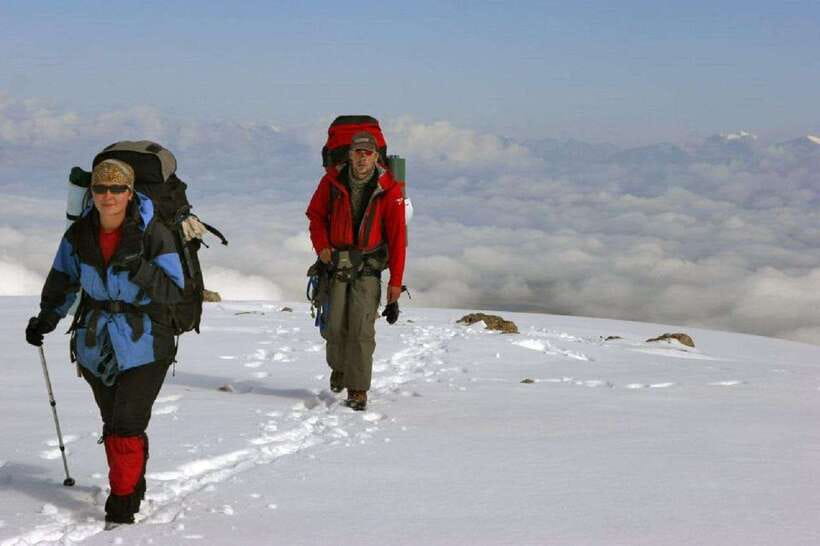
Day 7 brings you down to Birethanti at about 1,025 m, then you drive back to Pokhara, with roughly 1 hour of driving. Hiking time is about 3 to 4 hours.
This is the “unclench” day. You’re going from village trails and farmland back toward easier walking before the road transfer. Your feet may feel heavy, but the drop in altitude usually makes breathing easier and the pace more comfortable.
This final descent is also a good moment to reflect on what the trek really gave you. You didn’t just hike to a viewpoint. You moved through multiple ecological zones, multiple village settings, and one of the most famous mountain bowls in Nepal, then left through Ghandruk’s cultural route rather than disappearing straight back to the start.
Price and Logistics: What $179 Really Covers, and What You Should Double-Check
At $179 per person for 7 days, you’re paying for a compact, well structured package: transport between Pokhara and the trek starting point, permits and fees, meals during the trek (depending on the option), tea house lodging, and a government registered guide. You also get first aid support and some trek gear support, like a trekking stick or sleeping bag as needed.
You should still plan your money like a trek, not like a hotel. Personal snacks, extra drinks, and any WiFi or hot water charges at guest houses can add up fast. One caution I’d take seriously is that even when meals are included, guest house extras like potable water and WiFi may not be. So bring cash for day-to-day purchases, and confirm what your package covers.
Transport back to Pokhara is another area to confirm. In at least one past experience described to me privately, a vehicle plan did not match expectations when the trek wrapped sooner than anticipated, and the return ride quality became the weak link. You can reduce risk by asking the operator to confirm the exact vehicle type for both directions and whether it is reserved ahead of time.
Finally, check porter details carefully. The inclusions mention a guide and porter support, but there is also a note that an additional porter may be $20 per day if needed. Ask for a clear written answer: do you have a porter included for your dates, or is that optional.
Tea Houses, Meals, and Staying Comfortable at Altitude
Your nights are in basic tea houses or lodges, so comfort will be simple. That’s normal on this trail, and it’s also why packing smart matters more than chasing luxury.
Meals are included during the trek, depending on the option you choose. Since the listing can vary by meal package, treat the included meals as the baseline and budget extra for personal cravings. At higher elevations, hot drinks and simple food can feel like medicine, so if you tend to get chilled easily, make warm liquids part of your rhythm.
Cold is a reality on this route. Temperatures can vary significantly, and higher altitude sections are very cold at night and often early morning. Bring warm clothing, a hat, and a jacket you’re comfortable hiking in. A flashlight is also practical because tea house areas do not always offer reliable lighting.
If you’re provided a sleeping bag as needed, you should still check its condition and temperature rating, and wear a base layer to sleep if you get cold easily. The body can bounce back quickly in Nepal, but altitude cold can sneak up.
Permits, Guide Support, and Safety Steps You Can Take Today
This trek requires permits, and they’re included. You still need to send a copy of your passport at least one day before the trek so the government permits can be arranged. A copy of your ID is accepted, but passport details are the usual core document for international travelers.
Your guide is offered with English, Hindi, and Nepali support. That matters if you want to understand trail conditions, acclimatization pacing, and what to expect from each day. A private group also means the pace is more adaptable to you, as long as altitude rules are respected.
Safety has two sides. The operator includes a first aid kit, and emergency rescue services are available if needed. But travel insurance is mandatory for your safety and peace of mind, and you should treat that as non-negotiable. Trekking involves real risk, and insurance is what protects you when things go wrong.
Before you go, do one practical thing that saves headaches later: pack your documents and essentials so your team can process permits smoothly. Then, communicate openly with your guide about your fitness and any concerns. A well paced trek feels easier than a fast one that forces you to recover later.
Who This Trek Fits Best, and Who Should Rethink It
This is a great fit for hikers who want a classic Annapurna experience in a tight timeframe. You’ll likely love it if you enjoy village walking as much as mountain views, and if you’re excited by forest trails that gradually shift into alpine terrain.
It may not be ideal if you have limited hiking experience or you’re not confident on long days with steep steps and downhill effort. The trek can be physically demanding, and you should have a reasonable level of fitness before booking.
It also helps if you like early mornings. Sunrise at ABC is a major attraction, and you’ll feel it in your schedule. If waking up early makes you cranky and your energy drops quickly, plan for it, hydrate, and keep layers ready.
Should You Book This Annapurna Base Camp Trek via Ghandruk?
I’d book this trek if your top priorities are sunrise at Annapurna Base Camp, close views of Annapurna I and Machapuchare, and a route that includes real village scenery through Gurung settlements and Ghandruk. The itinerary style also works well for people who want variety, forest to alpine, culture to summit, without needing weeks on the trail.
I would not book it blindly if you hate uncertainty around logistics. Do two things before paying: confirm exactly what guest house extras might cost, and verify the return transport details in writing. Also clarify porter arrangements so you know what support you actually get.
If you can handle a demanding hike, pack for cold mornings, and manage day-to-day cash, this trek can deliver a memorable week of Himalayan scenery and a satisfying mountain culture exit through Ghandruk.
FAQ
How long is the trek from Pokhara to Annapurna Base Camp via Ghandruk?
The trek runs for 7 days, including a drive from Pokhara to the starting point and a return drive back to Pokhara on the final day.
Where does the trek start?
You drive from Pokhara to Kande (about 1,770 m), then begin trekking from there.
What is the highest altitude on this itinerary?
The highest point is Annapurna Base Camp at about 4,130 m.
Is pickup from my hotel included?
Pickup is included from all hotels in the Pokhara Lakeside area, Sarangkot area, and Pokhara International Airport. You confirm the pickup time after booking.
Are permits and fees included?
Yes. Necessary permits and fees for the trek are included.
What languages does the guide speak?
The live guide is available in English, Hindi, and Nepali.
Are meals and lodging included?
All meals during the trek are included depending on the option you choose. Accommodation is in basic tea houses or lodges during the trek.
What trekking gear is provided, and what should I bring?
Gear support may include a trekking stick and a sleeping bag as needed. You should bring comfortable shoes, warm clothing, a hat, cash, a jacket, and a flashlight, plus essentials like passport or ID copy.
Do I need travel insurance?
Yes. Travel insurance is mandatory for your safety and peace of mind, and emergency rescue services are available if needed.
Do I need to pay extra for a porter?
A guide and porter support is mentioned in the inclusions, but there is also a note that a porter may cost $20 per day if needed. Confirm what is included for your specific option before you start.
The Rest of Our Pokhara Write Ups
Ghorepani and the Poon Hill Ridge
Through the Sanctuary Gate
Everything else we have reviewed around Pokhara
- Pokhara: Cable Car Tour – Bird Eye View of Mountain & Lake
★ 4.4 · 3 reviews - Jomsom Muktinath Tour by 4WD SUV 2 Days
★ 5.0 · 3 reviews - Ghorepani Poonhill Private Trek – 2 nights / 3 days
★ 4.5 · 3 reviews - Pokhara: 30-Minute Paragliding Adventure with pick up/drop off
★ 4.5 · 3 reviews - Pokhara: 7-Day Annapurna Base Camp Trek via Ghandruk
★ 4.3 · 3 reviews - Pokhara Group Joining Sarangkot Sunrise Himalayas Tour
★ 5.0 · 3 reviews
Annapurna Base Camp Treks worth a second look.
 ★ 5.0Annapurna base camp trek 5 DaysFrom $699252 reviews
 ★ 5.0Annapurna Base Camp TrekFrom $935111 reviews
 ★ 5.0Kathmandu to Annapurna Base Camp (ABC) 5-Day TrekFrom $99102 reviews
 ★ 5.0Annapurna Base Camp Trek 12 DaysFrom $80085 reviews
★ 5.0Annapurna Base Camp TrekFrom $92580 reviews
★ 5.0Annapurna Base Camp Trek 12 DaysFrom $80085 reviews
★ 5.0Annapurna Base Camp TrekFrom $92580 reviews
 ★ 4.95-Day Annapurna Base Camp (ABC) TrekFrom $9672 reviews
★ 5.0Annapurna Base Camp TrekFrom $69959 reviews
★ 4.95-Day Annapurna Base Camp (ABC) TrekFrom $9672 reviews
★ 5.0Annapurna Base Camp TrekFrom $69959 reviews
 ★ 5.011-Day Hike Tour to Annapurna Base Camp Bliss in KathmanduFrom $1,30052 reviews