
REVIEW · ANNAPURNA BASE CAMP TREKS
Annapurna Base Camp Trek
Annapurna views start the minute you land. I like the max 10-person group size, which makes the trek feel calm instead of chaotic, and I also like the meal coverage on the trail, so you spend less time figuring out food at every stop. This 14-day Annapurna Base Camp trek sets you up with Kathmandu and Pokhara stays, a guide, and a clear path through some of Nepal’s most famous mountain scenery.
The main drawback to plan for is altitude and mountain weather. You’ll hike about 4 to 7 hours a day, and the route goes higher enough that you should take the pace seriously, not bravely. Also, the experience depends on good conditions, so if weather shuts things down, you may need to shift dates.
I also like the human side. In feedback tied to Green Valley Nepal Treks & Research Hub, guide names like Krishna and Arjun come up around communication, on-trail care, and handling practical changes smoothly. That matters on ABC, where small moments (rest breaks, support decisions) can change how the whole trip feels.
In This Review
- Key points to know before you go
- Getting Kathmandu to Pokhara Done Right, Not Random
- Nayapool to Birethani: The Trek Starts Calm, Along the Modi River
- Ulleri, Banthanti, Ghorepani: Rhododendron Hills and Your First Big View Setup
- Poon Hill at 3210m: The View That Makes People Start Smiling Again
- Tadapani to Chhomrong: The Climb Into the Annapurna Neighborhood
- Chhomrong Khola to Sinuwa: Steps, a Suspension Bridge, and That Mountain Energy Shift
- Dovan to Himalaya: A Quieter Trail Through Temple Rules
- Deurali to Machhapuchhre Base Camp: A Harder Day That Pays Off
- The ABC Sunrise Moment, Then the Return Begins
- Chhomrong, Jhinu Danda, and Hot Spring Recovery
- Malekhu, Then Kathmandu With a Temple Photo Stop
- Price and Value: What $925 Gets You and What It Does Not
- Daily Hiking Reality: 4 to 7 Hours Means You Should Plan for Time
- Guides and Small-Group Care: Names That Matter on Mountain Days
- Should You Book This Annapurna Base Camp Trek?
- FAQ
- Where does the trip start?
- How long is the Annapurna Base Camp trek?
- What group size should I expect?
- Is pickup offered?
- What tickets and documentation are provided?
- Are meals included?
- What kind of fitness level do I need?
- What does the Pokhara portion include?
- Are there any special experiences on the trek?
- What is the cancellation and weather policy?
Key points to know before you go
- Small-group pacing (max 10) with a professional guide doing the navigation and logistics
- Teahouse and hotel stays included in Kathmandu and Pokhara, and teahouses during the trek
- Meals on the trek are covered, with breakfast and dinner counted through the hiking days
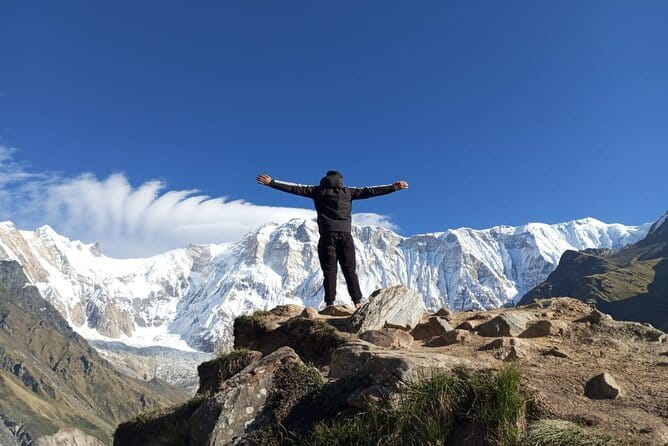
- Poon Hill viewpoint early on at 3210m, a strong first taste of the Annapurna region
- Machhapuchhre Base Camp plus ABC sunrise gives you two serious view moments
- Jhinu Danda hot springs lets you soak after downhill trekking day after day
Other approaches to the Sanctuary gate

Getting Kathmandu to Pokhara Done Right, Not Random
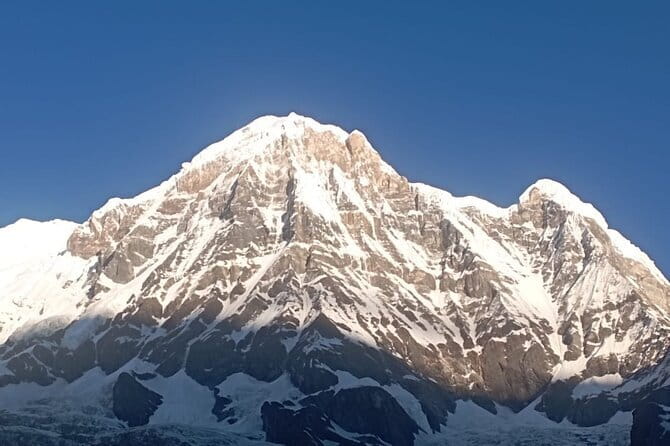
Your trip starts in Kathmandu, and the handoff is straightforward. You meet the airport representative at Tribhuvan International Airport, then get taken by private tourist vehicle to your hotel around Thamel. That small detail matters, because Kathmandu can feel like controlled chaos when you land. Getting to Thamel first helps you reset fast, buy any basics you might have missed, and sleep like a normal person.
Then you head to Pokhara the next day by tourist bus. The drive is about 200 km, roughly a six-hour ride, and you take lunch during the trip. You stay overnight in a guesthouse in Pokhara, which keeps your start the next morning simple.
If you like trips that feel organized, you’ll appreciate this structure. It removes a big chunk of decision-making, and you can focus on the real point, the mountain days ahead.
One practical note, the transfers are described as round-trip shared. Shared means you should expect some waiting and route overlap with other people, even though the plan is still guided and handled.
Nayapool to Birethani: The Trek Starts Calm, Along the Modi River
From Pokhara, you drive to Nayapool in about an hour. That’s a popular way to begin this trek, because it sets you on a foot path soon and keeps your first walking day from feeling like a huge effort after travel.
The trek begins with a short walk along the banks of the Modi River, then you reach Birethani. This is a teahouse-friendly area, and that’s the rhythm you’ll keep seeing on the Annapurna Base Camp route: villages, simple lodges, warm drinks, and enough options that you rarely wonder where you’ll sleep next.
Why I like this early pacing: it helps you settle into hiking time while your body is still fresh. It’s also a good day to get used to altitude-adjacent fatigue. You’re not at the high point yet, but you’re already practicing the daily routine: slow steps, steady breathing, and short breaks that keep your head clear.
Ulleri, Banthanti, Ghorepani: Rhododendron Hills and Your First Big View Setup
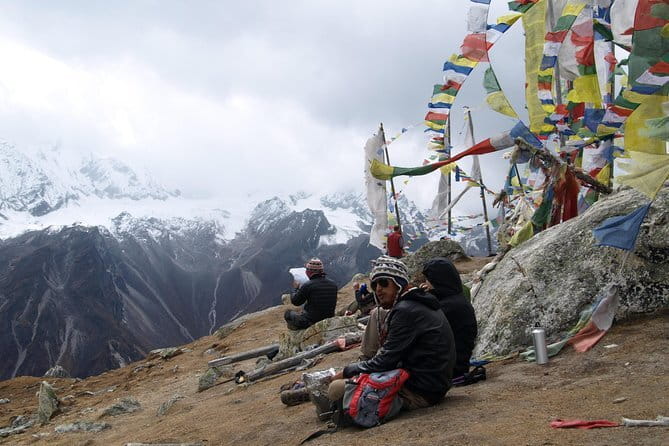
After Birethani, the next segment takes you toward Ulleri and then up through rhododendron and oak forests. You’ll pass through places like Banthanti before reaching Ghorepani.
Ghorepani is a big deal on this route for a reason. It’s set up for easy onward hiking, and it’s also the base for the Poon Hill sunrise plan later. The scenery here is classic central Nepal trekking country: tree cover, small settlements, and that feeling of being surrounded by mountains without yet having the full drama of base camp altitude.
You’ll likely feel the “moderate high-altitude trek” part more on these middle days, even when the forest walk feels gentle. Forest walking can trick you into moving too fast, because it feels easier. Keep your pace patient. You’re building endurance for the higher section later.
Poon Hill at 3210m: The View That Makes People Start Smiling Again
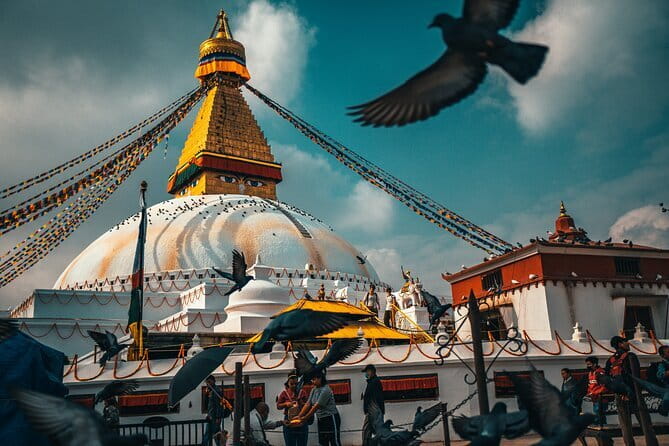
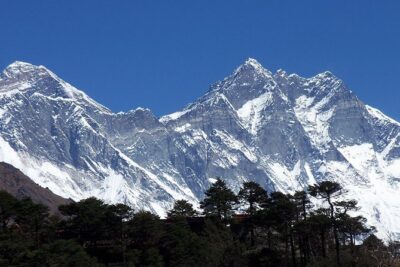
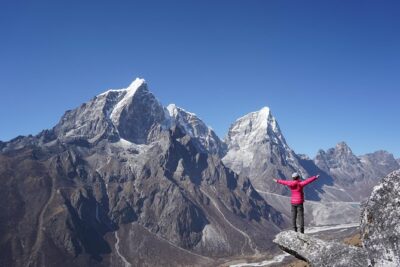
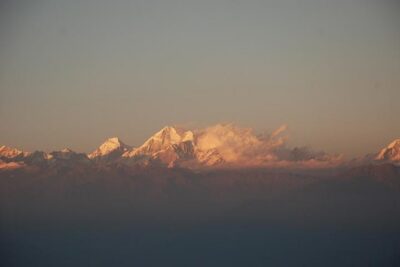
Day five is built around Poon Hill. You hike about 45 minutes to the top of the hill at 3210m, and it’s described as the best viewpoint along the trail, with strong opportunities for photos.
This day is one of the best examples of how the ABC trek rewards good timing. Poon Hill is high enough to change the feel of the air, yet reachable enough that it doesn’t derail people early in the week. You get wide, dramatic mountain views before the route gets more demanding.
If you love photos, this is where you’ll want to linger. If you don’t care about photos, you’ll still appreciate the moment when the ridgelines open up and you see why this region is famous.
Other lodge to lodge routes near Kathmandu
Tadapani to Chhomrong: The Climb Into the Annapurna Neighborhood

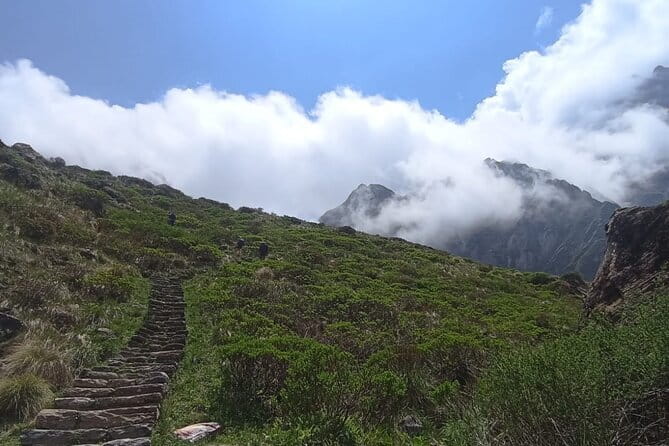
After Tadapani, you start moving in a cycle that’s common on ABC treks: gradual descent, then renewed ascent. The trail goes down through rhododendron forests, crosses the Kimsung River, and climbs up toward Gurung villages like Gurjung.
From there, you take a straight climb to Chhomrong. Chhomrong is a key village on the Annapurna Base Camp route, and it shows up later for good reason. It’s a place where you feel the hike changing gear from “getting there” to “working your way deeper into the mountains.”
Here’s what to pay attention to on the climb: the route has enough elevation gain that your legs will feel it, even if the day still seems manageable on paper. Hydrate early, take breaks before you feel wrecked, and don’t chase speed. The goal is arrival, not ego.
Chhomrong Khola to Sinuwa: Steps, a Suspension Bridge, and That Mountain Energy Shift
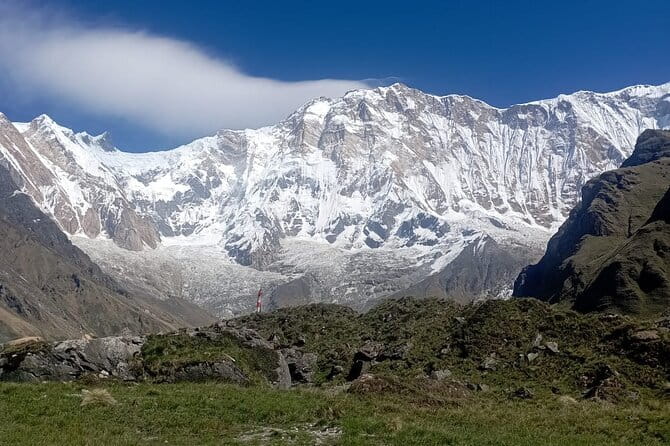
From Chhomrong, you drop down toward Chhomrong Khola via stone steps. You cross a suspension bridge, then climb steeply up to Sinuwa. After that, the trail turns into an easier downhill walk through jungle toward Bamboo.
This is one of those days where the trek shifts between different types of effort. Stone steps and bridges make the path feel more physical. Then the descent gives you a chance to catch breath and settle into rhythm again.
Why this matters: your body learns better on mixed terrain. Downhill helps, but only if you keep control. Don’t overstride on descents. Your knees will remember later.
Dovan to Himalaya: A Quieter Trail Through Temple Rules
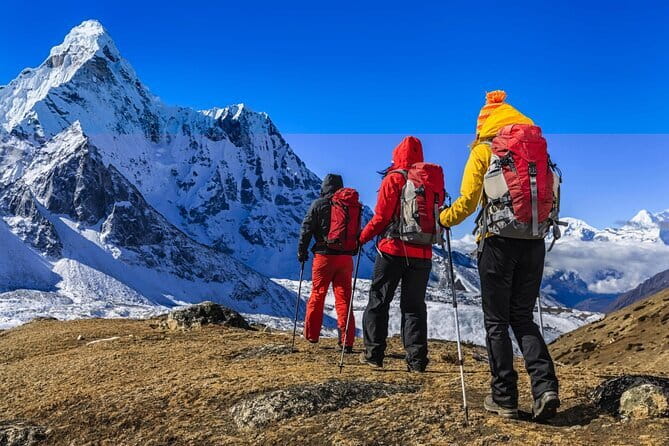
The walk from Dovan to Himalaya is described as unusually quiet because big noises aren’t allowed in the jungle around a temple on the way. The route moves through bamboo forests and then changes into rhododendron forests again.
This is the kind of detail that makes trekking feel more real. It’s not just a line on a map. You’re traveling through places with local expectations, and you can sense it in how people behave and how you’re meant to behave, too.
I’d treat this as a reminder to keep your energy gentle. Talk softly, keep music off, and let the trail be what it is: a shared space where sound carries differently.
Deurali to Machhapuchhre Base Camp: A Harder Day That Pays Off
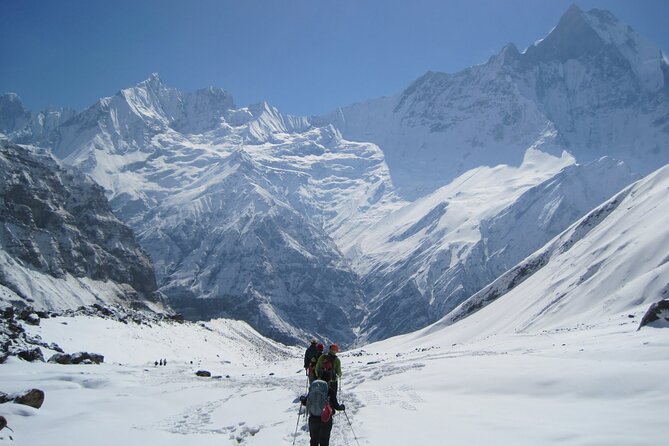
From Deurali, the trail passes through a river bed, then you face a tedious climb to Machhapuchhre Base Camp. The reward is big: mountains on all sides, with views described for Annapurna, Machhapuchhre, Gangapurna, Himchuli, and more.
Base camp areas on the Annapurna route can feel emotionally different from village days. The terrain opens. The air can feel thinner. And you start to sense the scale of what you’re moving toward.
This is also where it helps to have a guide. When the climb is tedious, a good guide helps you keep your pace consistent. They’ll also know when to push the day and when to slow down.
The ABC Sunrise Moment, Then the Return Begins
After the sunrise view from ABC, you head back. You follow the same general route through Machhapuchhre Base Camp, Deurali, Himalaya, and Bamboo, then continue to Sinuwa. This return is described as mostly downhill, making it an easier walk.
Downhill is easier on paper, harder on muscles if you let your speed creep. Use the down days to reset your stamina, not to sprint.
You also get a psychological advantage by returning the same way. The trail isn’t a mystery. You’re not guessing where the next turn goes. That comfort can make the second half of ABC feel less stressful than day one.
Chhomrong, Jhinu Danda, and Hot Spring Recovery
On the way back, you stop at Chhomrong again for lunch. The village is spread across a hillside and is described with stunning views of the Annapurnas and Machupachare. That means you’ll get another high-payoff photo and lookout moment without needing a special side trip.
Then you reach Jhinu Danda, where the highlight is the natural hot spring. There are ponds where you can bathe, and it’s about 20 minutes walking distance from your hotel in Jhinu Danda.
If you’re thinking about booking ABC, this is one reason I think people leave smiling. A hot spring is not just fun. It’s practical recovery after days of walking and descending. Your legs will thank you.
Malekhu, Then Kathmandu With a Temple Photo Stop
The last trekking stop includes Malekhu for lunch, with around 30 minutes at a place described as famous for fish species and fish products. After that, you’re driven via Pashupatinath Temple in Kathmandu, with a few minutes for photos.
This portion is more about finishing the story than adding drama. It gives you a gentle wrap-up before the city takes over again.
Also note: the stop at Pashupatinath Temple lists admission ticket as not included. So if you want to go inside beyond photos, you may need to budget that separately.
Price and Value: What $925 Gets You and What It Does Not
At $925 per person for a 14-day Annapurna Base Camp trek, the value is mostly in logistics. You’re paying for a professional guide, round-trip shared transfers, and accommodation that includes teahouse stays during the trek plus hotels and teahouses in Kathmandu and Pokhara. You also get meal coverage on the trail, which can add up quickly when you’re hiking all day.
Meal inclusion details are specific:
- Breakfast is provided 13 times
- Lunch is provided 10 times
- Dinner is provided 10 times
- Lunch and dinner in Kathmandu and Pokhara are not included
So if you want a full board price for every day in the cities, this isn’t that package. But on-trail meal coverage plus guided lodging can make it feel like a simpler, lower-effort way to do ABC.
Another value point is the small group size. A max of 10 people means your guide can actually pay attention. On a trek where conditions and pacing matter, attention is a kind of safety.
One more practical thing: you receive a mobile ticket. That reduces paperwork hassle and helps with coordination on arrival.
Daily Hiking Reality: 4 to 7 Hours Means You Should Plan for Time
The trek is described as moderate high-altitude, with daily hikes typically between 4 and 7 hours. For many active people, that’s a sweet spot. You can build up stamina without turning every day into a grueling endurance test.
Still, ABC is a high-altitude trek, and “moderate” doesn’t mean easy. It means it’s manageable if you take the pace seriously and hike with good technique: slow steps, regular hydration, and realistic expectations about how quickly you can move.
If you tend to hike fast at home, you might have to train yourself out of that habit. The higher you go, the more your body wants patience.
Guides and Small-Group Care: Names That Matter on Mountain Days
A big reason this trek gets strong feedback is the way guides handle both the route and the people. In the provided experience notes, guides such as Suvi, Tulsi, Anil, Krishna, and Arjun are praised for professionalism and care, and for making sure people feel supported from airport pickup through the end of the trek.
There’s also a practical example worth noting: feedback includes a situation where someone wasn’t feeling well and was able to request a change, including the addition of a porter the night before. That’s the kind of flexibility that can save a trek from turning into a suffer-fest.
You can’t count on every scenario. But it tells you how the team thinks: keep communication open, adjust plans when needed, and prioritize comfort without losing the core itinerary.
Should You Book This Annapurna Base Camp Trek?
Yes, if you want ABC with less guesswork. This is a good fit when you value small-group attention, guided logistics, included teahouse and hotel stays, and a meal plan that lets you focus on walking and views instead of planning every meal stop.
I’d hesitate if you know you’re sensitive to altitude or you’re looking for a trip with lots of spare downtime. This trek still asks for daily hiking time, and the experience requires good weather. If you’re the type who needs everything to be flexible and slow with zero physical challenge, you might want a different style of trek.
If you’re active, want authentic village trekking, and you’re chasing sunrise-at-ABC payoff plus the hot springs finish, this one makes a lot of sense.
FAQ
Where does the trip start?
The experience starts at Tribhuvan Airport in Kathmandu, Nepal. An airport representative meets you on arrival and arranges a drop to your hotel by private tourist vehicle.
How long is the Annapurna Base Camp trek?
The duration is listed as 14 days, approximately.
What group size should I expect?
This tour has a maximum of 10 travelers.
Is pickup offered?
Yes, pickup is offered.
What tickets and documentation are provided?
You receive a mobile ticket. Some admission tickets are included, such as Poon Hill, while others are not included, such as the Pashupatinath Temple admission.
Are meals included?
Yes, meals are included on the trek and some meals are included in Kathmandu and Pokhara. The specific inclusions listed are 13 breakfasts, 10 lunches, and 10 dinners. Lunch and dinner in Kathmandu and Pokhara are not included.
What kind of fitness level do I need?
The tour notes a moderate physical fitness level and is best suited to active travelers. The hiking days are described as moderate high-altitude trekking with 4 to 7 hours of hiking each day.
What does the Pokhara portion include?
After breakfast, you drive to Pokhara by tourist bus (about 200 km, roughly six hours) with lunch en route. You then stay overnight at a guesthouse in Pokhara.
Are there any special experiences on the trek?
Yes. You hike to Poon Hill for a viewpoint, you reach Machhapuchhre Base Camp, you view sunrise from Annapurna Base Camp, and you visit Jhinu Danda for natural hot springs.
What is the cancellation and weather policy?
There is free cancellation. You can cancel up to 24 hours in advance for a full refund. The experience requires good weather, and if it is canceled due to poor weather, you are offered a different date or a full refund.
Lodge to Lodge Around Kathmandu
The Rest of Our Kathmandu Write Ups

Through the Sanctuary Gate
Everything else we have reviewed around Kathmandu
- 12 Days Everest Base Camp Trekking
★ 5.0 · 3 reviews - 1 Night 2 Days Chitwan Jungle Safari Tour from Pokhara or Kathmandu
★ 3.0 · 3 reviews - Thamel Rickshaw tour
★ 4.7 · 3 reviews - Kathmandu: Momo Making Class with a Local Chef
★ 5.0 · 3 reviews - Kathmandu: Full-Day Yoga, Body Massage and Pedicure Package
★ 5.0 · 3 reviews - From Kathmandu / Pokhara / Chitwan: River Rafting – 1 Day
★ 4.6 · 3 reviews
Annapurna Base Camp Treks worth a second look.
 ★ 5.0Annapurna base camp trek 5 DaysFrom $699252 reviews
 ★ 5.0Annapurna Base Camp TrekFrom $935111 reviews
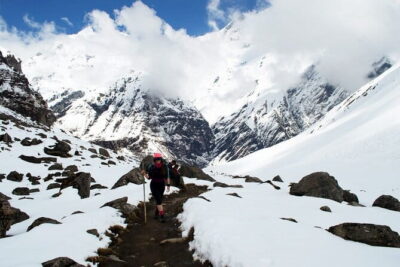 ★ 5.0Kathmandu to Annapurna Base Camp (ABC) 5-Day TrekFrom $99102 reviews
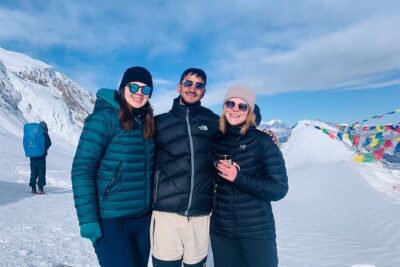 ★ 5.0Annapurna Base Camp Trek 12 DaysFrom $80085 reviews
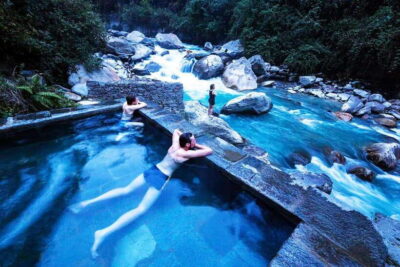 ★ 4.95-Day Annapurna Base Camp (ABC) TrekFrom $9672 reviews
★ 5.0Annapurna Base Camp TrekFrom $69959 reviews
★ 4.95-Day Annapurna Base Camp (ABC) TrekFrom $9672 reviews
★ 5.0Annapurna Base Camp TrekFrom $69959 reviews
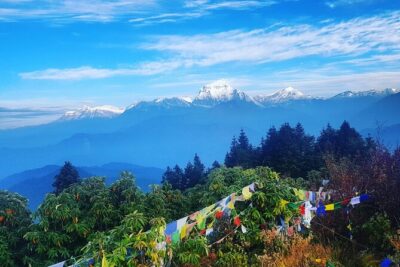 ★ 5.011-Day Hike Tour to Annapurna Base Camp Bliss in KathmanduFrom $1,30052 reviews
 ★ 5.0Private 7 – Day Annapurna Base Camp TrekkingFrom $62550 reviews
Lists this tour sits in