
REVIEW · ANNAPURNA CIRCUIT TREKS
Annapurna Circuit Trek with Tilicho Lake
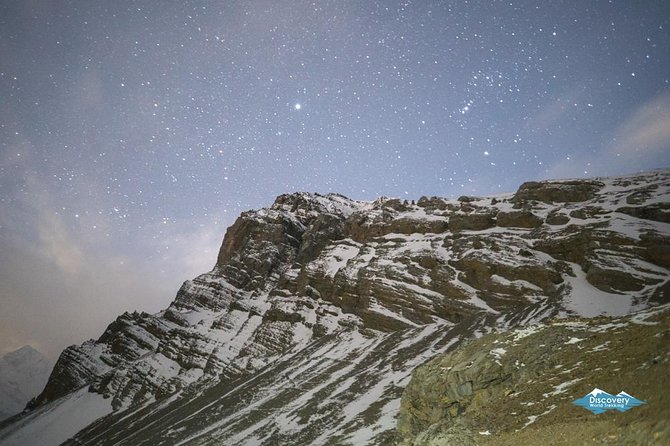
Tilicho Lake is the highlight, and logistics are handled. This 16-day Annapurna Circuit trek adds a serious high-altitude detour to Tilicho Lake, then stitches in hot springs and the famous sunrise at Poon Hill.
I especially like the licensed trekking leader and local guide system, because it reduces the usual Nepal trekking stress of route decisions. I also like that accommodation, meals, and key permits are included, so you can focus on pacing and scenery. The main drawback to consider is that this is a challenging high-mountain trek, with an early-morning push for the Thorong La pass.
In This Review
- Key points at a glance
- Why This Annapurna Circuit With Tilicho Lake Feels Built for Active People
- Price and Logistics: What $1,093 Actually Covers
- What’s Included (and Why It Matters on a Mountain Route)
- Day 1 to Day 2: Kathmandu Down to Besishar, then Into the First Trek Atmosphere
- Days 3 to 6: Forest Trails to Chame, Big Views in Manang, and the Acclimatization Day That Actually Helps
- Days 7 to 10: Khangsar, Tilicho Base Camp, and the Ice Lake Day
- Days 11 to 13: Thorong Phedi, the 3 a.m. Thorong La Push, Muktinath, and Tatopani Hot Springs
- Days 14 to 16: Ghorepani Villages, Rhododendron Forest Walks, Poon Hill Sunrise, and the Return
- The Real Life Skills This Trek Builds (So You Enjoy It More)
- Who This Trek Suits Best (and Who Might Want a Different Route)
- Should You Book This Tour?
- FAQ
- What is the duration of this trek?
- Where does the trek start and finish?
- Is pickup offered?
- What transportation is included?
- Are meals included during the trek?
- Are permits included?
- How many travelers are in the group?
- What is the highest point on the trek?
- What happens if the trip is canceled due to poor weather?
- Is the booking refundable if I cancel?
Key points at a glance
- Tilicho Lake detour: early start for views and weather, then a demanding climb to a high-altitude highlight
- Thorong La preparation: an acclimatization day in Manang before the big pass day
- Tea house rhythm: daily breakfasts, lunches, and dinners included once you’re on the trail
- Permits and rescue support: ACAP and TIMS fees are included, plus help arranging rescue if health gets complicated
- Small-group feel: maximum 15 travelers, so it’s easier to manage pace and gear
Longer Circuit loops over Thorong La
Why This Annapurna Circuit With Tilicho Lake Feels Built for Active People
This trek is for you if you want the Annapurna Circuit experience, but with one extra obsession: Tilicho Lake. You’ll move through forests, high plateaus, and mountain villages, then jump to the really high stuff. The route also includes a classic contrast, temples and monasteries one day, big altitude effort the next, and hot springs on the way back down.
I like that the experience is designed to keep you from getting lost or stuck waiting on logistics. You get a guide who manages the plan, and you still have the freedom to enjoy the hike, not just survive it. And because meals and lodging are handled, you’re not constantly working out where to sleep or what to eat at the end of a long day.
The catch is simple. You need to be genuinely active. This isn’t a casual walk where you can treat altitude like a theme park. You’ll have cold, dry conditions at higher elevations, you’ll climb consistently, and you’ll do very early mornings.
Price and Logistics: What $1,093 Actually Covers
At $1,093 for about 16 days, you’re paying for a lot more than a map and a porter. The package includes accommodation and meals on the trek, plus the key paperwork and the people who make the trip run. It also includes several transportation legs: an early drive out of Kathmandu, overland public transport in part of the route, and a tourist bus back to Kathmandu.
Here’s what that means for your trip planning. If you try to DIY this route, you’ll spend time on permits, booking tea house stays, working out transport between towns, and lining up a guide if you want one. This plan aims to remove those moving parts. You show up, and your team handles the rest.
Two practical details are worth noting. First, you get pickup offered (so you’re not scrambling on day one). Second, you receive a mobile ticket, which tends to make last-minute changes easier to manage than paperwork you have to print and keep in a safe place.
What’s Included (and Why It Matters on a Mountain Route)
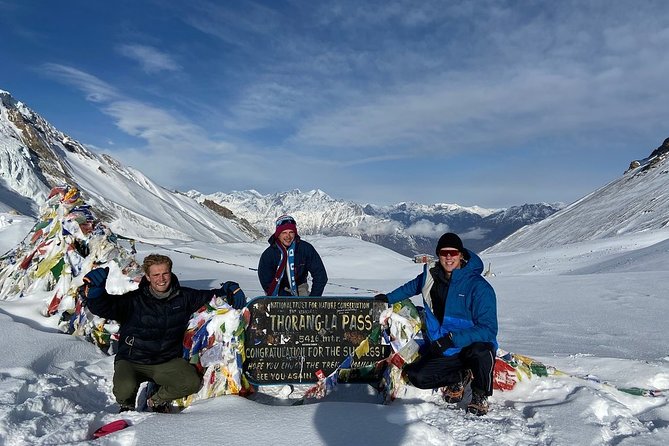
This trip includes the stuff that usually becomes stressful once you’re at altitude: lodging, food, and permits. You also get a team built around safety and workload sharing.
Permits and route access
You get the Annapurna Conservation Area Permit (ACAP) and the TIMS card fee included. That matters because these are the permissions that keep you on the right side of local rules while you’re moving between areas.
Food and tea house lodging
Once trekking starts, your tea house or lodge accommodation includes breakfast, lunch, and dinner each day. You also get a one-night hotel in Pokhara with breakfast before returning to Kathmandu. In practice, this matters because it saves energy at the end of hard days. You don’t want to start hunting for meals while your legs are already tired.
A licensed leader and a porter setup
You’ll have a government license holder trekking leader, plus guide and porter meal coverage, lodging, and insurance support. One thing I like here is the weight-sharing logic. If you’re traveling with a modest pack, it helps you keep your pace steadier.
Rescue support if health becomes complicated
The package includes assistance in arranging rescue operation for complicated health conditions. It does not mean you ignore altitude warning signs, but it does mean there’s a process in place if things go wrong.
Day 1 to Day 2: Kathmandu Down to Besishar, then Into the First Trek Atmosphere
Day 1 is mostly travel plus a taste of rural Nepal. You’ll leave Kathmandu early and drive about 6 to 7 hours (around 190 km) to Besishar. On the way, you get views of villages, farms, rivers, and mountain glimpses. That kind of morning ride matters because it sets expectations, you’ll see the region before you start climbing.
You also stop at Sandup Choeding Gompa. It’s a short cultural pause that breaks up the drive and reminds you you’re not just hiking through empty wilderness. Then you settle into your first trek rhythm.
Day 2 starts the real effort. You cross a suspension bridge, then deal with a steep climb before you enter the Manang region area near the village of Tal, where waterfalls and sandy river areas show up. You also visit Dharapani Temple. This day is a gentle introduction to what comes next, forests, stairs of a sort, and the sense that the trail is threaded through lived-in communities.
Potential drawback here: if you’re someone who gets sore fast, that early steep climb on day two can feel like it comes out of nowhere. Treat it as training, not as a “warm-up that doesn’t count.”
Other lodge to lodge routes near Kathmandu
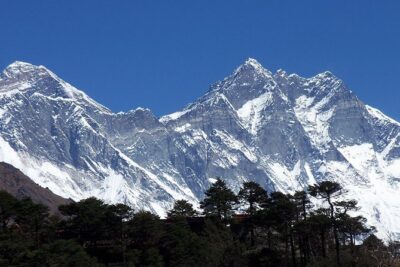
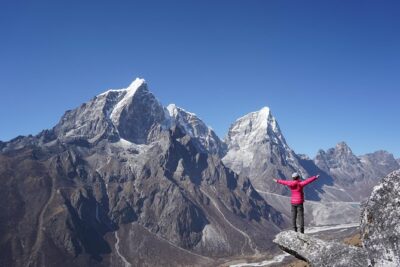
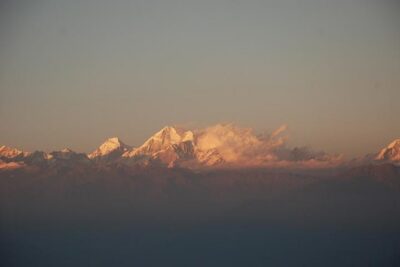
Days 3 to 6: Forest Trails to Chame, Big Views in Manang, and the Acclimatization Day That Actually Helps
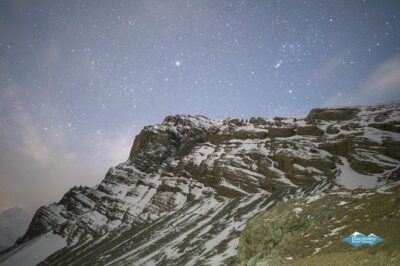
Days 3 and 4 move you through classic trek country. Day 3 brings forest walking through pine, fir, oak, and maple, with the trail following a river to Chame, the district headquarters of Manang. You’ll get a mix of shade and river sounds, which is great for steady pacing.
Day 4 sharpens the view factor. You go through a steep, narrow valley and get an early glimpse of Paungda Danda, a rock face that rises dramatically from the river. It’s one of those “first big wow” moments on the trek, because you can already see peaks you’ll later recognize in different angles.
Then Day 5 climbs into higher, drier feel. You trek on the upper trail through upper Pisang via Geru. The description highlights strong north-face visibility of Annapurna II, III, IV, and Gangapurna, along with Tilicho and Pisang Peak. By this point, you’ll notice air shift, colder and drier as altitude rises.
Day 6 is the key day. Instead of pushing straight through, you spend time exploring Manang and doing an acclimatization hike, including a trip up to Gangapurna Lake and base camp. You also roam Manang Village and monasteries. If you take one lesson from this itinerary, it’s this: the route is built with a real acclimatization break before the pass day.
What I like about this approach: the trekking effort is broken into “learn the altitude” chunks. Your body gets practice, and you get time to enjoy Manang, not just pass through it like a transit point.
Days 7 to 10: Khangsar, Tilicho Base Camp, and the Ice Lake Day
Day 7 is a relative breather, but not an easy stroll. You take an upper route that follows a path down toward a river, cross over, and walk through conifer forests. After a few hours, you reach the Tibetan settlement Khangsar. It’s a change of pace and architecture, and it helps the trek feel layered rather than monotonous.
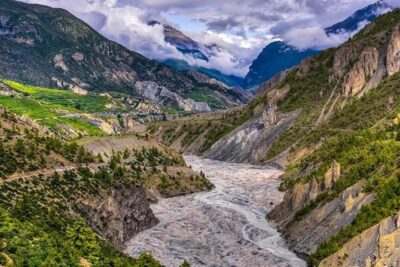
Day 8 shifts toward Tilicho. You walk through an area described as landing in landslides zones, with impressive rock formations along the way, then trek up to Tilicho base camp for views of Tilicho Peak and other snow-covered mountains. Even if you’re not at Tilicho Lake yet, you’re moving into the “this is serious altitude” zone.
Day 9 is your Tilicho Lake day. You start early to avoid afternoon wind, then climb for about 2 to 3 hours to reach Tilicho Lake, described as the highest lake in the world and also referred to as the Great Ice Lake by a French expedition leader. That combination is why people book this detour. The payoff is a high-altitude lake scene that feels like a different planet compared with the earlier forest days.
Drawback to plan around: Tilicho days reward strong conditions and early starts. If weather or wind is against you, the “walk to the lake” can feel longer and harsher than it sounds on paper. Go in rested, and keep your breathing steady.
Day 10 turns from the lake back toward the main Circuit route. You descend to uninhabited Khangsar, pass Tare gumba, described as a thousand-year-old monastery, then follow the Thorong Khola valley. You cross a river, climb toward a plateau, and continue toward yak kharka areas. This is a transition day, and it’s the kind that can leave your legs feeling heavy if you treat it like a rest day.
Days 11 to 13: Thorong Phedi, the 3 a.m. Thorong La Push, Muktinath, and Tatopani Hot Springs
Day 11 begins uphill to Thorong Phedi, described as a small busy settlement with amazing mountain and view coverage. On the way, you get views of Mt. Gundang, Mt. Syagang, Thorung Peak, and Mt. Khatungkan. This is your last “in-between” base before the pass push. Treat it like a warm-up for your mental game, because after today you’ll spend time focusing on steps and breath control.
Day 12 is the big one. You wake at 3 a.m. to cross Thorong La Pass, described as one of the highest passes in the world and the highest point of the trek. You push yourself, and the itinerary makes it clear this is not a casual sunrise hike. The early hour is not random. It’s built for the reality of mountain conditions.
If you tend to panic when things get cold or steep, plan a personal routine before departure. Keep your layers consistent, sip water, and focus on a rhythm. This is one day where discipline beats motivation.
Day 13 follows the pass with a spiritual stop and a physical recovery. You visit Muktinath Temple, then take a ride to Tatopani. Tatopani is famous for natural hot springs, and this is where your body gets a much-needed reset. After a high pass day, hot springs feel like the world’s simplest luxury.
Days 14 to 16: Ghorepani Villages, Rhododendron Forest Walks, Poon Hill Sunrise, and the Return
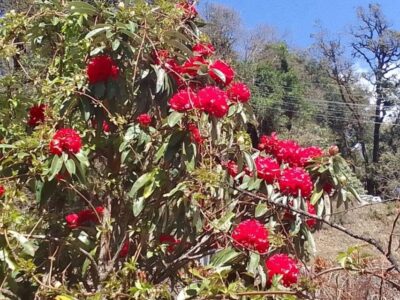
Day 14 shifts back into more human-scale trekking. You ascend to Ghorepani through villages including Sikha and Chitre, described as Thakali ethnic communities. You’ll pass terraced farmland with mountains around you, then move through forests filled with rhododendron, birch, and magnolia. The itinerary’s stop includes Ghorepani Community hospital, which suggests a practical rest point.
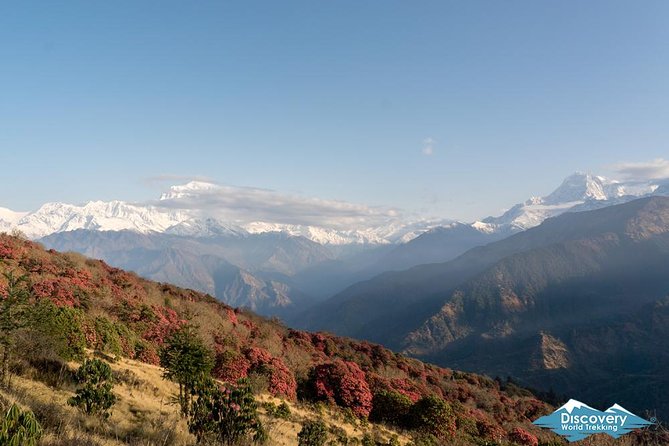
Day 15 is Poon Hill sunrise. You ascend to Poon Hill (3,210 m) early morning to watch sunrise over the Annapurna and Dhaulagiri massif, including Machhapuchhre (Fishtail) and Manaslu, plus surrounding rice terraces. It’s a favorite spot for photographers, but you don’t need a fancy camera to enjoy it. The big point is the timing and the wide view on a clear morning.
After Poon Hill, you continue onward and set up your final travel leg.
Day 16 is return. After breakfast, you drive back to Kathmandu on a tourist bus. You can also choose a flight option back to Kathmandu that is described as a 225-minute flight, but that is not included in the package.
The Real Life Skills This Trek Builds (So You Enjoy It More)
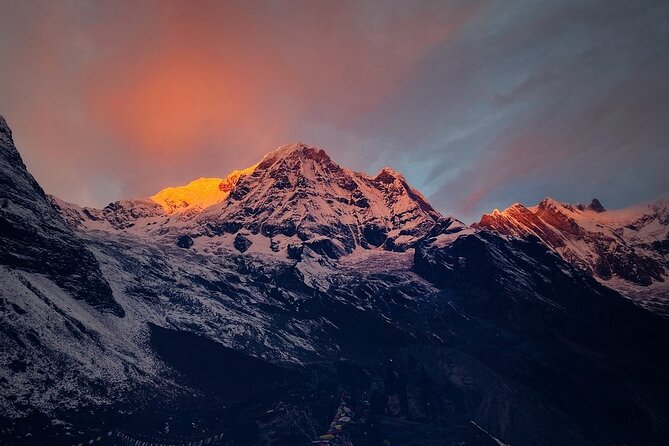
Even though this is guided, you still need to think like a mountain hiker. Here are the practical things that help on a route with Tilicho and Thorong La.
Pace matters more than speed
Multiple days describe consistent climbs and passes. Your job is to keep effort steady, especially on Tilicho Lake day and on the Thorong La push.
Early starts are part of the deal
Tilicho Lake day includes an early start to avoid afternoon wind. Thorong La day starts at 3 a.m. You’ll feel how the trek is organized around conditions, not around your comfort.
Altitude is not a mood
Manang’s acclimatization day is a big gift in the itinerary. Use it. Even if you feel good, don’t turn it into a second pass day.
Stay layered and plan for cold, dry air
The trek description specifically mentions air getting colder, drier, and harsher as you ascend. You’ll want layers you can adjust quickly, then a habit of wearing them before you feel chilled.
Who This Trek Suits Best (and Who Might Want a Different Route)
This plan is best for you if you’re an active traveler who wants a real mountain circuit with serious highlights. It fits people who like structure, but also like earning views step by step. The itinerary style and included logistics make it a good match if you dislike decision fatigue, you want a guide handling the logistics, and you want to spend energy on walking, not planning.
It may not be the best match if you’re looking for something easygoing. The trek is explicitly described as challenging and includes the Thorong La pass and high-altitude Tilicho. If you’re still building hiking consistency, consider training first or choose a less demanding route.
Should You Book This Tour?
Yes, if your main goal is an organized Annapurna Circuit with two signature moments: Tilicho Lake and the Thorong La crossing. You’re paying for more than walking, you’re paying for permits, meals, lodging, and a team built to manage altitude pacing and logistics.
I’d also consider booking if you value a group size cap and a guided setup. A maximum of 15 travelers keeps it from feeling chaotic, and it gives the guide a better chance to manage pace and questions.
Hold off if you know your fitness is not ready for early starts and high passes. This trek rewards calm endurance. If that’s you, you’ll likely love it. If not, you might spend too much of the trek fighting your own expectations.
FAQ
What is the duration of this trek?
The trek is listed as 16 days approximately.
Where does the trek start and finish?
It starts in Kathmandu and the trek package completes in Kathmandu after returning from the route.
Is pickup offered?
Yes, pickup is offered.
What transportation is included?
The package includes overland transport such as a drive from Kathmandu and other local overland legs, and it includes Pokhara to Kathmandu by tourist bus. Public transportation is included for Muktinath to Tatopani.
Are meals included during the trek?
Yes. Tea house or lodge accommodation including meals (breakfast, lunch, dinner) is included during the trek.
Are permits included?
Yes. The Annapurna Conservation Area Permit (ACAP) fee and the TIMS card fee are included.
How many travelers are in the group?
This experience has a maximum of 15 travelers.
What is the highest point on the trek?
Thorong La Pass is described as the highest point of the trek.
What happens if the trip is canceled due to poor weather?
The experience requires good weather. If canceled due to poor weather, you will be offered a different date or a full refund.
Is the booking refundable if I cancel?
No. This experience is non-refundable and cannot be changed for any reason. If you cancel or ask for an amendment, the amount you paid will not be refunded.
Lodge to Lodge Around Kathmandu
The Rest of Our Kathmandu Write Ups

The Circuit, Other Itineraries
Everything else we have reviewed around Kathmandu
- 12 Days Everest Base Camp Trekking
★ 5.0 · 3 reviews - 1 Night 2 Days Chitwan Jungle Safari Tour from Pokhara or Kathmandu
★ 3.0 · 3 reviews - Thamel Rickshaw tour
★ 4.7 · 3 reviews - Kathmandu: Momo Making Class with a Local Chef
★ 5.0 · 3 reviews - Kathmandu: Full-Day Yoga, Body Massage and Pedicure Package
★ 5.0 · 3 reviews - From Kathmandu / Pokhara / Chitwan: River Rafting – 1 Day
★ 4.6 · 3 reviews
Annapurna Circuit Treks worth a second look.
 ★ 5.0Annapurna Circuit TrekFrom $1,17594 reviews
★ 5.0Annapurna Circuit TrekFrom $1,15035 reviews
★ 5.0Annapurna Circuit TrekFrom $97534 reviews
★ 5.0Annapurna Circuit TrekFrom $1,17594 reviews
★ 5.0Annapurna Circuit TrekFrom $1,15035 reviews
★ 5.0Annapurna Circuit TrekFrom $97534 reviews
 ★ 5.0Annapurna Circuit with Tilicho Lake TrekFrom $1,09325 reviews
 ★ 5.010-Day Adventurous Annapurna Circuit TrekFrom $46725 reviews
 ★ 5.015-Day Private Annapurna Circuit Trek from KathmanduFrom $99518 reviews
 ★ 5.09-Day Annapurna Circuit Trek via Thorong La Pass17 reviews
 ★ 5.0Annapurna Circuit Trek with Tilicho Lake (16 Days)From $1,80015 reviews
Lists this tour sits in