
REVIEW · ANNAPURNA CIRCUIT TREKS
15-Day Private Annapurna Circuit Trek from Kathmandu
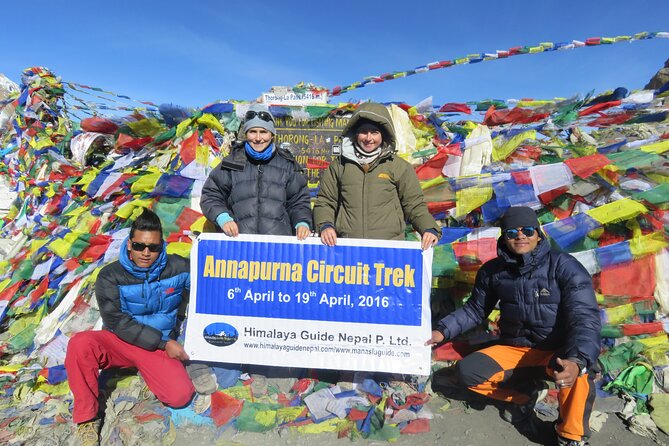
Annapurna can feel huge. This trek turns it practical and human. You get a private route built around classic villages, suspension bridges, and the big mental moment of Thorong La, plus a family-run team that adds a small Nepali language lesson rhythm while you walk.
I really like two things here. First, the trip is “door-to-trail” organized, with airport pickup and drop and multiple transport legs already handled. Second, you’re not just paying for a route, you’re paying for support: an experienced guide, legal permits, and lodge stay plus all your meals during the trekking days.
One thing to consider: altitude days and weather can still be hard, even when the schedule includes an acclimatization day. Also, travel insurance is not included, so you’ll want to sort that before you go.
In This Review
- Key things I’d bet on before you book
- What you’re really buying for $995 per person
- Family-run crew plus Nepali language lessons, what that feels like
- Your 15-day Annapurna Circuit route, walking the rhythm
- Day 1: Kathmandu to the Lamjung area, then into the trail loop
- Day 2: Ghermu, village walking and a river-bound warmup
- Day 3: Chamje, suspension bridge drama and steep cliff work
- Day 4: Chame, Karte and Dharmapani-Bagarchhap style hiking
- Day 5: Manang region, dense forest, then a big rock-face moment
- Day 6: Manang, flexible route logic via Pisang and Mungji
- Day 7: Acclimatization in Manang, before Thorong La pressure
- Day 8: Leaving the Marshyangdi valley, heading toward higher terrain
- Day 9: Last camp before Thorong La, yak country and Durali tea
- Day 10: Thorong La Pass day logic, early start required
- Day 11: Jomsom and flexible routes toward Tatopani or Pokhara
- Day 12: Shikha, hot spring recovery plus Kaligandaki crossing
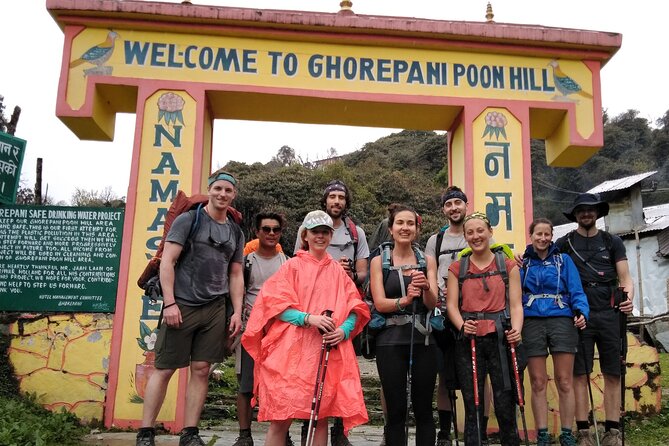
- Day 13: Ghorepani, Magar villages and rhododendron-pine trail
- Day 14: Pokhara Lakeside, Poon Hill sunrise views before finishing
- Day 15: Pokhara to Kathmandu, plus a farewell dinner
- Lodges, meals, and how the daily routine usually works
- Transport legs that actually reduce stress
- Guides and safety mindset, what stands out in the real stories
- Who this trek suits best
- Price and logistics, the practical checklist before you go
- Should you book this 15-day private Annapurna Circuit trek?
- FAQ
- What does the trek price include?
- Are meals included throughout the trek?
- Is a porter included?
- What permits are included?
- When and where does the trek start?
- What kind of accommodation is used on the trek?
- Is travel insurance included?
- What is the cancellation policy?
- Is this a private tour?
Key things I’d bet on before you book
- Private by design: only your group participates, so the pace and timing can fit you
- All trekking meals included: 15 breakfasts, lunches, and dinners are part of the package
- Permits handled: ACAP permit and TIMS card are included as legal documents
- A real acclimatization block in Manang: built into the schedule before Thorong La
- Guide support is included: the guide’s salary, equipment, insurance, lodging, and food are covered
- End-to-end transport: Kathmandu to start, trek-to-Pokhara, and back to Kathmandu are covered
Longer Circuit loops over Thorong La
What you’re really buying for $995 per person
On paper, $995 sounds like a flat number. In practice, it matters what’s inside that number. Here, the big value is that you’re covered for most of the stuff that usually drains time and nerves: airport transfers, multiple ground transports, lodge nights during the trek, guide support, and the permits required for the region.
It includes international airport pickup and drop (airport to hotel to airport). It also includes the bus ride from Kathmandu down to the trek start area, plus later public transportation legs after the trek. You even get the car from the trek ending point area to Pokhara and then a deluxe tourist bus back to Kathmandu, so you are not piecing together transport on your own.
You’ll also notice the “quiet” inclusions that save money later: all gov taxes, legal documents (ACAP permit and TIMS card), and food structure. The package covers 15 breakfasts, 15 lunches, and 15 dinners during the trekking period. That means you can plan daily spending without guessing what you’ll pay for meals in each village.
What’s not included is also important for budgeting. Extra nights and food in Kathmandu and Pokhara are not included. Travel insurance is not included. Drinks like soda, mineral water, beer, and similar items are not included, and you’ll handle personal expenses like laundry, calls, battery charging, shower costs, and boiled water.
So the “value equation” is simple: this price is best if you want fewer logistics headaches and you’re happy with normal lodge trekking (not private hotel comfort every night).
Family-run crew plus Nepali language lessons, what that feels like
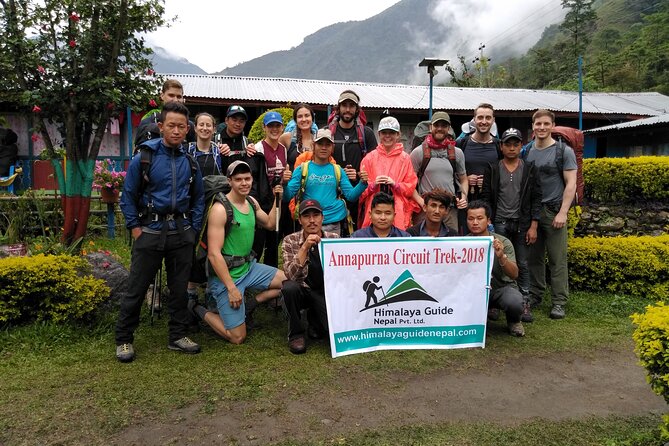
This operator emphasizes a homely environment, and that shows up in how they position the trip as a shared effort, not a conveyor belt. Because the company is run by family members, there’s a different kind of consistency behind the scenes, and you often feel that in how calmly the trip gets explained.
A fun detail is the focus on Nepali language during the trek. You’re not going to become fluent in a week, but you’ll learn practical bits that make village interactions easier, and it adds personality to days that can otherwise blur together under fatigue. Small phrases help. They also make tea stop conversations less awkward.
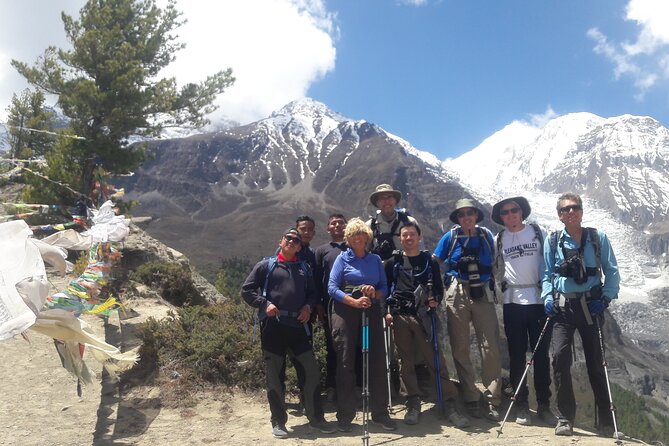
Also, this is a private trek, so you’re not adapting to strangers who walk at a different speed. That matters when you hit steep climbs, long downhill days, or the early mornings that come with crossing high passes. Your guide can adjust pacing, timing, and how you approach breaks.
Your 15-day Annapurna Circuit route, walking the rhythm
Below is how the trek unfolds, and what each stage is really about.
Day 1: Kathmandu to the Lamjung area, then into the trail loop
You start at Tribhuvan Airport in Kathmandu at 10:15 am. From there, the plan focuses on getting you to the trek start area. You’ll take a bus toward Besisahar and Bulbule (around 6 to 7 hours by vehicle, depending on conditions and timing).
Why this day matters: it’s the “transition day” that helps you avoid losing a whole day to travel. If you land and jump straight into hiking, you feel it. This keeps the first day focused on movement, not exhaustion.
Private guides for Kathmandu, a few more
Day 2: Ghermu, village walking and a river-bound warmup
Day 2 moves you through villages and roads, continuing toward the east bank of the Marshyangdi River. You’ll reach Ngadi after an uphill stretch toward Brahmin settlements around Bahun danda (1270 meters), then settle in for a good lunch.
What to expect: village paths and gentle suffering. You’re training your legs to handle regular climbs and uneven ground without going full altitude shock yet.
Day 3: Chamje, suspension bridge drama and steep cliff work
From Ghermu, the trail heads downhill toward Syange. Then you cross to the west bank of the Marshyangdi River on a suspension bridge, followed by a steep uphill that includes crossing a cliff face section.
Why this stage is special: suspension bridges make the river crossings feel alive. The steep cliff sections also teach you something useful early: how to breathe steadily when your legs want to quit.
Day 4: Chame, Karte and Dharmapani-Bagarchhap style hiking
Today includes another Marshyangdi suspension bridge crossing, leading you through areas like Dharapani and Bagarchhap (around 1960 meters), then up to Danque (around 2300 meters). The route is marked by a stone entrance Chorten as you move onward.
Possible drawback: this is a long slog day. You’ll benefit from keeping an easy pace early, so you don’t crash later when the climb fatigue piles up.
Day 5: Manang region, dense forest, then a big rock-face moment
The trek runs through dense forest and a narrow valley, then crosses to the south bank of the Marshyangdi Khola around 3038 meters. You’ll reach a dramatic curved rock face rising roughly 1500 meters above the river.
Why you’ll remember it: big geology plus forest change your mental state. One moment you’re working in shade, and the next you’re staring at scale you can’t measure with your phone.
Day 6: Manang, flexible route logic via Pisang and Mungji
If you spent a night in Lower Pisang, there are two ways forward: following the Marshyangdi Khola or crossing the Khola. Both options meet up again at Mungji. The lower option also passes through pine.
How to think about it: this is the kind of flexibility you want in a private trek. It can help you pick the path that feels safest and most comfortable that day, based on trail conditions.
Day 7: Acclimatization in Manang, before Thorong La pressure
This is a key day. You spend time acclimatizing in Manang before pushing toward Thorong La (5416 meters). There’s even an optional explore stop, including a small donation if you visit the Lama (monk) area, listed at 100 rupees.
Why acclimatization changes everything: the whole success of this trek is partly about managing your body at altitude. A dedicated acclimatization day gives you a chance to adjust before the long high pass work.
Day 8: Leaving the Marshyangdi valley, heading toward higher terrain
The trail goes uphill to Tanki village and continues through Ghungsang. You start leaving the Marshyangdi valley and shifting along the Jar Sang Khola valley northward, passing pastures and scrubby areas as you head toward the high zone.
What to expect: less village density, more open stretches, and a feeling of moving away from comfort and into “working altitude.”
Day 9: Last camp before Thorong La, yak country and Durali tea
Today positions you for the pass. You follow yak grazing ground, then drop down to Jarsang Khola. After crossing Jarsang Khola, you head up toward Durali Tea shop, which becomes a landmark for the evening routine.
Why this stage is important: it’s the buffer day before the hardest effort. Treat it like preparation, not an extra sightseeing day.
Day 10: Thorong La Pass day logic, early start required
This is the last night in Manang District, and the morning starts early because it’s a long climb day. Phedi is noted as Food of the Hill, which fits the idea that this is where you get ready to earn your next stage.
Real talk: on pass days, pace is everything. If you start too fast, you’ll pay later. If you start steady, the air will feel thinner, but your breathing will stay in control.
Day 11: Jomsom and flexible routes toward Tatopani or Pokhara
Today is structured around options from Muktinath to Tatopani or toward Pokhara. One plan includes a short flight from Jomsom to Pokhara, then a walk through Tatopani areas, taking about three days and passing places like Marpha, Ghasa, and Tatopa.
Why options matter: the Circuit is famous for big altitude and long travel days. Flexibility helps you match your energy level to the fastest safe path down.
Day 12: Shikha, hot spring recovery plus Kaligandaki crossing
You’ve got a wonderful hot spring day, then trek down before crossing a suspension bridge over the Kaligandaki River. The route also follows the Burung Khola for a while and reaches a junction area.
This is a strong reset day: hot springs help sore legs recover, and the downhill plus river scenery tends to feel like a reward after pass pressure.
Day 13: Ghorepani, Magar villages and rhododendron-pine trail
You walk through Magar villages of Phalate and Chitre, pass terraced fields, and move through dense rhododendron and pine forest before reaching Ghorepani.
Why you’ll like it: forest trails often feel cooler and less exposed. Also, village days have more rhythm, more local faces, and more tea stop character.
Day 14: Pokhara Lakeside, Poon Hill sunrise views before finishing
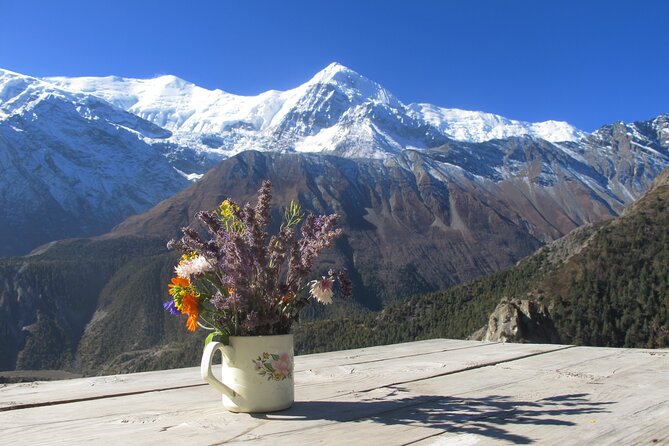
In the early morning, you hike up to Poon Hill at 3210 meters to see sunrise. The views include mountains such as Dhaulagiri, Tukuche Peak, Nilgiri, Annapurna South, and Himchuli.
You then move on toward Pokhara Lakeside.
Practical note: sunrise hikes reward early starts. Bring layers, because mornings near this altitude can turn chilly fast.
Day 15: Pokhara to Kathmandu, plus a farewell dinner
You travel from Pokhara to Kathmandu with choices like a tourist bus. On this final night, you get a farewell dinner.
Why it lands well: after all the walking days, you get a proper “close the book” moment. It’s also when you can ask the guide questions you didn’t have time for while you were moving.
Lodges, meals, and how the daily routine usually works
This trek uses lodge accommodation on the normal trekking nights, and it includes meals during your trekking days: breakfast, lunch, and dinner each day of the trek.
That matters for two reasons. One is nutrition planning. You are not scrambling for food when you’re hungry, and meal timing can stay consistent. The other is peace of mind. On big treks, it’s the stress of logistics that wears you down, not just the altitude.
Drink costs will be on you. Hot drinks or bottled water and soft drinks may add up, so it’s smart to budget small daily amounts if you like convenience. Boiled water can also affect your spending, since personal expenses are not included.
Transport legs that actually reduce stress
One underrated part of trek quality is how you get from point A to B. This plan covers airport pickup and drop, a bus ride from Kathmandu down to the start area (Besisahar-Bulbule), public transportation between Muktinath and Tatopani, a car from Nayapul to Pokhara (trek ending point to Pokhara), and then a deluxe tourist bus back to Kathmandu.
That means less time waiting in unfamiliar stations, fewer bargaining moments, and fewer chances for “what now?” confusion. You can focus on walking and recovering, instead of turning your vacation into a route-planning contest.
Guides and safety mindset, what stands out in the real stories
The guide is included, and the package states the guide’s salary, equipment, insurance, transportation, lodging, and food are covered. That’s important. It signals the trek isn’t relying on a person who has to pay their own way with tips during the trip.
In past Annapurna Circuit experiences connected with this company, guide names like Pratap and Dinesh have come up, with descriptions that they were accommodating, knowledgeable, and cheerful while keeping an eye on safety. Another name that shows up in Annapurna Circuit stories is Bashu (and also Bashudev). The consistent theme is that you want a guide who can handle both the mountains and the small human parts, like helping you get answers fast and keeping the day running smoothly.
If you’re nervous about altitude or you just like clear explanations, this kind of guide style tends to help. It’s not only about summits. It’s about the small choices each day.
Who this trek suits best
This is aimed at people with moderate physical fitness. You should be comfortable with multi-hour walking days and the idea that some days are steep or long.
It also suits you if you want:
- a private pace instead of group chaos
- most permits and transport arranged up front
- lodge trekking with meals handled
- a team that feels family-run and approachable
If you’re looking for luxury accommodation every night or a trek that removes all discomfort, this is not that. Expect basic lodge life and plan to work for views.
Price and logistics, the practical checklist before you go
Before booking, do a quick reality check against what’s included.
Included that reduces risk:
- ACAP permit and TIMS card handled
- guide support with insurance and equipment
- lodge accommodation on trek nights
- meals during the trekking days
- transport legs from Kathmandu to start, trek end to Pokhara, and back
Not included that you must plan:
- extra nights and food in Kathmandu and Pokhara
- travel insurance
- porter is not included, though the company can organize one per request
- drinks and personal expenses
Also note the meeting point. You start at Tribhuvan Airport in Kathmandu at 10:15 am, and you’ll receive confirmation at booking time. The tour is also a private activity, so only your group participates.
Should you book this 15-day private Annapurna Circuit trek?
I think you should book it if you want the Annapurna Circuit experience but with fewer moving parts to manage yourself. The biggest strength is the “everything handled” feel: permits, guide, meals, lodge nights, and transport legs that connect Kathmandu, the trail, Pokhara, and back again. Add the Manang acclimatization day, and you’re set up more sensibly than the frantic versions of this route.
You might skip or reconsider if you’re still unsure about altitude readiness, or if you prefer ultra-premium lodging and drinks on your expense list will annoy you. Also, don’t forget insurance, because it isn’t included.
If your priority is authentic trekking with a private guide team and a schedule that respects acclimatization, this is a solid choice.
FAQ
What does the trek price include?
The package includes airport pickup and drop service, bus ticket to Bulbule, public transportation from Muktinath to Tatopani, car to Pokhara (from the trek ending point), and a deluxe tourist bus from Pokhara to Kathmandu. It also includes lodge accommodation on the trek, an experienced guide, legal documents (ACAP permit and TIMS card), all gov taxes, and meals (15 breakfasts, 15 lunches, and 15 dinners).
Are meals included throughout the trek?
Yes. The tour includes breakfast (15), lunch (15), and dinner (15) during the trekking days.
Is a porter included?
Porter service is not included, but the company says they are happy to organize a porter per request.
What permits are included?
The trek includes legal documents for the region: an ACAP permit and a TIMS card.
When and where does the trek start?
You start at Tribhuvan Airport in Kathmandu, with a start time of 10:15 am.
What kind of accommodation is used on the trek?
The itinerary uses lodge accommodation during the trek nights, described as normal lodge stays.
Is travel insurance included?
No. Travel insurance is listed as not included.
What is the cancellation policy?
Free cancellation is available. You can cancel up to 24 hours in advance of the experience start time for a full refund.
Is this a private tour?
Yes. It is private, and only your group will participate.
Kathmandu Without the Group Bus
The Rest of Our Kathmandu Write Ups
The Circuit, Other Itineraries
Everything else we have reviewed around Kathmandu
- 12 Days Everest Base Camp Trekking
★ 5.0 · 3 reviews - 1 Night 2 Days Chitwan Jungle Safari Tour from Pokhara or Kathmandu
★ 3.0 · 3 reviews - Thamel Rickshaw tour
★ 4.7 · 3 reviews - Kathmandu: Momo Making Class with a Local Chef
★ 5.0 · 3 reviews - Kathmandu: Full-Day Yoga, Body Massage and Pedicure Package
★ 5.0 · 3 reviews - From Kathmandu / Pokhara / Chitwan: River Rafting – 1 Day
★ 4.6 · 3 reviews
Annapurna Circuit Treks worth a second look.
 ★ 5.0Annapurna Circuit Trek with Tilicho LakeFrom $1,093368 reviews
 ★ 5.0Annapurna Circuit TrekFrom $1,17594 reviews
★ 5.0Annapurna Circuit TrekFrom $1,15035 reviews
★ 5.0Annapurna Circuit TrekFrom $97534 reviews
 ★ 5.010-Day Adventurous Annapurna Circuit TrekFrom $46725 reviews
 ★ 5.0Annapurna Circuit with Tilicho Lake TrekFrom $1,09325 reviews
 ★ 5.09-Day Annapurna Circuit Trek via Thorong La Pass17 reviews
 ★ 5.0Annapurna Circuit Trek with Tilicho Lake (16 Days)From $1,80015 reviews
Lists this tour sits in