
REVIEW · CITY TOURS
Kathmandu: Private City Guided Tour
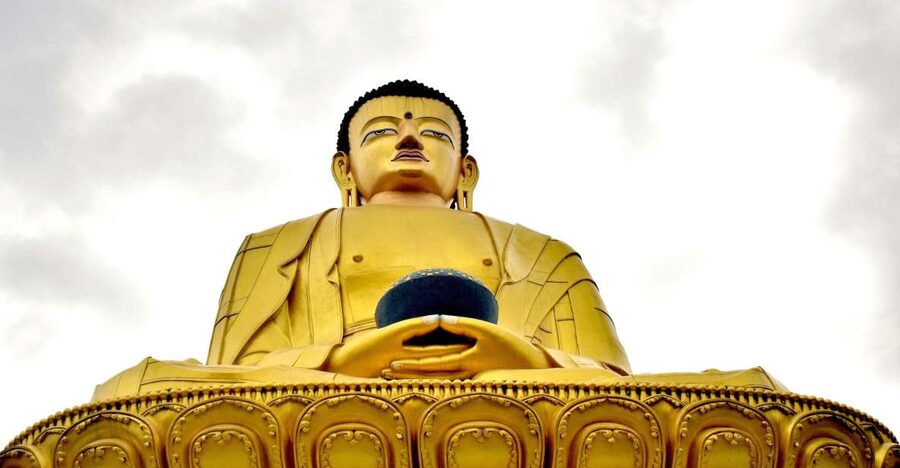
Four sacred stops, one smooth afternoon. This private Kathmandu tour connects UNESCO World Heritage sights with living Hindu and Buddhist practice, and your guide keeps the story clear as you move through the city. I especially like how the route pairs big spiritual landmarks, with time to look around instead of just checking boxes.
The only real catch is cost: the tour price covers the guide and transport, but monument entry fees are paid on the spot, which you should plan for before you go.
In This Review
- Key points to know before you go
- A 6-hour Kathmandu orientation built around UNESCO sites
- Swayambhunath Monkey Temple, hilltop views and Buddha’s eyes
- Boudhanath Stupa and the Tibetan prayer world, 6 km east
- Pashupatinath Temple on the Bagmati River, Shiva plus a close-up of cremation rites
- Patan Durbar Square, Newari architecture and a royal courtyard you can feel
- Everest View Hotel helicopter stop, a rare look from high air
- How the half-day pace really works with private guiding
- Lunch, local food, and a break that doesn’t waste the day
- Price and value: $40 for the day, plus entry fees you should budget
- What to bring and how to handle sacred sites respectfully
- Who this Kathmandu private tour fits best
- Should you book this Kathmandu Private City Guided Tour?
- FAQ
- How long is the Kathmandu Private City Guided Tour?
- What is included in the $40 per person price?
- Are monument entry fees included?
- Which sites are visited on this tour?
- Where does hotel pick-up happen?
- What languages are spoken by the guide?
- Is the tour suitable for wheelchair users?
- What should I bring?
- Is free cancellation available?
Key points to know before you go
- Four UNESCO-listed highlights in one half-day route, so you get orientation fast.
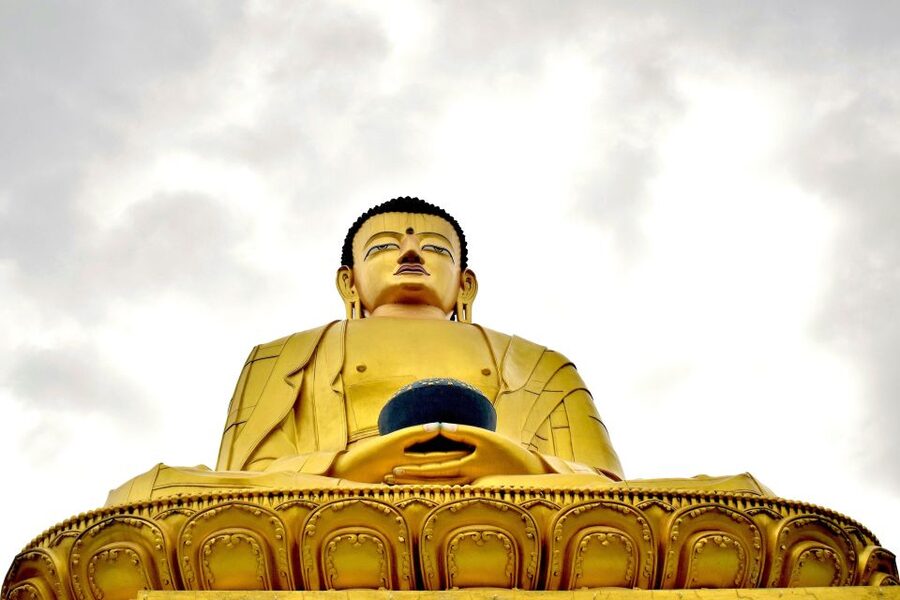
- Swayambhunath and Boudhanath let you see Buddhism up close, from painted symbols to prayer in motion.
- Pashupatinath on the Bagmati River shows a very powerful Hindu ritual tradition.
- Patan Durbar Square is where Newari architecture feels hands-on and real, not just postcard-perfect.
- A helicopter stop at Everest View Hotel adds a rare Mt. Everest moment beyond the Kathmandu valley.
Other Kathmandu plans with a guide already on the ticket
A 6-hour Kathmandu orientation built around UNESCO sites
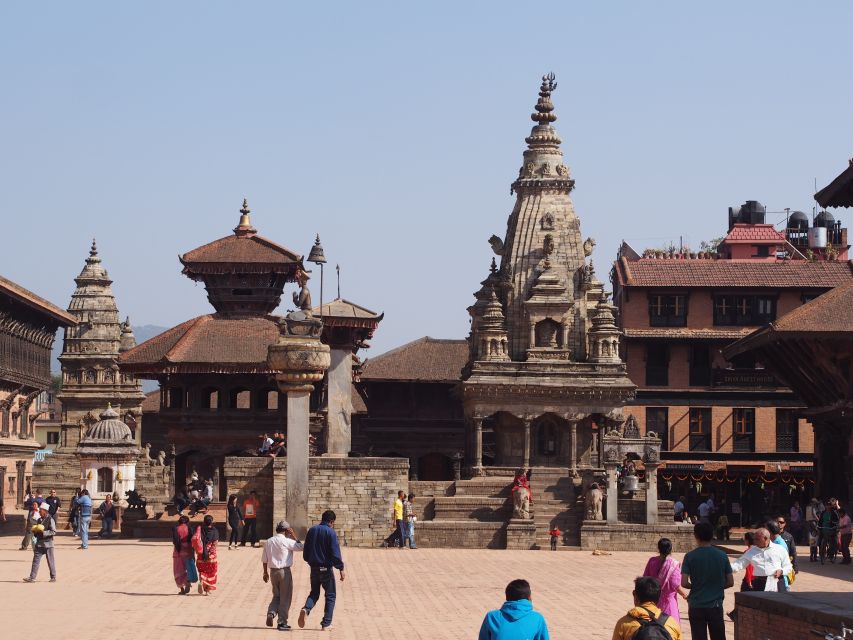
This is the kind of day trip you book when you want Kathmandu to make sense quickly. Instead of bouncing between random sights, you follow a route that balances Buddhist shrines, a Hindu temple complex, and Newari royal architecture in Patan.
With a private car and an English-speaking guide (often guides like Kapil, Saru, Bhim, or Shanti), the pacing feels adjustable. You get free time inside the day, so you can sit for a moment, take photos, or slow down when something catches your eye.
Swayambhunath Monkey Temple, hilltop views and Buddha’s eyes
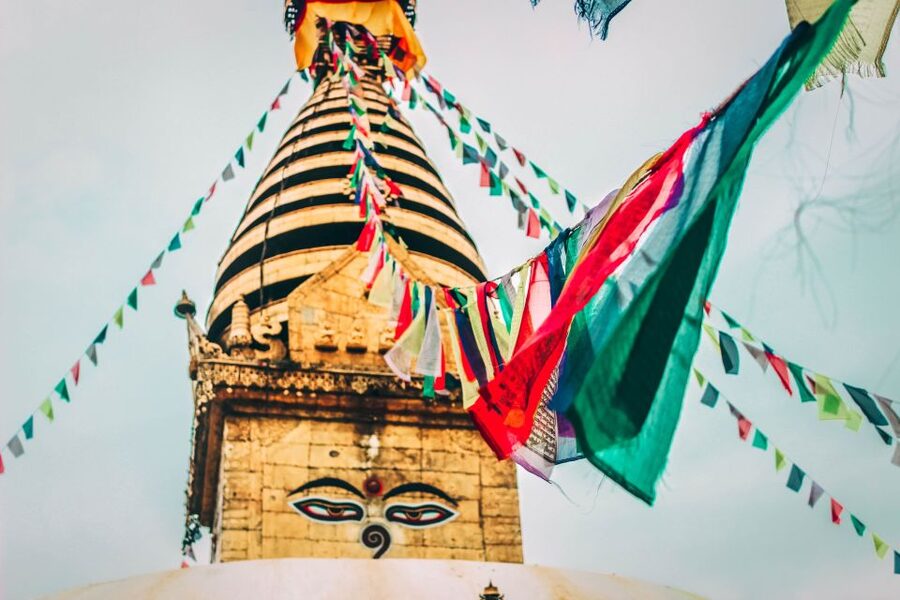
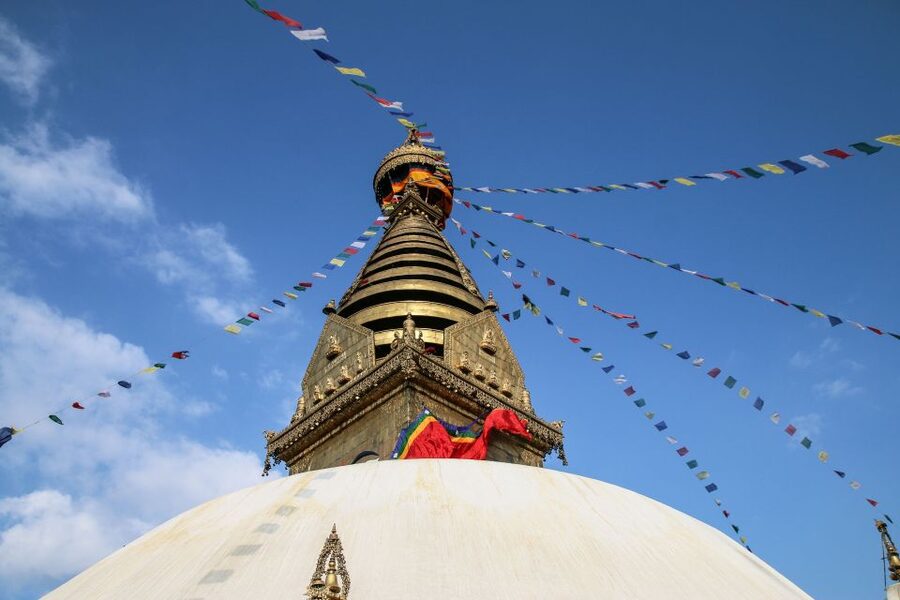
Swayambhunath, also called the Monkey Temple, sits on a hill about 77 meters above the ground. That elevation is the practical reason it’s first-rate early in a trip, because it gives you a view of the whole Kathmandu valley and helps you later “place” what you see.
The stupa is roughly 2,500 years old, and the dome with painted Buddha’s eyes is the signature detail. It’s also symbolic in a very human way: those eyes on four sides make the place feel like it is watching you back, in a calm, non-scary way.
Inside the complex, you can also spot other corners of devotion. Two Buddhist monasteries and a Haratima temple (where both Buddhists and Hindus worship) sit within the wider sacred area. If you like to connect the dots, Swayambhunath does that by showing how religious life overlaps in Kathmandu.
Practical note: this is a site where you should expect steps and uphill walking. You’ll want comfortable shoes, and you’ll appreciate a guide who can help you choose where to focus if you are not into long climbs.
Boudhanath Stupa and the Tibetan prayer world, 6 km east
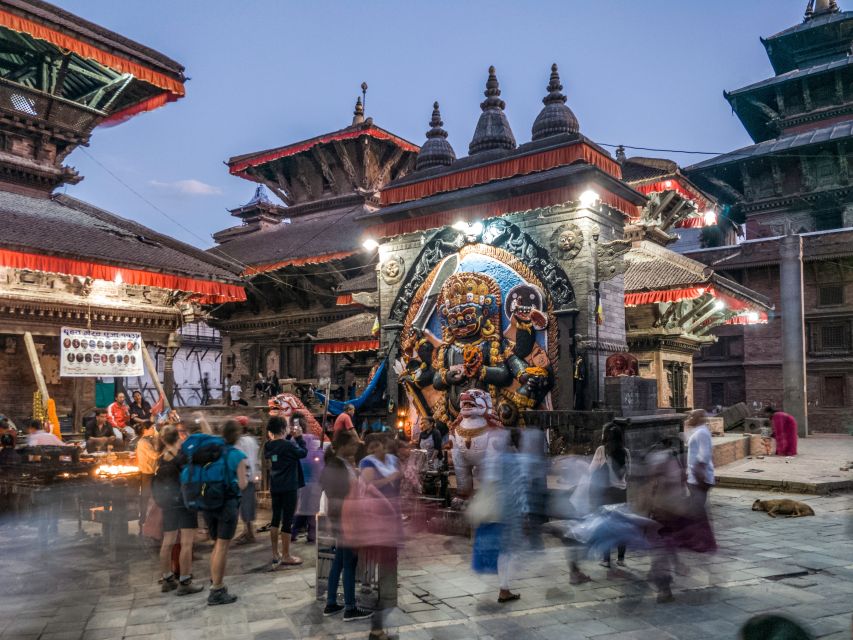
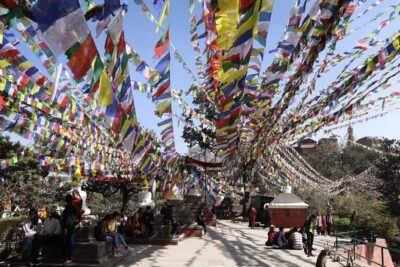
Boudhanath Stupa sits about 6 km east of Kathmandu, and it’s a big reason this tour feels different from a quick temple hop. The stupa dates back to the 5th century AD, and it’s one of the largest Buddhist stupas in the world.
What makes Boudhanath special is the way it works as a spiritual center, not just a monument. Around the stupa, you’ll find ringed monasteries and lamas, and in winter it draws Tibetan pilgrims in large numbers. Even outside peak season, that energy comes through in how people move, pray, and keep returning to the same place.
As you walk the area around the stupa, you get a feel for Buddhist ritual patterns, especially the attention given to the stupa itself. This is where the visual details do their job: prayer and devotion happen in the open, so your guide can point out meanings without needing to make it theatrical.
Pashupatinath Temple on the Bagmati River, Shiva plus a close-up of cremation rites
Pashupatinath is dedicated to Lord Shiva and sits about five kilometers east of Kathmandu on the Bagmati River. It has two golden roofs and four silver doors, and it draws large numbers of Hindu pilgrims, especially around spring.
This stop is also the most emotionally intense on the route, because you can observe cremation rituals at the riverbank. That proximity is not a sightseeing gimmick, it is part of a living tradition, so you should treat the area with extra respect and quiet attention.
The tour context helps here, because your guide can explain what you are seeing and why it matters. One of the smartest practical touches is expecting that the area can have a strong, smoky smell, and some guides have even provided face masks to make the experience easier while still keeping things respectful.
There’s also a common reality at sacred sites: certain inner spaces might be restricted for worshippers. If you end up appreciating parts from outside, that’s still valid here, because Pashupatinath’s architecture and riverfront setting are powerful in their own right.
Other Kathmandu town days on our list
Patan Durbar Square, Newari architecture and a royal courtyard you can feel
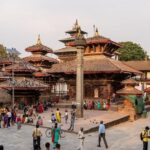
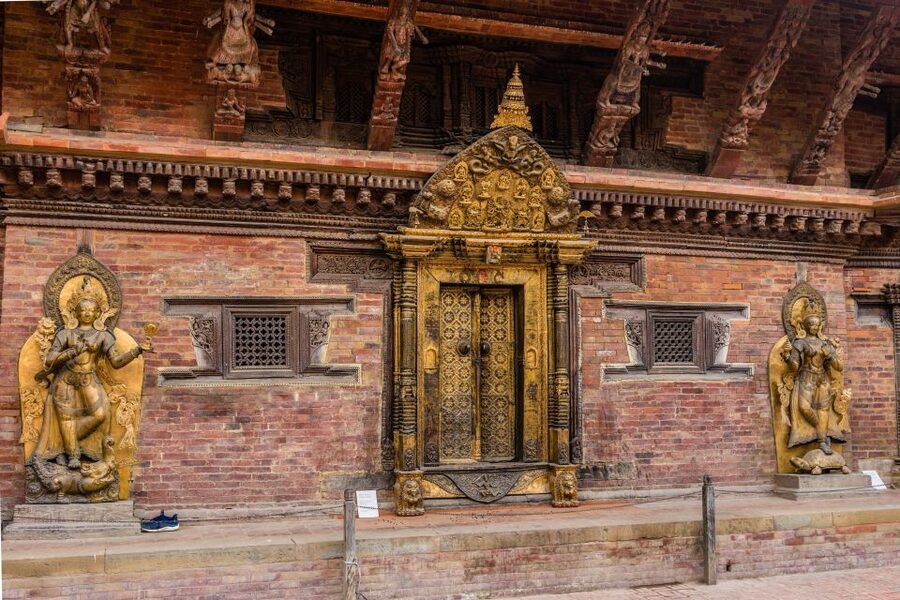
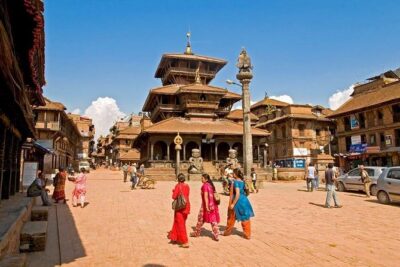
Patan Durbar Square is often the most rewarding stop for people who love architecture. Patan is home to the former Patan Royal Family, and the square is famous for its Newari architecture details that feel crafted, not mass-produced.
This is also one of Kathmandu’s three Durbar Squares, and it’s frequently the most photographed. Why? The sights are concentrated around the central courtyard of Mul Chowk, so you can orient quickly while still getting a lot of visual variety.
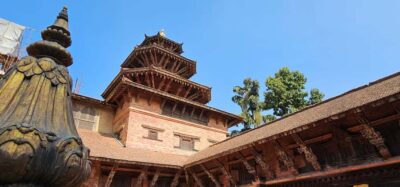
Look for the Krishna Temple, known for its 21 golden pinnacles. Nearby, Rudra Varna Mahavihar is a Buddhist monastery that houses local treasures, which gives you another blend of religious life in the same space.
Mul Chowk works like a hub. You can sit for a minute, watch daily movement, and let the place settle into your head. Compared with some monuments that feel like a single photo spot, this one rewards you for lingering a bit.
Everest View Hotel helicopter stop, a rare look from high air
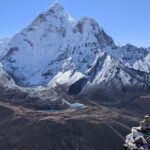
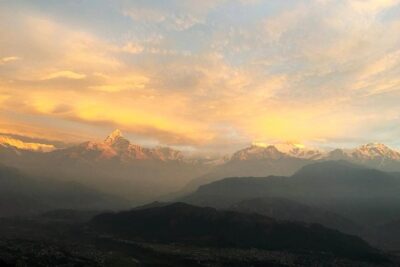
The tour also includes helicopter stops at Everest View Hotel for a closer view of Mt. Everest. This is the part that feels like a different kind of Kathmandu experience, because it shifts your attention from temple courtyards to the geometry of the Himalaya.
The useful mindset here is simple: treat it as a bonus, not as a guarantee of a perfect view. Weather, visibility, and timing can always affect what you see in mountain regions, so keep your expectations flexible and enjoy the perspective shift.
Even if you have seen Everest photos before, the feeling of going from city stone and prayer to open sky is memorable. It’s also one of those rare moments where a short itinerary can still add something “wow” without turning your whole trip into a long expedition.
How the half-day pace really works with private guiding
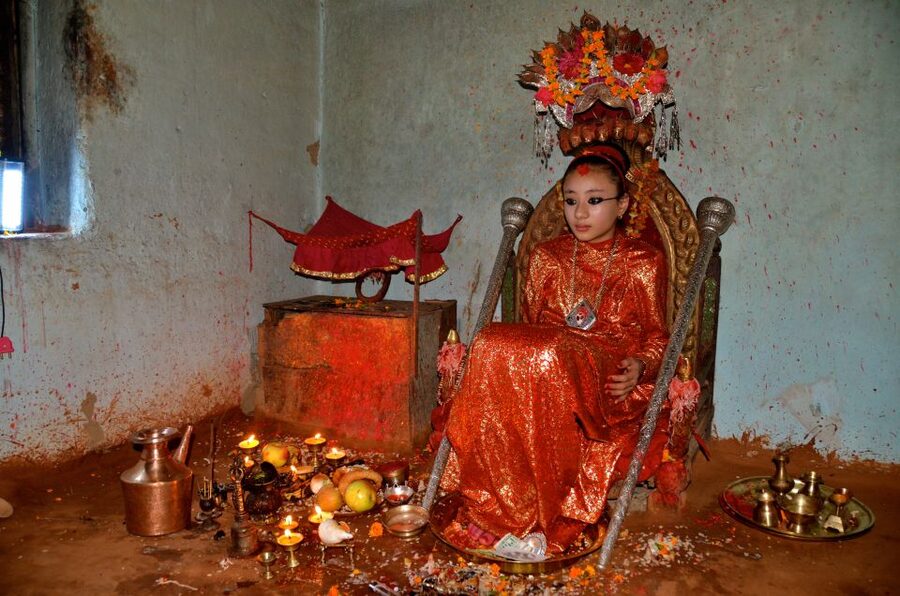
A 6-hour plan sounds tight, but with a private guide it can feel surprisingly balanced. You’re not trapped in a one-speed group tour, and you can ask for extra time at one site if something pulls you in.
That flexibility matters most on days with traffic. Kathmandu driving can take longer than you expect, so I like building in patience. If your day feels like it runs slightly behind, don’t panic, the guide can often adjust the route so you still get the key moments.
You also get a little support that makes the day smoother. Your guide can assist with buying on-the-spot entrance tickets and help you understand any differences in prices for certain nationalities. The tour is also designed so pickups and drop-offs fit where you are staying, which cuts down the stress of trying to meet a driver in the wrong place.
Lunch, local food, and a break that doesn’t waste the day
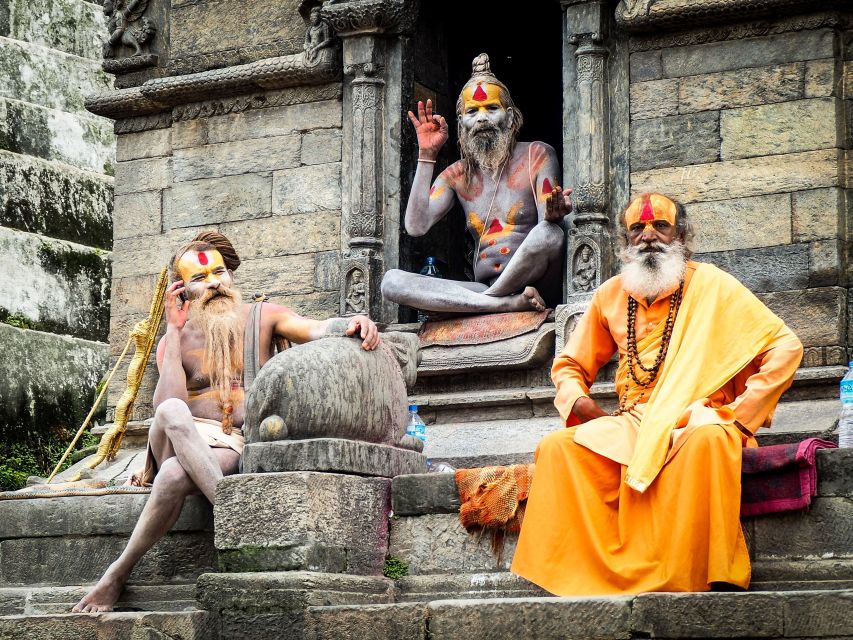
Meals and drinks are not included in the price, but food shows up as part of how the day feels. The tour experience often includes local cuisine, with both savory and sweet dishes on offer, so you get a taste of what Nepalese comfort food feels like.
One detail that many people appreciate is lunch in a spot with a view near the stupa area, sometimes a rooftop setting that lets you enjoy the monument atmosphere without rushing. Even if you are not a “foodie,” a good lunch pause is what makes this kind of packed cultural day feel humane.
If you want to keep your energy up, bring a little cash for snacks and water breaks. This tour includes time for free exploring too, so you can adjust based on hunger and how long you linger at each stop.
Price and value: $40 for the day, plus entry fees you should budget
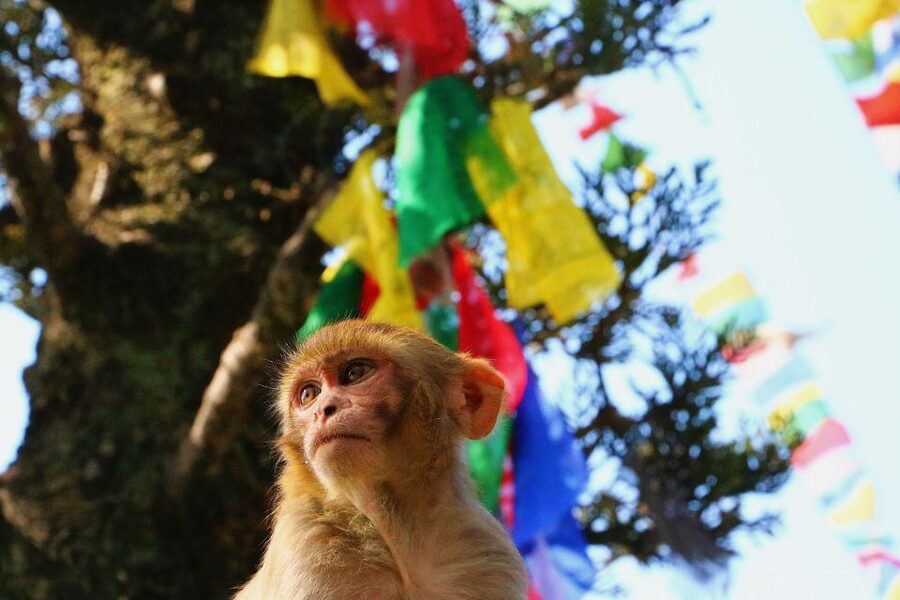
At $40 per person, the tour price covers the private car, hotel pickup and drop-off, and an English-speaking guide. That’s a fair deal for four major stops, especially in a city where navigation and ticketing can slow you down if you try to go alone.
The part to budget is the monument entry fees. You pay NPR 2700 per person, which is listed as about US$22, and meals are also extra. Once you add those basics, the day’s all-in cost usually feels more like a “real sightseeing day” than a bargain add-on.
Is it still good value? Yes, because you’re paying for time saved and clarity gained. A guide helps you understand what you’re looking at, assists with tickets on the spot, and keeps the day moving without turning it into a sprint.
What to bring and how to handle sacred sites respectfully
Bring passport or ID, because identification is listed as part of what you should have. Wear comfortable shoes and carry water, since you’ll walk around on uneven ground and stairs.
Cash matters too, since entrance tickets are purchased on the spot and you’ll want flexibility for snacks. A face mask or protective covering is also suggested, and it’s not a bad idea to have one even if you think you will not need it.
Also, pets are not allowed, so you should arrange pet care if you are traveling with animals.
Respect rules are more about behavior than complicated instructions. Move calmly, keep your voice down near worship areas, and follow your guide’s guidance about what parts you can enter versus where you should view from outside.
Who this Kathmandu private tour fits best
This is a strong match if you want a first-day orientation and you like mixing Buddhist and Hindu sites in one go. It’s also great for people who want a private guide who can adjust time at stops and help with photo timing.
If you are short on days but hate the feeling of missing key monuments, this route gives you a solid overview. It can also work for solo travelers because the private format means you can ask questions at your own pace, from symbolism to practical questions like dress and where to stand for the best views.
One limitation to keep in mind: it’s not suitable for wheelchair users. Many of these sites involve stairs and uneven pathways, so you would need a different kind of plan if mobility is an issue.
Should you book this Kathmandu Private City Guided Tour?
Book it if you want four major UNESCO highlights tied together with context, and you value having an English-speaking guide to explain what you see and help with tickets. It’s a good use of a half day, especially on a first trip when you want Kathmandu to feel organized in your head.
Skip it or plan differently if you are tightly budgeting and hate paying extra entrance fees, or if mobility limits make stairs a deal-breaker. If either of those applies, you can still make a shorter, simpler plan, but you’ll lose some of the smoothness that makes this tour worth it.
If you do book, aim for an early start, wear real shoes, and let the guide set the tempo. This is the kind of day where small moments, like the painted eyes at Swayambhunath or the scale of Boudhanath, stick with you longer than you’d expect.
FAQ
How long is the Kathmandu Private City Guided Tour?
The tour runs for 6 hours.
What is included in the $40 per person price?
It includes hotel pick-up and drop-off, a private car, and an English-speaking guide.
Are monument entry fees included?
No. Monument entry fees are not included, and you must buy them on the spot. The listed fee is NPR 2700 per person (about US$22).
Which sites are visited on this tour?
You visit Patan Durbar Square, Swayambhunath Temple (Monkey Temple), Pashupatinath Temple, and Boudhanath Stupa. The tour also includes helicopter stops at Everest View Hotel.
Where does hotel pick-up happen?
Pick-up is available from these locations: Boudhha, Lalitpur, Kathmandu, Ekantakuna, Thamel, Lazimpat, and Naya Bazaar.
What languages are spoken by the guide?
The guide speaks English, Hindi, and Nepali.
Is the tour suitable for wheelchair users?
No. It is not suitable for wheelchair users.
What should I bring?
Bring a passport or ID card, comfortable shoes, water, cash, and a face mask or protective covering.
Is free cancellation available?
Yes. You can cancel up to 24 hours in advance for a full refund.
Kathmandu, Someone Setting the Pace
Everything Bookable Around Kathmandu
The Rest of Our Kathmandu Write Ups

Everything else we have reviewed around Kathmandu
- 12 Days Everest Base Camp Trekking
★ 5.0 · 3 reviews - 1 Night 2 Days Chitwan Jungle Safari Tour from Pokhara or Kathmandu
★ 3.0 · 3 reviews - Thamel Rickshaw tour
★ 4.7 · 3 reviews - Kathmandu: Momo Making Class with a Local Chef
★ 5.0 · 3 reviews - Kathmandu: Full-Day Yoga, Body Massage and Pedicure Package
★ 5.0 · 3 reviews - From Kathmandu / Pokhara / Chitwan: River Rafting – 1 Day
★ 4.6 · 3 reviews
City Tours worth a second look.
 ★ 4.8Sarangkot Sunrise with Half or Full-Day City TourFrom $8100 reviews
 ★ 5.0Guided Tour to explore the entire Pokhara CityFrom $7051 reviews
 ★ 5.0Kathmandu Valley City Day TourFrom $6040 reviews
 ★ 4.1City Sightseeing Group Bus TourFrom $837 reviews
 ★ 5.0Full Day Kathmandu City Sightseeing Tour of UNESCO Heritage SitesFrom $5036 reviews
 ★ 5.04 UNESCO City Sightseeing in KathmanduFrom $5036 reviews
 ★ 5.0Patan and Bhaktapur City Full Day TourFrom $5024 reviews
 ★ 5.02 Night 3 Days Pokhara City TourFrom $10022 reviews
Lists this tour sits in