
REVIEW · KATHMANDU UNESCO HERITAGE TOURS
4 UNESCO City Sightseeing in Kathmandu
Kathmandu can feel like a puzzle of temples and timelines. This one-day tour turns that chaos into a clean route through four major UNESCO heritage stops, with hotel pickup and a tight focus on the Kathmandu Valley’s landmarks. I especially like the small-group size (up to 15), which makes the day feel personal instead of rushed. One thing to consider, though, is that the major sites require separate admission, and the day does not include lunch.
What makes it work well on the ground is the guide. On this tour, you’re set up with a professional local guide, and the best part is the human touch, like Saru, who was praised for being friendly and compassionate and for knowing a lot about the city. You’ll also ride comfortably in an air-conditioned vehicle, which matters in Nepal when you are moving between distant heritage sites in a single day.
In This Review
- Quick hits before you go
- Why Kathmandu logistics beat you (unless someone else plans)
- Private transport and a 6 to 7 hour rhythm
- Kathmandu Durbar Square: power, palace life, and 12th-century layers
- Swayambhunath Stupa: the lotus legend and why it matters
- Pashupatinath Temple: Shiva’s timeline in stone and rebuilds
- Boudhanath Stupa: Tibetan Buddhism’s Nepal chapter
- What’s included, what’s not, and how that changes your planning
- Price and value: when $50.50 actually makes sense
- The guide experience: why good interpretation changes everything
- Who should book this Kathmandu UNESCO day, and who should skip it
- Should you book 4 UNESCO City Sightseeing in Kathmandu?
- FAQ
- How long is the tour?
- Does the tour include hotel pickup and drop-off?
- Are admission tickets included for the heritage sites?
- What sites are covered during the tour?
- What group size should I expect?
- Is lunch included?
- What is the cancellation policy?
Quick hits before you go
- Up to 15 people keeps the pace manageable and the questions flowing.
- Hotel pickup and drop-off remove the headache of figuring out transport on your own.
- Four UNESCO sites in one long day gives you a practical hit of Kathmandu’s main heritage.
- Tickets and lunch are extra, so plan for admission fees and food.
- Private vehicle travel cuts down the friction between scattered locations.
- Guided context from Saru-style experts helps you understand what you are looking at, not just where to stand.
Other seven site heritage runs
Why Kathmandu logistics beat you (unless someone else plans)
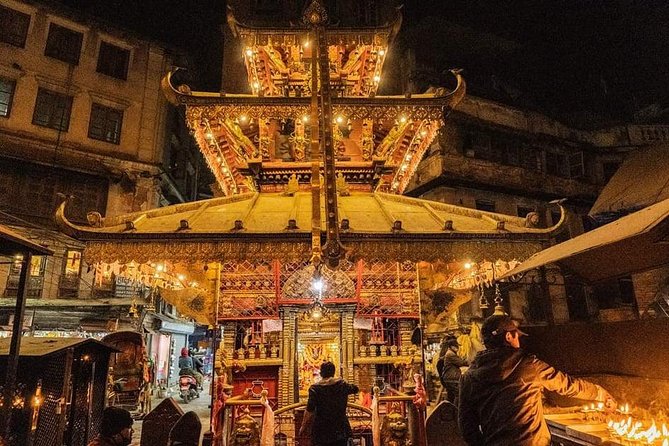
Kathmandu’s big heritage sites are not all clustered in one walkable neighborhood. They are spread across the Kathmandu Valley, which means independent sightseeing quickly becomes a juggling act: figuring out routes, timing, and how much time each place really needs.
This tour is built for that reality. You get a full day that strings together the city’s most important sights in a way that is hard to replicate casually. Instead of you spending energy on navigation, you spend it looking at the details that make each site meaningful.
That tradeoff is the core value. You are paying for coordination, comfortable transport between stops, and interpretation from a guide who can explain the stories behind what you see.
Private transport and a 6 to 7 hour rhythm
The tour runs about 6 to 7 hours, which is enough time to make real progress across four major places without turning the day into a marathon. The rhythm is straightforward: ride, arrive, walk through the highlights with the guide, then move on to the next site.
You travel in a private air-conditioned vehicle, so you are not stuck waiting for shared pickups or squeezed into an overpacked van. That is not a luxury detail you can ignore. When you are visiting multiple sacred sites in one day, comfort helps you stay sharp for the actual sightseeing.
There is also hotel logistics wrapped in. The day includes round-trip transfer from your hotel and a drop-off at the end, so you do not have to solve the last-mile problem after the final stop.
Practical note: because the tour includes multiple locations, you should expect some walking and time spent moving through temple and stupa areas. The durations per stop are planned, but the real-world flow on site can still affect pacing.
Kathmandu Durbar Square: power, palace life, and 12th-century layers
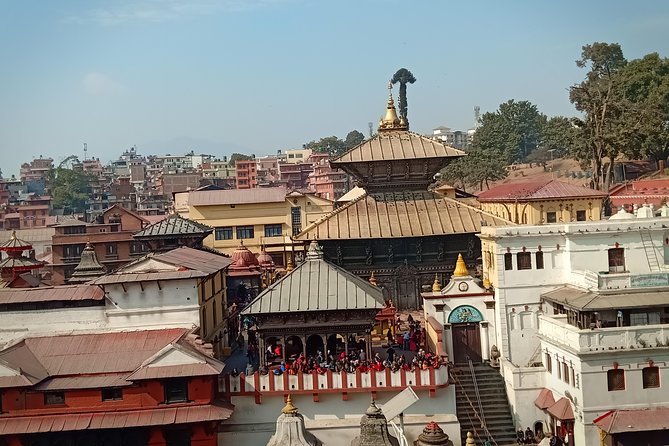
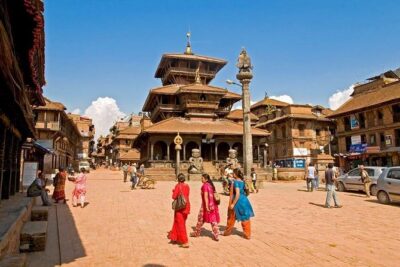
Your day starts at Kathmandu Durbar Square, a complex with deep ties to the city’s royal story. It was once the seat of power for the Malla kings and later the Shah dynasty, and it dates back to the 12th century. It also served as a stage for major events like coronations.
What I like about beginning here is that it gives you context for everything that comes next. Durbar Square is not just an impressive area to glance at. It is a reminder that Kathmandu’s heritage is both political and religious, with authority expressed through architecture and public space.
The stop runs about 2 hours, and admission is not included, so you’ll want to budget time and money for entry. Because this is a concentrated historic site, it is a place where a guide’s explanations can do real work. You will get more from your visit if you listen for what features represent, not just what they look like.
A consideration: this is the first stop, so if you are sensitive to crowds or want a slower pace, you may need to be mentally prepared for an early burst of activity.
Swayambhunath Stupa: the lotus legend and why it matters
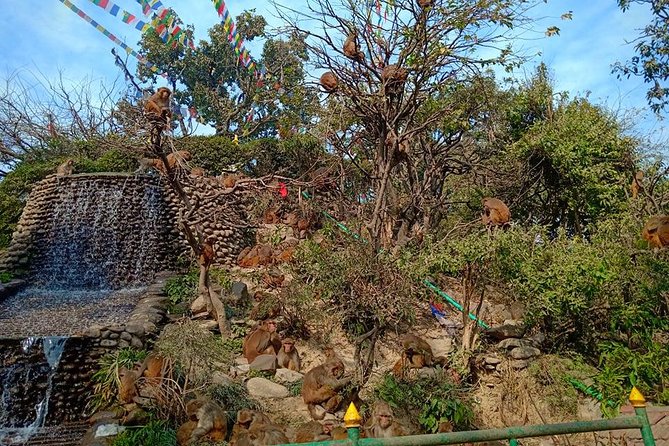
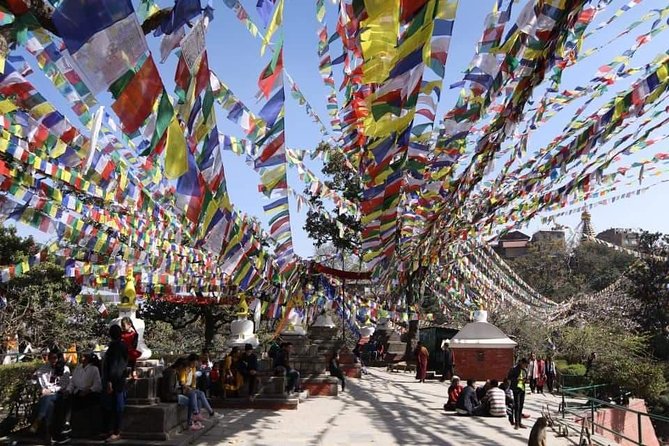
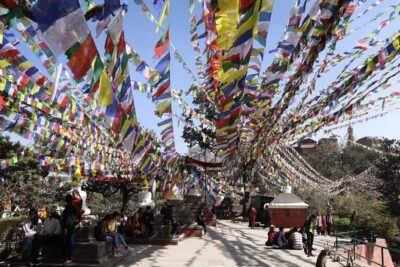
Next is Swayambhunath Stupa, a hilltop religious site believed to have been founded over 2,000 years ago. There is also a legend tied to it, including the story that the stupa emerged spontaneously from a lotus flower.
That mix of age and legend is exactly why the guide matters. When you hear the stories that locals attach to these places, the stupa becomes more than a photo stop. It becomes a symbol with meaning, anchored in long memory and religious imagination.
This stop is scheduled for around 1 hour, and, like the others, the admission ticket is not included. For a lot of people, an hour is just enough to see the main features and then get oriented through the guide’s commentary.
One more thing to keep in mind: because it is on a hilltop, you will likely spend energy climbing and moving around. Build in a calm, steady pace so you do not feel rushed halfway through the experience.
Other Kathmandu town days on our list
Pashupatinath Temple: Shiva’s timeline in stone and rebuilds
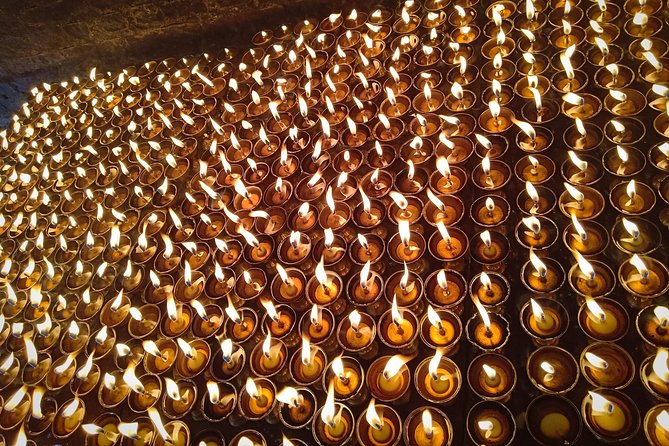
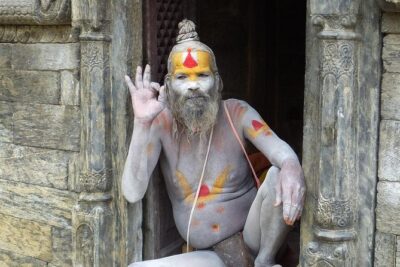
Then you move to Pashupatinath Temple, one of the oldest sacred Hindu sites mentioned in the tour details. It is dedicated to Lord Shiva and dates back to 400 A.D. It was later rebuilt by King Bhupatindra Malla in the 17th century after earlier rebuilding work needs are implied by the description.
This is the stop where you can feel how places survive, change, and still stay central. The age alone is striking, but the mention of rebuilding by a specific king adds a human layer. Heritage here is not static. It is maintained, repaired, and renewed across centuries.
Your visit is planned for about 1 hour, and admission is again not included. Since you are getting limited time at a site like this, your best strategy is to let the guide steer you toward what to notice and how to understand it.
A consideration here is purely practical: temple environments can involve rules and shared space. The tour does not list specific dress or behavioral policies, so you should go in with a respectful mindset and be ready to follow cues on site.
Boudhanath Stupa: Tibetan Buddhism’s Nepal chapter
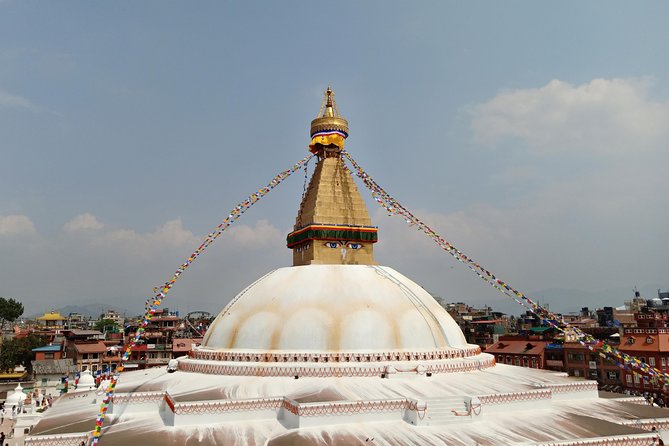
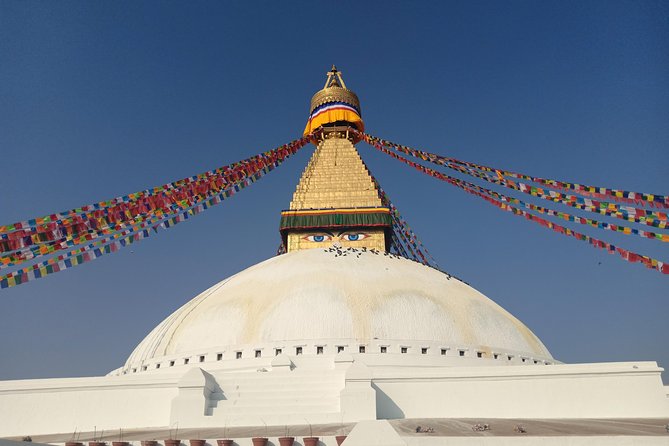
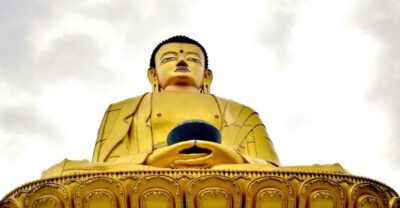
The final major stop is Boudhanath Stupa. This is built in the 5th century, and the tour notes it became a center for Tibetan Buddhism after refugees fled to Nepal. It is also described as one of the largest stupas in the world, and an important draw for pilgrims.
If Durbar Square gives you the political spine of Kathmandu and Swayambhunath gives you the mythic spine, Boudhanath gives you the spiritual migration story. It shows how Nepal’s religious landscape was shaped by people arriving, settling, and preserving faith traditions in a new home.
This stop also runs about 1 hour, and admission is not included. With a guide, you can get more out of the visit by focusing on why this stupa matters to Tibetan Buddhism, not just how it looks.
One drawback to consider: the day ends with this site, so if you are hoping to linger for photos or extra exploration, you might find you run up against the scheduled time. The tour is designed for coverage, not for extended free time.
What’s included, what’s not, and how that changes your planning
This tour covers the essentials that are usually the hardest part to organize yourself:
- Professional guide
- Private transportation in an air-conditioned vehicle
- Round-trip transfer from your hotel and back
- Hotel drop-off after the final stop
It does not include:
- Lunch
- Personal expenses
- Admission tickets at the heritage sites
That last point is crucial for budgeting. The base price is $50.50 per person, which is on the lower end for a full-day, multi-stop guided tour with hotel transfers. But you should treat it as a package for guiding and logistics, not as an all-in ticket to the sites.
So your value equation looks like this:
- You pay for the guide and the comfort of one coordinated route.
- You pay separately for site entry and your food.
Also, you get a mobile ticket, and the tour says confirmation happens at booking time. That helps if you are trying to keep your Kathmandu schedule simple.
Price and value: when $50.50 actually makes sense
At $50.50 per person, the tour price is easy to justify if you care about saving time and avoiding stress. You are not just paying to sit in a vehicle. You are paying for:
- a guide to explain meaning and context
- private, air-conditioned transport between four widely spaced heritage sites
- hotel pickup and drop-off, which often costs time and money when you do it on your own
- an intimate group limit of 15 travelers max
If you attempted a DIY plan, you would still need transport, ticket budgeting, and a way to connect the dots between sites quickly. In a city where distances and timing can be tricky, that kind of coordination has a real cost.
My one caution on value is the same theme as everywhere in travel: if you hate group pacing, a scheduled day can feel restrictive. This tour is built for first-time visitors and time-crunched travelers. If you want to wander slowly and stop for long breaks whenever inspiration hits, you may feel boxed in.
The guide experience: why good interpretation changes everything
One review singled out a guide named Saru, praising her for being excellent, friendly, and compassionate, and for knowing a lot about the city. That matters because UNESCO sites can turn into a checklist if you do not know what you are looking at.
A good guide does three useful things in Kathmandu:
- They connect the site to a timeline, like the 12th-century Durbar Square and the 400 A.D. roots of Pashupatinath.
- They explain why a place became important, like Boudhanath’s role as a center for Tibetan Buddhism after refugees arrived.
- They translate legend into context, like Swayambhunath’s lotus flower story.
If you want your day to feel meaningful instead of merely crowded with monuments, prioritize listening. You will remember the stories longer than you will remember the exact steps you took to get there.
Who should book this Kathmandu UNESCO day, and who should skip it
This tour is a strong fit if:
- you are a first-time visitor and want major heritage coverage in one day
- you have limited time and do not want to spend your energy on logistics
- you enjoy small-group travel where questions feel welcome
- you want a guided explanation rather than a self-directed museum run
It might not be the best fit if:
- you dislike scheduled pacing and prefer long, free-ended exploration
- you plan to stay at one place for a deep, slow study session
- you are budgeting so tightly that paying for a multi-stop guide becomes less appealing than independent travel
A smart approach if you are unsure: use this tour as your orientation day. Then you can decide what deserves more time later on your own.
Should you book 4 UNESCO City Sightseeing in Kathmandu?
I would book it if you want an efficient Kathmandu day that covers the four heavyweight UNESCO heritage sites, with hotel pickup, comfortable private transport, and a guide who can explain what you are seeing. The small group limit of 15 travelers is a real quality signal, and the guide experience, including praise for Saru, suggests the interpretation side is taken seriously.
I would think twice if you are the type who hates tight scheduling, or if you want lunch included and a completely all-in ticket day. Here, admissions and food are separate, and the tour is designed for coverage, not lingering.
If your goal is to get your bearings fast and understand the city’s biggest cultural landmarks in one organized sweep, this is a solid value call.
FAQ
How long is the tour?
The tour runs about 6 to 7 hours.
Does the tour include hotel pickup and drop-off?
Yes. It includes round-trip transfer from your hotel and a hotel drop-off.
Are admission tickets included for the heritage sites?
No. Admission tickets are not included for the stops.
What sites are covered during the tour?
You visit Kathmandu Durbar Square, Swayambhunath Stupa, Pashupatinath Temple, and Boudhanath Stupa.
What group size should I expect?
This tour has a maximum of 15 travelers.
Is lunch included?
No. Lunch is not included.
What is the cancellation policy?
You can cancel for a full refund up to 24 hours in advance of the experience start time. If you cancel less than 24 hours before, the amount paid is not refunded.
Streets and Squares of Kathmandu
The Rest of Our Kathmandu Write Ups



Seven Sites, Other Routes
Everything else we have reviewed around Kathmandu
- 12 Days Everest Base Camp Trekking
★ 5.0 · 3 reviews - 1 Night 2 Days Chitwan Jungle Safari Tour from Pokhara or Kathmandu
★ 3.0 · 3 reviews - Thamel Rickshaw tour
★ 4.7 · 3 reviews - Kathmandu: Momo Making Class with a Local Chef
★ 5.0 · 3 reviews - Kathmandu: Full-Day Yoga, Body Massage and Pedicure Package
★ 5.0 · 3 reviews - From Kathmandu / Pokhara / Chitwan: River Rafting – 1 Day
★ 4.6 · 3 reviews
Kathmandu UNESCO Heritage Tours worth a second look.
 ★ 5.0Full Day 7 UNESCO Tour with Lunch – Private/GroupFrom $10415 reviews
 ★ 5.0Full Day Top 4 UNESCO Tour with Lunch – Private/GroupFrom $10269 reviews
 ★ 5.0UNESCO Seven World Heritage Tour in KathmanduFrom $180253 reviews
★ 4.9Full-Day 7 UNESCO Tour with Lunch – Private/GroupFrom $5247 reviews
★ 5.0UNESCO Seven World Heritage Tour in KathmanduFrom $180253 reviews
★ 4.9Full-Day 7 UNESCO Tour with Lunch – Private/GroupFrom $5247 reviews
 ★ 4.97 UNESCO Sites Tour in 1 Day (Private Tour)From $4204 reviews
 ★ 4.9Top 4 UNESCO Tour with Lunch – Private/GroupFrom $5181 reviews
 ★ 5.0Bhaktapur & Patan Durbar Square Day ToursFrom $50122 reviews
 ★ 5.0Kathmandu Private Sightseeing Tour | UNESCO World Heritage SitesFrom $35109 reviews
Lists this tour sits in