
REVIEW · KATHMANDU UNESCO HERITAGE TOURS
Kathmandu City Tour – Private UNESCO World Heritage Sites Tour
Five places in Kathmandu feel like a lifetime, in four hours.
This private UNESCO city tour strings together four big-ticket Kathmandu Valley landmarks, swapping Hindu and Buddhist viewpoints as you go, with hotel pickup and drop to make it simple. I especially like the tight 4 to 5 hour timing that still gives you about an hour at each site, and I like that the guide handles the story, not just the route. The main catch is the added entrance fees since tickets are not included for the four stops, so the final cost will be a bit more than the $17.
If you want an efficient way to get your bearings in Kathmandu, this is a smart pick. You’ll move through some of the valley’s most famous temple and stupa areas, and your guide’s explanations help you connect what you’re seeing to how Kathmandu works today. One thing to consider is that the experience depends on good weather, so it can get rescheduled if conditions are poor.
In This Review
- Key points you should know before you go
- Why this Kathmandu Valley UNESCO loop works in 4 to 5 hours
- Hotel pickup, private transport, and the smooth logistics that matter
- Stop 1: Swoyambhu Mahachaitya, where Hindu and Buddhist worship meet
- Stop 2: Patan Durbar Square, a royal palace courtyard feel
- Stop 3: Boudhanath Stupa, the big Buddhist landmark in Southeast Asia
- Stop 4: Pashupatinath Temple, a Hindu sacred site with crematory associations
- Price and costs: what that $17 covers, and what you pay at the sites
- How the guide turns landmarks into something you can actually use
- What a private tour feels like in Kathmandu, and who it suits best
- Timing, weather, and how to set expectations
- Should you book this Kathmandu City Tour?
- FAQ
- What is the duration of the Kathmandu City Tour?
- Which UNESCO World Heritage sites are included?
- Are entrance fees included in the tour price?
- What does the $17 price include?
- Is this tour private?
- Where does the tour start and end?
- Is pickup offered?
- What if weather is poor on the day of the tour?
Key points you should know before you go
- Private for your group, with hotel pickup and drop, so you are not stuck waiting on strangers.
- Four UNESCO sites in one loop, with about an hour at each stop.
- Entrance tickets are extra, listed as roughly Nepalese Rs. 2600 per person (about $20).
- A strong guide matters here, and the tour has drawn praise for guides like Shankar, Sanjay, and Ram.
- Mobile ticket plus constant coordination from the company helps keep the day smooth.
- Flexible options are sometimes possible, based on what you want to add or adjust.
Other one shot sweeps of the Valley

Why this Kathmandu Valley UNESCO loop works in 4 to 5 hours
Kathmandu Valley can feel overwhelming fast. You look at a map and it looks like every corner has a temple, a stupa, or a palace square. This tour solves that problem by doing a focused circuit that hits four UNESCO World Heritage sites that visitors commonly put on their first-trip list.
The pacing is the real value. You get about an hour at each of the four stops, which is long enough to see what is in front of you and to ask questions, without turning the day into a marathon. If your Nepal trip has limited time in Kathmandu, this kind of structure helps you get a meaningful overview without needing a whole extra day.
It also helps that the stops alternate between different religious spaces. You start with a site that is tied to both Hindu and Buddhist worship, then you move to a palace square, then to a major Buddhist stupa, and finally a Hindu temple complex. That sequence gives you a quick mental map for how the city’s faith traditions sit side by side.
Hotel pickup, private transport, and the smooth logistics that matter
You might think a city tour is mostly about sightseeing. In practice, Kathmandu timing is everything. Traffic, narrow streets, and finding meeting spots can turn a half-day into a stressful half-day. This tour is set up to reduce that friction with private transportation plus hotel pickup and drop.
Your tour starts at the Nepal Hiking Adventure Company on Z Street in Kathmandu, and it ends back at the same meeting point. That is useful because it avoids the annoying question of how you get back when you are tired and your phone battery is low. If you are staying near public transportation, it is also easier to stay flexible before pickup.
One more thing I like: the company’s communication style shows up in feedback. People describe quick responses before the tour and continued support during the day. That kind of follow-through matters when you are dealing with ticket lines, local timing, and the tiny unknowns that can pop up in any foreign city.
Stop 1: Swoyambhu Mahachaitya, where Hindu and Buddhist worship meet
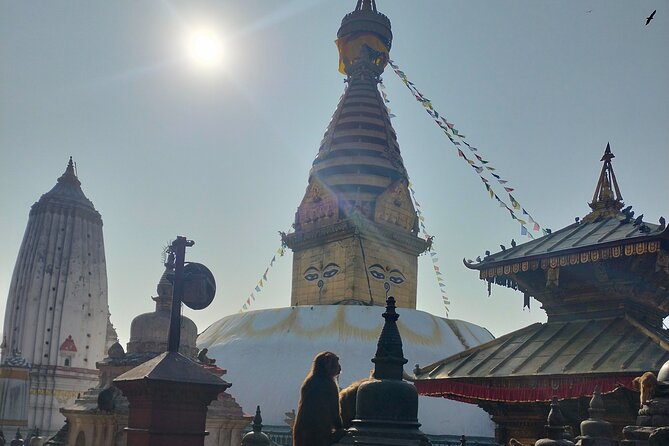
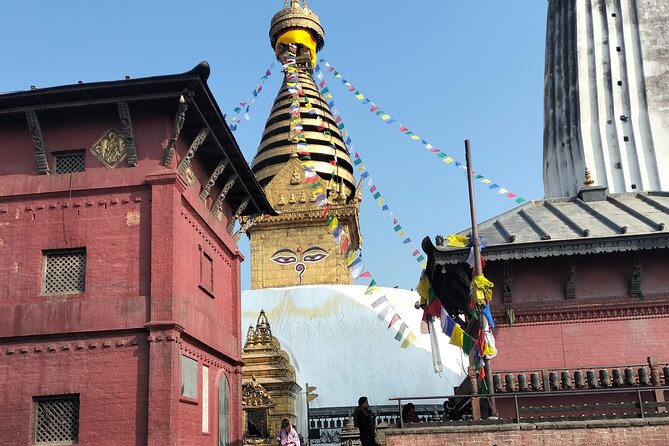
Your first stop is Swoyambhu Mahachaitya, also described as a place where Hindu and Buddhist devotion overlap. The tour schedules about an hour here, and admission tickets are not included.
What makes this stop interesting is the idea of blended meaning. Even before you get into details, you’ll likely notice how the space is used and respected by different communities. Your guide’s job is to translate that into something you can actually understand in a short time.
The admission ticket not being included is a recurring theme across the four stops, and Swoyambhu is no exception. So plan for entrance fees early, not later. If you prefer to avoid paying in multiple places throughout the day, it helps mentally to treat it as one bundled expense across the four UNESCO areas.
Stop 2: Patan Durbar Square, a royal palace courtyard feel
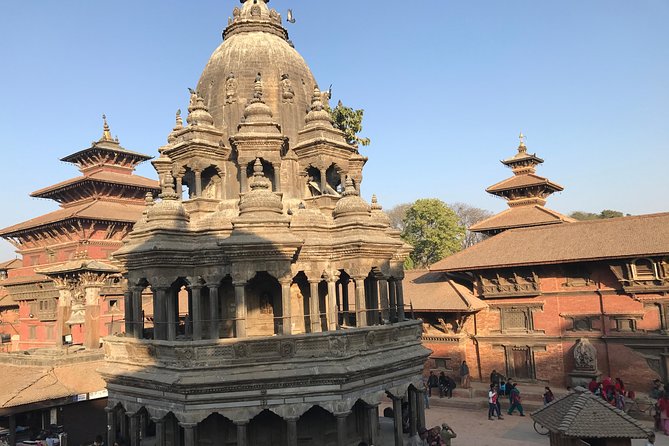
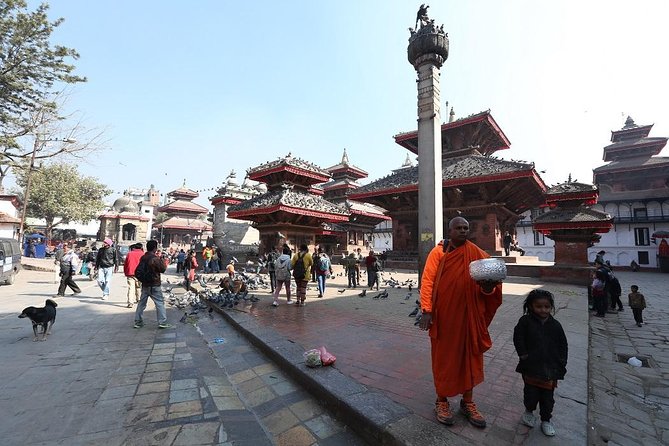
Next comes Patan Durbar Square, one of the durbar squares in Kathmandu Valley. Again, you get about an hour, and admission tickets are not included.
This is the stop that shifts the tone from temples and stupa areas into the feel of royal architecture and old ceremonial space. A durbar square is not just a pretty backdrop. It gives you a sense of how palace courtyards worked as public stages, where power, culture, and everyday life all intersected.
If you are trying to understand Kathmandu Valley as more than just landmarks, this kind of palace square visit pulls the story toward governance and heritage. Your guide can also help you connect why Patan’s layout feels distinct within the valley, especially if you have come from Kathmandu’s own busy streets.
A practical note: a one-hour window is great for orientation, but it will not let you treat this like a long museum visit. If you love lingering, think of this as the jump-off point, then plan time later in the trip if you want to return.
Other seven site heritage runs
Stop 3: Boudhanath Stupa, the big Buddhist landmark in Southeast Asia
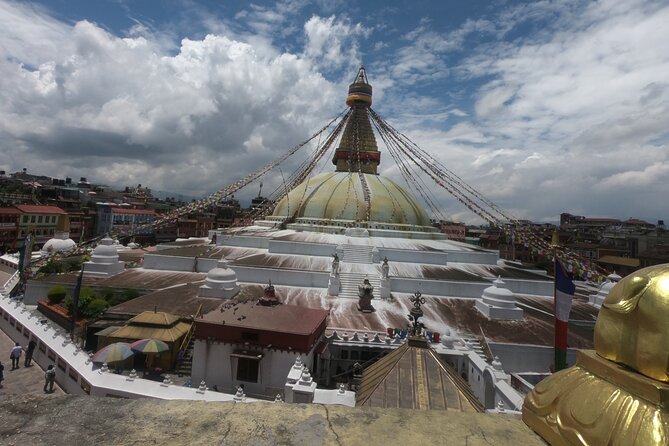
After the palace square, you head to Boudhanath Stupa, a major Buddhist temple area. The tour allows about an hour here, and admission tickets are not included.
This stop has a standout description: it is called the biggest stupa in Southeast Asia. Even if you have seen photos before, being at the real thing changes how you understand scale and devotion. This is one of the places where the surroundings help you slow down, because stupa spaces tend to invite watching and reflection rather than rushing from one photo spot to the next.
The guide’s explanations can make a big difference at Boudhanath. A stupa is not just a structure. It is tied to Buddhist practice and symbolism, and it can be hard to decode on your own in a single hour. With the guide on board, you get the key ideas that help you make sense of what you’re seeing.
Also, because entrance fees are extra, this is a good moment to be sure you have the right funds ready. The tour lists an approximate total for entrances across the four sites, so having that plan in mind helps you avoid last-minute confusion.
Stop 4: Pashupatinath Temple, a Hindu sacred site with crematory associations
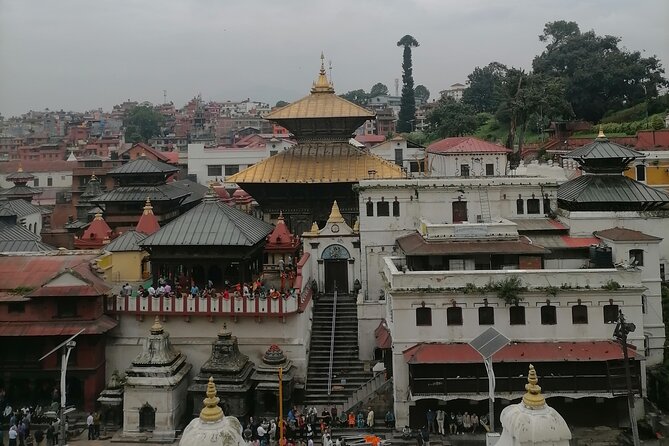
The final stop is Pashupatinath Temple, described as a Hindu temple and also as a crematory place. You’ll spend about an hour, and admission tickets are not included.
This is the emotional stop on the route. Even if you have no interest in religion, Pashupatinath is one of those places where the atmosphere makes you aware that faith here is not an abstract idea. It is part of how life moves through birth, death, and ritual.
Because the tour labels it as a crematory area, this is one of the stops where you should come with sensitivity. Treat it respectfully and follow your guide’s cues. If you are uncomfortable with that kind of subject matter, you might consider choosing a lighter day that focuses more on monuments and stupa spaces.
For many first-time visitors, though, this is where the Kathmandu Valley story feels most grounded. The earlier stops can be about heritage and architecture. This one adds the lived, ongoing reality behind the heritage.
Price and costs: what that $17 covers, and what you pay at the sites
The tour price is listed as $17, and it is for a private experience with private transportation, a city tour guide, and hotel pickup and drop. That is already a strong baseline value for a half-day slot, especially if you would otherwise be paying for separate local transport and trying to coordinate a guide on your own.
But the key budgeting detail is entrance fees. The tour states an approximate entrance cost of Nepalese Rs. 2600 per person, about $20, covering entrance for the four places. Since admissions are listed as not included at each stop, you should treat this as an essential add-on, not an optional expense.
Tips are not included either. That means you should plan a little extra for the guide and, if a driver is involved with your group, for the driver as well. The reviews also point to guides being a major part of the experience, so tipping is not just tradition. It is how you help keep good service sustainable.
How the guide turns landmarks into something you can actually use
This is where the tour seems to win people over. Guides are not an accessory here, they are the whole point. Feedback highlights guides like Shankar, Sanjay, and Ram, with comments focusing on their energy, their passion for Nepalese culture, and their ability to keep the tour interesting over a longer stretch.
One review even notes that the guide made the day work smoothly without losing momentum, which is exactly what you want on a short schedule. Another highlights friendly, helpful guidance that made the whole experience enjoyable. And in other notes, the company is described as staying in communication and solving small issues as they come up, even before the tour.
There is also mention of flexibility. People describe being able to change or add things if they wanted. That does not mean you should assume every request is possible, but it suggests the company does not treat the itinerary like a rigid script. If you have a must-see priority in Kathmandu Valley, it is worth asking.
So here is my practical advice. If you book this tour, come with 2 or 3 questions you truly care about. Ask how the sites relate to each other in the valley. Ask what to watch for at each stop. Then you will get more than a checklist. You’ll come away with a mental framework you can use the rest of your trip.
What a private tour feels like in Kathmandu, and who it suits best
Because it is private, you are sharing the day only with your group. That matters in Kathmandu, where walking pace, timing, and photo priorities can differ wildly from person to person. You are not stuck matching someone else’s speed.
The tour is also described as suitable for most travelers. That usually points to a basic level of comfort and general ease for a standard sightseeing day. If you are traveling as a couple, with friends, or as a family unit with shared interests, private pacing can be the difference between a pleasant day and a rushed one.
This tour is a great match if:
- You have limited time in Kathmandu and want four major UNESCO stops.
- You prefer a structured plan rather than figuring out transportation between sites.
- You want a guide to explain what you are seeing, rather than relying on guesswork.
It may be less ideal if:
- You want slow, long visits with lots of free time at each site.
- You dislike the idea of visiting a crematory-associated area.
- You are hoping entrance fees are included. They are not.
Timing, weather, and how to set expectations
The experience is listed as requiring good weather. If conditions are poor, you may be offered another date or a full refund. In Kathmandu, weather can change quickly, and temples and stupa areas are outdoor-heavy environments.
So when you book, think about what your Kathmandu schedule looks like. If you have only one open day, build in a little slack if possible. If you have a second day you can shift to, you will feel calmer if the tour gets rescheduled.
Duration is listed as about 4 to 5 hours. That is a helpful range because it leaves room for pickup, travel between stops, and time for questions. Still, do not treat it as a day tour that will cover everything in Kathmandu. It covers four UNESCO sites deeply enough for a first overview, not for a full day of exploration in each neighborhood.
Should you book this Kathmandu City Tour?
I think you should book this tour if you want a straightforward way to hit four UNESCO World Heritage sites without wasting time on logistics. The combination of private transport, hotel pickup and drop, and a guide-led explanation makes it a practical value play, especially at the $17 base price.
However, be honest about the added entrance cost and plan for it upfront. Also, come to Pashupatinath with respect and sensitivity, since it is described as a crematory place.
If your goal is to get your bearings in Kathmandu Valley and walk away with a clear sense of how the sites connect, this is the kind of tour that delivers. If you prefer more free time or you are sensitive to cremation-related contexts, look for an alternate route and keep your expectations aligned.
FAQ
What is the duration of the Kathmandu City Tour?
The tour lasts about 4 to 5 hours.
Which UNESCO World Heritage sites are included?
The tour includes Swoyambhu Mahachaitya, Patan Durbar Square, Boudhanath Stupa, and Pashupatinath Temple.
Are entrance fees included in the tour price?
No. Entrance tickets are not included for the four stops. An approximate entrance fee is listed as Nepalese Rs. 2600 per person (about $20) covering the four places.
What does the $17 price include?
The price includes private transportation, a city tour guide, and hotel pickup and drop.
Is this tour private?
Yes. It is private, and only your group participates.
Where does the tour start and end?
It starts at Nepal Hiking Adventure Company on Z Street, Kathmandu 44600, Nepal. It ends back at the meeting point.
Is pickup offered?
Yes, hotel pickup and drop are included.
What if weather is poor on the day of the tour?
The experience requires good weather. If it is canceled due to poor weather, you will be offered a different date or a full refund.
The Rest of Our Kathmandu Write Ups

Seven Sites, Other Routes
One More Valley Day
Everything else we have reviewed around Kathmandu
- 12 Days Everest Base Camp Trekking
★ 5.0 · 3 reviews - 1 Night 2 Days Chitwan Jungle Safari Tour from Pokhara or Kathmandu
★ 3.0 · 3 reviews - Thamel Rickshaw tour
★ 4.7 · 3 reviews - Kathmandu: Momo Making Class with a Local Chef
★ 5.0 · 3 reviews - Kathmandu: Full-Day Yoga, Body Massage and Pedicure Package
★ 5.0 · 3 reviews - From Kathmandu / Pokhara / Chitwan: River Rafting – 1 Day
★ 4.6 · 3 reviews
Kathmandu UNESCO Heritage Tours worth a second look.
 ★ 5.0Full Day 7 UNESCO Tour with Lunch – Private/GroupFrom $10415 reviews
 ★ 5.0Full Day Top 4 UNESCO Tour with Lunch – Private/GroupFrom $10269 reviews
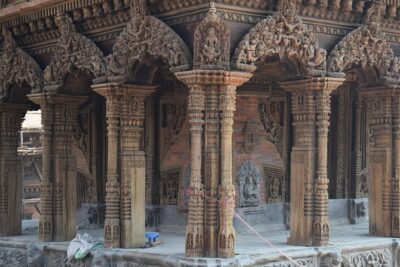 ★ 5.0UNESCO Seven World Heritage Tour in KathmanduFrom $180253 reviews
★ 4.9Full-Day 7 UNESCO Tour with Lunch – Private/GroupFrom $5247 reviews
★ 5.0UNESCO Seven World Heritage Tour in KathmanduFrom $180253 reviews
★ 4.9Full-Day 7 UNESCO Tour with Lunch – Private/GroupFrom $5247 reviews
 ★ 4.97 UNESCO Sites Tour in 1 Day (Private Tour)From $4204 reviews
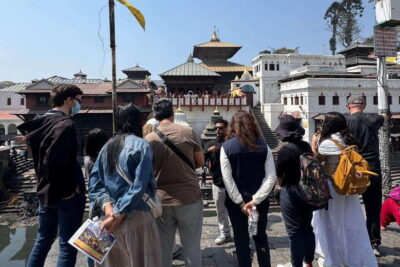 ★ 4.9Top 4 UNESCO Tour with Lunch – Private/GroupFrom $5181 reviews
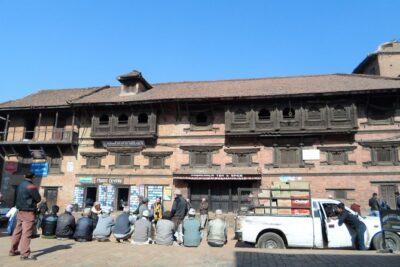 ★ 5.0Bhaktapur & Patan Durbar Square Day ToursFrom $50122 reviews
 ★ 5.0Kathmandu Private Sightseeing Tour | UNESCO World Heritage SitesFrom $35109 reviews