
REVIEW · KATHMANDU UNESCO HERITAGE TOURS
Kathmandu: 7 UNESCO Sites Tour in 1 Day (Private Tour)
Seven UNESCO stops in a Kathmandu day can feel intense. This private tour strings together Stupas, Durbar Squares, and temple complexes into one clean route, with Swayambhunath views and the Bagmati River rituals at Pashupatinath as big anchors.
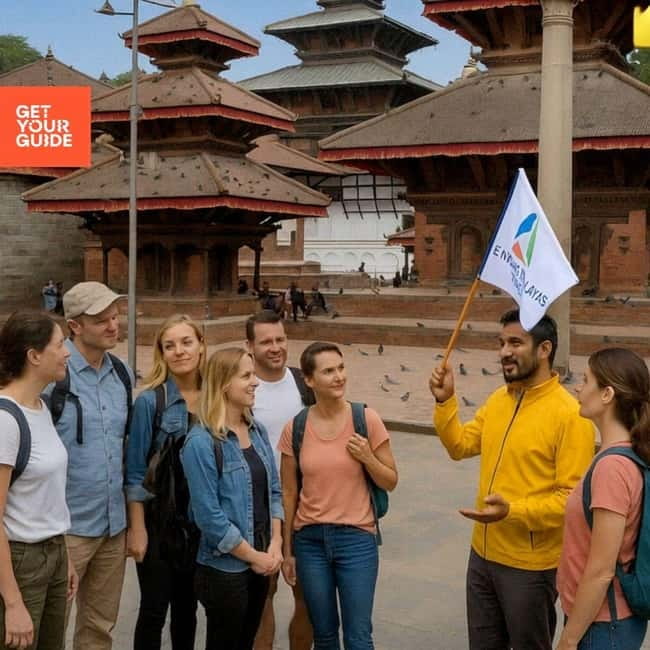
I especially like the focus on what you’re actually looking at, not just dates on a wall. You get a licensed English guide who explains the why behind the carvings, statues, and temple layouts, and you move with a paced plan that includes photo time and breaks.
The main catch is physical: you will do stair climbing and some walking, and it is not a good fit if you have mobility limits. It can also be a long day, and Kathmandu traffic means you should plan for a ride time that may feel slower than expected.
7 UNESCO sites, one day plan
Swayambhunath panoramic viewpoints
Pashupatinath Bagmati River rituals
Three Durbar Squares across the valley
Boudhanath stupa loop plus lunch
Real time flexibility with your guide
In This Review
- Your one-day route through Kathmandu’s UNESCO heavyweight sites
- Picking you up from your hotel, then staying on schedule
- Swayambhunath Stupa, the valley view that makes Kathmandu click
- Kathmandu Durbar Square, living architecture and court symbolism
- Patan Durbar Square, where craftsmanship feels louder
- Bhaktapur Durbar Square, more time in a medieval-feeling setting
- Changu Narayan Temple, a shorter stop with sharp detail
- Boudhanath Stupa, pilgrimage energy plus lunch and craft browsing
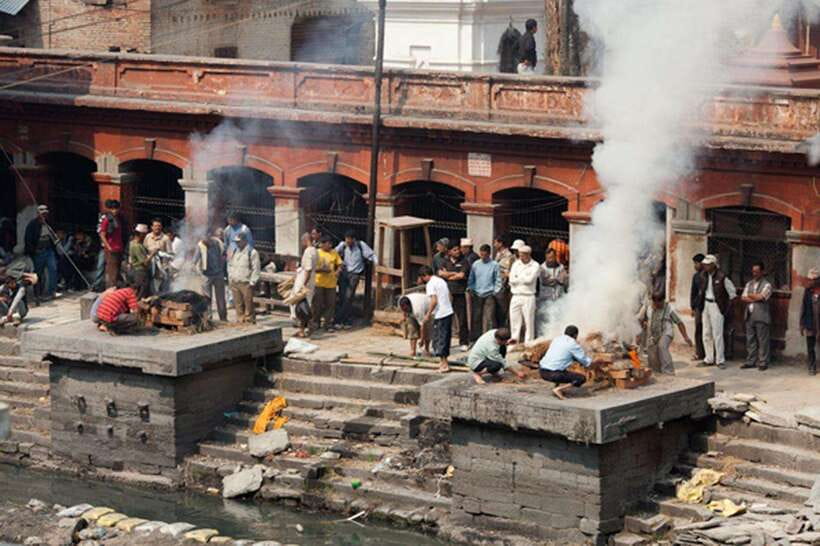
- Pashupatinath Temple by the Bagmati River, ceremonies you won’t forget
- What you get for your money, and what costs extra
- How long it really feels, from 4 hours to a full day
- Practical tips before you head out
- Should you book this Kathmandu UNESCO 7-site tour?
Your one-day route through Kathmandu’s UNESCO heavyweight sites
Kathmandu’s UNESCO sites can be spread out and time-consuming if you try to DIY it by taxi or car service. The value of this private format is simple: you get pickup and drop-off from your hotel, transportation between sites, and a guide who keeps the day coherent. Instead of bouncing between landmarks with no context, you’re handed a story you can physically follow, stone by stone, courtyard by courtyard.
Also, this is not just temples and photos. You’ll see how Hindu and Buddhist practice shows up in daily life, from ceremony at the river to pilgrimage culture around the great stupa at Boudhanath.
A private group matters here because Kathmandu can feel overwhelming on your first day. Having a guide who can slow things down, answer questions, and help you choose where to spend your free time makes the day feel less like a checklist and more like an introduction to the valley.
Other seven site heritage runs
Picking you up from your hotel, then staying on schedule
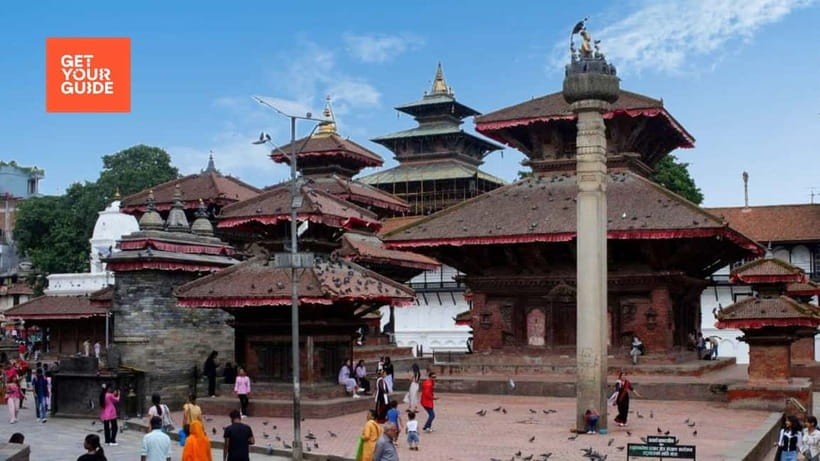
This tour is designed to start and end where you’re staying. Your driver picks you up at your hotel, then you head out by vehicle with enough time blocks built in for stops and short walking sections. The transport gets strong marks for smoothness, with 93% of reviewers giving it a perfect score, so you’re less likely to feel like the day is held together with luck.
Expect a rhythm: short photo moments, guided time at the main sights, then pockets of free time. That structure matters in Kathmandu because crowds and worship patterns change minute to minute. Your guide can help you time your viewing, and you can still choose when you want to wander.
One practical note: the day can feel long, and car transfers can be intense if you get motion sick easily. If you’re prone to that, bring your usual remedies and ask your driver to go easy on sharp turns.
Swayambhunath Stupa, the valley view that makes Kathmandu click
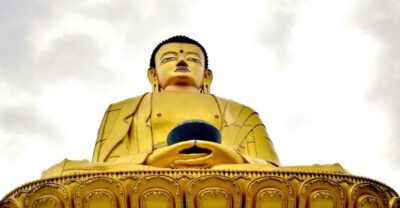
Your day often begins with Swayambhunath, the stupa perched on a hill with wide views over the Kathmandu Valley. This stop is set up with a photo stop and a guided visit, plus scenic views on the way. In other words, you’re not just climbing to look, you’re also getting the valley context that helps the rest of the day make sense.
What you’re looking at here is a layered sacred site, used by Buddhist pilgrims, with strong visual symbolism. The viewpoint is the real reward. Even if you’ve seen photos before, being up there gives you a mental map: which direction the river runs, where the city expands, and why these hill and square locations became such powerful gathering places.
This is also a good stop for short breaks. You get a chance to reset before the Durbar Squares, which can be denser and more walk-heavy.
Kathmandu Durbar Square, living architecture and court symbolism
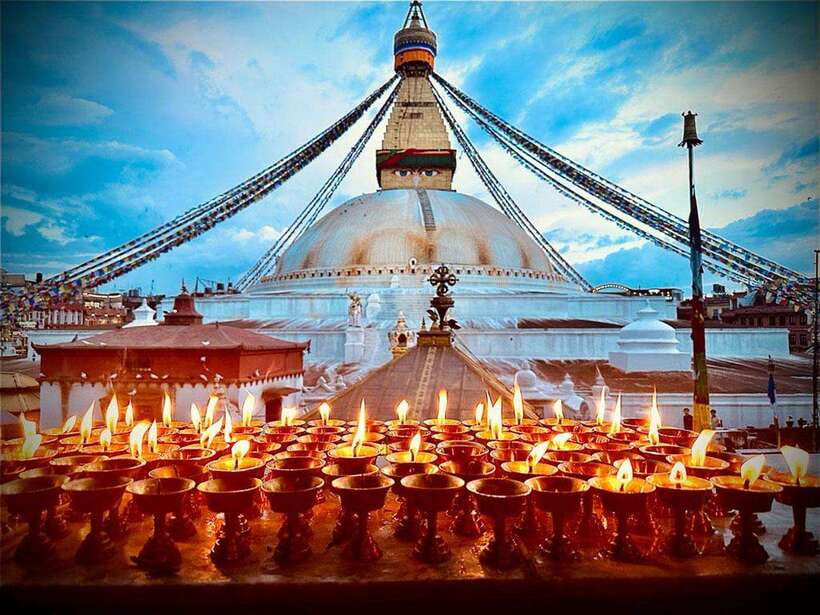
Next comes Kathmandu Durbar Square, one of the valley’s best places to see how royal power and religious devotion braided together in stone. You’ll get a photo stop, a guided tour, and then some free time to walk.
What I like about this part of the day is that it shows architecture as a language. Doorways, window lattice work, carved struts, and courtyard layouts are not random. They reflect status, craft traditions, and the way temple and palace spaces borrow forms from one another.
The drawback is that Durbar Squares can feel busy and visually intense. If you’re the type who wants slow looking, make sure you tell your guide you want extra time for details. The private format is the time-saver, not the route.
Patan Durbar Square, where craftsmanship feels louder
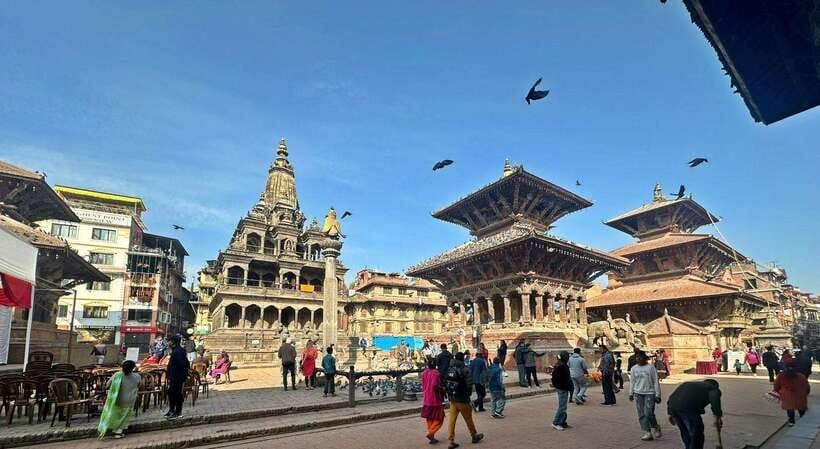
After Kathmandu, you shift to Patan Durbar Square, which is known for its artistic design and dense concentration of carved work. You’ll again have guided time plus free time, with about an hour set aside for the stop.
Patan can feel different from Kathmandu. It leans harder into the craft side: fine carvings, metalwork details, and a layout that rewards careful looking. If you enjoy architecture, this is the stop where you’ll probably catch yourself pointing out motifs and realizing you’re seeing patterns you missed earlier.
This is also a smart place to ask practical questions like what you’re looking at and what it’s likely used for. Your guide can help connect the carvings to Hindu and Buddhist symbolism, so you’re not just taking pretty pictures, you’re building meaning.
Private guides for Kathmandu, a few more
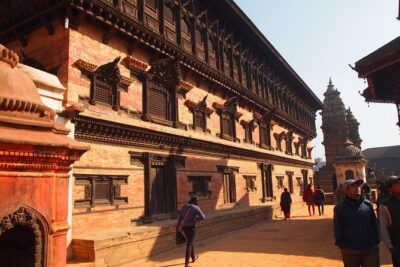
Bhaktapur Durbar Square, more time in a medieval-feeling setting
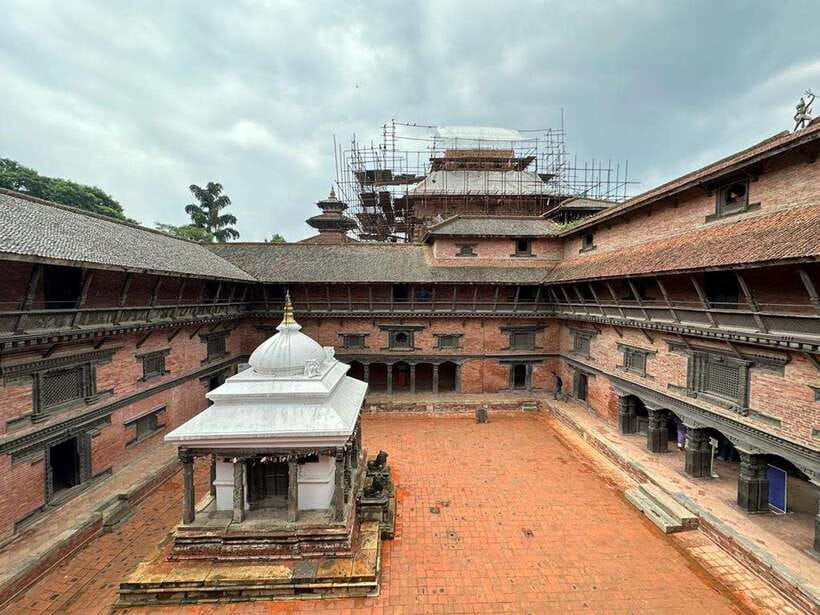
Bhaktapur Durbar Square is where the day stretches. You get a break, a photo stop, guided tour time, and then free time and walking with about two hours set aside.
Bhaktapur tends to feel more intact as a medieval city experience. The squares, temple fronts, and surrounding streets give you a better sense of how people once moved and gathered. Even if you only have a day, this stop helps your brain hold onto the idea that the valley is not one single city, it’s multiple cultural centers with shared roots and distinct styles.
One consideration: this is one of the heavier walking sections. If stairs and uneven ground bother you, take it slowly and use the free-time blocks to pace yourself rather than rushing through the “must see” areas.
Changu Narayan Temple, a shorter stop with sharp detail
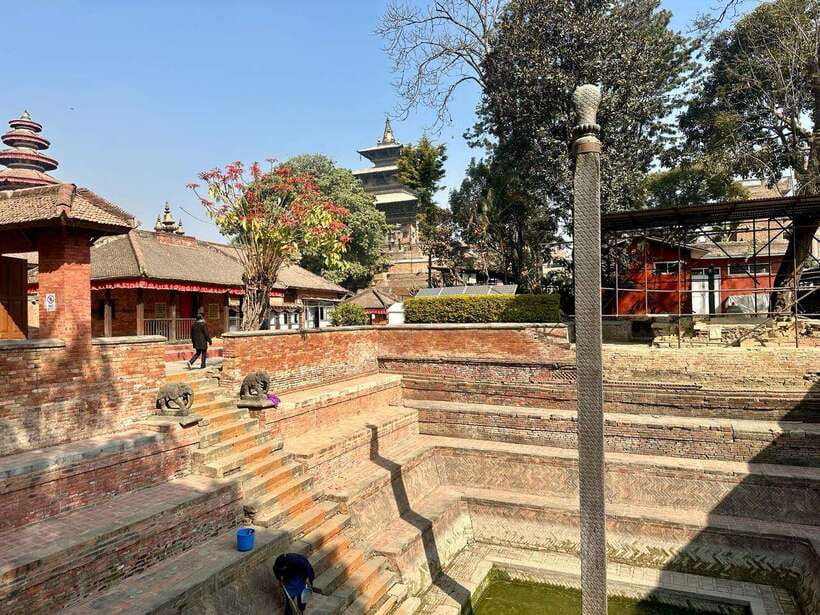
You end the mid-day sequence at Changu Narayan Temple, with about thirty minutes set aside for photo stop, guided visit, and sightseeing.
This is the kind of stop that works well as a breather. You’re not trying to cover a giant maze of courtyards. Instead, you can focus on specific carvings and the feeling of age. You’ll see exquisite sculpture work, and the temple is known for inscriptions and sculpted storytelling that helps connect the site to longer Nepalese cultural timelines.
If you love inscriptions or want to photograph stone details, this is the moment to slow down. Thirty minutes can disappear quickly if you keep wandering, so lean on your guide to point you to the key sections first.
Boudhanath Stupa, pilgrimage energy plus lunch and craft browsing
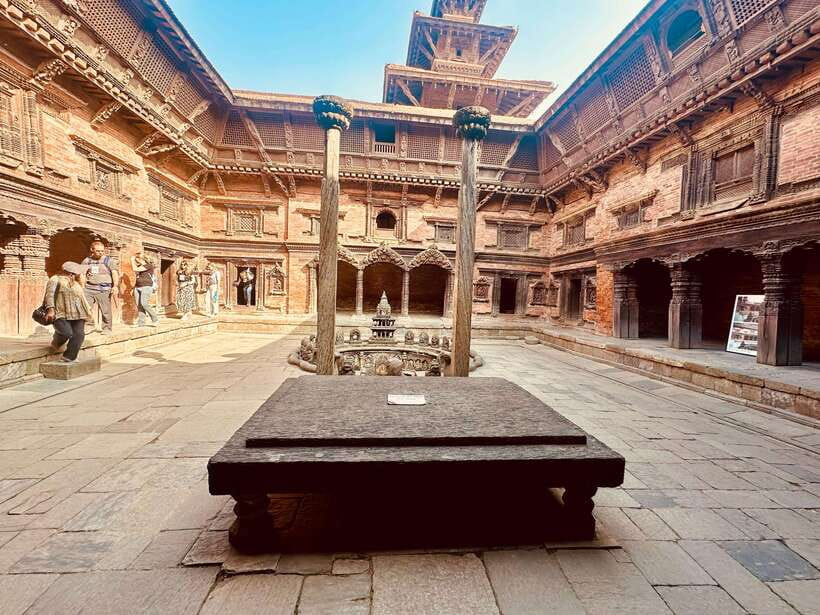
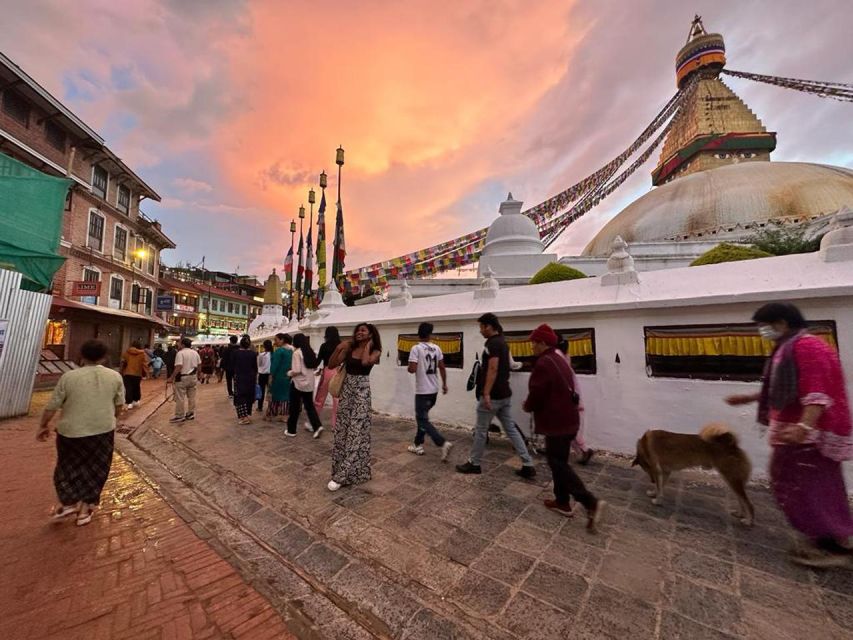
Then you reach Boudhanath Stupa, a major Buddhist landmark famous for its massive mandala form. This stop includes a break, photo stop, guided visit, lunch, free time, sightseeing, and walking, plus an arts and crafts market visit. About one and a half hours is budgeted here.
This is the one stop where you can really feel the public side of faith. Pilgrims circle the stupa in ritual loops, and the stupa is surrounded by shops and everyday life. Watching the circumambulation gives you a sense of how something monumental can still be part of daily rhythm.
Lunch being included here is practical. It helps you stay energized because the final stretch to Pashupatinath still needs time, plus you’ll want to keep some mental fuel for what you see there.
The market visit can be a fun add-on if you like souvenirs that feel tied to the place, not just imported trinkets. If you want to keep shopping minimal, you can also use this time for a calmer viewing spot and skip the heavier browsing.
Pashupatinath Temple by the Bagmati River, ceremonies you won’t forget
The emotional and spiritual peak of the day is Pashupatinath Temple, on the Bagmati River. This portion includes a break, photo stop, guided visit, and sightseeing, with about one hour set aside.
This is where Hindu ritual life is most visible. The tour is described as including cremation and other rituals along the river. If you choose to look toward the ceremony areas, keep in mind you are witnessing sacred practice. You’ll want to stay respectful, follow your guide’s cues on where to stand, and be aware that you may see intense moments, not just sightseeing.
What makes this stop worth the full day is the contrast it creates. Earlier sites show sacred architecture and pilgrimage movement. Here, you’re closer to the cycle of life and belief as it unfolds in real time, by the water that shapes the city’s rituals.
It’s also the stop where a guide’s timing helps. The river area can be crowded and busy, and having someone who knows the flow helps you avoid blocking others and find a suitable viewpoint.
What you get for your money, and what costs extra
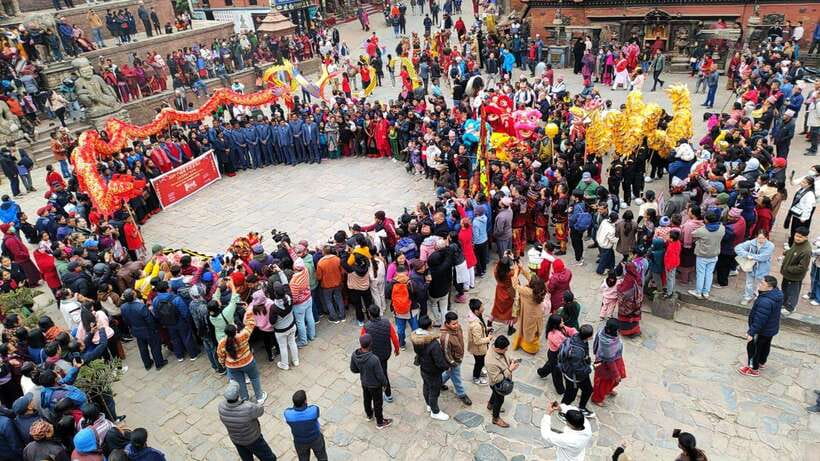
Pricing is listed at $4.94 per person, and the value comes from what’s bundled: hotel pickup and drop-off, transportation, and a licensed English guide for a route built around seven major UNESCO sites.
Just note the important extra: tickets to heritage sites are not included. You may still have a helpful skip-the-ticket-line benefit as part of the setup, but you should plan to pay site entry costs on the day.
Also, there’s an option that includes dinner with a cultural show, but that is tied to a specific option. If you care about the performance component, double-check you’re choosing the version that includes it.
At this price point, the biggest value is time and context. Kathmandu travel can eat hours when you’re coordinating transport, entry lines, and where to stand. This tour does that heavy lifting so you can focus on the meaning and details.
How long it really feels, from 4 hours to a full day
The duration is listed as 4 to 8.5 hours depending on availability and starting times. With seven sites, the longer window is the realistic feel, especially because you’re combining hill walking, Durbar Square walking, and the river-side crowds.
A smart way to handle a day like this is to decide your priorities before you go:
- If you want more architecture detail, treat the Durbar Squares and Patan as your main photo and slow-looking blocks.
- If you want the spiritual peak, plan to be present at Pashupatinath rather than rushing for a final “check mark.”
- If you want a balanced pace, use the free-time windows to rest, not just to keep moving.
Your guide also has some flexibility in practice. Many guides are praised for staying patient with questions and adjusting the schedule to how you’re feeling, including letting people skip certain stops if needed.
Practical tips before you head out
Bring passport or an ID card, since that’s what’s listed as needed.
Wear shoes you can handle on uneven stone and stairs. Even if you’re not a big hiker, Kathmandu’s UNESCO sites involve real walking and steps.
Respect the rules for the car and the sites. Alcoholic drinks are not allowed in the vehicle, nudity is not allowed, and weapons or sharp objects are not allowed. Keep your day simple and you’ll avoid stress.
If you want photos, ask your guide to point out the best angles at each site. One reason people feel the day is worth it is that the viewpoints and viewpoints-for-people change depending on where you stand. A local guide helps you get the photo without blocking others.
Finally, when you book, make sure your pickup details include your hotel name and location. That small step helps the handoff run smoothly.
Should you book this Kathmandu UNESCO 7-site tour?
Book it if you want a smart first visit to Kathmandu and you only have one full day. This tour is built for people who want the valley’s biggest sacred sites in a single sweep, with a guide to connect the carvings and rituals to the culture behind them. It’s also a good fit if you enjoy architecture and want to compare styles across Kathmandu, Patan, and Bhaktapur.
Skip or choose a different plan if you have mobility challenges. You should also think twice if you’re sensitive to long car rides or get motion sick.
If you can handle stairs, walking, and a full day pace, this is a strong way to understand why Kathmandu is considered a world heritage capital of Hindu and Buddhist art and ritual life. The day’s structure gives you time to see, time to ask, and time to breathe, not just a race to collect stamps.
Everything Bookable Around Kathmandu
The Rest of Our Kathmandu Write Ups

Seven Sites, Other Routes
Everything else we have reviewed around Kathmandu
- 12 Days Everest Base Camp Trekking
★ 5.0 · 3 reviews - 1 Night 2 Days Chitwan Jungle Safari Tour from Pokhara or Kathmandu
★ 3.0 · 3 reviews - Thamel Rickshaw tour
★ 4.7 · 3 reviews - Kathmandu: Momo Making Class with a Local Chef
★ 5.0 · 3 reviews - Kathmandu: Full-Day Yoga, Body Massage and Pedicure Package
★ 5.0 · 3 reviews - From Kathmandu / Pokhara / Chitwan: River Rafting – 1 Day
★ 4.6 · 3 reviews
Kathmandu UNESCO Heritage Tours worth a second look.
 ★ 5.0Full Day 7 UNESCO Tour with Lunch – Private/GroupFrom $10415 reviews
 ★ 5.0Full Day Top 4 UNESCO Tour with Lunch – Private/GroupFrom $10269 reviews
 ★ 5.0UNESCO Seven World Heritage Tour in KathmanduFrom $180253 reviews
★ 4.9Full-Day 7 UNESCO Tour with Lunch – Private/GroupFrom $5247 reviews
★ 5.0UNESCO Seven World Heritage Tour in KathmanduFrom $180253 reviews
★ 4.9Full-Day 7 UNESCO Tour with Lunch – Private/GroupFrom $5247 reviews
 ★ 4.9Top 4 UNESCO Tour with Lunch – Private/GroupFrom $5181 reviews
 ★ 5.0Bhaktapur & Patan Durbar Square Day ToursFrom $50122 reviews
 ★ 5.0Kathmandu Private Sightseeing Tour | UNESCO World Heritage SitesFrom $35109 reviews
★ 5.0Full Day 7 UNESCO Tour with Lunch – Private/GroupFrom $5101 reviews
★ 5.0Kathmandu Private Sightseeing Tour | UNESCO World Heritage SitesFrom $35109 reviews
★ 5.0Full Day 7 UNESCO Tour with Lunch – Private/GroupFrom $5101 reviews
Lists this tour sits in