
REVIEW · KATHMANDU UNESCO HERITAGE TOURS
Kathmandu: Full Day 7 UNESCO Tour with Lunch – Private/Group
Seven UNESCO stops in one Kathmandu day. This full-day circuit strings together major Hindu and Buddhist landmarks, plus classic Patan and Kathmandu Valley royal squares. You get a strong sense of how Kathmandu works religiously and historically, without needing extra planning stops.
Two things I really like: the private hotel pickup and drop-off makes the day smoother, and the English-speaking professional guide turns each monument into a story you can actually use. I also appreciate that lunch is handled with a pre-packed box including water, fruit, and a sweet snack, so you do not lose time hunting food.
The main consideration is that it is a long, walking-heavy day (about 9 to 10 hours), and entrance fees may add to your total depending on which option you choose.
In This Review
- Key takeaways before you go
- Why this Kathmandu UNESCO circuit feels worth the effort
- The day’s logistics that actually make a difference
- Start at Swayambhunath, the Monkey Temple viewpoint
- Patan Durbar Square: precision, craft, and royal-era layout
- Boudhanath Stupa: Tibetan Buddhism in full view
- Pashupatinath Temple: the sacred heart of Hindu Kathmandu
- Kathmandu Durbar Square: courtyards, carvings, and palace-era scenes
- Bhaktapur Durbar Square and its famous craft focus
- Changu Narayan Temple: an older Vishnu shrine stop
- Lunch box value: small comfort that prevents mid-day scrambling
- Price, entrance fees, and the real total you should plan for
- Guide quality: why the names you see matter
- What to bring so the day feels comfortable
- Who this tour suits best
- Should you book this Kathmandu 7 UNESCO day tour?
- FAQ
- How long is the Kathmandu full-day UNESCO tour?
- How many sites does the tour include?
- Is pickup from my hotel included?
- Is lunch included?
- Are entrance fees included?
- Do you provide a guide and transportation?
- Is there a mobile ticket?
- Do I need to pay for Swayambhunath?
- Is free cancellation available?
Key takeaways before you go
- 7 UNESCO-focused sites in a single day covering Hindu and Buddhist traditions across Kathmandu Valley
- Hotel pickup by private vehicle and air-conditioned transport helps you conserve energy
- English-speaking professional guides who connect what you see to what it means
- Lunch box included (water, muffin or donut, fruit, juice) for less hassle during the day
- Some entrance fees are not included unless you choose the all-inclusive option
- Bring proper shoes and expect slopes around temples and viewpoints
Other seven site heritage runs
Why this Kathmandu UNESCO circuit feels worth the effort
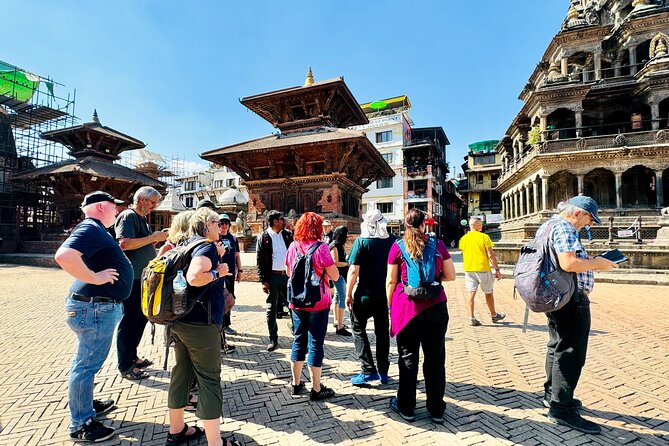
Kathmandu Valley is packed. The tricky part is stitching together iconic sights without turning your day into a logistics headache. This tour tackles that by routing you through the big religious centers and the best-known Durbar Squares, all in one organized flow.
I like that the pacing is designed for a full-day format. You spend meaningful time at each stop rather than just snapping photos from the bus window. That matters, because a lot of what makes these places memorable is how people actually use them, from prayer and rituals to the patterns of courtyards and stairways.
If your time in Kathmandu is limited, this is a practical way to get the main hits. It is also a strong choice if you enjoy comparing styles: Tibetan Buddhist ceremony at Boudhanath, Shiva devotion at Pashupatinath, and Newari temple craft across the Durbar Squares.
The day’s logistics that actually make a difference
You start with pickup from your hotel by private vehicle, then you travel in air-conditioned transportation. That is not glamorous, but it is smart, especially in Kathmandu when weather and traffic can change quickly.
The tour is designed for about 9 to 10 hours. The itinerary includes multiple stops that involve walking and some elevation changes, so your comfort level matters more than usual. One useful tip from past experiences is to wear shoes that handle uphill and downhill without drama.
You also get a mobile ticket. That can save time at select points, and it reduces the chance of misplacing something important while you are on the move.
Start at Swayambhunath, the Monkey Temple viewpoint
Your first major stop is Swayambhunath, also called the Monkey Temple. It sits on a hill with views over the Kathmandu Valley, and it is one of the easiest places to understand why people come back again and again.
Plan on about 45 minutes at this stop, and keep in mind that the admission ticket here is free. Even with the short time, you can still get a clear sense of the site layout and the mix of devotion and daily activity happening around it.
The climb is part of the experience. If you have limited mobility, you might find it tiring, but most visitors can manage it with breaks. The viewpoint is the payoff, especially when you can step back and take in the city below.
Patan Durbar Square: precision, craft, and royal-era layout
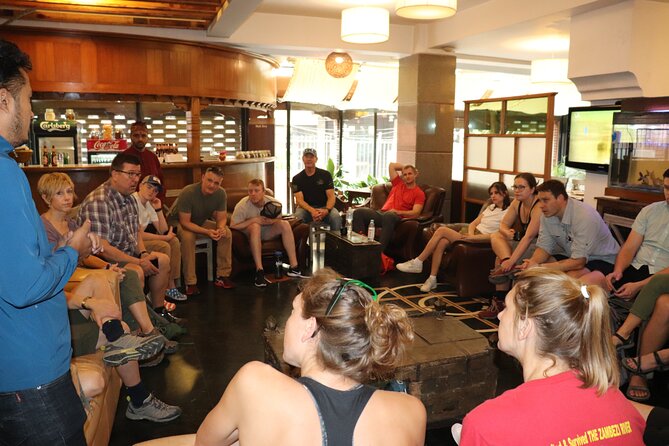
Next you head to Patan Durbar Square, a UNESCO World Heritage Site known for intricate architecture and the legacy of the Malla dynasty. This is the kind of place where details reward you as you slow down.
You get about 1 hour here. Admission is not included in the standard listing for this stop, so you should expect to pay monument fees at the relevant sites unless you select the all-inclusive option.
Patan’s feel is slightly different from Kathmandu Durbar Square. If you enjoy comparing how Newari artisans shaped courtyards, carved wood, and temple placement, this stop delivers. It also works well if you like shopping for small crafts and gifts nearby, since the area has a lot of souvenir energy without feeling like a single-purpose mall.
Private guides for Kathmandu, a few more
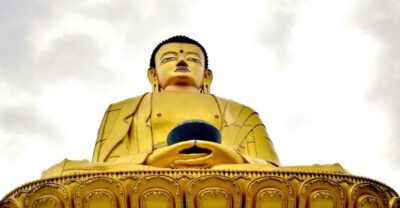
Boudhanath Stupa: Tibetan Buddhism in full view
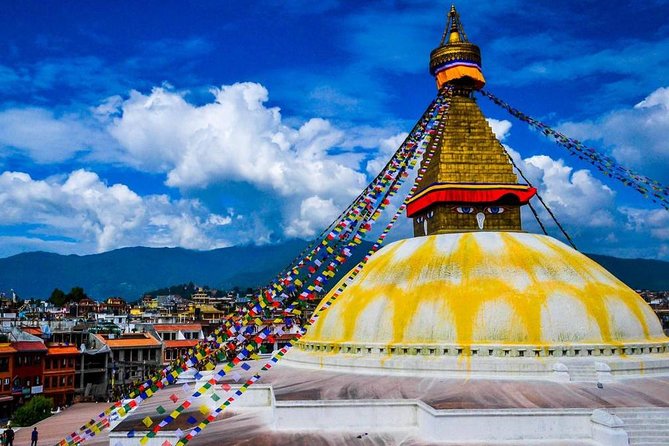
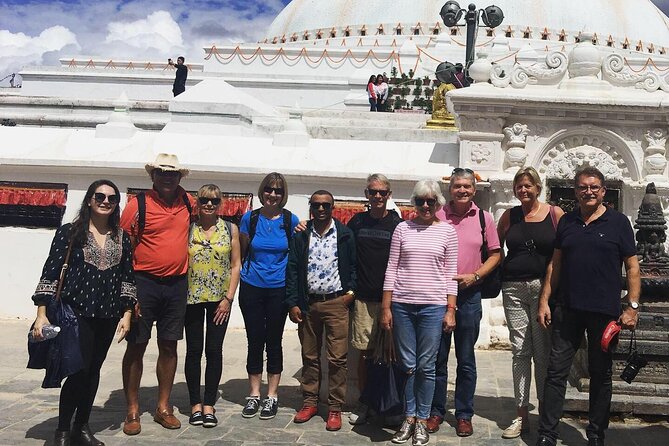
Then comes Boudhanath Stupa, one of the most iconic Buddhist stupas in the world. It is big, and because it is active, it is not just a backdrop. You can watch people doing daily rituals, and the scale makes it easy to understand why this is such a major pilgrimage site.
You get about 1 hour. Admission fees are not included here in the standard setup, so budget for monument charges unless your package includes entrances.
If you like travel moments that feel real rather than staged, this is one. The stupa is a magnet for prayer, chanting, and movement. Even if you do not know every tradition, you can still feel the rhythm.
Pashupatinath Temple: the sacred heart of Hindu Kathmandu
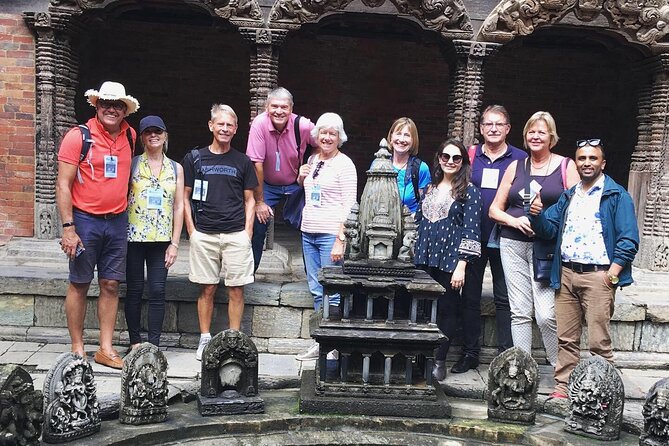
After Boudhanath, the tour shifts into Hindu territory with Pashupatinath Temple. This is a major Shiva site in Kathmandu, located on the Bagmati River. It is revered, ancient, and unmistakably central to how many people experience religion day to day.
You get about 1 hour. Admission is not included in the standard listing for this stop, so plan on entrance fees unless the all-inclusive option covers them.
Pashupatinath can feel intense in a good way. It is not a quiet museum. It is a living sacred complex, and you will likely see worshippers, temple life, and the way pathways connect to the river edge.
A simple tip: give yourself a few minutes to settle before trying to photograph everything. If you rush, you miss the atmosphere that makes the place meaningful.
Kathmandu Durbar Square: courtyards, carvings, and palace-era scenes
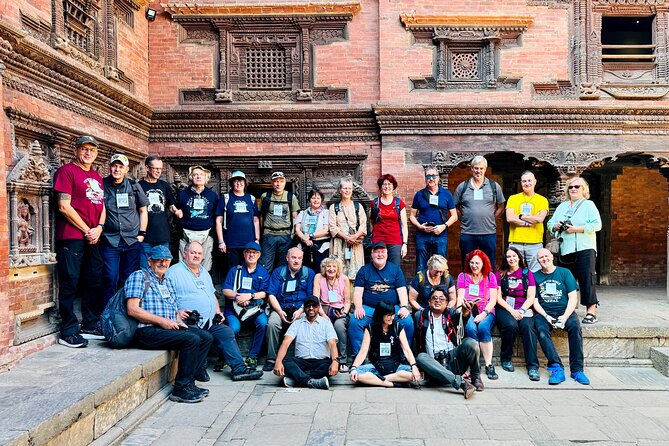
Next up is Kathmandu Durbar Square. This historic complex is surrounded by palaces, temples, courtyards, and shrines that tie back to the Malla dynasty and later periods. It is a great stop for seeing how power and devotion were expressed in public architecture.
You get about 1 hour. Admission is not included here either in the standard format, so you may pay on arrival unless you choose the all-inclusive option.
If you want a faster way to understand Kathmandu Valley’s layout, this is useful. Durbar Squares are like architectural roadmaps. They show you how people organized sacred space, governance space, and everyday movement around it.
Also, the area tends to be good for small browsing between photos. If you want textiles, small religious items, or souvenirs, it is one of the easiest places to do it without losing your place on the day.
Bhaktapur Durbar Square and its famous craft focus
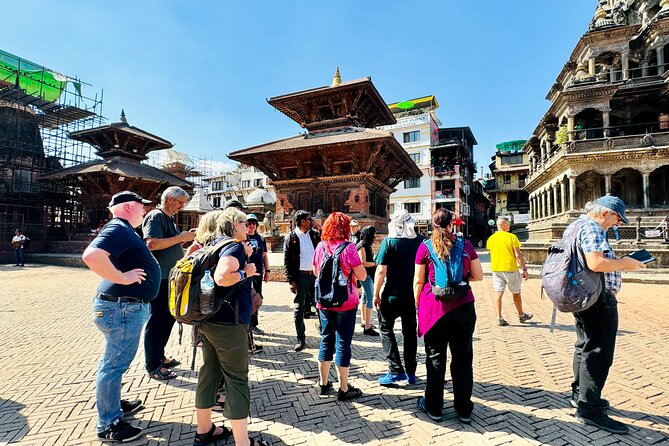
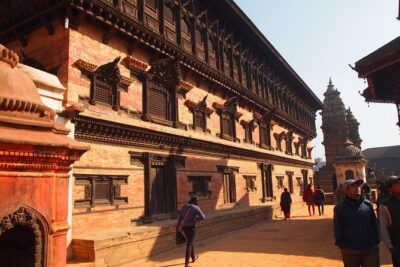
This tour then includes Bhaktapur Durbar Square. Expect a strong focus on craftsmanship, with intricate woodcarvings and stone sculptures throughout the square.
You get about 1 hour 20 minutes, which is a little extra compared to some other stops. Admission is not included for this stop in the standard format.
Bhaktapur is often where the buildings start to feel like they are telling their own story. If you enjoy the visual language of temples and palaces, you will likely spend a little longer looking at details than you expected. Highlights in the area include the 55-Window Palace and the Golden Gate, which help anchor what you are trying to find.
One practical consideration: Bhaktapur can be more physically demanding than you think. Keep your pace steady, and take short breaks when you need them.
Changu Narayan Temple: an older Vishnu shrine stop
Your final stop is Changu Narayan Temple, dedicated to Vishnu and known for Newari architecture. The temple is described as one of the oldest and most revered Hindu temples in Nepal, with origins dating back to the 4th century.
You get about 30 minutes here. Admission is not included in the standard listing for this stop.
This is a good ending because it shifts from the larger complex feel into something more focused and historical. In the time you have, you can still appreciate how old craft traditions influenced temple design and decorative choices.
If you have energy left, linger just a bit to notice how the architecture changes as you move around. Small angles matter at older sites because the details are meant to be seen close up.
Lunch box value: small comfort that prevents mid-day scrambling
Lunch is included as a box meal. It includes water (500ml bottled water), a muffin, donut, banana, seasonal fruit, and juice. It is not a gourmet Nepal feast, but it is practical and it protects your schedule.
This matters because the day is long and you are bouncing between major sites. When food is handled, you spend less time searching for somewhere open, clean, and quick. You also reduce decision fatigue, which is underrated on a packed tour.
There is also an all-inclusive option. That option includes food, soft drinks, entrance fees, and a Khana set or choice of dishes. If you want fewer pay-on-arrival moments, this can be the easier route.
Price, entrance fees, and the real total you should plan for
The headline price listed is $5 per person, but the total cost depends on what you choose for entrances. Entrance fees for sightseeing monuments are listed as $44 per person for Group and Private tour options only. That means your real spending target could be closer to that add-on plus the base price.
For SAARC nationals, fees are shown as USD 22 total, with wording that suggests a separate fee structure. If that applies to you, double-check what category you are in when booking.
My advice is to look at value in two ways:
1) Do you want to pay entrances one by one as you go, with cash ready?
2) Or do you want the all-inclusive option to bundle the experience into one predictable total?
Either approach can work, but the second one tends to reduce stress on a day full of moving parts.
Guide quality: why the names you see matter
This tour is guided by an English-speaking professional guide. In the feedback I reviewed, names like Sumit, Suresh, Asmi, and Ram come up, with praise for clear explanations, good pacing, and helpful answers.
You will feel the difference when a guide can point out what you are looking at and why it matters. That is especially true on these sites, where meanings can be layered and visual details do not always explain themselves.
Also, driver support matters. Names like Krishna show up in positive comments for being helpful throughout the journey. With a packed itinerary, having a team that keeps timing under control is a real part of the value.
What to bring so the day feels comfortable
This is a 9 to 10 hour day with walking and some slopes. Plan footwear accordingly. One clear reminder from experience is to wear the right shoes, because there can be uphill and downhill movement.
Bring a small amount of cash for possible entrance payments if you are not selecting the all-inclusive setup. Some past guidance also recommends having enough cash for fees at each site.
Finally, bring sunscreen and water. You will get bottled water in the lunch box, but having extra helps if you get stuck outside longer than expected.
Who this tour suits best
This works well if you want to hit major UNESCO-linked Kathmandu Valley sites efficiently. It is especially attractive if:
- You only have a short window in Kathmandu and want the highlights
- You enjoy religious and architectural landmarks across different traditions
- You want a guided day without handling routing yourself
- You prefer comfort on transport with hotel pickup and air-conditioned rides
If you hate long days, or you need a very slow pace with minimal walking, you may want to choose a smaller route and spend more time at fewer sites.
Should you book this Kathmandu 7 UNESCO day tour?
Yes, if you want a structured, guided overview of Kathmandu Valley’s top religious and royal landmarks in one day. The combination of hotel pickup, an English-speaking guide, and a schedule that covers major sites in sequence is a strong value for time-pressed travelers.
I would especially consider booking if you choose the all-inclusive option and want fewer entrance-fee interruptions. If you are budget-focused, you can still make it work, just plan for the listed monument fees and bring proper shoes for the long walking day.
FAQ
How long is the Kathmandu full-day UNESCO tour?
It runs about 9 to 10 hours.
How many sites does the tour include?
The itinerary includes 7 stops: Swayambhunath, Patan Durbar Square, Boudhanath Stupa, Pashupatinath Temple, Kathmandu Durbar Square, Bhaktapur Durbar Square, and Changu Narayan Temple.
Is pickup from my hotel included?
Yes. Pickup from and drop-off to your hotel is included by private vehicle.
Is lunch included?
Yes. A lunch box is included with bottled water, a muffin, donut, banana, seasonal fruit, and juice.
Are entrance fees included?
Entrance fees are not included for Group and Private tour options only. The listed entrance fees are $44 per person. An all-inclusive option is also offered that includes entrance fees.
Do you provide a guide and transportation?
Yes. An English-speaking professional tour guide and air-conditioned private transportation are included.
Is there a mobile ticket?
Yes. The tour includes a mobile ticket.
Do I need to pay for Swayambhunath?
Swayambhu admissions are listed as free (admission ticket free).
Is free cancellation available?
Yes. Free cancellation is available up to 24 hours in advance for a full refund.
Everything Bookable Around Kathmandu
The Rest of Our Kathmandu Write Ups

Seven Sites, Other Routes
Everything else we have reviewed around Kathmandu
- 12 Days Everest Base Camp Trekking
★ 5.0 · 3 reviews - 1 Night 2 Days Chitwan Jungle Safari Tour from Pokhara or Kathmandu
★ 3.0 · 3 reviews - Thamel Rickshaw tour
★ 4.7 · 3 reviews - Kathmandu: Momo Making Class with a Local Chef
★ 5.0 · 3 reviews - Kathmandu: Full-Day Yoga, Body Massage and Pedicure Package
★ 5.0 · 3 reviews - From Kathmandu / Pokhara / Chitwan: River Rafting – 1 Day
★ 4.6 · 3 reviews
Kathmandu UNESCO Heritage Tours worth a second look.
 ★ 5.0Full Day 7 UNESCO Tour with Lunch – Private/GroupFrom $10415 reviews
 ★ 5.0Full Day Top 4 UNESCO Tour with Lunch – Private/GroupFrom $10269 reviews
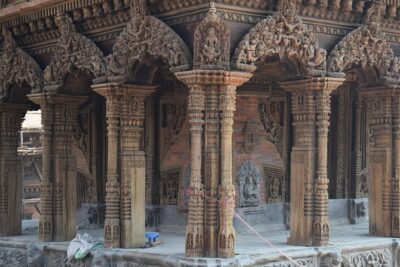 ★ 5.0UNESCO Seven World Heritage Tour in KathmanduFrom $180253 reviews
★ 4.9Full-Day 7 UNESCO Tour with Lunch – Private/GroupFrom $5247 reviews
★ 5.0UNESCO Seven World Heritage Tour in KathmanduFrom $180253 reviews
★ 4.9Full-Day 7 UNESCO Tour with Lunch – Private/GroupFrom $5247 reviews
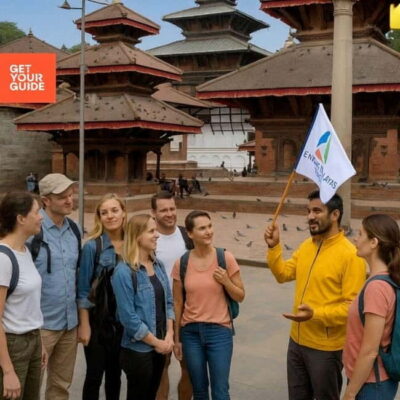 ★ 4.97 UNESCO Sites Tour in 1 Day (Private Tour)From $4204 reviews
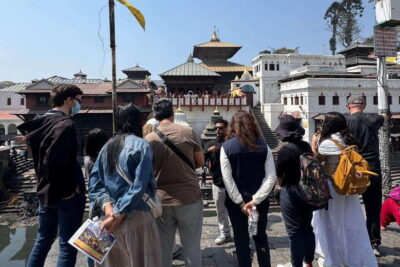 ★ 4.9Top 4 UNESCO Tour with Lunch – Private/GroupFrom $5181 reviews
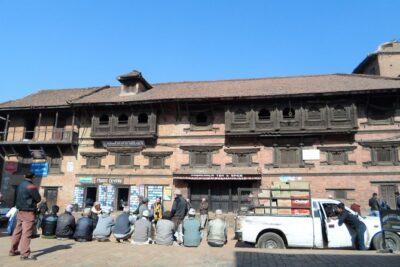 ★ 5.0Bhaktapur & Patan Durbar Square Day ToursFrom $50122 reviews
 ★ 5.0Kathmandu Private Sightseeing Tour | UNESCO World Heritage SitesFrom $35109 reviews
Lists this tour sits in