
REVIEW · EVEREST BASE CAMP TREKS
Everest Base Camp Trek – 14 Days
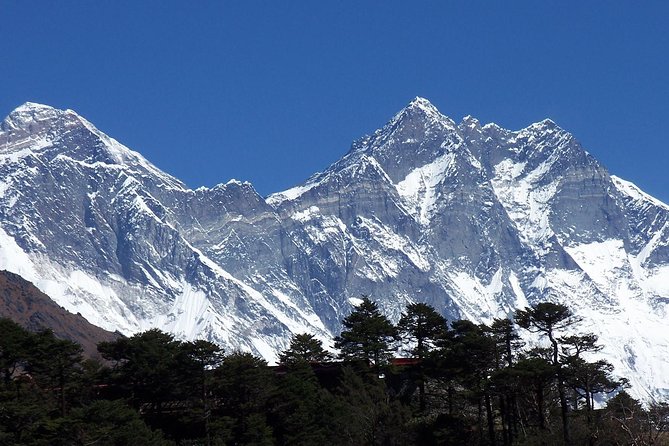
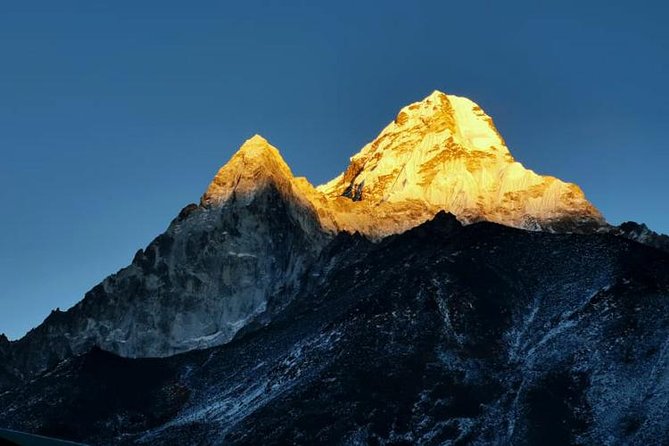
Everest Base Camp is not just a destination, it is a slow-built challenge. This 14-day trek through the Khumbu region is designed around safety, acclimatization, and hands-on logistics, so you can focus on your breathing and the views. You fly into the Everest region, hike past Sherpa villages, and work your way toward altitude goals like Base Camp (5,365 m) and Kala Patthar (5,555 m).
What I like most is the small-group feel paired with a guide who is trained for first aid and emergency situations. The other big win is that you do not haul your whole life up the trail, because porters handle your gear for 11 days, with one porter for every two clients.
The main thing to consider is simply the altitude and the pace. Even with acclimatization days, you still need a moderate fitness level and you should expect cold mornings, thin air, and days that feel hard for reasons that have nothing to do with willpower.
In This Review
- Key things to know before you go
- Kathmandu Start: comfort, transfers, and getting your feet ready
- Lukla flights via Manthali: when traffic changes your route
- From Lukla into the Khumbu: Dudh Koshi bridges and Namche’s welcome
- Tengboche and Dingboche: monasteries, mani stones, and a smart acclimatization hike
- Lobuche and the Everest Base Camp arrival at 5,365 m
- Kala Patthar: why 5,555 m makes the whole trek feel worth it
- Heading back down: Namche, Lukla, and the quiet satisfaction of repetition
- Meals, water, and trail comfort that actually matter
- Value check: does $1,800 earn its keep?
- Who this trek suits, and how to prepare without overthinking it
- Should you book this Everest Base Camp trek?
- FAQ
- What is the duration and general route of the trek?
- Does the tour include airport pickup and transfers?
- Are domestic flights included, and what about luggage limits?
- What kind of guide and support do you get?
- Are meals and trail accommodations included?
- What permits are included?
- Is water provided on the trail?
- What should I bring or arrange that is not included?
Key things to know before you go
- Intimate group size with a maximum of 14 travelers, which keeps the trek feeling personal instead of crowded
- First-aid trained, government licensed guide plus medical evacuation arrangements in the worst case
- Porter support for 11 days (one porter for two clients), so you trek with what you need for the day
- Planned acclimatization, including a built-in day hike near Dingboche instead of pushing onward every day
- Filtered water with Katadyn Pocket Water Filter, so you are not constantly guessing what is safe to drink
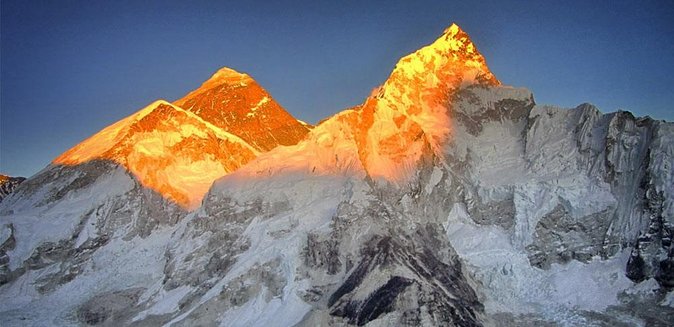
- High-impact viewpoint days, especially Everest Base Camp and Kala Patthar at major elevations
Other routes to Base Camp, side by side
Kathmandu Start: comfort, transfers, and getting your feet ready
Your trip begins in Kathmandu, and the value here is how much stress they remove. You get an airport representative at Tribhuvan International Airport, then you are transferred by private vehicle to a 3-star twin-share hotel for two nights, with breakfast included. That matters because Kathmandu is where you either arrive calm, or you spend the first day chasing details.
Also pay attention to the small touchpoints. Ace the Himalaya provides a duffel, a trekking map, a sun hat, and a trip completion certificate. They sound minor, but when you are packing for Nepal mountains, having the right essentials ready from the start helps you travel lighter and avoid last-minute shopping.
Finally, Kathmandu is your buffer for jet lag and body clock issues. Even though the trek starts after the first night, you still have a night to sleep, eat normally, and learn the basic “how the day works” rhythms with your team.
Lukla flights via Manthali: when traffic changes your route
One of the most practical realities of trekking in Nepal is flight variability. For this trip, there is a clear heads-up: during peak season, Lukla flights can be shifted to Manthali Airport in the Ramechhap district due to traffic around Kathmandu airport.
You should plan for that possibility because it affects timing and your sense of arrival. Manthali is not a big-name tourist alternative, but the trip accounts for it so you do not show up at the wrong airport with a confused adrenaline level.
The itinerary also includes airfare for the Kathmandu to Lukla route and back, plus airport departure tax in that package. The luggage allowance is 15 kg for the domestic flight portion, so pack with that ceiling in mind, not with what you would normally bring for a two-week trip.
Bottom line: treat the flight day as a logistics day, not a sightseeing day. Your job is to get to Lukla, then start walking.
From Lukla into the Khumbu: Dudh Koshi bridges and Namche’s welcome
After you land and begin trekking, the route follows the Dudh Koshi river corridor. This is one of those trails that keeps you busy without being overly technical: you cross suspension bridges decorated with prayer flags, and you keep walking through changing weather and changing sounds.
By the time you reach Namche Bazaar, you are in the Everest region’s everyday Sherpa rhythm: a place with lodges, viewpoints, and a steady flow of trekkers. It is also where you start thinking about acclimatization as a plan, not a hope.
Your day in Namche includes an acclimatization pause and a visit to the Sherpa Museum. That is more than a cultural stop. It helps you understand what you are stepping through: Sherpa traditions, climbing history, and village life that is tied to altitude and mountain work. When you know a bit of context, the trail feels less like scenery and more like a living place.
If you are traveling solo or nervous about group pace, Namche is a good “first real test.” The walking is steady, the altitude rises gradually, and your guide can set the tone for how hard you should push each day.
Tengboche and Dingboche: monasteries, mani stones, and a smart acclimatization hike
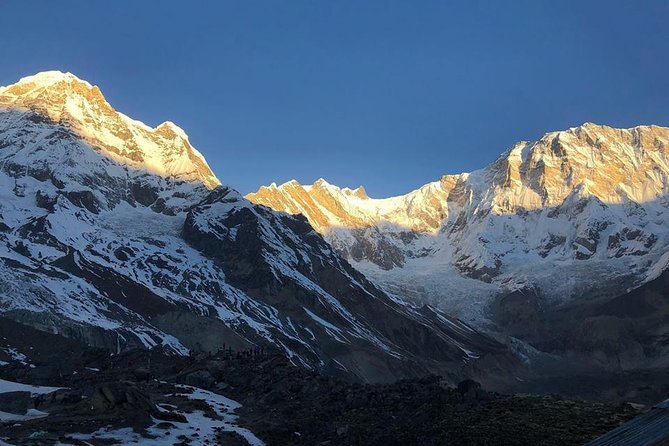
The climb onward brings you to Tengboche, reaching about 3,860 m. This is where the trek starts rewarding you with big views and monastery energy. The monastery itself includes frequent religious practices and incense smells that can catch you off guard if you expect only hiking. Still, that is the point. You will walk through a place where Buddhism is not a museum exhibit.
From Tengboche you continue toward Dingboche, crossing bridges over the Imja Khola and passing among mani stones. This section can feel like a lot of “up, down, up” work, which is why a planned change of gears on Day 7 matters.
That Day 7 is an acclimatization day near Dingboche, with a hike up toward Nangkartshang peak for views, but no push toward Everest Base Camp that day. This is the best kind of “extra day” because it teaches your body what rising altitude feels like without forcing you to win distance. In practice, it also prevents the common mistake of thinking every day must be a conquest day.
Pay attention to how your guide manages breathing pace on these acclimatization hikes. In the guide stories I saw from this operator, names like Kishor and Maddy come up often, and a repeated theme is safety focus and personalized care. That is not just personality, it is how acclimatization succeeds.
Other lodge to lodge routes near Kathmandu
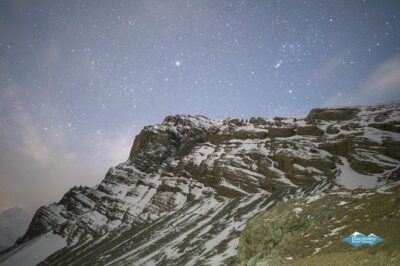
Lobuche and the Everest Base Camp arrival at 5,365 m
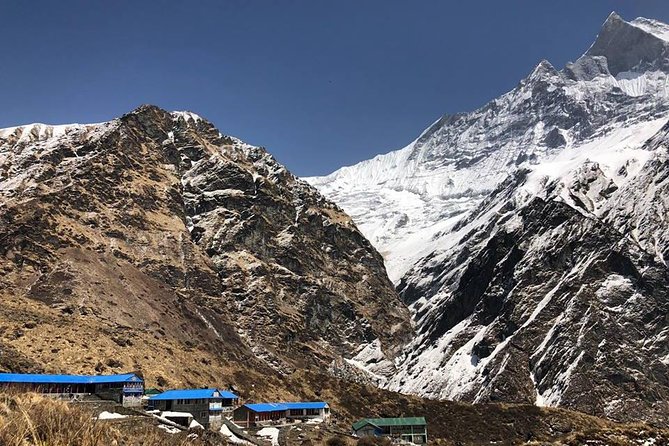
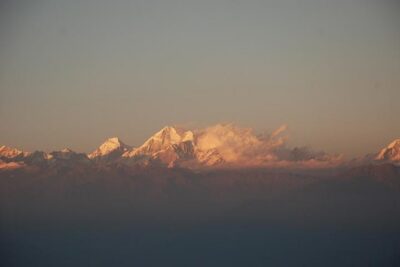
Eventually you stop thinking in terms of villages and start thinking in terms of altitude. The trek continues toward Lobuche, walking along the lateral moraine of the Khumbu Glacier. You will also pass stone memorials for climbers who have perished on nearby summits. That moment lands differently when you are already tired, because it turns the mountain from a challenge into a reality check.
Day 9 is the big day toward Everest Base Camp at 5,365 m. Expect a difficult walk along the Khumbu Glacier and up to the base camp area. This is where you feel the thin air in your legs, not just your lungs. If you tend to push on feeling instead of pacing, this is where you learn a new habit: slow steps, steady breathing, and stopping before you feel wiped out.
Also note the seasonal reality: in spring, it is likely you will encounter other trekkers and activity around Base Camp. That can make the scene feel alive, but it still will not make the walk itself easier.
What I appreciate about a guide-led plan here is that you are not improvising. You are following a team that knows when to slow, when to regroup, and how to handle the small problems that can become big at altitude.
Kala Patthar: why 5,555 m makes the whole trek feel worth it
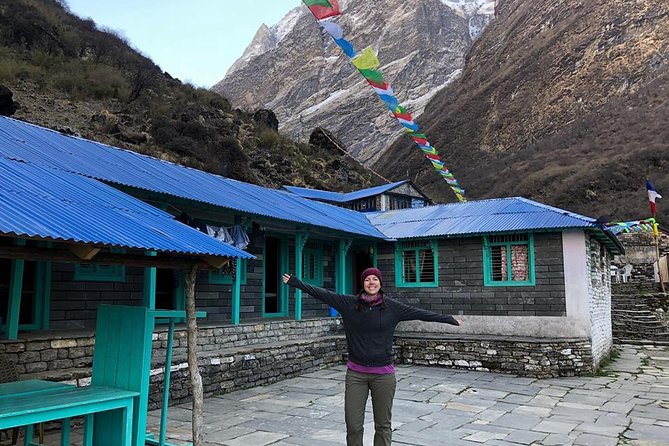
If you want one reason to take this tour seriously, it is Kala Patthar. Day 10 is described as one of the most difficult yet rewarding days, with a climb to a small peak at 5,555 m.
This is not a casual viewpoint. It is a high-elevation hike where the work is real, and the payoff is usually visual, dramatic, and personal. When you reach that ridge line, the world feels both close and far away at the same time.
I also like that this day is slotted after Base Camp, not instead of it. You have the sense of arrival at Everest Base Camp first, then you get the second step that turns your understanding of the region into a clearer 3D picture. It is the kind of sequence that helps your brain connect dots between what you walked past and what you are now seeing from above.
Temper the day with realism: sunrise timing depends on conditions, and weather can steal views. Still, the hike itself trains your body and mind for the altitude reality you came for. Even when visibility is not perfect, you still get a massive sense of achievement from completing that climb.
Heading back down: Namche, Lukla, and the quiet satisfaction of repetition
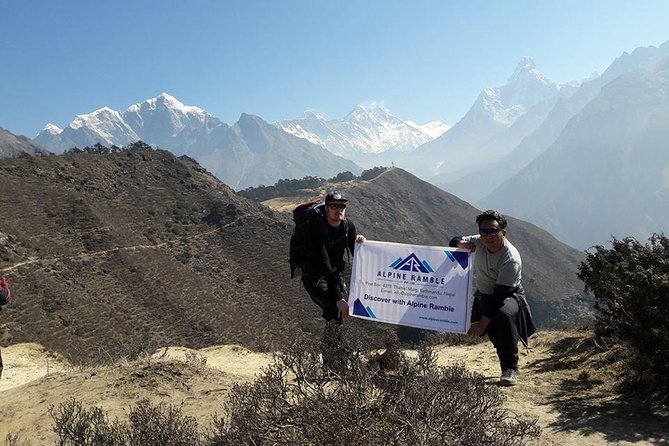
The return route is not just a victory lap. It is a controlled descent from the Base Camp side back toward Namche Bazaar. Day 11 follows a path away from the Everest Base Camp area through Pangboche and Tengboche before continuing on to Namche.
Down days can trick you. Your legs might feel okay, but your body still needs careful pacing because descending too fast can beat up knees and ankles. A good guide will keep the group moving but not smashing their way downhill.
Day 12 brings the last hiking in the Everest region, returning to Lukla. This part is emotionally important because you finally feel the trek tightening into a finish line. Day 13 then includes a scenic domestic flight back to Kathmandu, with the typical time noted around 35 minutes, followed by pickup and transfer to your drop-off at Tribhuvan International Airport on Day 14.
One more practical detail: your trekking support continues through the return. The goal is to keep you comfortable enough to enjoy the last day, not to rush you out exhausted.
Meals, water, and trail comfort that actually matter
A lot of trek operators say meals are included. Here, the important part is what they include and how it reduces decision fatigue. Most standard meals are included on the trail: breakfast, lunch, and dinner throughout the trek. There is also mention of seasonal fruits during the trek, which is a small but meaningful morale boost when you are eating the same kind of food day after day.
Water is another big issue, because safety and consistency matter at altitude. This trip includes filtered water using a Katadyn Pocket Water Filter. That does not eliminate all judgment calls, but it gives you a reliable system so you are not stuck searching for safe options every few hours.
As for lodging on the trail, you get twin-sharing guesthouse accommodations in Lukla, Phakding, and Namche with attached toilets mentioned for those locations. That is a comfort upgrade compared to older trekking styles, and it makes a real difference during cold nights.
Value check: does $1,800 earn its keep?
At $1,800 per person, the question is not whether it is expensive, but whether it is fair for what you get and what you still need to handle yourself.
What you get that usually costs extra elsewhere:
- Domestic flights including Kathmandu to Lukla and back, plus airport departure tax
- A first-aid trained, government licensed English-speaking guide
- Porter service for 11 days with the ratio of 1 porter for 2 clients
- Permits for Everest/Sagarmatha National Park and a rural municipality fee for trekking
- Most meals on the trail and accommodation on the trek
- Emergency evacuation arrangements and a comprehensive first-aid kit
- Filtered water support via the Katadyn Pocket Water Filter
- Kathmandu hotel stays for two nights in a 3-star twin-share setup, with breakfast
What you still need to budget:
- Tips for guide and porter, since tipping is expected
- Travel insurance that covers emergency high-altitude rescue and evacuation
- Nepal visa, which you can get upon arrival
- Personal trekking equipment and drinks in general
The value logic is pretty clear: the trek is not just “a hike with a map.” It is staff time, permits, flight tickets, and a safety system. If you were to DIY it, you would almost certainly pay for parts of this separately and still risk missing the same acclimatization discipline that helps people finish strong.
Who this trek suits, and how to prepare without overthinking it
This trip is aimed at travelers with moderate physical fitness and a willingness to work at altitude. You should expect long walking days and a gradual climb pattern, not a casual walk. Also, acclimatization days mean you will be active even when you are not “moving forward.”
Pack mindset matters most. Since personal equipment is not included, plan for layers, warm gear for high elevations, and sun protection. The operator provides a sun hat, but you still need the rest of your kit.
On training, the best approach is consistency over hero workouts. Build endurance, get comfortable walking uphill with a day pack, and practice a steady pace that you can hold for hours. Then plan your mindset for altitude: you will feel winded longer than you expect, and that is normal.
If you like having structure, this kind of guided small-group trek is a great fit. If you dislike following schedules, you might find some days feel repetitive by design, but that repetition is doing important work for your body.
And based on guide names that show up often in the stories from this operator, including Maddy and Kishor, you can reasonably expect a guide who is focused on safety and group flow. Porters such as Saman and Sher are also repeatedly praised for how hard they work while keeping the mood light.
Should you book this Everest Base Camp trek?
If your goal is Everest Base Camp plus the big viewpoint of Kala Patthar, and you want a plan that reduces logistics stress, I think this is a smart booking. It has the right combination: flights handled, permits handled, food and lodging included on the trail, and a guide plus porter setup that lets you hike instead of wrestle luggage.
I would hesitate only if you are not comfortable with altitude discomfort or you do not want to pay for travel insurance and tipping. Also, remember the Manthali airport shift can happen, so build in flexibility for the flight days.
FAQ
What is the duration and general route of the trek?
The trek is about 14 days. You start in Kathmandu, fly to Lukla where the hiking begins, and then follow the Everest region route through major stops before returning to Lukla and flying back to Kathmandu.
Does the tour include airport pickup and transfers?
Yes. Airport and hotel transfers are included in a private tourist vehicle.
Are domestic flights included, and what about luggage limits?
Yes, the price includes airfare for Kathmandu to Lukla and back, including airport departure tax. The domestic flight luggage allowance is 15 kg.
What kind of guide and support do you get?
You get a first-aid trained, government licensed English-speaking trekking guide. There is also porter service for 11 days, with a porter for every two clients.
Are meals and trail accommodations included?
Yes. Most meals on the trek are included (breakfast, lunch, and dinner). Accommodation is included on the trail in twin-share guesthouses, with attached toilets noted for Lukla, Phakding, and Namche.
What permits are included?
The trek includes entry permits for Everest/Sagarmatha National Park and a Pasang Lhamu Rural Municipality fee for trekking.
Is water provided on the trail?
Filtered water is included using a Katadyn Pocket Water Filter.
What should I bring or arrange that is not included?
You should arrange travel insurance that covers emergency high-altitude rescue and evacuation. You will also need personal trekking equipment, and tips for the guide and porter are expected. Alcoholic and soft drinks are not included.
Lodge to Lodge Around Kathmandu
The Rest of Our Kathmandu Write Ups

Base Camp, Three More Ways
Everything else we have reviewed around Kathmandu
- 12 Days Everest Base Camp Trekking
★ 5.0 · 3 reviews - 1 Night 2 Days Chitwan Jungle Safari Tour from Pokhara or Kathmandu
★ 3.0 · 3 reviews - Thamel Rickshaw tour
★ 4.7 · 3 reviews - Kathmandu: Momo Making Class with a Local Chef
★ 5.0 · 3 reviews - Kathmandu: Full-Day Yoga, Body Massage and Pedicure Package
★ 5.0 · 3 reviews - From Kathmandu / Pokhara / Chitwan: River Rafting – 1 Day
★ 4.6 · 3 reviews
Everest Base Camp Treks worth a second look.
 ★ 5.0Everest Base Camp TrekkingFrom $1,350485 reviews
 ★ 5.0Everest Base Camp Trekking – 13 DayFrom $1,399365 reviews
 ★ 5.0Everest Base Camp Trek -14 DaysFrom $1,420321 reviews
 ★ 5.0Everest Base Camp Trekking – 2025/2026From $1,339199 reviews
 ★ 5.0Everest Base Camp TrekFrom $1,408193 reviews
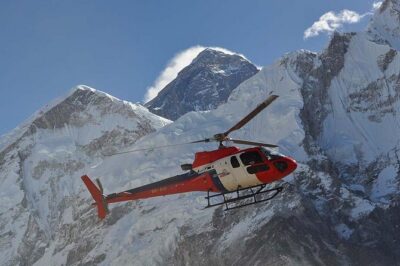 ★ 5.0Everest Base Camp Trek with Helicopter Return from Gorakshep to LuklaFrom $3,000161 reviews
14-Days Private Everest Base Camp TrekFrom $1,600152 reviews
★ 5.0Everest Base Camp TrekkingFrom $1,350146 reviews
★ 5.0Everest Base Camp Trek with Helicopter Return from Gorakshep to LuklaFrom $3,000161 reviews
14-Days Private Everest Base Camp TrekFrom $1,600152 reviews
★ 5.0Everest Base Camp TrekkingFrom $1,350146 reviews
Lists this tour sits in