
REVIEW · EVEREST BASE CAMP TREKS
Everest Base Camp Trek -14 Days
Everest, planned for you, without the hassle. This Everest Base Camp trek is built around a smooth Kathmandu start, a quick Lukla flight, and support that handles the paperwork so you can focus on the trail with a max group size of 12.
I also like that you get a government-licensed guide, full-board meals during the trek, and the key permits lined up in advance, which matters a lot when you are moving through remote areas.
One consideration: the route climbs to 17,598 feet (5,364 meters), and you will still need to take altitude seriously even with a basic first aid kit that includes Diamox.
In This Review
- Key Things That Make This Everest Base Camp Trek Click
- Kathmandu in Thamel: Your Easy Start Before the Trail
- Lukla Flight and Day 2 to Day 3: Sherpa Country Comes Fast
- Acclimatization Views: Look-Out Day and the Rhododendron Descent
- Tengboche Monastery Mornings: A Quiet Spot After Harder Effort
- Dingboche Rest Day and Chukpo Lari Memorials: The Route Deepens
- Lobuche to Khumbu Glacier: The “Long-Awaited Day” Energy
- Kala Patthar Sunrise: The Big Payoff for Early Starters
- The Descent Back to Tengboche: Sherpa Villages and Dudkosi River Crossing
- Day 12 to Day 13: Phakding, Suspension Bridges, and Back to Kathmandu
- Lodges and Meals: What “Full-Board” Really Does for You
- Guides, Permits, and Why Support on Everest Is Not Just a Convenience
- $1,420 for Everest Base Camp: When the Math Works
- Who Should Book This Trek, and Who Should Think Twice
- Should You Book Alpine Ramble’s Everest Base Camp Trek?
- FAQ
- How long is the Everest Base Camp trek?
- What is the highest elevation on this trek?
- Where does the trek start and where does it end?
- Do I get picked up in Kathmandu?
- Are flights included?
- Are meals included during the trek?
- What kind of guide do I get?
- What documents are included?
- Is a porter included?
- What is included for high altitude safety?
Key Things That Make This Everest Base Camp Trek Click
- Small group of 12 max keeps the vibe social, without turning the trail into a crowd-control project
- Lukla flights plus permits remove a big chunk of planning stress before you ever set foot on the mountain
- Full-board lodge meals help you keep energy up day after day, because timing matters at altitude
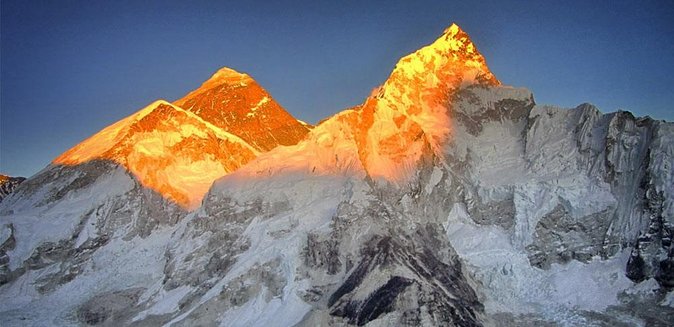
- Kala Patthar for sunrise is the big payoff, with a 360-degree view promise for early risers
- Tengboche monastery mornings give you a calm, scenic break that feels different from pure hiking days
Other routes to Base Camp, side by side
Kathmandu in Thamel: Your Easy Start Before the Trail
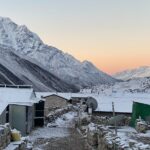
Most Everest treks live or die on how well the first 24 hours go. Here, you meet the team in Thamel, Kathmandu, and you get an airport transfer to your hotel for your first night. That first night matters. Jet lag, paperwork, and scrambling for the right SIM or cash can wear you down fast, especially when you are about to fly to Lukla.
The package also includes a celebratory night in Kathmandu with dinner after the trek. It sounds small, but it is a nice psychological shift. After days of cold air, high-altitude breathing, and trekking-lodge basics, you get a proper reset in the city.
One detail I appreciate: the tour uses a mobile ticket and offers pickup. That is the kind of practical touch that can prevent last-minute confusion. And Thamel being near public transportation is helpful if you want a calm morning or a quick meal before departure.
Lukla Flight and Day 2 to Day 3: Sherpa Country Comes Fast
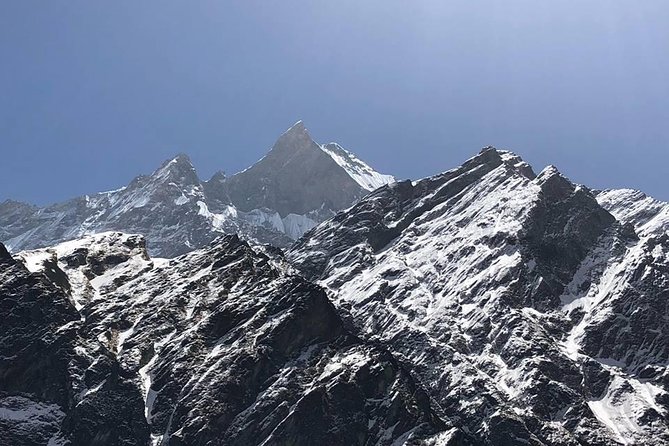
Day 2 starts with an early 35-minute scenic flight to Lukla. Then you meet the crew who will carry your luggage for the trek. You get a short acclimatization stop after landing, which is exactly what you want before your body starts working at higher elevations.
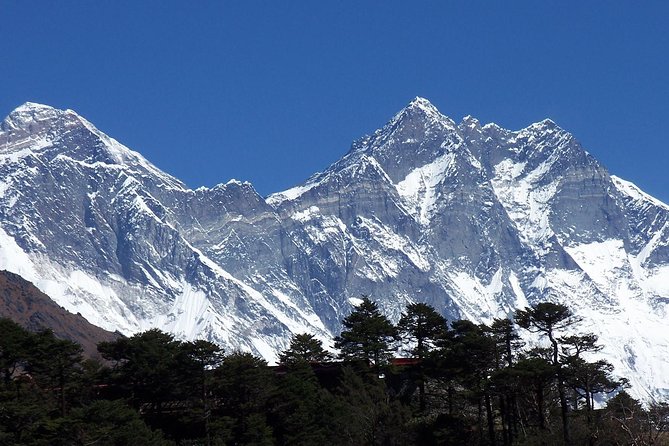
From Lukla, the trek begins with a gentle reality check. Day 3 takes you through lush pine forest and includes a crossing of the Dudkosi River, with an early taste of the big views. The route is described as giving you an amazing first look at Mount Everest along with other named peaks like Kusum. That matters because it sets expectations. You are not just “going to a place,” you are walking into a view system.
Practical note: forest days feel warmer in the shade, but morning air can still be brisk. I like that the itinerary builds from easier hiking and scenery into the higher, steeper work later, rather than throwing you straight into pain.
Acclimatization Views: Look-Out Day and the Rhododendron Descent
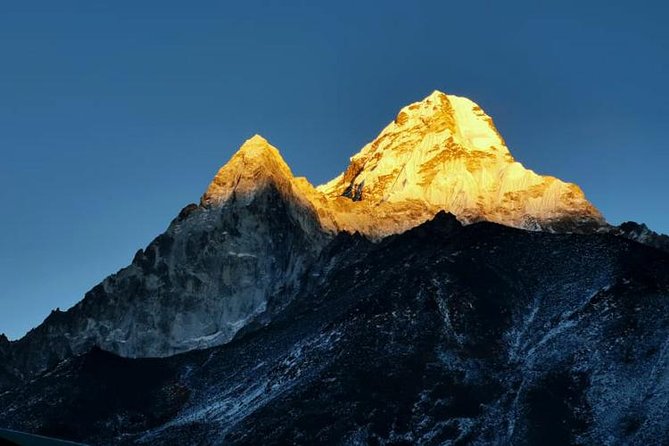
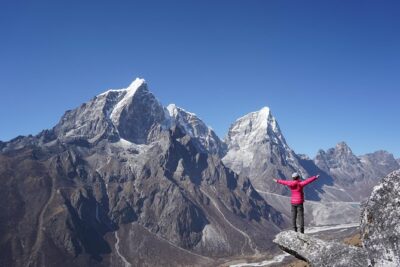
Day 4 is a rest and acclimatization day, and it includes a climb to a look-out for panoramic mountain views. The peak list is strong: Everest, Lhotse, Cholatse, Thamserku, Kwangde, Khandala, and Ama Dablam are all called out. You are also in an area with some of the most memorable Everest-style valleys.
This is where the trek earns its rhythm. You do not just grind upward. You pause, you look, you breathe, and you let your body catch up. That is a smarter approach than treating every day as a record attempt.
Day 5 continues along what is described as the highway of Everest, including a famous descent to the Dudh-Koshi River and then an ascent along rhododendron. That combination tends to feel like a roller coaster: down to river level, then back up through vegetation. If you have not hiked in rocky or uneven trails before, this is a good day to remember your footing matters more than speed.
Tengboche Monastery Mornings: A Quiet Spot After Harder Effort
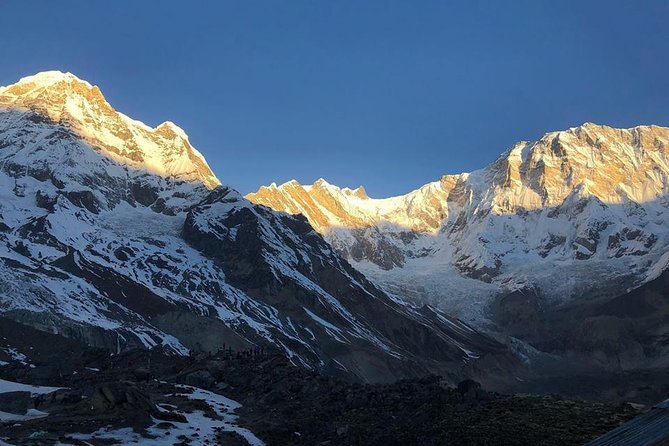
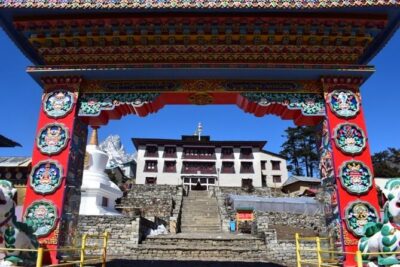
Day 6 focuses on Tengboche and the monastery. It notes that early in the morning, the monastery and surrounding mountains look pristine and extremely spectacular. After breakfast, the trail passes through forest, and the route description even compares it to Merlin’s forest, which gives you a sense that you are walking through characterful, storybook vegetation rather than endless stone.
This day is valuable because it is a breather that still feels meaningful. You get morning light, a slower visual tempo, and a pause before higher camps. In practical terms, it is also a reminder to plan your layers. Monastery mornings can be cold, and trekking after dawn can feel sharper than you expect.
Other lodge to lodge routes near Kathmandu
Dingboche Rest Day and Chukpo Lari Memorials: The Route Deepens
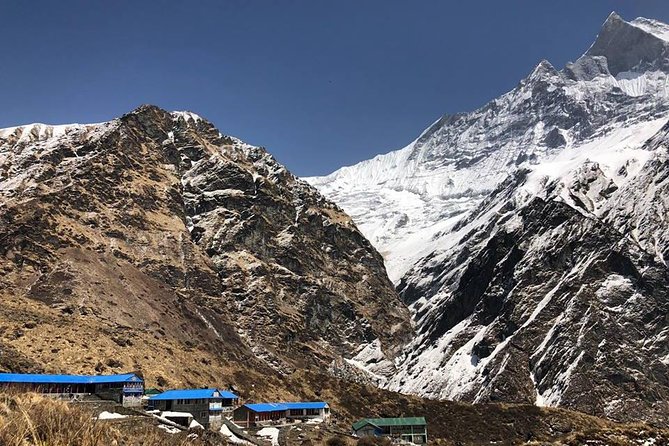
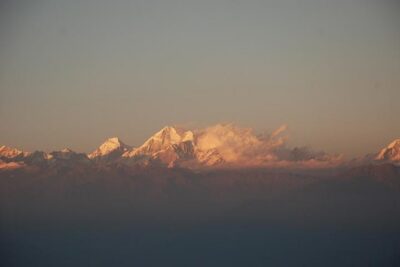
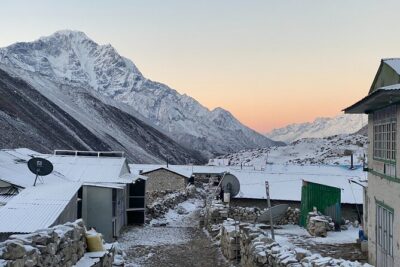
Day 7 is a rest and acclimatization day at Dingboche, a popular stop for people heading toward Everest, Ama Dablam, or Imja Tse. The itinerary description highlights the village setting, with fields enclosed by stone walls used to protect barley. That kind of detail matters because it keeps the trek grounded in real life. This is not just a scenic hike. It is a working high-altitude community.
Day 8 is where things begin to feel more serious. You start with a gradual climb toward Duglha, then move into a steep climb up to the ridge at Chukpo Lari, where there are memorials dedicated to climbers who have died on Mt. Everest. This is one of those emotional checkpoints on the Everest routes. I do not think it is a bad thing to see it. It adds weight to the whole journey and makes you treat your own safety more carefully.
Lobuche to Khumbu Glacier: The “Long-Awaited Day” Energy
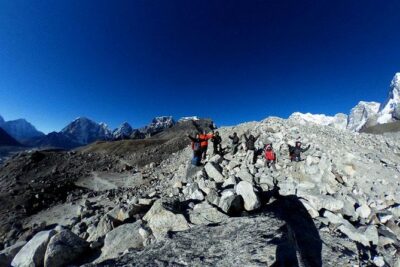
Day 9 is described as the most exciting and long-awaited day. You leave Lobuche, spend time on flatter meadow areas, then follow the Khumbu Glacier northwards. The path then climbs onto the lateral moraine. That sequence is classic Everest-region trekking: glacier proximity, then travel along moraine terrain that can feel uneven and demanding.
This is also a good day to manage your effort. “Exciting” days can tempt you to go faster than your body wants. Keep your breathing steady and accept that slow is safer. When you are walking near glacier terrain, footing and pacing matter.
Kala Patthar Sunrise: The Big Payoff for Early Starters
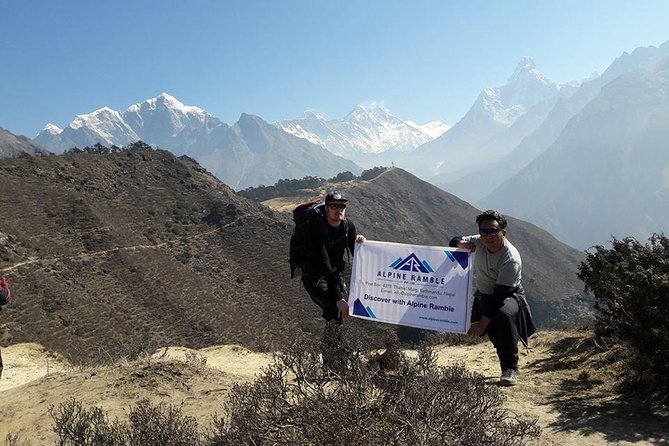
Day 10 is the sunrise day, and it starts early. The itinerary describes a climb of about two hours that takes you to Kalapathar. From there, you get a sunrise on the Himalayas with a promised 360-degree view that includes Everest, Nuptse, Lol, and other major peaks named in the route notes.
Even if clouds or weather can shift visibility, the logic of this day is solid. You are hiking before the day gets heavy, and your reward is a wide, high viewpoint. This is the one day where being prepared pays off most: bring the right layers for wind and cold, and keep your hands warm for the camera shots.
The Descent Back to Tengboche: Sherpa Villages and Dudkosi River Crossing
Day 11 turns the page. You descend through Sherpa villages, then head into the Dudkosi River area, cross, and travel into forest via Dingboche, then climb up toward Tengboche again. The itinerary also notes a longer overall day with that repeated movement: down, cross, then up.
This is the moment many people underestimate. Going back down feels easier until your legs realize you have been walking at altitude for nearly two weeks. Keep your knees in mind. Short steps and frequent pauses help.
Day 12 to Day 13: Phakding, Suspension Bridges, and Back to Kathmandu
Day 12 is a return day along parts of the same route, including Jorsalle, Manjo, Benkar, and Phakding, plus suspension bridges over the Dudh Koshi River. Suspension bridges always feel like a mix of fun and focus. You get a great crossing moment, but you also want to keep your balance and avoid rushing.
Day 13 brings the flight back to Kathmandu and a leisure day in the city. After days of lodges, this feels like a luxury reset, even if your body is still tired. It is also a good time for a hot meal and a proper stretch.
Lodges and Meals: What “Full-Board” Really Does for You
A lot of Everest trek stress is really about food timing. Here, the trek includes full-board meals during the trek: breakfast, lunch, and dinner. It also includes accommodations at best available trekking lodges along the way.
That matters because trekking lodges are basic by design, but they are consistent. When meals are covered, you spend less time worrying about where to eat and more time thinking about rest, hydration, and your pace.
You will still pay for water and drinks, plus extras like Wi-Fi if you want it. Hot showers and snacks are also listed as personal expenses. I think that is a fair setup. It keeps the package price focused on core costs like guide time, lodging, and meal structure.
Guides, Permits, and Why Support on Everest Is Not Just a Convenience
This is where the value gets real. You get a professional, experienced, friendly government-licensed guide, plus the tour handles trekking documents including Everest National Park paperwork and the TIMS card. For many people, that admin work is not glamorous, but it is essential.
You also get a first aid medical kit, and the basic first aid box includes Diamox for high altitude sickness. On top of that, there is an emergency rescue operation, funded by travel insurance as stated in the tour inclusions.
One more piece I like: small group size. Up to 12 people means you are more likely to actually connect with others. And you also get less crowd management on the trail.
The human element comes through in the guide names people have been paired with. The owner Dil shows up repeatedly in accounts as responsive and organized. Guides named in different groups include Sujal, Amer, Nir, Laxman, Ram, Saugat, and Subash. In plain terms, this suggests the operation has a bench of guides who can work with different ages and trekking styles, including at least one group with a 17-year-old and a 15-year-old under the care of Laxman.
$1,420 for Everest Base Camp: When the Math Works
The price is $1,420 per person, and it is booked on average 52 days in advance. That advance timing matters because flights to Lukla and lodge availability do not always behave like normal travel.
So what are you paying for? The inclusions cover the expensive and hard-to-arrange bits:
- Round trip Kathmandu to Lukla flights including departure taxes
- Full-board meals during the trek
- Trekking lodge accommodations
- A licensed guide
- Trekking documents and official fees, including TIMS and the national park paperwork
- First aid and Diamox in the kit
- Emergency rescue operation tied to travel insurance
- Government and local taxes and official expenses
What you pay extra for, based on the tour notes:
- International flights
- Nepal entry visa fees
- Lodging and food before and after the trek in Kathmandu
- Personal expenses like hot showers, drinks, snacks, Wi-Fi, and water
- A local porter if you need one
- Tipping/gratitude to the guides and staff
Is it good value? For Everest Base Camp, I think this is priced like a “reduce your stress, cover core costs” package. If you were to plan the flights, permits, guide, meals, and lodge bookings yourself, you would spend time and take on risk. Here, most of that uncertainty is handled for you.
Also, the tour notes that Everest Base Camp is set to move location, with limited time left to experience the classic trek. That is not something you can control, and it adds urgency to choosing a structured itinerary now.
Who Should Book This Trek, and Who Should Think Twice
This trek fits best if you want a guided Everest Base Camp experience with less logistical friction.
It is also a good match if:
- You have moderate physical fitness and you are ready for daily hikes in cold, high-altitude conditions
- You like a structured plan with acclimatization moments built in
- You want to meet people in a 12-person max group and not feel like you are hiking alone
It might be less ideal if you want maximum freedom to change the route day by day. This kind of itinerary is built as a sequence, with acclimatization days and set long hiking days, like the glacier route to Lobuche and the early climb to Kalapathar.
Should You Book Alpine Ramble’s Everest Base Camp Trek?
If you want Everest Base Camp with support that covers permits, guide, lodge structure, and Lukla flights, I think this is a smart booking. The small group size, the inclusion of full-board meals, and the strong “payoff days” like Tengboche monastery and Kala Patthar sunrise give it a classic feel, with less effort spent on admin.
I would book it when you are ready to commit to the altitude challenge and accept that you will pay some personal costs on the way, like water and drinks. And I would book sooner rather than later, because Lukla flights and trekking lodge availability can be the real bottleneck.
FAQ
How long is the Everest Base Camp trek?
The tour is listed as about 13 days (approx.) in the itinerary, with the overall experience named as a 14-day trek.
What is the highest elevation on this trek?
The trek description states you will reach Everest Base Camp at 17,598 feet (5,364 meters).
Where does the trek start and where does it end?
It starts at Thamel, Kathmandu 44600, Nepal, and ends back at the same meeting point.
Do I get picked up in Kathmandu?
The tour includes pickup offered, and you are transferred to your hotel after arrival at Tribhuvan International airport.
Are flights included?
Yes. The package includes round trip flights Kathmandu to Lukla and Lukla to Kathmandu, including departure taxes.
Are meals included during the trek?
Yes. The trek includes full-board meals during the trek: breakfast, lunch, and dinner.
What kind of guide do I get?
You get a professional, experienced, friendly government-licensed guide.
What documents are included?
The tour includes trekking documents including Everest National Park and TIMS card.
Is a porter included?
A local porter is not included, but you can arrange one if you need it and pay separately.
What is included for high altitude safety?
A basic first aid box is included and it lists Diamox for high altitude sickness. A first aid medical kit is also included, plus an emergency rescue operation funded by travel insurance.
Lodge to Lodge Around Kathmandu
The Rest of Our Kathmandu Write Ups

Base Camp, Three More Ways
Everything else we have reviewed around Kathmandu
- 12 Days Everest Base Camp Trekking
★ 5.0 · 3 reviews - 1 Night 2 Days Chitwan Jungle Safari Tour from Pokhara or Kathmandu
★ 3.0 · 3 reviews - Thamel Rickshaw tour
★ 4.7 · 3 reviews - Kathmandu: Momo Making Class with a Local Chef
★ 5.0 · 3 reviews - Kathmandu: Full-Day Yoga, Body Massage and Pedicure Package
★ 5.0 · 3 reviews - From Kathmandu / Pokhara / Chitwan: River Rafting – 1 Day
★ 4.6 · 3 reviews
Everest Base Camp Treks worth a second look.
 ★ 5.0Everest Base Camp Trek – 14 DaysFrom $1,8001,499 reviews
 ★ 5.0Everest Base Camp TrekkingFrom $1,350485 reviews
 ★ 5.0Everest Base Camp Trekking – 13 DayFrom $1,399365 reviews
 ★ 5.0Everest Base Camp Trekking – 2025/2026From $1,339199 reviews
 ★ 5.0Everest Base Camp TrekFrom $1,408193 reviews
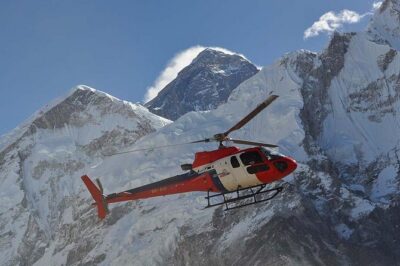 ★ 5.0Everest Base Camp Trek with Helicopter Return from Gorakshep to LuklaFrom $3,000161 reviews
14-Days Private Everest Base Camp TrekFrom $1,600152 reviews
★ 5.0Everest Base Camp TrekkingFrom $1,350146 reviews
★ 5.0Everest Base Camp Trek with Helicopter Return from Gorakshep to LuklaFrom $3,000161 reviews
14-Days Private Everest Base Camp TrekFrom $1,600152 reviews
★ 5.0Everest Base Camp TrekkingFrom $1,350146 reviews
Lists this tour sits in