
REVIEW · EVEREST BASE CAMP TREKS
Everest Base Camp Trekking – 13 Day
Everest Base Camp starts with one simple move: a flight. This 13-day trek is built to remove logistics stress, with flights from Kathmandu and Lukla, nightly trailside lodge stays, and an experienced guide handling the day-to-day flow. You also get a setup that can be private, meaning you are not forced into a rigid, one-size-fits-all rhythm.
I like how the itinerary supports your body with real acclimatization time in the Khumbu, not just nonstop walking. The main drawback to plan for is altitude risk and weather, since you are trekking high, and the package notes that it runs in all weather, so you will need to dress for it.
In This Review
- Quick Take: What Makes This Everest Base Camp Trek Work
- From Kathmandu to Lukla: Getting Started Without Losing a Day
- Namche Bazaar and Acclimatization Days: The Smart Part You Should Actually Enjoy
- Tengboche, Dingboche, Deboche, and Periche: Monastery-Style Quiet and Big-Morning Views
- Everest Base Camp and Kala Patthar: The Day That Turns Effort Into Proof
- The Descent Back Through Namche: Less Glory, More Relief, Still Beautiful
- Price and Logistics: What You Pay For, What You Still Need to Handle
- What Meals, Lodges, and Permits Feel Like on the Trail
- Guide Style and Daily Pacing: Why People Get Calm Instead of Stressed
- Gear and Comfort: The Packing List That Actually Matches This Trek
- Who This 13-Day Plan Is Best For
- Should You Book It?
- FAQ
- Where does the trek start and end?
- Are flights included?
- Are permits and park fees included?
- Are meals included?
- Will I have a guide on the trail?
- Is this trek only for private groups?
- What fitness level do I need?
- Is insurance included?
- Does the trek run in bad weather?
Quick Take: What Makes This Everest Base Camp Trek Work
- Flights included to Lukla and back means fewer moving parts the moment you land in Nepal
- Trailside lodges plus meals keep you focused on walking and resting, not hunting for food
- Private trek structure for personalization so your guide can adjust pacing to you
- Acclimatization days in Namche and planned higher-altitude short hikes help you avoid rushing
- Guides praised for timing and clear daily planning, including examples like Milan and Dibash
- Kala Patthar and Everest Base Camp day give you the big-moment payoff with a return planned
Other routes to Base Camp, side by side
From Kathmandu to Lukla: Getting Started Without Losing a Day
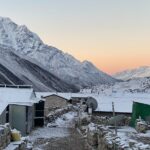
Day 1 is all about landing, customs, and then getting you to a Kathmandu hotel. You are met at Tribhuvan International Airport by a representative of Nepal Trekking Planner, then escorted to where you will sleep. This matters because the first day on an EBC trek can turn into chaos if you are doing it on your own after a long flight.
Day 2 is where your trek really begins. You organize your gear the day before, then head out early for Lukla, the jump-off point for Everest. The plan includes the scenic flight from Kathmandu to Lukla, and the package also includes the return flight later in the itinerary. If you have ever tried to coordinate domestic flights in a different country while also planning a high-altitude hike, you know how much mental energy that saves.
One practical note: flights in this region often move around due to weather. The tour is described as operating in all weather conditions, so you should still be ready for the schedule to feel slightly more flexible than a city itinerary. The good news is your trek plan is built around gradual progress, not just sprinting to high elevations.
Namche Bazaar and Acclimatization Days: The Smart Part You Should Actually Enjoy
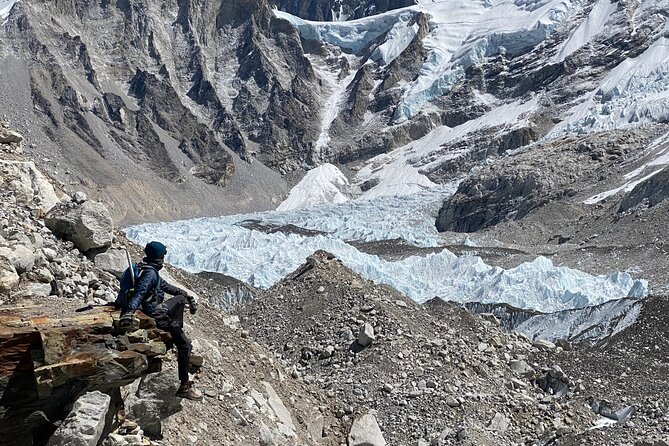
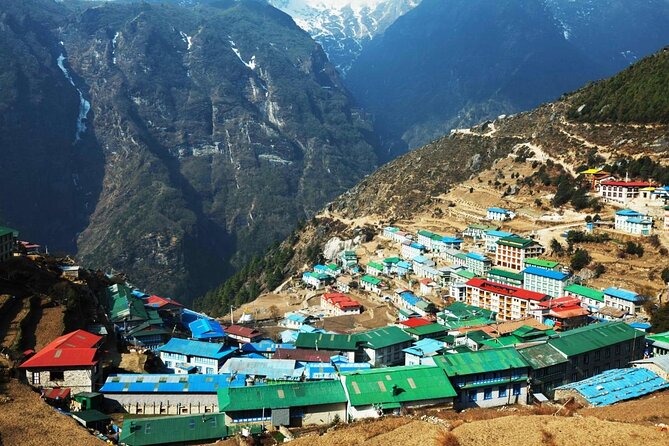
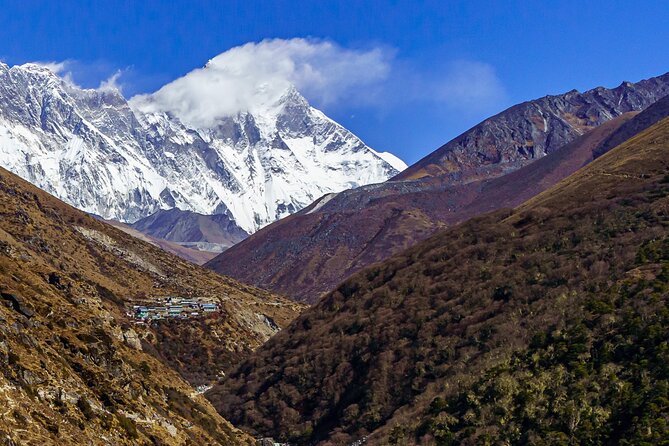
The trek moves toward Namche Bazaar on Day 3 along the Dudh Koshi River, with suspension bridges and the first big “Everest is real” moments. Namche is where the trail starts to feel like a hub, not a backcountry path. You are walking through a mix of river valley terrain and classic Khumbu village scenes, and you will feel the altitude creeping up even if the day does not look extreme on paper.
Day 4 is your first acclimatization reset. Instead of adding pressure, you get a rest day in Namche with options to help you adjust faster. The plan notes the local vibe, including the buzzing feel of a Saturday market. That is a small but real advantage: you can buy a few last-minute essentials, charge batteries, and soak in the rhythm of the town while your body catches up.
Day 5 is a step higher. You start with a short but steep climb out of Namche, then move through forested sections toward Kenjoma and Sanasa. This is good training walking, because it is not a single brutal hour, it is a steady grind that helps you learn what your breathing looks like at altitude.
Then comes the second acclimatization-style setup. Day 7 sets aside another acclimatization day, used for short hikes to higher altitudes so you adapt without overshooting. In high-altitude trekking, the difference between a smooth experience and a miserable one is often this exact balance: keep moving, but do not force it.
Tengboche, Dingboche, Deboche, and Periche: Monastery-Style Quiet and Big-Morning Views
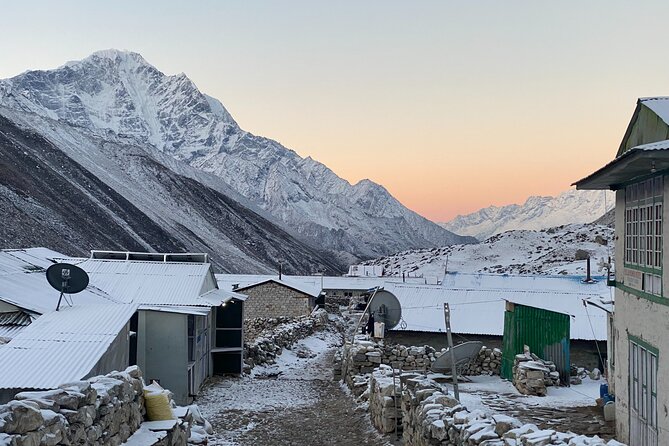
By Day 6, you are leaving the Tengboche area after sunrise and sunset views, then heading toward Dingboche. The route includes a descent from Dingboche to reach Deboche, and the day is built around rhythm changes rather than nonstop climbing. For many trekkers, this is the “wow, we are actually living on the trail” moment. Even when the walk is hard, these days have more atmosphere, like prayer-flag energy and slow-morning mountain light.
Day 7 continues that theme with acclimatization. If you are tempted to rush higher because you can, this is the day to resist. A good guide will help you pick the right effort level, and the tour’s style is designed around pacing support. One example from feedback: Milan was praised for explaining the next day’s itinerary in advance and estimating walking time based on your ability, which is exactly how you want acclimatization days handled.
Day 8 begins the gradual ascent from Dingboche. You pass grazing areas with cattle and mountains stretching in the distance. The plan also notes features like chortens and Mani walls, which are part of what makes the Khumbu feel spiritual without being performative. It is not just scenery, it is a lived cultural environment you are walking through.
By Day 9, you are going for the Everest Base Camp goal from Lobuche. This is the day people remember for the rest of their lives, but it also comes with the biggest altitude pressure of the trek. The plan explicitly flags acute mountain sickness and tells you to trek accordingly. Translation: do not treat it like a sightseeing hike. If your breathing changes, slow down early, hydrate, and take it seriously.
Everest Base Camp and Kala Patthar: The Day That Turns Effort Into Proof
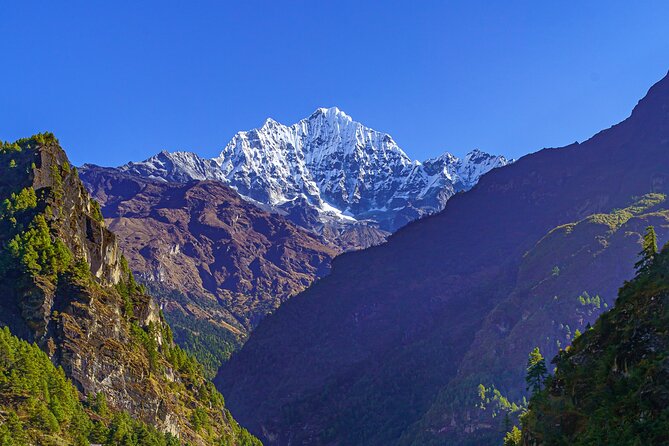
Day 9 is your Everest Base Camp day. You start early from Lobuche and hike toward your destination. This is where you feel the trail’s altitude logic most clearly. You have been building a rhythm, and now the goal is close enough that it almost feels unfair. Almost.
But you still need patience. High altitude can make a short distance feel long, and pushing through discomfort is how people end up in trouble. The best version of this day is steady effort, frequent pauses, and a calm mind. If your group has a guide who takes timing seriously, that helps too. Feedback examples include guides like Dibash being praised for managing logistics well, so you are not constantly wondering what comes next.
Day 10 adds Kala Patthar before you return to lower altitudes. Kala Patthar is a viewpoint day that typically draws attention because it is one of the best ways to see the surrounding Everest region up close. The itinerary notes getting ready before daybreak, which suggests you will be out early. For your comfort, that means warm layers matter, and your ability to handle cold at altitude matters more than your ability to sprint.
If Day 9 is the emotional milestone, Day 10 is the physical payoff that turns the whole trek into something you can point to. You will likely come away feeling like your work had a direction, not just a random slog uphill.
Other lodge to lodge routes near Kathmandu
The Descent Back Through Namche: Less Glory, More Relief, Still Beautiful
On Day 11, the return continues from the area around Periche back to Namche Bazaar. The plan describes this as mostly downhill and includes the company of the Dudh Koshi River again. Downhill trekking sounds easier, but it can be tough on your knees and ankles. A good guide will watch your pacing and make sure you do not fly down too fast, especially when your legs are tired.
Day 12 is the last big trekking section, with descent from Namche Bazaar continuing to the riverbed of a confluence of Dudh Koshi. The itinerary notes a steep trail out of Namche and then descending further. This is the day where your body feels every step. It is also the day where you feel how well the earlier acclimatization worked, because you are able to move without panicking or collapsing.
On Day 13, you return to Kathmandu after your stay in the Khumbu region. Weather may affect the flight timing, and the plan says you take an early flight if disturbances happen during the day. This is why you should keep your last day mentally flexible. After 13 days, you want to be home, but you also want to avoid stress if the sky decides to play games.
Price and Logistics: What You Pay For, What You Still Need to Handle
The price is listed at $1,399 per person for this 13-day Everest Base Camp trek. On paper, it looks like a lot. In practice, it can feel fair because the package includes major cost drivers that people often underestimate: the flights from Kathmandu and Lukla, national park entrance fee, and the Trekkers’ Information Management System (TIMS card). Add trail lodge accommodations and meal support on the trek, and you are no longer paying for every little piece separately.
It is also built for people who do not want to spend weeks coordinating. That is the real value here. Everest trekking planning can be a mess of vendors, timing, gear questions, and permit steps. This itinerary is set up so you can show up, walk, and let someone else handle the moving parts.
Still, you should budget for what is not included. The tour does not include personal insurance or helicopter evacuation insurance. It also does not include meals in Kathmandu, alcoholic drinks, or personal expenses like phone calls or battery recharges. If you rely on frequent charging, think about bringing the right power solution, because you might not have the same options everywhere on the trail.
One more financial detail that matters: there is a solo surcharge mentioned for not joining an existing group, with an added USD 150 once you arrive in Nepal. If you are traveling as a couple or group, you may be able to fit into shared arrangements. The package also lists discounts for groups, families, and honeymooners, which is worth asking about if your dates are flexible.
What Meals, Lodges, and Permits Feel Like on the Trail
You stay in trailside lodges each night, with the tour overview saying all meals are provided. The included list also shows meal counts for breakfast, lunch, and dinner during the trek window, while meals in Kathmandu are not included. Translation for you: you will have predictable eating each trekking day, which keeps your energy stable and avoids decision fatigue.
Lodges on this route also make recovery easier. You can dry a bit, reset for the next day, and keep your routine consistent. You should still treat the experience as basic mountain travel. Hot food and warm beds are not the same thing everywhere, so plan for cold nights and take your layers seriously.
Permits are handled too. The package includes national park entrance fee and TIMS card. That is important because it is one less hassle on the ground, and it reduces the odds of a last-minute bureaucratic headache. You will still want your passport details correct during booking, since the tour asks for names, passport number, expiry, and country.
Guide Style and Daily Pacing: Why People Get Calm Instead of Stressed
This is a private trek, so your guide plays a big role in how the days feel. The feedback I saw consistently points to guides who manage time and explain what is coming. Milan, for example, was praised for being responsible, explaining the next day’s itinerary in advance, and even estimating how long each day’s walking would take based on physical ability. That kind of clarity helps you pace yourself instead of guessing.
Another theme is logistics handling. Dibash was praised for managing logistics smoothly, and Ganesh as a porter was recognized for carrying luggage every day. For you, that means you are not juggling heavy bags while trying to focus on breathing and footing.
Achyut Mishra was also praised as attentive and problem-solving, with the idea that you never felt worry even when the trek was tough. That is not fluff. On a trek where altitude and weather can challenge you, feeling supported changes everything.
If you want the best chance of a smooth trek, choose a guide who takes pacing seriously. This itinerary is designed for that, with rest and acclimatization baked into the schedule.
Gear and Comfort: The Packing List That Actually Matches This Trek
The tour includes one complimentary Trekking Planner duffel bag, but you need a day pack and most of your personal gear. The provided list is a solid starting point because EBC trekking is mostly about temperature swings and wet conditions more than technical climbing.
Plan on bringing: trekking shoes, warm layers (woolen cap, fleece or puffy jacket), a waterproof layer, raincoat, and gloves. Socks matter too, with guidance for 4 to 5 pairs of good quality socks. Bring a torch or flashlight and a small towel, not a giant beach towel that becomes a weight burden.
Also: you get a 1-liter water bottle guidance, plus the note that you can buy toilet paper along the route, described as poor quality. Pack light but do not ignore comfort basics. On this trek, your feet and hands can make or break the experience faster than your motivation.
Who This 13-Day Plan Is Best For
This trek is described for travelers with moderate physical fitness, which is realistic for most people who walk regularly. If you have done hiking at altitude before, you will probably find the pacing comfortable. If you have not, the itinerary’s acclimatization days in Namche and the short-hike approach help level the playing field.
This plan is a good fit if you want:
- Private trekking so you can personalize your pacing
- A guided experience that handles permits and the daily plan
- Clear stages toward big goals like Everest Base Camp and Kala Patthar
It might be a less ideal fit if you are highly time-critical, because mountain weather can affect flights. It also might not match if you are not comfortable planning around cold mornings, steep sections, and the physical reality of high elevation.
One last fit note: if you are solo and want a departure without sharing a group, the USD 150 surcharge applies once you arrive in Nepal. So your total cost may change based on how your date lines up with existing groups.
Should You Book It?
I would book this if you want Everest Base Camp with less friction. Flights included to Lukla and back, lodge stays, and meal support on the trail are big wins, especially if you do not want to spend weeks handling logistics. The schedule also makes sense for acclimatization, with planned rest and higher-altitude short hikes rather than a reckless climb.
I would pause if you are not ready for altitude. Even with acclimatization, the trek explicitly warns about acute mountain sickness risk. If you have health concerns, ask your doctor before you go, and do not skip insurance, especially because helicopter evacuation insurance is not included.
If you like clear guidance, you are in the right place. Examples of strong guide behavior, like Milan’s day-before itinerary explanations and Dibash’s logistics handling, are exactly what you want when the trail starts feeling tough.
FAQ
Where does the trek start and end?
It starts with arrival and pickup in Kathmandu, and you return to Kathmandu at the end of the 13 days after trekking in the Khumbu region.
Are flights included?
Yes. Flights from Kathmandu to Lukla and back to Kathmandu are included, along with airport departure tax.
Are permits and park fees included?
Yes. The national park entrance fee and the TIMS card are included.
Are meals included?
All meals are provided on the trek. Meals in Kathmandu are not included.
Will I have a guide on the trail?
Yes. You hike with an experienced guide, and the trek is described as private so only your group participates.
Is this trek only for private groups?
Yes. It is listed as a private tour or activity, so only your group will take part.
What fitness level do I need?
The tour states that travelers should have moderate physical fitness.
Is insurance included?
No. Personal travel and health insurance, including insurance for helicopter evacuation, is not included.
Does the trek run in bad weather?
The tour says it operates in all weather conditions, so you should dress appropriately.
Lodge to Lodge Around Kathmandu
The Rest of Our Kathmandu Write Ups

Base Camp, Three More Ways
Everything else we have reviewed around Kathmandu
- 12 Days Everest Base Camp Trekking
★ 5.0 · 3 reviews - 1 Night 2 Days Chitwan Jungle Safari Tour from Pokhara or Kathmandu
★ 3.0 · 3 reviews - Thamel Rickshaw tour
★ 4.7 · 3 reviews - Kathmandu: Momo Making Class with a Local Chef
★ 5.0 · 3 reviews - Kathmandu: Full-Day Yoga, Body Massage and Pedicure Package
★ 5.0 · 3 reviews - From Kathmandu / Pokhara / Chitwan: River Rafting – 1 Day
★ 4.6 · 3 reviews
Everest Base Camp Treks worth a second look.
 ★ 5.0Everest Base Camp Trek – 14 DaysFrom $1,8001,499 reviews
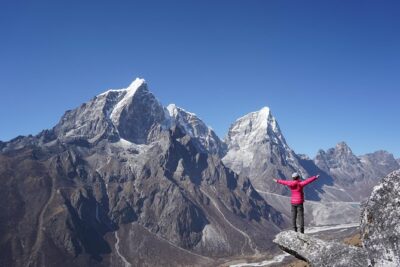 ★ 5.0Everest Base Camp TrekkingFrom $1,350485 reviews
★ 5.0Everest Base Camp Trek -14 DaysFrom $1,420321 reviews
★ 5.0Everest Base Camp TrekkingFrom $1,350485 reviews
★ 5.0Everest Base Camp Trek -14 DaysFrom $1,420321 reviews
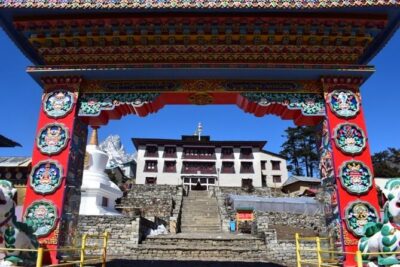 ★ 5.0Everest Base Camp Trekking – 2025/2026From $1,339199 reviews
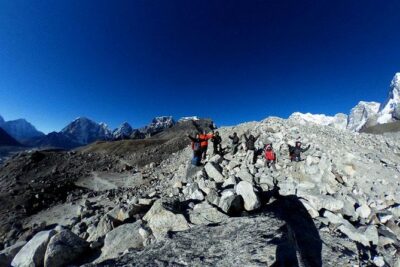 ★ 5.0Everest Base Camp TrekFrom $1,408193 reviews
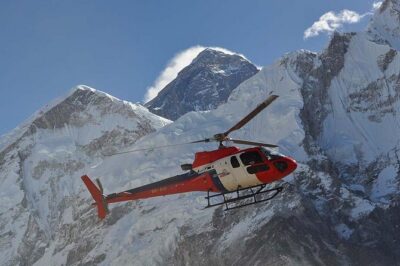 ★ 5.0Everest Base Camp Trek with Helicopter Return from Gorakshep to LuklaFrom $3,000161 reviews
14-Days Private Everest Base Camp TrekFrom $1,600152 reviews
★ 5.0Everest Base Camp TrekkingFrom $1,350146 reviews
★ 5.0Everest Base Camp Trek with Helicopter Return from Gorakshep to LuklaFrom $3,000161 reviews
14-Days Private Everest Base Camp TrekFrom $1,600152 reviews
★ 5.0Everest Base Camp TrekkingFrom $1,350146 reviews
Lists this tour sits in