
REVIEW · EVEREST BASE CAMP TREKS
Everest Base Camp Trekking – 2025/2026
Lukla flights change everything on Everest treks. What makes this one appealing is that Lukla flights are included, and you travel with an experienced government-licensed English-speaking guide who manages the moving parts like meals, timing, and the route so you do not have to guess your way uphill.
I also like the built-in daily structure, from wake-up tea to how lunch and dinner get handled at each lodge, because it keeps the trek calm and predictable.
The main drawback to plan for is the mountain reality: cold nights, basic trekking lodges, and bathroom setups that are not always as private or modern as Kathmandu. Add in the fact that weather can affect flights to and from Lukla, and you should be ready to stay flexible on exact timing.
In This Review
- Key things I’d pay attention to
- What You Really Get: Kathmandu to Lukla and Back
- 14 Days on the Trail: The Hiking Rhythm and Key Stops
- Day 1: Kathmandu arrival
- Lukla to Phakding (2,652 m)
- Phakding to Namche Bazaar
- Namche Bazaar to Pangboche
- Pangboche to Labuche (Lobuche)
- Labuche to Gorakshep, then Base Camp area
- The return: Pangboche back toward Namche, then Lukla
- The daily schedule that keeps you on track
- Lodges, Meals, and Water: How to Expect Daily Comfort
- Meals: included, menu-based, and tuned for trekking
- Water: purification tablets included
- Sherpa Villages and Monasteries, Plus the Culture Lessons
- The guide team you might work with
- Guide and Porter Setup: Safety, Pace, and Less Thinking
- Porter system and luggage limits
- Price and Value: Why This Package Costs What It Does
- Altitude Reality, Gear, and Health Checks (Including Diamox)
- What gear to bring, and what you can rent
- Health and medicine kit items mentioned
- Best Timing for 2025/2026 and What Weather Can Do
- Should You Book Alpine Ramble Treks for Everest Base Camp?
- FAQ
- What is included in the Everest Base Camp trek package?
- Are domestic flights to and from Lukla covered?
- Do I need travel insurance?
- What are the passport and visa requirements mentioned?
- How does the trek handle water for drinking?
- What kind of lodging should I expect during the trek?
- Is this trek technical climbing or a hiking-only route?
- What is the cancellation policy?
Key things I’d pay attention to
- Included Lukla flights reduce stress on the hardest logistical leg of the trip
- TIMS card and Everest National Park fees are handled for you
- Wake-up tea, set meal times, and lodge rhythm make the day feel organized
- Twin-sharing lodges in the mountains with basic comfort, not hotel standards
- Water purification tablets included for safer drinking
- Licensed local guide plus porter support to help you stay safe and un-lost
Other routes to Base Camp, side by side
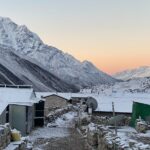
What You Really Get: Kathmandu to Lukla and Back
This is a private guided Everest Base Camp trek that starts in Kathmandu and routes you through the classic high-country towns and tea houses that make this trek famous. The big practical win is that the core infrastructure is included: you get domestic flights from Kathmandu to Lukla and back, plus lodging at trekking lodges, permits, and the bulk of your meals.
That matters because on Everest routes, logistics can quietly drain your energy. When flights are covered and a guide is coordinating things, you spend less time on details like confirming connections and more time on walking, resting, and acclimatizing.
In Kathmandu, you are met by an airport representative and transferred to your hotel. The package also calls out that you can arrange Kathmandu options like sightseeing with private vehicles (the exact scope is not laid out here, but the service is offered).
One more detail I appreciate: this trek is designed for you to go at your own pace, with the explicit promise that going too fast or too slow is not treated like a problem. That is the right mindset on Everest, where pacing is part of safety.
14 Days on the Trail: The Hiking Rhythm and Key Stops
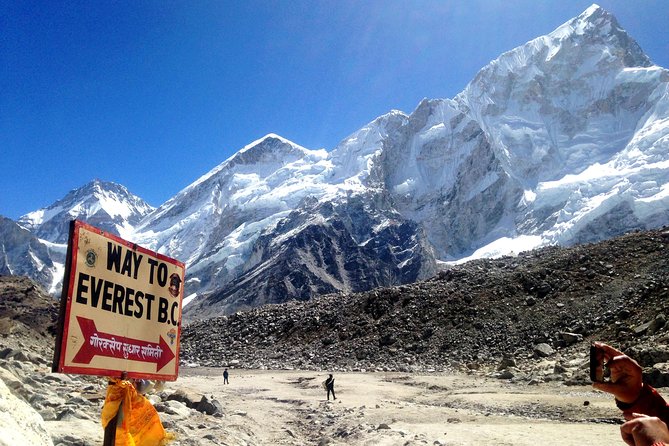
The itinerary you can expect is built around recognizable checkpoints. Even though the full day-by-day numbering in the description has some gaps, the sequence of places is clear, and the day rhythm is well explained.
Day 1: Kathmandu arrival
You land in Kathmandu, get welcomed, and transfer to your hotel. This is your buffer day to get organized, sort out SIMs if needed, and prep mentally for the next move: the Lukla flight.
What to love: you are not thrown straight into trekking on landing day.
What to watch: this is also when you should start taking altitude prep seriously, like hydrating well and not partying hard.
Lukla to Phakding (2,652 m)
You fly to Lukla, then trek to Phakding. The timing given is about 3 hours flying/transfer context, then around a 3 to 4 hour trek feel for the first day segment (the stop lists 3 hours for the Lukla to Phakding portion).
Why this stop matters: you start moving immediately after Lukla, which is the “real beginning” of your Everest route. Phakding is a gentle introduction to lodge life and trail traffic.
Other lodge to lodge routes near Kathmandu
Phakding to Namche Bazaar
This is a longer walking day, listed as 10 to 12 km and about 5 hours to reach Namche Bazaar (listed as 11,283 ft).
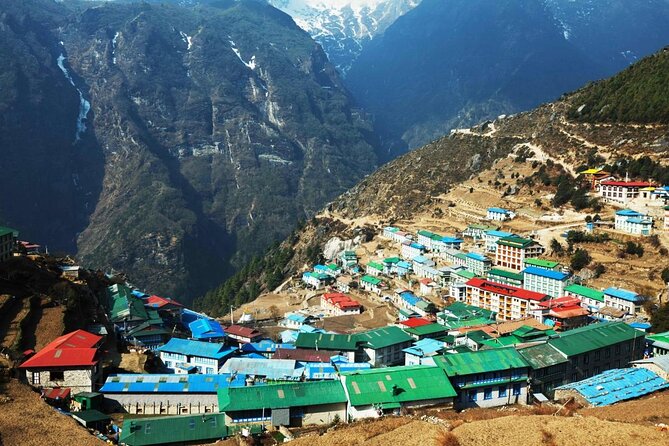
What you’ll notice: Namche is a hub. You are moving from smaller village rhythm into a more established base for food, gear, and acclimatization. It is also where Sherpa culture is easy to spot in everyday life.
Consideration: this is a climb day. Even if you feel good, keep your pace controlled.
Namche Bazaar to Pangboche
This leg is listed at about 5 hours from Namche to Pangboche.
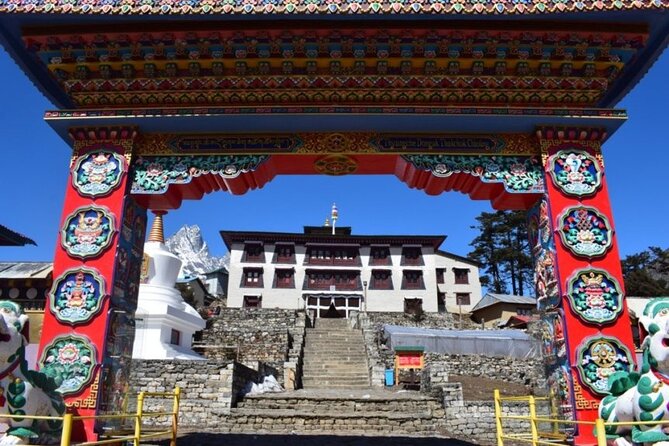
Why Pangboche is memorable: you start getting more of the monastery and Sherpa village feel in the route story, and the area is known for dramatic mountain visibility when the weather behaves.
Pangboche to Labuche (Lobuche)
Another 5-hour segment, heading from Pangboche toward Labuche/Lobuche.
What it means for your body: by now you are deep into the high country, so slow walking matters more than fast walking. Your guide’s job here is keeping you from turning the trek into a sprint.
Labuche to Gorakshep, then Base Camp area
This is the day that stretches you mentally as much as physically. The route lists Labuche to Gorakshep/Base Camp area and back at the Gorakshep area, with a 5-hour total stop duration shown.
Even with good planning, this is typically where you feel the altitude most. Lodges get colder, meals get simpler, and every decision becomes more about comfort and energy management.
The return: Pangboche back toward Namche, then Lukla
After the Base Camp area day, you are routed back down through major waypoints:
- Pangboche back to Namche Bazaar (listed as about 4 hours)
- Namche Bazaar to Lukla (listed as about 5 hours)
- Then a flight back to Kathmandu (listed as about 35 minutes)
Why the return route is still important: descents help, but they also create a new challenge for your legs. Your guide will likely manage stop pacing and hydration, and you should listen when your knees start complaining.
The daily schedule that keeps you on track
The trip description includes a clear “typical day” flow:
- Wake-up tea around 6 am
- Breakfast around 7 am
- A warm-up stretch, then walking starts, often in chunks of 45 minutes to 1 hour, with short rests
- Lunch around 12 to 1 pm for about 40 minutes
- Then another 2 to 3 hours of walking to reach your lodge
- Tea served in your room as you rest
- Dinner ordering before 5 pm so it is ready
- After dinner, a briefing for the next day
This structure is more than schedule trivia. It is what helps you avoid the classic Everest mistake of waiting too long to eat, then rushing later because you are tired. You will feel it in how calm each day stays.
Lodges, Meals, and Water: How to Expect Daily Comfort
This trek stays in basic trekking lodges along the classic route. In the mountains, you should expect rooms with warm blankets, pillows, and comfortable mattresses, but not hotel finishes.
The description is honest about bathroom reality. You might get an attached bathroom in some places, but at higher elevations you may have to compromise and share facilities because there is not enough built space for private setups at every altitude.
Meals: included, menu-based, and tuned for trekking
Meals on the trail are full-board included in the package: breakfast, lunch, and dinner, with the main course included. The trek runs on the tea house model, so you eat in the lodge where you stay.
The menu style is useful because it gives you choices even in a limited kitchen world. Food options listed include things like:
- Dal bhat
- Soups (including garlic, potato, onion)
- Sherpa stew
- Noodles and rice dishes
- Eggs and potatoes
- Hand-made bread items
- Apple pie
- Coffee and tea variety, plus hot chocolate, lemon tea, ginger tea, and more
A practical point from the provided info: you can choose meat items where available, but they are not recommended in the Everest region because of hygiene concerns. The trekking model works best if you prioritize hot, simple, freshly cooked meals.
Water: purification tablets included
Water is available widely. You can buy bottled water (priced around $2 to $3 per liter, per the info), or you can use tap water for free as long as you use the included purification tablets.
Pack a bottle for purified water. The description also notes that a separate proper bottle for hot water can be helpful because cold water is not always comfortable at altitude.
Sherpa Villages and Monasteries, Plus the Culture Lessons
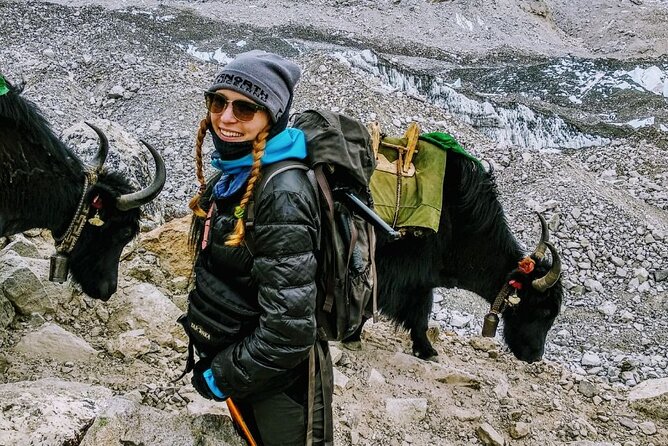
One of the better reasons to book a guided Everest trek is what you learn when the guide is not just a walking GPS.
This package explicitly emphasizes learning Nepali culture and nature from your guide as you pass:
- Sherpa villages
- Buddhist monasteries
- Mountain settlements that keep daily life going at high altitude
That cultural layer changes your experience. Instead of only tracking altitude numbers, you start noticing what people build, how they eat, and why prayer flags and monastery routines appear in the route narrative again and again.
Also, the daily routine includes an encouraging nudge from your guide to visit local Sherpa settlements after dinner, or spend the evening reading, resting, or getting cleaned up as best you can.
The guide team you might work with
From the names tied to the operator’s past treks, you could encounter guides such as Sujal, Samir, Hairy, and Krishna, plus Sherpa support like Manish. The common thread in those experiences is clear communication and safety-minded support, which is exactly what you want when weather and altitude both get unpredictable.
Guide and Porter Setup: Safety, Pace, and Less Thinking
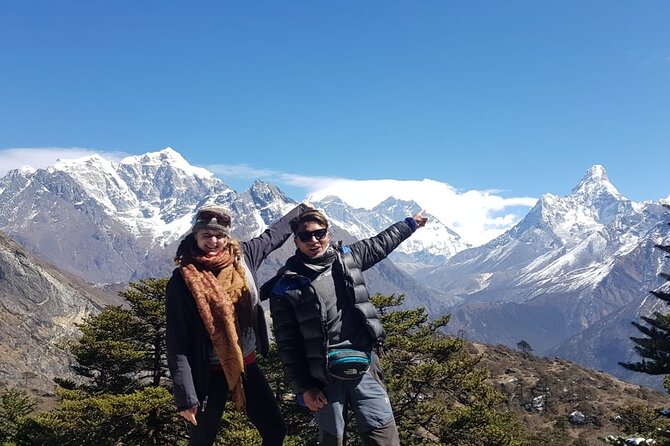
You get a private guided trek, with the guide handling route flow and logistics. That is not just convenience. It is also a safety net.
The info states you will trek safely without the risk of getting lost by going with a guide, and it also stresses that you do not have to worry about being too slow or too fast.
Porter system and luggage limits
You also get porter support. The plan described includes:
- One porter for luggage support
- One porter for 2 trekkers
- A guideline that luggage should not be heavier than 18 kg (the text says 18 kegs, but the intent is clear)
- Porters can be provided for each person if required
Practically, this means you can keep your day backpack lighter and focus on walking. Lighter days help on steep sections and make mornings less stressful.
And you are paying for something subtle here: not just the guide’s movement, but the management of timing, meals, and where you stop. That planning shows up as less friction on each leg.
Price and Value: Why This Package Costs What It Does
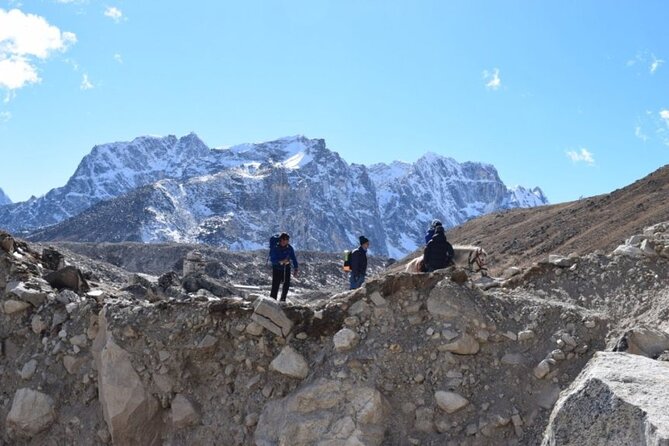
At $1,339.20 per person, the key question is not just whether the price feels high. It is what is included versus what you would likely pay anyway.
Here is what you are getting that can be expensive or annoying to arrange yourself:
- Domestic flights to and from Lukla (big cost driver and timing headache)
- Trekking lodge accommodation during the trek
- Most meals on a full-board basis (breakfast, lunch, dinner)
- Everest National Park fees and TIMS card
- Water purification tablets
- A government-licensed English-speaking local guide
- Private transportation and an air-conditioned vehicle for the Kathmandu portions
- Pickup is offered
What is not included (and can quietly add up):
- Visa fee and Nepal entry visa
- International flights
- Travel insurance
- Extra accommodation and meals in Kathmandu before and after the trek
- Hot and cold drinks, hot shower, Wi-Fi, snacks, alcohol, and other personal expenses
So the value calculation looks like this: if you would otherwise spend your time assembling permits, flight tickets, lodge bookings, and meal routing, this package saves you both money and energy. You pay for “less admin” plus a safety-minded guide system.
If you want a self-supported trek with more independent choices, then this type of package may feel restrictive. But if you want to hike hard while thinking less, it is a strong fit.
Altitude Reality, Gear, and Health Checks (Including Diamox)
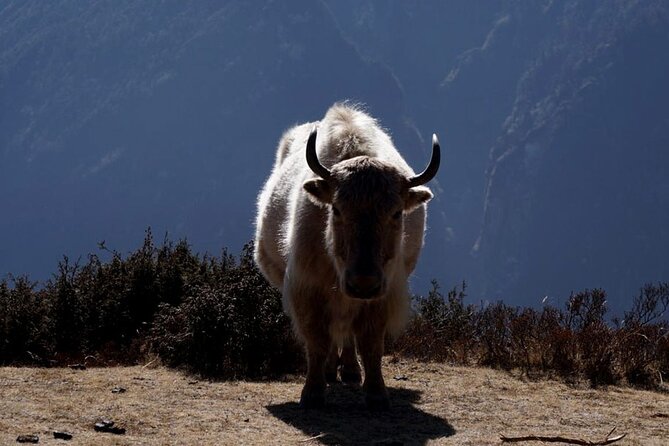
This is not a technical climb. The description is clear that you do not need climbing skills, crampons, oxygen cylinders, ropes, or other technical equipment. The trek is categorized as moderate, with daily hiking time generally in the 3 to 5 hour range.
That said, Everest Base Camp is still high altitude. Cold nights are a given, and the description mentions temperatures can drop to negative during nights in the seasons it recommends.
What gear to bring, and what you can rent
The provided gear list is detailed. It includes essentials like:
- Sun hat, warm hat and scarf, sunglasses
- Headlamp
- Sunscreen (40+), plus face wipes
- Lightweight gloves and warm gloves
- Down or fiber-filled jacket, with the company providing a rent option if you do not have one
- Trekking boots
- Rain protection (poncho and rain jacket)
- Socks and warm layers
- Daypack over 30 L
- Thermal bottle and pack cover
- Walking poles if you want them
- A thick sleeping bag (also available via company rent)
Health and medicine kit items mentioned
The gear list also includes items commonly used in high-altitude trek planning, such as:
- First aid kit
- Diamox (acetazolamide)
- Lozenges
- Elastic bandages, moleskin
- Oral rehydration salts
- Paracetamol and anti-nausea tools
- Anti-diarrhea support
Because this involves medication, you should treat the list as a shopping checklist, not a prescription. Confirm anything like Diamox with a clinician who knows your health history.
Best Timing for 2025/2026 and What Weather Can Do
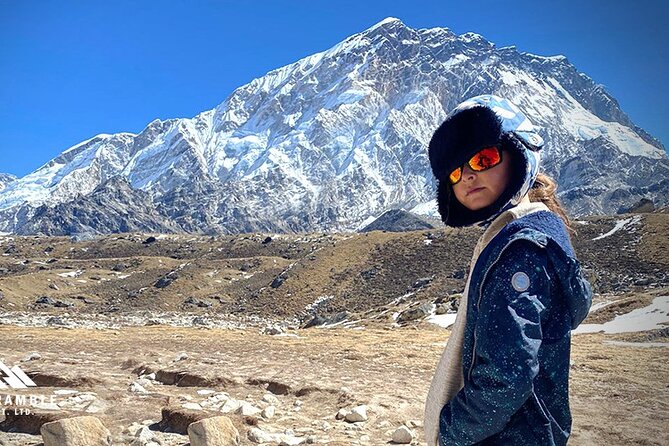
The recommended trekking seasons are:
- Autumn (mid-September to May)
- Spring (March to May)
These are described as dry seasons with clearer mountain views and cold nights.
But Everest is also weather dependent, especially for Lukla flights. The information notes possible flight delay in Kathmandu and Lukla. So build mental flexibility into your plan. Even with a solid schedule, nature decides the final timing.
If you are the type who hates uncertainty, you can still do this trek, but you will enjoy it more if you treat delays as part of the experience, not an emergency.
Should You Book Alpine Ramble Treks for Everest Base Camp?
I think this is a smart booking choice if you want an organized, private Everest Base Camp trek that handles the big logistics for you. The included Lukla flights, permits, lodge accommodation, and water purification tablets are the kind of practical details that prevent last-minute headaches. I also like the clear daily timing routine and the porter support setup, because that is what keeps your energy for the walking.
I would not book it if you are not comfortable with cold nights and basic trekking lodge comfort, or if you are determined to avoid any chance of flight timing changes caused by weather.
If you are moderately fit, can hike 3 to 5 hours a day, and want a guide to keep your pacing sensible and your route confidence high, this trek checks a lot of boxes.
FAQ
What is included in the Everest Base Camp trek package?
The package includes private transportation in Kathmandu, air-conditioned vehicle, breakfast, lunch, and dinner on a full-board basis during the trek, a government-licensed English-speaking local guide (covering meals, flights, and related support), trekking lodge accommodation during the trek, Everest National Park fees and a TIMS card, water purification tablets, and domestic flights from Kathmandu/Manthali to Lukla and back.
Are domestic flights to and from Lukla covered?
Yes. Domestic flight from Kathmandu or Manthali to Lukla and the return flights are included.
Do I need travel insurance?
Yes. Travel insurance is listed as not included, so you should plan to arrange it separately.
What are the passport and visa requirements mentioned?
You need a valid passport with at least 6 months of validity from the return date. Nepalese visas can be obtained from the immigration office or consulate in your country, or on arrival in Kathmandu Airport.
How does the trek handle water for drinking?
Water is available during the trek. You can use tap water for free if you use the included water purification tablets, or you can buy bottled water at around $2 to $3 per liter.
What kind of lodging should I expect during the trek?
During the trek you stay in basic trekking lodges with warm blankets, pillows, and comfortable mattresses. Bathroom standards vary, and at some high-altitude places you may share facilities if attached bathrooms are not available.
Is this trek technical climbing or a hiking-only route?
It is not a technical trek. The provided information says no climbing skills are needed and there is no requirement for crampons, oxygen cylinders, ropes, or other technical equipment.
What is the cancellation policy?
You can cancel up to 24 hours in advance for a full refund. If you cancel less than 24 hours before the experience starts, the amount paid is not refunded. The information also notes that if the experience is canceled due to poor weather, you will be offered a different date or a full refund.
Lodge to Lodge Around Kathmandu
The Rest of Our Kathmandu Write Ups

Base Camp, Three More Ways
Everything else we have reviewed around Kathmandu
- 12 Days Everest Base Camp Trekking
★ 5.0 · 3 reviews - 1 Night 2 Days Chitwan Jungle Safari Tour from Pokhara or Kathmandu
★ 3.0 · 3 reviews - Thamel Rickshaw tour
★ 4.7 · 3 reviews - Kathmandu: Momo Making Class with a Local Chef
★ 5.0 · 3 reviews - Kathmandu: Full-Day Yoga, Body Massage and Pedicure Package
★ 5.0 · 3 reviews - From Kathmandu / Pokhara / Chitwan: River Rafting – 1 Day
★ 4.6 · 3 reviews
Everest Base Camp Treks worth a second look.
 ★ 5.0Everest Base Camp Trek – 14 DaysFrom $1,8001,499 reviews
 ★ 5.0Everest Base Camp TrekkingFrom $1,350485 reviews
 ★ 5.0Everest Base Camp Trekking – 13 DayFrom $1,399365 reviews
★ 5.0Everest Base Camp Trek -14 DaysFrom $1,420321 reviews
★ 5.0Everest Base Camp Trekking – 13 DayFrom $1,399365 reviews
★ 5.0Everest Base Camp Trek -14 DaysFrom $1,420321 reviews
 ★ 5.0Everest Base Camp TrekFrom $1,408193 reviews
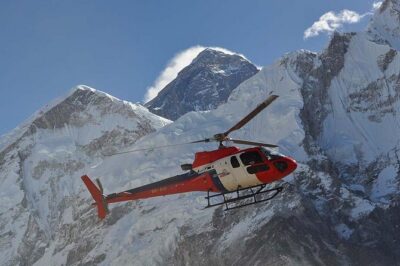 ★ 5.0Everest Base Camp Trek with Helicopter Return from Gorakshep to LuklaFrom $3,000161 reviews
14-Days Private Everest Base Camp TrekFrom $1,600152 reviews
★ 5.0Everest Base Camp TrekkingFrom $1,350146 reviews
★ 5.0Everest Base Camp Trek with Helicopter Return from Gorakshep to LuklaFrom $3,000161 reviews
14-Days Private Everest Base Camp TrekFrom $1,600152 reviews
★ 5.0Everest Base Camp TrekkingFrom $1,350146 reviews
Lists this tour sits in