
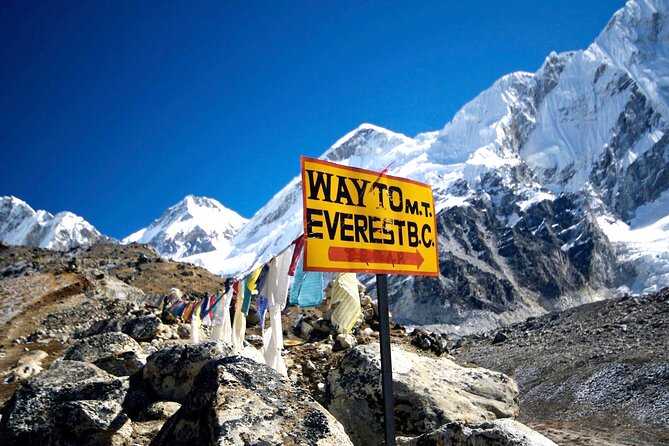
REVIEW · EVEREST BASE CAMP TREKS
12 Days Everest Base Camp Trekking
Everest starts with a flight. This 12-day Everest Base Camp trek out of Kathmandu focuses on getting you to the Khumbu at a smart pace, with acclimatization built in and day-by-day organization from a licensed guide team like Ramchandra.
What I like most is how the plan supports your body, first with an acclimatization day in Namche Bazaar and again in Dingboche, and second with all the big moving parts handled, like domestic flights, permits, and meals. One thing to consider: you still need realistic fitness and flexibility for weather, because the route runs at high altitude and the trek depends on good conditions.
You’ll notice the difference in the details. In the feedback I saw, people were especially grateful for how smoothly things ran and how the guide and schedule felt tailored, not copy-paste. If you’re craving a totally hands-off experience, a private group setting can be perfect, but you should still be ready to do the daily walking and take altitude seriously.
In This Review
- Key highlights if you like Everest Base Camp planning that actually works
- Everest Base Camp, planned for real life at altitude
- Price and value: what $1,399 buys you (and what you still pay)
- Kathmandu to Lukla: turning Day 1 into altitude preparation
- Phakding to Namche Bazaar: bridges, climbs, and your first real Sherpa town
- Namche acclimatization day: optional views, plus downtime that matters
- Into Sagarmatha National Park: big sightlines after a gentle descent
- Dingboche: acclimatization as a lifestyle, not a box to tick
- Khumbu Glacier day: rocky terrain and a cold kind of excitement
- From Gorak Shep to Everest Base Camp: the day the map becomes real
- Kala Patthar sunrise: the classic move, done for the right reason
- The descent back: keep your knees happy
- Final trekking day and Kathmandu reset: celebrate, then recover
- The Blissful Himalayas difference: organization, English support, and small-group feel
- Who this trek is best for
- Should you book Blissful Himalayas for Everest Base Camp?
- FAQ
- Is this Everest Base Camp trek private?
- Are permits for the trek included?
- What is included for meals and lodging during the trek?
- Do I need to arrange international flights and a visa?
- Is altitude monitoring included?
- Can I cancel for a full refund?
Key highlights if you like Everest Base Camp planning that actually works
- Early Lukla flights that put you on trail sooner, not later
- Two acclimatization days that help you handle altitude more safely
- Sagarmatha National Park permit and TIMS card included
- Teahouse life with all meals included, so you are not constantly budgeting mid-trek
- Pulse oximeter in the basic first aid kit, for altitude monitoring support
- Private group feel, with only your group participating
Other routes to Base Camp, side by side
Everest Base Camp, planned for real life at altitude
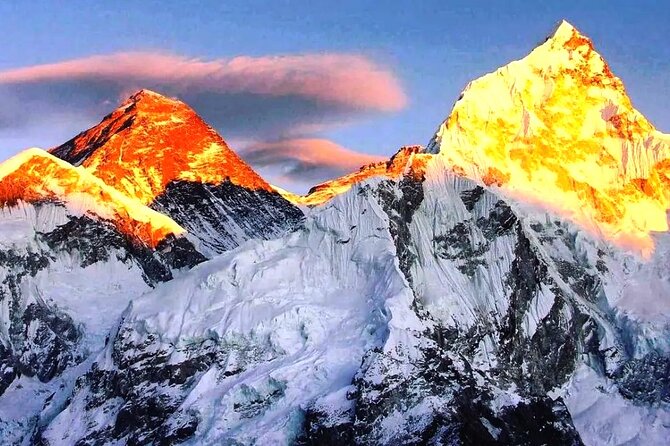
Everest Base Camp is one of those treks where the hype is justified, but the experience is still won or lost by logistics and pacing. This trip is built around doing both. You fly in, you trek with a licensed English-speaking guide, and you get two proper acclimatization days rather than just pushing higher every single day.
That matters because altitude does not care about your willpower. In the Khumbu, your best tool is time. This itinerary gives you that time in Namche Bazaar and in Dingboche, and it does it in a way that keeps the days interesting, not just slow and boring.
I also like that safety is not treated like an afterthought. A basic first aid kit is included, plus a pulse oximeter to monitor altitude-related oxygen levels. That does not remove the risks, but it shows you the organizer understands what trekkers actually need up high.
Price and value: what $1,399 buys you (and what you still pay)
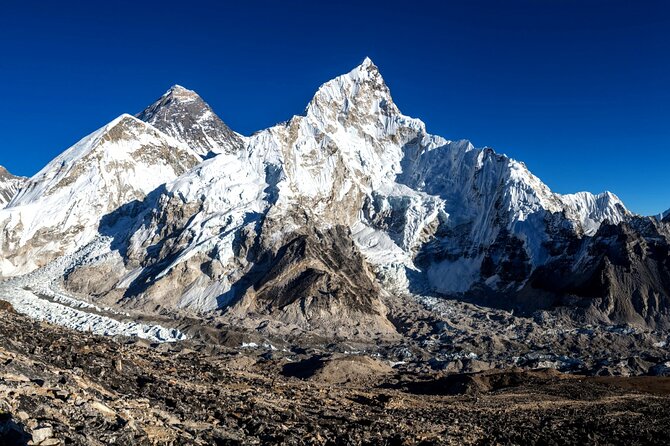
At $1,399 per person, the value looks strongest when you compare it to how many essentials are included. You are not just buying guiding. The package covers the big-ticket items most trekkers end up paying for anyway:
- Round-trip domestic airfare between Kathmandu (or Ramechhap during peak season) and Lukla
- A one-night deluxe hotel in Kathmandu with breakfast
- Twin-sharing teahouse accommodation during the trek
- All meals during the trek, including tea or coffee with breakfast
- Permits for the region (Sagarmatha National Park permit and TIMS card)
- A licensed guide, including guide salary plus meals and accommodation while trekking
The tradeoff is that you still need to handle personal costs. You are responsible for your international flights, the Nepal entry visa fee (available on arrival), and travel and medical insurance (strongly recommended). Also, hot showers, Wi-Fi, snacks, and extra comfort items tend to be on you, not included.
If you want maximum predictability and least hassle, this kind of package is a good fit. If you like customizing every detail yourself, you might find this more structured than you prefer.
Kathmandu to Lukla: turning Day 1 into altitude preparation
Your first day is all about getting to the Khumbu efficiently. You get hotel pickup, then you head to the airport for an early flight from Kathmandu to Lukla at 2,800m. Lukla’s airstrip is famous for a reason. Even if you do not love flights, this one is part of what makes an EBC trek feel like a real mountain journey instead of a long bus ride.
Once you land, you start trekking from Lukla toward Phakding. Expect a transition day where the goal is movement without overreaching. The day typically runs long in terms of travel time plus walking time, so bring the mindset that Day 1 is about settling in, not proving anything.
What makes this day work in the trip design is that it avoids the common mistake of treating your first hours in the mountains like they are the same as hiking at sea level.
Phakding to Namche Bazaar: bridges, climbs, and your first real Sherpa town
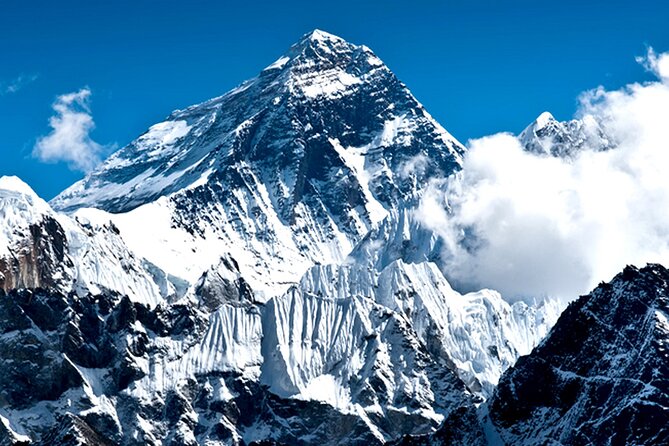
On the trek from Phakding to Namche Bazaar, you climb gradually and cross a series of suspension bridges. This is where the trail starts to feel like the Khumbu, with Sherpa-influenced villages, the rhythm of trekkers moving through, and repeated views that make you realize you are not just hiking a path, you are walking through a living region.
Namche itself is the trading center of the Khumbu. It is also where many trekkers start paying attention to how their bodies react. If you feel even slightly “off,” this is not the day to power through. You want to save energy for what comes next.
Also, a practical note: the trek is listed around a 7-hour walking day, so if you are new to trekking, it can feel like a lot. The good news is that the pace is not random. It is an intentional ramp up toward higher altitudes.
Other lodge to lodge routes near Kathmandu
Namche acclimatization day: optional views, plus downtime that matters
Day 3 is your acclimatization day in Namche Bazaar. The point is simple: go high enough to trigger adaptation, but not so hard that you pay for it later.
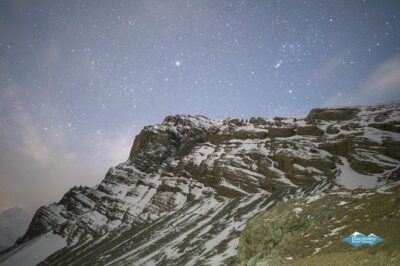
You have an optional hike to the Everest View Hotel for panoramic views of Everest and the surrounding peaks. Even if you do not push for the top viewpoint, you still benefit from being in Namche long enough to settle your breathing and watch for symptoms.
This is where your daily routine becomes your secret weapon. Eat, hydrate, and keep your pace conservative. If your head is pounding, your nausea is building, or you are not sleeping well, take that seriously. The point of a day like this is to help you adjust before the bigger altitude jumps.
Into Sagarmatha National Park: big sightlines after a gentle descent
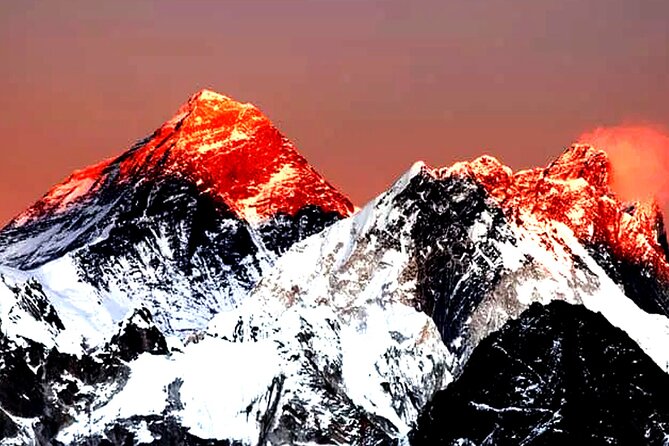
On the next trekking day, you move with a focus on scenery and altitude progression. You get panoramic views of Everest, Nuptse, and Ama Dablam along the route, then you descend through rhododendron forest for about two hours before climbing again toward your overnight point.
That “descend, then climb” rhythm is common in mountain trekking, and it can be tricky. It tempts you to speed up downhill, but quick steps can beat up your knees. I like that the itinerary does not hide this reality, because it sets you up for better walking technique.
This is also a moment where permits matter. You are entering a protected area managed through trekking regulations, so having the Sagarmatha National Park permit handled in advance helps you avoid a stressful snag mid-trip.
Dingboche: acclimatization as a lifestyle, not a box to tick
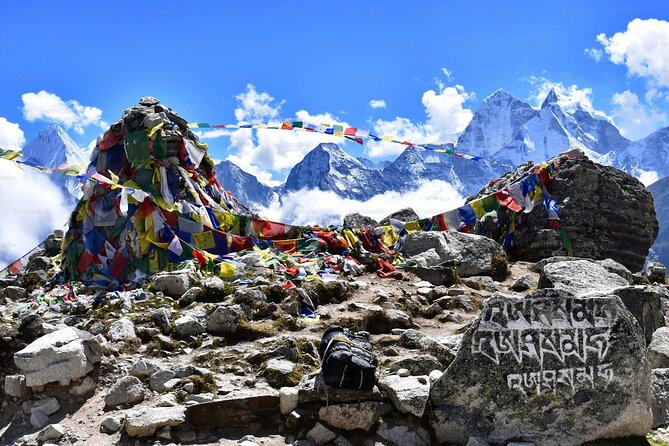
You reach Dingboche, a village in the Khumbu Valley known for panoramic views of peaks like Island Peak and other surrounding mountains. The trek toward Dingboche passes through alpine forest and also barren terrain, so the scenery changes in a way that keeps the walk from feeling monotonous.
Day 5 is another long day, roughly around 8 hours. Expect the path to feel more exposed as you go. That can make sun and wind more noticeable. Your best move is to keep layers ready and stay hydrated.
Then Day 6 is another acclimatization day. Here the trip makes altitude a main character. You spend the day in Dingboche to help your body adjust, with optional hikes such as Nagarjun Hill or toward the Chukhung area (the route option is listed as Chukhung).
If you want a practical rule for acclimatization days: choose one optional hike, not two. Keep it steady. You’re not trying to win a distance contest. You’re training your body to handle higher elevations.
Khumbu Glacier day: rocky terrain and a cold kind of excitement
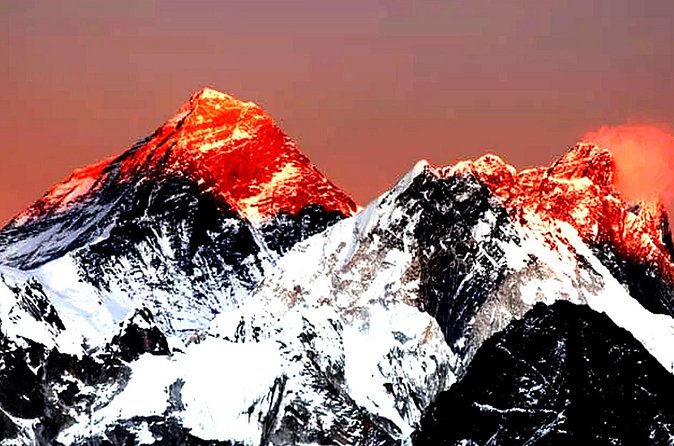
Day 7 starts early with a crossing of the Khumbu River, then you ascend gradually through rocky terrain and glacial moraines. This is the kind of day that reminds you you are trekking through a glaciated world, not just a mountain view postcard.
It also tends to be mentally satisfying. You get closer to the glacial zones and the views become harder to describe because they feel huge and specific at the same time.
If you have knee issues, pay attention here. Moraines and rocky footing can be more demanding than the trail through villages. Good trekking shoes and careful foot placement matter more than pushing faster.
From Gorak Shep to Everest Base Camp: the day the map becomes real
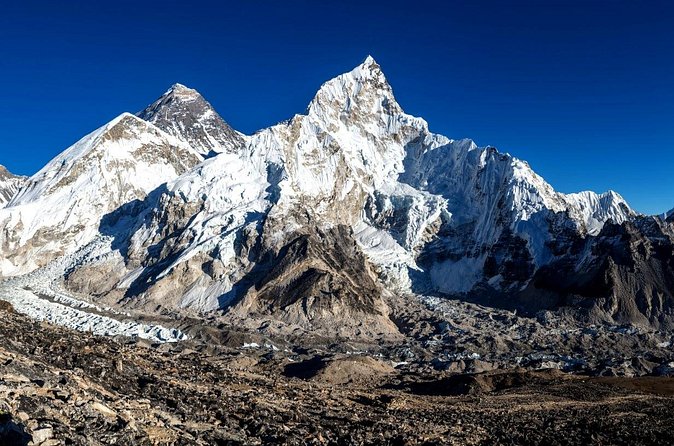
On Day 8, you trek from Lobuche to Gorak Shep, the final settlement before Everest Base Camp. You’ll reach there, have lunch, settle your bags, then continue toward Everest Base Camp.
This is a key turning point. You go from “marching toward a goal” to “arriving at the goal.” Even if you have read about Everest Base Camp your whole life, the real experience is the physical feeling of being surrounded by the scale of it all.
You also get the practical rhythm right. Lunch and bag settling happen before the final push, so you are not rushing while hungry or trying to rearrange gear mid-teleport into a high-altitude zone.
Teahouse trekking is often basic, but the package helps a lot by covering all meals and tea or coffee with breakfast. That means you can focus on the hike and not negotiate every meal at altitude.
Kala Patthar sunrise: the classic move, done for the right reason
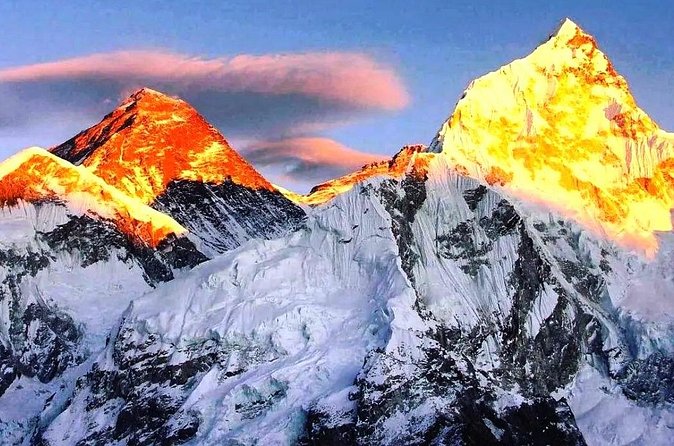
Day 9 is your early morning hike to Kala Patthar for sunrise views over Everest, Lhotse, and other peaks. Then you return to Gorak Shep and continue with the rest of the day.
Kala Patthar is famous because it gives a high-angle view that feels almost unreal. But the real value is not just photos. It’s your reward for all the acclimatization and careful pacing you followed earlier.
If you have trouble waking up early, set expectations now. A sunrise hike means cold, a dark start, and a steady climb when you are still half asleep. Bring warm layers and keep moving with patience.
Also, you are at higher altitude here, so remember that this is a hike, not a sprint. Let your breathing set the pace.
The descent back: keep your knees happy
After reaching the summit goal, Day 10 shifts toward descent. Descending is typically easier than ascending, but that does not mean it is gentle. The itinerary highlights that knee problems may show up, so you need to be careful with steps and balance.
I like that reminder because it’s often ignored. Many trekkers finish Everest Base Camp feeling great, then get punished on the way down. The fix is boring but effective: shorter steps, slower cadence, and frequent stops to shake out your legs.
This is also a day where you can watch terrain more than you focus on vertical progress. You’re turning the trek into a controlled walk, not a race.
Final trekking day and Kathmandu reset: celebrate, then recover
On Day 11, you do a short final trek and then spend the evening celebrating the successful completion with your guide, porters (if you have them), and fellow trekkers.
That celebration is more than tradition. It’s a chance to process what you did. Also, it’s practical. After days of altitude and effort, your mind can get tired faster than your legs. A planned evening gives you closure.
Day 12 brings you back to Tribhuvan International Airport by early flight to Kathmandu. Then you transfer to your hotel for downtime, relaxing or even exploring, plus a farewell dinner organized by the trip team.
If you do anything after you land, make it simple. Eat well. Hydrate. Let your body get back to normal gravity.
The Blissful Himalayas difference: organization, English support, and small-group feel
Blissful Himalayas has been operating in Nepal since 2011, and the biggest theme I saw in the feedback is how smoothly the trip runs from start to finish. People described it as magical and unforgettable, but the real praise wasn’t just the mountains. It was the way the experience was handled.
A standout detail from the reviews is the mention of guide Ramchandra, with trekkers saying he was organized and thoughtfully supportive, including thoughtful customization to match needs. When you are going to altitude and you cannot control the weather, that human factor matters.
It also helps that this is a private tour/activity, meaning only your group participates. That usually means less waiting, fewer awkward pacing mismatches, and a more direct experience with your guide.
Another point: porters are available upon request. That can be a game changer if you want help carrying gear while still doing the trekking yourself. If you bring your own porter, remember that tips are customary and appreciated, so factor that into your budget.
Who this trek is best for
This Everest Base Camp trek is a strong match if you:
- have moderate fitness and are willing to walk daily
- want an itinerary that includes real acclimatization days
- prefer a package that handles permits, domestic flights, meals, and teahouse stays
- like the comfort of traveling with a licensed English-speaking guide and not figuring everything out yourself
It might be less ideal if you:
- want total freedom to roam off-plan each day (this route is structured)
- are looking for maximum luxury, because teahouses are basic by nature
- are sensitive to early mornings and cold starts, since Kala Patthar sunrise is part of the core experience
Should you book Blissful Himalayas for Everest Base Camp?
If you want Everest Base Camp with less stress and more structure, I’d consider booking this. The price feels fair for what’s included, especially the domestic flights to Lukla, the permits, and the full trek meal plan. Add in the acclimatization days and the pulse oximeter included in the first aid kit, and you have a trip designed for the realities of altitude.
But go into it with clear expectations. You are still hiking in high mountains, and your success depends on pacing, hydration, and listening to your body. If you treat the trek like a process, not a speedrun, this is the kind of organized plan that can turn a huge goal into a satisfying, memorable journey.
FAQ
Is this Everest Base Camp trek private?
Yes. It is listed as a private tour/activity, meaning only your group will participate.
Are permits for the trek included?
Yes. The trip includes the Sagarmatha National Park Permit and the TIMS card.
What is included for meals and lodging during the trek?
You get twin-sharing accommodation in local teahouses during the trek, plus all meals (breakfast, lunch, and dinner), including tea or coffee with breakfast.
Do I need to arrange international flights and a visa?
International airfare to and from Kathmandu is not included, and the Nepal entry visa fee is also not included. The visa is available on arrival at the airport.
Is altitude monitoring included?
A basic first aid kit is included, and it includes a pulse oximeter to monitor altitude-related oxygen levels.
Can I cancel for a full refund?
Yes, free cancellation is available if you cancel at least 24 hours before the experience’s start time for a full refund. If it is canceled due to poor weather, you may be offered a different date or a full refund.
Lodge to Lodge Around Kathmandu
The Rest of Our Kathmandu Write Ups

Base Camp, Three More Ways
Everything else we have reviewed around Kathmandu
- 12 Days Everest Base Camp Trekking
★ 5.0 · 3 reviews - 1 Night 2 Days Chitwan Jungle Safari Tour from Pokhara or Kathmandu
★ 3.0 · 3 reviews - Thamel Rickshaw tour
★ 4.7 · 3 reviews - Kathmandu: Momo Making Class with a Local Chef
★ 5.0 · 3 reviews - Kathmandu: Full-Day Yoga, Body Massage and Pedicure Package
★ 5.0 · 3 reviews - From Kathmandu / Pokhara / Chitwan: River Rafting – 1 Day
★ 4.6 · 3 reviews
Everest Base Camp Treks worth a second look.
 ★ 5.0Everest Base Camp Trek – 14 DaysFrom $1,8001,499 reviews
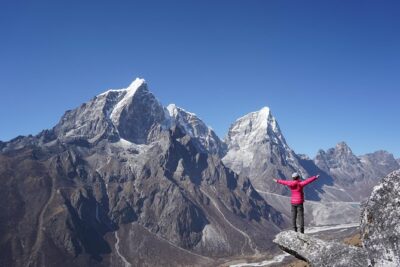 ★ 5.0Everest Base Camp TrekkingFrom $1,350485 reviews
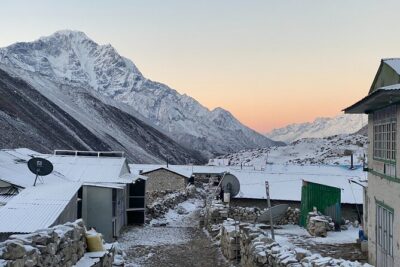 ★ 5.0Everest Base Camp Trekking – 13 DayFrom $1,399365 reviews
★ 5.0Everest Base Camp Trek -14 DaysFrom $1,420321 reviews
★ 5.0Everest Base Camp Trekking – 13 DayFrom $1,399365 reviews
★ 5.0Everest Base Camp Trek -14 DaysFrom $1,420321 reviews
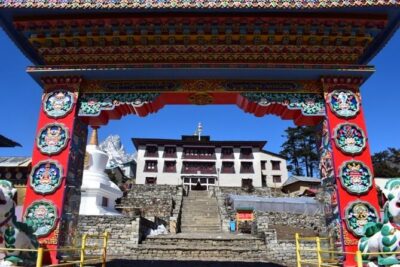 ★ 5.0Everest Base Camp Trekking – 2025/2026From $1,339199 reviews
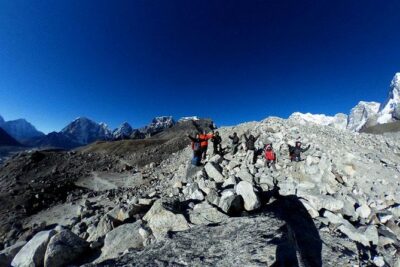 ★ 5.0Everest Base Camp TrekFrom $1,408193 reviews
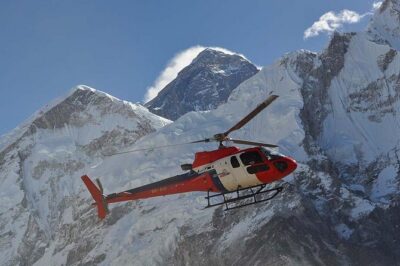 ★ 5.0Everest Base Camp Trek with Helicopter Return from Gorakshep to LuklaFrom $3,000161 reviews
14-Days Private Everest Base Camp TrekFrom $1,600152 reviews
★ 5.0Everest Base Camp Trek with Helicopter Return from Gorakshep to LuklaFrom $3,000161 reviews
14-Days Private Everest Base Camp TrekFrom $1,600152 reviews
Lists this tour sits in