
REVIEW · KATHMANDU UNESCO HERITAGE TOURS
Private Kathmandu Sightseeing Tour | UNESCO World Heritage sites
Kathmandu’s temples hit hard, in a good way. This private UNESCO sightseeing day strings together the city’s key Hindu and Buddhist monuments with a guide talking you through what you are looking at.
I especially love the hotel pickup and drop-off. It saves your day from the usual Kathmandu meeting-place chaos, and you can start sightseeing fast. I also like that you can choose a tighter day (2 UNESCO sites) or a fuller one (4 or 7), which makes this easier to match to your pace.
One thing to plan for: monument entry fees are not included. Also, if you are not a Nepali or Indian national of the Hindu faith, you may only view certain temple areas from the outside since inner premises access is restricted.
In This Review
- Key things to know before you go
- How the private UNESCO route really works in Kathmandu Valley
- Swayambhunath Monkey Temple: the quickest spiritual wow
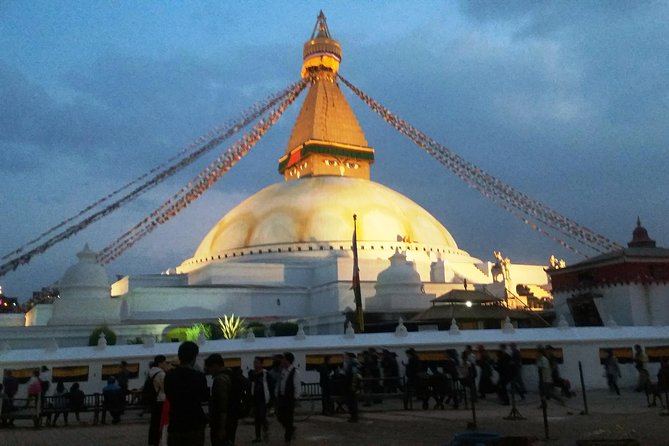
- Boudhanath Stupa: when the city slows down
- Pashupatinath Temple: where the rituals are powerful
- Patan Durbar Square, Patan Museum, and Sundari Chowk area
- How the longer 7-site day changes the feel
- Kathmandu Durbar Square, Thamel, and the “first-day orientation” effect
- Transport, guide quality, and why the day stays smooth
- Price and real value: entry fees and time tradeoffs
- Who this tour suits best, and who should consider another option
- Should you book this private Kathmandu UNESCO tour?
Key things to know before you go
- Choose your UNESCO intensity: 2, 4, or 7 sites depending on how much you want to pack in.
- Hotel transfers reduce stress: you do not waste time figuring out where to meet or how to get back.
- A strong mix of religions and rituals: Hindu temples, Buddhist stupas, and square-palace heritage.
- Guides can make small details click: people repeatedly mention guides explaining the meaning behind the ceremonies you see.
- Longer options mean more driving: the valley is packed, so travel time becomes part of the experience.
- Bring cash in Nepali rupees for sites: entrance fees are paid at each stop.
Other one shot sweeps of the Valley

How the private UNESCO route really works in Kathmandu Valley
Think of this as a guided circuit through the Kathmandu Valley’s most famous religious places, plus the palace-squares you see on every UNESCO map. Your day runs anywhere from about 4 to 10 hours, depending on whether you pick 2, 4, or 7 sites.
Because it is private, the pace is usually easier to manage. If you want a slower stroll inside a square or a bit more time at a stupa, your guide can generally adjust. In many recent tours, English-speaking guides like Dipesh, Deepak, Bidhya, Shankar, Mukesh, and Prasant got praised for keeping explanations clear and for being flexible when plans changed.
You’ll also be in an air-conditioned private vehicle for the moving parts. That matters in Kathmandu, where traffic can turn a “short drive” into a longer sit. If you hate being rushed, a private day like this is a big upgrade.
Swayambhunath Monkey Temple: the quickest spiritual wow
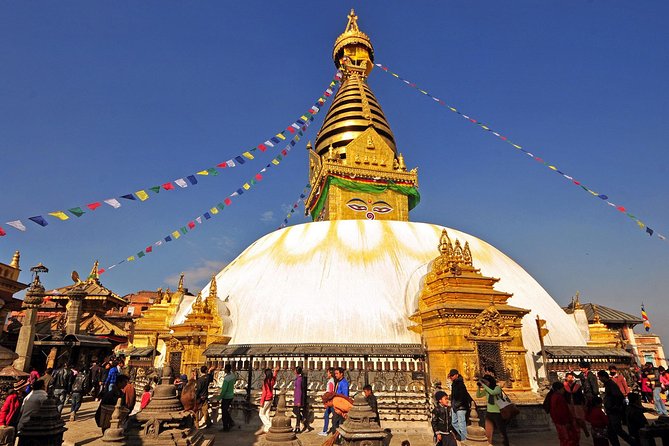
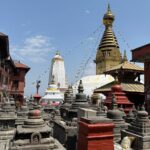
Swayambhunath, often called the Monkey Temple area, is where you get that classic Kathmandu silhouette feeling. You spend about 30 minutes here, so it is a “see, understand, and savor the atmosphere” stop more than a long hike.
What makes Swayambhunath special is the mix. You’re looking at Buddhist symbolism, and you are also surrounded by the very living, noisy energy of a working spiritual neighborhood. Monkeys are part of the scene, so watch your pockets and sunglasses, and keep a hand free for basic control.
Practical tip: wear shoes you can move in quickly. The ground can be uneven, and the crowd flow changes fast at a viewpoint like this. If your guide is good (and multiple guides on this tour get high marks for pacing), you will come away with the “why” behind what you see, not just photos.
Boudhanath Stupa: when the city slows down
Boudhanath Stupa is one of those places where people start moving differently. You get around 1 hour here, which is just enough time to see the main stupa complex and notice the rhythm of the area.
Boudhanath is Buddhist, and it feels noticeably different from the Hindu temple energy. Prayer happens in loops, people watch the world with calm faces, and the whole place seems built for reflection. Your guide’s role here is important because the stupa is not just scenery. With the right explanation, the carvings, flags, and ritual behavior make more sense.
If you are planning your photos, go for a few minutes outside the busiest angles first. Then circle back for the classic view. This is also a great stop if you want to break up the louder parts of the day.
Pashupatinath Temple: where the rituals are powerful
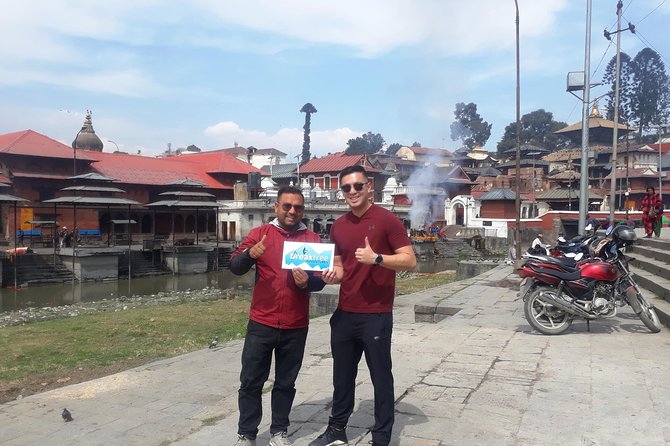
At Pashupatinath, you are stepping into one of Nepal’s most important Hindu temple landscapes. You are scheduled for about 1 hour at Pashupatinath, and the tour includes a second Pashupatinath-related segment in the plan, which usually gives your group time to slow down around key views.
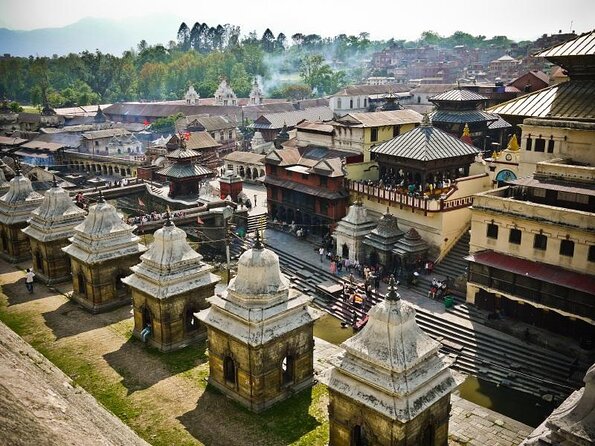
Pashupatinath is also tied to the Bagmati River. Ceremonies can be intense, and the best approach is respectful distance. If your timing lines up, you might witness or at least observe funeral and cremation moments from the correct public vantage point. One past guest specifically mentioned being there when a cremation was about to happen, and the guide helped them understand what they were seeing.
Important rule to keep in mind: access to inner premises of Hindu temples is limited. Only Nepali and Indian nationals of the Hindu faith can enter inner areas during the tour, so most other visitors should plan on outside viewing and listening to the guide’s explanations.
If you tend to get uneasy at ritual spaces, tell your guide early. A good guide will help you position yourself so you can watch without feeling overwhelmed, and you can still learn what matters.
Other seven site heritage runs
Patan Durbar Square, Patan Museum, and Sundari Chowk area
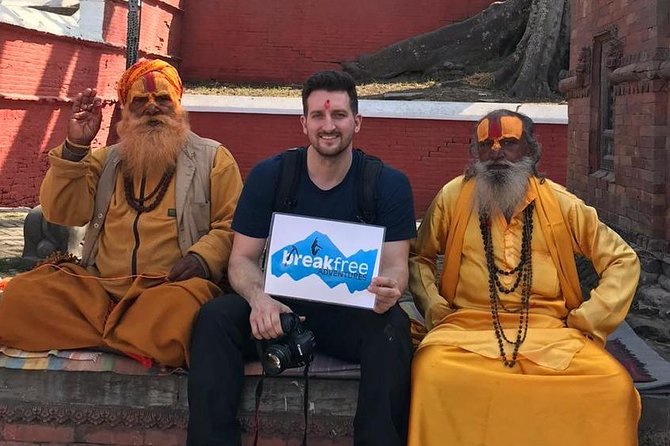
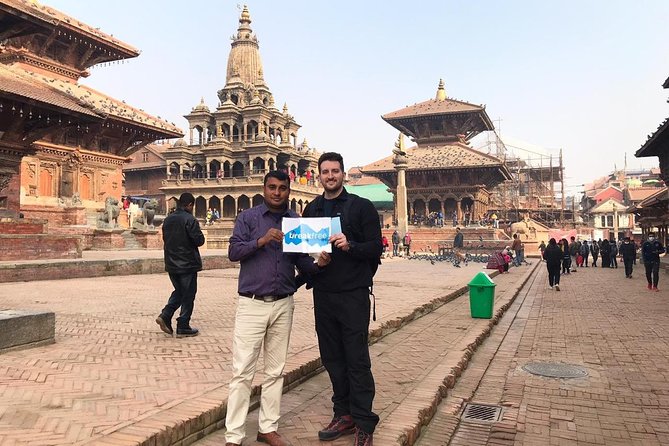
Patan is the quieter cousin of Kathmandu in many ways, and it rewards you for paying attention to detail. You typically spend about 1 hour at Patan Durbar Square, then a shorter visit to Patan Museum.
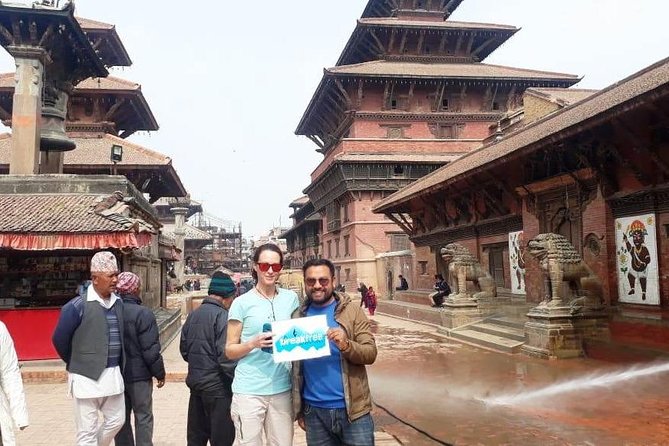
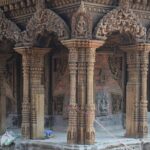
At Patan Durbar Square, you are looking at a layered royal and religious complex. It is where palace architecture meets temple culture, and the carvings can feel like a whole language. This stop is a good time to ask your guide to point out the symbolism. That is exactly what multiple guides were praised for, turning what could be a quick look into a more meaningful read of the place.
Then you head to Patan Museum, where you get about 30 minutes. The museum is described as a collection of old palaces, courtyards, temples, and areas like Sundari chowk. Even if you keep it brief, it helps you understand how the city’s art and everyday sacred life connect.
If you like walking but not getting stuck in crowds, this portion of the day is a nice balance. You get both open-space atmosphere and indoor context.
How the longer 7-site day changes the feel
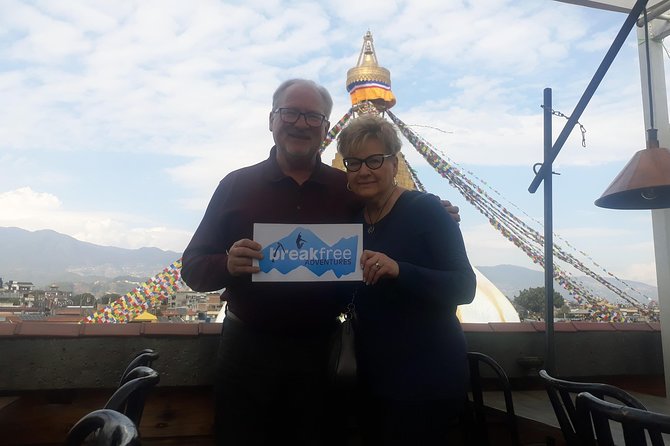
If you choose the longest option, the day stretches and the driving becomes part of the plan. That can still be worth it, but you need the right expectations. One past guest felt the 7 UNESCO option was too much and preferred the 4-site pacing, which is a good sign you should match the number of sites to your energy.
Bhaktapur is one of the biggest additions on longer routes. You get around 2 hours at Bhaktapur Durbar Square, which means you can actually slow down here, not just pass through. Bhaktapur’s streets and squares tend to feel more preserved than many modern city areas, and it’s a place where your guide’s explanations make the architecture feel “alive” instead of just decorative.
Changu Narayan Temple is another frequent UNESCO stop on longer routes. You get about 30 minutes here. It is a shorter visit by design, so focus on the standout features and let your guide connect the temple’s setting to its UNESCO significance.
Swayambhu can also appear as a separate stop on some schedules. In the tour details, one Swayambhu segment is marked as free admission, so if you care about entry costs, that’s worth noticing.
Kathmandu Durbar Square, Thamel, and the “first-day orientation” effect
Not every UNESCO stop is a full-time walk. Part of the experience is getting the lay of the land in the valley, and that is where Kathmandu Durbar Square and a Thamel moment can be useful.
Kathmandu Durbar Square is scheduled for about 30 minutes. It is a compact stop, so you’ll want to be ready to look quickly but intelligently. Your guide should be able to translate what you see into a story about power, religion, and how Kathmandu developed.
Then there is Thamel, Kathmandu’s central tourist hub, where the plan includes a short stop or reference point. Even if you do not shop much, this is a handy place to re-orient yourself for your remaining days. It’s where you can usually find food, supplies, and the energy level of the city in one small area.
If you are arriving and want to use your first day to get your bearings fast, this “tour plus orientation” effect is one reason guests love this format.
Transport, guide quality, and why the day stays smooth
This tour lives or dies on two things: the guide and the driver. The good news is that the feedback is heavily positive about both.
People repeatedly highlight guides like Dipesh, Deepak, Bidhya, Shankar, Kabin, and Prasant for making each stop understandable. They also mention patience, clear communication, and pacing that does not feel like a factory line. The consistent theme is that the guide explains rituals and cultural meaning before you walk around, which helps you see more in less time.
The driver matters too, especially with Kathmandu traffic. One guest specifically praised a driver for handling the chaos, and another mentioned a steady cool driver and a comfortable, safe ride through tight streets.
You also get a private air-conditioned vehicle and hotel transfers from Kathmandu city-center hotels. That combination is a big deal for value because it reduces time you would otherwise spend negotiating taxis and guessing routes.
A small but practical detail: there is an option to take a lunch break during the day. Your guide can recommend places nearby that are well-known and convenient, which is one less problem for you to solve mid-tour.
Price and real value: entry fees and time tradeoffs
The listed price is $17 per person, which is low for a private, hotel-transfer day with an English-speaking guide and air-conditioned vehicle. Even with that bargain price, you still need to budget for monument entry fees, since they are not included.
Here are the fees as they are presented:
- NPR 1400 for 2 UNESCO sites
- NPR 2600 for 4 UNESCO sites
- NPR 5800 to NPR 6000 for 7 UNESCO sites (the tour details list both figures)
You also can pay in Nepali rupees at each site. SAARC nationalities are listed as having lower fees, so if you qualify, ask your guide how the price works for you.
So is it good value? Usually yes, if you fit one of these scenarios:
- You are short on time and want a structured overview of Kathmandu Valley’s main heritage areas.
- You want fewer logistics headaches, especially with hotel pickup and private transport.
- You appreciate explanations, not just sightseeing photos.
The main tradeoff is that the longer the UNESCO list, the more you trade deep time for coverage. If you are the type who wants to sit and watch every detail without moving on, you may feel more rushed on a 7-site day. That is why many guests gravitate toward the 4-site option for a “just right” balance.
Who this tour suits best, and who should consider another option
This tour is a strong match for first-time visitors who want a clean introduction to Nepal’s spiritual architecture. It also works well for solo travelers, because a private guide can adapt the pacing and answer questions without group pressure.
It is also a good fit if you like religious history and cultural context, because the best parts happen when you understand what you are seeing. Many past guides got praised for connecting Buddhism and Hinduism to the rituals happening at the sites.
You might want to choose fewer stops if:
- You get tired from long drives and want more walking time in one place.
- You prefer slow museum-and-courtyard wandering over moving to the next square.
- You are sensitive to the emotional intensity of funeral and cremation areas at major Hindu sites.
Should you book this private Kathmandu UNESCO tour?
If you want the most efficient way to see major UNESCO highlights in one day, this is an easy yes. The value is strong for the price, mainly because private transport and hotel transfers remove real friction, and the guide adds meaning that you cannot reliably get on your own.
I’d book the 4 UNESCO version if you want a day that feels full but not frantic. I’d book the 2 UNESCO version if you are recovering from travel or you just want the spiritual highlights without rushing between squares. I’d only go for 7 UNESCO sites if you know you love packed days, because the driving and walking add up fast.
Final practical checklist: bring cash for entrance fees in Nepali rupees, wear shoes for uneven temple areas, and be ready to follow your guide’s cues for respectful viewing at active religious sites. If you do that, this tour is a smart, low-stress way to understand Kathmandu Valley fast.
The Rest of Our Kathmandu Write Ups

Seven Sites, Other Routes
One More Valley Day
Everything else we have reviewed around Kathmandu
- 12 Days Everest Base Camp Trekking
★ 5.0 · 3 reviews - 1 Night 2 Days Chitwan Jungle Safari Tour from Pokhara or Kathmandu
★ 3.0 · 3 reviews - Thamel Rickshaw tour
★ 4.7 · 3 reviews - Kathmandu: Momo Making Class with a Local Chef
★ 5.0 · 3 reviews - Kathmandu: Full-Day Yoga, Body Massage and Pedicure Package
★ 5.0 · 3 reviews - From Kathmandu / Pokhara / Chitwan: River Rafting – 1 Day
★ 4.6 · 3 reviews
Kathmandu UNESCO Heritage Tours worth a second look.
 ★ 5.0Full Day 7 UNESCO Tour with Lunch – Private/GroupFrom $10415 reviews
 ★ 5.0Full Day Top 4 UNESCO Tour with Lunch – Private/GroupFrom $10269 reviews
 ★ 5.0UNESCO Seven World Heritage Tour in KathmanduFrom $180253 reviews
★ 4.9Full-Day 7 UNESCO Tour with Lunch – Private/GroupFrom $5247 reviews
★ 5.0UNESCO Seven World Heritage Tour in KathmanduFrom $180253 reviews
★ 4.9Full-Day 7 UNESCO Tour with Lunch – Private/GroupFrom $5247 reviews
 ★ 4.97 UNESCO Sites Tour in 1 Day (Private Tour)From $4204 reviews
 ★ 4.9Top 4 UNESCO Tour with Lunch – Private/GroupFrom $5181 reviews
 ★ 5.0Bhaktapur & Patan Durbar Square Day ToursFrom $50122 reviews
 ★ 5.0Kathmandu Private Sightseeing Tour | UNESCO World Heritage SitesFrom $35109 reviews
Lists this tour sits in