
REVIEW · CHITWAN JUNGLE SAFARIS
From Kathmandu / Pokhara / Chitwan: River Rafting – 1 Day
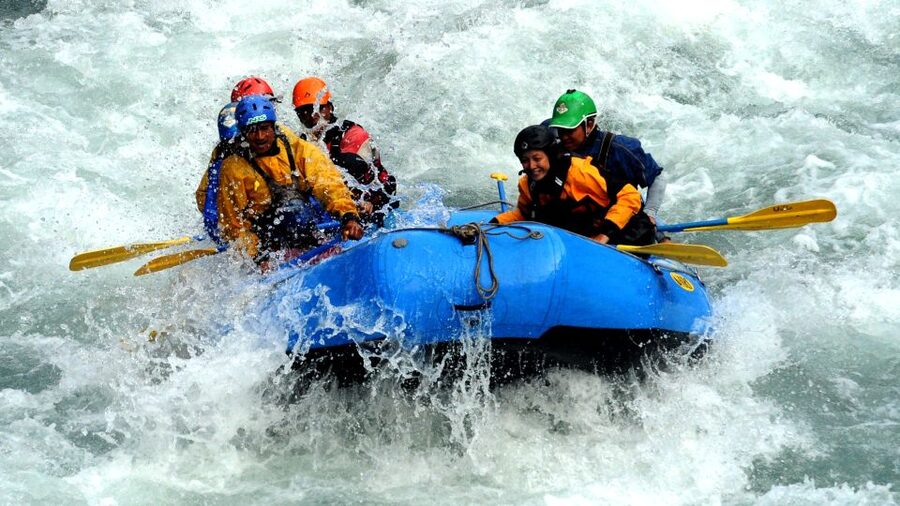
A muddy raft day can sound simple, until you hit real rapids. This one day Trishuli River rafting is built around a half-day run, a safety first briefing, and the moment you line up for the main Upset section. It is a fun way to get Nepali white water thrills without committing to a multi day expedition.
I like that you get a licensed English-speaking rafting guide plus a safety kayaker. I also like the mix of rapids, small and big, so you feel the action even if you are not a full-on adrenaline hunter.
One thing to consider: it is not suitable for pregnant women, and you will want to be comfortable with getting wet and changing fast after the run.
In This Review
- Key things to notice before you go
- Trishuli River rafting, the kind that feels real
- Getting to the river: pickups that match where you are staying
- Safety briefing and your raft crew: how you stay confident
- The rapids plan: small and big, with the Upset as the highlight
- Lunch on the river beach: fuel before the harder part
- What equipment and permits cover, and what they do not
- Duration and how long you should block your day
- What to bring so you actually enjoy it
- Who this rafting day is for, and who should skip it
- Price and value: why $43 can make sense
- The overall feel: friendly crew, coached adrenaline
- Should you book this Trishuli River rafting day?
- FAQ
- How long is the rafting experience?
- Where does the rafting take place?
- What is included in the price?
- What languages are available for the guide?
- What should I bring?
- Is it suitable for pregnant women?
Key things to notice before you go
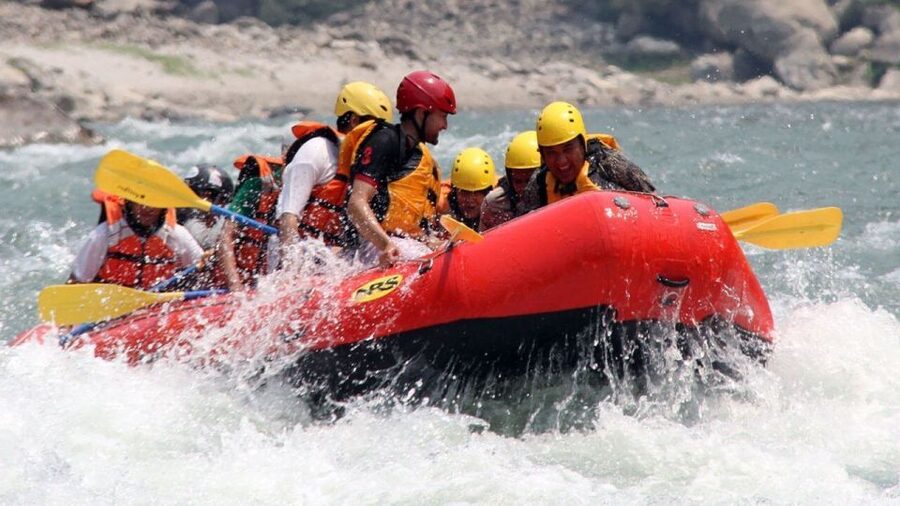
- Trishuli River half-day run with about 2.5 hours on the water, rated for classic Nepal excitement
- Majhimtar to the Upset rapid is the main story, with one tricky section rated around grade 3 to 4
- Lunch by the river beach comes right before you tackle the Upset part
- Rapids named in Nepali and common names, plus the rafter will explain what you are looking at
- International standard rafting equipment and a first aid kit on hand
- Multiple pickup options so you can match the trip to Kathmandu, Pokhara, Lumbini, or Chitwan
Still picking a Chitwan package?


Trishuli River rafting, the kind that feels real
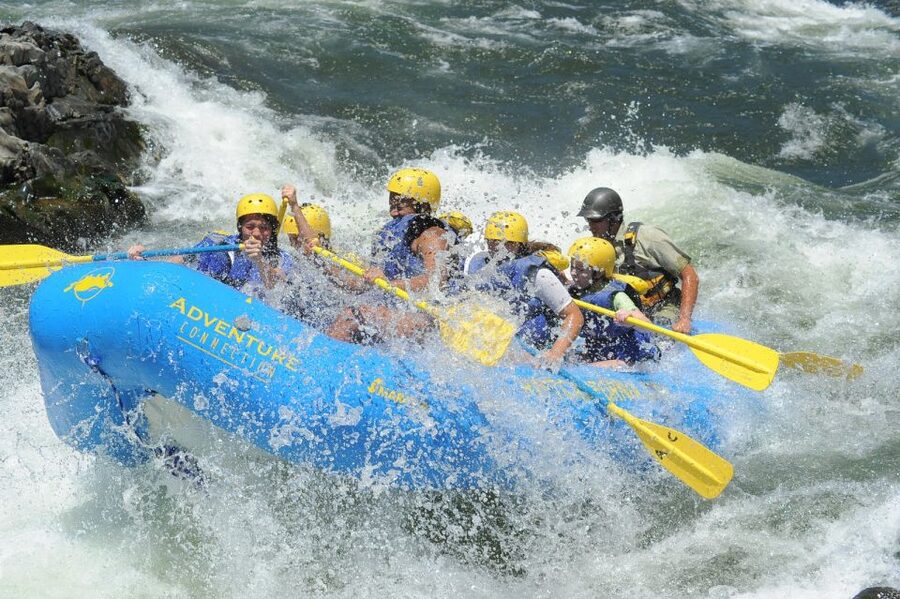
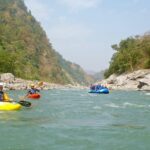
White water rafting in Nepal is not staged. The river does what the river does, and that is why this kind of day out is so satisfying. On the Trishuli, you get continuous momentum, with several small and big rapids spread through the run.
The tour runs in a classic half-day structure. You start early, you meet your raft crew, and you do a short safety briefing before paddling begins. Then you spend roughly 2.5 hours riding the rapids, with the biggest focus on the sequence after Majhimtar.
If you like your adventure with clear coaching, this is a good fit. You are not just handed a paddle and told good luck. A licensed guide runs the show, and the safety kayaker supports you from the water.
Getting to the river: pickups that match where you are staying
Most rafting days live or die by logistics, because nothing kills fun faster than a long, confusing transfer. This one gives you four pickup options, including Chitwan, Lumbini, Pokhara, and Kathmandu. That matters because you can travel to the start point without stitching together extra rides.
After the rafting finishes, you do not just get dumped and disappear. You head to a put-out point and then get transferred onward to Chitwan National Park, Pokhara, and back to Kathmandu. Practically, that can help you keep one cohesive itinerary instead of planning a separate transport day.
For you, the smart move is simple: pick the pickup closest to your base, then plan to move around the day of rafting. Even if the rafting itself is about 2.5 hours, the full activity includes travel and timing built around the river.
Safety briefing and your raft crew: how you stay confident
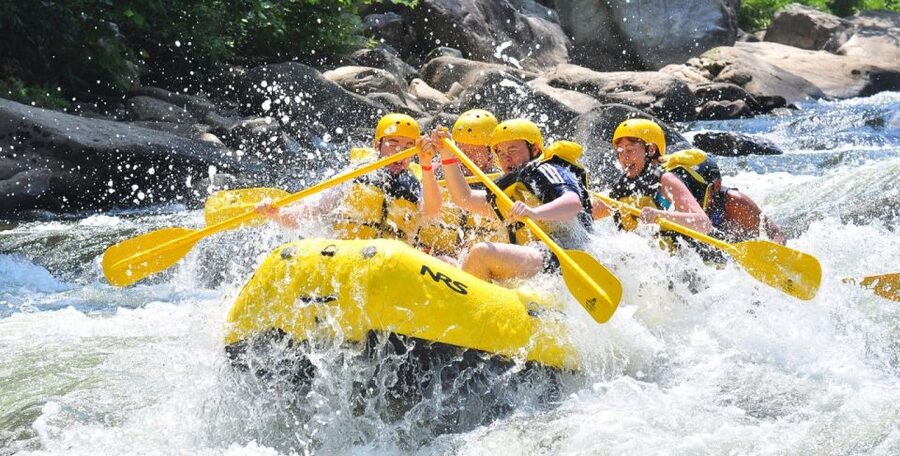
Before you push off, you meet your raft crew and get a short briefing on safety procedures. This step is small in time, but it is big in effect. You learn what to do, how to follow commands, and how to react when the river gets loud.
What stands out here is the staffing. You have a licensed rafting guide, plus a safety kayaker, and that combination is meant to keep you both informed and protected. The tour also includes a first aid kit, along with river permits.
Also, you are not limited to one language. The tour guide can work in English, Nepali, Japanese, and Hindi, which is genuinely useful if your group includes different backgrounds. Clear communication on a rapid day helps you stay calm, even when the water is moving fast.
The rapids plan: small and big, with the Upset as the highlight
The rafting run is not just one big moment. It is a sequence. You hit several small to big rapids during the half day, so the river keeps you alert and engaged.
The main interesting section is after Majhimtar, just before the Upset rapid. That is where you get the sharper part of the ride. Based on the Colorado River rating scale referenced for this rapid, it is rated around grade 3 to 4. In plain terms, that usually means stronger waves, a more demanding line through the water, and less room for mistakes.
Here is a detail I think you will appreciate: tricky rapids come with Nepali names and common names. Your rafter tells you what the rapid is called, so you have something to remember besides splash and noise. It also helps you understand what the crew is aiming for when they position the raft.
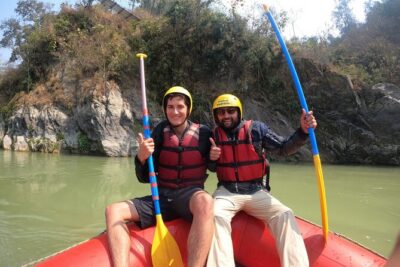
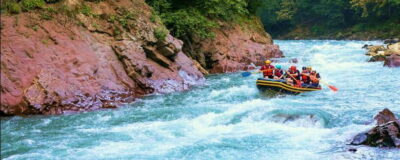
More time on Nepali whitewater
Lunch on the river beach: fuel before the harder part
One of the smartest choices in this itinerary is lunch placement. You eat on the beach of the river just before you go through the Upset rapids. That means you have energy right when the ride gets more serious.
For you, the practical value is comfort plus timing. You can warm up, eat a real meal, and reset your gear habits before the most challenging stretch. Also, if you tend to get shaky when you skip meals on active days, this schedule is designed to prevent that.
Since lunch is included, you do not have to hunt for food near the river. Just plan to treat it like part of the adventure, not an afterthought.
What equipment and permits cover, and what they do not
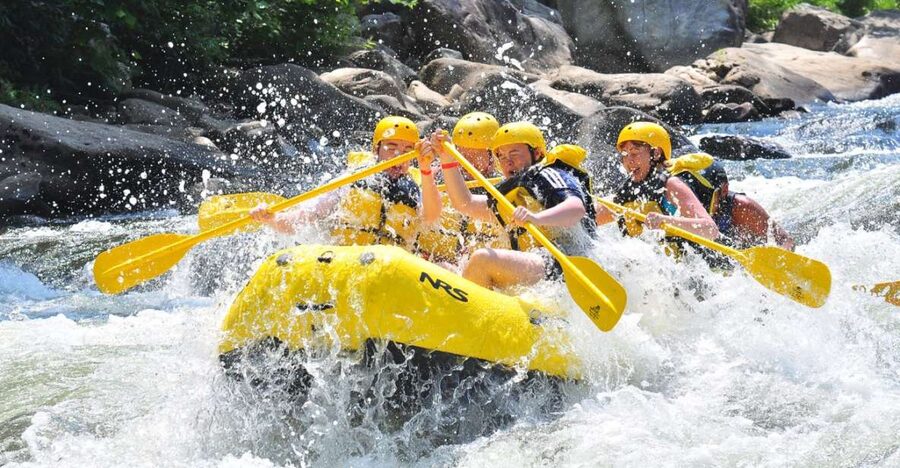
You get international standard rafting equipment. That covers the essentials you need to paddle safely and stay protected as you go through rapids. You also get a first aid kit and river permits, which is how the operator handles the official side of rafting in the region.
The tour includes licensed guidance and safety support, which is the part that matters most. Equipment helps, but good instruction and quick responses matter when water changes quickly.
One item not included is personal insurance. That is a normal omission in many activity listings. Before you book, it is worth checking your insurance coverage for adventure sports like rafting, or using a travel policy that explicitly includes it.
Duration and how long you should block your day
The duration is listed as 3 hours, with the rafting itself around 2.5 hours. Realistically, your whole day will be longer because of the pick up and transfers.
Here is how to plan it so you do not feel rushed. Treat this as a half-day activity plus transport time, and keep your next commitment flexible. If you are moving between Kathmandu, Pokhara, Chitwan, or Lumbini on the same day, plan buffer time.
Also check starting times for your date. The schedule depends on availability, so you will want to confirm when your rafting session begins.
What to bring so you actually enjoy it
This is one of those days where a small packing choice makes a big difference. Bring change of clothes and sandals. That is all you really need from the supplied guidance.
My practical advice for you: pack dry clothes in a bag you can close well. You will likely get wet, and you will want a fast change when you reach the put-out point. Sandals help you handle river and beach transitions, especially if you do not want to wear rafting footwear the whole day.
If you wear anything valuable, keep it secure and out of the main splash zones. The briefing will explain basic safety and movement habits, but you should still assume you are going to be dealing with water.
Who this rafting day is for, and who should skip it
This experience is a strong match for people who want serious white water without a major time commitment. You get multiple rapids, a featured grade 3 to 4 Upset section, and a guided crew with safety support.
It is also a good fit if you like instruction and storytelling. When rapids are named in Nepali and common names, you are not just surviving the river. You are learning how to read it.
Skip it if you are pregnant. That is the only explicit non suitability listed, but if you have any medical conditions, treat that as a reason to ask the operator beforehand. With grade 3 to 4 sections, you need to be sure the activity is safe for your situation.
Price and value: why $43 can make sense
The price is $43 per person, which can sound low or fair depending on what is included. Here is the value breakdown that matters.
You are paying for:
- licensed English speaking rafting guide and safety kayaker
- international standard rafting equipment
- lunch
- one-way tourist transport and one-way public transfer
- river permits and a first aid kit
What that means for you is less hassle and fewer hidden costs. You are not just buying a seat on a raft. You are buying transport to the start point, guidance, meals, and the legal and safety setup.
The only notable extra cost mentioned is personal insurance, so your main budgeting issue is just making sure your policy covers rafting. If you already have travel insurance, you may be set.
The overall feel: friendly crew, coached adrenaline
The best part of this style of rafting day is the balance. You get the thrill, but you also get structure. The guide and staff are described as very friendly, and that quality matters on the water. A calm, friendly crew makes it easier to listen during commands and focus on paddling.
If you are nervous about rafting, friendliness plus briefing helps. If you are excited about rafting, the grade 3 to 4 Upset focus gives you something to look forward to.
Either way, the day is built to move smoothly. Pickup, briefing, paddling, lunch, the harder rapid sequence, then transfer out. It is a clear arc.
Should you book this Trishuli River rafting day?
I think you should book it if you want one day of real Nepali white water with guided safety, lunch included, and the option to start from Kathmandu, Pokhara, Chitwan, or Lumbini. The Upset rapid focus after Majhimtar is the kind of highlight that makes the time worth it, especially with a cited grade around 3 to 4.
You might pass if you are extremely risk averse, because the river includes rapids of meaningful intensity, or if pregnancy applies. If you want a slower, purely scenic water day, this is probably not the match.
One last decision tip: choose the pickup that reduces your total travel stress. On an adventure day, comfort on the way out often determines how good the ride feels when you hit the rapids.
FAQ
How long is the rafting experience?
The activity is listed as 3 hours, and the rafting on the Trishuli River is about 2.5 hours.
Where does the rafting take place?
The rafting is on the Trishuli River in Nepal. The activity is associated with Bagmati Zone, Nepal.
What is included in the price?
Included are one-way tourist transport and one-way public transfer, a licensed English-speaking rafting guide and safety kayaker, international standard rafting equipment, lunch, a first aid kit, and river permits.
What languages are available for the guide?
The live tour guide is available in English, Nepali, Japanese, and Hindi.
What should I bring?
Bring change of clothes and sandals.
Is it suitable for pregnant women?
No, it is not suitable for pregnant women.
The Rest of Our Kathmandu Write Ups

Nepal by River
Down in Chitwan
Everything else we have reviewed around Kathmandu
- 12 Days Everest Base Camp Trekking
★ 5.0 · 3 reviews - 1 Night 2 Days Chitwan Jungle Safari Tour from Pokhara or Kathmandu
★ 3.0 · 3 reviews - Thamel Rickshaw tour
★ 4.7 · 3 reviews - Kathmandu: Momo Making Class with a Local Chef
★ 5.0 · 3 reviews - Kathmandu: Full-Day Yoga, Body Massage and Pedicure Package
★ 5.0 · 3 reviews - From Kathmandu / Pokhara / Chitwan: River Rafting – 1 Day
★ 4.6 · 3 reviews
Chitwan Jungle Safaris worth a second look.
 ★ 5.0Jungle Towernight Stay In Chitwan National Park ,nepal-2 Nights 3 Days PackageFrom $225186 reviews
 ★ 5.03-Day Chitwan National Park Jungle Safari Tour Package with Pick UpFrom $180184 reviews
 ★ 4.63-Day All-Inclusive Chitwan SafariFrom $149133 reviews
 ★ 4.63-Day Chitwan Safari Tour with Hotel TransfersFrom $151127 reviews
 ★ 4.73 Day Chitwan Jungle Safari TourFrom $12987 reviews
 ★ 5.03 Nights 4 Days Chitwan National Park with Tower Night StayFrom $35041 reviews
 ★ 4.7Private 3-Day Chitwan Safari TourFrom $16834 reviews
 ★ 4.52 Days Chitwan Jungle Safari Tour from Pokhara/KathmanduFrom $11727 reviews
Lists this tour sits in