
REVIEW · WHITE WATER RAFTING IN NEPAL
Rafting in Nepal: Trishuli, Bhotekoshi & Other River Rafting
Whitewater rafting near Kathmandu can feel surprisingly manageable. What makes this outing interesting is the mix of hotel pickup and well-trained guides, so you spend less energy on logistics and more time on the river. It also fits different comfort levels, from beginner rapids on Trishuli to serious adrenaline on Bhote Koshi.
I also like the scenic drive that gets you out of Kathmandu without stress, plus the fact that you are on a warm-water river much of the year. That matters here, because Nepal rafting is not just about the rapids, it is about having a day that feels good before and after you hit the water.
One real consideration is transportation. If you choose the public bus option, the public transport ride can be slow and crowded, and the total time on the water may feel shorter than what you hoped for.
In This Review
- Key highlights before you book
- Why Trishuli and Bhote Koshi rafting are built for quick Nepal days
- Price and value: what $90 buys you from Kathmandu
- Getting to the put-in: road time is part of the experience
- Trishuli River stop: Class II and III rapids for your first real run
- Bhote Koshi stop: Class III to V rapids when you want real adrenaline
- Safety briefing and guides: why it matters more than you think
- Time on the water: expect a real ride, but not a full wilderness expedition
- Lunch and breaks: included food you can actually use
- What to pack for Nepal rafting from Kathmandu
- Transportation choices: where the experience can make or break your day
- Who this rafting day fits best
- Should you book this Nepal rafting day trip?
- FAQ
- Which rivers are included in this rafting experience near Kathmandu?
- How long does the trip take?
- What level are the rapids on Trishuli and Bhote Koshi?
- Is hotel pickup and drop-off included?
- Is lunch included?
- Do I have a choice of transportation?
- What happens if weather is poor?
- What is the cancellation window for a full refund?
Key highlights before you book
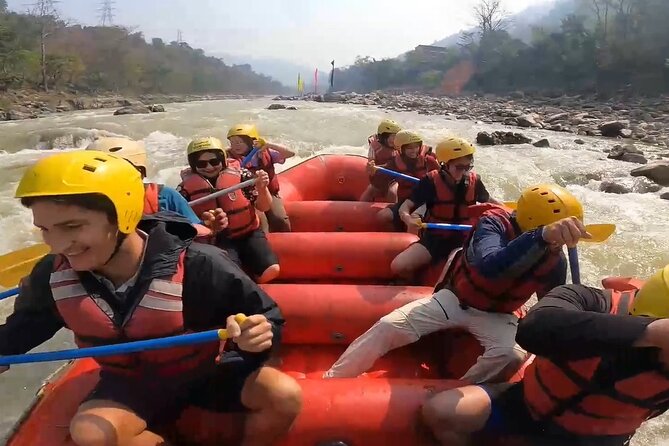
- Hotel pickup and drop-off make it easy to start and end the day in Kathmandu
- Trishuli River runs mostly Class II and III, a strong first whitewater choice
- Bhote Koshi River goes tougher with Class III to V rapids for stronger adrenaline
- Nepali lunch is included, so you are not hunting for food mid-day
- Small group size (up to 15) keeps the day feeling organized on the water
More time on Nepali whitewater
Why Trishuli and Bhote Koshi rafting are built for quick Nepal days
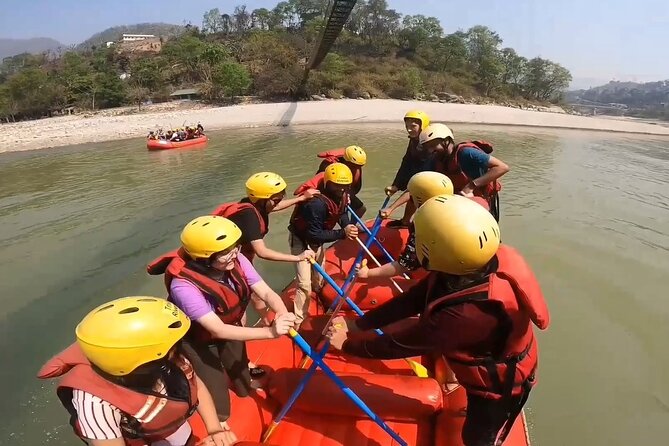
Nepal has plenty of multi-day river adventures, but this one is designed for people who want a real whitewater day without losing half their trip to travel. From Kathmandu, you ride out to the river area, get briefed, gear up, and then run rapids with a crew that knows how to keep things controlled.
The key idea is balance. Trishuli is your on-ramp, with easier rapids that still feel like rafting, not just “floating with a few bumps.” Bhote Koshi is the jump in difficulty, with rapids that come harder and faster through narrow stretches of river.
I also appreciate the seasonal logic. The waterflow on these rivers can make rafting possible in most seasons, so you are less likely to show up during a dead period than with some more remote trips.
Price and value: what $90 buys you from Kathmandu
At around $90 per person, this outing is priced like a day-trip value play, not a luxury expedition. The price makes sense because so much is included for you, not just the rafting itself.
You get:
- pick up and drop off at your hotel
- transport to the put-in and back toward your start area
- rafting expenses and the required gear
- a typical Nepali lunch
- time on the water with guides and safety support
When you compare that to the cost of renting gear, arranging separate local transport, and feeding yourself all day, the bundle starts to look fair. The bigger “hidden cost” is your own time on roads, which is why choosing private transport can be a real value upgrade if your schedule is tight.
Getting to the put-in: road time is part of the experience
The rafting day is not just what happens on water. The drive from Kathmandu is a big chunk of your day, and it can vary based on whether you take public or tourist bus service.
In practice, plan for a longer morning than you want:
- some days the drive is roughly 2.5 hours one way
- other days, especially with public buses, the trip can run over 5 hours due to overcrowding and delays
That variability is why hotel pickup is such a big deal. It reduces confusion, especially in Kathmandu neighborhoods like Thamel where you can otherwise lose time just finding the right meeting spot.
My advice is simple: if you are prone to getting carsick or you hate long, stop-and-go commutes, opt for private transportation when you can.
Trishuli River stop: Class II and III rapids for your first real run
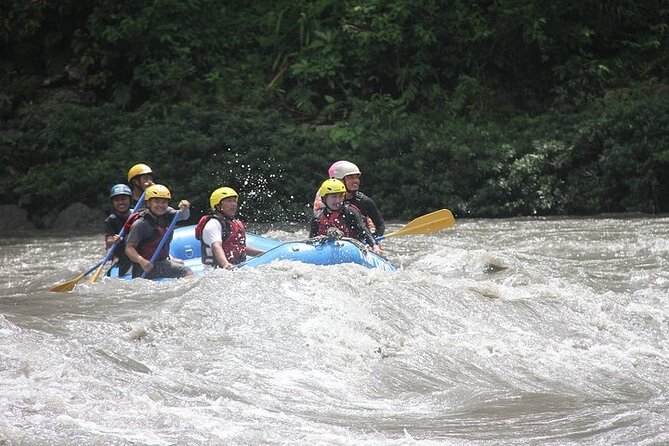
If you want rafting that feels exciting but not overwhelming, Trishuli is the safer bet. The rapids here are described as Class II and III, which is the classic range for beginners and for anyone who wants confidence without constant fear.
The day starts with a scenic drive to Charaudi, where you begin your rafting run. Once you arrive, you get a safety briefing from experienced guides. This is not just a checkbox. It is how you learn the basics like paddling cues, what to do when water gets fast, and how the crew handles safety when the rapids get steeper.
Then you hit the water. You will be navigating manageable rapids while surrounded by Nepal’s hilly valleys. It is the kind of river that still feels wild, but with enough predictability that you can focus on enjoying the movement rather than worrying about what comes next.
One more detail I like: Trishuli runs on a relatively warm-water system, so even if the morning starts cool, you are not fighting cold water the whole time.

Bhote Koshi stop: Class III to V rapids when you want real adrenaline
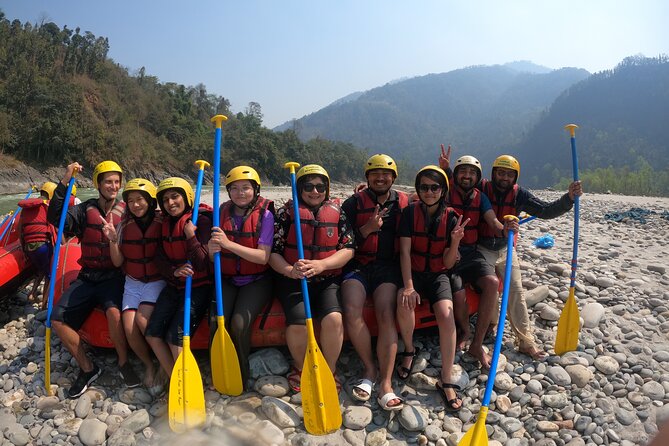
When your group is made up of adrenaline seekers, Bhote Koshi is the obvious switch. This is the harder river in the menu, with Class III to V rapids, and rafting here is described as ideal for experienced rafters and serious thrill seekers.
The drive goes to Sukute to reach the put-in. After arrival, the safety briefing comes first, then you plunge into the intense rapids. The river is known for sections that can feel narrow and powerful, so you are not just dealing with speed, you are dealing with the river shaping the route around you.
This is the stop you choose if you do not want a gentle day. It is built for bigger moments, sharper changes, and the kind of whitewater where you are glad you listened closely during the safety talk.
Also, it is a good way to split the difference within one rafting day. If you are traveling with mixed experience levels, Trishuli can be your confidence builder while Bhote Koshi satisfies the group members who want the tougher ride.
Safety briefing and guides: why it matters more than you think
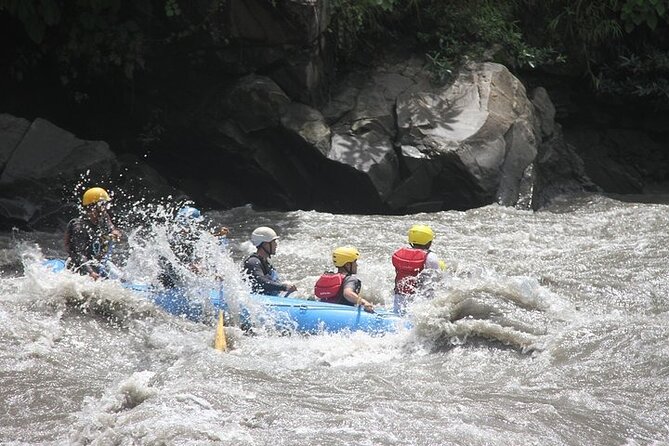
Whitewater rafting feels dramatic, but the best days are usually the calm ones behind the scenes. This outing leans heavily on well-trained guides and a thorough safety briefing before you start.
Here is what that usually means for you as a participant:
- you understand how paddling works before you need it
- you learn what the crew expects during bigger rapids
- you get clear instructions for staying seated and secure
That matters because it reduces the mental load. When you know what to do, you enjoy the river more. When you do not, even moderate rapids can feel stressful.
Also, the day is set up for comfort and control. You are rafting with a structured group experience rather than improvising logistics on your own, and that makes the difference between a chaotic day and a fun one.
Time on the water: expect a real ride, but not a full wilderness expedition
The overall trip runs about 6 to 12 hours, depending on how your day is structured and which river run you are doing. Each stop is listed as around 3 hours on that side of the day.
Some people love the compact format, because you are done and back in Kathmandu with enough daylight for dinner plans. But if you are hoping for maximum time on water, take note. A common complaint with short rafting schedules is that the time on the river can feel brief.
So I would treat this as a “best day in a day” option. It is designed to deliver a solid taste of Nepal whitewater without turning your trip into a travel-heavy ordeal.
Lunch and breaks: included food you can actually use
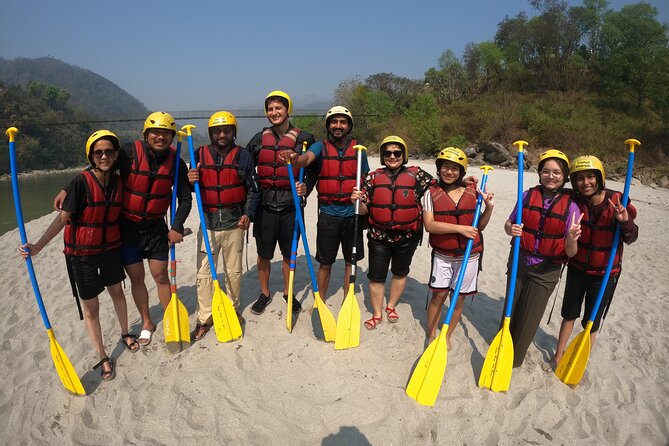
One of the smartest inclusions here is the typical Nepali lunch. You are out for most of the day, and you cannot rely on finding easy meals between transport and water time.
The lunch is included, and that reduces one stress point. It also helps your energy because rafting requires strength and stamina even when the rapids are beginner-friendly.
If you have a sensitive stomach, eat what is offered and keep it simple. Then drink water through the day as your guides suggest.
What to pack for Nepal rafting from Kathmandu
You do not need a backpacking kit for this, but you do need to be practical. The rivers are warm-water for much of the year, yet you will still get wet, and you will want gear that dries fast.
Bring:
- quick-dry clothes for after the ride
- sandals or water-friendly footwear you can tolerate getting dirty
- sunscreen and lip balm (the sun can be intense during drives)
- a dry bag or waterproof phone pouch if you have one already
Also, take seriously any guidance about keeping personal items safe. The experience is set up so belongings are handled well during the activity, which is exactly what you want on a river day.
Transportation choices: where the experience can make or break your day
This is where I think you should pay attention. The rafting itself can be a great time, but the day can sour if the transport part turns into a long slog.
Some days, public bus rides can be painfully slow because of overcrowding and drivers who are not fully prepared for the schedule. In contrast, tourist buses and private cars tend to be more predictable.
So here is my rule of thumb:
- If you are okay with rough logistics for a bit of savings, public or tourist bus can work.
- If you want your day to feel organized, choose private transportation.
Even if you are not paying a lot extra, you are buying something valuable: time, comfort, and fewer headaches.
Who this rafting day fits best
This is a strong match for:
- first-time rafters who want a beginner-friendly option on Trishuli
- mixed-experience groups where some want easier rapids and some want harder ones
- people short on time who still want a real whitewater experience near Kathmandu
- travelers who value hotel pickup and drop-off because it keeps the day smooth
It may not be the perfect choice if you want a long, remote, multi-day wilderness river trip. This one is built for convenience, and convenience often means less time on water and fewer “off the beaten path” moments.
You should also have a moderate physical fitness level. The rafting is guided, but you still need enough strength and balance for a seated water ride and getting on and off safely.
Should you book this Nepal rafting day trip?
I think you should book it if your goal is a clean, guided Kathmandu rafting day that gives you real rapids, real scenery, and real ease getting there. Trishuli is a smart choice for confidence building. Bhote Koshi is for when you want the tougher ride.
I would not book it if you are extremely sensitive to transport stress or you expect hours upon hours on the river. If you do choose to go, pick the transport option that keeps your morning calm, because the best raft days are the ones that start with a clear head.
If you want a practical sweet spot, do this: choose Trishuli if you are new, and add Bhote Koshi if your group is ready for higher difficulty and faster intensity.
FAQ
Which rivers are included in this rafting experience near Kathmandu?
You can raft on either the Trishuli River or the Bhote Koshi River. The experience is described as offering day rafting trips on these rivers.
How long does the trip take?
The total duration is listed as 6 to 12 hours (approx.). Each river stop is listed as about 3 hours.
What level are the rapids on Trishuli and Bhote Koshi?
Trishuli is described as Class II and III, suitable for beginners and easy to moderate rafting. Bhote Koshi is described as Class III to V, for a more challenging, higher-adrenaline experience.
Is hotel pickup and drop-off included?
Yes. The experience includes pickup and drop-off at your hotel in Kathmandu.
Is lunch included?
Yes. Lunch is included as a typical Nepali lunch.
Do I have a choice of transportation?
Yes. You can choose private transportation or use public/tourist bus transportation, depending on availability.
What happens if weather is poor?
This experience requires good weather. If it is canceled due to poor weather, you will be offered a different date or a full refund.
What is the cancellation window for a full refund?
You can cancel up to 24 hours in advance for a full refund. If you cancel less than 24 hours before the experience starts, the amount paid is not refunded.
The Rest of Our Kathmandu Write Ups

Nepal by River
Everything else we have reviewed around Kathmandu
- 12 Days Everest Base Camp Trekking
★ 5.0 · 3 reviews - 1 Night 2 Days Chitwan Jungle Safari Tour from Pokhara or Kathmandu
★ 3.0 · 3 reviews - Thamel Rickshaw tour
★ 4.7 · 3 reviews - Kathmandu: Momo Making Class with a Local Chef
★ 5.0 · 3 reviews - Kathmandu: Full-Day Yoga, Body Massage and Pedicure Package
★ 5.0 · 3 reviews - From Kathmandu / Pokhara / Chitwan: River Rafting – 1 Day
★ 4.6 · 3 reviews
White Water Rafting in Nepal worth a second look.
 ★ 5.0Upper Seti: Half-Day White Water AdventureFrom $4587 reviews
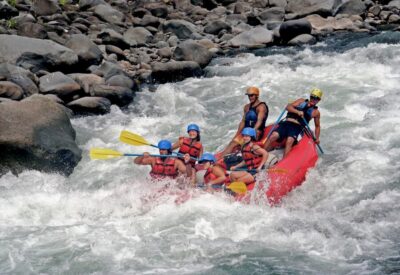 ★ 4.8Half Day Upper Seti Rafting & Paragliding adventureFrom $4534 reviews
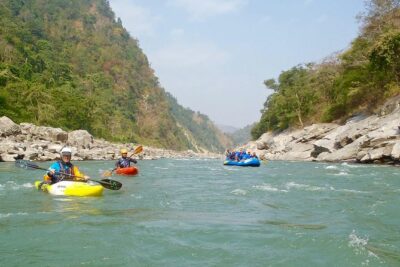 ★ 4.0Himalayan White Water Rafting Day Trip from KathmanduFrom $5222 reviews
 ★ 5.0Full-Day Safari Canoeing and Jungle Walk and JeepFrom $8617 reviews
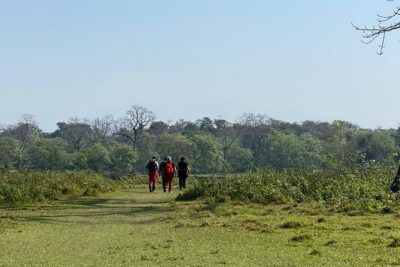 ★ 5.0Canoeing and Nature Walk in Chitwan National ParkFrom $6113 reviews
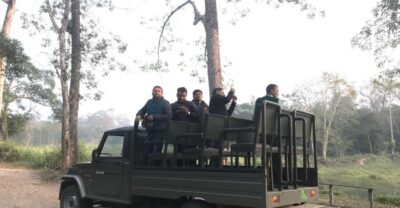 ★ 4.4Jeep Safari,Canoeing,Forest walk Day TourFrom $7012 reviews
 ★ 5.0Seti River Rafting Adventure with Hotel PickupFrom $435 reviews
 ★ 4.0Rafting Tour In Trishuli riverFrom $705 reviews
Lists this tour sits in