
REVIEW · NEPALI COOKING CLASSES
Kathmandu: Momo Making Class with a Local Chef
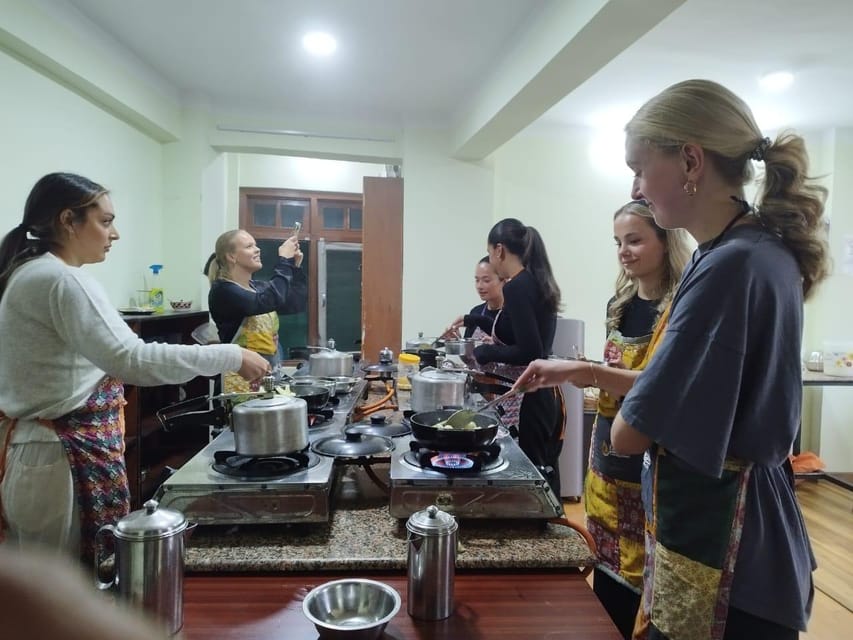
Momos are fun, and making them is better. In this Kathmandu class in Thamel, you learn how to make the Tibetan and Himalayan style dumplings, step by step, with an English-speaking chef in a small group setting.
I really liked the hands-on flow, from mixing the dough to shaping the dumplings, because you do the work instead of just watching. I also liked that the chef explains clearly and helps you troubleshoot while you go, which matters when folds go slightly wonky. One thing to consider, this is only 1 hour, so it is a fast crash course, not a deep training program.
In This Review
- What You Get (And Why It Feels Worth It)
- Key Highlights You Will Actually Care About
- First Stop In Thamel: Nepal Cooking School And Your Starting Line
- Momo In One Hour: What You Will Make (No Guesswork)
- Step One: Making The Dough That Doesn’t Fight Back
- Step Two: Filling The Dumplings With Classic Components
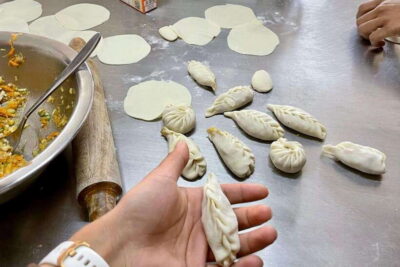
- Step Three: Shaping Momos, The Part Where Patience Wins
- Step Four: Cooking The Dumplings And Seeing Results Fast
- What Makes The Ingredients Part Matter (Not Just The Recipe)
- English Instruction In A Small Group: Why It Feels Easier
- Location Practicalities: Finding Paknjaol Marg With Confidence
- What To Bring So You Don’t Regret The Booking
- Meal Moment: Eating What You Made (And Learning From It)
- Who This Class Is Best For
- Time And Value For A 1-Hour Class
- Should You Book The Kathmandu Momo Making Class?
- FAQ
- How long is the Kathmandu momo making class?
- Where is the meeting point in Thamel?
- Is the class taught in English?
- How many people are in the group?
- What will I be doing during the class?
- What should I bring?
What You Get (And Why It Feels Worth It)
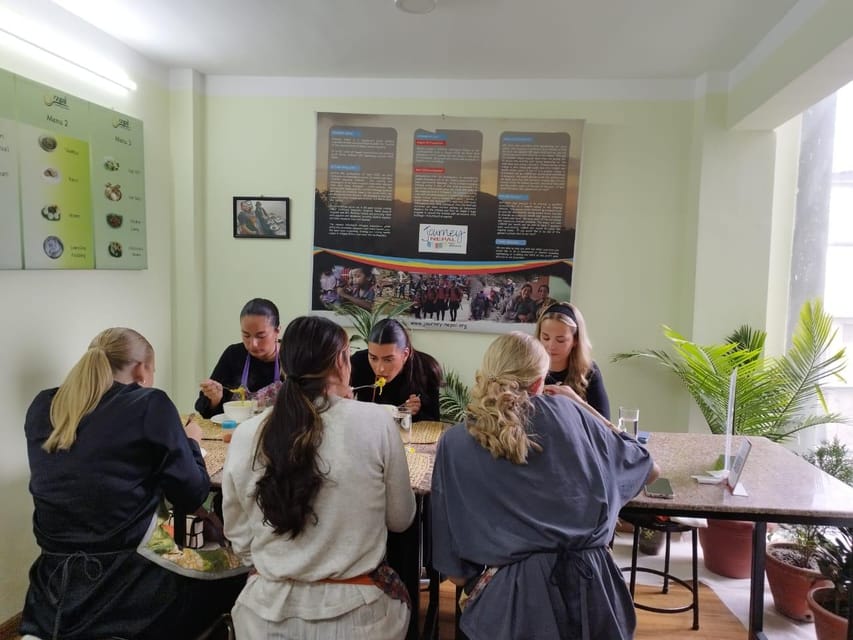
By the end, you will have momos you shaped yourself, and you get to taste your own dumplings right after cooking. You also work with ingredients that are typical for momo prep, like flour and water for the dough, plus vegetables and ground meat depending on what you are making, along with spices and seasonings. The main drawback is simple: if you are hoping for a full meal plus a lot of extras, the class time is tight and the experience centers on the cooking process and tasting.
Fold more momos: other Nepali kitchens



Key Highlights You Will Actually Care About
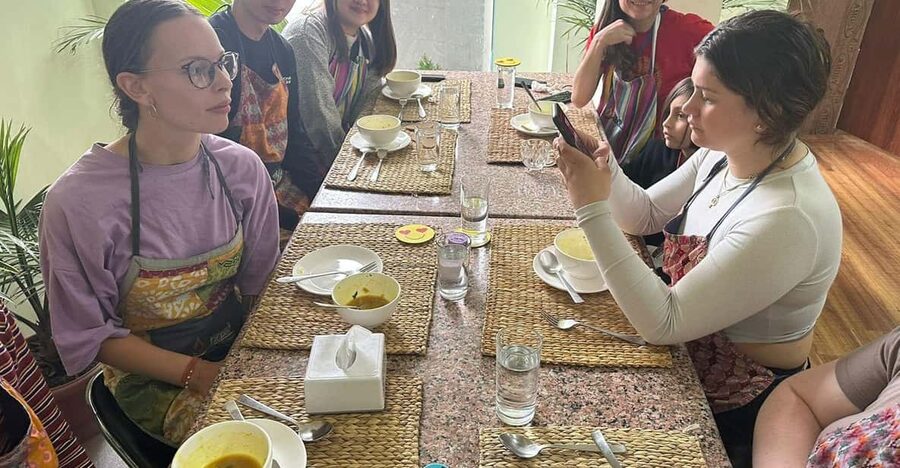
- Small group of up to 8 means you get real attention, not just a seat in the back row
- You do every step: dough, filling, shaping, then cooking
- Authentic momo basics like flour-water dough, common spices, and the usual filling mix
- Cook and taste immediately, so you learn what worked and what needs tweaking
- English instruction keeps you focused on technique instead of translation
First Stop In Thamel: Nepal Cooking School And Your Starting Line
The class starts at Nepal Cooking School in Thamel, Kathmandu. You meet at Paknjaol Marg, opposite the Ganesh Temple, in the building of the delicious pizza, third floor. Thamel is convenient because it is easy to reach on foot or by taxi, but the class does not include transportation, so you’ll want to plan your own way over.
Once you arrive, the rhythm is practical. You meet your experienced chef or instructor, then you begin right away. With a small group limited to 8, it is easier to ask questions and get corrections while your hands are still on the dough.
Momo In One Hour: What You Will Make (No Guesswork)
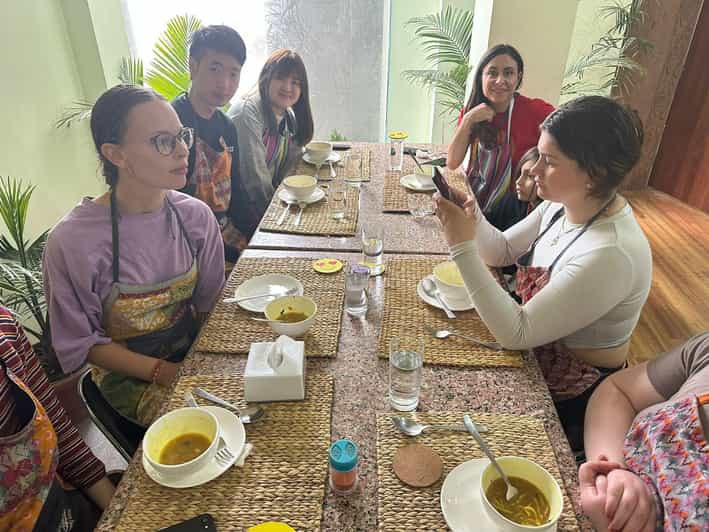
This is a focused 1-hour momo making class, built around the core sequence of making dumplings. You start by preparing the dough, then you make the filling, then you shape the momos, and finally you cook them. It is basically the fastest path to understanding what makes a momo feel right in the hand and taste right on the plate.
Momos come from the wider Tibet and Himalayan region tradition, and you will see that influence in the approach to dough and filling. The class is not just about forming dumplings. It is about learning the logic behind the process, so you can repeat it later at home without turning your kitchen into a flour disaster.
Step One: Making The Dough That Doesn’t Fight Back
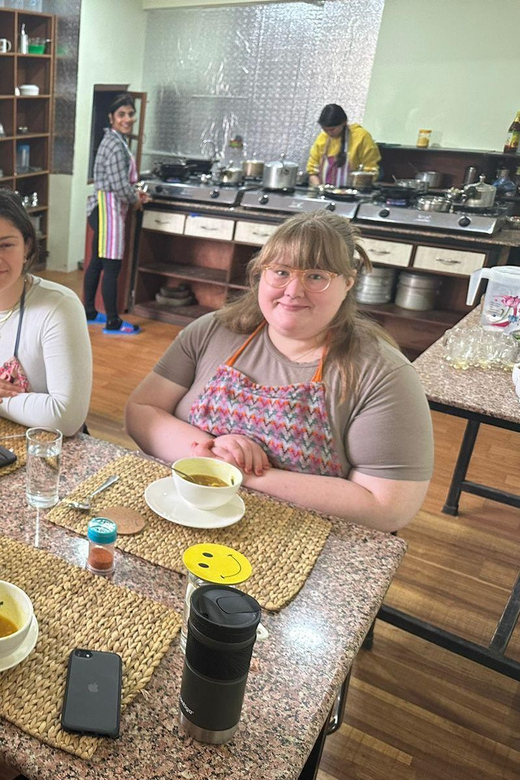
Most dumpling lessons go wrong at the start, because people treat dough like an afterthought. Here, dough is the first real lesson. You mix the flour and water for the dough, and you learn how the texture should feel as you work it.
The key is not fancy technique, it is attention. If the dough is too dry, it cracks. Too wet, it becomes hard to handle when you start shaping. Because you are doing it yourself in a live class, you can adjust as you go instead of guessing at home later.
You also get the benefit of working in a small group. If your dough seems off, you can ask the instructor to point out what to change. That kind of “hands-on correction” is exactly the sort of help that can make the difference between dumplings that hold together and dumplings that open up in the pan.
Other Kathmandu workshops you leave carrying something from
Step Two: Filling The Dumplings With Classic Components
After the dough, you move to the filling. The class uses authentic ingredients commonly used in momo preparation, including vegetables and seasonings, and it may include ground meat depending on whether you are making non-vegetarian dumplings. You also work with spices and seasonings, which is where momo flavor starts building.
In a short class, the filling step is where you learn the biggest takeaway: balance. You want a filling that is flavorful enough to stand on its own, but not so wet that it leaks while cooking. You’ll likely learn how to shape the filling so it stays manageable during folding.
Even if you are not the type who cooks often, this is a good beginner-friendly way to understand seasoning. You do not just hear about spices. You handle the ingredients and build the mix that ends up inside the dumplings.
Step Three: Shaping Momos, The Part Where Patience Wins
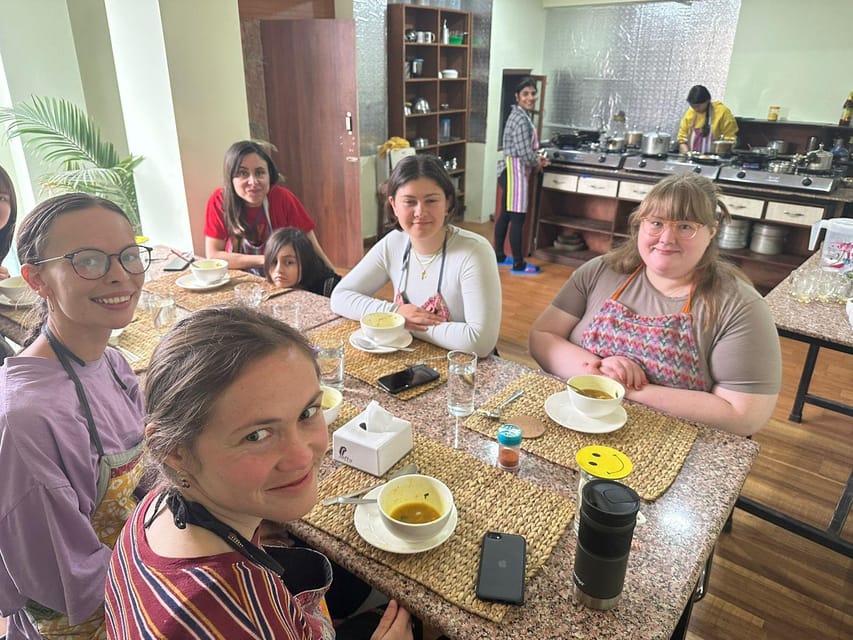
Shaping is the moment where technique meets reality. Folding dumplings sounds simple until the edges refuse to stick, or the shape looks more like a dumpling prototype than a dumpling. That is exactly why you want to learn this with a chef who can show you what “good enough” looks like.
You will actively shape the momos by working the dough around the filling. The class teaches folding as a process, not a mystery. You get feedback while your hands are still doing the work, so you can correct small mistakes quickly.
Based on what I would want from a class like this, the biggest advantage is that you are not just making one. You make enough to learn patterns, figure out how the dough responds, and build confidence for the next dumpling.
Step Four: Cooking The Dumplings And Seeing Results Fast
Once shaped, it is time to cook. This is one of the best parts because you see results immediately. When you cook your momos, you discover whether your dough sealed properly and whether your filling held together.
You then taste your creations as part of the experience. Typically, momo dumplings come with dipping sauces or sides, and you may get something like that during your meal. Even if the exact sides vary, the key is the same: you get to eat what you made while the technique is fresh in your mind.
That quick feedback loop is one reason classes like this work so well. You are not learning by theory alone. You are learning by cause and effect.
What Makes The Ingredients Part Matter (Not Just The Recipe)
The class is specific about ingredient types used for momo preparation. You work with flour, water, vegetables, and seasonings, plus ground meat if you are doing the non-vegetarian version. That matters because momo dough has a particular feel, and momo filling has a particular flavor style that comes from the spice mix and ingredient choices.
When you use ingredients that match what locals actually use, you are more likely to recreate the dumplings successfully later. It also helps you avoid the common problem where a momo recipe online asks for substitutions that do not behave the same way, like changing dough texture or overloading vegetables.
Even if you only take a few basic techniques home, those techniques come from handling real ingredients. That is what makes the class practical, not just fun.
English Instruction In A Small Group: Why It Feels Easier
The instructor leads in English, and the group is limited to 8 participants. That combination usually leads to a calmer experience. You are not stuck trying to interpret instructions while everyone waits their turn.
It also makes troubleshooting realistic. When something goes wrong, you can ask, and you can get a response tied to your exact dough and folding attempt. One past participant specifically praised how much the cook explained and how helpful the instruction felt, and that lines up with what you want from a short class: clear guidance without rushing you out the door.
Location Practicalities: Finding Paknjaol Marg With Confidence
Meet at Paknjaol Marg, opposite the Ganesh Temple, in the building of the delicious pizza, third floor. That is pretty specific, which helps in Thamel where streets can blend together.
Do plan to arrive a bit early. You want time to locate the right building and get settled before cooking begins. If you are coming from a hotel far from Thamel, transport is on you since it is not included in the class.
What To Bring So You Don’t Regret The Booking
This class includes ingredients for momo preparation, but the info also says to bring ingredients. That seems contradictory at first. My advice is to confirm with the operator when you book what they mean, so you do not show up with the wrong thing.
In any case, you should definitely bring:
- Comfortable clothes
- Clothes that can get dirty
Dough work is messy by nature. Even if you are neat, flour gets everywhere, like it is on a mission. This is the kind of experience where you want practical clothing and a mindset that thinks, yes, this is part of the fun.
Meal Moment: Eating What You Made (And Learning From It)
After cooking, you eat the momos you made. The experience is built around that tasting moment, so the focus is not only the class itself. It is also what comes out of your work.
If you have ever made something at home and then stared at it wondering what you did wrong, this avoids that problem. You can taste, notice texture and flavor, and connect it back to earlier steps like dough handling and sealing the folds.
And based on the experience of at least one verified participant, the momos tasted very good. That matters. A class can be educational and still not deliver a satisfying dumpling. Here, the tasting experience is clearly part of the point.
Who This Class Is Best For
This momo class is a strong fit for:
- Food lovers who want skills, not just a one-time bite
- Beginners who are curious about Himalayan dumplings
- Solo travelers who want a small group, English-led activity
- Anyone in Kathmandu who wants a hands-on activity in the Thamel area without committing to a full day
If you are someone who already cooks dumplings at home, you might pick up technique and texture cues quickly, but you may not get enough repetition in just one hour to call it a full mastery workshop. Think of it as technique calibration and a memorable meal, not a long-term training course.
Time And Value For A 1-Hour Class
At 1 hour, this class is designed to be efficient. You are not going to spend half the time preparing utensils or waiting for demonstrations. Instead, you make the dough, fill the dumplings, shape them, cook them, and eat them.
That makes the value feel solid if your goal is a hands-on Kathmandu experience. You get both the skill and the payoff in the same visit. The included ingredients also reduce the hassle. You show up, learn, cook, and taste without needing to gather supplies in advance.
The main limitation is that you will not have hours to perfect folding styles or to repeat the process endlessly. But for most people, the goal is to learn the basics, then go home with confidence and a new dumpling plan.
Should You Book The Kathmandu Momo Making Class?
Yes, you should book if you want a straightforward, practical foodie activity in Kathmandu that keeps you working with your hands. The strongest reason to go is the combination of step-by-step instruction and the fact that you taste what you make right after cooking.
I would pass or adjust expectations if you want a long, slow, deep cooking session. This is short by design, and the pace can feel brisk if you hate mess or hate doing multiple steps back to back.
If you are in Thamel anyway and you want a genuine skill you can repeat later, this one is a good use of your time.
FAQ
How long is the Kathmandu momo making class?
The class lasts 1 hour.
Where is the meeting point in Thamel?
You meet at Paknjaol Marg, opposite the Ganesh Temple, in the building of the delicious pizza, third floor.
Is the class taught in English?
Yes. The instructor leads in English.
How many people are in the group?
It is a small group limited to 8 participants.
What will I be doing during the class?
You will mix the dough, prepare the filling, shape the dumplings, cook them, and then taste what you made.
What should I bring?
Wear comfortable clothes and clothes that can get dirty. The info also says to bring ingredients, so it is smart to confirm what they expect when you book.
Hands On in Kathmandu

The Rest of Our Kathmandu Write Ups




More Kitchens, More Momos
Everything else we have reviewed around Kathmandu
- 12 Days Everest Base Camp Trekking
★ 5.0 · 3 reviews - 1 Night 2 Days Chitwan Jungle Safari Tour from Pokhara or Kathmandu
★ 3.0 · 3 reviews - Thamel Rickshaw tour
★ 4.7 · 3 reviews - Kathmandu: Momo Making Class with a Local Chef
★ 5.0 · 3 reviews - Kathmandu: Full-Day Yoga, Body Massage and Pedicure Package
★ 5.0 · 3 reviews - From Kathmandu / Pokhara / Chitwan: River Rafting – 1 Day
★ 4.6 · 3 reviews
Nepali Cooking Classes worth a second look.
 ★ 5.0Half day cooking class in Thamel kathmanduFrom $28607 reviews
 ★ 4.9Local Women-Led Nepali Cooking & Momo ClassFrom $4360 reviews
 ★ 5.0Local Lead Nepali Cooking & Momo-Making ClassFrom $5212 reviews
 ★ 5.0Local Women Lead Nepali Cooking ClassFrom $30125 reviews
 ★ 5.0Nepalese Momos or Dal Bhat Cooking Class (Cook with Delight)From $5099 reviews
 ★ 5.0The best Private Nepali Cooking Class in KathmanduFrom $2483 reviews
 ★ 5.0Nepalese Kitchen in Pokhara: Momos or Dal Bhat Cooking ClassFrom $2867 reviews
 ★ 4.8Traditional Momo Making Class & PickupFrom $460 reviews
Lists this tour sits in