
REVIEW · NEPALI CULTURE & CRAFT EXPERIENCES
Knife (Khukuri) Making Workshop- Forge of the Gurkhas
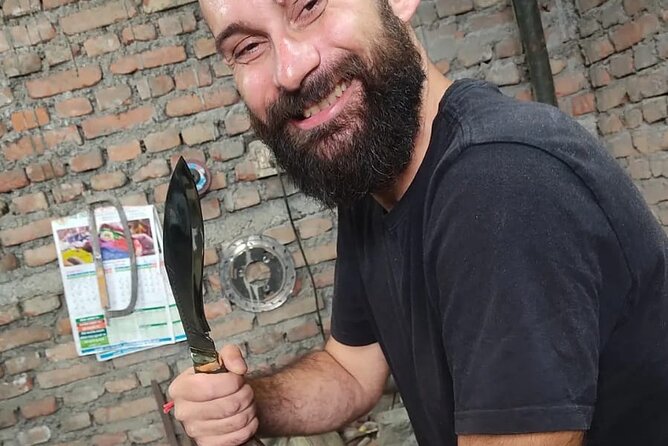
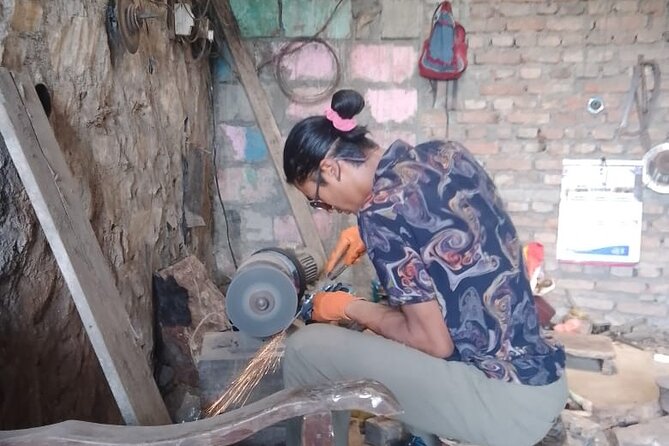
A real workshop, not a factory line. This khukuri making class turns raw metal into Nepal’s most recognizable knife, the Gurkha warrior symbol. You’ll hammer, grind (with safety limits), and polish a 6-inch blade over about 4 hours in a small group.
I love how personal it feels, especially when Indra, a long-time blacksmith, shows you the craft at his home. I also like the payoff: you leave with a finished knife you helped shape, not a souvenir you simply bought off a shelf. One consideration: parts of the risky grinding and sparking work are done by the host, so you control key steps, but not every single one.
In This Review
- Quick Highlights: What Makes This Khukuri Workshop Special
- Khukuri Making in Kathmandu Feels Personal, Not Performative
- Meeting Point and the Ride Up: Expect Pickup and Hill-Route Views
- Indra’s Forge: Watching a Real Blacksmith at Work
- The Tool You Take Home: A 6-Inch Khukuri Blade (and Optional Upgrades)
- The 4-Hour Flow: Hammering, Grinding (Safely), and Polishing
- 1) Hammering the iron
- 2) The first grinding
- 3) Buffing and polishing at the last stage
- What the host does for safety
- Small-Group Attention: When You Want to Talk Craft, Not Just Watch
- Lunch, Green Tea, and the Village-Life Pace
- Price and Value: Is $68 for a Khukuri Workshop a Good Deal?
- Quality Control Reality: Cracks Can Happen, and the Response Matters
- Who This Workshop Suits Best, and Who Might Want Another Plan
- Should You Book Forge of the Gurkhas for Your Kathmandu Day?
- FAQ
- How long is the Knife (Khukuri) Making Workshop in Kathmandu?
- What size khukuri will I make?
- Is pickup offered?
- How many people are in the group?
- Will I do all the grinding myself?
- What steps will I participate in?
- Is the finished knife included?
- What is the cancellation policy?
Quick Highlights: What Makes This Khukuri Workshop Special
- Small group size (max 5): more attention, less waiting around
- You help shape a real 6-inch khukuri: from iron to polished blade
- Indra’s craft at his home: you see the forge as a working family tradition
- Guides with strong communication: Swoyam and Namrata are named in multiple experiences
- Green tea and downtime built in: lunch and conversation are part of the rhythm
- Safety handled with clear limits: you do key tasks, while the host manages the sparks
Slower, more local afternoons



Khukuri Making in Kathmandu Feels Personal, Not Performative
In Kathmandu, you can find khukuris everywhere, often stacked in souvenir shops. This workshop gives you the other side of the story: the slow, hands-on craft behind the curved blade and practical design.
A khukuri is more than a knife. It’s tied to Gurkha warrior identity, and it’s also described as traditional across Nepal’s hill tribes. The workshop context matters because it explains how this tool earned its reputation: tempered steel, a blade shape suited to real work, and a handle designed to be gripped confidently. Even the little details come with meaning. For example, there’s a nick in the blade near the handle, traditionally tied to the Hindu Trinity of Brahma, Vishnu, and Shiva, and functionally said to help prevent blood from reaching the handle.
That background is useful for you because it makes the object feel like culture, not just metal. And it helps you appreciate the time and effort that go into a quality edge.
Meeting Point and the Ride Up: Expect Pickup and Hill-Route Views
The day starts with organization that keeps you from thinking too hard. Pickup is offered, and people commonly meet in/around Thamel (a typical base for visitors). Then you go by taxi or similar car to the workshop area.
Timing wise, plan on about 4 hours total, including travel time. The workshop itself happens in a more rustic setting than the tourist shop experience, which is part of the charm. You’re not just visiting a showroom. You’re going to a working place where metal, tools, and family life share the same space.
One practical note: because this is done in hills and a workshop setting, you’ll want to wear something you don’t mind getting a little dusty. Closed-toe shoes are the smart call.
Indra’s Forge: Watching a Real Blacksmith at Work
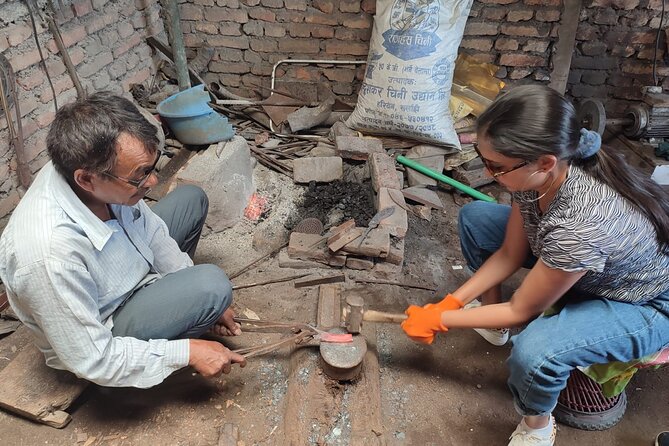
The heart of this experience is Indra, the blacksmith described as having decades of experience. In multiple accounts, he’s credited with pride in the craft and a patient teaching style. You’ll usually have a guide/translator in your group, and Swoyam appears frequently as the person who handles explanations and helps with communication.
This matters because khukuri making is not a quick craft trick. You’re seeing how a maker thinks. The forge is described as more primitive than modern workshops, which can be a plus if you like authentic methods and the real sounds and pace of traditional work.
What you’ll likely notice fast:
- The tools look simpler than you’d expect, but everything has a purpose.
- The process is step-by-step, not random.
- The atmosphere is casual, often described as family-like, with apprentices around to help.
If you’re worried about feeling like a spectator, don’t be. The workshop is structured so you’re part of the process from the start, while still letting the master do the parts that require experience and control.
The Tool You Take Home: A 6-Inch Khukuri Blade (and Optional Upgrades)
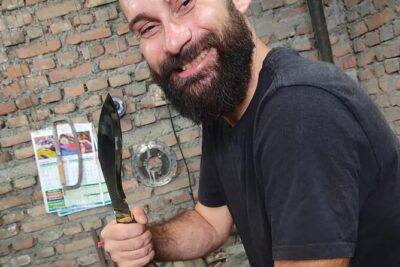
The workshop goal is a small (6-inch) khukuri. That size is practical for first-timers because it’s manageable in a class setting, and it still feels authentic on day one.
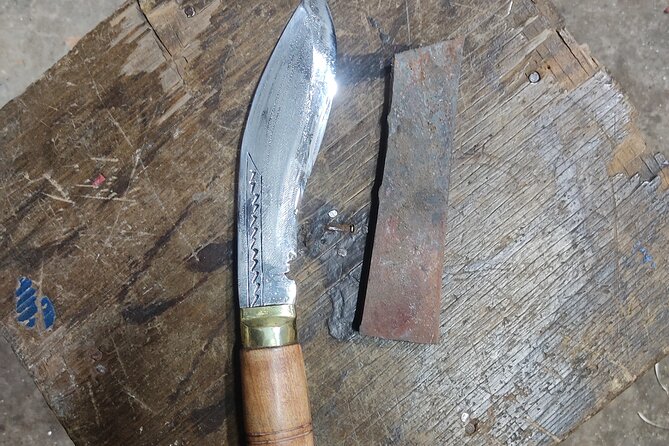
The finished knife is described as very sharp in the experiences you provided. It’s also built with the typical khukuri elements:
- Tempered steel with a slightly curved blade
- A handle usually made from wood or buffalo horn
- A scabbard of wood and leather
Two things are worth understanding before you go. First, the workshop’s value is in the process, not only the object. Even if the final knife is the souvenir, your experience is the making story. Second, the knife isn’t made as a toy. You’re building a tool that looks and works like the real thing.
Optional upgrade: one review notes an additional fee option to make a 10-inch khukuri. If you’re already confident you’ll want a bigger knife, ask about that option when booking, because it changes the scope and likely the time you’ll spend.
Other Kathmandu workshops you leave carrying something from
The 4-Hour Flow: Hammering, Grinding (Safely), and Polishing
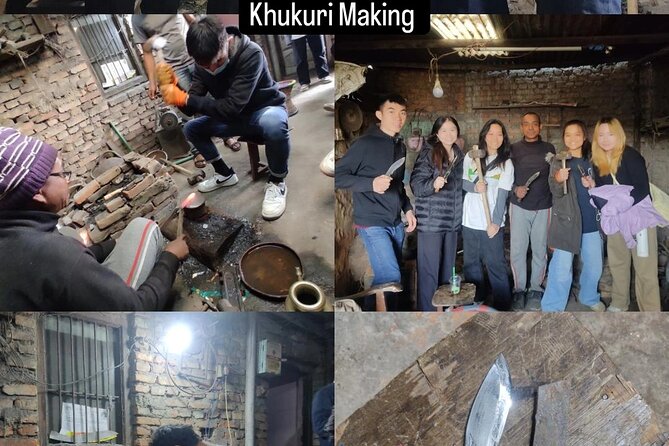
Here’s the core process you can expect to participate in, with the safety roles made clear:
1) Hammering the iron
This is where you start building your knife in a very direct way. Hammering raw iron into blade shape is physical work, and that’s part of the fun. You’re not only learning terminology. You’re changing the metal.
You’ll probably get a guided setup, then you swing in the rhythm the blacksmith explains. If you enjoy hands-on craft, this is your best time.
2) The first grinding
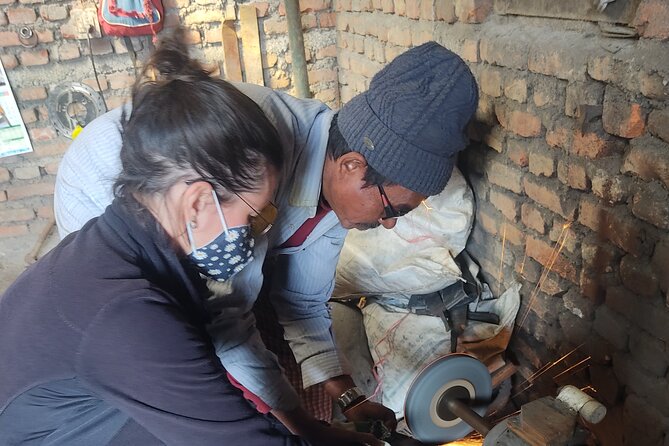
You’ll join this step too. The purpose is to remove material and move the blade toward its final geometry. Grinding is also where you can understand why shape matters. The way the blade develops is visible, not abstract.
3) Buffing and polishing at the last stage
Near the end, you’re part of the finishing. Polishing is satisfying because it transforms a rough, newly-shaped blade into something that looks like a real khukuri. It also helps you understand the difference between a blade that’s only formed and a blade that’s ready to be handled.
What the host does for safety
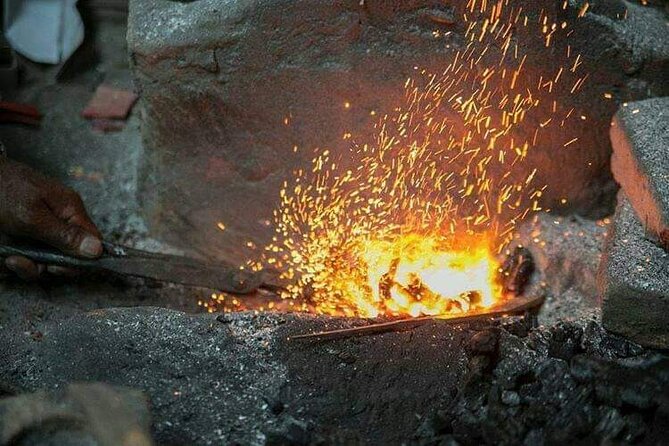
For safety reasons, the workshop notes that blade grinding with sparks is only done by the host. Translation: you’ll get hands-on work that fits a visitor experience, while the blacksmith handles the parts that carry the highest risk.
That’s not a deal-breaker. It’s actually a good trade. It keeps the class moving and prevents you from becoming the person standing too close to sparks.
Small-Group Attention: When You Want to Talk Craft, Not Just Watch
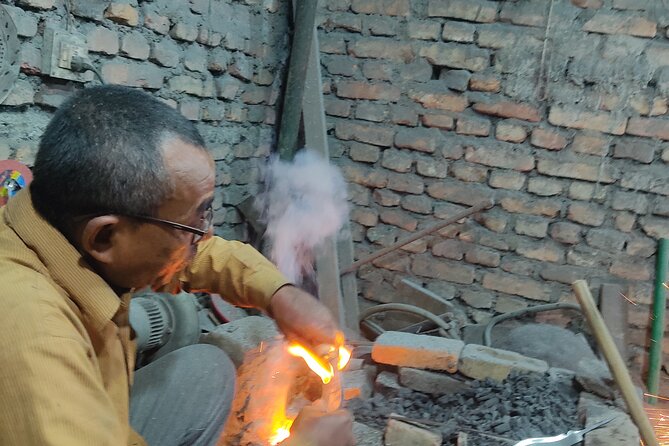
One reason this workshop earns such high ratings is the mix of observation and participation. The best versions of the experience happen when you can switch modes:
- watch the master make quick, skilled decisions
- then try a key step yourself
In your accounts, guides like Swoyam are described as chatty and helpful, and that conversation makes the craft feel connected to life beyond the forge. You also may spend time at Indra’s home or family setting, which can add real texture to the day, especially if you like cultural context, not just technique.
Group size matters a lot here. With a maximum of 5 people, you’re less likely to feel like you’re waiting your turn forever, and the guide can focus on explaining what you’re holding and what the maker is doing next.
Lunch, Green Tea, and the Village-Life Pace
This isn’t a push-through workshop where you’re herded out and told to shop. Many experiences mention lunch and even green tea as part of the day. The tea detail might sound minor, but in Nepal, it’s often a sign the stop is treated like hospitality, not a timed tourist stop.
Because the day can run around 4 to 4.5 hours, having food and conversation helps you avoid that late-afternoon crash. It also helps you understand that blacksmithing is not just a job. It’s tied to family time, apprentices, and local rhythm.
One useful reality check if you’re traveling with kids: one family noted that the process took long enough that their young kids lost patience. So if you bring children, consider how easily they handle waiting, and bring small distractions.
Price and Value: Is $68 for a Khukuri Workshop a Good Deal?
At $68 per person, this workshop sits in a fair mid-range price for an activity that includes pickup, small-group teaching, and a finished product.
The value comes from three areas:
- You help make it. Hammering, grinding, and polishing aren’t just demonstrations.
- You get a real craft souvenir, not a mass-produced one. Multiple notes describe the final knives as high quality and very sharp.
- You’re paying for access to a skilled maker. Indra’s experience and the guided explanation matter, especially if you care about cultural authenticity.
If you’re comparing it to buying a khukuri in a shop, the difference is memory and method. The knife becomes tied to a story you can tell, because you watched shaping happen in real time.
Two pricing considerations to keep in mind:
- If you want a larger knife like the optional 10-inch size, you should expect an extra cost.
- This is a short duration workshop, so you’re paying more than a simple walking tour, but less than a full day of custom experiences.
Quality Control Reality: Cracks Can Happen, and the Response Matters
One of the only negative points in your data is about cracks appearing in finished knives. In one case, two out of three made knives had cracks. The response from the provider explained that cracks may not be visible at first and can show later during the crafting process, and they offered to make a new knife and deliver it.
Here’s how you should use this information. Don’t assume every knife is perfect in advance. But do consider that the workshop acknowledges a real craft risk and has a plan when quality issues show up.
If you go, take care of the knife after the workshop. Avoid careless handling during transport, and follow any care advice you’re given on sharpening or storage.
Who This Workshop Suits Best, and Who Might Want Another Plan
This is a strong fit if you:
- want a hands-on cultural craft, not another shopping stop
- enjoy learning how tools are made and why details matter
- like small-group settings with actual conversation
- want a take-home item that feels earned
It’s less ideal if you:
- hate long workshops with waiting moments
- need full control of every step, since safety limits mean the host handles the sparking grinding
- plan to bring very young kids who struggle with patience during a multi-hour activity
For most adults, though, the balance is good: you’ll do real work while still getting expert control where it counts.
Should You Book Forge of the Gurkhas for Your Kathmandu Day?
Yes, I’d book it if you want a Kathmandu experience that feels like craft culture, not a staged photo stop. The combination of small group size, Indra’s skill, and the fact that you help shape a real 6-inch khukuri makes it one of the more memorable souvenir options in the city.
Book with eyes open about two things: parts of the grinding are host-only for safety, and the full craft process takes time. If those fit your expectations, this workshop is a very worthwhile use of half a day to walk away with a knife and a story you’ll actually remember.
FAQ
How long is the Knife (Khukuri) Making Workshop in Kathmandu?
It takes about 4 hours (approx.).
What size khukuri will I make?
The workshop focuses on making a small 6-inch blade.
Is pickup offered?
Yes, pickup is offered, and a mobile ticket is used.
How many people are in the group?
There is a maximum of 5 travelers.
Will I do all the grinding myself?
For safety reasons, blade grinding with sparks is done by the host. You participate in steps like hammering, the first grinding, and finishing tasks.
What steps will I participate in?
You’re expected to participate in hammering the iron, the first grinding, and the final buffing and polishing steps.
Is the finished knife included?
Yes. The workshop is designed so you take home the knife you help create.
What is the cancellation policy?
Free cancellation is available, and you can cancel up to 24 hours in advance for a full refund.
Hands On in Kathmandu



The Rest of Our Kathmandu Write Ups



Craft, Ritual and Village Life
Everything else we have reviewed around Kathmandu
- 12 Days Everest Base Camp Trekking
★ 5.0 · 3 reviews - 1 Night 2 Days Chitwan Jungle Safari Tour from Pokhara or Kathmandu
★ 3.0 · 3 reviews - Thamel Rickshaw tour
★ 4.7 · 3 reviews - Kathmandu: Momo Making Class with a Local Chef
★ 5.0 · 3 reviews - Kathmandu: Full-Day Yoga, Body Massage and Pedicure Package
★ 5.0 · 3 reviews - From Kathmandu / Pokhara / Chitwan: River Rafting – 1 Day
★ 4.6 · 3 reviews
Nepali Culture & Craft Experiences worth a second look.
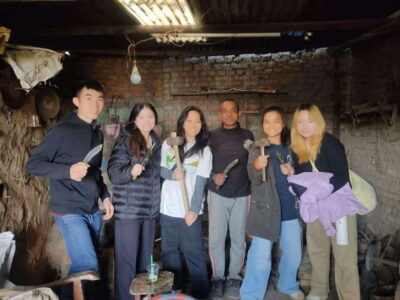 ★ 4.9Knife Khukuri Making WorkshopFrom $7338 reviews
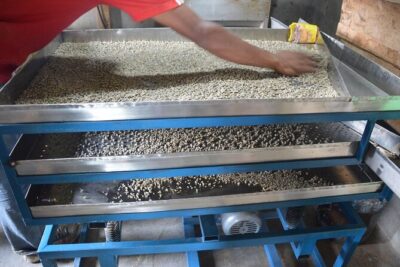 ★ 5.0Sarangkot Village Coffee Culture and Authentic Local Life TourFrom $6029 reviews
 ★ 5.0Nepal BirdingFrom $22528 reviews
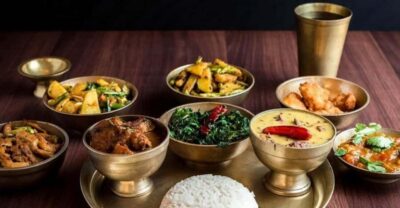 ★ 4.2Cultural Dinner Show with Traditional DanceFrom $1827 reviews
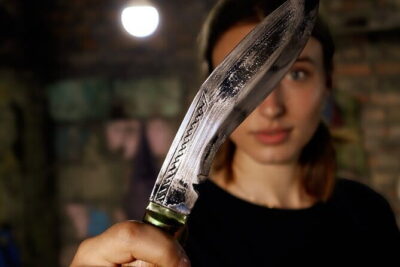 ★ 5.0Gurkha Knife MakingFrom $6619 reviews
 ★ 5.0Women Empowerment Project(Nepali cooking class & jewelry workshopFrom $5015 reviews
 ★ 5.0Discover Ranjana Lipi the Traditional Newari ScriptFrom $429 reviews
 ★ 5.0Dinner with Cultural Show KathmanduFrom $168 reviews
Lists this tour sits in