
REVIEW · NEPALI COOKING CLASSES
Traditional Nepali Momo Making Classes
Momo making turns lunch into a skill. At Namaste Cooking School in Kathmandu’s Thamel, women-run classes turn masala chai and dumpling know-how into a friendly, practical afternoon. You learn why Nepali momos taste the way they do, thanks to a focus on indigenous flavors sourced through connections with local farmers. The big win here is hands-on cooking with real teaching, not a talk-and-watch setup.
What I love most is the hands-on practice. You pick a momo menu, get taught the basics of Nepali spices, then roll up your sleeves to make and shape your momos. The other standout is the take-home value: you leave with the Namaste Cooking School Recipe Book, so you can repeat what you learned.
One thing to consider: the class is about 1 hour 30 minutes, so it’s best for building confidence and learning the core method, not for deep, slow, advanced technique.
In This Review
- Key highlights I’d put on your shortlist
- Thamel hospitality, women-run teaching, and chai to set the mood
- Picking your momo plan and getting dietary questions handled early
- Nepali spice basics you can actually use again
- Hands-on momo making: dough, filling, and shaping skills
- Lunch tastes like your own work, not a separate plan
- The recipe book: your low-effort way to recreate the class
- Price and value: $18 for a hands-on meal lesson
- Who this class is best for in Kathmandu
- Booking timing and what to plan around
- Should you book the Traditional Nepali Momo Making Class?
- FAQ
- How much does the Traditional Nepali Momo Making Class cost?
- How long is the class and when does it start?
- Where is the meeting point?
- Is lunch included?
- What languages are offered, and what is the group size limit?
- Do you ask about dietary restrictions or allergies?
- What happens if the weather is poor?
Key highlights I’d put on your shortlist
- Masala chai welcome to start you in true Nepali hospitality mode
- Small class size (up to 16) so you can actually ask questions
- Spice primer before you cook so the flavors make sense, not just measurements
- Hands-on momo shaping with guidance as you work
- Lunch included from what you make, not a separate side meal
- Recipe book at the end so the lesson follows you home
Fold more momos: other Nepali kitchens
Thamel hospitality, women-run teaching, and chai to set the mood
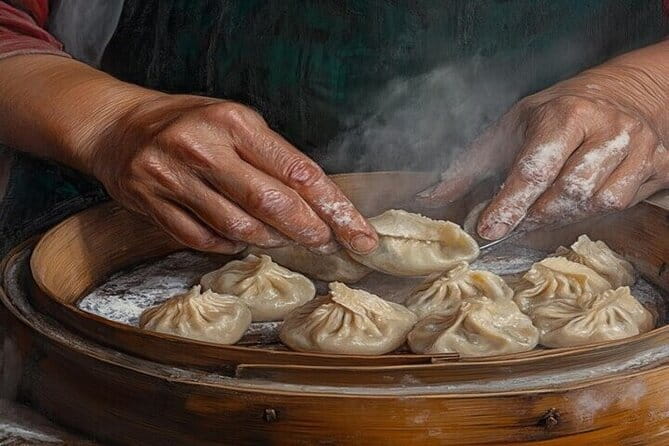
Namaste Cooking School is in the heart of Thamel, Kathmandu. That matters because you do not have to plan a whole day around getting to a remote kitchen. You meet at Bhagwati Marg in Kathmandu, with public transportation nearby, and the class ends back at the meeting point. Easy in, easy out.
The welcome is simple, warm, and very Nepali. You’ll get a traditional cup of masala chai first. It sounds small, but it helps you relax and settle in before you start talking spices and dough. If you drink chai, great. If you do not, you can still expect that the school will guide you through a suitable start, since dietary needs are part of the class conversation.
What really sets this class apart is who runs it. The school is run by women, and the teaching style is described as patient and welcoming. In one account, the instructors were named Sushila and Sabita, and they were praised for being kind, humorous, and steady teachers, even for kids.
Picking your momo plan and getting dietary questions handled early
Before you cook, you choose from a set of menus for your MO:MO experience. This is not just a menu for show. The school uses that moment to check for dietary restrictions and allergies, so you are not stuck figuring it out halfway through.
For you, this is a practical setup. It means you can tell them what you need up front, and they can steer the session so you still get to cook and eat. Since this is an English-language class, you should also feel comfortable asking questions about ingredients and what will go into your dumplings.
One more detail I like: this class is designed to feel interactive from minute one. You are not waiting in the background while others work. The menu selection stage is your first chance to personalize the session within the options provided.
Nepali spice basics you can actually use again
A lot of cooking classes teach steps, but not the why. Here, you get a clear introduction to Nepali spices that are important to momo flavor.
That spice talk is more than a quick lecture. It gives you a mental map for the flavor profile, so when you taste your momos, you understand what you are noticing. You also get a better sense of what makes Nepali dumplings different from the dumplings you may already know from other places.
And yes, this comes into play during cooking. When you know the role spices play, you pay attention to texture and timing with more confidence. Even if you never become a dumpling expert, you’ll leave with a sharper sense of what to repeat at home.
Hands-on momo making: dough, filling, and shaping skills
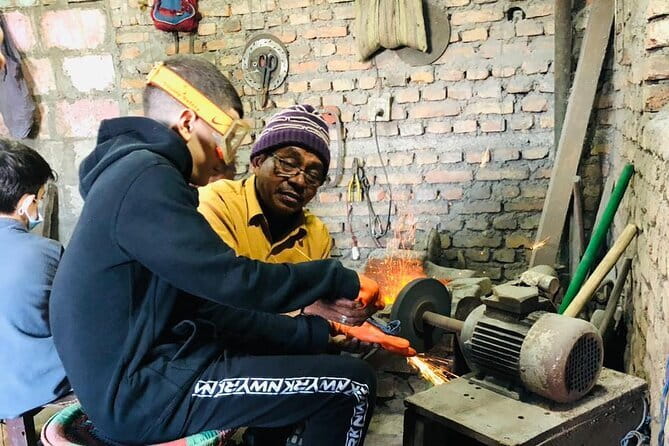
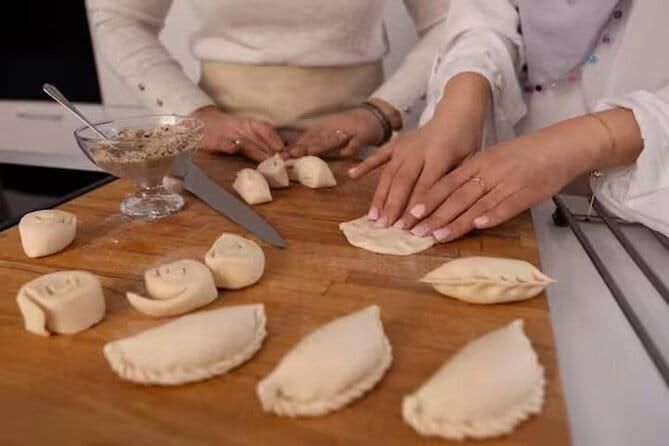
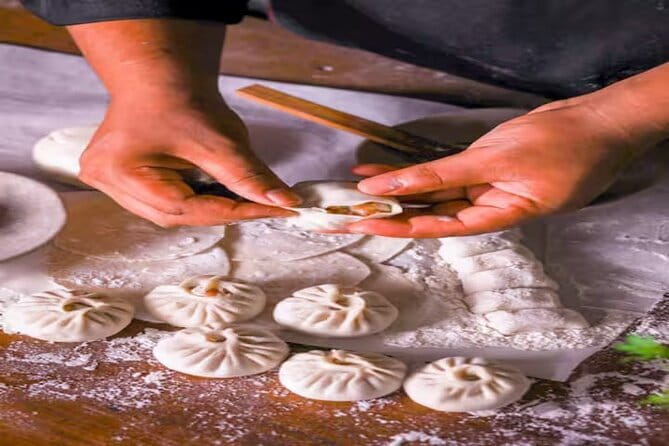
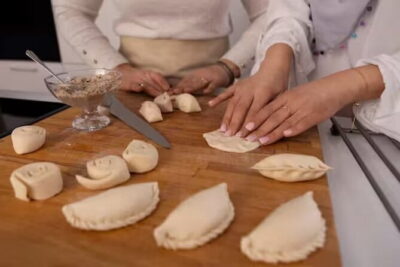
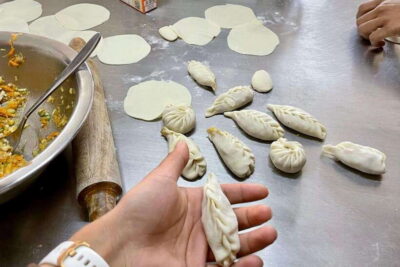
Then comes the fun part, and the part you remember. You will do the work, with guidance. The session walks you through making Nepali momos step by step, and the focus stays on learning by doing.
From the way people describe the class, you can expect practical instruction that includes:
- Working with momo dough
- Preparing the filling
- Learning how to shape the dumplings
One participant specifically described making both dough and filling, then learning different ways to form the dumplings. That is a key value point for you. It’s not only about cooking, it’s about technique. Once you can shape properly, you can make momos with better results at home.
A second thing I appreciate is how the teaching style seems to handle different skill levels. Multiple accounts praise how patient the instructors are. That matters if you are a nervous beginner or if you are bringing family and want the experience to feel supportive.
Other Kathmandu workshops you leave carrying something from
Lunch tastes like your own work, not a separate plan
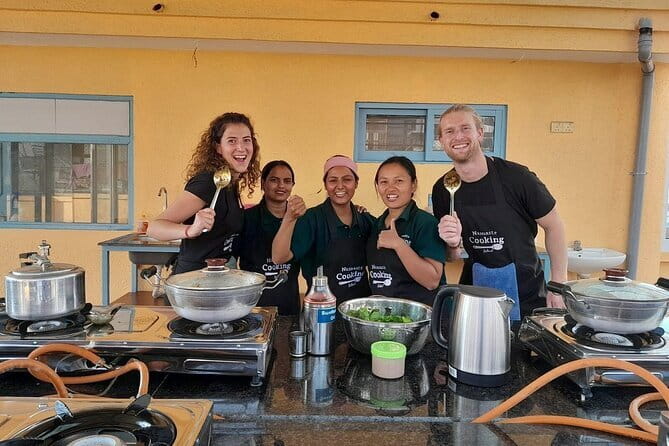
Lunch is included, and it is built around what you make in the class. That is a big part of the value here. You are not paying for an activity that ends and then sending yourself to find food afterward.
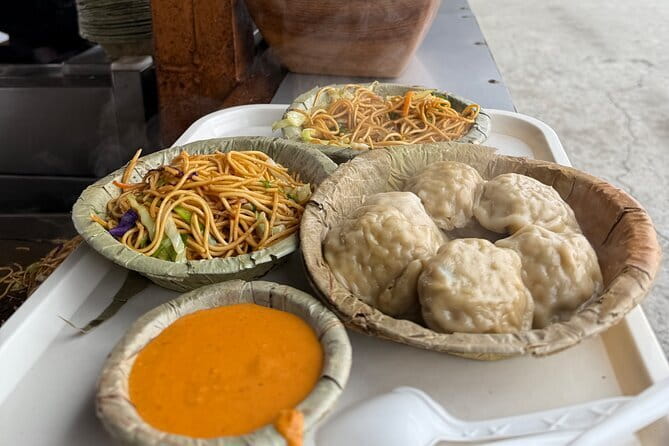
You should expect a satisfying meal that reflects Nepali flavors, based on the momo experience you cook together. People also mention that the dumplings were fresh and that there was enough to feel full. For many folks, this becomes an easy replacement for eating out in Kathmandu.
A bonus for some sessions is setting. One description mentions a rooftop location with panoramic views of Kathmandu. I cannot promise every class is on a rooftop, but you should know that the environment can add to the experience, especially if you enjoy seeing the city while you eat.
The recipe book: your low-effort way to recreate the class
At the end, you receive a Namaste Cooking School Recipe Book. This is not a thin paper handout. For most home cooks, this is the difference between a great memory and a repeatable skill.
Why it matters: you will not remember exact proportions or shaping steps after a busy travel week. A written reference helps you rebuild the process later, when you are not jet-lagged and hungry and trying to recreate everything from memory.
If you like cooking, or if you want a souvenir that does more than sit on a shelf, the recipe book is a strong reason to book. It also gives you something to share with friends back home, which is a surprisingly fun way to keep the experience alive.
Price and value: $18 for a hands-on meal lesson
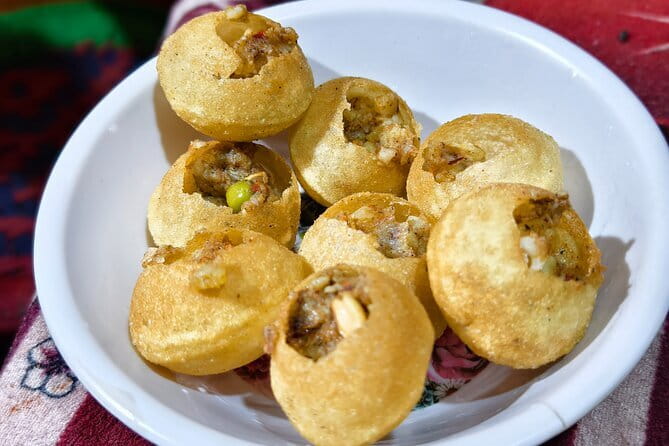
At $18.00 per person for about 1 hour 30 minutes, this class is easy to justify in Kathmandu. The price is not just for “watching someone cook.” You get:
- A welcome chai
- A spice introduction
- Hands-on momo instruction
- Lunch included
- A recipe book to take home
- English-language teaching
- A small group cap of 16 travelers
That bundle is what makes the value feel real. In many cities, a single cooking class meal can cost much more, and sometimes the food is separate or the class is more demonstration than practice. Here, the class is structured so you cook, then you eat.
One consideration on value: it is a shorter class. If you are hoping for a long, multi-course deep-dive into every homemade component, this might feel like a quick hit. But if your goal is to learn the core momo method and leave with dumplings you made yourself, it hits the sweet spot.
Who this class is best for in Kathmandu
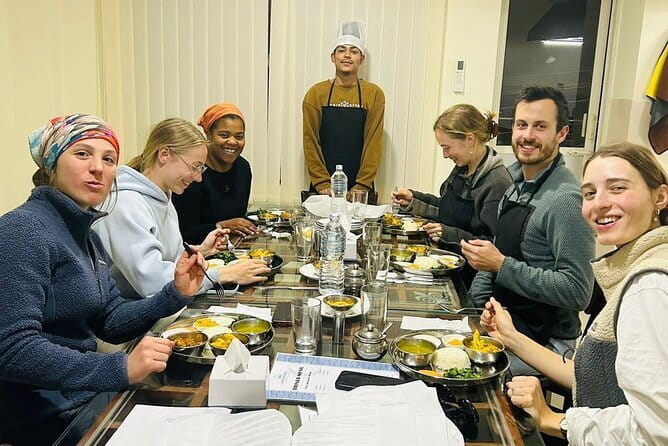
This is a great fit if you:
- Want an authentic food experience in a small group
- Like interactive lessons where you do the work
- Enjoy Nepali flavors and want to understand the spice backbone
- Prefer lunch that is included and tied to the activity
- Want an affordable cooking activity with a take-home guide
It also works well for families in many cases. One account even mentioned an 8-year-old joining and ending up enjoying the class. That hints at a friendly, flexible vibe for different ages, as long as expectations are realistic for a hands-on cooking session.
Booking timing and what to plan around
The class is typically booked about 8 days in advance on average. So if your schedule is tight, try not to wait until the last minute. The session starts at 12:30 pm, which is perfect for an early afternoon plan. You can get this done, eat lunch, and still have plenty of time later to explore Thamel.
Because it depends on conditions, you should keep a little flexibility. The experience requires good weather. If it is canceled due to poor weather, you will be offered another date or a full refund. That is exactly what you want to hear if you are traveling during monsoon season or shoulder months.
Should you book the Traditional Nepali Momo Making Class?
Book it if you want a compact, hands-on Kathmandu food lesson where you learn shaping technique, taste what you make, and leave with a recipe book. It is also ideal if you appreciate a women-run operation with a focus on indigenous Nepal flavors and local ingredient connections, not generic tourist cooking.
Skip it or look for a longer option if your main goal is advanced cooking mastery, lots of extra courses, or a half-day worth of technique building. This one is built for core skills in 1 hour 30 minutes, and it does that well.
If you are the type who remembers travel best through food and wants a practical souvenir, this is an easy yes. If you are unsure, you can also think of it as a lunch plan you will not regret, because you cook and eat as part of the same experience.
FAQ
How much does the Traditional Nepali Momo Making Class cost?
It costs $18.00 per person.
How long is the class and when does it start?
The class lasts about 1 hour 30 minutes and starts at 12:30 pm in Kathmandu.
Where is the meeting point?
The meeting point is Bhagwati Marg, Kathmandu 44600, Nepal. The activity ends back at the meeting point.
Is lunch included?
Yes. Lunch is included with the class.
What languages are offered, and what is the group size limit?
The class is offered in English, and it has a maximum of 16 travelers.
Do you ask about dietary restrictions or allergies?
Yes. The school asks about dietary restrictions or allergies during the menu selection stage.
What happens if the weather is poor?
The experience requires good weather. If it is canceled due to poor weather, you will be offered a different date or a full refund.
Hands On in Kathmandu

The Rest of Our Kathmandu Write Ups


More Kitchens, More Momos
Everything else we have reviewed around Kathmandu
- 12 Days Everest Base Camp Trekking
★ 5.0 · 3 reviews - 1 Night 2 Days Chitwan Jungle Safari Tour from Pokhara or Kathmandu
★ 3.0 · 3 reviews - Thamel Rickshaw tour
★ 4.7 · 3 reviews - Kathmandu: Momo Making Class with a Local Chef
★ 5.0 · 3 reviews - Kathmandu: Full-Day Yoga, Body Massage and Pedicure Package
★ 5.0 · 3 reviews - From Kathmandu / Pokhara / Chitwan: River Rafting – 1 Day
★ 4.6 · 3 reviews
Nepali Cooking Classes worth a second look.
 ★ 5.0Half day cooking class in Thamel kathmanduFrom $28607 reviews
 ★ 4.9Local Women-Led Nepali Cooking & Momo ClassFrom $4360 reviews
 ★ 5.0Local Lead Nepali Cooking & Momo-Making ClassFrom $5212 reviews
 ★ 5.0Local Women Lead Nepali Cooking ClassFrom $30125 reviews
 ★ 5.0Nepalese Momos or Dal Bhat Cooking Class (Cook with Delight)From $5099 reviews
 ★ 5.0The best Private Nepali Cooking Class in KathmanduFrom $2483 reviews
 ★ 5.0Nepalese Kitchen in Pokhara: Momos or Dal Bhat Cooking ClassFrom $2867 reviews
 ★ 4.8Traditional Momo Making Class & PickupFrom $460 reviews
Lists this tour sits in