
REVIEW · NEPALI COOKING CLASSES
Nepalese Kitchen in Pokhara: Momos or Dal Bhat Cooking Class
Most people come to Pokhara for views, not dumpling skills. This class gives you real home-kitchen cooking and leaves you with momos or dal bhat know-how you can use anywhere.
I really like that it is hands-on and step-by-step, with a host who explains the how and the why, plus the kitchen setting feels personal, not staged. The one thing to keep in mind is that you may end up eating a lot once your momos are rolling, so come hungry and plan your timing afterward.
In This Review
- Key points to know before you go
- Heading out from Lakeside Pokhara to a real Nepalese kitchen
- Momos or dal bhat: how you pick, and what you learn either way
- The 3-hour flow: what happens from pickup to full lunch energy
- Inside the home kitchen: what makes the class feel authentic
- Making momos: the patient, hands-on dumpling lesson
- Dal bhat cooking: building comfort food, step-by-step
- Spices, fresh ingredients, and the stuff you can actually repeat
- The meal moment: eating together and leaving with real satisfaction
- Price and value: is $28 worth it?
- Who this class suits best in Pokhara
- Practical tips before you go (so the day runs smoothly)
- Should you book the Nepalese Kitchen in Pokhara cooking class?
- FAQ
- Where is the pickup location in Pokhara?
- How long does the cooking class last?
- What dish can I cook during the class?
- Is the meal you cook included?
- What is included in the price?
- Do I get a recipe to take home?
- What languages will the guide/instructor use?
- What do I need to bring?
- Is this a private group experience?
- Can I cancel and get a full refund?
Key points to know before you go
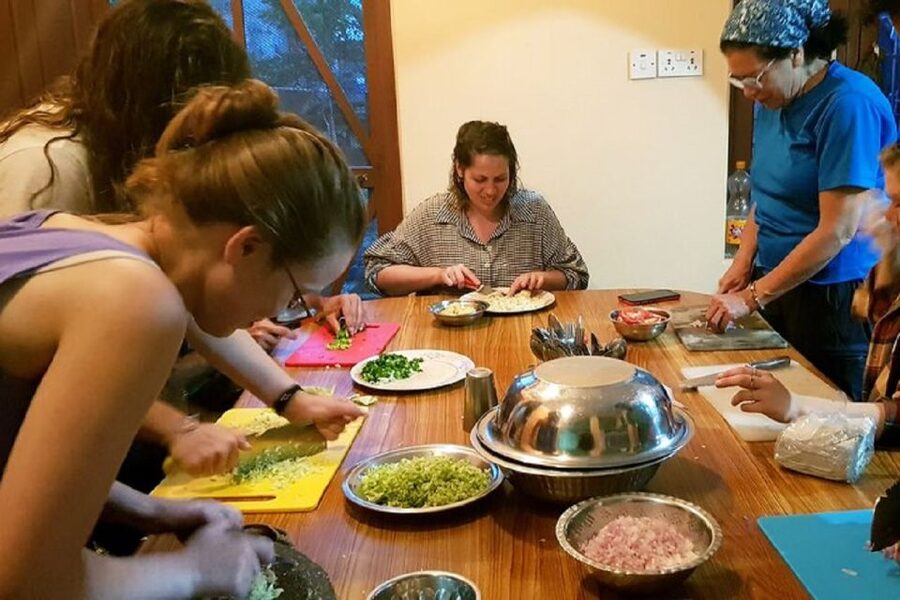
- Private home-kitchen setting in Pokhara for a more local feel than a restaurant workshop
- Choose momos or dal bhat, then cook with fresh ingredients and traditional techniques
- Step-by-step English, Hindi, or Nepali guidance helps if your Nepali is basic
- You eat what you make in the same session, so the class is also a satisfying meal
- Take-home recipe (printed or digital) so you can repeat the flavors later
Fold more momos: other Nepali kitchens

Heading out from Lakeside Pokhara to a real Nepalese kitchen
Pokhara is easy to explore from Lakeside, so the pickup style matters. This experience uses round-trip transfers from the Lakeside area, with pickup at Lakeside Road, Lakeside-6, Pokhara. It keeps the day simple if you are staying along the lake and want your cooking class to feel like part of your itinerary, not a mini expedition.
Once you are collected, your day has a light start with a photo stop and a short guided visit with free time. That mix is useful because it helps you settle in before you get apron-on and cutting onions. You are not rushing straight into kitchen work the moment you arrive.
The biggest reason I like this setup is the location of the experience itself. You are cooking inside a real Nepalese home kitchen. That matters because home cooking is not about perfect plated food. It is about technique, seasoning, and the habits people use every day.
Momos or dal bhat: how you pick, and what you learn either way
This class centers on two Nepalese favorites: momos or dal bhat. You will cook either the dumplings or the classic lentil-rice meal, with a local instructor guiding you through each stage.
If you choose momos, you are learning a technique-heavy dish. Shaping dumplings is a skill, and the class is structured so you do the work, not just watch. From the feedback, the instructor is patient, so if your first few wrappers look a little uneven, that is part of the process, not a problem.
If you choose dal bhat, you get a broader look at how comfort food is built in Nepal. Dal bhat is not only lentils and rice. It is also the spice balance, the cooking order, and the way everything on the plate supports each other. The class format helps you understand those steps so you can reproduce the method later, not just copy a list of ingredients.
Either way, this is not a flavor lecture. You are cooking with fresh ingredients, learning traditional spice use, and tasting the results during the class.
The 3-hour flow: what happens from pickup to full lunch energy
The experience runs for about 3 hours. That length is important because it is long enough to learn real technique, but short enough to fit into a normal Pokhara day.
From what you can expect, the day usually looks like this:
- Pickup from the Lakeside area
- A brief photo stop and guided visit, with some free time
- Then the main event in the kitchen, cooking hands-on
- Finally, you sit down and eat the meal you prepared
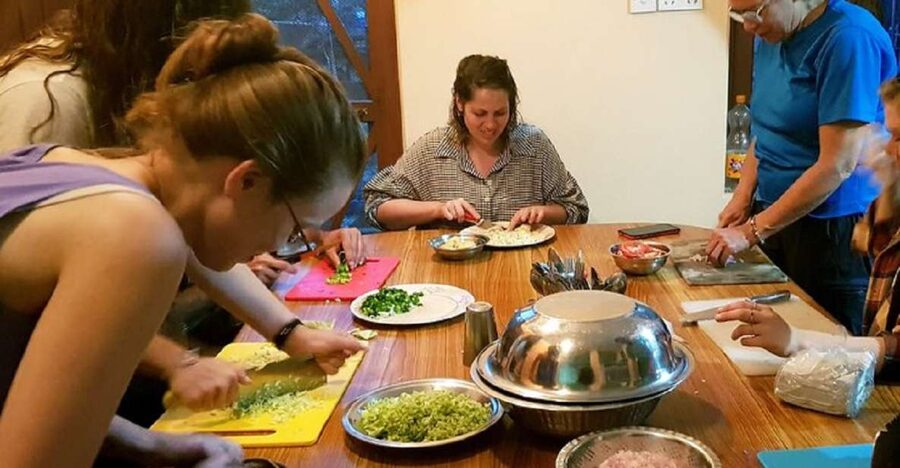
In a lot of cooking classes, the “class” is mostly watching. Here, the kitchen part is where the time goes. You chop, mix, season, and cook alongside your instructor, which is what turns it into an actual skill you can repeat.
One practical note from real-world experience with this type of class: your timing might get a little flexible depending on how quickly you and your host move through each stage. If you have dinner plans right after, try to give yourself some buffer.
Inside the home kitchen: what makes the class feel authentic
The class is hosted in a real Nepalese home, not a demo kitchen. That changes the vibe. You are not standing behind glass, and you are not treated like you are renting a performance. It feels more like you are learning in someone’s everyday space.
Clean, well-prepped workstations show up in the feedback. Ingredients are described as fresh and well-handled, and the kitchen setup supports hands-on work, including chopping and seasoning steps that you would not get in a typical tour add-on.
The instructor’s communication style also matters. Many guests highlight clear explanations and strong English support, which is a big deal if you know little Nepali. If you can follow cooking logic, you can follow along. That is especially true for dal bhat, where the steps have a rhythm.
There is also a cultural component built into the session. After cooking, you eat the meal together and there is space for friendly conversation about food traditions and everyday life. That is often where the class turns from “I learned a recipe” into “I got a small window into Nepal.”
Making momos: the patient, hands-on dumpling lesson
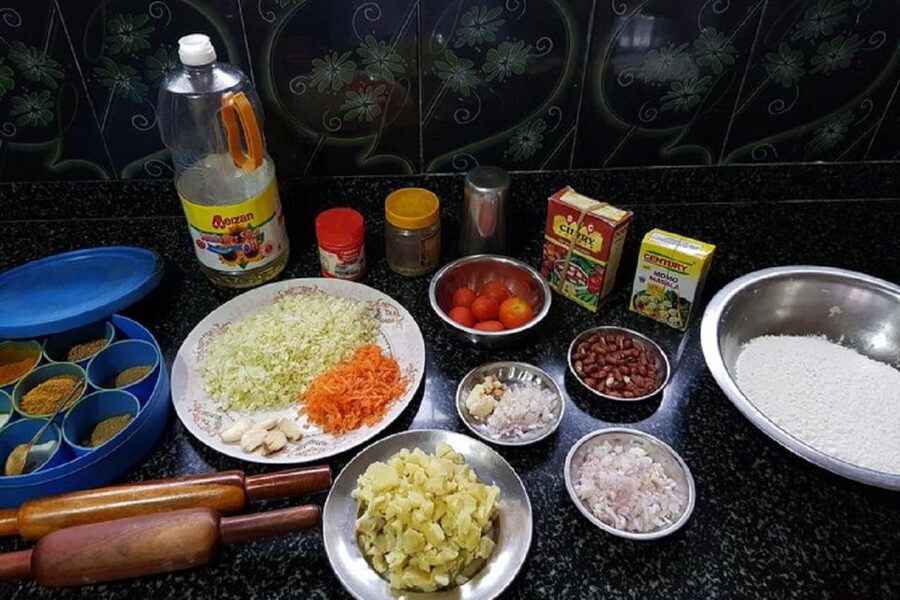
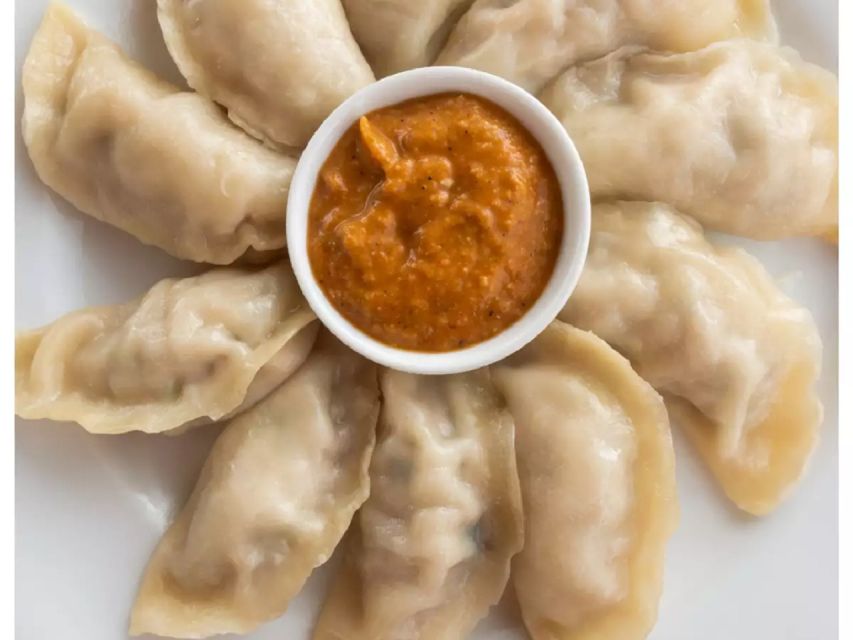
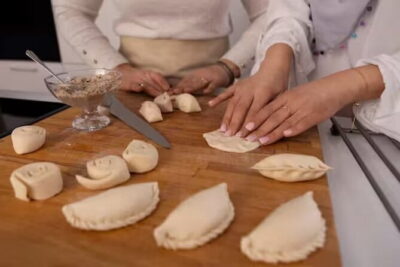
Momos are Nepalese dumplings, and the class treats them like a craft. You do the key work: filling, seasoning, shaping, and assembling enough for a satisfying meal. You are not only learning ingredients, you are learning how they behave when wrapped and cooked.
From the way the instructor is praised, the teaching style is supportive. People mention feeling at ease, and they describe the host as organized and patient while walking through each stage. That is especially helpful for first-timers, because shaping dumplings is where confidence can wobble.
The pace also builds a rhythm. You start with ingredient prep, then move into mixing and seasoning. After that, the shaping phase comes in, and this is often the part that makes you realize how much skill is behind those restaurant-perfect dumplings.
One practical tip: if you are doing momos, expect to eat a lot. In the feedback, people specifically recommend coming with an empty stomach, and some even suggest bringing a container for leftovers if you think you will want them. Even if you do not pack one, plan on being satisfied and a little stuffed.
Dal bhat cooking: building comfort food, step-by-step
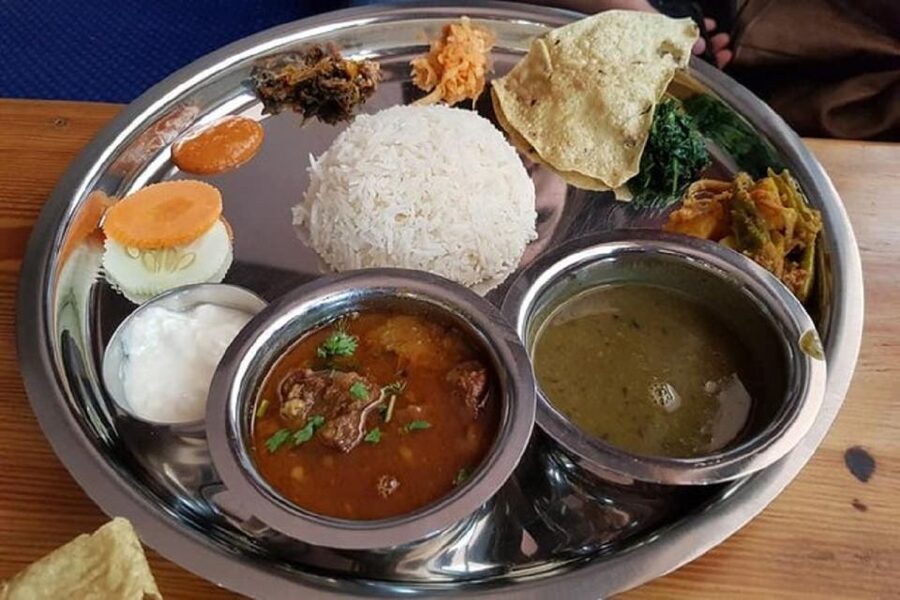
Dal bhat is a familiar concept across Nepal, but the lesson makes it feel concrete. You learn how to make the meal from scratch and how the steps fit together.
Dal bhat takes time because it has multiple components. Even when the ingredients seem simple, the flavor comes from technique: how you cook the lentils, how you manage spice levels, and how you balance the final plate.
The feedback points to the instructor explaining each stage clearly and guiding you through steps even when the dish is not the simplest to learn. If you are nervous about cooking lentils or dialing in spice, that structure helps. You are not left alone with a pot and guessing.
Another reason dal bhat is a great choice for a short class is versatility. Once you learn the “method brain,” you can adjust vegetables and lentil thickness for your own kitchen at home. The class also includes fresh ingredient handling, which is a huge part of Nepalese flavor.
If you want a dish that feels like a true everyday meal and not just a novelty, dal bhat is the best fit.
Spices, fresh ingredients, and the stuff you can actually repeat
What you really take home is not just a recipe card. It is technique with context. This class uses fresh ingredients and traditional spice use, and the instruction focuses on how balanced flavor happens in practice.
That matters because Nepalese cooking is not just about “add curry powder.” It is about building taste in stages. You learn how seasoning works during prep, how ingredients combine in the cooking process, and how adjustments can change the result.
Many guests mention that they received a printed or digital recipe to recreate the dish at home. A copy matters because recipes from memory tend to drift. Having the steps written down helps you rebuild the dish accurately later.
If you want to make this class worth the money, cook one component at home soon after your trip. Make the spice base, or try the momo filling, or repeat one step of dal bhat. You will learn faster with a follow-up attempt, and the recipe will make more sense once your taste memory is fresh.
The meal moment: eating together and leaving with real satisfaction
The best part of any cooking class is the meal at the end. Here, you eat the dish you prepared during the session. That is not a guarantee in every class, and it matters because you get instant feedback on your work.
After cooking, there is also conversation time. People talk about Nepali culture and food traditions, and the host’s family atmosphere comes through in the descriptions. Even if you are shy, it is usually easy to connect over something as universal as food and cooking.
This is also where you feel the value. When you make a dish and then eat it in the same setting, the class becomes more than an activity. It becomes a full, satisfying experience.
One simple planning note: if you are the type who likes to keep your day light, schedule this earlier rather than later. The cooking plus eating can easily turn into your main meal.
Price and value: is $28 worth it?
At $28 per person for a 3-hour hands-on cooking class with round-trip transfer from Lakeside, ingredient costs, instruction, and the meal included, the value looks strong.
Here is why:
- You are paying for more than a recipe. You are paying for guided practice inside a home kitchen
- The class includes fresh ingredients and spices, so you are not doing a “lecture only” experience
- The meal is included, which offsets your normal food spending
- The transfer removes friction, especially if you are already staying around Lakeside Road
If you compare this to cooking classes elsewhere, $28 can be a bargain, especially because you also get cultural conversation and a more intimate setting than a large group restaurant.
The one value warning is about appetite. If you choose momos, you may end up eating far more than you planned. For some people, that is a delight. For others, it is a logistical after-effect. That is not a deal-breaker, just a realistic expectation.
Who this class suits best in Pokhara
This is a great choice if you fit any of these:
- You want a practical cultural experience, not only sightseeing
- You like hands-on learning, chopping, mixing, and actually cooking
- You are traveling as a couple or alone and prefer something intimate
- You want a recipe you can recreate at home, not just a photo
It also makes sense if you are a food lover with limited time. A 3-hour session is easy to fit between lakeside downtime and other Pokhara activities.
If you hate kitchen mess or you want a passive experience, this might be less fun. The whole point here is that you do the cooking work.
Practical tips before you go (so the day runs smoothly)
A few small things can make this class easier:
- Come with an empty stomach if you can, especially for momos
- If you think you might want leftovers, consider bringing a to-go container
- Wear comfortable clothes you do not mind getting close to food smells and small spills
- Plan to take your time during pickup and photo stop so you do not feel rushed before cooking
On the ID side, you will need a passport or ID card. A copy is accepted, which helps if you are keeping the original in a safe place.
Because the instructor can guide in English, Hindi, or Nepali, it is not a test of your language skills. The cooking itself is visual and step-by-step, which helps a lot.
Should you book the Nepalese Kitchen in Pokhara cooking class?
I would book it if you want something that feels real, practical, and worth repeating at home. The home-kitchen setting, the patient step-by-step instruction, and the fact that you cook and eat the dish in one session are the core strengths.
Choose momos if you want a craft skill with dumpling shaping and a spice-plus-filling focus. Choose dal bhat if you want a comforting meal method, with multiple components that teach you how Nepalese flavor balance works.
If you hate taxis or you are sensitive to ride-related hassle, plan ahead for how you want transport handled from the Lakeside area. And if you prefer not to be overly stuffed afterward, just be ready to adjust your post-class schedule.
FAQ
Where is the pickup location in Pokhara?
Pickup is from the Lakeside area, specifically Lakeside Road, Lakeside-6, Pokhara.
How long does the cooking class last?
The experience lasts 3 hours.
What dish can I cook during the class?
You can cook either Nepali momos or Dal Bhat, depending on the option you choose for your session.
Is the meal you cook included?
Yes. You eat the dish you prepare during the class.
What is included in the price?
The class includes round-trip transfer from the Pokhara Lakeside area, a local instructor, fresh ingredients and spices, hands-on guidance, drinking water, and a printed or digital recipe.
Do I get a recipe to take home?
Yes. You receive a printed or digital recipe for home use.
What languages will the guide/instructor use?
The live tour guide/instructor offers English, Hindi, and Nepali.
What do I need to bring?
Bring your passport or ID card. A copy is accepted.
Is this a private group experience?
Yes, it is listed as a private group.
Can I cancel and get a full refund?
Yes, you can cancel up to 24 hours in advance for a full refund.
Chop, Fold, Simmer
The Rest of Our Pokhara Write Ups

More Kitchens, More Momos
Everything else we have reviewed around Pokhara
- Pokhara: Cable Car Tour – Bird Eye View of Mountain & Lake
★ 4.4 · 3 reviews - Jomsom Muktinath Tour by 4WD SUV 2 Days
★ 5.0 · 3 reviews - Ghorepani Poonhill Private Trek – 2 nights / 3 days
★ 4.5 · 3 reviews - Pokhara: 30-Minute Paragliding Adventure with pick up/drop off
★ 4.5 · 3 reviews - Pokhara: 7-Day Annapurna Base Camp Trek via Ghandruk
★ 4.3 · 3 reviews - Pokhara Group Joining Sarangkot Sunrise Himalayas Tour
★ 5.0 · 3 reviews
Nepali Cooking Classes worth a second look.
 ★ 5.0Half day cooking class in Thamel kathmanduFrom $28607 reviews
 ★ 4.9Local Women-Led Nepali Cooking & Momo ClassFrom $4360 reviews
 ★ 5.0Local Lead Nepali Cooking & Momo-Making ClassFrom $5212 reviews
 ★ 5.0Local Women Lead Nepali Cooking ClassFrom $30125 reviews
 ★ 5.0Nepalese Momos or Dal Bhat Cooking Class (Cook with Delight)From $5099 reviews
 ★ 5.0The best Private Nepali Cooking Class in KathmanduFrom $2483 reviews
 ★ 4.8Traditional Momo Making Class & PickupFrom $460 reviews
 ★ 5.0Traditional Nepali Momo Making ClassesFrom $1853 reviews
Lists this tour sits in