
REVIEW · NEPALI COOKING CLASSES
MoMo or Dal Bhat Cooking Class at Aama Kitchen in Pokhara
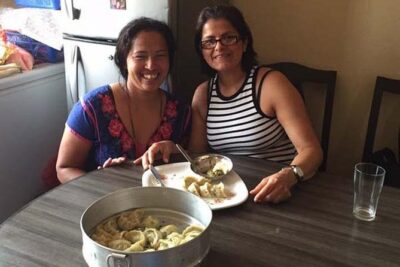
Cooking momos or dal bhat in a home kitchen. That is the real draw at Aama Kitchen in Pokhara, where you learn from the family head, your hands in the food, not just watching from the sidelines.
I especially like the hands-on pace, because you practice step by step, from dough and filling to shaping, not just getting a quick demo. I also like the homey connection you get with the family, plus the Q&A time where you can ask about spices and technique in plain language.
The one drawback to plan for is simple: this is an apartment-style, active cooking session. If you have food allergies, this may not be a good fit, and you should also be ready to go light on luggage since large bags are not allowed.
In This Review
- Key things you will notice right away
- Aama Kitchen in Pokhara, where you cook Nepal at home
- Momos or Dal Bhat, pick your comfort food
- The 3-hour flow, from Lakeside pickup to finished plates
- Meet Aama, plus the cooks behind the instruction
- What you will actually learn, beyond just tasting
- Language and Q&A, so you can ask the questions that matter
- Price and value, why $28 makes sense for this kind of lesson
- Who this class is perfect for, and who should rethink it
- Practical tips so you feel comfortable in a family apartment kitchen
- Should you book Aama Kitchen’s momo or dal bhat class?
- FAQ
- Can I choose between momos and dal bhat?
- Where does pickup happen?
- How long is the cooking class?
- Will I be in a group with other people?
- What languages does the instructor speak?
- Is the home kitchen wheelchair accessible?
- What is included in the price?
- What should I bring?
- Are there restrictions on luggage?
- Can I cancel for a refund or pay later?
Key things you will notice right away
- You choose momo or dal bhat before you arrive, so the whole class is focused on what you actually want to learn
- Pickup and drop-off from Pokhara Lakeside removes the hassle of finding the home kitchen yourself
- Aama leads the instruction, with English and Hindi support, and time for Q&A
- Shaping practice is real, including patient coaching if folding momos does not come naturally
- You leave with recipes, so you can recreate the flavors at home instead of relying on memory
- It is a private-group feel, and some solo cooks still reported feeling welcomed and encouraged
Fold more momos: other Nepali kitchens

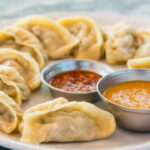
Aama Kitchen in Pokhara, where you cook Nepal at home
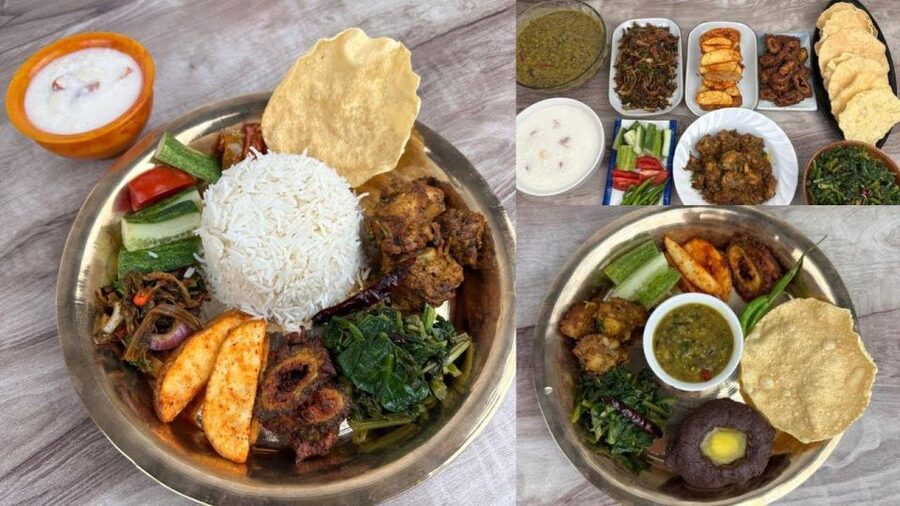
Pokhara is full of places to eat Nepali food. This is different. At Aama Kitchen, the whole point is to turn that taste into skill, in a real home kitchen run by Aama, the family head, with her family around.
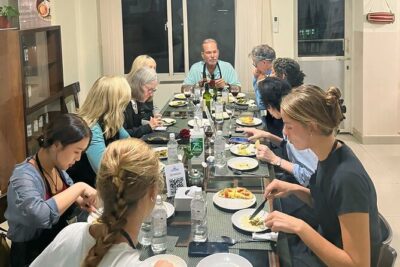
The atmosphere matters. You are not standing in a formal cooking school with a line of strangers. You are in a family apartment setting, where the instruction feels personal, and where it is normal to ask questions while you cook. If you enjoy food that feels lived-in, this is the kind of experience that clicks.
You also get practical support from start to finish. You are picked up from your hotel within the Lakeside area, driven about 25 minutes to the home, then dropped back after the class. That matters in Pokhara, because getting around can be easy one day and annoying the next, depending on traffic and your energy.
Momos or Dal Bhat, pick your comfort food
When you book, you choose your dish: MoMo (momos) or Dal Bhat. That choice is more than a menu preference. It shapes what you will cook, how you will practice, and what you will learn about Nepali flavors.
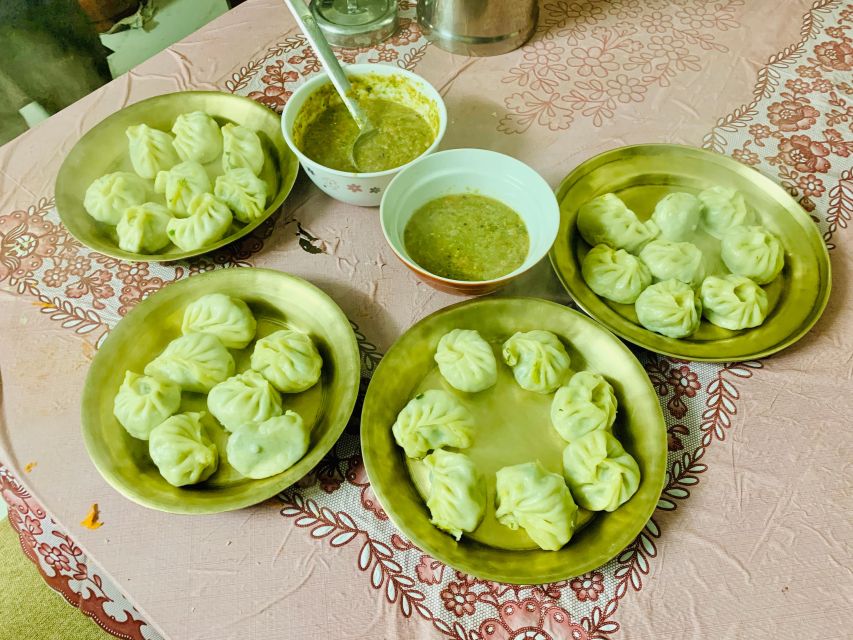
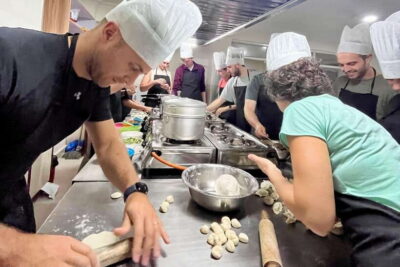
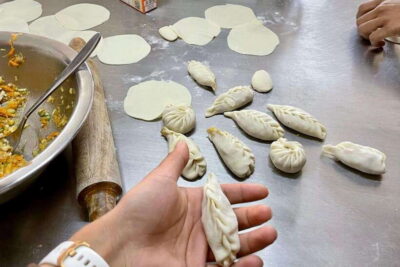
If you pick momos, you are working with the part of Nepali cuisine that is easy to fall in love with and hard to master at first. Expect hands-on shaping practice. Several people specifically mentioned struggling with folding, then being guided patiently until it made sense. So if you are not a confident “hand-cook,” you are still in the right place.
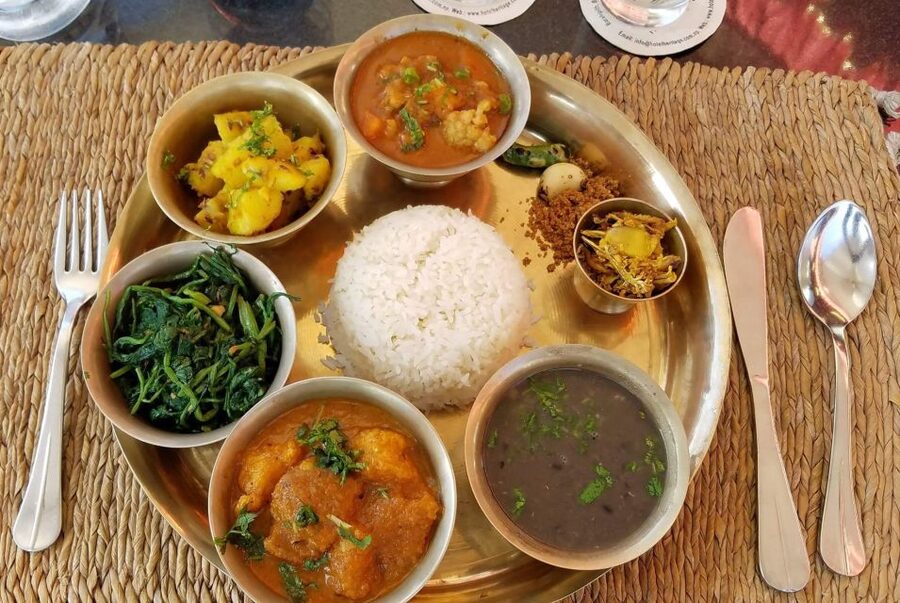
If you pick dal bhat, you get a lesson in the comfort-food structure of a Nepali meal. One of the big advantages here is that the class does not treat the dish like a single recipe. You learn how the components fit together and how spices and vegetables contribute to the final taste.
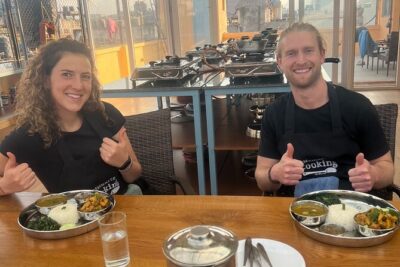
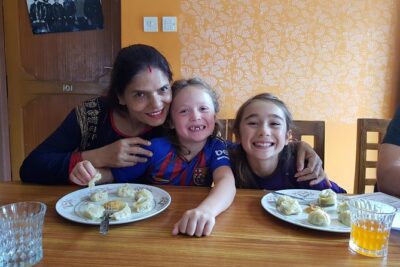
Either way, you should finish with a plate you helped make, plus a recipe you can take home. That last part is huge for value, because it turns the day from a fun memory into something you can actually repeat later.
The 3-hour flow, from Lakeside pickup to finished plates
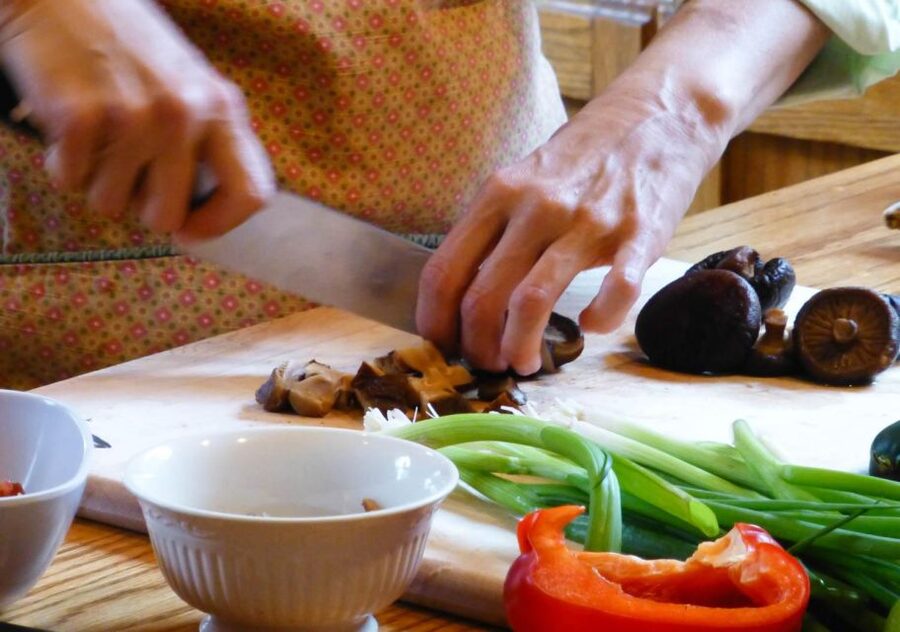
The class runs about 3 hours, which is a nice length for active learning. You are not stuck all afternoon. You also get enough time to do more than one basic step, like mixing, prepping, shaping, and cooking.
Here is the rhythm you can expect:
- You wait in your hotel lobby within the Lakeside area about 10 minutes before pickup.
- You are collected and driven around 25 minutes to Aama’s home.
- You cook with step-by-step guidance, in a homely kitchen environment.
- You eat what you made, then do any wrap-up and Q&A.
- After the cooking is done, you get driven back to your hotel and dropped off.
The day is designed to feel complete. You do not have to find ingredients afterward, or hunt for where to learn the next step. When people praise this class, they often talk about the combination of learning and actually enjoying the food you made, not just the teaching itself.
Meet Aama, plus the cooks behind the instruction
The host is Aama, the family head, and the instruction is led by an experienced Nepali house cook. In practice, you are being guided by the kind of cook who has done this for years, not by someone reciting a script.
From the class experiences shared, you may hear different names. Some people mentioned Sadaha when talking about learning dal bhat. Others specifically called out Shanta as an excellent cook. Either way, the pattern is consistent: you get warm, patient coaching and real conversation while you cook.
It also helps that the family is part of the experience. A few descriptions mention meeting Aama and her sons in the home kitchen. That changes the vibe. You are not just learning techniques, you are learning how people talk about food in everyday life.
One more bonus that keeps coming up: cooking facilities are described as clean, and the teaching is said to be patient, including when someone needs extra practice with momos. If you worry you will feel awkward or rushed, this is the kind of place that reduces that stress.

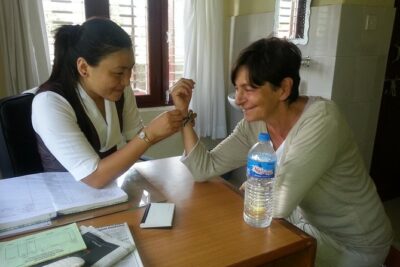
What you will actually learn, beyond just tasting
This class focuses on technique you can use again. The best part is that you are not only asked to taste. You are asked to build.
For momos, the learning path usually means:
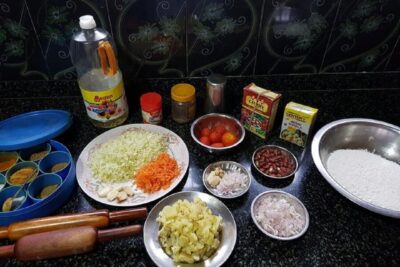
- understanding the dough and the filling approach,
- learning how to shape and fold,
- cooking the momos until they are done properly,
- and asking questions as you go.
The practical payoff is obvious. If you have only eaten momos and never made them yourself, you will come away with a clearer sense of what makes a good momo, and why some shapes cook differently. And yes, you may start out terrible at folding. But the point is that someone will show you, then wait while you try again.
For dal bhat, expect learning that feels broader than a single recipe. People mentioned lots of information around spices, curries, and how vegetables are used. There was also mention of learning about the origins of ingredients, including harvest time, which gives you a better “why” behind flavors. If you like understanding food culture, this part is satisfying.
Timing can also add a small extra layer. One example described taking place during festival time in October, with an opportunity to learn about the cultural side and even receive a tika and a small ceremony. That is not something you should plan on every trip, but it is a good reminder that food and festival life often overlap in Nepal.
Language and Q&A, so you can ask the questions that matter
Instruction is available in English and Hindi, which is a big quality-of-life detail in Pokhara. It means you can ask follow-up questions without worrying that a language barrier will trap you in silence.
There is also a Q&A portion included. That matters because cooking mistakes are rarely mysterious. People usually want to know things like:
- Why does a spice taste different at home versus a restaurant?
- How do you balance sour, spice, and salt?
- What should you watch for so momos do not break or turn out undercooked?
This class is set up so you can ask those questions while you still have the ingredients and tools in front of you, not days later when it is too late.
Price and value, why $28 makes sense for this kind of lesson
At $28 per person and 3 hours, this sits in the “value if you care about cooking” category. You are paying for more than a meal. You are paying for:
- hotel pickup and drop-off within the Lakeside area,
- all ingredients and equipment,
- instruction from Aama and the family cook,
- and a take-home recipe.
If you simply ate dal bhat or momos at a restaurant, you would get food, not technique. And if you took a typical cooking class that is mostly observation, you might leave with a few notes but no real muscle memory. Here, the structure is hands-on, and the feedback in the descriptions is consistently about learning plus delicious results.
Also, the class is rated very highly for transport. That matters because nothing kills a good day faster than stressful logistics. Knowing that the ride experience is strong helps you relax, show up on time, and focus on cooking.
Who this class is perfect for, and who should rethink it
This is a great fit if you:
- want a short, memorable cultural activity in Pokhara,
- like hands-on cooking more than watching,
- enjoy Nepali food and want to learn the basics properly,
- want a home-style meal you can recreate,
- or you travel solo and still want a warm, guided experience.
It is less suitable if you have food allergies. Since the class includes hands-on cooking and ingredients are provided, you should not book unless you are confident it can safely meet your needs. If allergies are part of your life, check carefully before you go, because the class data does not describe an allergy-safe plan.
It is also not the best pick if you hate active mess. The kitchen is homely and involved. Wear clothes you do not mind getting a little cooking-life on.
Practical tips so you feel comfortable in a family apartment kitchen
This is one of those tours where small preparation pays off.
Wear comfortable shoes and clothes. You will be standing and moving around while cooking, and momos especially can mean lots of shaping work.
Pack light. Luggage or large bags are not allowed, so bring only what you need for the lesson day. If you need to store something, plan to keep it at your hotel.
If you are sensitive to noise or shared space, remember this is a family apartment setting. It is not a staged commercial studio. People described it as cozy and homely, which is part of the charm, but it does mean you are cooking in a real household environment.
One more helpful note: the class is wheelchair accessible. So if mobility is an issue, you can consider it, as long as your comfort level with an apartment kitchen setup works for you.
Should you book Aama Kitchen’s momo or dal bhat class?
I think you should book if you want an authentic Pokhara food experience that teaches real skills. The main reasons are simple: you cook step by step, you learn from Aama and her family, you get a Q&A, and you leave with recipes, not just a full stomach.
You might skip it if you have allergies, or if you want a totally hands-off, sit-and-watch activity. This class asks you to participate. If that is your thing, it feels like money well spent.
If you want the best match, choose based on what you already love. Pick momos if you want shaping practice and a fun challenge. Pick dal bhat if you want spice and meal-structure learning that makes Nepali comfort food easier to reproduce at home.
If you do book, show up on time for the Lakeside pickup, wear comfortable clothes, and keep your bags minimal. Then go in with a simple mindset: try, ask, and enjoy learning in a real kitchen.
FAQ
Can I choose between momos and dal bhat?
Yes. You choose MoMo or Dal Bhat at the time of booking and the class focuses on that dish.
Where does pickup happen?
Pickup is included from your hotel within the Lakeside area of Pokhara.
How long is the cooking class?
The duration is 3 hours.
Will I be in a group with other people?
It is a private group.
What languages does the instructor speak?
The instructor speaks English and Hindi.
Is the home kitchen wheelchair accessible?
Yes, it is listed as wheelchair accessible.
What is included in the price?
Round trip transfer from and to your hotel within Lakeside, hands-on guidance, ingredients and cooking equipment, instruction from Aama, and a Q&A session.
What should I bring?
Wear comfortable shoes and comfortable clothes.
Are there restrictions on luggage?
Yes. Luggage or large bags are not allowed.
Can I cancel for a refund or pay later?
You can cancel up to 24 hours in advance for a full refund, and there is a reserve now, pay later option.
Chop, Fold, Simmer
The Rest of Our Pokhara Write Ups

More Kitchens, More Momos
Everything else we have reviewed around Pokhara
- Pokhara: Cable Car Tour – Bird Eye View of Mountain & Lake
★ 4.4 · 3 reviews - Jomsom Muktinath Tour by 4WD SUV 2 Days
★ 5.0 · 3 reviews - Ghorepani Poonhill Private Trek – 2 nights / 3 days
★ 4.5 · 3 reviews - Pokhara: 30-Minute Paragliding Adventure with pick up/drop off
★ 4.5 · 3 reviews - Pokhara: 7-Day Annapurna Base Camp Trek via Ghandruk
★ 4.3 · 3 reviews - Pokhara Group Joining Sarangkot Sunrise Himalayas Tour
★ 5.0 · 3 reviews
Nepali Cooking Classes worth a second look.
 ★ 5.0Half day cooking class in Thamel kathmanduFrom $28607 reviews
 ★ 4.9Local Women-Led Nepali Cooking & Momo ClassFrom $4360 reviews
 ★ 5.0Local Lead Nepali Cooking & Momo-Making ClassFrom $5212 reviews
 ★ 5.0Local Women Lead Nepali Cooking ClassFrom $30125 reviews
 ★ 5.0Nepalese Momos or Dal Bhat Cooking Class (Cook with Delight)From $5099 reviews
 ★ 5.0The best Private Nepali Cooking Class in KathmanduFrom $2483 reviews
 ★ 5.0Nepalese Kitchen in Pokhara: Momos or Dal Bhat Cooking ClassFrom $2867 reviews
 ★ 4.8Traditional Momo Making Class & PickupFrom $460 reviews
Lists this tour sits in