
REVIEW · NEPALI COOKING CLASSES
The best Private Nepali Cooking Class in Kathmandu
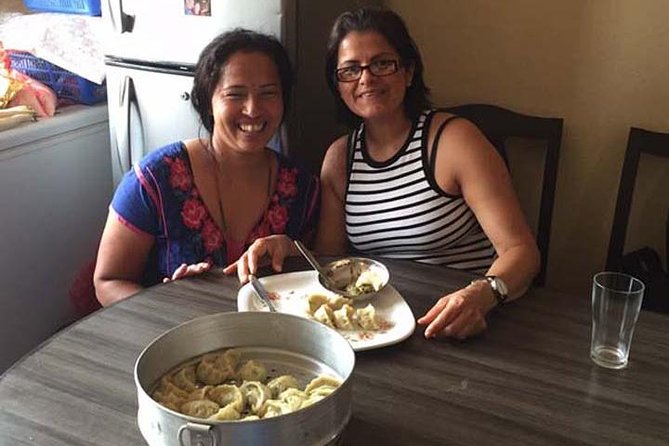
Cooking in a real Nepali home beats restaurants. This private class takes you into Kalpana Thapa’s family kitchen, with hotel pickup and drop-off and a hands-on start that includes picking ingredients for your meal. You also get market and organic farm time, so the lesson begins long before the first spoon hits the pot.
I especially like how active the day feels. You grind whole spices, chop vegetables, and learn the logic behind the food, not just the final taste. There is also strong flexibility for diets, including a vegetarian option you can request in advance.
One thing to consider: this is real cooking work. Even if you are not a confident cook, you will be doing plenty of prep, including labor-heavy tasks like grinding spices.
In This Review
- Key takeaways before you go
- A local-family kitchen, not a demo in a studio
- What you’ll actually cook, from dal soup to Nepali sides
- The ingredient hunt, market and organic farm time
- The cooking lesson style: chopping, grinding, and learning the why
- Eating what you made, and leaving with recipes you can use
- Who hosts this class, and why it feels personal
- Value in Kathmandu: $24 for a private, food-included workshop
- Practical timing and what to plan for
- Who should book this class, and who might skip it
- Should you book Kalpana’s cooking class in Kathmandu?
- FAQ
- How long is the private Nepali cooking class in Kathmandu?
- What dishes will I learn to make?
- Is hotel pickup and drop-off included?
- Is lunch and all food included?
- Can the class accommodate vegetarian or special dietary requirements?
- Is this tour private?
- What happens if weather is poor or I cancel close to the start time?
Key takeaways before you go
- Private, family-run class in a local home with Kalpana Thapa and her family
- Hotel pickup and drop-off so you can focus on cooking, not logistics
- Ingredient shopping and selection at a local market and an organic farm
- You cook a full meal with rice, dal soup, vegetables, and more depending on the session
- Vegetarian and special diet support if you tell them ahead of time
- PDF recipes included, so you can recreate the food after Kathmandu
Fold more momos: other Nepali kitchens
A local-family kitchen, not a demo in a studio
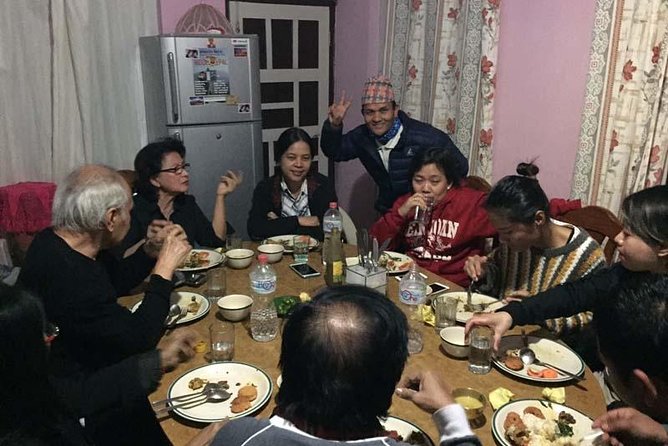
Kathmandu can pull you fast from one sight to the next. This class gives you a slower, more personal angle on Nepali food. You are not watching someone else do everything. You are working right alongside the people teaching you, inside a home setup that feels warm and familiar.
The day starts with convenience. Hotel pickup and drop-off means you do not have to figure out local transport while you are focused on learning. Once you arrive, the teaching style matches the setting. It is friendly, practical, and aimed at helping you understand what you are doing and why.
One of the best parts is the meal is built from ingredients you select earlier. You are not stuck with a “menu you never would have chosen.” Instead, you get to choose what goes into your cooking, which makes the final lunch feel earned. It also makes the techniques easier to remember, because you can connect the skill to the ingredient.
And yes, the small things matter. You start with warm homemade masala tea or coffee, which sets the tone immediately. It is simple, but it helps you settle in before the chopping begins.
What you’ll actually cook, from dal soup to Nepali sides
This is a full cooking class, not a snack tutorial. The hands-on menu includes a set meal built around Nepali comfort food and everyday staples. Based on the class format, expect work that centers on:
- Plain rice and dal soup (the core combination for dal bhat style meals)
- Seasonal vegetables and spinach
- A protein option such as chicken
- A crunchy, flavorful side like pickle papad fry
You might also get hands-on experience with dumplings, since Nepali momos are repeatedly part of the class experience. The point is not memorizing dish names. The point is learning patterns: how spices are ground, how flavors are layered, and how cooking times work in a home kitchen.
A helpful detail: the class is designed to be adaptable. If you are vegetarian, you can request that ahead of time. If you have specific dietary requirements, tell the host when you book, and they will adjust the menu to fit.
Why this matters for your trip: if your only goal is tasting Nepal, a restaurant can do that. If your goal is coming home with skills you can repeat, this meal-focused approach gives you clear targets. You finish the class able to recreate a whole plate, not just one dish.
The ingredient hunt, market and organic farm time
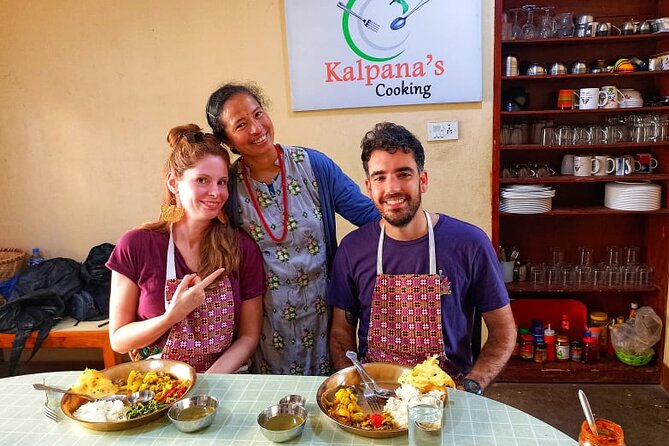
The class includes time outside before you cook. You start with stops where you choose ingredients, including a local market and an organic farm. This is more than a scenic add-on. It changes how the cooking makes sense.
When you pick vegetables and other items yourself, you understand why the flavors turn out the way they do. You also learn what “seasonal” actually means in Nepal. Instead of asking what a dish is supposed to taste like, you experience how the ingredients drive the flavor.
This also gives you a break from city intensity. Several people describe a calmer feel once you get away from central Kathmandu and into the suburbs or countryside setting for the home kitchen. Even if you are not a garden person, it helps to start cooking with vegetables that look fresh and crisp, because it affects everything from chopping to how quickly ingredients soften.
Practical note: if you care about what you eat, pay attention during ingredient selection. Ask questions about what is in season and how each item behaves in cooking. That is where you start picking up the practical “technique vocabulary” that later makes the recipe stick.
The cooking lesson style: chopping, grinding, and learning the why
Once you’re back at the home kitchen, you get into the core skills. The class is hands-on, and the pace is geared toward participation, not performance.
A few standout moments from the class flow:
- You chop vegetables and prep components right in the home kitchen
- You learn how masala flavor gets built, including the traditional approach of grinding whole spices
- You pound or prep fresh ginger and garlic, which is key to Nepali kitchen flavor
This is where the class becomes more than a single afternoon. Grinding spices and working with fresh aromatics teaches you the difference between “spice powder flavor” and “fresh ground spice flavor.” You can taste it, and you can feel the texture changes as you cook.
You will also be taught with a do-it-yourself rhythm. One thing that keeps showing up in the experience is that the host teaches, then helps you do the task yourself. That matters, because if you never practice grinding, chopping, or timing, the recipe back home becomes guesswork.
And there is time to ask questions. People report feeling comfortable enough to film and photograph steps for later. If you are the type who likes to learn visually, bring your phone storage habits with you. You will want enough space for recipe steps.
Finally, this class is built around a real meal. You do not just taste samples and leave. You cook and then you eat what you made, which makes the whole process feel satisfying and complete.
Private guides for Kathmandu, a few more
Eating what you made, and leaving with recipes you can use
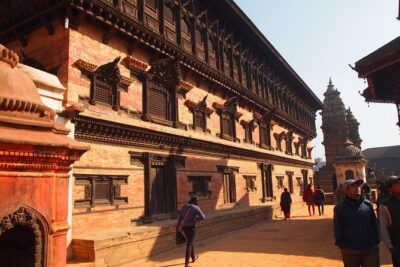
The finish is the part most people remember clearly: you sit down and enjoy the meal you crafted. That means the lunch is not a separate event. It is the final chapter of the cooking lesson.
Because it is a full spread, you are likely to feel fed. I would plan your day accordingly. If you tend to snack on the go, keep it light beforehand. You will want room for your own dal soup, vegetables, sides, and the rest of the set meal.
When the class ends, you depart with PDF recipes. This is one of the most practical benefits. A photo of your dish is nice. A written recipe you can reference later is better, especially when you want to recreate spice ratios or understand cooking order.
The PDF also helps you translate what you learned. Even if you do not cook frequently at home, it turns the experience into something you can use within a week, not something you only remember in vague flavor terms.
Who hosts this class, and why it feels personal
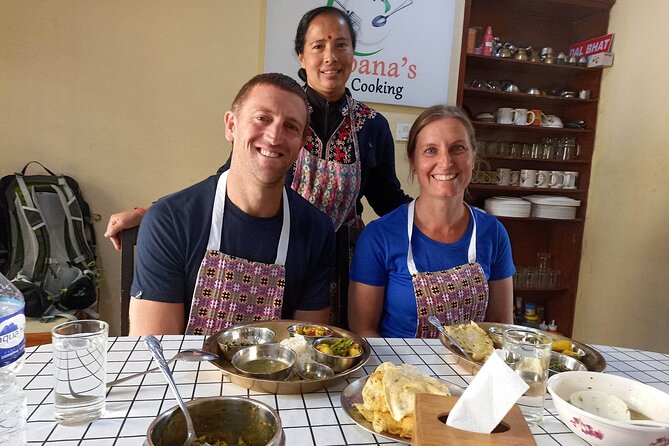
This class is hosted by Kalpana Thapa and her family. That family touch is not a vague claim. It shows up in the details: warm hospitality, a home setting, and teaching that keeps you involved.
Many people describe Kalpana as welcoming and thoughtful. A repeated theme is how much effort goes into comfort and fun during the cooking day. That makes a difference for first-time cooks, because it reduces pressure. You are less likely to worry about doing things “wrong” and more likely to learn quickly.
Another highly praised point: menu adjustments for dietary needs. If you request vegetarian or other special requirements, the host can swap components so you still get the full lesson experience. For anyone with dietary restrictions, this matters more than you might expect. It is easy for cooking classes to become awkward if the plan cannot adapt. Here, it is built to adjust.
Also, the calm setting helps. People mention a peaceful, cozy home base with a garden element. That garden time is not just decoration. You are choosing vegetables straight from the space, so you see the ingredients in their fresh context before you cook them.
Value in Kathmandu: $24 for a private, food-included workshop
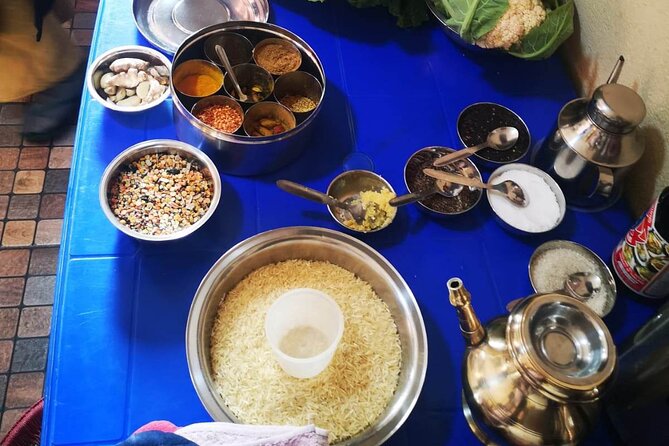
Price is $24 per person for a roughly 4 hours 30 minutes experience. That sounds almost too low for a private, family-run class, especially in a city where tours can be more expensive and more scripted.
Here is where the value comes from:
- Hotel pickup and drop-off are included, so you are not paying extra for transport
- All food is included, with morning tea or coffee and a full lunch
- You get a private tour/activity, meaning your group is the only participants
- You receive PDF recipes, so you take something home that supports repeat cooking
If you compare this to paying for multiple meals plus a guided cultural activity, the math starts to make sense quickly. You are paying for both the teaching and the meal outcome, plus the ingredient shopping experience.
A final value angle: the class is booked ahead on average, around 18 days. If you want a specific day, you should treat it like a popular cooking workshop. Early booking helps lock in your preferred schedule.
Practical timing and what to plan for
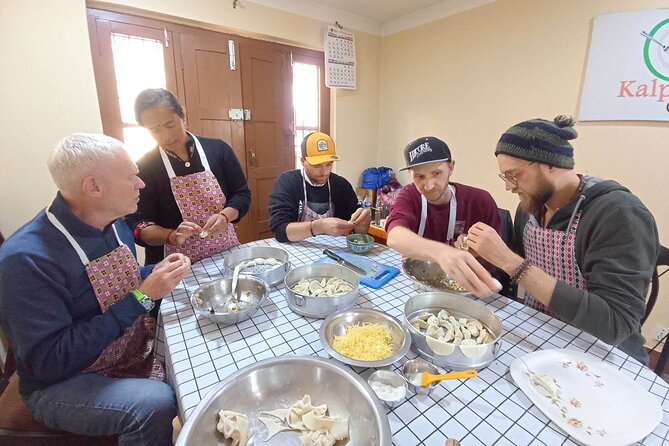
Plan your day around a half-day block. You should assume a start time that fits your pickup from your hotel or homestay. Once you are picked up, you will spend time on the ingredient path and then cooking at the home.
If you have a tight itinerary with other activities, keep buffer time on both ends. Even though the duration is around 4 hours 30 minutes, Kathmandu traffic and route timing can affect how smooth the pickup and return feel.
Also think about your comfort level with active kitchen work. Some tasks are labor-intensive, and traditional cooking can require real effort, especially for grinding spices and prep work. If you have limited mobility or get fatigued easily, consider telling the host in advance so they can guide you to suitable tasks.
One more practical tip: wear clothes you can get a little messy. You are chopping, handling spices, and likely spending time near active cooking stations.
Who should book this class, and who might skip it
You should book this Nepali cooking class if you want:
- A hands-on cultural experience, not just sightseeing
- The chance to learn dishes like dal bhat style dal soup and rice, plus vegetables and sides
- Ingredient selection time, including market and organic farm stops
- A class that supports vegetarian and special diets if you plan ahead
- Lunch that is part of the learning, not a bonus
You might skip it if:
- You want a mostly observational experience where you do minimal prep
- You are uncomfortable with labor-intensive kitchen tasks
- You already have a very limited schedule and cannot spare around 4 hours 30 minutes
Should you book Kalpana’s cooking class in Kathmandu?
If you want one food experience that feels both practical and personal, I think this class is a strong choice. It earns its high rating because it combines four things that are hard to find together: private instruction, a real home setting, ingredient picking before cooking, and a meal that ties it all off.
I would book it if you care about coming home with usable skills, not just photos. The PDF recipes help with that. I would also book it if your diet has limits. The menu can be adjusted in advance, which is a big deal for comfort and fairness.
If you prefer low-effort activities, or you cannot do much kitchen prep, you may find it too hands-on. But if you are willing to chop, grind, and learn, you will leave feeling like you understood a piece of daily Nepali life, one dish at a time.
FAQ
How long is the private Nepali cooking class in Kathmandu?
The class lasts about 4 hours 30 minutes.
What dishes will I learn to make?
The set meal includes plain rice, dal soup, seasonal vegetables, spinach, chicken, and pickle papad fry. The class is also described as covering Nepali staples like dal bhat and momo.
Is hotel pickup and drop-off included?
Yes. Hotel pickup and drop-off are included, and transportation is provided by private vehicle.
Is lunch and all food included?
Yes. Morning tea or coffee and lunch are included, and all food is included.
Can the class accommodate vegetarian or special dietary requirements?
Yes. A vegetarian option is available, and the class can cater to travelers with special dietary requirements if you advise them at the time of booking.
Is this tour private?
Yes. It is a private tour/activity, and only your group participates.
What happens if weather is poor or I cancel close to the start time?
The experience requires good weather. If it is canceled due to poor weather, you will be offered a different date or a full refund. You can cancel up to 24 hours in advance for a full refund, and cancellations within 24 hours are not refunded.
Kathmandu Without the Group Bus
The Rest of Our Kathmandu Write Ups
More Kitchens, More Momos
Everything else we have reviewed around Kathmandu
- 12 Days Everest Base Camp Trekking
★ 5.0 · 3 reviews - 1 Night 2 Days Chitwan Jungle Safari Tour from Pokhara or Kathmandu
★ 3.0 · 3 reviews - Thamel Rickshaw tour
★ 4.7 · 3 reviews - Kathmandu: Momo Making Class with a Local Chef
★ 5.0 · 3 reviews - Kathmandu: Full-Day Yoga, Body Massage and Pedicure Package
★ 5.0 · 3 reviews - From Kathmandu / Pokhara / Chitwan: River Rafting – 1 Day
★ 4.6 · 3 reviews
Nepali Cooking Classes worth a second look.
 ★ 5.0Half day cooking class in Thamel kathmanduFrom $28607 reviews
 ★ 4.9Local Women-Led Nepali Cooking & Momo ClassFrom $4360 reviews
 ★ 5.0Local Lead Nepali Cooking & Momo-Making ClassFrom $5212 reviews
 ★ 5.0Local Women Lead Nepali Cooking ClassFrom $30125 reviews
 ★ 5.0Nepalese Momos or Dal Bhat Cooking Class (Cook with Delight)From $5099 reviews
 ★ 5.0Nepalese Kitchen in Pokhara: Momos or Dal Bhat Cooking ClassFrom $2867 reviews
 ★ 4.8Traditional Momo Making Class & PickupFrom $460 reviews
 ★ 5.0Traditional Nepali Momo Making ClassesFrom $1853 reviews
Lists this tour sits in