
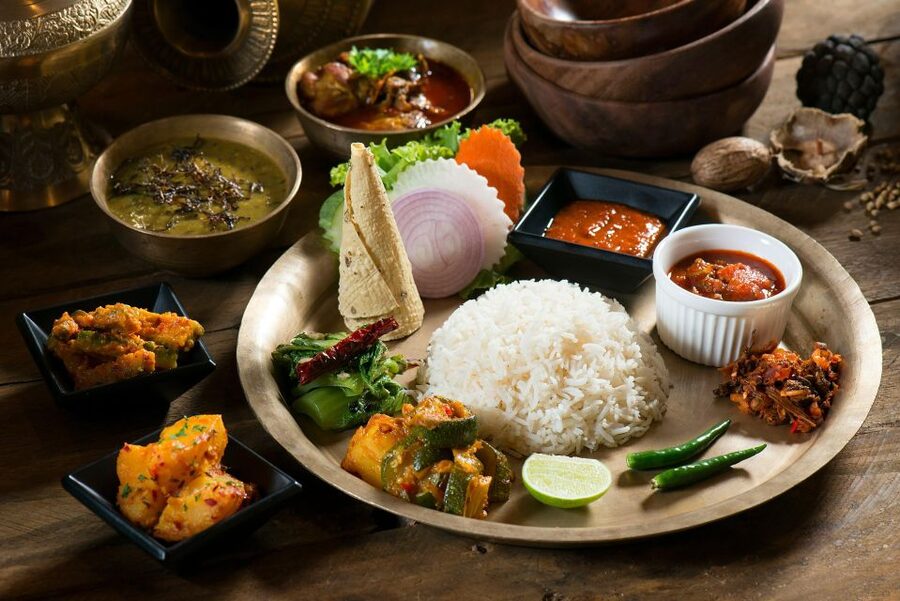
REVIEW · THAMEL WALKING & RICKSHAW TOURS
Thamel Rickshaw tour
Kathmandu by cycle rickshaw feels like a small, fast time machine. You start in Ason Market Square, then glide into Kathmandu Durbar Square and wrap with quieter Tibetan flavor at Shree Gha, all in a half-day loop.
What I like most is how the tour blends easy-to-follow culture stops with real street food stops. You get a short breakfast-style wander in Ason, then major UNESCO-listed sights at Durbar Square, including the Kumari Ghar area when timing lines up.
The main thing to consider is that the ride is tight and bumpy at street level. You should come light, skip large bags, and think twice if you have back or heart issues or mobility limits, since it is not built for wheelchairs or heavy luggage.
In This Review
- Key things to know before you go
- A Morning Rickshaw Loop Through Ason, Durbar Square, Shree Gha, and Thamel
- Why This Tour Feels Personal: The Rickshaw Driver Connection
- Ason Market Square: Breakfast Bites, Spice Smells, and Temples Nearby
- Kathmandu Durbar Square: UNESCO Sights and the Living Goddess Timing
- The Optional $5 Street Food Challenge: Fun Upgrade or Easy Skip
- Shree Gha Stupa: Tibetan Calm, Prayer Wheels, and Cold Noodles
- The Thamel Ride Back: A Different View of the Same Streets
- Price and Value: What $14 Really Buys You
- Practicalities That Affect Comfort: Bags, Streets, and Your Health Limits
- Who This Tour Suits Best (And Who Should Skip It)
- Should You Book the Thamel Rickshaw Tour?
- FAQ
- Where does the tour start and end?
- How long is the Thamel Rickshaw tour?
- What main places are included?
- Is there a food option during the tour?
- What is the $5 Food Challenge, and is it included?
- Are entry fees included?
- What languages can the driver speak?
- Are luggage or alcohol allowed?
Key things to know before you go
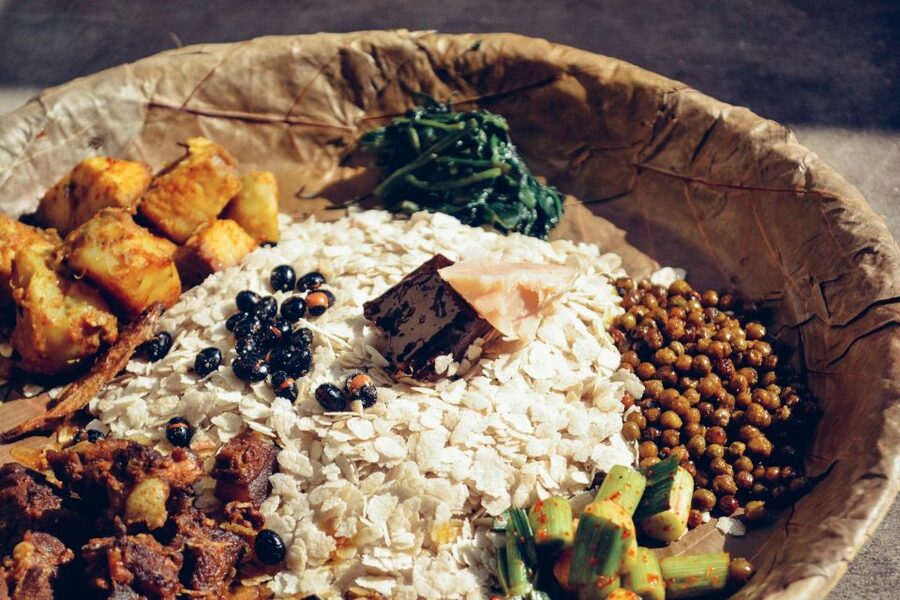
- Ason Market breakfast focus: You’ll taste classic Nepalese bites like sel roti and samosas with masala chai while walking among spices and handmade goods.
- Durbar Square with specific landmark highlights: Hanuman Dhoka Palace, Kasthamandap, Taleju Temple, and Gaddi Baithak are part of the route.
- Living Goddess viewing depends on the hour: Kumari Ghar can be seen from the balcony between 9-11 AM and 4-6 PM.
- Optional $5 Street Food Challenge adds variety: It is extra and you choose your level of risk and appetite at places like Freak Street and Indrachowk.
- Shree Gha Stupa is the calmer reset: Butter lamp lighting, prayer wheels, and Tibetan street foods like laphing and keema noodles.
- The driver matters: One common theme is a punctual, careful driver who explains sites and adds extra local pointers.
Still in Thamel? Keep wandering
A Morning Rickshaw Loop Through Ason, Durbar Square, Shree Gha, and Thamel
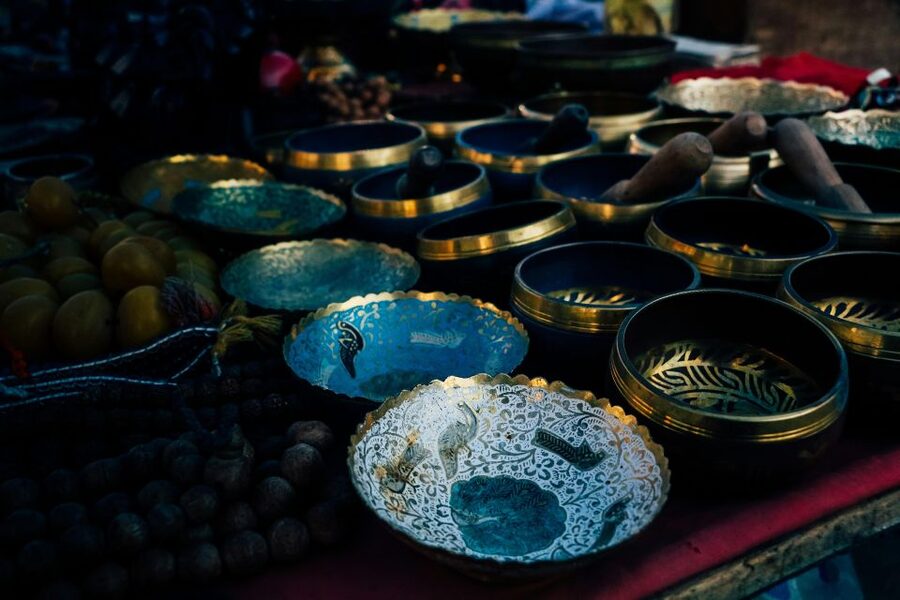
This is the kind of Kathmandu half-day that helps you get your bearings fast. Instead of hopping randomly between landmarks, you move through a logical loop, starting in one of the city’s oldest market zones, then hitting a UNESCO-listed square, and finally easing into a smaller stupa area near Thamel.
You’re riding a traditional cycle rickshaw, which changes how you experience streets. Cars and buses flatten distance. A rickshaw makes the turns feel close, makes smells and shop signs part of the story, and gives you more chances to ask vendors what something is. It also makes the whole day feel more personal than a big group bus tour.
For a four-hour price point, the best value is not just the sights. It’s the mix of public life, religious landmarks, and food stops that you can actually enjoy in one sitting.
Why This Tour Feels Personal: The Rickshaw Driver Connection
The tour is built around local rickshaw drivers, and that shapes the experience in a good way. You’re not only getting transport, you’re getting someone who knows the streets and can point out what matters as you pass it.
This matters in two practical ways. First, a careful driver helps you stay comfortable in traffic-heavy areas. Second, when a driver communicates well in English, Nepali, or Hindi, you spend less time guessing and more time understanding what you’re looking at. In my experience, when the driver is punctual and polite, the whole day runs smoother because you are not scrambling to catch up.
There’s also a bigger reason to care. The drivers you see in Thamel used to have direct access to tourists through their work in cultural tourism. Digital booking platforms changed that flow, so many drivers struggled. Your booking helps put direct work back into their hands, day by day.
If you like the idea of tourism that supports people you can actually see working, this tour fits that mindset.
Ason Market Square: Breakfast Bites, Spice Smells, and Temples Nearby
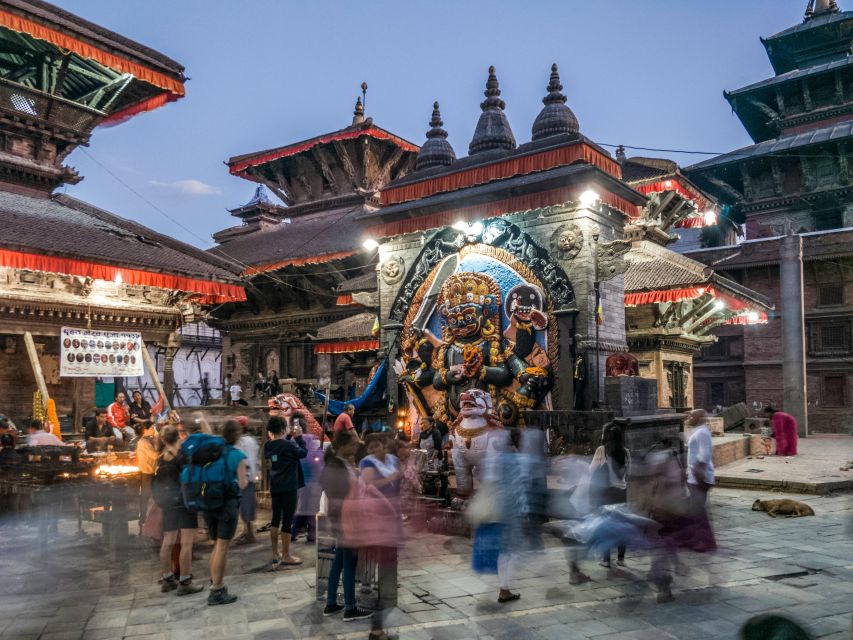
Ason Market Square is where the city’s daily life shows up immediately. You start walking through lanes with produce, spices, and small handmade goods. It feels like a living marketplace, not a staged market made for photos.
This stop works even if you’re hungry and even if you are just curious, because it’s set up around simple sampling. You taste traditional Nepalese breakfast items like sel roti and samosas, plus a cup of masala chai. Even if you don’t eat much, the smells and the pace of the market help you understand Kathmandu in a few minutes.
You also get temple context in the area, with Annapurna and Ganesh mentioned as nearby sights. That combination, market life plus religious landmarks close by, is exactly what you want in a first-time Kathmandu day. It shows how everyday commerce and faith sit side by side.
A small consideration: Ason is a market. That means you’ll see lots of people and food stalls. If you want quiet time, you may have to choose your pace and step aside during peak moments.
Kathmandu Durbar Square: UNESCO Sights and the Living Goddess Timing
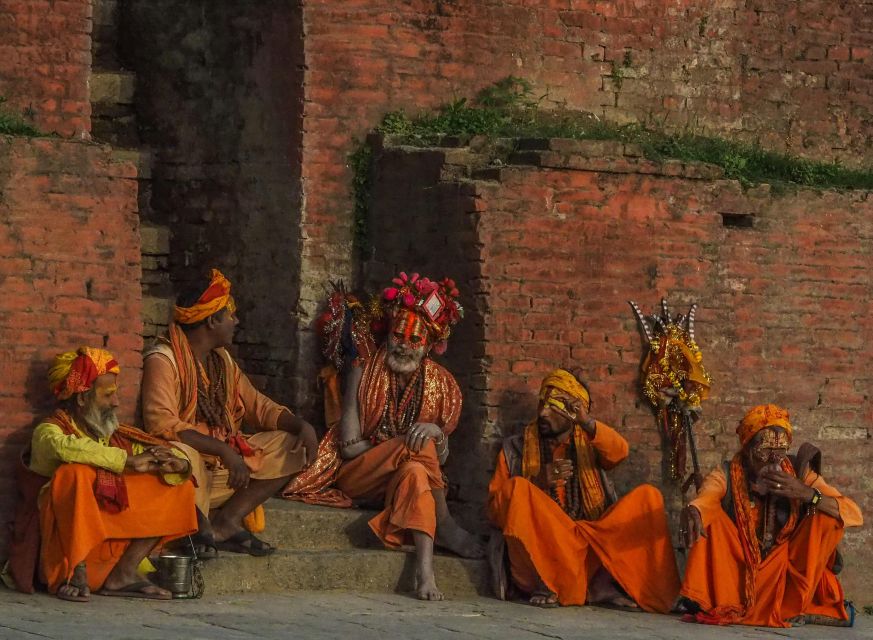
After Ason, you shift from market energy to heritage architecture. Kathmandu Durbar Square is a UNESCO World Heritage Site, and the tour highlights several landmarks inside the square.
Here’s what the day is set up to help you notice:
- Hanuman Dhoka Palace: This is the core royal area now housing a museum.
- Kumari Ghar: This is the famous Living Goddess house. If you’re there between 9-11 AM or 4-6 PM, you can spot the Kumari from her balcony.
- Kasthamandap: An ancient wooden structure that matters symbolically for the square.
- Taleju Temple: Dedicated to the goddess Taleju, worshipped by the Malla kings.
- Gaddi Baithak: A neoclassical building tied to Nepal’s colonial-era chapter.
- Freak Street: Once central to the hippie era, now a lively street for locals and visitors.
The key value here is not only that these places are famous. It’s that the tour gives you a map of what you’re seeing. When you know the roles of each building, the square stops being random stone and becomes a sequence of power, worship, and community life.
The one timing issue is Kumari Ghar. If your start time lands outside the viewing windows, you may miss the balcony sight. You will still see the square and its landmarks, but the Living Goddess moment is time sensitive.
The Optional $5 Street Food Challenge: Fun Upgrade or Easy Skip
If you want more than sightseeing and basic tasting, the optional $5 Food Challenge is the add-on. It costs extra as a personal expense, and it’s not the default.
What you can look for includes momos, pani puri, and a few specific stops around Freak Street and Indrachowk. The idea is to try a handful of small bites without turning the tour into a full meal plan. The list also mentions classic Kathmandu favorites and specific places, including Snowman Cafe for cake, Suju Corn Dog, Janakpur Dahi Lassi Bhandar for lassi, Bhatti Restro for Newari cuisine, and Mama Chiya for tea.
Why it’s worth considering: the challenge turns street food from a vague idea into a planned order of operations. You’ll know what you are hunting for, and your appetite gets rewarded with a variety of textures and flavors.
Why you might skip it: if you are not comfortable with street snacks, if you have lactose intolerance, or if you prefer to control what you eat, the challenge can feel like pressure. Also, the tour already includes some breakfast-style tasting in Ason. You may not want extra food on top.
My advice: if you do it, go slow. Street food is fun, but it’s still food in motion. Save room for the calmer pacing later at Shree Gha Stupa.
Shree Gha Stupa: Tibetan Calm, Prayer Wheels, and Cold Noodles
After Durbar Square, the day shifts again. Shree Gha Stupa is a small, peaceful stop near Thamel and Kathmandu Durbar Square, and it works like a mental reset after the bigger square.
You can light butter lamps and spin prayer wheels here. Those small actions make the space feel participatory, not just observational. You’re not required to turn it into a ceremony, but doing a simple motion helps you slow down and watch what people are doing around you.
Then comes the food portion that feels different from the market breakfast. You might find Tibetan street foods like laphing (cold noodles) and keema noodles. There’s also kulfi, described as traditional Nepali ice cream, which is a nice end-of-loop treat if you still want something sweet.
The best part about Shree Gha is the contrast. You get big stone heritage in the Durbar Square area, then you step into a smaller devotional pocket where the pace feels more human. If your feet start to feel tired, this stop can be your breathing space.
The Thamel Ride Back: A Different View of the Same Streets
Once you’ve done the main cultural and food stops, you finish with a scenic cycle rickshaw ride through Thamel. Thamel is the tourist neighborhood where you’ll see cafes, shops, and street life.
The ride here is less about seeing a specific monument and more about feeling the neighborhood rhythm from street level. Because you’re on a rickshaw, you get a better sense of where the busy streets lead and which lanes feel more local and less commercial.
You then return to your hotel area or a pre-arranged drop-off point. That matters because Kathmandu can be tiring when you are walking between zones. Having the ride end near your base is a practical win.
Price and Value: What $14 Really Buys You
At $14 per person for a 4-hour experience, this is a budget-friendly way to connect multiple parts of Kathmandu without piecing things together yourself.
Here’s what you get in that price:
- Rickshaw pick-up and drop
- Allowances and taxes included
- A private group setup
What you should plan financially outside the base price:
- Entry fees (not included)
- Foods (not included as a general category)
- The $5 Food Challenge (personal expense)
- Tour guide (listed as not included)
This structure can be good value if you like flexibility. You can treat the base tour as your route and your culture stops, then pay only for the specific food bites you want. If you go all-in on the food challenge and add extra drinks, your total will rise, but you’ll also get a day with more variety.
If you want the best value, choose your approach to food carefully. The Ason tasting already gives you classic breakfast-style items. The $5 challenge is optional and designed for people who want one more structured food push.
Practicalities That Affect Comfort: Bags, Streets, and Your Health Limits
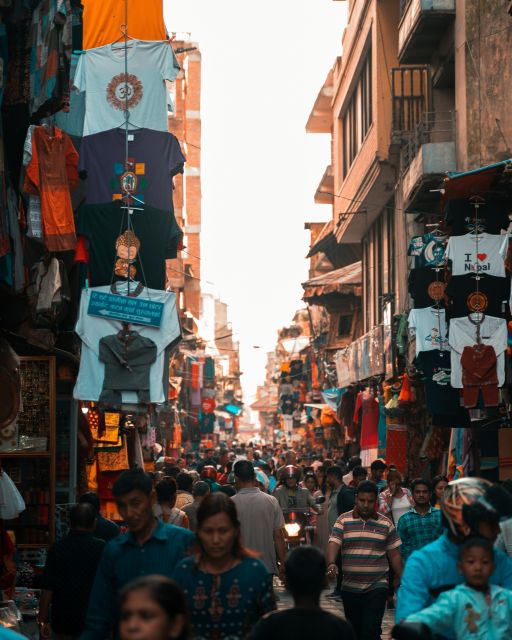
This tour has a clear practical rule set. You cannot bring luggage or large bags, and you should avoid alcohol and drugs. You also need to follow basic safety and respect rules like not littering.
Comfort is mostly about how a cycle rickshaw moves through real streets. The seats can be close, and the ride can feel bumpy depending on road surfaces and traffic. That’s why the tour is not suitable for people with mobility impairments or wheelchair users, and it lists limits for people with back problems, heart problems, high blood pressure, and lactose intolerance.
You also want to think about weight limits. The tour notes it is not for people over 243 lbs (110 kg), and it specifies age limits as well.
If you are within the suitable range and you keep your belongings minimal, you’ll likely find the day enjoyable. If you are not, it’s better to choose a different format that is easier on your body.
Who This Tour Suits Best (And Who Should Skip It)
This is a strong fit if you want:
- A focused half-day route in Kathmandu with a single plan
- Street-level food sampling, plus heritage sights
- A private group setup where you do not feel rushed by a big crowd
It also suits you if you care about working drivers. Your participation supports local livelihoods directly, and that effort is part of why this tour exists.
This is less ideal if you:
- Need wheelchair access or have mobility limitations
- Have back issues, heart issues, or high blood pressure
- Are lactose intolerant and don’t want dairy-based items
- Want a quiet, no-people day (this route runs through markets and public spaces)
Should You Book the Thamel Rickshaw Tour?
Book it if you want a practical, compact way to see Kathmandu’s market life, UNESCO-listed heritage, and a calmer stupa stop, all powered by a traditional rickshaw ride. The biggest reason to say yes is the combination: culture stops you can follow, plus food that is built into the route so you do not waste time planning on the fly.
Skip it if you need strong accessibility accommodations, or if street-level motion will be uncomfortable. Also consider skipping the $5 Food Challenge if you do not want extra snacks or if you have dietary limits.
If you’re the type who likes to ask questions, watch how locals shop and pray, and enjoy street food without turning your trip into a long food crawl, this half-day will likely feel like money well spent.
FAQ
Where does the tour start and end?
The tour includes pick-up from your Thamel hotel or a nearby pick-up point, and it ends with a return ride to your hotel or a pre-arranged drop-off point.
How long is the Thamel Rickshaw tour?
It is listed as a 4-hour experience, with a flexible schedule and the option to start in a morning window. The overall duration is described as 3 to 4 hours.
What main places are included?
The tour includes Ason Market Square, Kathmandu Durbar Square, Shree Gha Stupa, and a rickshaw ride through Thamel.
Is there a food option during the tour?
Yes. You start with traditional Nepalese breakfast items at Ason Market Square, and there is also an optional $5 Street Food Challenge for extra spending.
What is the $5 Food Challenge, and is it included?
The $5 Street Food Challenge is optional and is listed as extra. Foods are not included, and the challenge is treated as a personal expense.
Are entry fees included?
No. Entry fees are listed as not included.
What languages can the driver speak?
The driver is listed as speaking English, Nepali, and Hindi.
Are luggage or alcohol allowed?
Large bags or luggage are not allowed. Alcohol and drugs are not allowed, and alcohol is also not allowed in the vehicle.
Everything Bookable Around Kathmandu
The Rest of Our Kathmandu Write Ups
Still in Thamel
Everything else we have reviewed around Kathmandu
- 12 Days Everest Base Camp Trekking
★ 5.0 · 3 reviews - 1 Night 2 Days Chitwan Jungle Safari Tour from Pokhara or Kathmandu
★ 3.0 · 3 reviews - Thamel Rickshaw tour
★ 4.7 · 3 reviews - Kathmandu: Momo Making Class with a Local Chef
★ 5.0 · 3 reviews - Kathmandu: Full-Day Yoga, Body Massage and Pedicure Package
★ 5.0 · 3 reviews - From Kathmandu / Pokhara / Chitwan: River Rafting – 1 Day
★ 4.6 · 3 reviews
Thamel Walking & Rickshaw Tours worth a second look.
 ★ 5.0Half day cooking class in Thamel kathmanduFrom $28607 reviews
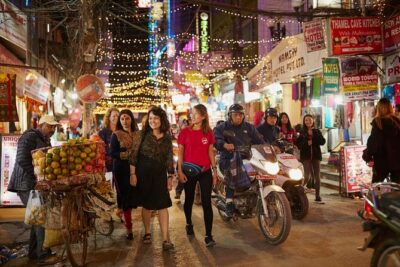 ★ 5.0Kathmandu Sunset Tour by Rickshaw Including Durbar Square VisitFrom $5073 reviews
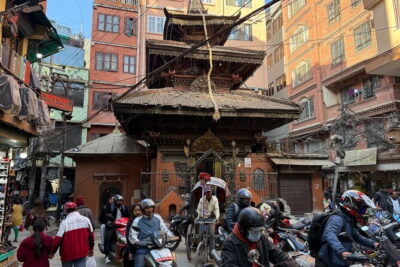 ★ 5.0Kathmandu Food & Drink and Shopping Rickshaw TourFrom $2548 reviews
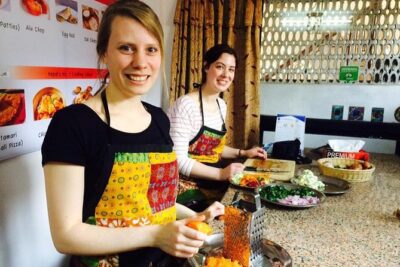 ★ 5.0Best Nepali Cooking Class in Thamel with Local Market TripFrom $3026 reviews
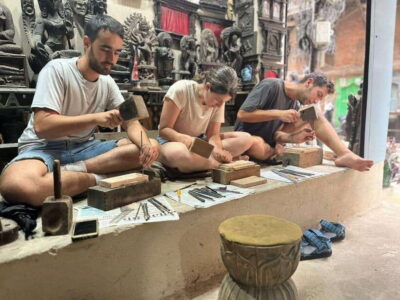 ★ 4.9Wood Carving Workshop with Local Artisan (Thamel)From $4217 reviews
 ★ 5.0Kathmandu and Patan Heritage and Living Goddess Experience TourFrom $5012 reviews
 ★ 5.0Oldest Local Market Walking Tour With Living Goddess KumariFrom $398 reviews
★ 5.0Oldest Local Market Walking Tour with Living Goddess KumariFrom $408 reviews
★ 5.0Oldest Local Market Walking Tour With Living Goddess KumariFrom $398 reviews
★ 5.0Oldest Local Market Walking Tour with Living Goddess KumariFrom $408 reviews
Lists this tour sits in