
REVIEW · THAMEL WALKING & RICKSHAW TOURS
Kathmandu: Wood Carving Workshop with Local Artisan (Thamel)
Wood shavings, big Nepal stories. I love the hands-on coaching from artisan Hera, and I love that you leave with a personal take-home souvenir. The one trade-off: if you want a lot more art-history depth, you may need to ask questions during the session.
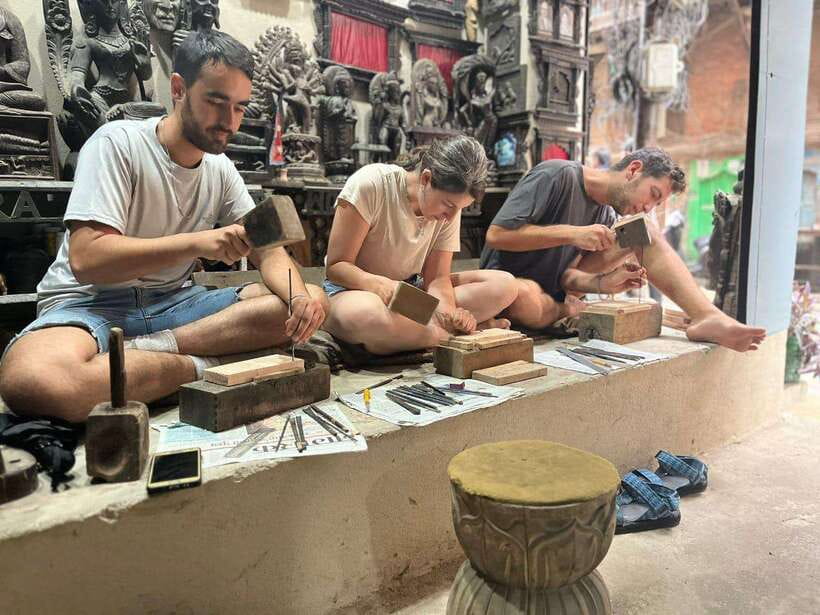
This class in Thamel runs about 3 hours with a maximum of 4 people, so you are not stuck watching from the side. You get a calm, practical rhythm: tool basics, then you start cutting, outlining, and refining while the instructor corrects what you are doing.
English instruction makes the techniques easier to follow, and the workshop provides the wood and carving tools. Come in comfortable clothes, and be ready for a hands-on skill session that ends with something you built yourself.
In This Review
- Key things to know before you carve
- Wood Carving in Kathmandu’s Thamel: What You Actually Do
- The 3-hour workshop flow: from tools to your finished carving
- Why 3 hours is a sweet spot
- Working with artisan Hera: teaching that feels friendly and practical
- Tools, chisels, and wood types like sal and teak
- What you should wear
- Nepali carvings, symbolism, and motifs you might see on your block
- A key benefit: you learn the why, not just the how
- Making something you can carry home (and show off)
- How to think about size and detail
- Price and value in Kathmandu: is $42 fair?
- Who should book this wood carving class in Thamel
- Common trade-offs to consider before you carve
- Should you book this Kathmandu wood carving workshop in Thamel?
- FAQ
- How long is the wood carving class in Kathmandu?
- What is the price for the workshop?
- How big is the group?
- Is the workshop taught in English?
- What should I bring or wear?
- Can I cancel for a refund?
Key things to know before you carve
- Small group of up to 4 means you get real-time corrections instead of one demo for everyone
- You learn outlining, chiseling, and detailing directly on a wooden block
- You work with common Nepali wood types mentioned for classes like sal and teak
- You practice meaningful motifs inspired by Hindu and Buddhist iconography, like lotus and mandalas
- You might get one-on-one attention if your date is quiet
- English guidance from the artisan keeps the tools and steps clear, even for beginners
Still in Thamel? Keep wandering



Wood Carving in Kathmandu’s Thamel: What You Actually Do
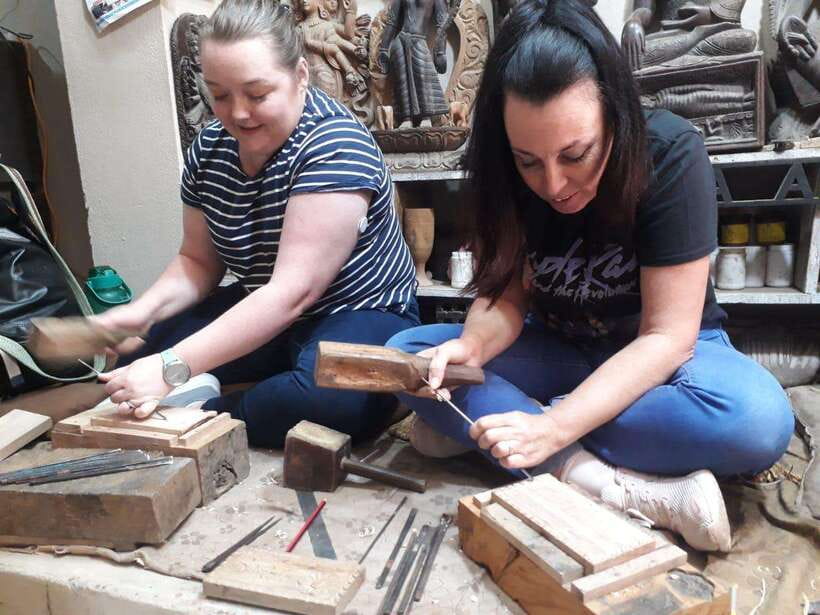
If you want a Kathmandu activity that feels hands-on instead of checklist-y, this wood carving workshop is a strong choice. It takes place in the Thamel area, where you can usually get to it easily during a day of wandering. You sit with a local artisan and learn the steps behind those intricate temple-looking carvings.
The best part is that this is not just a viewing experience. You are cutting, shaping, and detailing your own piece of art during the 3-hour session. The class is priced at $42 per person, and that figure includes the essentials that often make craft classes expensive elsewhere, like tools, materials, and all government taxes and VATs.
The group stays small, limited to 4 participants, which matters in a workshop. When you are holding a chisel and trying not to carve the wrong way, you want quick feedback. That is what you get here.
The 3-hour workshop flow: from tools to your finished carving
The session is structured around a very straightforward idea: you learn the tool, then you use the tool. You start with an overview of what is used in wood carving and what you are working with, including traditional carving instruments. You also learn about the wood types commonly used in Nepal, with sal and teak mentioned as examples.
After that, the instructor shows the basic techniques you will practice. The steps you focus on are outlining, chiseling, and detailing. Those terms sound a little abstract until you try them, and then they become exactly what they are: how you define the shape, how you remove material to create the form, and how you sharpen edges and add smaller features.
Then comes the part you will remember: you carve on a pre-cut wooden block. Your design is your souvenir, and you are not just copying a pattern for show. The class gives you guidance while you work, with tips and corrections along the way.
By the end, you have your own carved piece to take home. The description suggests your result could be a small figurine, a decorative panel, or a symbolic motif, and the point is that it is personal to what you chose and what you practiced.
Why 3 hours is a sweet spot
Short classes can feel too rushed, and long ones can turn into a slow slog. Three hours is enough time to learn the basics, make progress, and actually finish something. You also get a clear ending, so you leave with your carving rather than holding a half-done project in your bag.
Working with artisan Hera: teaching that feels friendly and practical
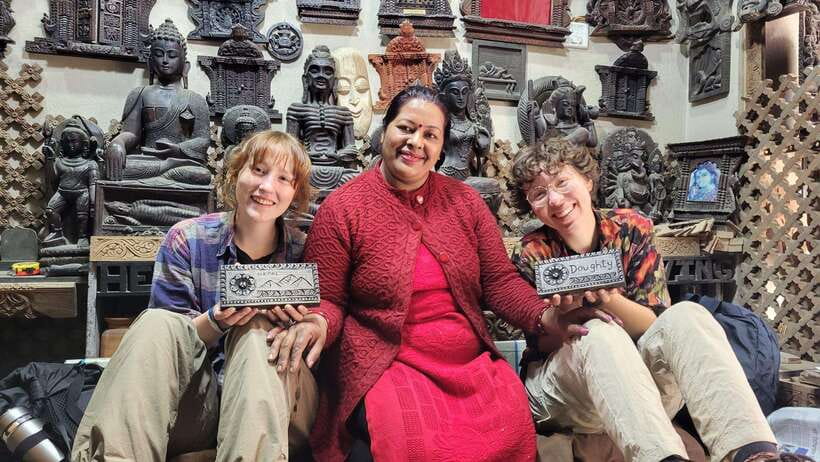
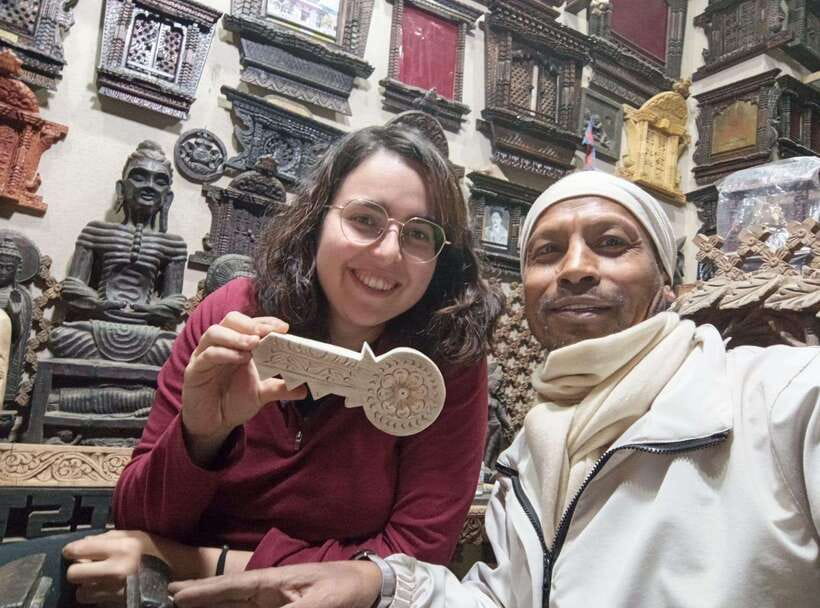
One of the reasons this workshop earns such strong marks is the teaching style. In the session, you are working with Hera, and multiple details from bookings point to the same thing: the guidance feels warm, patient, and encouraging. That is not a small deal in a craft class.
When you are a beginner, the hardest part is not the wood. It is the fear that you will ruin the block and waste your time. A calm instructor who corrects your technique without making you feel clumsy helps you settle in and actually enjoy the carving.
There is also a family-friendly angle here. A booking included a ten-year-old participating, and the instructor was described as patient and helpful while they learned a new skill. That suggests the workshop is not only for adults who already know how to handle tools.
One more pattern: if you book during quieter periods, the small group can shrink further. One booking notes an almost one-on-one class during off season. You should not assume that will happen every time, but the cap of 4 participants makes it realistic to get more attention when availability is limited.
Other Kathmandu workshops you leave carrying something from




Tools, chisels, and wood types like sal and teak
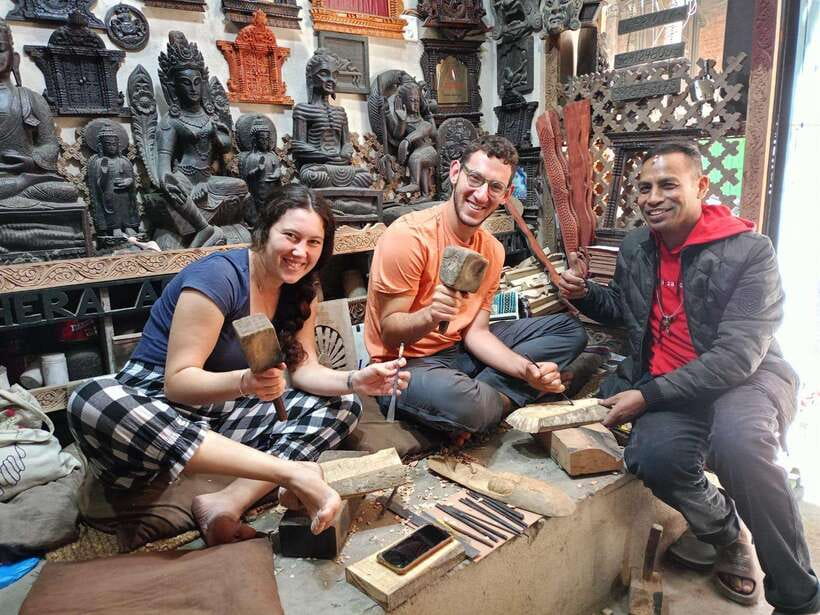
You will get a hands-on intro to the tools of the craft. The class description mentions traditional chisels and hammers, plus other instruments used for carving. You are not required to bring anything specific because the workshop provides the necessary tools and materials.
The class also talks about wood types commonly used in Nepal, including sal and teak. That matters because different woods behave differently under a chisel. Even if you do not go deep into woodworking theory, it helps to understand that the tool marks and carving behavior depend on the wood.
A practical takeaway you can use later: when you learn outlining first, you are essentially teaching your hand where to guide the tool. Then chiseling becomes about controlled removal rather than random cuts. Finally, detailing is where you slow down and sharpen the features so the carving looks intentional instead of rough.
What you should wear
This is a working workshop, so wear comfortable clothes you do not mind getting a little messy. You are handling tools and working with wood, so plan for small bits of dust or shavings on your sleeves and shoes.
Also, smoking is not allowed during the activity, so keep that in mind if you usually travel with a smoking break.
Nepali carvings, symbolism, and motifs you might see on your block
Wood carving in Nepal is tied closely to architecture and religious symbolism. The class explanation connects the craft to the Licchavi period (4th to 9th century), when artisans decorated temples and palaces with wooden designs. It also highlights growth during the Malla dynasty (12th to 18th century), which led to many of the intricate carved works people associate with the Kathmandu Valley today.
The workshop context also credits the Newar community in Kathmandu Valley as key keepers and masters of this craft. That is reflected in famous landmarks you may already have on your Nepal wishlist, like the Kasthamandap (House of Wood), the 55-Window Palace in Bhaktapur, and the Peacock Window.
During the session, you are not required to become an expert in iconography. But you should walk away with a clearer sense of what motifs mean. The class description points to common symbols such as lotus flowers, mandalas, and mythical creatures, with carvings often inspired by Hindu and Buddhist iconography.
A key benefit: you learn the why, not just the how
Even if you focus mainly on cutting technique, learning motif meaning helps your carving feel more intentional. It turns your souvenir from something you made by accident into something you made with a story attached. If your goal is cultural connection, this is the part that gives it weight.
That said, one booking note suggests some people want more history and context. If that sounds like you, bring a few questions. For example, ask what motif you are carving connects to, or how artisans typically choose patterns for different styles.
Making something you can carry home (and show off)
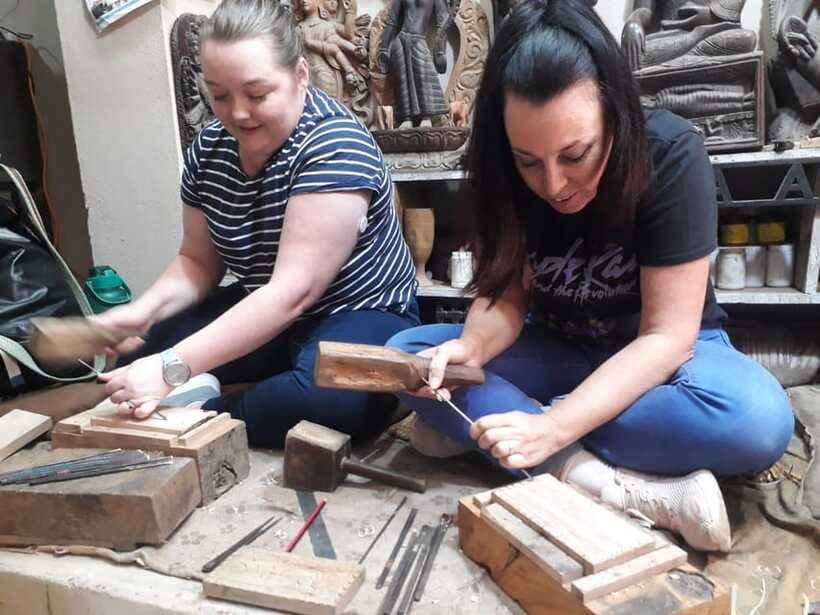
A finished wood carving is a souvenir you can actually keep using as a memory. It is not just a photo, and it is not just a shop-bought trinket. You create the piece through outlining, chiseling, and detailing, and that process makes the object personal.
The class description suggests your final item could be a decorative panel, a small figurine, or a symbolic motif. That flexibility helps, especially if your comfort level differs from day to day. If you want something manageable, choose a design that lets you practice the main techniques without getting overwhelmed by tiny details.
How to think about size and detail
Because this is a 3-hour workshop, you likely will not be carving something massive. Instead, the focus is on correct technique and visible improvement. That is perfect for first-timers. You get the satisfaction of finishing, and you get enough detail to make it meaningful.
Price and value in Kathmandu: is $42 fair?
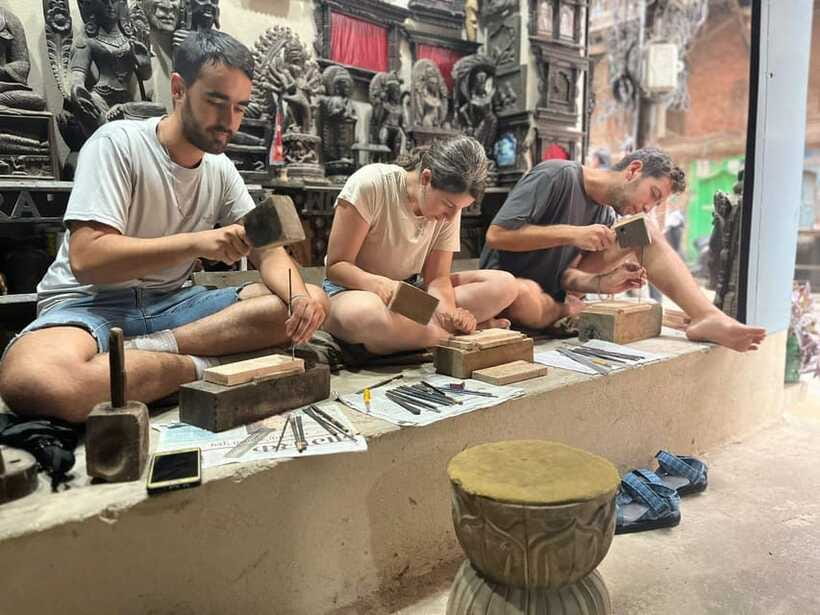
At $42 per person for a 3-hour workshop, the value is mostly about what is included. Here, the basics are covered: the artisan guides you, the workshop provides tools and materials, and you leave with your own carved piece. On top of that, government taxes and VATs are included, so you are not hit with random add-ons late in the process.
Another value marker is the group size limit of 4 participants. In a small setting, the instruction has more weight. You are more likely to get direct feedback, which is what turns a beginner attempt into a finished souvenir you will be proud of.
If you compare this kind of craft class to other Kathmandu activities, the biggest advantage is that you are paying for a skill you actively practice. Even if your carving is not museum-level, you are leaving with something made by your own hands, plus the techniques you learned along the way.
Who should book this wood carving class in Thamel
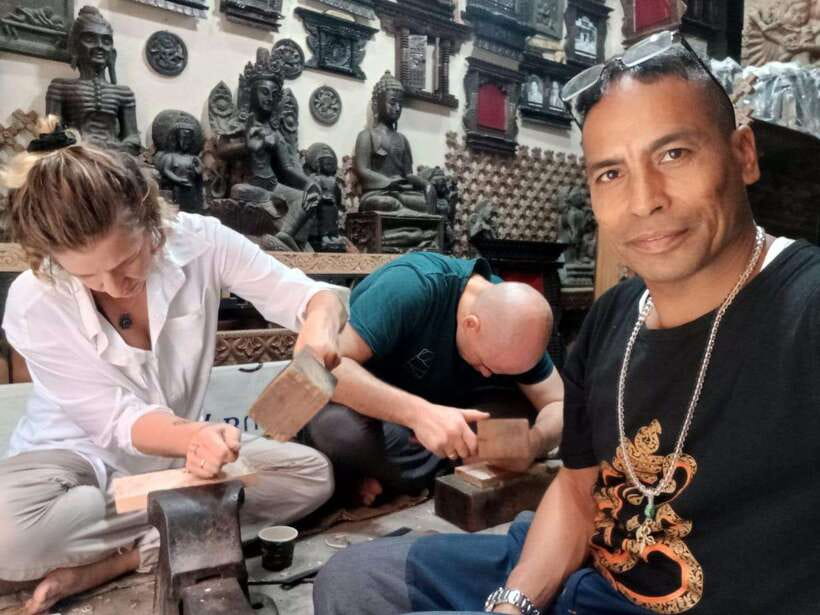
This workshop fits several types of travelers:
- First-timers who want a real skill session. The class description says it is tailored for all skill levels, including people with no prior experience.
- Art and design lovers who want hands-on practice with a craft tied to Nepalese architecture and symbolism.
- Families. The workshop included a booking with a ten-year-old, and the instruction was described as patient and helpful.
- Solo travelers who want a social activity without the noise of a big group. Small group format helps here.
If you are traveling with limited time, the 3-hour duration is a manageable block. If your schedule is already packed with cultural sites, this gives you a creative break that still feels grounded in Nepal’s traditions.
Common trade-offs to consider before you carve
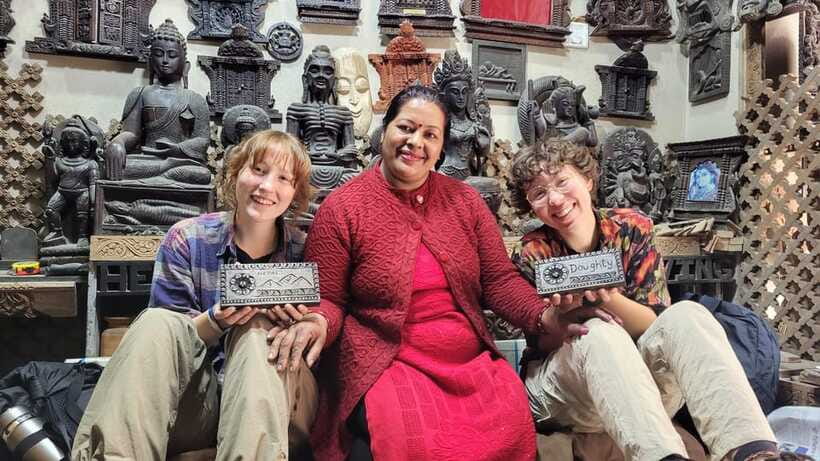
This experience is strong, but a few practical considerations can help you set expectations.
First, because it is only 3 hours, you are learning a foundation, not becoming a master wood carver. You will practice key techniques, but your piece will reflect what you can do within that time frame.
Second, one booking note suggests the history context may not feel deep enough for people who want extensive background. The class does cover major historical periods and cultural significance in its description, but if you are the type who wants lots of details, ask questions while you are working.
Finally, you will be around tools and wood dust, so plan for a workshop environment. Wear clothes you can get slightly messy, and remember smoking is not allowed.
Should you book this Kathmandu wood carving workshop in Thamel?
I would book it if you want a meaningful Kathmandu souvenir you actually make, not just buy. The small group size, English instruction, and the focus on hands-on chiseling and detailing make it a good value at $42. The fact that artisan Hera is specifically mentioned with praise for warmth and encouragement is a strong sign that you will not feel lost with the tools.
Skip it only if your main goal is a long, lecture-style history lesson. If that is what you want, you might feel that the time is better spent on architecture tours or museum time. This class is centered on doing the craft, learning technique, and taking home a finished piece.
FAQ
How long is the wood carving class in Kathmandu?
The class lasts 3 hours.
What is the price for the workshop?
The price is $42 per person.
How big is the group?
The workshop is limited to a small group of 4 participants.
Is the workshop taught in English?
Yes, the instructor provides English instruction.
What should I bring or wear?
Wear comfortable clothes. The workshop provides the tools and materials.
Can I cancel for a refund?
Free cancellation is available up to 24 hours in advance for a full refund.
Hands On in Kathmandu




The Rest of Our Kathmandu Write Ups



Still in Thamel
Everything else we have reviewed around Kathmandu
- 12 Days Everest Base Camp Trekking
★ 5.0 · 3 reviews - 1 Night 2 Days Chitwan Jungle Safari Tour from Pokhara or Kathmandu
★ 3.0 · 3 reviews - Thamel Rickshaw tour
★ 4.7 · 3 reviews - Kathmandu: Momo Making Class with a Local Chef
★ 5.0 · 3 reviews - Kathmandu: Full-Day Yoga, Body Massage and Pedicure Package
★ 5.0 · 3 reviews - From Kathmandu / Pokhara / Chitwan: River Rafting – 1 Day
★ 4.6 · 3 reviews
Thamel Walking & Rickshaw Tours worth a second look.
 ★ 5.0Half day cooking class in Thamel kathmanduFrom $28607 reviews
 ★ 5.0Kathmandu Sunset Tour by Rickshaw Including Durbar Square VisitFrom $5073 reviews
 ★ 5.0Kathmandu Food & Drink and Shopping Rickshaw TourFrom $2548 reviews
 ★ 5.0Best Nepali Cooking Class in Thamel with Local Market TripFrom $3026 reviews
 ★ 5.0Kathmandu and Patan Heritage and Living Goddess Experience TourFrom $5012 reviews
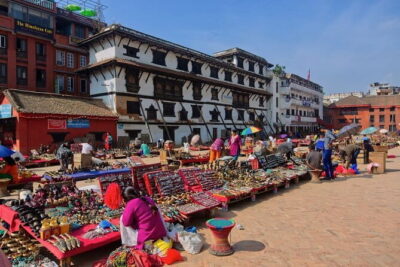 ★ 5.0Oldest Local Market Walking Tour With Living Goddess KumariFrom $398 reviews
★ 5.0Oldest Local Market Walking Tour with Living Goddess KumariFrom $408 reviews
★ 4.7Food, Drink and Shopping Rickshaw TourFrom $287 reviews
★ 5.0Oldest Local Market Walking Tour With Living Goddess KumariFrom $398 reviews
★ 5.0Oldest Local Market Walking Tour with Living Goddess KumariFrom $408 reviews
★ 4.7Food, Drink and Shopping Rickshaw TourFrom $287 reviews
Lists this tour sits in