
REVIEW · NEPALI COOKING CLASSES
Kathmandu: Local Women-Led Nepali Cooking & Momo Class
Momo-making turns Kathmandu into a skill. In this women-led Nepali cooking class, you learn the core moves for momo and dal bhat, plus how to pick spices and produce so the food tastes right. I particularly like the step-by-step teaching style and the friendly team energy, with instructors such as Nish and Bikram often leading the way.
One thing to plan for: the kitchen and route can involve stairs, and the activity is not suitable for wheelchair users or visually impaired people.
In This Review
- Key highlights worth your time
- Why Thamel cooking classes feel personal (and not touristy)
- Market time in Kathmandu: where the class starts
- In the kitchen with Nish and Bikram: how the class flows
- How long it really takes
- Momo basics: dough, fillings, and the fold that matters
- Dal bhat, roti, and curry: the Nepali meal structure
- The menu extras: chatamari, bara, thukpa, choila, and more
- Chatamari, the Nepali pizza vibe
- Bara, a crisp lentil snack
- Thukpa, noodle comfort from the region
- Mushroom choila, spicy marinated flavor
- Yomari and sweet finishing touches
- Masala tea and tasting: your reward, plus a reality check
- Price and value: why $4 can make sense here
- Who this class is perfect for (and who should reconsider)
- Practical tips before you go: timing, camera, and comfort
- Arrive on time
- Wear cooking-friendly clothes
- Bring a camera
- Plan for stairs
- Recipes after the class
- Should you book this Kathmandu cooking class?
- FAQ
- Where does the class take place?
- How long is the cooking class?
- What is included in the price?
- Is pickup available?
- What dishes will I learn to cook?
- Do they offer vegetarian options?
- Is the instruction in English?
- What should I bring?
- Can I get the recipes after the class?
- Is this class suitable for everyone?
Key highlights worth your time
- Market walk with real shopping pressure: you learn what to buy, not just what to cook
- Hands-on teaching, not a demo: you mix dough, make fillings, and assemble dishes yourself
- Momo focus plus dal bhat base: you leave with a repeatable Nepali meal framework
- English instruction in a small group: easier questions, smoother pacing, more time at the cutting board
- Plenty of food to eat: the tastings are substantial, and you can often take it easy afterward
Fold more momos: other Nepali kitchens
Why Thamel cooking classes feel personal (and not touristy)
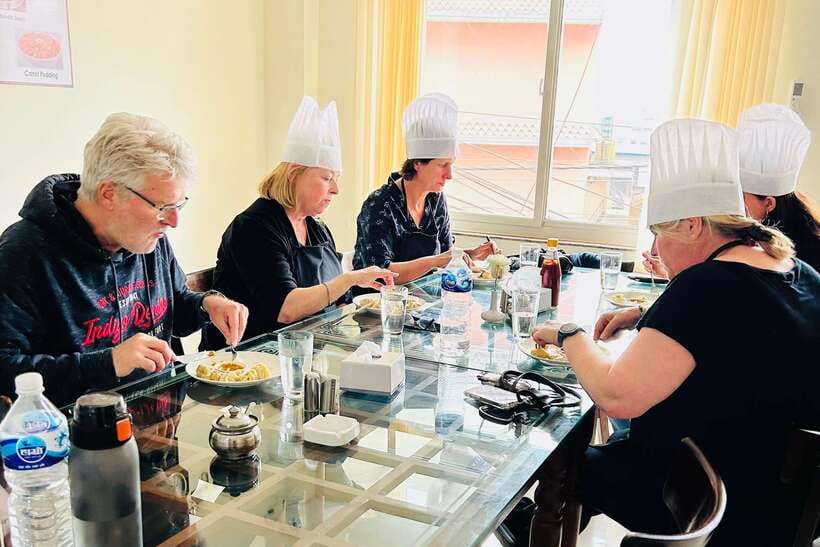
If you like food travel, Kathmandu can hit you in the stomach first. This class is built around the everyday logic of Nepali eating: start with ingredients, cook in stages, and finish with a full plate you helped create. You’re in Thamel area, which makes it an easy add-on to a day in the city, not a big production.
I like that the experience stays practical. You do real prep work, not just watching someone else do the hard parts. The instructors, often led by people like Nish and Bikram, also keep the flow relaxed enough that you can ask questions without feeling rushed.
The other thing I like is that the class doesn’t treat Nepali food as one-note. Yes, momo is the headline. But dal bhat is the anchor, and then you choose extra items from a menu of Nepali favorites, from savory snacks to sweets.
Market time in Kathmandu: where the class starts
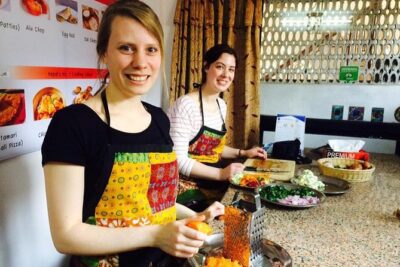
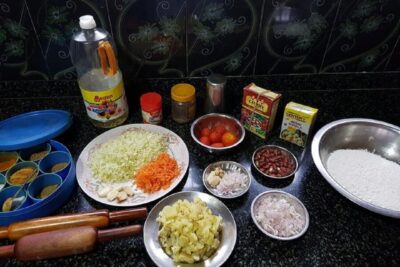
The experience starts with a market or shop walk where you buy the ingredients you’ll actually cook. For me, this is one of the best parts of any cooking class. Spices and produce don’t just add flavor, they affect the whole method. When you see what’s fresh and what’s being used locally, the recipes make more sense later when you try them at home.
In practice, the market portion helps you learn how Nepali cooking thinks:
- you build flavor with spice blends, not just salt and heat
- you choose vegetables and proteins that match the dish you’re making
- you understand portion logic, so you don’t end up with watery fillings or bland sauce
If you care about food accuracy, this section matters. It’s the difference between a recipe that tastes okay and one that tastes like the real deal.
In the kitchen with Nish and Bikram: how the class flows
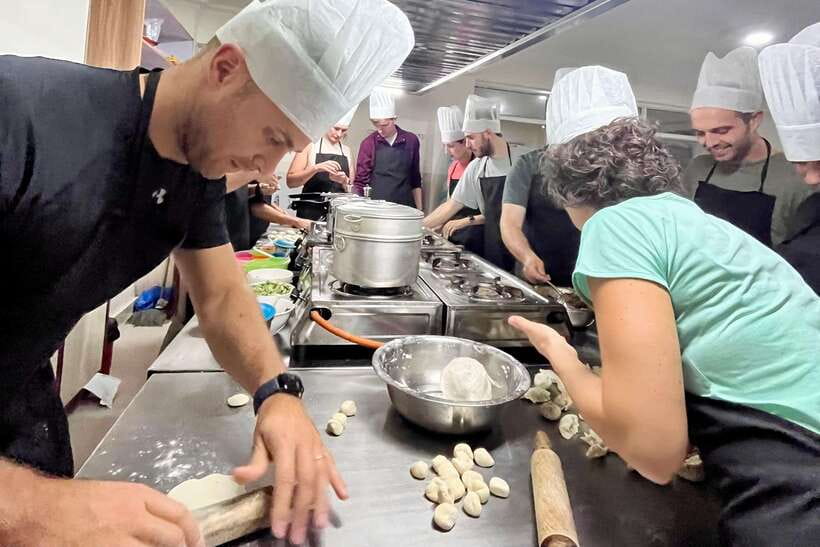
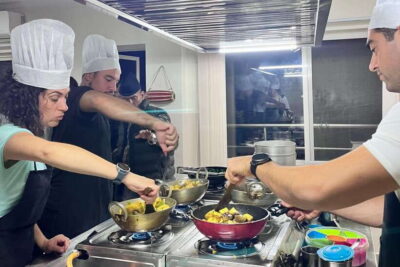
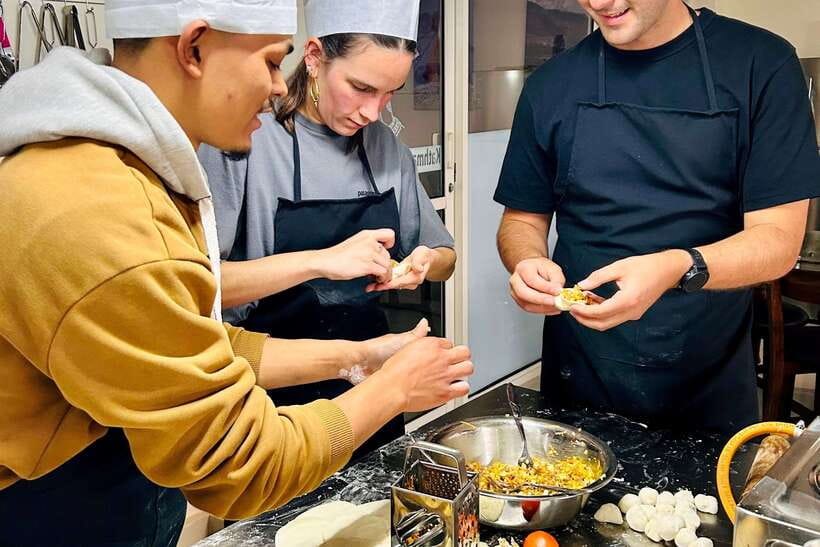
After the shopping part, you move into a traditional-style kitchen setup. You’ll get step-by-step guidance, and you’ll use the cooking equipment and accessories provided. The whole point is that you’re not just sampling. You’re learning techniques.
In the groups I’m describing here, two things come up again and again:
- clear instructions, with patience when you mess up a fold or a pour
- a team setup where one person leads and others help with quieter prep
In the past classes, people have mentioned Nish as a lead teacher and Bikram as another key instructor, with additional support staff (like Jojo) sometimes helping behind the scenes. What you feel, as a student, is that the kitchen stays organized, even when everyone is learning.
How long it really takes
You’re looking at about 3 hours total, including the market visit, cooking session, and tasting. The booking window says 2 to 4 hours, but the typical run is closer to three. Either way, plan it as a half-day block. Come with enough energy to keep chopping and assembling.
Other kitchens taking bookings in Kathmandu
Momo basics: dough, fillings, and the fold that matters
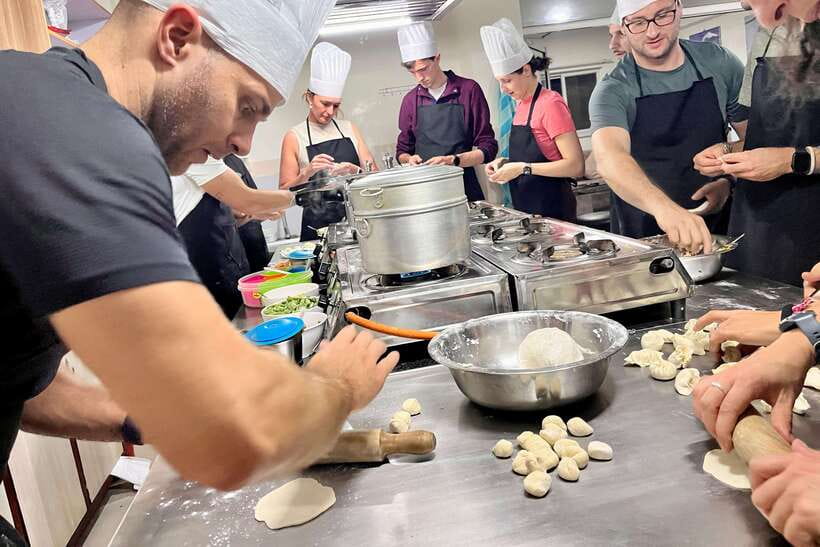
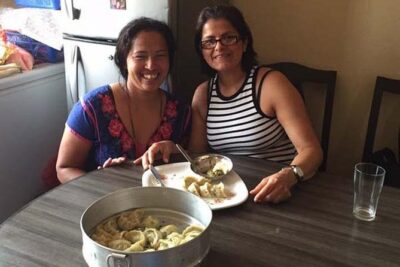
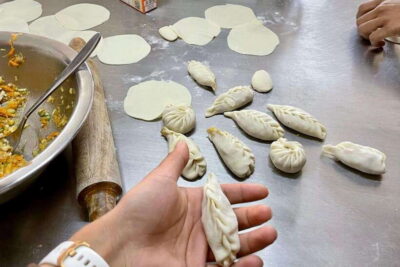
Momo is the star because it teaches you core Nepali cooking skills in one dish. You’ll usually make momos from start to finish, not just steam a finished product.
Here’s what you can expect to learn:
- how to handle momo dough so it’s workable and not dry
- how to build vegetable or chicken fillings with proper seasoning
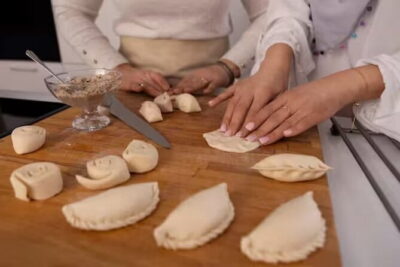
- how to shape and seal so the dumplings hold together
- how the sauce works as the flavor bridge
The biggest payoff is technique. A good momo is equal parts dough control and filling balance. When you learn those, you can make variations later without having to guess.
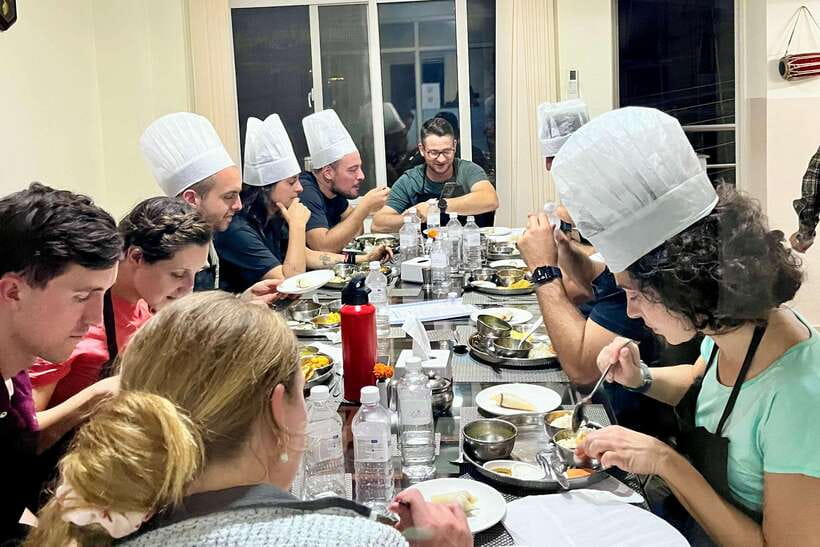
And yes, you’ll eat them. Usually a lot. Many people leave saying they were full, not just politely fed.
Dal bhat, roti, and curry: the Nepali meal structure
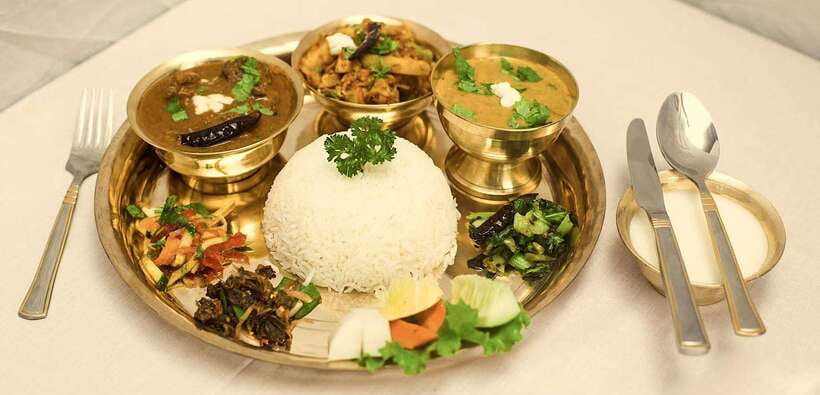
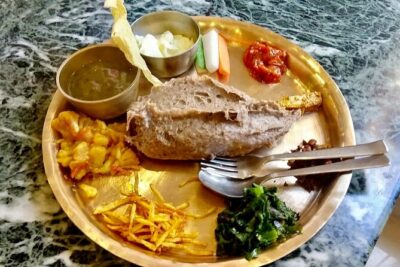
If momo is the skill-building meal, dal bhat is the food philosophy. Dal bhat usually means rice paired with lentil soup or lentil curry, served as a complete comfort set.
In this class you get the dal bhat base, and then you may choose additional items such as:
- chicken curry with roti
- vegetarian options alongside the main meal
- other Nepali dishes from the menu
This matters because dal bhat isn’t just a dish. It’s a way of eating. Rice cools heat. Lentils add depth. Curry adds aroma. When you cook it as a set, the meal suddenly makes sense beyond the individual recipe.
The menu extras: chatamari, bara, thukpa, choila, and more
One reason this class works for different tastes is that you can select additional dishes. The menu options in the experience include a mix of dumplings, flatbreads, soups, snacks, and sweets. Common examples include:
Chatamari, the Nepali pizza vibe
Chatamari is often described as a Nepali flatbread. In class, you’ll learn how toppings and batter come together into something you can recognize fast and recreate later.
Bara, a crisp lentil snack
Bara is a deep-fried lentil patty. It’s a fun contrast dish because it teaches heat control. You’re not cooking it like a stew. You’re learning how texture forms.
Thukpa, noodle comfort from the region
Thukpa is a hearty noodle soup style, and it shows up in Nepali menus because of the shared food culture across the Himalaya region. Expect a warming bowl that complements the heavier dumpling and curry side.
Mushroom choila, spicy marinated flavor
Choila is known for bold spice and marinade style flavor. Mushroom choila in particular is great if you want something punchy but not based on meat.
Yomari and sweet finishing touches
Yomari is a sweet dumpling with jaggery and sesame seeds. It’s a nice reminder that Nepali food is not only savory.
Dessert options mentioned for the experience also include carrot pudding. Many classes end with tea and a sweet finish, which helps you slow down and taste everything you made, instead of rushing to the next step.
Masala tea and tasting: your reward, plus a reality check
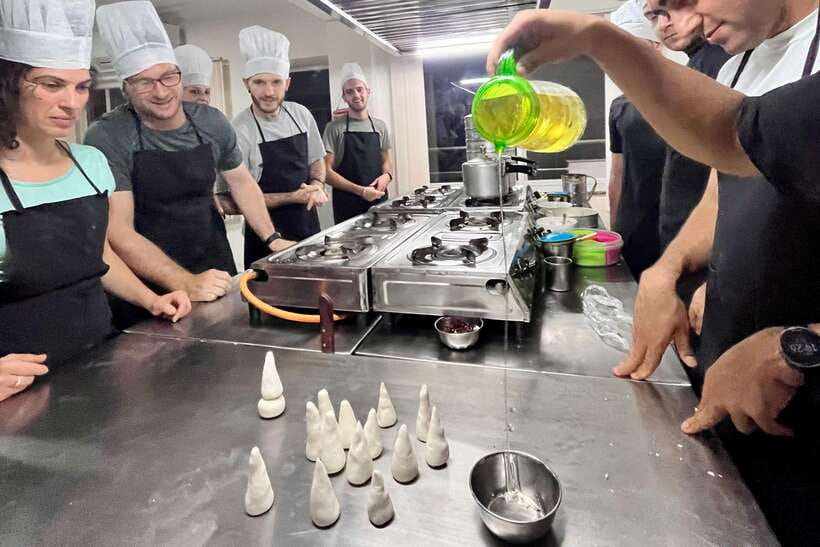
During the lesson, you’ll have Nepali masala tea. It’s a staple drink with black tea and spices, and it works as both a palate reset and a comfort beverage while you cook.
Then comes the tasting session of the food you prepared. This is important, even if you’re a beginner. It’s where you learn what “right” tastes like. If something needs more salt, more spice, or better texture, you catch it now, not later when you’re stuck at home trying to troubleshoot.
Practical tip: pace yourself. If you eat everything hot, all at once, you’ll miss the differences between dishes. Take a moment between items. Taste, note, then go back for seconds.
Price and value: why $4 can make sense here
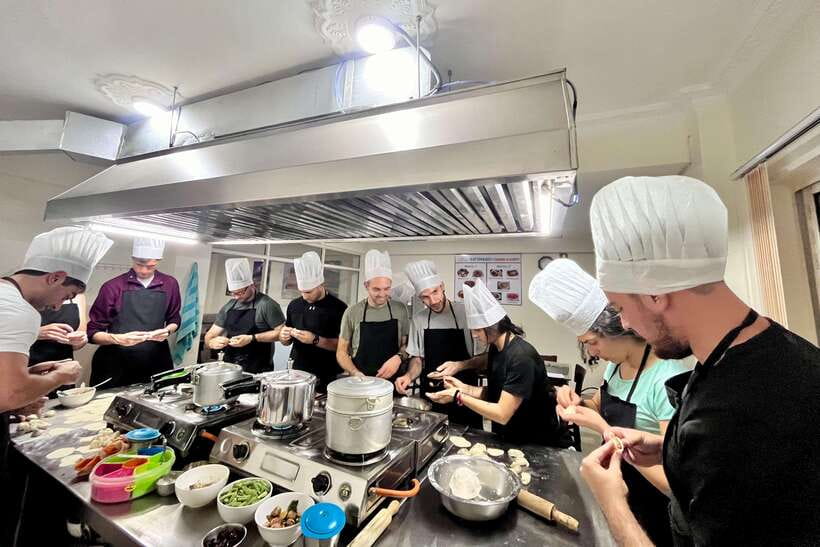
The price listed is around $4 per person, which is shockingly low for a hands-on cooking class that includes:
- English instruction
- step-by-step teaching
- market or shop ingredient visit
- use of kitchen equipment
- meal tasting
- masala tea during the lesson
- small group format
Even if your hotel pickup is optional and only included when selected, the base value is still strong. You’re paying for a guided learning experience, not just food. A market walk plus cooking instruction is a real service. And when the class is small, your chances of actually learning something practical are higher.
One caution: at this price point, don’t assume luxury. The value is in the food and teaching, not in fancy facilities. You’re going for skill and flavor, not Instagram-ready plating.
Who this class is perfect for (and who should reconsider)
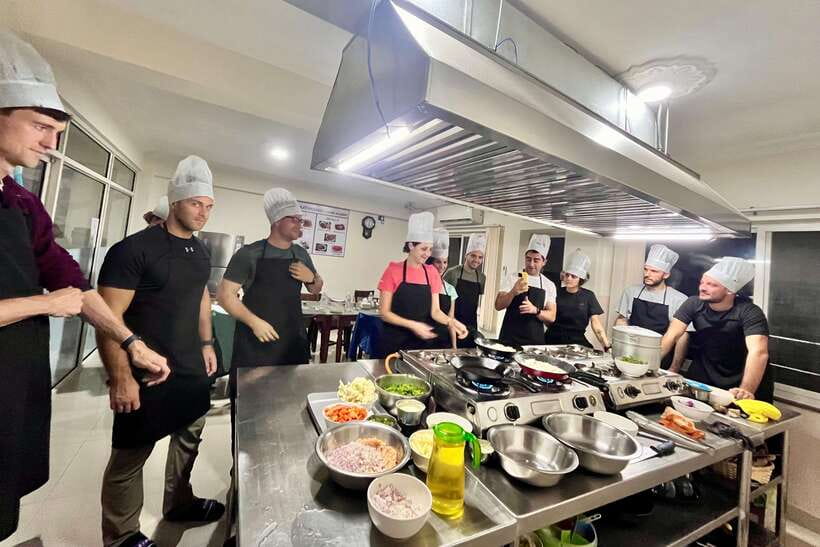
This is a strong choice if:
- you’re a first-time visitor to Nepal who wants an authentic food lesson in Kathmandu
- you want to learn momo and dal bhat techniques you can repeat later
- you enjoy market shopping and like understanding ingredients, not just following instructions
- you’re traveling solo or with friends and want a small group vibe with conversation
It’s also a good option for different skill levels. People have mentioned first-timers feeling confident after the class, because the guidance is clear and the pacing is hands-on.
But it may not be ideal if:
- you need wheelchair access, since the experience is not suitable for wheelchair users
- you have visual impairment needs, since it’s not suitable for visually impaired people
- you have dietary restrictions or allergies and haven’t informed the team ahead of time (they ask you to let them know prior to class)
Practical tips before you go: timing, camera, and comfort
A few things will make your class smoother.
Arrive on time
They ask you to arrive 15 minutes before your scheduled class time. Do it. It gives you time to settle in and start the market portion without stress.
Wear cooking-friendly clothes
Wear comfortable attire for cooking. Aprons and equipment will be provided, but you’ll still be moving around, standing, and handling hot items.
Bring a camera
A camera is recommended. You’ll likely want photos of dishes, the steps, and the final spread.
Plan for stairs
Some locations involve stairs, and people have mentioned a steep hill to reach the venue depending on how you navigate. If stairs are a concern for you, check your route early and consider pickup if it’s offered for your location.
Recipes after the class
If you want a recipe book, the experience can share a PDF version via WhatsApp after class. Physical books may be available for an additional cost.
Should you book this Kathmandu cooking class?
If your goal is to leave Kathmandu with real cooking skills, not just a plate of food, I’d book it. The class is built around the two dishes that best represent Nepali meals in daily life, momo and dal bhat, and then you add extras based on what you’re craving.
Choose it especially if you like structured learning. You get the market step, the cooking step, and the tasting step. That combination makes the recipes easier to recreate later.
Skip it only if accessibility is a concern for you, or if you’re expecting a high-end spa-style experience. This is a food learning class. The value is in ingredients, instruction, and eating what you made.
If you’re already in Thamel, it’s also a low-friction add-on. You’re not spending your whole day commuting. You’re spending it cooking, eating, and asking questions to the people doing the work.
FAQ
Where does the class take place?
The class happens in the Thamel area of Kathmandu, with cooking at Kathmandu Cooking Academy in that area. The exact meeting point can vary depending on the option booked.
How long is the cooking class?
It typically runs around 3 hours, and the duration shown is 2 to 4 hours depending on the selected time.
What is included in the price?
Included are cooking class instruction with step-by-step guidance, a market or shop tour for key ingredients, hands-on cooking, equipment and accessories, food tasting, Nepali masala tea, and hotel pickup and drop-off if you select that option.
Is pickup available?
Pickup is optional. If you choose it, you provide your hotel details when booking for coordination.
What dishes will I learn to cook?
The menu focuses on momo and dal bhat. You can also choose additional Nepali dishes. Examples mentioned include chicken curry with roti, chatamari, bara, thukpa, mushroom choila, and desserts like yomari and carrot pudding.
Do they offer vegetarian options?
Yes. The experience mentions vegetarian and meat options, including vegetarian momo.
Is the instruction in English?
Yes. The instructor speaks English.
What should I bring?
Bring a camera. Comfortable clothing is also a good idea for cooking.
Can I get the recipes after the class?
Yes. After the class, you can request a recipe book, and you’ll receive a PDF version via WhatsApp. Physical books may be available for an additional cost.
Is this class suitable for everyone?
No. It is not suitable for wheelchair users or visually impaired people. If you have allergies or medical conditions, you should inform the team prior to the class.
Chop, Fold, Simmer
The Rest of Our Kathmandu Write Ups



More Kitchens, More Momos
Everything else we have reviewed around Kathmandu
- 12 Days Everest Base Camp Trekking
★ 5.0 · 3 reviews - 1 Night 2 Days Chitwan Jungle Safari Tour from Pokhara or Kathmandu
★ 3.0 · 3 reviews - Thamel Rickshaw tour
★ 4.7 · 3 reviews - Kathmandu: Momo Making Class with a Local Chef
★ 5.0 · 3 reviews - Kathmandu: Full-Day Yoga, Body Massage and Pedicure Package
★ 5.0 · 3 reviews - From Kathmandu / Pokhara / Chitwan: River Rafting – 1 Day
★ 4.6 · 3 reviews
Nepali Cooking Classes worth a second look.
 ★ 5.0Half day cooking class in Thamel kathmanduFrom $28607 reviews
 ★ 5.0Local Lead Nepali Cooking & Momo-Making ClassFrom $5212 reviews
 ★ 5.0Local Women Lead Nepali Cooking ClassFrom $30125 reviews
 ★ 5.0Nepalese Momos or Dal Bhat Cooking Class (Cook with Delight)From $5099 reviews
 ★ 5.0The best Private Nepali Cooking Class in KathmanduFrom $2483 reviews
 ★ 5.0Nepalese Kitchen in Pokhara: Momos or Dal Bhat Cooking ClassFrom $2867 reviews
 ★ 4.8Traditional Momo Making Class & PickupFrom $460 reviews
 ★ 5.0Traditional Nepali Momo Making ClassesFrom $1853 reviews
Lists this tour sits in