
REVIEW · NEPALI COOKING CLASSES
Kathmandu: Local Lead Nepali Cooking & Momo Making Class
Momo practice in Kathmandu is surprisingly fun. I like the way the session starts with a guided market tour, so you learn what goes into the dishes before you ever step near the stove.
I also love the small-group setup and the hands-on teaching style. You get step-by-step help making momo and dal bhat, plus you can choose additional Nepali dishes if you want to go beyond the core menu.
One consideration: the class may require a minimum of 2 participants to run, so you could be offered an alternative date or a full refund if that minimum is not met.
In This Review
- Key highlights you will actually feel
- Why momo and dal bhat are the perfect focus
- The ingredient hunt near Thamel, and why it changes everything
- Kathmandu Cooking Academy: clean kitchen, real teaching pace
- Learning momo with step-by-step help you can repeat
- Dal bhat plus optional extras, so your meal matches your appetite
- The tasting session and masala tea: how to judge what you made
- Price and time: value that feels real
- Who this class is best for in Kathmandu
- Logistics that affect your experience more than you think
- Should you book this Kathmandu cooking class?
- FAQ
- How long is the Kathmandu cooking class?
- What dishes will I learn to make?
- Where do I meet the group?
- Is hotel pickup and drop-off available?
- How big is the group, and is it wheelchair accessible?
- What should I bring, and do I need to tell them about dietary needs?
Key highlights you will actually feel
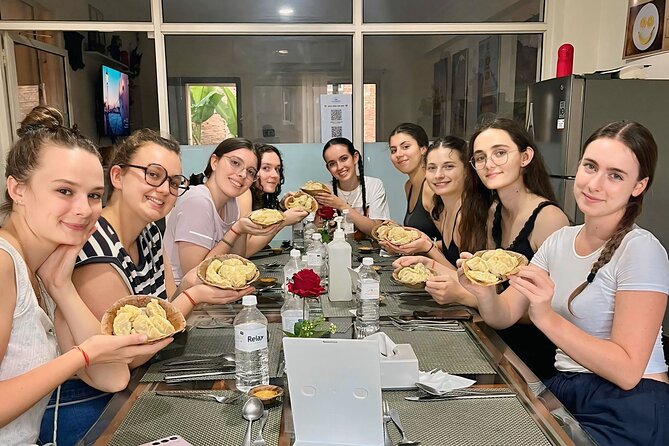
- Market tour first, so ingredient choices make sense when you start cooking
- Momo folding coaching, including patient instruction in English
- Dal bhat as a main course, not a side quest
- Menu choice beyond the basics, with options like bara and yomari mentioned by past participants
- Masala tea included during your tasting meal
- Small group (max 10) at the Kathmandu Cooking Academy near Thamel
Fold more momos: other Nepali kitchens
Why momo and dal bhat are the perfect focus
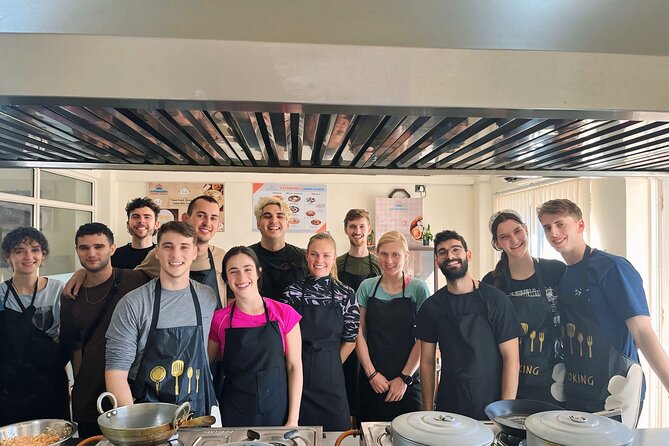
If you want a cooking class that feels like a skill you can use at home, momo and dal bhat are smart anchors. The class is built around learning those two dishes as the main courses, which gives you a clear center of gravity instead of a scattered cooking demo where you never quite master anything.
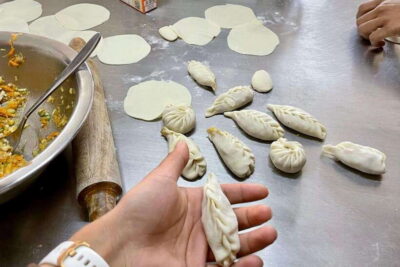
Momo matters because you are not just tasting food, you are learning technique. Multiple past participants called out the folding process specifically, including how the chef helps you get the shape right. That is the kind of practical guidance that sticks.
Dal bhat matters because it is a core Nepali comfort meal. Here, you learn to prepare it as part of the main course lineup, then sit down and eat what you make. That closed loop, cook to taste to learn, is where most value comes from.
The ingredient hunt near Thamel, and why it changes everything
This class starts with ingredient selection at a nearby market or shop, guided by the chef. For you, that means you are not guessing. You learn what fresh ingredients look like and why certain choices matter when you are following the steps.
It also helps you connect cooking to place. Kathmandu food is not just recipes on paper, it is herbs, spices, produce, and timing, and the market portion is where that clicks. Even if you do not plan to cook Nepali food often at home, you will leave with a better eye for ingredients you might otherwise overlook.
The market visit is also one of the easiest parts to enjoy, because it is flexible. You can ask questions as you shop, and you can see what you are actually buying for your momo dough, fillings, and your dal bhat components.
Kathmandu Cooking Academy: clean kitchen, real teaching pace
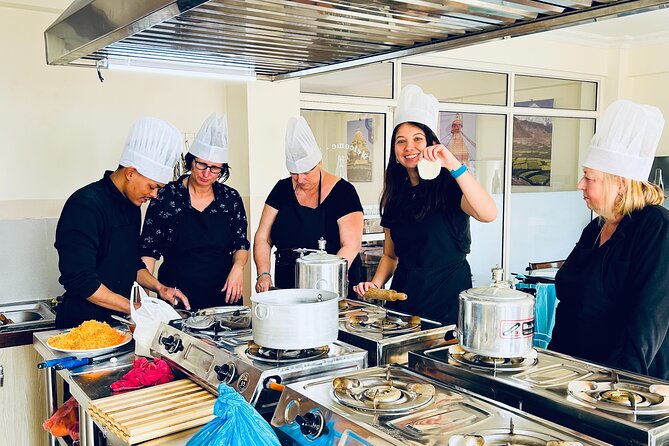
The cooking happens at Kathmandu Cooking Academy, the meeting point that is about a 10 to 15 minute walk from Thamel. When you arrive, look for a signboard outside the building, and staff guide you through registration.
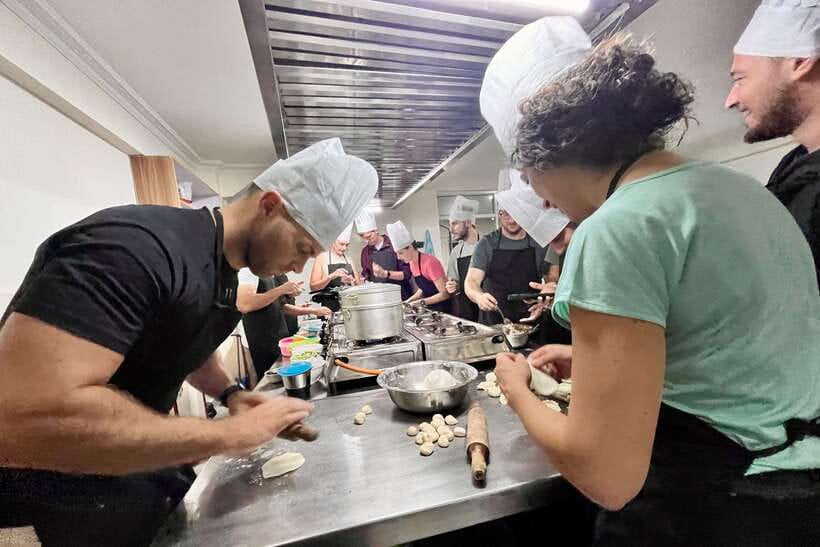
Inside, the course is designed for active participation. You use cooking equipment and accessories provided by the academy, which matters because it keeps the experience focused on technique. You are not trying to source random tools in a foreign kitchen.
Pacing is another big deal in a class like this. The structure is built around around 3 hours for the full experience, including cooking and tasting, so you stay engaged without feeling rushed into a 30 minute blur of tasks. If you like a calm rhythm where you can catch instructions the first time, this setup fits well.
Also, the course language is English. That may sound obvious, but in cooking classes it can make or break the learning. Clear instructions help you understand why you are doing each step, not just what to do.
Learning momo with step-by-step help you can repeat
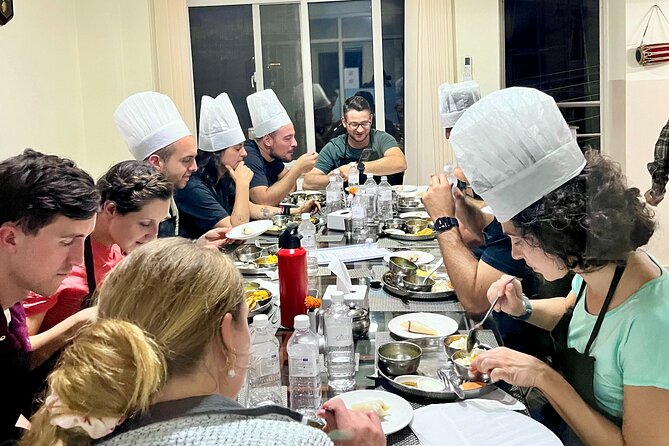
Momo is the signature skill here, and the teaching approach is hands-on. You get step-by-step guidance on how to prepare and assemble what you choose to cook, and you practice the folding process with support.
What I like about this format for you: momo folding is one of those skills that is easier to learn face-to-face than from videos later. You can get immediate feedback on shape and technique, and that makes it more likely you will be able to repeat it at home.
Past participants specifically praised chefs for being patient while teaching folding, including a sense of encouragement during the process. If you worry you will be too slow or make mistakes, you will probably relax once you realize the pace is meant for learning.
You will also get to do more than one dish in many cases. Some participants said they chose three dishes of their preference, including momo alongside other items like bara and yomari. Even if your exact menu choices differ, that flexibility helps you tailor the class to what you actually want to eat again later.
Other kitchens taking bookings in Kathmandu
Dal bhat plus optional extras, so your meal matches your appetite
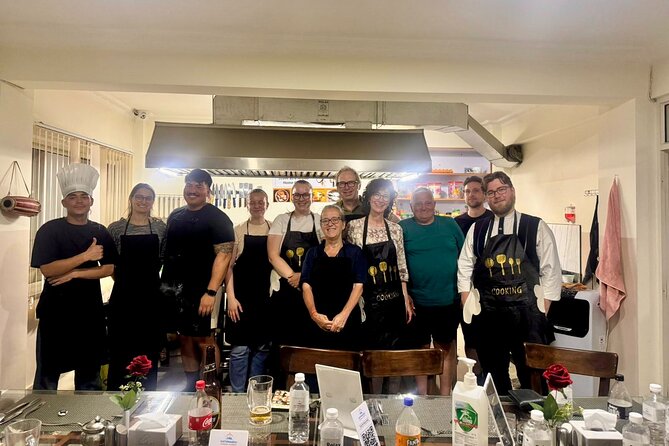
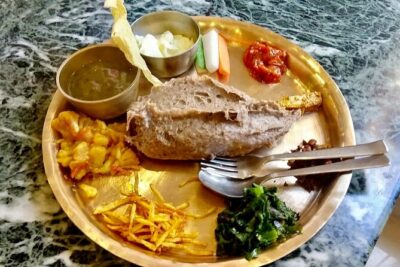
The class centers on momo and dal bhat, but you are not locked into only those two dishes. You can choose from a variety of traditional Nepali menu options, and the experience typically includes two main courses and a dessert, plus complimentary masala tea.
For you, this matters because it prevents the common problem where a cooking class teaches one thing well but leaves you with a meal that feels too limited. Here, you can build a plate that mirrors what you liked eating in Kathmandu.
It is also practical: dal bhat is a core meal you can recognize, and momo is the craft element. Together, they create a balanced learning path. You learn technique through momo, then experience a hearty meal component through dal bhat.
The tasting session and masala tea: how to judge what you made
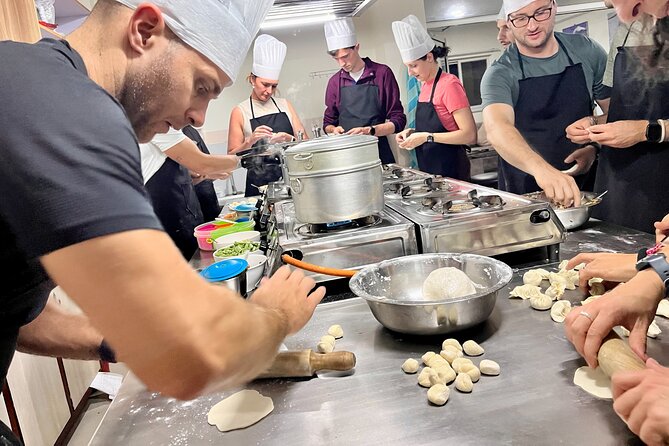
After cooking, you sit down for a tasting session of the prepared meals. This is not a separate afterthought. It is part of the learning arc.
The class includes complimentary Nepali masala tea, which you likely will want between bites, especially when you are still sorting out what tastes right to you. The tea also gives you a taste of the typical drink pairing in a simple, no-pressure way.
One practical tip: come with a normal appetite. The course is built around cooking and then eating what you make, so if you arrive overly full, you may not get the best experience judging flavors and textures.
Price and time: value that feels real
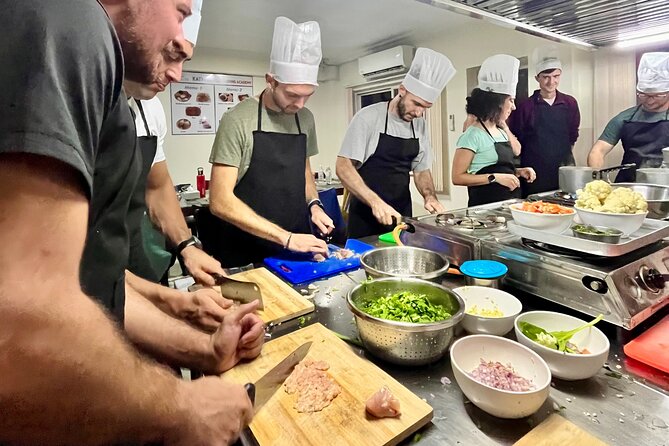
At about $4 per person, this is priced like a local-style experience rather than a high-end tourist production. For that money, you are getting multiple parts that usually cost more if you add them separately: a market ingredient walk, hands-on cooking instruction, equipment use, and a meal with masala tea.
The duration is listed as 3 to 4 hours. Planning-wise, that is a sweet spot. It is long enough for you to actively cook and actually eat, but short enough to fit into a day in Kathmandu without derailing your itinerary.
The small group size helps the price make sense. With limited participants, the chef and assistants can guide you while you work, instead of giving you vague pointers from across the counter.
Who this class is best for in Kathmandu
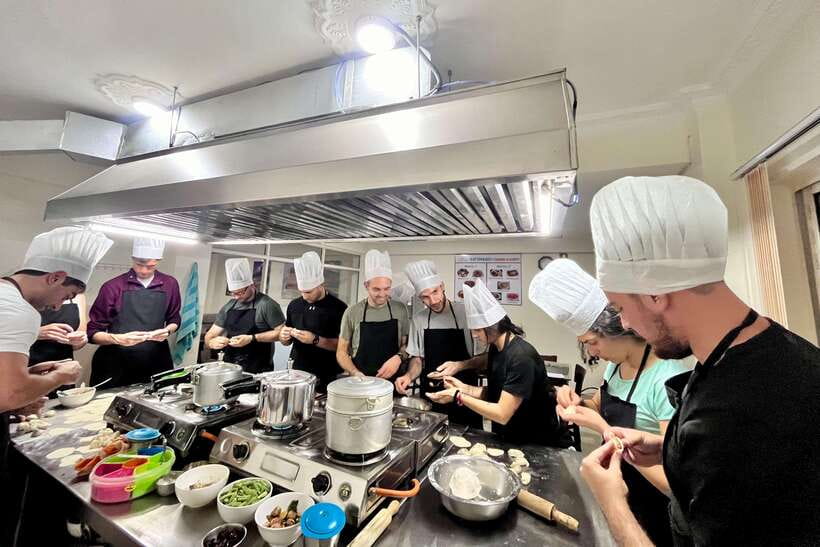
This cooking class is a great match if you want a practical souvenir: a skill you can repeat. It is especially good for food lovers who like learning by doing, and for anyone who appreciates ingredient context, since you shop before you cook.
You will also like it if you want a calm, structured experience with clear English instruction. Past participants mentioned specific instructors, including Vikram, for patient, encouraging guidance, and Niche for an energetic, funny teaching style. You may not meet the exact same person, but the class is set up for that kind of friendly, supportive teaching.
It is not suitable for children under 5, and there is an upper age guideline of not suitable for people over 95. If you are bringing a child near the lower end, double-check whether they fall within the age limits first.
If you have dietary restrictions, tell the provider in advance. The class asks you to share preferences so they can tailor your options where possible.
Logistics that affect your experience more than you think
Meeting point is Kathmandu Cooking Academy, accessible on foot from Thamel (about a 10 to 15 minute walk). If you prefer not to walk, hotel pickup is optional.
Pickup works from within Kathmandu Valley. You give your pickup address, and a driver meets you at that location. After the class, there are drop-off options in Kathmandu, and also at Kathmandu Cooking Academy depending on the option you choose.
For timing, plan to arrive at least 15 minutes early. That buffer matters because you will want to get checked in, meet the staff, and settle before the market and cooking portion starts.
What to bring is simple: a camera. Wear comfortable clothes, since you will be actively participating in cooking.
One more practical note: if you care about photos and videos, those are not included automatically. They are available for an additional fee.
Should you book this Kathmandu cooking class?
Book it if you want to learn momo and dal bhat with real hands-on instruction, a small group setting, and an included meal. The price is low enough that it feels like good value rather than a risky splurge, and the market tour adds a layer of understanding that many cooking classes skip.
Skip it if you have a schedule so tight you cannot spare about 3 hours for cooking and tasting, or if you fall outside the stated age suitability limits. Also, if you are the type who needs guaranteed certainty about class dates, keep in mind the minimum participant requirement, which can trigger an alternative date or a refund.
If you want a Kathmandu memory you can reproduce at home, this is the kind of class that actually gives you something usable.
FAQ
How long is the Kathmandu cooking class?
The experience is listed as about 3 hours, with the overall duration shown as 3 to 4 hours depending on the start time.
What dishes will I learn to make?
The class focuses on momo and dal bhat as the main courses. You also have the option to choose additional Nepali dishes, and the experience includes a dessert.
Where do I meet the group?
Meet at Kathmandu Cooking Academy. It is in the heart of Kathmandu, about a 10 to 15 minute walk from Thamel. Look for the signboard outside the building and check in at the registration area.
Is hotel pickup and drop-off available?
Hotel pickup and drop-off are optional. Pickup is available from any location within Kathmandu Valley. Drop-off options include Kathmandu and Kathmandu Cooking Academy.
How big is the group, and is it wheelchair accessible?
The class is a small group limited to 10 participants. It is wheelchair accessible.
What should I bring, and do I need to tell them about dietary needs?
Bring a camera. Wear comfortable clothing since you will actively participate. If you have dietary restrictions or preferences, you should inform the provider in advance so they can tailor the class options.
Chop, Fold, Simmer
The Rest of Our Kathmandu Write Ups

More Kitchens, More Momos
Everything else we have reviewed around Kathmandu
- 12 Days Everest Base Camp Trekking
★ 5.0 · 3 reviews - 1 Night 2 Days Chitwan Jungle Safari Tour from Pokhara or Kathmandu
★ 3.0 · 3 reviews - Thamel Rickshaw tour
★ 4.7 · 3 reviews - Kathmandu: Momo Making Class with a Local Chef
★ 5.0 · 3 reviews - Kathmandu: Full-Day Yoga, Body Massage and Pedicure Package
★ 5.0 · 3 reviews - From Kathmandu / Pokhara / Chitwan: River Rafting – 1 Day
★ 4.6 · 3 reviews
Nepali Cooking Classes worth a second look.
 ★ 5.0Half day cooking class in Thamel kathmanduFrom $28607 reviews
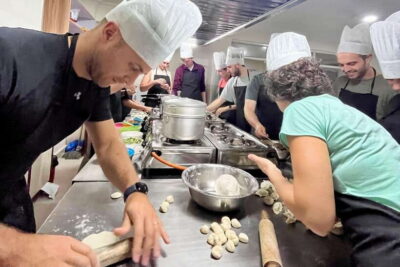 ★ 4.9Local Women-Led Nepali Cooking & Momo ClassFrom $4360 reviews
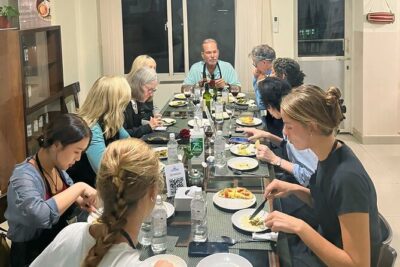 ★ 5.0Local Lead Nepali Cooking & Momo-Making ClassFrom $5212 reviews
 ★ 5.0Local Women Lead Nepali Cooking ClassFrom $30125 reviews
 ★ 5.0Nepalese Momos or Dal Bhat Cooking Class (Cook with Delight)From $5099 reviews
 ★ 5.0The best Private Nepali Cooking Class in KathmanduFrom $2483 reviews
 ★ 5.0Nepalese Kitchen in Pokhara: Momos or Dal Bhat Cooking ClassFrom $2867 reviews
 ★ 4.8Traditional Momo Making Class & PickupFrom $460 reviews
Lists this tour sits in