
REVIEW · NEPALI COOKING CLASSES
Kathmandu: Local Women-Lead Nepali Cooking & Momo Class
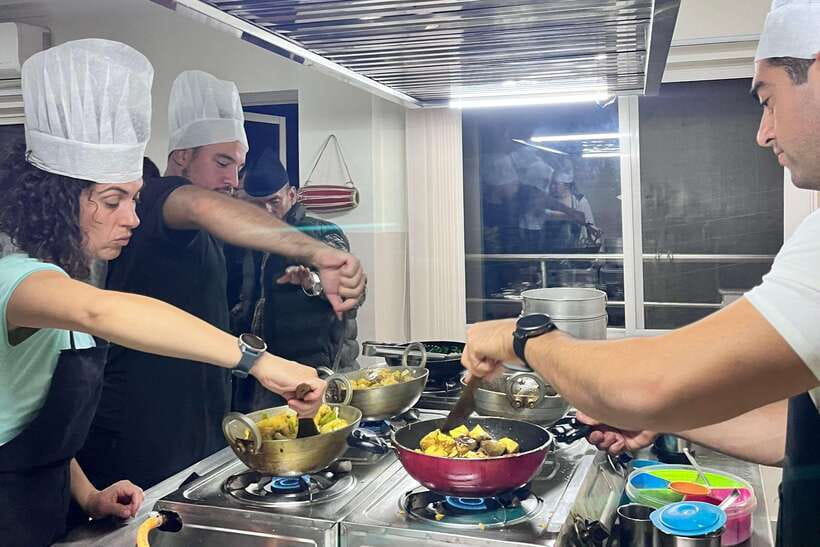
Nepal tastes better when you make it. In Kathmandu, this hands-on class walks you from the market to the folding board, where you shape momo and learn dal bhat flavors from scratch. It is a food-focused way to feel like you are learning from real local routines, not just copying a recipe.
I love that the teaching is step-by-step and the group is small enough to actually ask questions, even if your kitchen skills are at zero. I also like the included masala tea and the fact that you sit down and eat what you made. The one drawback to plan for: you pick from a menu, but the final dishes can depend on group selection, so you may need a little friendly persuasion if you arrive craving a very specific momo.
In This Review
- Quick hits: why this Kathmandu cooking class is worth your half-day
- Why this Kathmandu momo and dal bhat class feels local
- Picking your menu: how dish choice really works
- The market tour: where you learn to shop like a cook
- In the kitchen: step-by-step coaching from Nish or Nishma
- The momo lesson: folding practice with real results
- Dal bhat basics: the staple you can actually repeat at home
- Dessert and tea: the small extras that make the meal feel complete
- Timing, group size, and finding Kathmandu Cooking Academy in Thamel
- Hotel pickup and drop-off: convenience with a Kathmandu traffic reality check
- Price and value: what you get for about $5
- Who this cooking class suits best
- Should you book this Kathmandu cooking class?
- FAQ
- How long is the Kathmandu Nepali cooking class?
- Is hotel pickup and drop-off included?
- What will I cook during the class?
- Do they offer instruction in English?
- What should I bring or wear?
- Where is the meeting point?
Quick hits: why this Kathmandu cooking class is worth your half-day
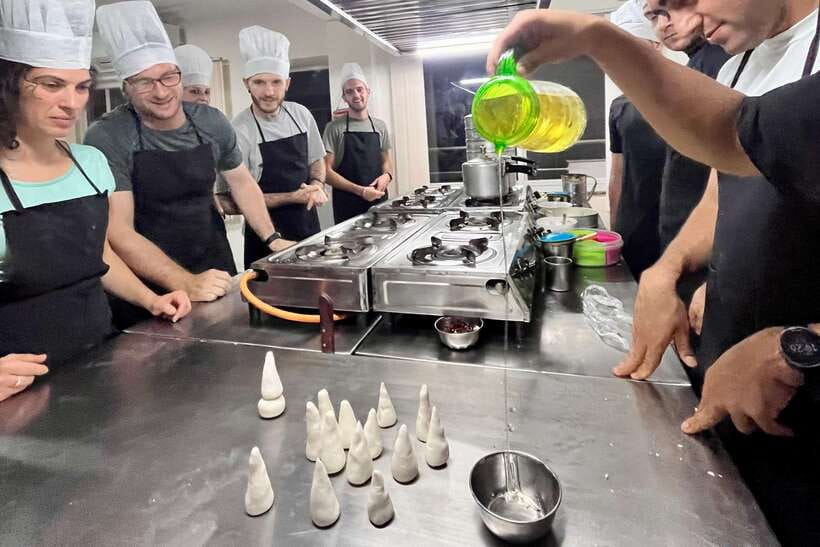
- Small group (up to 10) means you get attention, not just a demo.
- Market tour for ingredients so you understand what matters before you start cooking.
- English instruction keeps the cooking technique clear, especially for first-timers.
- Momo and dal bhat are the main focus, with optional choice for other dishes.
- You eat during the class, so it feels like a meal, not homework.
Fold more momos: other Nepali kitchens
Why this Kathmandu momo and dal bhat class feels local
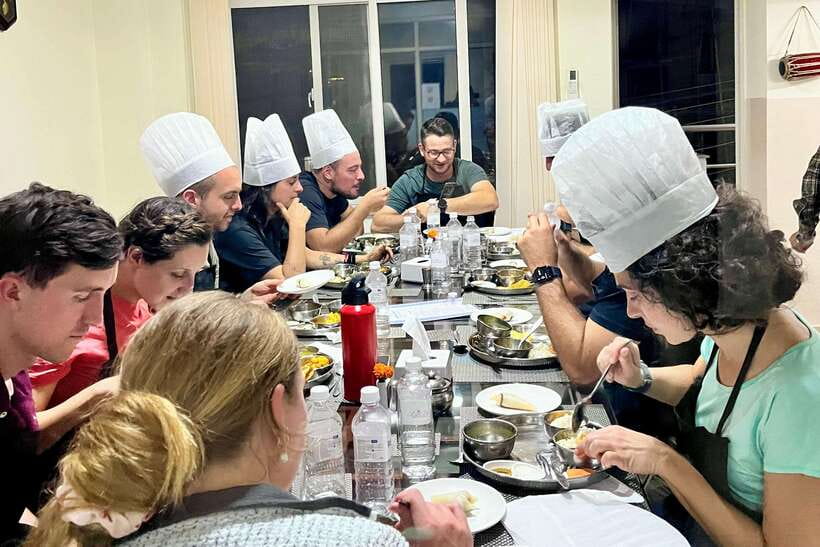
This is one of those Kathmandu activities that cuts through the usual sightseeing shuffle. Instead of just looking at food culture, you practice it. You handle dough, mix spice blends, and learn how Nepali cooks build flavor in everyday staples like dal bhat.
The vibe is friendly and practical. In the reviews, names like Nish and Nishma come up as standout instructors, and that matches what you want from a cooking class: calm guidance, good explanations, and patience when your dumplings look more like dumpling blobs at first.
And yes, you do leave with a full stomach. People describe the portions as substantial, so plan to come hungry, not after a big street-food binge.
Picking your menu: how dish choice really works
A big reason people book this class is the menu structure. You typically choose items for a starter, a main, and a dessert, and momo is a central option. You also may be able to choose an additional dish for a more complete meal, depending on the class flow and what is offered.
Here is the practical part: if you arrive with a mental list like I want only chicken momo, be ready for some group dynamics. One review notes you may need to convince the group a bit for the dish you want. The good news is the classes are small, so it is not some giant public event where your vote disappears.
They also try to work around preferences. One review mentions vegetarian adjustment and spice level changes without drama. Your best move is to tell them your needs clearly ahead of time, so they can plan ingredients and instructions.
The market tour: where you learn to shop like a cook
The class includes a market or shop visit to buy important ingredients. The value here is not just fresh produce, it is learning the logic behind Nepali cooking. You are looking for what you will actually need later, like aromatics, spices, and the components that make momo filling and dal bhat taste right.
This step also breaks up the day in a good way. You are not stuck in a classroom waiting to cook. You walk, ask questions, and see ingredients in the context where they are used. One review calls out that the market is very close by, which makes the tour feel efficient rather than exhausting.
If you like taking notes, this is a great moment to do it. Watch how ingredients are chosen and use your camera to capture what you might want to recreate at home later.
In the kitchen: step-by-step coaching from Nish or Nishma
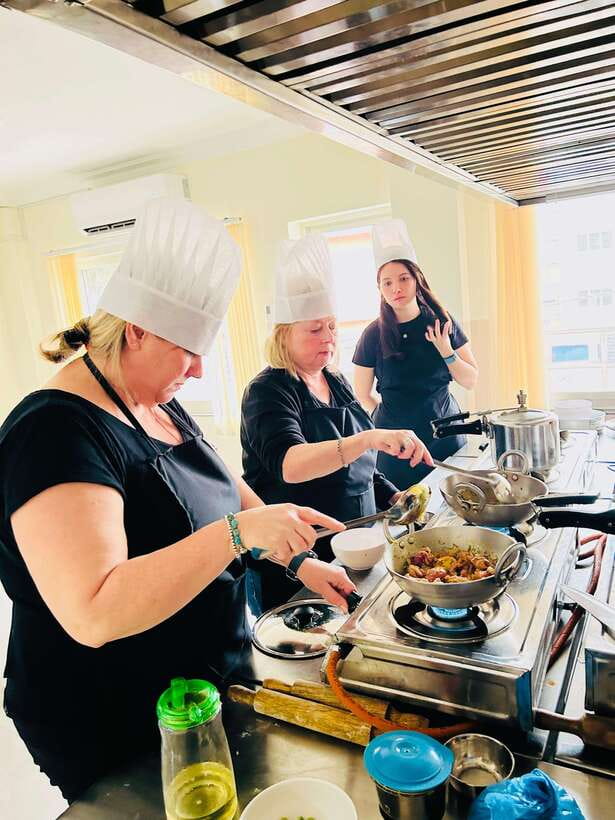
When the cooking starts, the difference between a good class and a great one is communication. Multiple reviews highlight instructors like Nish and Nishma for thorough, patient teaching and strong English. That matters because Nepali cooking is technique-based, not just a list of spices.
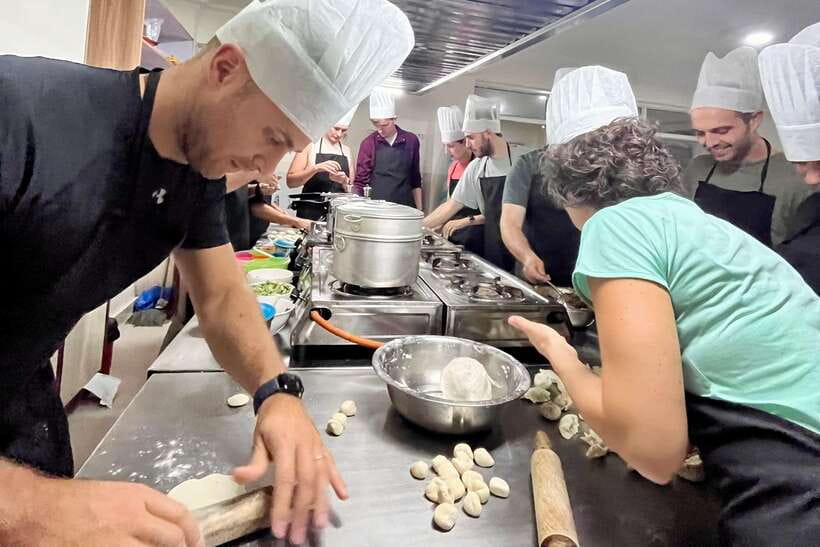
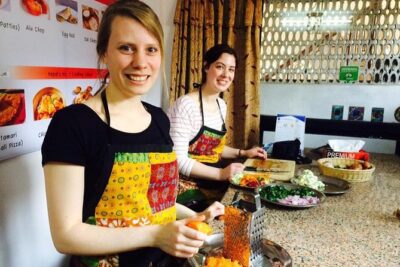
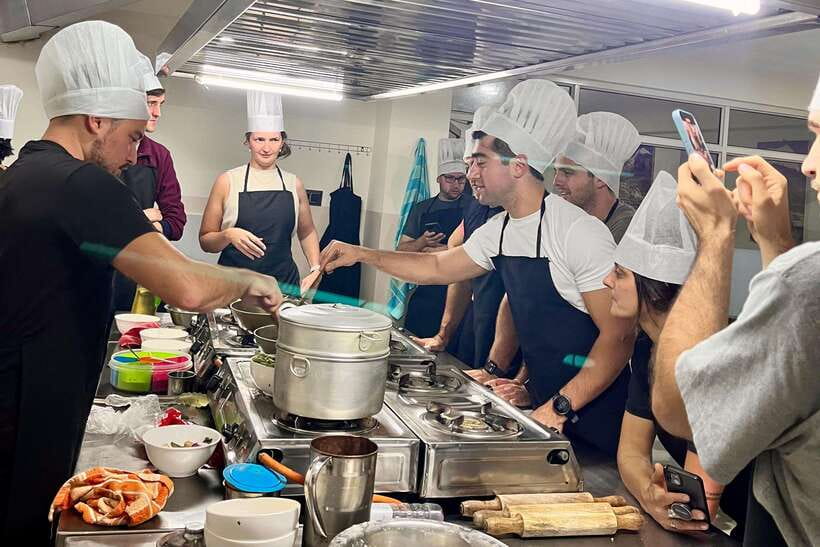
Expect hands-on work, not standing back. You will follow step-by-step instructions and handle tasks yourself, from mixing and prepping to forming momo. If you are nervous about cooking, do not be. One review describes a solo participant feeling like it was close to a private lesson because the class still ran even with low attendance.
Also, pay attention to the small details. Dumpling wrappers, filling texture, and cooking timing all affect results. The more you focus during the instruction, the more you will taste the difference in your final plate.
Other kitchens taking bookings in Kathmandu
The momo lesson: folding practice with real results
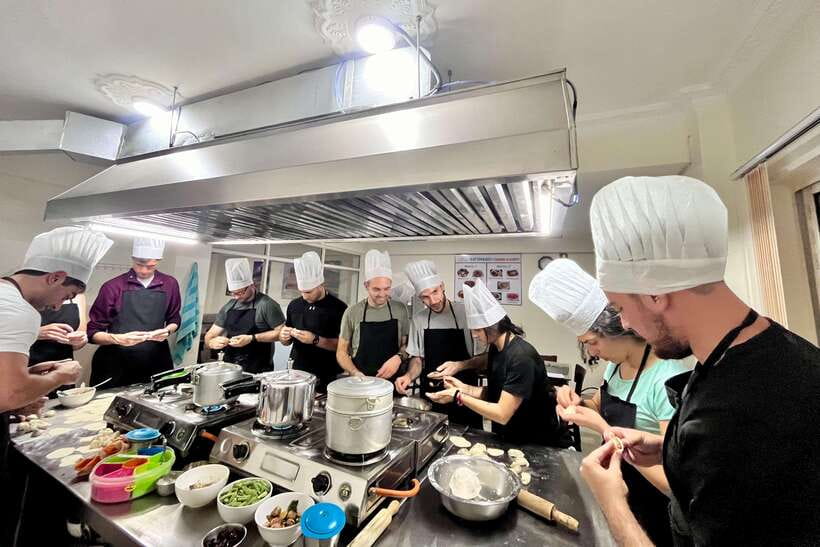
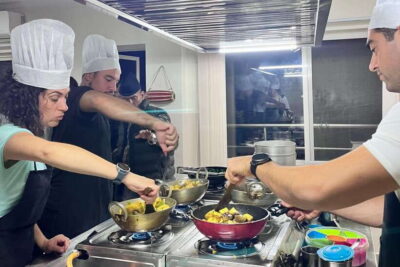
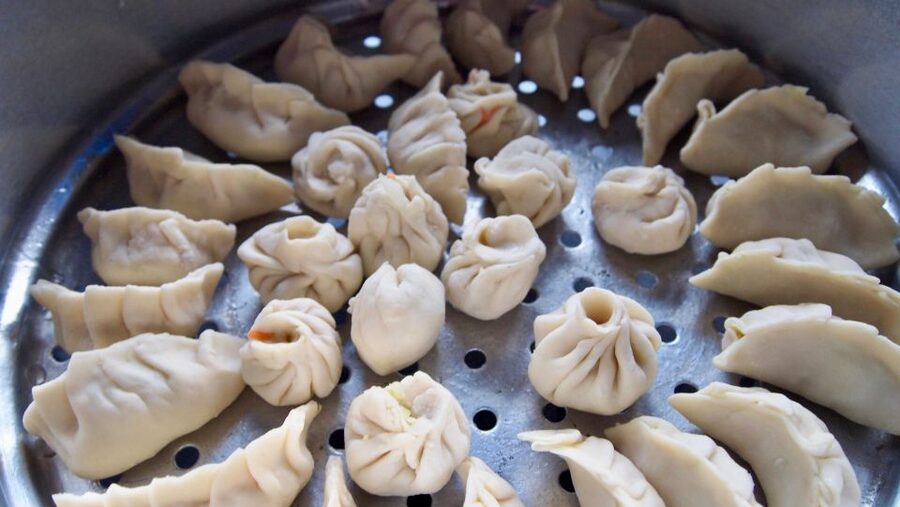
Momo is the star, and you will likely cook it during the class, with dal bhat following as the other main focus. The momo lesson is where your effort turns into something you can immediately evaluate. Does the dough feel workable? Is the filling seasoned enough? How do you steam them so they come out right?
You may try different momo styles depending on what the class chooses that day. Some people mention making chicken momo specifically, while others describe learning momo techniques broadly. Regardless of the exact variation, the goal is the same: you should leave knowing how to make momo dumplings and cook them correctly, not just eat them once.
One review mentions the quantity of food was huge, which is a nice reminder to bring an appetite. Momo plus dal bhat is not a light snack.
Dal bhat basics: the staple you can actually repeat at home
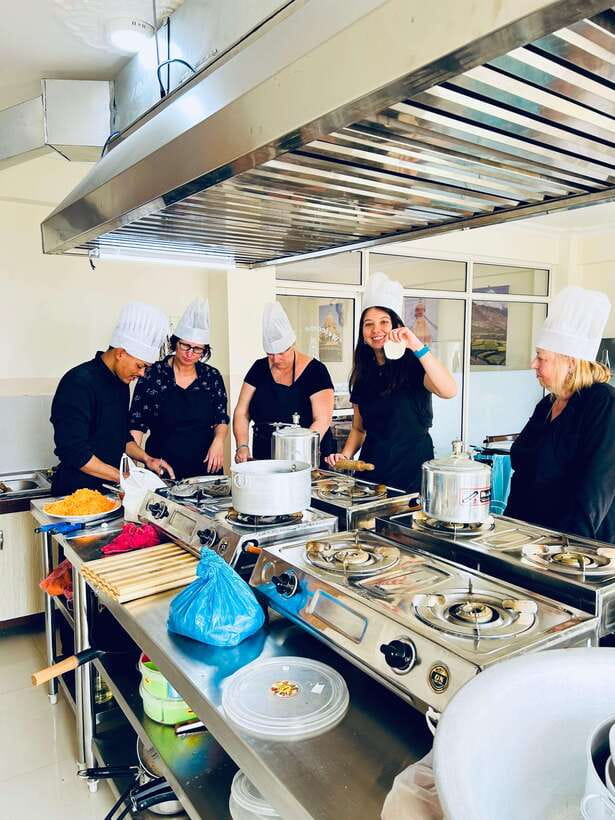
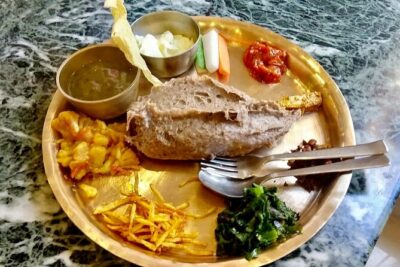
Dal bhat is Nepal’s go-to meal, and learning it in a cooking class is more useful than learning a single showpiece dish. Dal bhat teaches you how seasoning and texture work together: the dal should be flavorful, the rice should be a clean base, and the balance of sides matters.
Even if you only cook part of dal bhat at home later, this class gives you a working understanding of how Nepali cooks approach the everyday plate. It is also a great way to connect the market ingredients to the finished meal, since the shopping tour is designed to support what you will cook.
If you are into home cooking, this is the meal that makes the class feel worth it long after the steamer cools down. You are not just learning a tourist dish. You are learning a system.
Dessert and tea: the small extras that make the meal feel complete
You will also get a dessert, because the class is set up to be a full meal experience. The exact dessert can vary based on class selection, but the structure is consistent: starter, main, dessert, plus tea.
The included Nepali masala tea is a simple touch that helps the whole session feel local. You are sipping something that fits the flavor vibe of the cooking, not just random hot water with milk.
It is also a mental reset. Cooking is hands-on, so having a drink breaks up the effort and keeps you energized for the next step.
Timing, group size, and finding Kathmandu Cooking Academy in Thamel
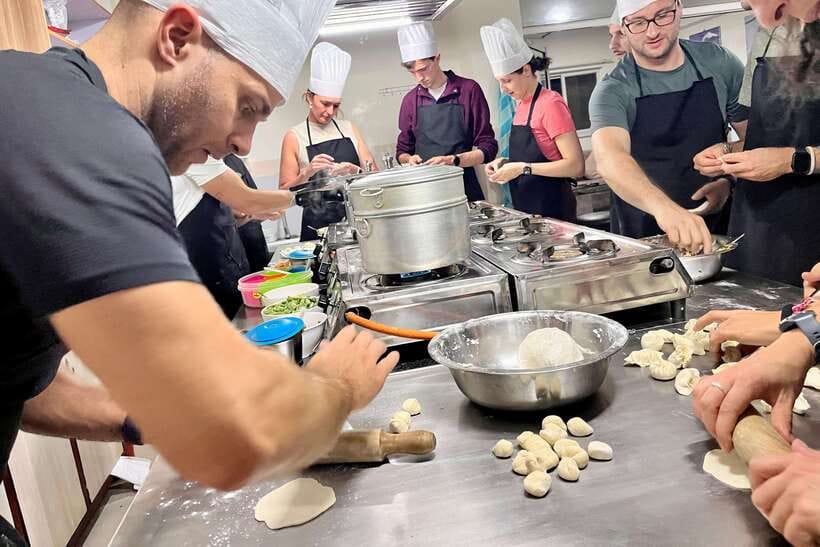
The class runs about 3 to 4 hours, depending on how the session goes. You are advised to arrive at least 15 minutes early to start smoothly. That early buffer matters in Kathmandu, where timing can be affected by traffic and crowds.
The class happens in Thamel, and the venue is Kathmandu Cooking Academy. If you are planning your day tightly, I suggest you build in extra time to get to Thamel. Thamel is central, but you still want a cushion so you do not start frazzled.
Group size is limited to 10 participants, which is a big deal. In a bigger class, momo folding becomes a spectator sport. Here, you can learn technique and ask questions without shouting across a room.
Hotel pickup and drop-off: convenience with a Kathmandu traffic reality check
Hotel pickup and drop-off are optional. If you select it, pickup is available from within Kathmandu Valley. If you do not select it, you will need to get yourself to the venue.
One review flags that transport can run late due to Kathmandu traffic, and that is believable in any big city. My advice is simple: if you book other plans right after, do not schedule anything too strict.
If you want the lowest stress, consider using pickup only if your next commitment has flexibility. Otherwise, going on your own can be straightforward, since Thamel is easy to navigate once you are oriented.
Price and value: what you get for about $5
At around $5 per person, this is strong value if your goal is hands-on cooking rather than just a food tour. You are getting:
- Market ingredient selection
- Use of cooking equipment
- Step-by-step instruction in English
- A tasting of what you make
- Complimentary masala tea
- A small-group setup
The biggest value is skill transfer. You do not just watch someone else cook, you practice. And because momo and dal bhat are staples, the techniques are repeatable.
One extra note from reviews: you might be able to buy a cookbook of the recipes for a separate cost. Even if you do not, the class provides useful materials, with one review mentioning they send a PDF after the session.
For $5, that is a lot of return on investment.
Who this cooking class suits best
This class fits best if you want practical food learning. You should enjoy a hands-on session, and you should be comfortable cooking for a few hours.
It is especially good for:
- First-time cooks who want technique and guidance
- Food lovers who want more than a tasting
- People traveling solo, since the class can still run with small numbers and feels welcoming
- Vegetarian or spice-sensitive diners who plan to communicate needs in advance
It is wheelchair accessible, and children above 7 are welcome (with adult supervision). It is not suitable for children under 5, or people over 95.
Should you book this Kathmandu cooking class?
Book it if you want a fun, low-pressure way to learn Nepali cooking you can repeat. The combination of momo making, dal bhat practice, a market visit, and a small group makes it feel like real cooking instruction rather than a generic activity.
Skip it or choose carefully if you have your heart set on one specific dish and do not want any group input. Also, if you hate any possibility of transport delay, consider going on your own rather than relying on pickup.
If you want an authentic Kathmandu food experience that ends with you eating your own work, this class is a very smart use of time.
FAQ
How long is the Kathmandu Nepali cooking class?
The class lasts about 3 to 4 hours, including the market visit and the cooking time.
Is hotel pickup and drop-off included?
Pickup and drop-off are included only if you select the pickup option during booking. If you do not, you will need to make your own way to the venue.
What will I cook during the class?
You will focus on Nepali dishes such as momo and dal bhat, and you also choose additional dishes like a starter and dessert as part of the class menu.
Do they offer instruction in English?
Yes. The instructor provides instruction in English.
What should I bring or wear?
Wear comfortable clothing since you will be actively participating. Bring a camera if you want to take photos.
Where is the meeting point?
You should find Kathmandu Cooking Academy on Google Maps, at the meeting point for the class.
Chop, Fold, Simmer
The Rest of Our Kathmandu Write Ups


More Kitchens, More Momos
Everything else we have reviewed around Kathmandu
- 12 Days Everest Base Camp Trekking
★ 5.0 · 3 reviews - 1 Night 2 Days Chitwan Jungle Safari Tour from Pokhara or Kathmandu
★ 3.0 · 3 reviews - Thamel Rickshaw tour
★ 4.7 · 3 reviews - Kathmandu: Momo Making Class with a Local Chef
★ 5.0 · 3 reviews - Kathmandu: Full-Day Yoga, Body Massage and Pedicure Package
★ 5.0 · 3 reviews - From Kathmandu / Pokhara / Chitwan: River Rafting – 1 Day
★ 4.6 · 3 reviews
Nepali Cooking Classes worth a second look.
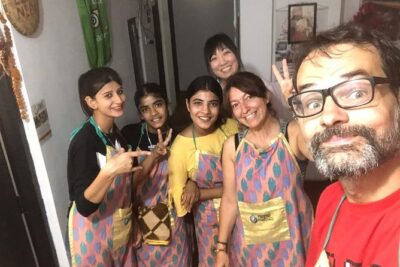 ★ 5.0Half day cooking class in Thamel kathmanduFrom $28607 reviews
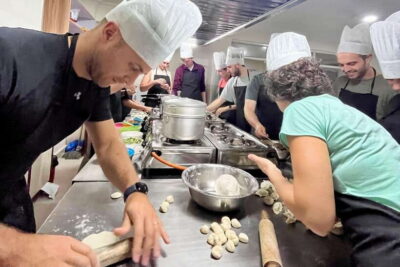 ★ 4.9Local Women-Led Nepali Cooking & Momo ClassFrom $4360 reviews
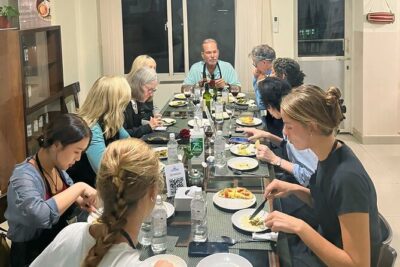 ★ 5.0Local Lead Nepali Cooking & Momo-Making ClassFrom $5212 reviews
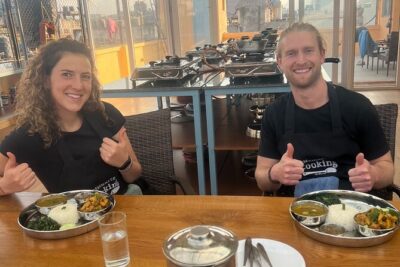 ★ 5.0Local Women Lead Nepali Cooking ClassFrom $30125 reviews
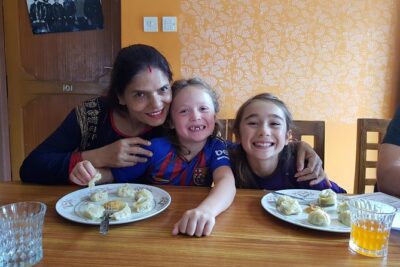 ★ 5.0Nepalese Momos or Dal Bhat Cooking Class (Cook with Delight)From $5099 reviews
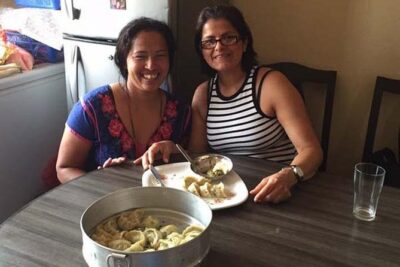 ★ 5.0The best Private Nepali Cooking Class in KathmanduFrom $2483 reviews
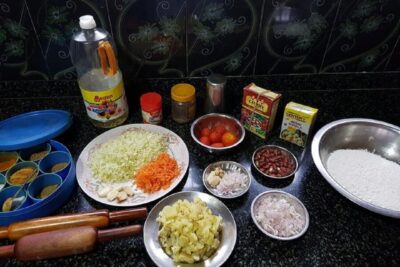 ★ 5.0Nepalese Kitchen in Pokhara: Momos or Dal Bhat Cooking ClassFrom $2867 reviews
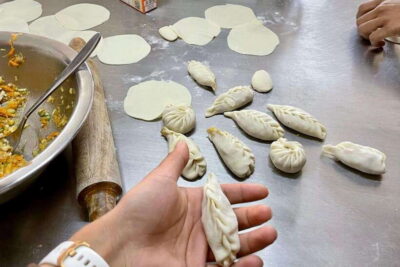 ★ 4.8Traditional Momo Making Class & PickupFrom $460 reviews
Lists this tour sits in