
REVIEW · NEPALI COOKING CLASSES
Kathmandu: Local Women Lead Nepali Cooking & Momo-Making Class
Food lessons can be magic. In Kathmandu’s Thamel, you start at a local market and end with a table full of what you cooked, with momo and dal bhat at the center of it.
What I like most is the way the class connects ingredients to technique. You’ll get hands-on help shaping dough, timing simmering, and building flavors that make Nepali food feel simple even when the steps are new.
One thing to consider: this is a tight 3-hour format. If you want long explanations or a slow pace, you might feel the schedule moving fast.
In This Review
- Key things that make this class worth your time
- Thamel, Market, and Momo Magic: What You’re Really Learning
- The 3-Hour Plan: How the Time Actually Flows
- Meeting Point in Thamel: Where to Start Without Stress
- Market and Shopping: Spices, Produce, and Building Your Flavor Map
- Momo Dough and Folding Basics: Why This Part Feels So Rewarding
- Dal Bhat and Masala Tea: Learning the Taste of Nepali Comfort Food
- Cooking Equipment and Clean, Clear Instruction
- Small Group Size, Optional Pickup, and How the Price Adds Up
- What to Expect From the Vibe: Friendly, Practical, and Not Too Formal
- Who Should Book This Class, and Who Might Want Another Option
- Tips for Getting the Most Out of It (Without Overthinking)
- Should You Book the Kathmandu Local Women Lead Nepali Cooking and Momo Class?
- FAQ
- How long is the Kathmandu cooking class?
- Where does the class start and end?
- Is hotel pickup included?
- Do we visit a market as part of the class?
- What dishes will I cook?
- How big is the group?
- What’s included in the price?
- What isn’t included?
- Can I cancel for a full refund?
Key things that make this class worth your time
- Market first so you understand spices and staples before heat hits the pan
- Hands-on momo shaping with step-by-step instruction and plenty of practical practice
- Small group (max 8) which usually means more attention and less waiting around
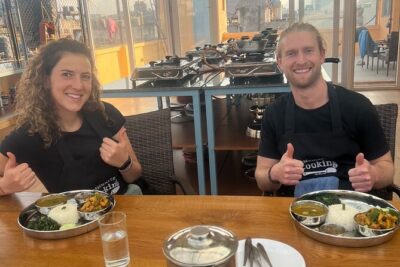
- You eat what you make, including the tasting of your own dishes at the end
- Nepali masala tea included, so the lesson covers more than just savory food
Fold more momos: other Nepali kitchens

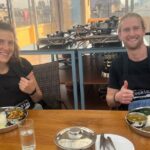
Thamel, Market, and Momo Magic: What You’re Really Learning
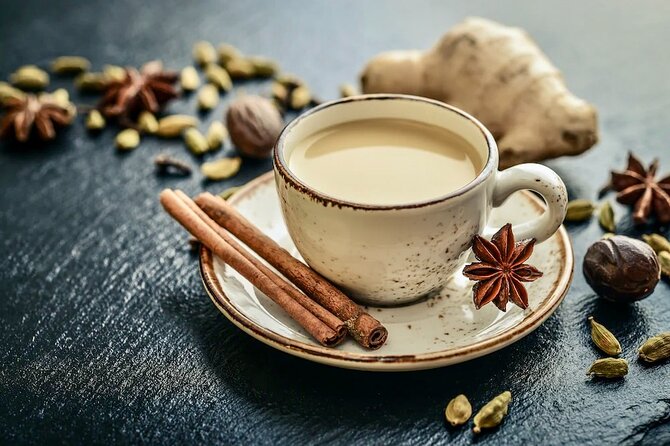
Nepali cooking is all about balance. It’s not just recipes, it’s how people think about seasoning, texture, and timing. That’s why this class starts in the market. You see spices and everyday ingredients up close, and you learn what they do in real cooking instead of memorizing a list.
In Thamel, the vibe is practical. You’re surrounded by shops and streets where food is part of daily life, not a museum item. The market stop is where you get the “why” behind the lesson. You get to buy the important ingredients for your cooking, and that makes the next steps feel more grounded.
I also love the core idea: local women lead the cooking and momo-making class. Even without fancy theatrics, that kind of leadership matters. It signals that this is home-style knowledge passed on with care, the way families actually teach kids and newcomers.
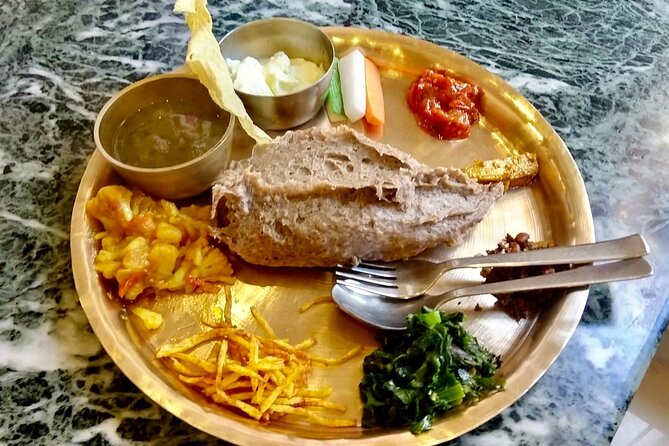
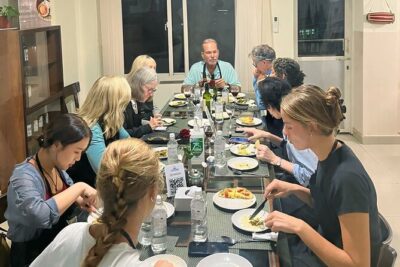
The other strong point is the meal payoff. You don’t just watch or taste one dish. You cook multiple Nepali items and then eat together, with a tasting session of what you prepared. That’s how you walk away remembering flavors, not just steps.
The 3-Hour Plan: How the Time Actually Flows
This is a half-day class, about 3 hours. That’s short enough to fit into a busy Kathmandu itinerary, but long enough to do real work, not just sampling.
Here’s the rhythm you can expect:
First, you meet at Kathmandu Cooking Academy in Thamel (Yapikhya Marg, Kathmandu 44600). From there, the class heads to a market/shop tour. You’re not just browsing. You’re learning what matters and buying the ingredients needed for the dishes.
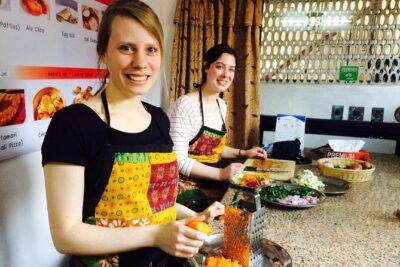
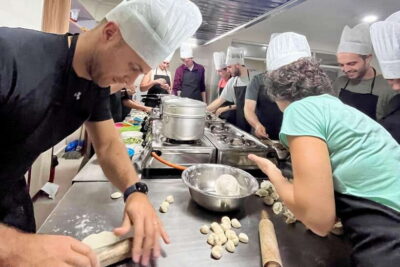
Next comes the hands-on cooking portion, guided by the experienced chef and instructor with step-by-step instruction. This is where you get your hands moving, from kneading dough to working through cooking stages.
Finally, you sit down for tasting, including Nepali masala tea during the lesson and a chance to eat what you made.
Because the schedule is tight, you’ll want to pay attention early. If you drift, you’ll miss a key technique step. But if you stay present, the pace feels fair.
Meeting Point in Thamel: Where to Start Without Stress
Start is at Kathmandu Cooking Academy, in Thamel. The address listed is Yapikhya Marg, Kathmandu 44600, Nepal. The activity ends back at the meeting point, so you’re not stuck figuring out a separate return.
If you choose hotel pickup, you’ll be picked up and dropped off. If you don’t, the location is said to be near public transportation, which helps if you’re already navigating Kathmandu on your own.
Practical tip: arrive a bit early. Even short market tours can take a few minutes to get organized, and you’ll feel calmer once you’re settled before shopping begins.
Market and Shopping: Spices, Produce, and Building Your Flavor Map
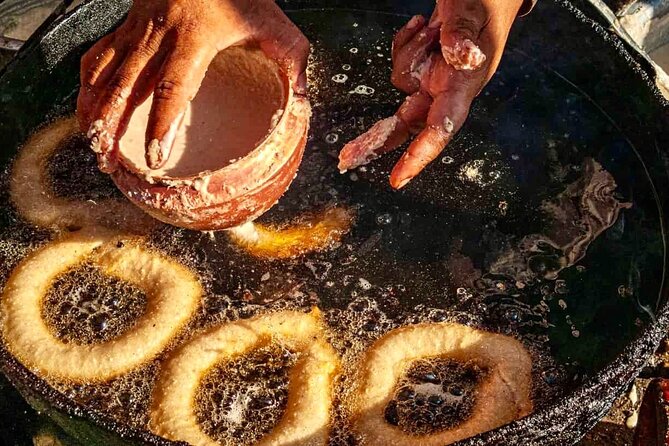
The market segment is more than a nice photo stop. It’s where the class builds your flavor map. You’ll see colorful spices and local staples up close, and you’ll learn which ingredients you’ll need for the dishes you’re making.
A key detail from how the class works: you can choose what you cook, then you shop for those ingredients. That choice makes a difference. If you’re picky, curious, or you want to focus on momos or dal bhat, this structure lets you steer the menu instead of being locked into one option.
You’ll also get a chance to understand common Nepali ingredients in a tactile way. You can smell spices, look at how foods are sold, and connect the stuff in the market to the instructions in the kitchen.
This is also where the lesson becomes more memorable. When you buy ingredients yourself, you remember the decision. Later, when you taste your food, it feels like a completed project instead of a random meal.
Other kitchens taking bookings in Kathmandu
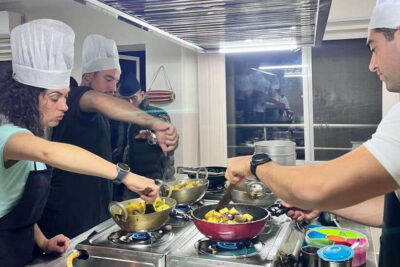
Momo Dough and Folding Basics: Why This Part Feels So Rewarding
Momos are the headline, and for good reason. They’re fun, they’re hands-on, and they train your attention. Dough consistency matters. Folding matters. Cooking time matters.
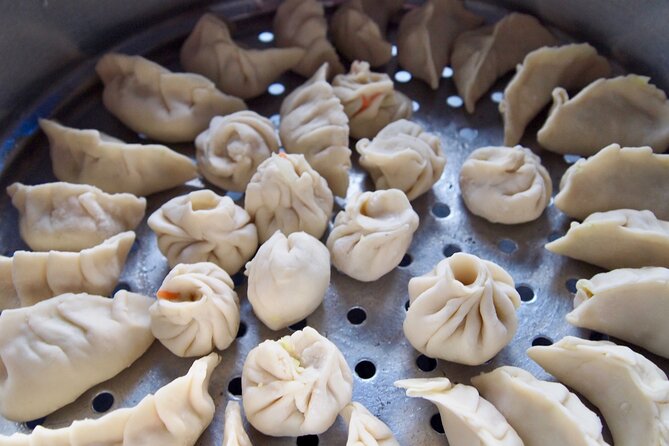
The class includes kneading the dough for momos, plus guidance that walks you through the process step by step. You’re not expected to know the shape or technique already. You’re taught while you’re doing it.
In reviews, people highlight that the instructors explain clearly and take the time to guide your technique. That matches what you should hope for in a cooking class. Momo-making can go wrong fast if the dough is too dry, too wet, or if the wrapping step isn’t taught well.
Also, momo-making is a social skill. When you’re folding, you see what others are doing. That’s one reason the class can feel friendly. You’re in a small group, working with your hands, and conversation flows naturally while you wait for the next step.
Practical expectation: the goal is learning and good results. You might not end up with identical perfect folds, and that’s fine. What matters is that you understand how the dough should feel and what cooking cues to watch for.
Dal Bhat and Masala Tea: Learning the Taste of Nepali Comfort Food
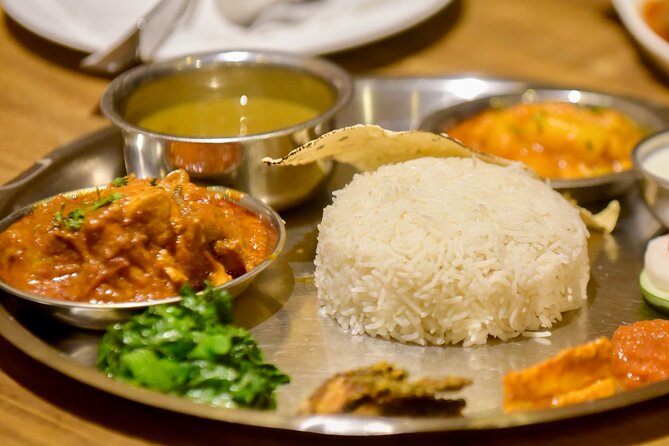
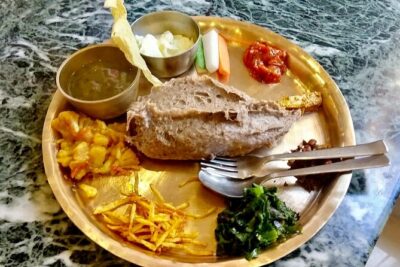
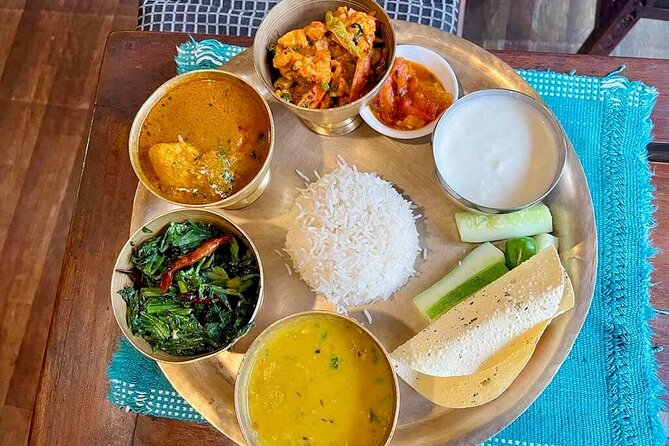
Dal bhat is one of Nepal’s most common comfort meals. The class includes simmering dal bhat, so you get to practice how to build a bowl that tastes like it belongs in everyday life.
This part is about timing and control. Even if the ingredients are familiar, the flavor comes from how you cook and adjust. The class guidance helps you understand the stages of simmering and seasoning, so you don’t end up with bland dal or an overcooked pot.
You’ll also have Nepali masala tea during the lesson. That matters because it ties the meal together. The tea isn’t just a beverage, it’s part of the food rhythm, the way Nepalese dining often includes warm drinks alongside cooking and eating.
One smart advantage here is that dal bhat teaches a broad skill. If you can make dal bhat well, you can apply similar logic to other lentil-based dishes. It’s a cooking foundation, not just a one-off recipe.
And yes, you taste at the end. In a class like this, tasting is when you understand what your hands did right or wrong. If you control the flavor balance, you’ll taste that success immediately.
Cooking Equipment and Clean, Clear Instruction
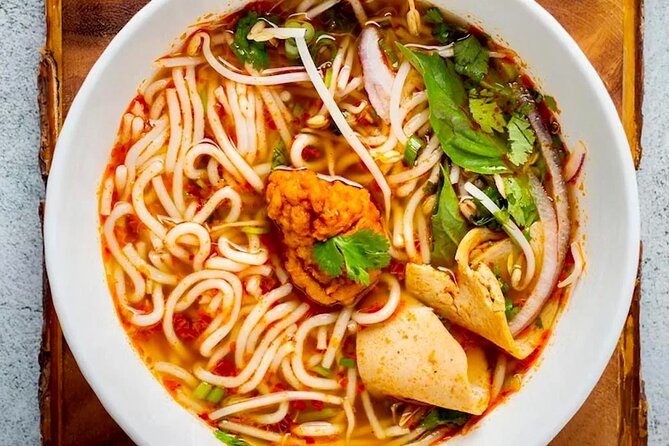
The class includes the use of cooking equipment and accessories. That sounds obvious, but it’s actually a big value point. You don’t want to spend your time figuring out what tools are available or missing basic gear.
You’ll also be guided by an experienced chef and instructor. Step-by-step instruction is key for a beginner-friendly experience. When the guidance is clear, you can focus on what you’re doing instead of worrying about whether you’re doing the method wrong.
The way this lesson is set up also helps you learn faster. In a kitchen where everyone is cooking, you pick up cues by watching and doing in the same moments. The small group size (maximum 8) helps with that attention.
Small Group Size, Optional Pickup, and How the Price Adds Up
This class is $35 per person and lasts about 3 hours. That’s a reasonable price for Kathmandu, especially because it includes:
- market/shop tour to buy important ingredients
- hands-on cooking instruction
- cooking equipment and accessories
- tasting session of what you prepared
- Nepali masala tea during the lesson
Hotel pickup and drop-off are included if you select the pickup option. If you don’t, the meeting point is near public transportation, so you can still make it work without extra logistics headaches.
Group size matters for value. With a maximum of 8 travelers, you’re less likely to get stuck watching while others go ahead. You can ask questions and get feedback during key steps like dough handling and simmering.
When you add up ingredient purchasing, instruction, and the fact that you eat the meal you made, the price feels like you’re paying for a full experience, not just a few tastings.
What to Expect From the Vibe: Friendly, Practical, and Not Too Formal
One of the best signals from the experience is how easy it is to connect with others while cooking. People in the class can end up chatting and sharing techniques, because the work is structured and you’re not stuck listening for long stretches.
That social element also helps when you’re learning something hands-on. If someone else in your group is doing a similar step, you can compare what you’re seeing without feeling awkward.
Also, the class is designed for visitors who want an authentic Nepali meal with real technique. It’s not a performance cooking show. It’s more like a guided kitchen project where you leave with both a full stomach and a better idea of how Nepali home cooking works.
Who Should Book This Class, and Who Might Want Another Option
I think this class is a strong fit if you:
- want a clear, hands-on introduction to Nepali cooking
- care about learning from the market ingredients first
- enjoy making food you can actually eat right away
- want a structured activity that works well in a short Kathmandu day
It may be less ideal if you:
- need lots of extra time for practice and slower pacing
- want a long lecture style experience instead of cooking time
If you’re traveling solo, you still get the small group setting, and that often makes the experience feel welcoming. If you’re with friends, you’ll likely enjoy choosing the menu together and comparing what you make.
Tips for Getting the Most Out of It (Without Overthinking)
To get the best results, go in with curiosity. Ask questions about how ingredients behave. Look for the cues the instructor uses during cooking, not just the final numbers.
Also, keep an open mind about the menu. Since you can choose what you cook, you can lean into your preferences. If you’re unsure, pick the dishes that sound most fun to make, because that’s where the learning sticks.
Wear comfortable clothes you can move in. You’ll be handling food and working at a station.
And after you cook, take your tasting seriously. That’s when your brain connects the final flavor to the earlier steps.
Should You Book the Kathmandu Local Women Lead Nepali Cooking and Momo Class?
Yes, you should consider booking if you want a practical Kathmandu food experience that includes both shopping and cooking, plus an end meal that feels earned. The momo-making and dal bhat focus is clear, the class is guided step by step, and the small group format helps you get real attention.
It’s also good value because the price covers more than instruction. You buy ingredients on the market side, you cook with equipment, and you taste what you made. For a half-day activity around 3 hours, that’s a solid deal.
The main reason to hesitate is simple: it’s a compact schedule. If you hate rushing, plan for it. Otherwise, this is the kind of class where you leave with skills and flavors you can actually remember on your next meal back home.
FAQ
How long is the Kathmandu cooking class?
The class runs for about 3 hours.
Where does the class start and end?
The meeting point is Kathmandu Cooking Academy in Thamel (Yapikhya Marg, Kathmandu 44600, Nepal). The activity ends back at the meeting point.
Is hotel pickup included?
Hotel pickup and drop-off are included only if you select the pickup option.
Do we visit a market as part of the class?
Yes. The class includes a market/shop tour to buy the important ingredients for cooking.
What dishes will I cook?
You’ll learn to make momos and dal bhat, along with other Nepali meals as part of the class. Nepali masala tea is also included during the lesson.
How big is the group?
The class has a maximum of 8 travelers.
What’s included in the price?
Included features are the cooking class with step-by-step instructions, the market/shop tour for ingredients, hands-on cooking, cooking equipment, Nepali masala tea during the lesson, and a tasting session of what you prepared. Hotel pickup and drop-off are included if you choose the option.
What isn’t included?
Specialty or alcoholic drinks are not included, and tips are not included.
Can I cancel for a full refund?
Yes, you can cancel for a full refund up to 24 hours before the experience starts. If you cancel within 24 hours, the amount paid is not refunded.
Chop, Fold, Simmer
The Rest of Our Kathmandu Write Ups




More Kitchens, More Momos
Everything else we have reviewed around Kathmandu
- 12 Days Everest Base Camp Trekking
★ 5.0 · 3 reviews - 1 Night 2 Days Chitwan Jungle Safari Tour from Pokhara or Kathmandu
★ 3.0 · 3 reviews - Thamel Rickshaw tour
★ 4.7 · 3 reviews - Kathmandu: Momo Making Class with a Local Chef
★ 5.0 · 3 reviews - Kathmandu: Full-Day Yoga, Body Massage and Pedicure Package
★ 5.0 · 3 reviews - From Kathmandu / Pokhara / Chitwan: River Rafting – 1 Day
★ 4.6 · 3 reviews
Nepali Cooking Classes worth a second look.
 ★ 5.0Half day cooking class in Thamel kathmanduFrom $28607 reviews
 ★ 4.9Local Women-Led Nepali Cooking & Momo ClassFrom $4360 reviews
 ★ 5.0Local Lead Nepali Cooking & Momo-Making ClassFrom $5212 reviews
 ★ 5.0Local Women Lead Nepali Cooking ClassFrom $30125 reviews
 ★ 5.0Nepalese Momos or Dal Bhat Cooking Class (Cook with Delight)From $5099 reviews
 ★ 5.0The best Private Nepali Cooking Class in KathmanduFrom $2483 reviews
 ★ 5.0Nepalese Kitchen in Pokhara: Momos or Dal Bhat Cooking ClassFrom $2867 reviews
 ★ 4.8Traditional Momo Making Class & PickupFrom $460 reviews
Lists this tour sits in