
REVIEW · NEPALI COOKING CLASSES
Kathmandu: Traditional Momo Making Class & Pickup
Momo making in Kathmandu is easier than you think. This 2-hour class at Kathmandu Cooking Academy teaches momo making step by step, with a market tour to pick fresh ingredients first. You’ll then shape, steam, and taste your own dumplings, with options for veggie, vegan, or chicken fillings, plus regular or soup styles.
I like the way the class stays practical and hands-on, so you’re not just watching. I also like that it’s a small group, limited to 10, so instructors can help with the tricky part, the folding and sealing.
One consideration: the academy is about a 10 to 15 minute walk from Thamel, and optional hotel pickup is only within Kathmandu Valley, so if you’re staying outside the core area, double-check how you’ll get there.
In This Review
- Key highlights at a glance
- Kathmandu Cooking Academy, meeting point, and timing that works
- The market tour for momo ingredients, and why it’s not just a photo stop
- From dough to dumplings: your step-by-step shaping lesson
- Choosing fillings and styles: veggie, vegan, chicken, plus soup momo
- Cooking equipment, group flow, and how the class actually feels
- Tasting your momos and sipping Nepali masala tea
- Price and value: why $4 can still feel like a real meal
- Who should book this class, and who should skip it
- Tips to get better quickly, and leave with a useful memory
- Should you book Kathmandu: Traditional Momo Making Class & Pickup?
- FAQ
- What is the duration of the Kathmandu momo making class?
- What time does the class start?
- Where is the meeting point?
- Is hotel pickup included?
- What types of momos can I make?
- What should I bring and what should I watch for?
Key highlights at a glance
- Market stop first so you start cooking with fresh, local ingredients
- Hands-on instruction for dough, filling, folding, and steaming
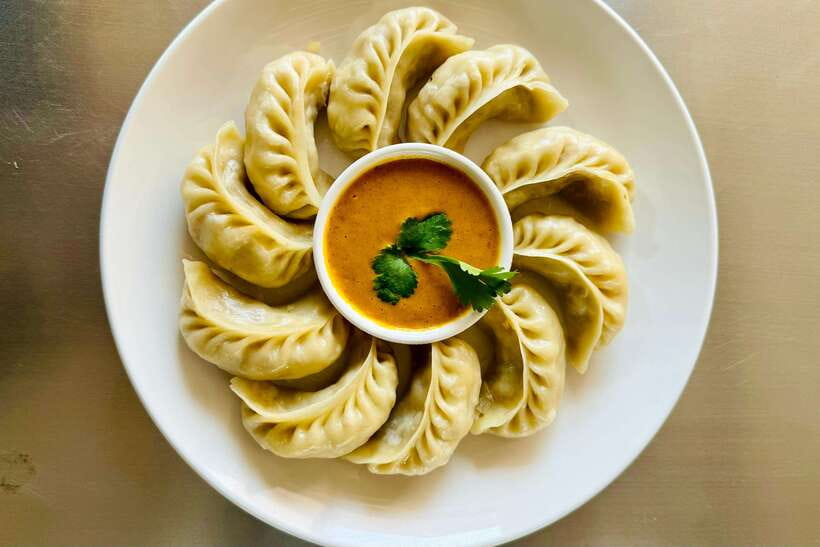
- Choose your momo style: veggie, vegan, or chicken, plus regular or soup
- Tea and tasting included so you get to eat what you made
- Small group limit (10 people) for more personal help during shaping
- English-speaking instructor makes it easier to ask questions while you cook
Fold more momos: other Nepali kitchens


Kathmandu Cooking Academy, meeting point, and timing that works
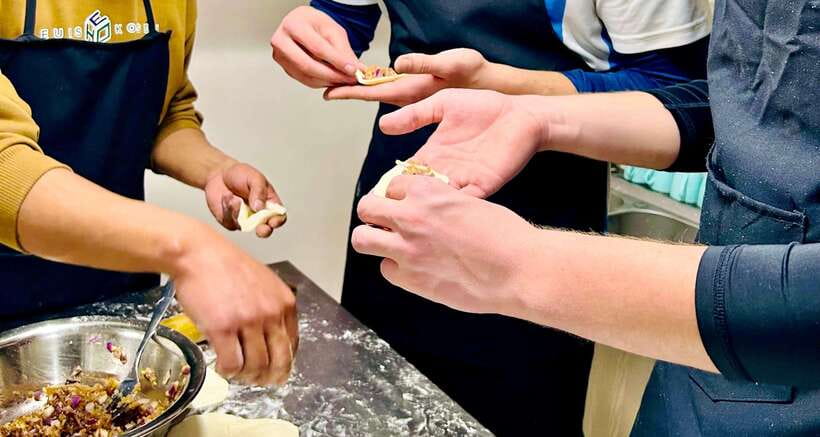
This class runs for about 2 hours and starts at 1 PM. That timing is great if you want something active in the afternoon without eating up your whole day. It also fits well with a sightseeing morning in and around Thamel, then a focused cooking block before dinner plans.
You meet at Kathmandu Cooking Academy, which is in the heart of Kathmandu and a 10 to 15 minute walk from Thamel. When you arrive, staff guide you to the registration area, so you are not left wandering around looking for a door that says cooking somewhere in tiny letters.
If you prefer not to walk, there’s optional pickup and drop-off within Kathmandu Valley. This is especially helpful if rain, traffic, or heat is making sidewalks feel like a punishment. Just make sure you share your hotel details ahead of time if you pick the pickup option, since transportation needs to be arranged in advance.
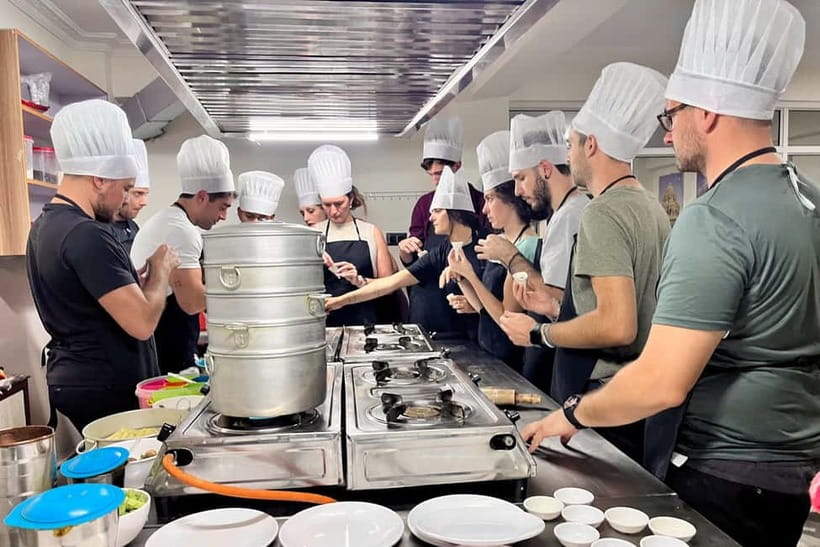
Small group matters here. With a limit of 10 participants, you’re more likely to get real-time corrections when your fold is too loose or your dumpling is too thick. A class like this is only half cooking, the other half is learning the technique without getting flustered.
The market tour for momo ingredients, and why it’s not just a photo stop
Before you touch dough, you get a guided market or shop tour to select fresh momo ingredients. I like this part because it explains Nepalese cooking at the most useful level: what you choose changes how the dumplings taste, and it changes how easy they are to shape.
In a momo class, the ingredients you pick are not just flavor. They affect texture. For example, if your filling is too wet, your wrappers can tear. If it’s too dry, you struggle to get good bite and you might find the filling crumbles. The market segment is where you learn what to look for, and you do it with a guide standing close enough to answer questions.
You also learn how cooks think. That’s a big deal in Kathmandu, where food culture is practical. People shop for what’s in season and what looks right. Then they cook quickly, efficiently, and with confidence. Doing the market tour first gives you a head start, because your next step is making dough and shaping wrappers with the ingredients you already chose.
A practical tip from the vibe of the class: bring a camera, since you’ll want to capture the ingredients you selected, and the setup you cook with. Photos are useful later if you want to recreate the filling and cooking feel at home.
From dough to dumplings: your step-by-step shaping lesson
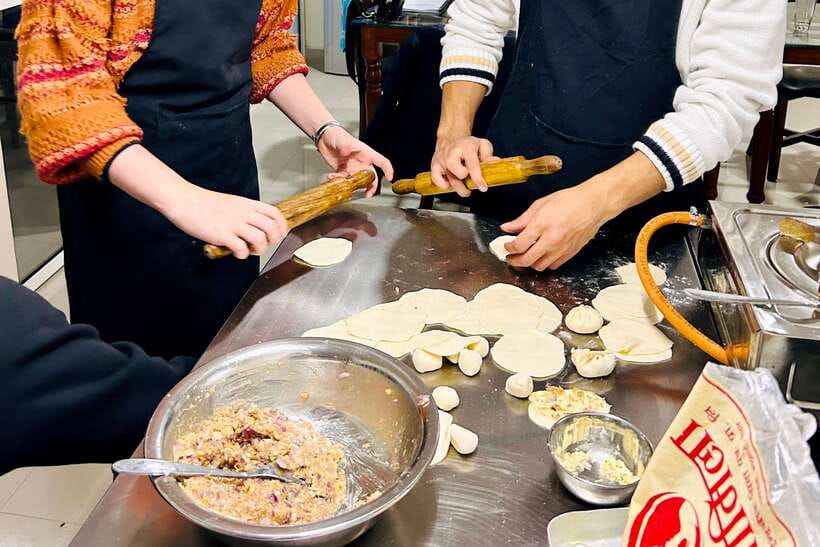
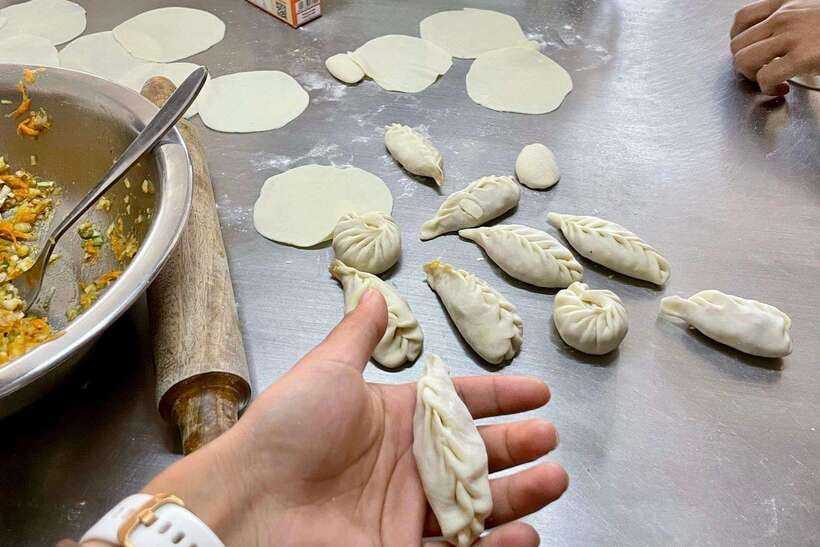
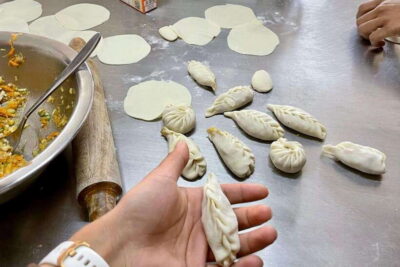
The heart of the experience is the hands-on momo session. You’ll learn how to make momos from scratch with local guidance, including preparing dough, making the filling, shaping the dumplings, and steaming them.
Here’s what makes this class work for beginners: you’re taught in stages. Instead of one long lesson where you forget everything while your hands are busy, the guide walks you through the process step by step. That structure matters because momo folding is one of those skills where your fingers need repetition, not just a concept.
And you get support. Several instructors have been specifically praised for patience and teaching style in English. In particular, I’d pay attention if you end up with chefs like Birfan or Bikram, who have been noted for being kind, flexible with different learners, and helpful when it comes to getting the momo shape right.
The shaping moment is also the part that feels most transferable. Once you learn how to seal properly and how much filling to use, you can adapt fillings later. The class may focus on veggie, vegan, or chicken options during your session, but the technique carries over.
Choosing fillings and styles: veggie, vegan, chicken, plus soup momo
One reason I like this class is the flexibility. You’re not stuck with one filling or one cooking style. You can choose veggie, vegan, or chicken for your momo filling. Then you also have the option of normal (regular) momos or soup momos.
That choice changes the way you think about the dumplings.
- Regular momos: you’re focused on the wrapper, the fold, and getting a clean steam so the dumplings are tender without breaking.
- Soup momos: you’re creating dumplings meant to perform in broth. That shifts how you approach filling balance and how you handle the final cook so everything stays intact when served.
Even if you’re not a confident cook, having choices helps you tailor the experience to your taste. Want something lighter? Go veggie or vegan. Want something classic and filling? Choose chicken. Want to try a more comforting style? Pick soup momo.
If you have dietary needs, plan ahead. You are asked to inform the team about restrictions or allergies before you book, and you can also request special accommodations like vegan if you need clarity on ingredients.
Other Kathmandu workshops you leave carrying something from
Cooking equipment, group flow, and how the class actually feels
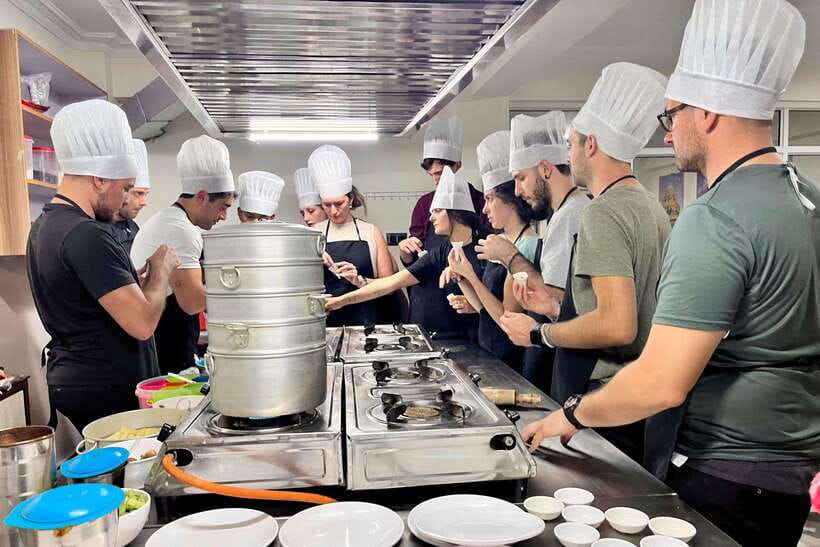
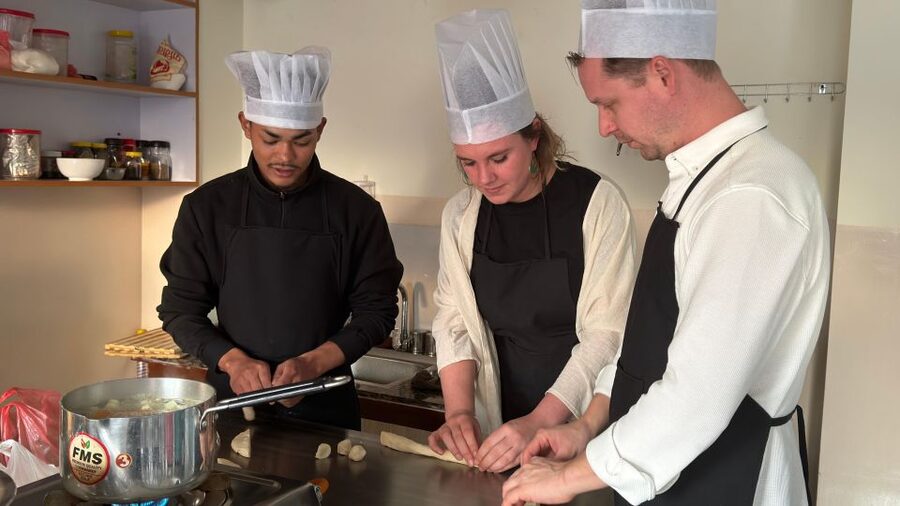
You use cooking equipment and accessories provided by the academy, so you’re not hunting for gear in your hostel kitchen or worrying that you have the wrong utensil. That’s worth mentioning because momo requires a few basic tools and a setup that’s ready to steam properly.
The group flow is designed around making sure you’re not standing around too long. With a maximum group size of 10, you tend to get hands-on time while an instructor checks what you’re doing. That also makes it easier to ask questions mid-process, like how thick the dough should be or what to do if your fold looks uneven.
A fun thing I’ve picked up from the class descriptions is that instructors encourage repetition. If your first dumpling doesn’t look like the ones you’ve seen, that’s normal. One guest even said the teacher encouraged practice and supported them while they crafted their first momo, which is exactly what you want from a class like this.
Tasting your momos and sipping Nepali masala tea
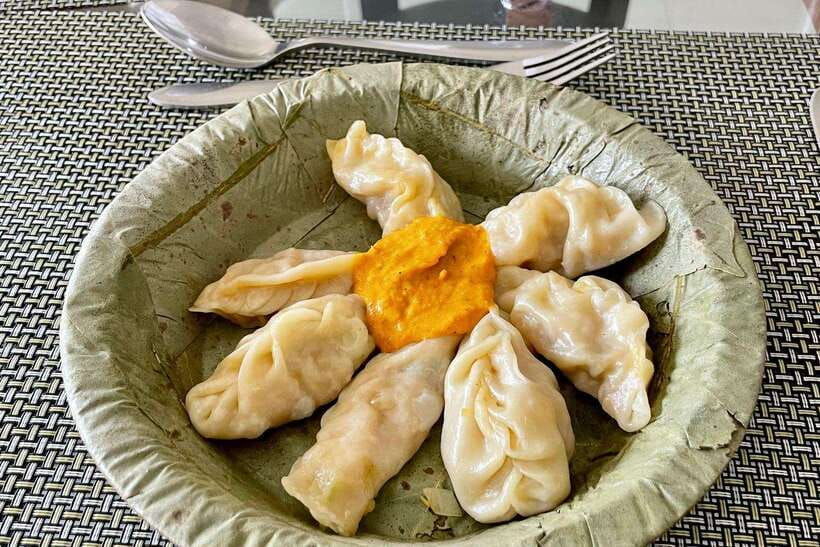
After you cook, you eat what you made. The class ends with a tasting session of your prepared momos, plus a complimentary cup of Nepali masala tea.
This part matters more than people think. In cooking classes, tasting is where you confirm what you learned. If your momo is a bit too soft, now you know. If your filling needed more seasoning, you’ll feel that right away. And if your fold held together, that’s a confidence boost you’ll remember.
Masala tea also works as a simple palate reset. It’s warming, it’s familiar enough to most visitors, and it gives you a moment to slow down and compare results with the group.
One practical note: the class includes tasting and tea, but specialty drinks are not included. If you love experimenting with drinks, plan to pay separately.
Price and value: why $4 can still feel like a real meal
At $4 per person, this class is priced like a bargain. But the value isn’t just the low cost. You’re getting several things bundled into one afternoon:
- Ingredient help via a guided market tour
- A hands-on instruction experience with step-by-step cooking
- Equipment and tools provided for you
- A tasting of your own dumplings
- Nepali masala tea
- Optional pickup and drop-off within Kathmandu Valley
In other words, you’re paying for time, technique, and guidance, not just food. The market stop and the small-group style add a lot of practical value. You’re also leaving with skills you can use again, not only memories.
That said, if you’re the kind of traveler who wants a long, sit-down dining experience, this is not that. This is a short, active workshop where the main course is the dumplings you make, then you’re done. For most people in Kathmandu, that’s a smart trade.
Who should book this class, and who should skip it
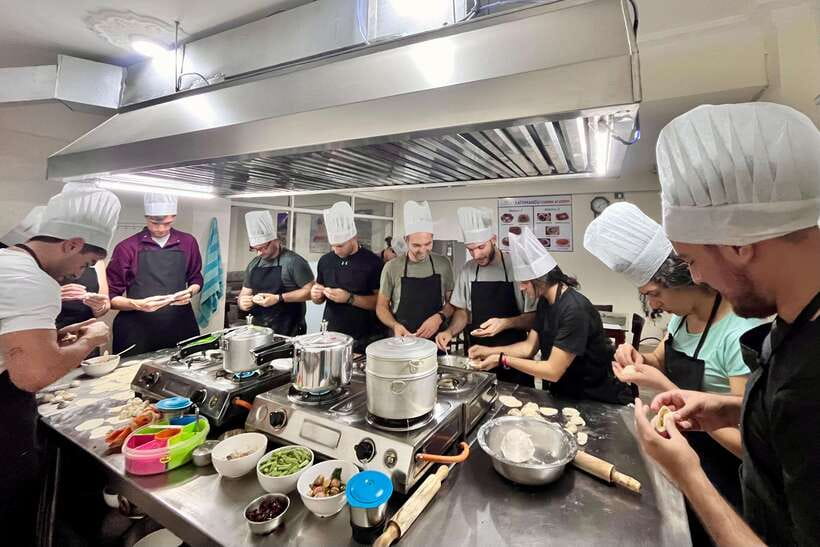
This is a great fit if you want to understand Nepali food through a skill, not through a lecture. It’s ideal for beginners because the instruction is step by step and the group size stays small.
It also suits food lovers who like hands-on travel. You’re not just eating dumplings somewhere. You’re making them, folding them, and learning how the cooking process works.
You might want to skip it if:
- You need a fully seated experience with no hands-on work.
- You’re traveling with very small kids. The class is not suitable for children under 5.
- You have mobility limitations that make standing and cooking uncomfortable. The activity notes it’s not suitable for people over 95.
Tips to get better quickly, and leave with a useful memory
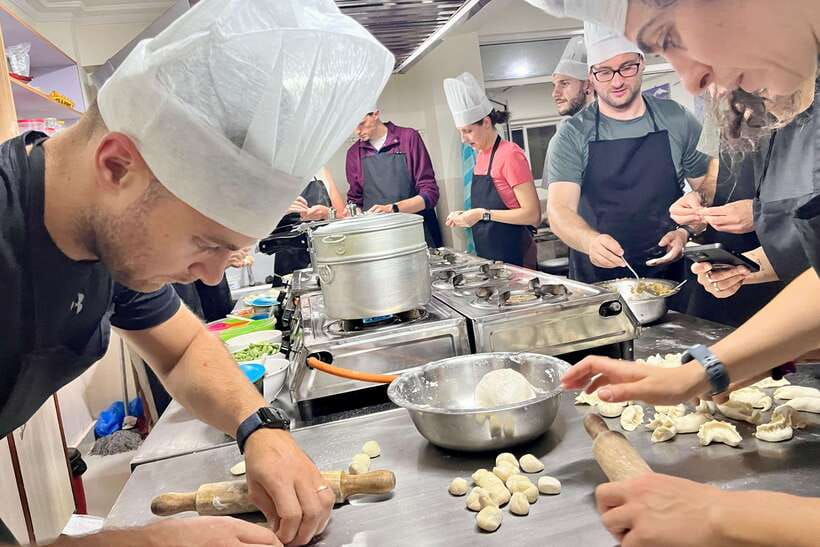
I always recommend taking notes in classes like this. The folding technique, dough texture, and how much filling to use can be hard to remember later. One guest specifically advised making notes, saying a recipe book they received had some ingredients missing. That doesn’t mean your copy will be the same, but it does point to a good habit: write down the details you see the instructor do, not only what you read.
Here are a few more practical tips based on what this class emphasizes:
- Choose your filling option ahead of time if you have preferences for veggie, vegan, or chicken.
- If you want soup momo, decide that early so your cooking flow matches your choice.
- Bring a camera and take photos of the ingredient setup before cooking starts.
- Ask questions as you go. With a small group and English instruction, you can correct mistakes early rather than after everything is steamed.
If you’re staying around Thamel, you can plan on walking to the academy, since it’s only 10 to 15 minutes on foot. If that route feels like too much, use pickup within Kathmandu Valley.
Should you book Kathmandu: Traditional Momo Making Class & Pickup?
Yes, I think you should book this class if your goal is a short, skill-focused taste of Kathmandu. It’s excellent value at $4, and it does the right things for a cooking class: market ingredients first, hands-on teaching throughout, then you eat the results with tea.
Book it if:
- You want to learn momo folding and steaming, not just eat dumplings.
- You like structured lessons with a small group.
- You want flexibility with veggie, vegan, chicken, and regular versus soup momos.
Skip it if you want a long meal or a passive cultural show. This is hands-on cooking time.
If you do book, I’d go in with one simple mindset: treat the first few dumplings as practice. By the end, you’ll have the technique down enough to make a solid momo at home, even if your first attempt looks a little homemade.
FAQ
What is the duration of the Kathmandu momo making class?
The class runs for about 2 hours.
What time does the class start?
The class starts at 1 PM.
Where is the meeting point?
You meet at Kathmandu Cooking Academy in Kathmandu, located about a 10 to 15 minute walk from Thamel.
Is hotel pickup included?
Hotel pickup and drop-off within Kathmandu Valley are optional. If you choose pickup, you should provide your hotel details in advance.
What types of momos can I make?
You can learn to make veggie, vegan, or chicken momos, with an option for regular momos or soup momo.
What should I bring and what should I watch for?
Bring a camera. If you have dietary restrictions or allergies, inform the organizers ahead of time, and let them know about special requests such as vegan.
Hands On in Kathmandu

The Rest of Our Kathmandu Write Ups



More Kitchens, More Momos
Everything else we have reviewed around Kathmandu
- 12 Days Everest Base Camp Trekking
★ 5.0 · 3 reviews - 1 Night 2 Days Chitwan Jungle Safari Tour from Pokhara or Kathmandu
★ 3.0 · 3 reviews - Thamel Rickshaw tour
★ 4.7 · 3 reviews - Kathmandu: Momo Making Class with a Local Chef
★ 5.0 · 3 reviews - Kathmandu: Full-Day Yoga, Body Massage and Pedicure Package
★ 5.0 · 3 reviews - From Kathmandu / Pokhara / Chitwan: River Rafting – 1 Day
★ 4.6 · 3 reviews
Nepali Cooking Classes worth a second look.
 ★ 5.0Half day cooking class in Thamel kathmanduFrom $28607 reviews
 ★ 4.9Local Women-Led Nepali Cooking & Momo ClassFrom $4360 reviews
 ★ 5.0Local Lead Nepali Cooking & Momo-Making ClassFrom $5212 reviews
 ★ 5.0Local Women Lead Nepali Cooking ClassFrom $30125 reviews
 ★ 5.0Nepalese Momos or Dal Bhat Cooking Class (Cook with Delight)From $5099 reviews
 ★ 5.0The best Private Nepali Cooking Class in KathmanduFrom $2483 reviews
 ★ 5.0Nepalese Kitchen in Pokhara: Momos or Dal Bhat Cooking ClassFrom $2867 reviews
 ★ 5.0Traditional Nepali Momo Making ClassesFrom $1853 reviews
Lists this tour sits in