
REVIEW · EVEREST BASE CAMP TREKS
Everest Base Camp Trekking
Everest Base Camp is not a checklist trip. It is a front-row seat to high-mountain Nepal, run as a small-group guided trek that keeps you moving without getting lost or stuck in logistics.
I especially like how the program is set up around focus time for the mountains, not hours spent figuring out permits, routes, or day-to-day decisions. I also appreciate the built-in support on the trail, with a team model that shows up in trekkers’ accounts, including guides like Biru, Amabar, and Ramesh, plus porters who make a huge difference when altitude and cold start stacking up.
One thing to plan for: this is still a serious altitude trek. The schedule includes early starts, steep rocky sections, and an emphasis on walking slowly and carefully on descents, so you’ll want solid physical fitness and realistic expectations about fatigue and cold even when conditions are not perfect.
In This Review
- Key highlights and practical takeaways
- Kathmandu Arrival, Pickup, and the First Nepal Views
- The Lukla Flight: When the Trek Really Starts
- Pine Forests to the Sagarmatha National Park Entrance
- Namche Bazaar Acclimatization, Plus a Viewpoint Hike
- Phorse to Dingboche: Slow Gains and Big Mountain Moments
- Duglha to Chola Area: Where the Trail Gets Steeper
- Thangma Riju and the 360-Degree Break: Everest Seen, Not Just Felt
- Sunrise Targeting at Kala Patthar: The Everest Glimpse Plan
- Everest Base Camp Time: The Experience Beyond the Icon
- Coming Down Via Duglha and Pangboche: Slow Steps, Big Relief
- The Suspension Bridge Over Dudh Koshi: A Real Ending Feeling
- Lukla Back to Kathmandu, Shopping, and a Low-Stress Reset
- Price, Inclusions, and Whether $1,350 Makes Sense
- Who Should Book This Trek, and Who Should Rethink It
- Should You Book Everest Base Camp With Green Valley Nepal Treks?
- FAQ
- How long is the Everest Base Camp trekking experience?
- Where does the trek start?
- What group size is the trek limited to?
- Is the trek guided?
- What kind of accommodation and meals are included?
- Is pickup offered in Kathmandu?
- Does the trek operate in all weather conditions?
- What documents do I need?
- Can I get a full refund if I cancel?
Key highlights and practical takeaways
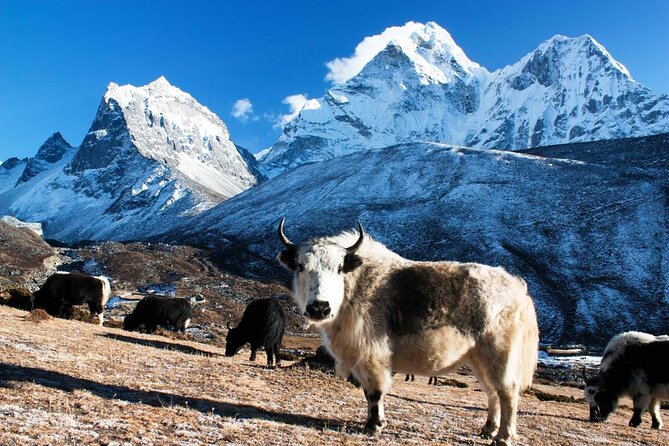
- Max 10 travelers means you get a real small-group feel and less crowd pressure on the trail.
- Guide-led pacing helps you stay on route and makes altitude days less stressful.
- Teahouse accommodation and meals included so you can pack less and focus on walking.
- Lukla flight in the early morning gives that dramatic first look at the Himalaya.
- Kala Patthar sunrise timing is built in so the Everest-area views are part of the plan, not a gamble.
Other routes to Base Camp, side by side
Kathmandu Arrival, Pickup, and the First Nepal Views
Your trek starts in Kathmandu with straightforward help on arrival. An airport representative meets you at Tribhuvan International Airport, and you get a transfer to your hotel by private tourist vehicle. After that, you can rest or stop by the office to get the final details sorted.
What I like here is that you do not have to burn energy on day one solving logistics. It’s just get settled, learn the basics, and save your legs for the mountains.
A heads-up, because it matters, Nepal’s schedule can be early and weather-dependent. Even though the trek operates in all weather conditions, you’ll want to keep your plans flexible and dress for changing conditions right away.
The Lukla Flight: When the Trek Really Starts
The next morning starts with an early drive from your hotel to the domestic terminal after breakfast. Then comes the flight to Lukla, timed so you can catch outstanding sunrise mountain views. You land at Tenzing-Hillary Airport, which feels like the threshold between Kathmandu traffic and high-altitude quiet.
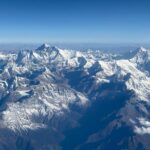
This is one of the most valuable parts of the whole experience. The aircraft window views are your reward before the hard work begins, and you’re also removing a long overland slog from the start.
Also, be ready for how quickly the vibe shifts after landing. Lukla is where the trek becomes physical, and where your guide’s route management starts mattering a lot.
Pine Forests to the Sagarmatha National Park Entrance
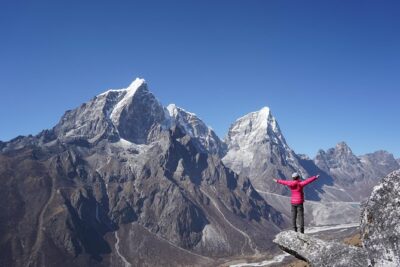
As you head out, the trail takes you through pine forests and along the Dudh Koshi River with mountain views, including Mount Thamserku. After passing settlements, you reach a check post and enter Sagarmatha National Park.
This day can be mentally important, even if it is not the hardest one. You’re transitioning from Nepal’s low-country rhythm to a protected high-country environment where everything feels more controlled, more remote, and more focused on survival and scenery.
I’d treat this as your warm-up mindset day. Stay relaxed, drink water steadily, and let the altitude creep in slowly rather than trying to muscle through.
Namche Bazaar Acclimatization, Plus a Viewpoint Hike
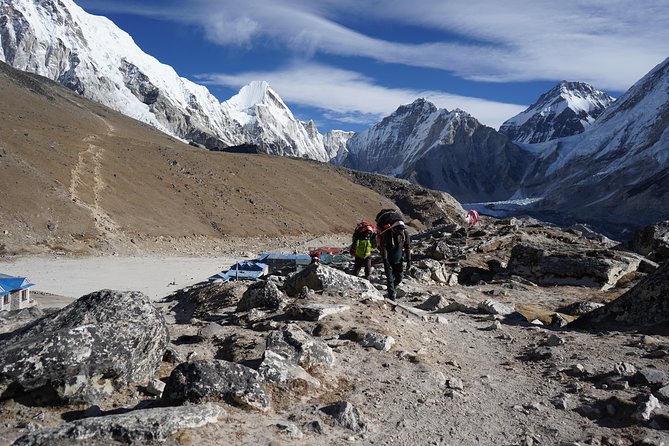
Namche Bazaar is the big hub in the Khumbu region, with ATMs, internet cafes, restaurants, and bakeries. The schedule includes a rest day for acclimatization, and then a short hike to a nearby viewpoint.
This is exactly how I like acclimatization to work. You get downtime for your body, but you also get movement to keep your breathing comfortable and your legs from going stiff.
You’ll also get a real sense of the culture here, since Namche is where trekkers, locals, and trade all mix. If you are the kind of person who benefits from a plan, this is a good day because it balances rest with a clear purpose.
Other lodge to lodge routes near Kathmandu
Phorse to Dingboche: Slow Gains and Big Mountain Moments
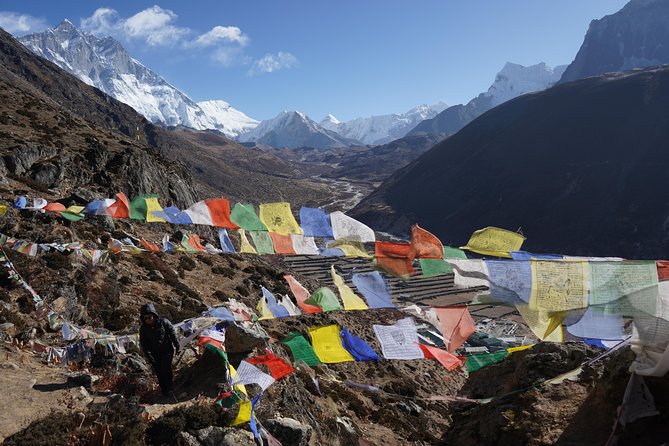
After breakfast in Namche, the trek goes toward Phorse. The route includes Mugla Pass and views that can include Ama Dablam, Khumbu-area peaks, and Thamserku. Then you descend toward the Dudh Koshi and cross the river area as you work toward your next stop.
After that, you head from Phorse to Dingboche. On the way, you visit a major Buddhist monastery in the region, then continue through alpine forests toward upper Pangboche villages and onward.
Two things make these days feel worth it. First, the scenery keeps opening in layers, not as one dramatic moment but as repeated view breaks. Second, the monastery visit and village passing give you more than just rocks and snow, you get a sense of how people live with these mountains as neighbors.
What to watch: Dingboche and these upper villages are where altitude starts to feel more personal. Keep your pace easy, and let your guide handle the group flow.
Duglha to Chola Area: Where the Trail Gets Steeper
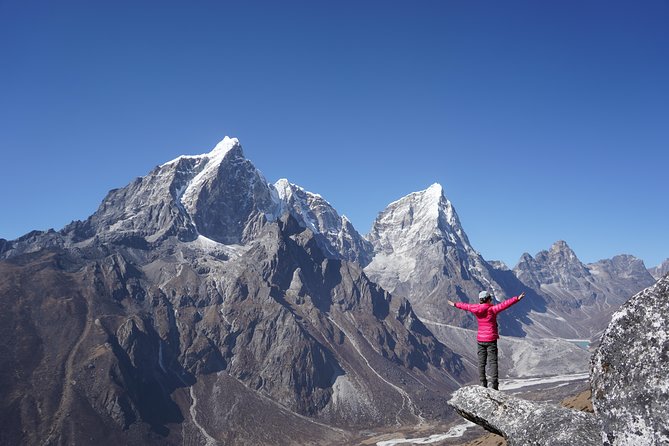
From the days around Duglha, the climb begins through the Khumbu Khola valley. Along the way, you’ll pass Dusa, a yak herders place, and you may see Phulong Karp, connected to the camp of the first successful Everest expedition in 1953. The trek then continues toward Chupki Lhara after walking up steeper terrain toward the Khumbu glacier moraine zone.
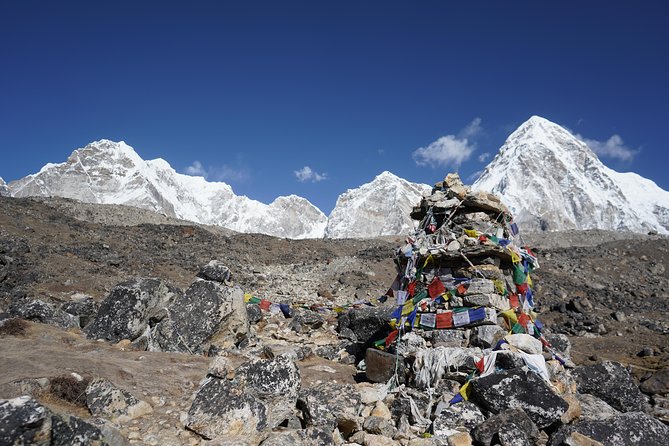
The Chupki Lhara segment is described with boulder slopes and prayer flags, plus the classic stones-and-flags markers you see throughout this region. It’s a reminder that you’re not just hiking through geography, you’re moving through a living spiritual trail.
Practical advice from how this kind of terrain typically feels: treat boulder sections like a balance test. Short steps, eyes on your footing, and hands ready for balance if you need them will make this easier than trying to stride.
Thangma Riju and the 360-Degree Break: Everest Seen, Not Just Felt
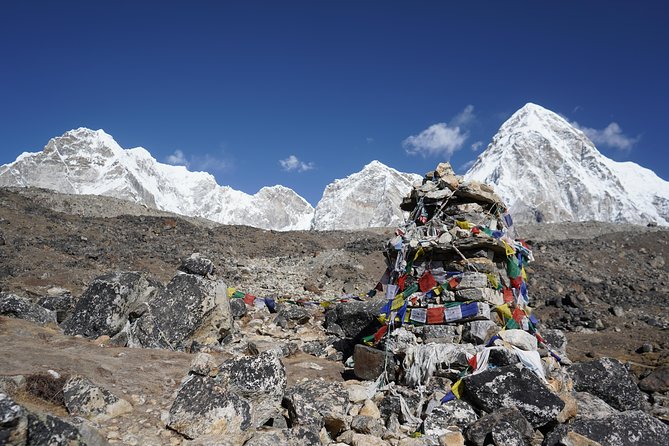
This is one of the most important days on the route. At Thangma Riju you get a 360-degree panoramic view of snowcapped mountains, even though Mount Everest itself is not seen from here.
That detail matters because it changes how you interpret the day. You’re not always going to get the classic Everest picture on schedule, and that’s normal. The reward is broader, a wide mountain world where the scale hits you from every direction.
If you’re feeling tired, this is where a small-group guide really helps. You can arrive, look around, then move on without turning the moment into a half-day of confusion.
Sunrise Targeting at Kala Patthar: The Everest Glimpse Plan
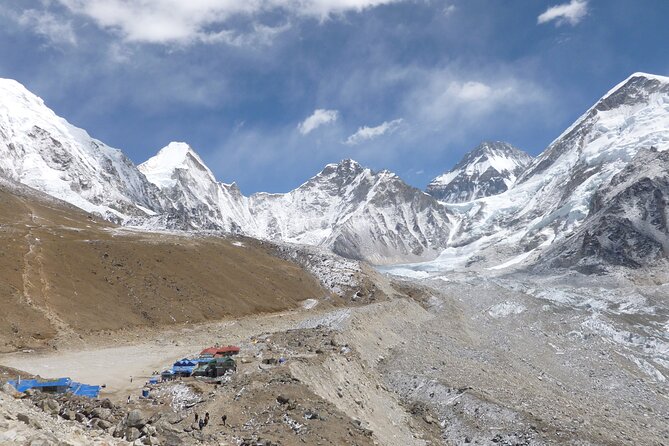
On the next big push, the trek starts much early so you can watch the mountains as dusk turns to bright morning. The idea is to witness a glimpse of Mount Everest as the light changes.
Kala Patthar is specifically tied to a sunrise view stop. It’s timed like a mission: get there in the dark or early light, wait for color, and then enjoy the view when the sky cooperates.
Is this a guaranteed photo moment? No mountain viewing is guaranteed. But the trek’s structure is designed to maximize your chances through early timing, and that’s the difference between hoping and planning.
If you’re cold easily, this is the day to be ready. Layering and gloves matter because waiting for light can be harsher than the walking itself.
Everest Base Camp Time: The Experience Beyond the Icon
The highlight stop is the area associated with Everest Base Camp, with a short time block built into the day. For many people, this is the emotional peak, the place where the whole trek compresses into one standing-and-looking moment.
Here’s the key point I’d tell you before you go: even when you think your memory will be only Everest, your real story will be about the route getting you there. The crossing from village routine to glacier-edge terrain, the prayer flags, the moraine walking, and the way your body adapts over days. Base Camp is the final scene, not the whole plot.
If you want the best use of your time there, don’t rush your photos. Take a breath, look around slowly, and notice the small details, like how trekkers move with care and how the space feels temporary and real at the same time.
Coming Down Via Duglha and Pangboche: Slow Steps, Big Relief
The descent continues along a Jame route back toward the terminal moraine at Duglha, with stops through villages like Pheriche and Orsho. Then you reach Pangboche village, where you can explore an older area and continue soaking in the slower rhythm.
Descent days sound easy on paper. They are not. The trail is rocky and steep, and your body keeps making new rules to protect your knees and ankles.
The schedule also includes the idea of controlled walking on the steep terrain, very controlled and in a balanced manner. That’s not just advice for comfort, it’s how you avoid turning a great day into an injury day.
The Suspension Bridge Over Dudh Koshi: A Real Ending Feeling
Your last trekking day continues with a steep downward trail. You walk slowly and carefully over steep rocky terrain until you reach a suspension bridge over the Dudh Koshi, then you continue onward toward the end of the trekking section.
I like that this is not just a checkmark finish. A suspension bridge is one of those moments that makes the distance feel real, because your body finally understands that you’re leaving the high route behind.
When you’re tired, the trick is to keep your focus on foot placement and breathing, not on wishing the day would end faster. Your guide’s job here is pacing, and your job is trusting that pacing.
Lukla Back to Kathmandu, Shopping, and a Low-Stress Reset
After finishing the trek, you enjoy the mountain flight from Lukla back to Kathmandu. It’s like returning to the world you started in, with another chance to look at the Himalaya from above.
Once in Kathmandu, you get time for shopping and walking around, then an evening celebration for completing the trek successfully. On the final day, you have more time in Kathmandu Valley for cultural sightseeing and last-minute shopping before heading to Tribhuvan International Airport on your scheduled flight.
This is a smart structure. It gives you enough time to recover a bit, hydrate, and do normal-human things like eating a relaxed meal and letting your muscles stop clenching.
Price, Inclusions, and Whether $1,350 Makes Sense
At $1,350 per person for about 14 days, the value depends on what you’re trying to buy: convenience, safety, and reduced stress. With this kind of Everest Base Camp trek, the big cost drivers are typically guiding, group coordination, and keeping your daily needs handled as you climb into a remote area.
This package includes several things that matter day to day: pickup offered, small-group trekking (max 10), guided support, and teahouse accommodation and meals on the trek. It also includes local transportation as part of the program, and the route is built around the flights that connect Kathmandu and Lukla.
So the money is less about comfort and more about removing friction. You’re not spending your days bargaining for food, hunting rooms, or trying to confirm the next junction while your body is already working hard.
If you’re the DIY type, you might feel constrained by having a schedule. But if you want to show up, walk, and trust the route, this is the kind of package that tends to feel worth it.
Who Should Book This Trek, and Who Should Rethink It
This trek is best suited to active and moderately fit travelers. You should have a strong physical fitness level, and you should be comfortable with long walking days, cold mornings, and steep sections.
It also works well if you like a group but hate chaos. A max of 10 travelers gives the social side without turning trail time into a bottleneck.
I’d think twice if you’re dealing with major mobility issues, you cannot handle altitude exposure in general, or you want a leisurely stroll with no early starts. Even with great guidance, this is still a mountain trek with real demands.
Should You Book Everest Base Camp With Green Valley Nepal Treks?
If you want a classic Everest Base Camp experience with less guesswork, I think it’s an easy yes. The strongest reasons to book are the small-group setup, guided help to avoid getting lost, and the fact that your daily needs are handled with teahouses and meals so you can focus on walking and views.
The main reason to hesitate is also simple: it’s an altitude and stamina trek. If your fitness is shaky or you hate uncomfortable descents, you’ll feel it more than you want to.
My practical suggestion: if you can train, pack smart, and commit to a slow, consistent pace, this is the kind of trek where you’ll come back with a real sense of achievement, plus the kind of mountain photos that make you pause every time you scroll.
FAQ
How long is the Everest Base Camp trekking experience?
It runs for about 14 days.
Where does the trek start?
The meeting point is Tribhuvan International Airport in Kathmandu.
What group size is the trek limited to?
The experience has a maximum of 10 travelers.
Is the trek guided?
Yes, the trek is designed with a guide to help you trek safely and avoid getting lost.
What kind of accommodation and meals are included?
Teahouse accommodation and meals are included as part of the trek.
Is pickup offered in Kathmandu?
Yes, pickup is offered, and an airport representative also meets you at Tribhuvan International Airport with a drop to your hotel by private tourist vehicle.
Does the trek operate in all weather conditions?
It operates in all weather conditions, so you should dress appropriately.
What documents do I need?
A current valid passport is required, and passport details are needed at booking for all participants.
Can I get a full refund if I cancel?
You can cancel up to 24 hours in advance for a full refund. If you cancel less than 24 hours before the experience starts, the amount paid is not refunded.
Lodge to Lodge Around Kathmandu
The Rest of Our Kathmandu Write Ups

Base Camp, Three More Ways
Everything else we have reviewed around Kathmandu
- 12 Days Everest Base Camp Trekking
★ 5.0 · 3 reviews - 1 Night 2 Days Chitwan Jungle Safari Tour from Pokhara or Kathmandu
★ 3.0 · 3 reviews - Thamel Rickshaw tour
★ 4.7 · 3 reviews - Kathmandu: Momo Making Class with a Local Chef
★ 5.0 · 3 reviews - Kathmandu: Full-Day Yoga, Body Massage and Pedicure Package
★ 5.0 · 3 reviews - From Kathmandu / Pokhara / Chitwan: River Rafting – 1 Day
★ 4.6 · 3 reviews
Everest Base Camp Treks worth a second look.
 ★ 5.0Everest Base Camp Trek – 14 DaysFrom $1,8001,499 reviews
 ★ 5.0Everest Base Camp Trekking – 13 DayFrom $1,399365 reviews
★ 5.0Everest Base Camp Trek -14 DaysFrom $1,420321 reviews
★ 5.0Everest Base Camp Trekking – 13 DayFrom $1,399365 reviews
★ 5.0Everest Base Camp Trek -14 DaysFrom $1,420321 reviews
 ★ 5.0Everest Base Camp Trekking – 2025/2026From $1,339199 reviews
 ★ 5.0Everest Base Camp TrekFrom $1,408193 reviews
 ★ 5.0Everest Base Camp Trek with Helicopter Return from Gorakshep to LuklaFrom $3,000161 reviews
14-Days Private Everest Base Camp TrekFrom $1,600152 reviews
★ 5.0Everest Base Camp Trek with Helicopter Return from Gorakshep to LuklaFrom $3,000161 reviews
14-Days Private Everest Base Camp TrekFrom $1,600152 reviews
 ★ 5.0Everest Base Camp TrekkingFrom $1,350146 reviews
Lists this tour sits in