
REVIEW · EVEREST BASE CAMP TREKS
Everest Base Camp Trekking
Base camp is a lot easier with the right plan. This 12-day Everest Base Camp trek is built around expert logistics, so you spend less time chasing permits and connections and more time acclimating and enjoying the route. You also get an English-speaking guide, porter support, and round-trip flights between Ramechhap and Lukla.
I especially like the way this trip bundles the big-ticket essentials: permits, national park fees, TIMS/VDC fees, and the trekking insurance are included. You also get tea house accommodation for 11 nights plus breakfast, lunch, and dinner on the trek, which removes a lot of budget and decision stress.
The main consideration is simple: you need strong physical fitness. Altitude is real, the trek includes long walking days, and while some gear can be provided on request, you should still expect cold nights and basic lodging without hot showers, Wi-Fi, or battery charging included.
In This Review
- Key things to know before you go
- How expert guidance handles Everest Base Camp logistics
- What $1,350 covers, and what you still need to plan
- Quick value math you can actually use
- Following the Khumbu trail, Namche to Tengboche to base camp
- Lukla flights from Ramechhap: exciting, fast, and mentally loud
- Namche Bazaar: high altitude market and a real acclimation milestone
- Sherpa culture and the Hillary-Tenzing route: you walk through meaning
- Tengboche monastery: monk blessings and the quiet side of altitude
- Khumbu glacier glimpses: when the terrain changes your pace
- Everest Base Camp: your official milestone
- Kalapatthar viewpoint and the memorial hill: views plus remembrance
- Why you will likely remember the whole route, not just one stop
- Tea houses, sleep reality, and how porters change your trek
- Fitness, group size, and how to match this trek to your style
- Where you start
- Should you book this Everest Base Camp trek?
- FAQ
- What is the duration of the Everest Base Camp trekking tour?
- Where do I meet the tour, and what time does it start?
- What does the price include for the trek itself?
- Is vegetarian food available?
- Are hot showers, Wi-Fi, and battery charging included during the trek?
- Is emergency evacuation or helicopter rescue covered?
Key things to know before you go
- Permits and park fees are already handled, so you are not scrambling for paperwork in Nepal.
- Tea house trekking with full trek meals keeps your days predictable and reduces extra costs.
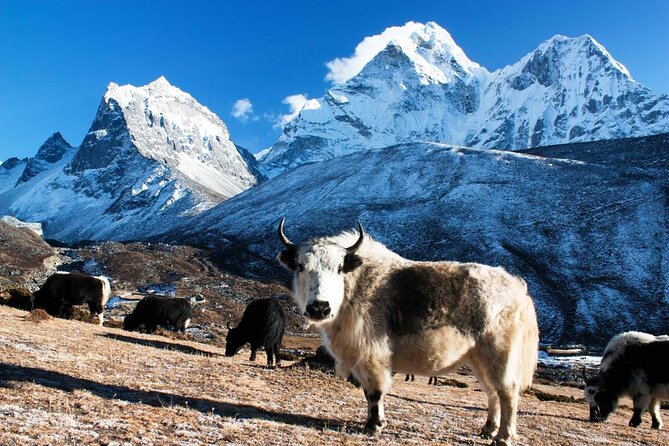
- Porter support (2 trekkers to 1 porter) means less load on your body as altitude climbs.
- Lukla flights from Ramechhap give you that dramatic start and finish, with less overland travel.
- Small group size (maximum 15 travelers) helps keep the pace and communication under control.
- Gear support on request can include a sleeping bag, duffel bag, and down jacket, but you may still need personal items.
Other routes to Base Camp, side by side
How expert guidance handles Everest Base Camp logistics
This trek is designed for people who want Everest without the chaos. From the first morning in Kathmandu, the plan focuses on practical flow: meet your accredited guide, follow a structured route, and keep moving with a team that knows the cultural sites and the high-altitude rhythm.
Here’s what that means for you day to day. You do not have to organize guides, piece together meals, or build your own permit schedule. The trip also includes national park fees and other required fees, and you end up with trekking certificates after the trek. That last detail sounds small, but it is the kind of paper proof that makes a finished milestone feel real.
The guide factor matters most at altitude. The Khumbu region changes fast: air gets thinner, weather shifts quickly, and trail conditions can vary. An experienced, English-speaking guide helps keep expectations grounded, so you can focus on walking, hydration, and pacing rather than logistics.
In the feedback connected to this operator, guides like Ram Dhakal get praise for care and staying on top of details. Other names also come up, including Dillip as a guide and Nadin connected to management communication. That mix suggests they try to keep people informed before departure and well supported while you are trekking.
What $1,350 covers, and what you still need to plan
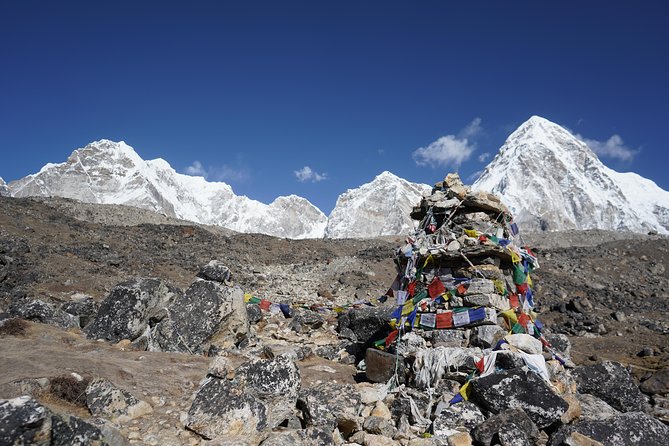
At $1,350 per person, the value is not just the scenery. It is the bundle. You get 11 nights of basic tea house accommodation during the trek, plus breakfast, lunch, and dinner each trekking day. You also get flights between Kathmandu (Ramechhap) and Lukla, and then back again. Add airport pickup in Kathmandu and domestic airport pickup and drop, and you have a smoother start than most self-arranged itineraries.
Your money also covers the people and paperwork that make trekking work:
- Government-licensed English-speaking trekking guide
- Porter support (2 trekkers per 1 porter)
- Insurance for the trip
- Salary and accommodation for the guide and porters
- A trekking map for your group
- Permits and required fees (including national park fees, VDC, TIMS, and other applicable taxes)
- Certificates after the trek
Now the reality check, so you do not get surprised later. The price does not include breakfast, lunch, and dinner in Kathmandu, or accommodation in Kathmandu. It also does not include emergency evacuation expenses if something goes wrong. Personal medical and rescue coverage is also not included, which is a big deal to confirm with your own travel insurance plan before you go.
On the trekking side, you should also expect limited creature comforts. Hot showers, hot water, battery charging, and Wi-Fi are not included. You might request some gear, but personal trek equipment is not included either. So you still need to budget for what you carry and what you bring.
Quick value math you can actually use
If you were trying to DIY this, permits, insurance, flights to Lukla, and a guide with a porter team would likely be the expensive, stressful part. This package tackles those. What you still control is your Kathmandu comfort, your personal gear choices, and your insurance coverage for medical emergencies and rescue costs.
Following the Khumbu trail, Namche to Tengboche to base camp
This itinerary is built around the big visual and cultural checkpoints of the Everest region, with enough structure to keep you from wandering. Even though exact pacing can vary with weather and altitude, you can expect a route that touches classic landmarks and viewpoints.
You will start with Namche Bazaar, then move through Sherpa culture and the historical footsteps associated with Sir Edmund Hillary and Tenzing Norgay Sherpa. The big goal lands at Everest Base Camp, and you finish with key viewpoints like Kalapatthar for close Everest views, plus a memorial stop connected to deceased climbers. You also get the signature Lukla flight experience, and a monastery stop at Tengboche where you may seek blessings from monks.
Here is what each anchor spot means for your trip, and where you should be ready for trade-offs.
Other lodge to lodge routes near Kathmandu
Lukla flights from Ramechhap: exciting, fast, and mentally loud
Before you even hike far, you get the iconic flight segment. The trek includes airfare between Kathmandu (Ramechhap) and Lukla, plus the return. The flight itself is part of the story, because you go from city to mountain air quickly, and you feel the altitude shift sooner than you expect.
The practical downside is that flights can be weather-sensitive in the Himalaya, and you should be prepared for delays as a general travel reality. The package reduces how much you have to manage yourself, but it cannot erase mountain weather.
Namche Bazaar: high altitude market and a real acclimation milestone
Namche Bazaar is on your route, described as a popular high altitude market. This matters because Namche is more than a photo stop. It is where you see daily life in the Khumbu and where you can get your bearings: what people wear, how supplies move, and how communities adapt to thin air.
The trade-off is time. Market towns often mean more stops for views, snacks, and informal walking breaks. That can be a good thing for acclimation, but it also means you may not feel like you are rushing. Just remember the goal is steady progress.
Sherpa culture and the Hillary-Tenzing route: you walk through meaning
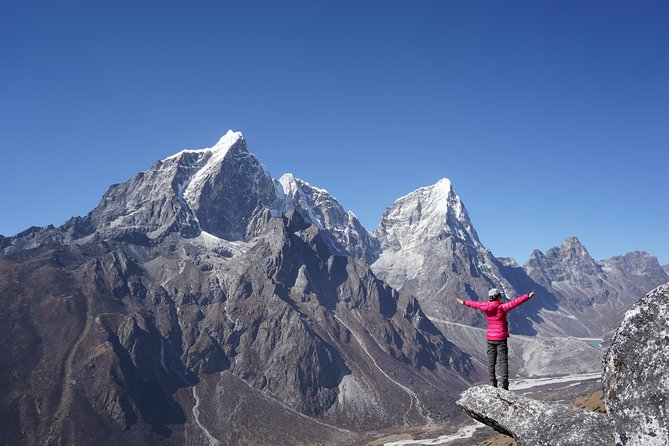
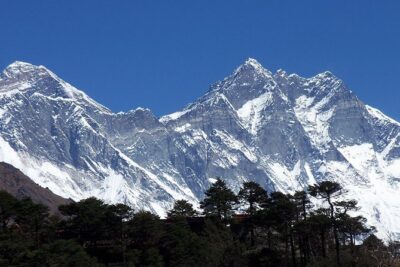
You are not only trekking toward a summit. You are walking through a living corridor of Sherpa culture and mountaineering legacy. Your route specifically references the path of Sir Edmund Hillary and Tenzing Norgay Sherpa, and along the way you get panoramic views tied to the region’s highest peaks above 8,000 meters.
For you, this is where the trek becomes more than exercise. You start connecting what you see on the trail with the human stories behind it. That can be motivating, especially on days when your body says, slow down.
The consideration is that these cultural moments can add extra stops. If you are trying to maintain a tight schedule, build flexibility into your mindset. The mountains do not care about your agenda.
Tengboche monastery: monk blessings and the quiet side of altitude
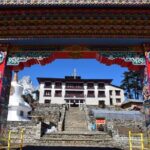
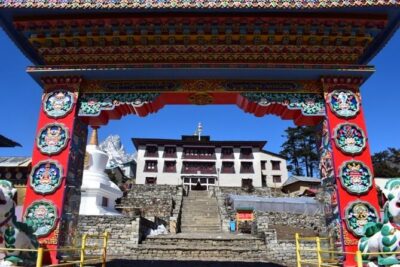
Tengboche monastery is another highlight on your route. The itinerary includes a chance to seek blessings from a monk and explore the monastery. If you have only seen Himalayan scenes in pictures, this stop gives you the feeling of place, not just the height.
The practical side is simple: you will feel cold more than you expect, especially in morning shade. Also, monastery time can be slower than trekking pace. Dress for the cold and keep your head covered if that is appropriate for the setting you visit.
Khumbu glacier glimpses: when the terrain changes your pace
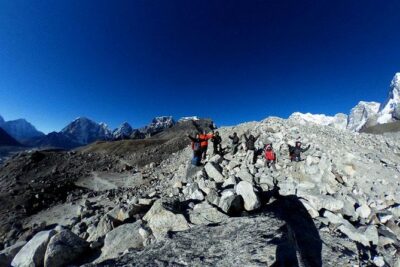
The route includes a chance to see the Khumbu glacier. You might find the first glacier views visually overwhelming because it looks so close, yet it is still part of a bigger system you cannot touch. The glacier is also a reminder that the region is active and powerful.
For your walking days, glacier-area terrain often means paying attention. Your feet and footing matter more, and your pace might be cautious. That is normal. Your goal is stability, not speed.
Everest Base Camp: your official milestone
Then you reach Everest Base Camp, described as the world’s popular base camp. This is the moment your whole plan has been building toward.
The best way to think about base camp is not as a finish line, but as a milestone you reach with your team. You typically arrive after a lot of steady effort, and the emotional payoff comes from seeing the place that only makes sense once you are actually there.
The trade-off is that it can feel windy and cold at the wrong moment, so pack layers you can manage quickly.
Kalapatthar viewpoint and the memorial hill: views plus remembrance
You also stop at Kalapatthar for close view of mighty Everest from the famous viewpoint. If you want a strong final visual, this is it. Standing there, you tend to understand why this area creates obsession for climbers and photographers.
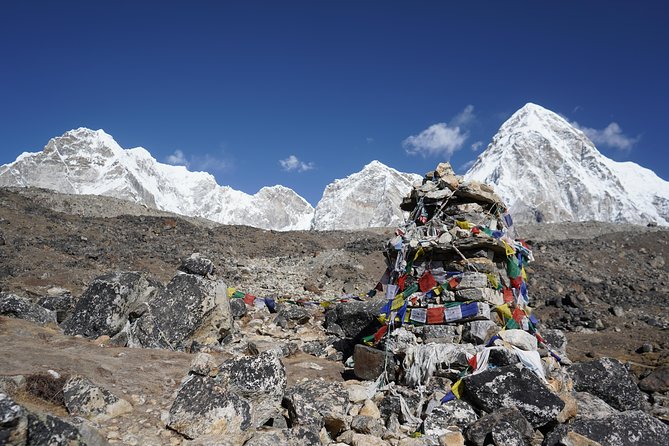
The itinerary also includes a memorial hill of deceased climbers. That stop adds a weightier perspective to what you are chasing. For you, it is a helpful reality check: the trek is gorgeous, but it sits inside a place where people have taken risks and paid the price.
Why you will likely remember the whole route, not just one stop
Many Everest treks feel like a checklist of sights. This one has a different feel because it ties scenery to culture and history, then finishes with both views and remembrance. That mix tends to make the experience stick.
Tea houses, sleep reality, and how porters change your trek
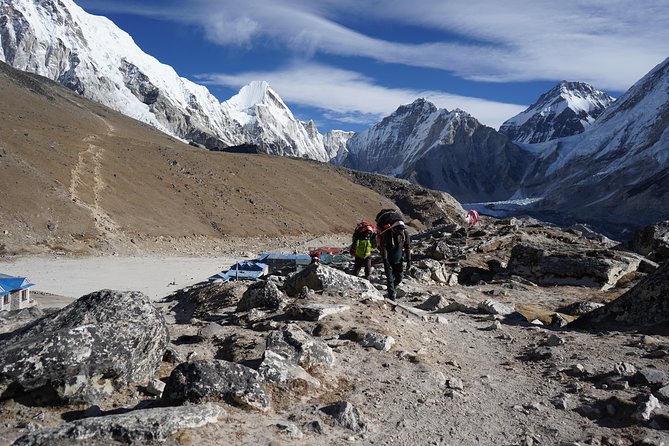
The lodging is basic tea house accommodation for 11 nights. That is not a criticism, it is the correct expectation. You are in the mountains, not a resort, and the real comfort comes from warm layers, good pacing, and a team that keeps you moving.
Here is what you should expect from the included setup:
- Tea houses on the trek for 11 nights
- Meals included while trekking (breakfast, lunch, dinner)
- A trekking certificate at the end
- A porter team to reduce pack weight
The porter ratio is important: 2 trekkers to 1 porter. That means you are not trying to carry everything while altitude makes every step more demanding. If you have a heavy backpack, you will feel the difference.
Gear support is also available. A sleeping bag, duffel bag, and down jacket can be provided upon request during trekking. That can save you from buying bulky winter gear for one trip. Still, personal trek equipment is not included, so you should plan to bring essentials like proper footwear, layers, and personal items.
Comfort note that matters: hot shower and hot water are not included, and battery charging and Wi-Fi are not included. You should treat this as an unplugged trek and plan your charging needs accordingly.
Fitness, group size, and how to match this trek to your style
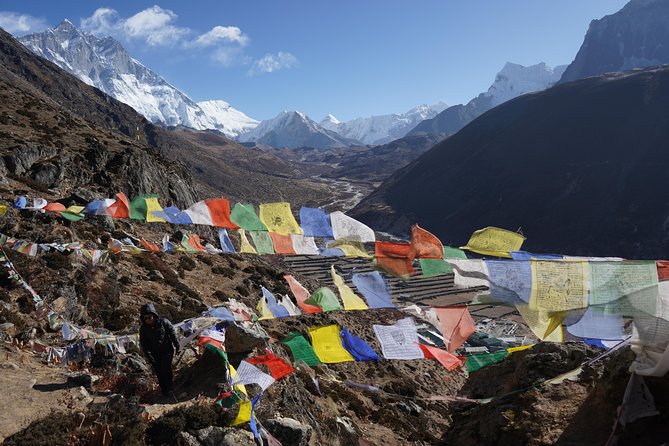
This is a trekking tour for people with a strong physical fitness level. The itinerary is only about 12 days, but “only” does not mean easy. Altitude adds strain, and the walk time adds up. If you are coming off an inactive season, give yourself time to build endurance before you go.
Good news for logistics stress: you are capped at a maximum of 15 travelers. That is large enough to feel social at tea houses, small enough that your guide can still manage the group’s needs.
If you like clear communication, this package also supports that vibe. You get confirmation at booking time, and you need passport details like name, number, and expiry for all participants. That is a normal requirement for flights and permits. You should handle it carefully so your names match your passport.
Vegetarian options are available if you ask at booking. That matters on a long trek when food choices can be a morale issue.
Where you start
The meeting point is Thamel in Kathmandu, and the start time is listed as 6:15 am. Your end is back at the meeting point. That early start is typical when flights and transfers matter, and it also means you should plan your Kathmandu day so you can be ready early.
Should you book this Everest Base Camp trek?
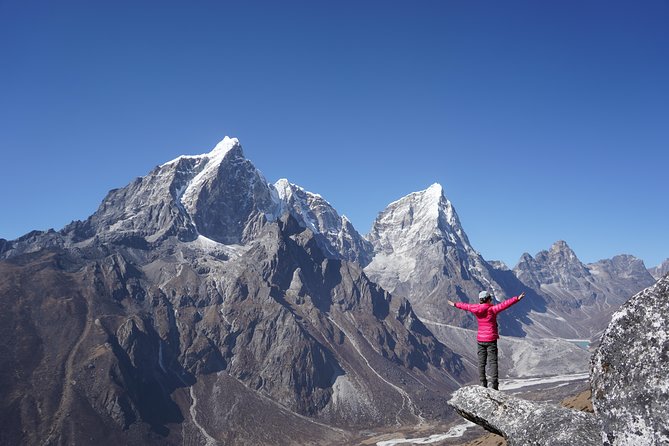
Book it if you want Everest Base Camp without building a complex trip from scratch. The strongest reasons are the bundled value: permits and fees are included, tea house stays and trek meals are covered, and the flights to Lukla plus airport pickup help you avoid common trip-friction. I also like the porter setup, since that is the part that can protect your legs and pacing.
Do not book yet if you are unsure about altitude readiness. The trek is physically demanding, and emergency evacuation expenses are not included, so you should make sure your medical and rescue insurance coverage is solid. Also accept that comforts are limited, hot showers and Wi-Fi are not part of the deal.
If you want a practical checklist before you commit, I’d focus on this:
- Confirm your travel insurance covers medical issues and rescue costs (since those are not included)
- Plan a cold-weather clothing strategy, since tea houses are basic
- Pack what you need for personal comfort, since personal trek equipment is not included
- Be ready for a very early start in Kathmandu
FAQ
What is the duration of the Everest Base Camp trekking tour?
The tour is listed as 12 days (approx.).
Where do I meet the tour, and what time does it start?
The meeting point is Thamel, Kathmandu 44600, Nepal, and the start time is 6:15 am.
What does the price include for the trek itself?
It includes 11 nights basic tea house accommodation, breakfast, lunch, and dinner during trekking, trekking with a government license holder English-speaking guide and porter support, permits and fees, insurance, and airfare between Kathmandu (Ramechhap) and Lukla plus the return.
Is vegetarian food available?
Yes, a vegetarian option is available. You should advise at booking if you need it.
Are hot showers, Wi-Fi, and battery charging included during the trek?
No. Hot shower, hot water, battery charge, and Wi-Fi during trekking are not included.
Is emergency evacuation or helicopter rescue covered?
Emergency evacuation expenses and personal insurance for medical or rescue (including helicopter) are not included.
Lodge to Lodge Around Kathmandu
The Rest of Our Kathmandu Write Ups

Base Camp, Three More Ways
Everything else we have reviewed around Kathmandu
- 12 Days Everest Base Camp Trekking
★ 5.0 · 3 reviews - 1 Night 2 Days Chitwan Jungle Safari Tour from Pokhara or Kathmandu
★ 3.0 · 3 reviews - Thamel Rickshaw tour
★ 4.7 · 3 reviews - Kathmandu: Momo Making Class with a Local Chef
★ 5.0 · 3 reviews - Kathmandu: Full-Day Yoga, Body Massage and Pedicure Package
★ 5.0 · 3 reviews - From Kathmandu / Pokhara / Chitwan: River Rafting – 1 Day
★ 4.6 · 3 reviews
Everest Base Camp Treks worth a second look.
 ★ 5.0Everest Base Camp Trek – 14 DaysFrom $1,8001,499 reviews
 ★ 5.0Everest Base Camp TrekkingFrom $1,350485 reviews
 ★ 5.0Everest Base Camp Trekking – 13 DayFrom $1,399365 reviews
★ 5.0Everest Base Camp Trek -14 DaysFrom $1,420321 reviews
★ 5.0Everest Base Camp Trekking – 13 DayFrom $1,399365 reviews
★ 5.0Everest Base Camp Trek -14 DaysFrom $1,420321 reviews
 ★ 5.0Everest Base Camp Trekking – 2025/2026From $1,339199 reviews
 ★ 5.0Everest Base Camp TrekFrom $1,408193 reviews
 ★ 5.0Everest Base Camp Trek with Helicopter Return from Gorakshep to LuklaFrom $3,000161 reviews
14-Days Private Everest Base Camp TrekFrom $1,600152 reviews
★ 5.0Everest Base Camp Trek with Helicopter Return from Gorakshep to LuklaFrom $3,000161 reviews
14-Days Private Everest Base Camp TrekFrom $1,600152 reviews
Lists this tour sits in