
A trek to Everest Base Camp has a way of reworking your expectations, and this private 14-day plan is built to make the journey feel organized from day one. I like the pickup and hotel support in Kathmandu plus the fact that permits, entrance fees, and domestic flights to Lukla are handled for you. The main drawback to be honest about is altitude risk, because even with smart pacing and acclimatization stops, you can still run into altitude sickness.
What makes this trip especially interesting is how it mixes classic high-altitude trekking with real human-scale details: monasteries, Sherpa culture, suspension bridges, and a route that gives you time to adjust instead of rushing. In the past, guides such as Kalyan Gurung and Romeo have been praised for keeping the pace right and making safety feel clear. If you go in expecting an easy hike, you’ll be surprised, and if you’re not comfortable with thin air, you may need to reassess on the mountain.
In This Review
- Key things to know before you go
- Kathmandu first, because you need a real start
- Lukla: the 40-minute flight that changes everything
- Namche Bazaar acclimatization is the whole game
- Tengboche: monasteries, forests, and mountain mood
- Dingboche: ridgelines, chortens, and another altitude checkpoint
- Lobuche and Gorak Shep: glacier edges and the long-feeling day
- Everest Base Camp day: the moment, plus what it costs you
- Kala Patthar and the return legs: the view is worth the wake-up
- Back to Kathmandu: farewell dinner and trek proof
- Price and value: what $1,600 really buys you here
- Guides, porters, and the kind of safety you can feel
- What the itinerary says about effort, not just stops
- Practical tips to make this trek feel smoother
- Should you book this Everest Base Camp private trek?
- FAQ
- Where is the meeting point for this trek?
- Are pickups included from the airport or my hotel?
- Does the tour include flights to Lukla and back?
- Is a porter included, and how does that work?
- What meals are included during the trek?
- Is travel insurance included?
Key things to know before you go
- Private group experience: only your group participates, so the pace can be tuned to you
- Logistics handled end-to-end: Kathmandu transfers, permits, entrance fees, and trekking accommodations included
- Lukla flight is part of the package: domestic air fare Kathmandu to Lukla and back is included
- Porters carry the heavy stuff: a porter for two trekkers means you keep a lighter daypack
- Built-in acclimatization days: Namche Bazaar and Dingboche give your body time to adjust
- Base Camp plus Kala Patthar: you get the big summit moment and the classic viewpoint finish
Other routes to Base Camp, side by side
Kathmandu first, because you need a real start
Day 1 is all about getting you settled, not testing you. You land in Kathmandu and are welcomed by the team, then transferred to your hotel. The plan also includes an airport representative who explains the program after arrival, and you spend the night in Kathmandu.
This matters more than it sounds. Everest trekking has a lot of moving parts, and being calm on arrival helps you start packing and planning with a clear head. You also get two nights in Kathmandu in a 3-star hotel with breakfast, which is a nice buffer before the flight to Lukla and the first long trekking leg.
One practical detail I appreciate here: pickup is available from your hotel or the airport via private vehicles, and the meeting point is Tribhuvan Airport with pickup service hours listed as 7:00 AM to 7:00 PM. If your arrival time is messy, that scheduling window is worth checking early with the operator.
Lukla: the 40-minute flight that changes everything
On Day 2, you fly to Lukla, usually described as a short but intense hop, and the itinerary calls it about 40 minutes. You land at Tenzing Hillary Airport at Lukla, then your trek begins for real.
The first day out of Lukla matters because it sets expectations for the rest of the route. Even if your goal is Everest Base Camp, you’ll spend your energy on basic rhythm: up and down, stone steps, suspension bridges, and constant altitude adjustment. Starting with a shorter trek day can feel like good training, but it’s still work.
A key consideration: flights to Lukla are famously weather-sensitive. The operator’s cancellation terms say the experience requires good weather, and if it’s canceled due to poor weather you’ll be offered a different date or a full refund. So plan flexibility into your broader Nepal schedule, especially if you’re also flying in and out of Kathmandu same week.
Namche Bazaar acclimatization is the whole game
Days 3 and 4 are centered on Namche Bazaar, and that’s where the trek becomes more than just walking. The route follows the northern bank of the Dudh Koshi River, including multiple suspension bridges. You’re also moving through territory filled with prayer flags and the everyday flow of the Khumbu region.
Then Day 4 is an intentional rest and acclimatization day. Namche Bazaar is where you get to slow down and do the kind of practical errands trekkers need at altitude. The itinerary notes exploring options like Wi-Fi linked cafes and restaurants, souvenir and gear shops, and additional hiking choices for further acclimatization.
Why you should care: acclimatization is not a marketing term. It’s what reduces the odds of getting hammered by altitude on the days that follow. Namche is often the first major elevation checkpoint where you can breathe a little easier and decide how your body is handling the climb.
Also, one small human detail you may not see in marketing copy: if you end up hiring day-to-day support from the guide and porter team, this kind of town day is when you’ll feel the difference. In the reviews, the team members were praised for managing pacing and being attentive, even when trekkers were not at their best.
Tengboche: monasteries, forests, and mountain mood
Day 5 heads toward Tengboche, and the itinerary makes it clear this stretch is a real trek day. It includes ups and downs and passes through forests, which helps break up the monotony of long altitude climbs. It’s also a day where wildlife might show up, with the trek description mentioning possible sightings of musk deer.
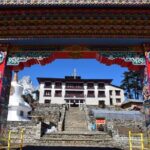
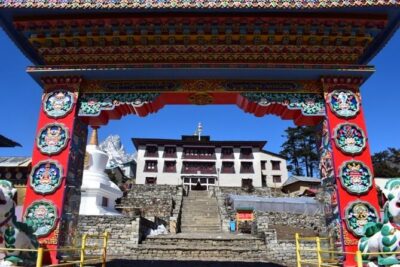
Tengboche is one of the emotional stops on the Everest route because of the spiritual setting and the way the mountains show up around you. You’ll also start to notice how the trail life blends daily routine with the sacred energy of monasteries. This is the kind of place where you’re not only chasing views, you’re seeing how Sherpa life moves around the mountains.
The potential drawback of a day like this is straightforward: if you try to go too fast early, you’ll pay later. That’s why your guide’s pacing matters. Past reviews praised guides for adjusting the trek to skills and energy level, which is exactly what you want when the terrain keeps changing.
Private guides for Kathmandu, a few more
Dingboche: ridgelines, chortens, and another altitude checkpoint
Day 6 moves you to Dingboche. On the way, you pass chortens, mani walls, and small villages, including Pangboche, where you can enjoy views of Mt. Ama Dablam. This is another day that connects culture and scenery, because those religious markers are part of everyday travel through the Khumbu.
Day 7 is a second acclimatization day in the Dingboche area. The itinerary describes reaching Dingboche after gaining altitude and then walking up a ridge above the village to keep your body working without overdoing it. This “active rest” approach helps many hikers stay comfortable.
If you’re wondering how to gauge whether acclimatization is working for you, watch how your breathing and sleep change after these days. The trek gives you those checkpoints on purpose, but your body still calls the shots.
And yes, this is the part of the trek where altitude sickness can still happen. One review described a trek that ended early because of altitude sickness problems, and the guide was commended for being attentive and experienced with medical issues. That’s not something to ignore. If you feel symptoms building, you want a team that takes it seriously, not one that pushes through.
Lobuche and Gorak Shep: glacier edges and the long-feeling day
Day 8 moves you to Lobuche, and Day 9 brings you to Everest Base Camp via Gorak Shep. The descriptions emphasize Himalayan views throughout and then point to the journey into the Everest region itself.
Day 8 starts difficult and then becomes more shaped by the narrowing valley as you approach Dusa. The itinerary also mentions following a completed Everest expedition trail route pattern, which tells you this is the kind of area where many trekkers and many teams have passed before.
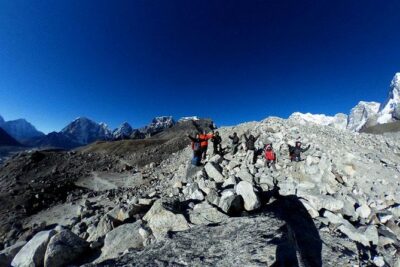
Then Day 9 is the big one. You head to Gorak Shep and trek over the lateral moraine of the Khumbu Glacier. If you’ve only seen Everest in photos, this is where it becomes real and oddly close. The ground is uneven and stony in a way that makes you pay attention. You’re surrounded by snow-capped mountains, but you’re also dealing with wind exposure and thin-air effort.
Also, Gorak Shep and the Base Camp stretch are where you’ll feel tired in a different way. It’s not just muscle fatigue. It’s the mental focus required to keep your pace steady and your breathing controlled. This is exactly why having a guide and porter team matters.
Everest Base Camp day: the moment, plus what it costs you
Day 9 ends at Everest Base Camp, and the itinerary frames it as extraordinary. That word is not marketing fluff here, because Base Camp is where the trek’s purpose turns into a physical place you can stand in.
What makes the day worthwhile is not only the destination, it’s the approach. The lateral moraine route gives you a close-up relationship with the glacier edges, and Gorak Shep sets a stark, high-altitude stage before you reach the Base Camp area.
What it costs you is effort. Even if your training is solid, you’ll likely feel heavy legs and slower breathing. Your best strategy is to treat Base Camp as a moment to get there safely, enjoy it, then manage your energy for the way down.
In the reviews, guides and porters were praised for professionalism and care, including a specific mention of safety and a successful group reaching Base Camp. That theme is consistent: the trek is hard, but the team makes a difference in how steady and supported you feel while the altitude keeps pressing.
Kala Patthar and the return legs: the view is worth the wake-up
Day 10 is described as Kala Patthar day, and it also sets up the reverse journey. You wake early, have breakfast, then trek, with the later description pointing to heading down toward Tengboche and passing through rhododendron forests, an Imja Khola bridge, and juniper forest areas.
That early morning start is common for Kala Patthar because the viewpoint is often best with clear visibility. Even if the sky is imperfect, you’ll still get the payoff: dramatic, close-up mountain presence.
Then the itinerary keeps moving you down the trail. Day 11 brings you back to Namche Bazaar, and Day 12 moves you to Lukla. These are the days where your legs do most of the complaining, but your body is usually learning a new skill: moving efficiently while tired.
Two things to watch on the descent and return:
- You may feel less altitude stress than on the way up, but fatigue still accumulates.
- Steeper downhills can be harder on knees and ankles than the uphill effort.
Having your pace tuned by the guide helps here too, especially if the group includes walkers with different experience levels. Reviews praised guides for adjusting to skills and energy levels, which is ideal on long return days.
Back to Kathmandu: farewell dinner and trek proof
Day 13 includes your flight back to Kathmandu, described as relaxing compared to trekking. You fly about 40 minutes back to the capital, and the itinerary notes this gives time to reflect on what you accomplished.
Day 14 finishes the experience with a farewell dinner and you also receive a trek certificate. The operator lists an appreciation certificate, and that final evening is often where the trek’s shared effort clicks into place. It’s also a good moment to talk with the team about what worked for you.
If you like closure, this is the right kind of ending. You get the certificate, you get a last dinner, and you get to leave with a clear story of the route you walked, not just a blur of days.
Price and value: what $1,600 really buys you here
At $1,600 for 14 days, this trek sits in a range where value depends on what’s included. Here, the package covers a lot of the expensive and hard-to-organize parts:
- 2 nights in Kathmandu at a 3-star hotel with breakfast
- Domestic air fare for Kathmandu to Lukla and back, including airport tax
- Professional English speaking guide
- Porter for heavy gear (listed as a porter for two trekkers)
- Accommodations in Kathmandu and during the trek (lodges or tea houses)
- All necessary permits and entrance fees
- Meals are included with counts listed as 12 breakfasts, 10 lunches, and 10 dinners
- Farewell dinner and trek certificate/appreciation certificate
- Airport pickup and drop-off by private vehicles
If you’re comparing against a DIY-style setup, the biggest savings for many people is not the airfare itself. It’s time, stress, and the reduced risk of missing permits or scrambling for guides during busy seasons.
Now for the balanced view: $1,600 doesn’t magically remove the trek’s physical demands. Also, travel insurance is not included, and personal expenses are on you. So if you’re the type who will buy snacks, charge batteries, or tip generously, plan extra cash.
For who it fits best: this tour makes sense if you want private support and smoother logistics, but you still accept that Everest-region trekking is serious work.
Guides, porters, and the kind of safety you can feel
Across the reviews, a consistent praise pattern shows up: communication before and after arrival, strong logistics, and a guide who takes pace and safety seriously.
Names mentioned include:
- Anil, praised for professional communication and organization
- Kalyan Gurung, praised for managing the trek based on different skills and needs
- Kaylan and Ram, praised for keeping someone safe and helping a group reach Base Camp
- Romeo, praised for making trekkers feel safe, cared for, and supported
- Akash is also mentioned alongside Kalyan in another review for keeping a trek safe and fun
You might not get the exact same guide named in every review, but the underlying takeaway is strong: the operator tends to staff people who focus on the human side of high altitude trekking, not just moving a group from point A to point B.
And porters are not an afterthought here. A porter for two trekkers is included to carry heavy gear, which can make a real difference on long trekking days where even small load changes affect fatigue.
One more safety angle supported by the review content: altitude sickness can derail plans. This trek includes acclimatization stops in Namche and Dingboche, which helps, but it doesn’t eliminate the risk. The best guide response is the one that’s calm and medically responsible if symptoms appear.
What the itinerary says about effort, not just stops
Here’s how the day-by-day rhythm works in plain language:
- Kathmandu arrival day: rest and program briefing
- Lukla and Day 2 start: you begin trekking right away after the flight
- Namche days: bridges and rivers first, then acclimatization and town time
- Tengboche day: forests and monastery energy, plus terrain ups and downs
- Dingboche days: culture on the way, then active acclimatization at altitude
- Lobuche and Gorak Shep: tougher high terrain where glacier edges feel close
- Base Camp day: the big goal day, where pace and breathing matter
- Kala Patthar and return: early viewpoint effort, then steady descent days
- Flights back: Kathmandu time with dinner and certificates
The itinerary’s shape is the value. It doesn’t just throw you at Everest. It builds in adjustment time at the points where many people need it most.
Practical tips to make this trek feel smoother
These are not fancy tricks. They are the simple things that tend to keep high altitude trekkers happier:
- Plan for a slower pace than you want. That’s not weakness. It’s how you stay comfortable at altitude.
- Pack layers you can adjust fast. Weather can change quickly in the Everest region.
- Keep your daypack light. With porter support for heavy gear, you can focus on walking, not hauling.
- Use acclimatization days actively. Even if you don’t overdo it, moving a bit and staying calm helps you avoid feeling stuck.
- Tell your guide early if something feels off. Altitude issues can escalate. The best time to act is right away.
- Bring patience for the flight day. If weather affects operations, the plan’s policy is built around offering a new date or a refund when the experience is canceled due to poor weather.
Should you book this Everest Base Camp private trek?
I’d recommend booking if you want a private Everest Base Camp route with logistics handled, and you like the idea of having a guide and porter support system in place from the moment you land in Kathmandu. The itinerary’s acclimatization pacing through Namche and Dingboche, plus the inclusion of the Kala Patthar viewpoint and Base Camp day, makes it a well-rounded 14-day plan.
I’d hesitate if you have limited flexibility around weather, because Lukla flights can be unpredictable, and the experience depends on good conditions. I’d also think hard if altitude is a known concern for you. This trek includes acclimatization support, but altitude sickness can still happen, and one of the reviews includes an example of a trek ending due to altitude sickness.
If you’re fit enough for moderate high-altitude trekking, you’re okay with a slower pace, and you want the trip to feel organized rather than improvised, this is a strong option.
FAQ
Where is the meeting point for this trek?
The start point is Tribhuvan Airport in Kathmandu, Nepal.
Are pickups included from the airport or my hotel?
Yes. Airport pickup and drop-off are included by private vehicles, and pickup is also available from your hotel.
Does the tour include flights to Lukla and back?
Yes. Domestic air fare for Kathmandu-Lukla-Kathmandu, including airport tax, is included.
Is a porter included, and how does that work?
Yes. A porter is arranged for two trekkers to carry heavy gear.
What meals are included during the trek?
Meals are included with 12 breakfasts, 10 lunches, and 10 dinners listed in the package.
Is travel insurance included?
No. Travel insurance is not included.
Kathmandu Without the Group Bus
The Rest of Our Kathmandu Write Ups

Base Camp, Three More Ways
Everything else we have reviewed around Kathmandu
- 12 Days Everest Base Camp Trekking
★ 5.0 · 3 reviews - 1 Night 2 Days Chitwan Jungle Safari Tour from Pokhara or Kathmandu
★ 3.0 · 3 reviews - Thamel Rickshaw tour
★ 4.7 · 3 reviews - Kathmandu: Momo Making Class with a Local Chef
★ 5.0 · 3 reviews - Kathmandu: Full-Day Yoga, Body Massage and Pedicure Package
★ 5.0 · 3 reviews - From Kathmandu / Pokhara / Chitwan: River Rafting – 1 Day
★ 4.6 · 3 reviews
Everest Base Camp Treks worth a second look.
 ★ 5.0Everest Base Camp Trek – 14 DaysFrom $1,8001,499 reviews
 ★ 5.0Everest Base Camp TrekkingFrom $1,350485 reviews
 ★ 5.0Everest Base Camp Trekking – 13 DayFrom $1,399365 reviews
★ 5.0Everest Base Camp Trek -14 DaysFrom $1,420321 reviews
★ 5.0Everest Base Camp Trekking – 13 DayFrom $1,399365 reviews
★ 5.0Everest Base Camp Trek -14 DaysFrom $1,420321 reviews
 ★ 5.0Everest Base Camp Trekking – 2025/2026From $1,339199 reviews
 ★ 5.0Everest Base Camp TrekFrom $1,408193 reviews
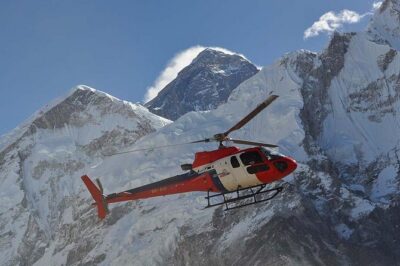 ★ 5.0Everest Base Camp Trek with Helicopter Return from Gorakshep to LuklaFrom $3,000161 reviews
★ 5.0Everest Base Camp TrekkingFrom $1,350146 reviews
★ 5.0Everest Base Camp Trek with Helicopter Return from Gorakshep to LuklaFrom $3,000161 reviews
★ 5.0Everest Base Camp TrekkingFrom $1,350146 reviews
Lists this tour sits in