
REVIEW · THAMEL WALKING & RICKSHAW TOURS
Oldest Local Market Walking Tour With Living Goddess Kumari
A living goddess is not something you see on a normal city walk. This 2-hour outing pairs Kumari tradition with a close look at Kathmandu’s oldest market area in Ason, then adds context at Kathmandu Durbar Square. What I like most is how the stops connect daily Hindu and Buddhist life to what you’re actually seeing, and how the English guidance helps it all make sense. One thing to plan for: Durbar Square entry fees are not included.
You’ll meet at the main gate side of the Chhaya Devi Complex in Thamel, then move through central historic streets at a pace that works well for a half-day feel without exhausting your legs. Because it’s a living religious role, expect a setting that feels serious and ceremonial, not a casual photo-op vibe. If you prefer total freedom with no schedule at all, this guided format may feel a bit structured.
In This Review
- Quick hits before you go
- Meeting at Chhaya Devi Complex, then walking into old Kathmandu
- Kumari and the Kumari Ghar: what you’re really seeing
- A small mindset tip
- Ason market: seeing the oldest local market feeling up close
- What to do if shopping is your goal
- Kathmandu Durbar Square: palaces and temples with guided context
- The one fee you need to plan for
- Hinduism and Buddhism: a living explanation, not just a label
- Price and value: $39 plus the one major extra cost
- Practical tips for a smooth 2-hour walk
- Who this tour suits best, and who might skip it
- Should you book the Oldest Local Market Walking Tour With Living Goddess Kumari?
- FAQ
- Where is the meeting point for this tour?
- How long is the walking tour?
- What is included in the price?
- What is not included?
- How much is the Kathmandu Durbar Square entry fee?
- What language is the tour guide?
- Does the tour include the Living Goddess Kumari?
- Can I cancel for a full refund?
- Is reserve and pay later available?
Quick hits before you go
- Ason market street time: See Kathmandu’s local trading world up close, not just monuments from the sidewalk.
- Living Goddess Kumari moment: The tour includes the rare chance to witness Kumari at the Kumari Ghar.
- Kathmandu Durbar Square context: You get explanations tied to palaces, temples, and courtyards rather than vague sightseeing.
- English-speaking guide: The experience is repeatedly praised for clear, careful explanations, including standout guide Santos.
- 2 hours, walk-based: Short enough to fit into an arrival or short-stay day, with a defined start and finish.
Still in Thamel? Keep wandering

Meeting at Chhaya Devi Complex, then walking into old Kathmandu
The day starts at a clear landmark: the main gate side of the Chhaya Devi Complex in Thamel. That matters more than it sounds. In Kathmandu, meeting points that are easy to find save you time and stress, especially if you are adjusting to traffic and local routes.
From there, you are set up for a walk through areas where religion is not a separate “tour topic.” It’s woven into daily routines, shop life, and the feel of the squares and courtyards you’ll pass. Even if you only have a short window, this kind of guided walking is one of the easiest ways to get oriented without feeling like you’re wandering.
Kumari and the Kumari Ghar: what you’re really seeing
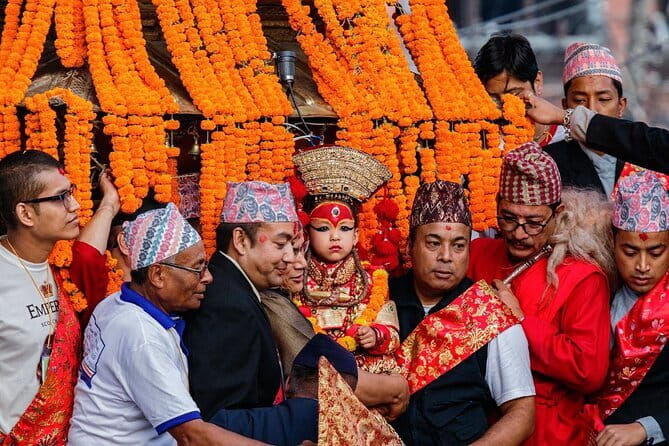
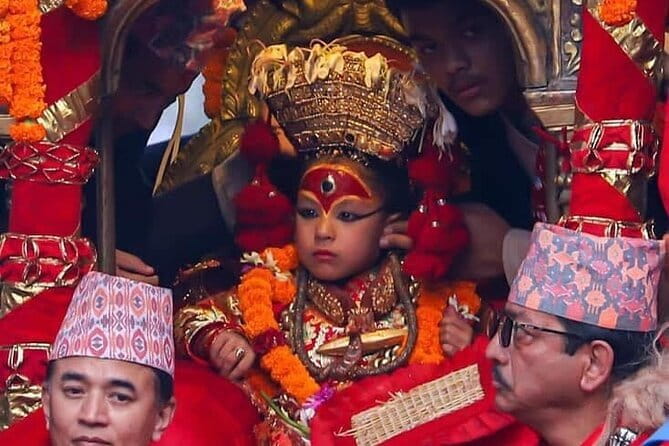
Let’s talk about what makes Kumari such a powerful experience. In Nepalese culture, Kumari is considered the living embodiment of the goddess Taleju. The role is held by a prepubescent girl, and the tradition centers on the Kumari Ghar, where Kumari resides.
So what should you expect in the moment? The most meaningful thing is not the “event.” It is the feeling of witnessing a tradition that people treat with real reverence. One of the most praised reactions in the feedback is the impression her gaze makes, and the sense of honor people feel being close to that tradition.
You’ll also get help interpreting the symbolism. When a guide explains why the role exists and how the religion frames it, the experience stops being a checklist item. Instead, you start noticing details around you, like how the area is used and how people behave with quiet respect.
A small mindset tip
Go in ready to be observant, not performance-ready. Keep your phone away at first, watch how people around you are acting, and then decide how and when to take photos. That approach usually keeps the experience respectful and more rewarding.
Ason market: seeing the oldest local market feeling up close
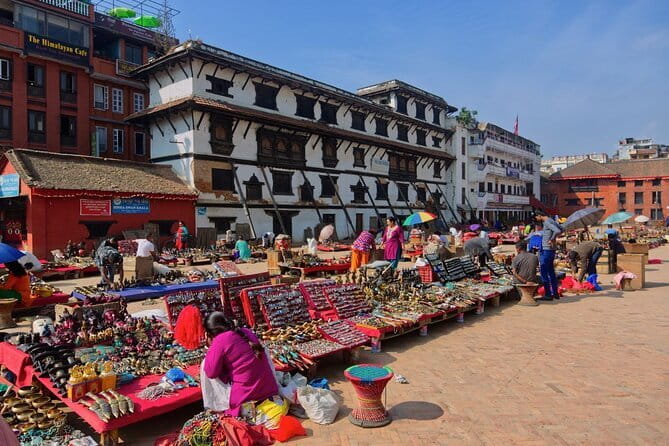
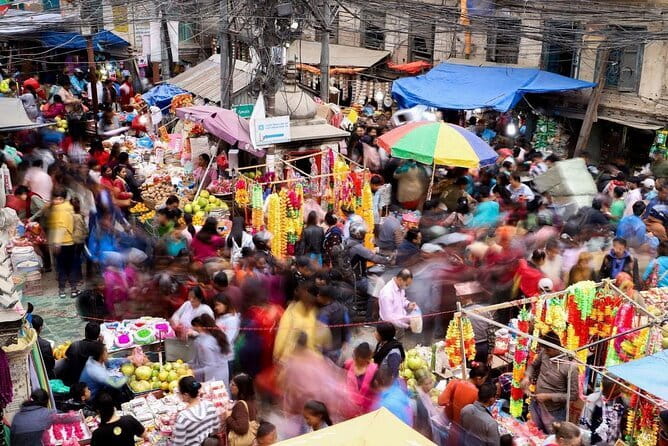
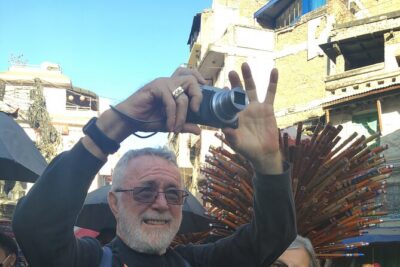
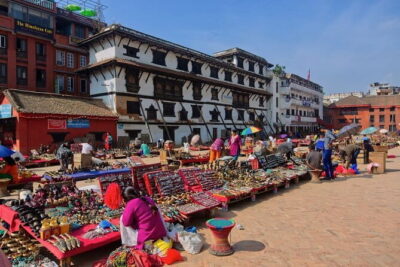
Ason is described as the oldest market area in Kathmandu, and that word oldest is not just marketing. Markets like this are where the city’s real rhythm shows up. You’re not only seeing buildings or signage, you’re seeing what people buy, what they carry, and how shop life flows in the streets.
In practical terms, the tour’s market time is valuable because it connects the cultural story to commerce and community. In one place you might pass spice stalls, textiles, and small trade counters that feel familiar even if you’ve never been to Kathmandu before. You’ll also pick up a sense of why locals keep coming back to this area again and again.
If you love authentic travel moments, Ason is the kind of stop where you can learn without turning everything into an official lecture. A good guide helps you see patterns faster, like what types of goods dominate and how the architecture frames the flow of people.
Other bazaar crawls and tasting walks

What to do if shopping is your goal
If you plan to buy souvenirs or spices, keep it simple. Decide what you actually want, ask the guide if any items are practical to carry, and compare prices only if it feels natural. With only 2 hours total, the best value is staying present, not rushing to collect a cartful.
Kathmandu Durbar Square: palaces and temples with guided context
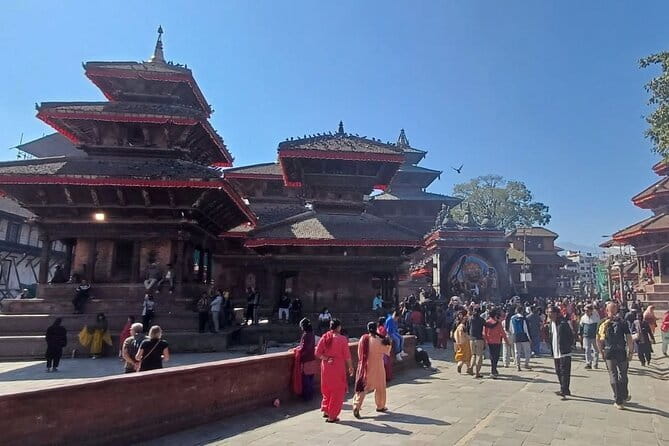
Kathmandu Durbar Square is one of the most important historic public spaces in central Kathmandu. It is known for palaces, temples, and courtyards, all packed into an area where architecture tells stories. On a short tour, you don’t have time to read every carving, but you do have time to understand what you are looking at.
This stop is especially useful if you want to connect Hindu and Buddhist life in Kathmandu. Durbar Square is a strong place to see how religious traditions shape space, processions, and daily movement. A guide’s explanations make a difference here, because otherwise you might just see stone and wonder what matters most.
The one fee you need to plan for
Kathmandu Durbar Square entry fees are not included. The cost listed is 1000 Nepali Rupee. So when you budget, treat the tour as $39 plus that entrance fee. If you have limited cash or you want to avoid surprises, carry a bit of extra spending money just for this.
Hinduism and Buddhism: a living explanation, not just a label
One of the tour highlights is exploring Hinduism and Buddhism. That can sound abstract, but in Kathmandu it usually becomes concrete fast.
When you see the Kumari tradition next to market life and historic courtyards, you start understanding that religion here is not only worship. It is identity, community structure, and a set of shared symbols that people act out every day. A good English guide helps you link those symbols to what you are seeing, so you leave with more than a photo and a vague feeling of awe.
The best part is that this kind of context makes other sights easier later. You will walk past temples and notice the difference between what looks decorative and what looks functional in worship. You’ll also get better at recognizing which spaces are meant for public gathering and which are meant for ritual use.
Price and value: $39 plus the one major extra cost
The tour price is $39 per person for a 2-hour guided experience. That includes an English-speaking tour guide, government taxes and VAT, and a bottle of mineral water.
Is it good value? It depends on how you travel. If you like guided interpretation and want help connecting the dots between Kumari, Ason, and Durbar Square, then the price makes sense for the time you save. You are buying clarity, not only access.
The major catch is the Durbar Square entry fee of 1000 Nepali Rupee, which is not included. If you were planning to visit Durbar Square anyway, it becomes a straightforward add-on. If you only wanted the market, you might feel the extra fee weighs more. Still, for most people coming specifically for Kumari, the overall package is fair.
Meals are not included, so plan to eat separately before or after. For a 2-hour format, that’s normal. It also keeps the tour pace steady without turning into a stop-and-stare lunch break.
Practical tips for a smooth 2-hour walk
This is a walking tour, so wear comfortable shoes. You are moving through dense, central Kathmandu streets and squares, and you’ll want your feet to feel good, especially if you come from a long travel day.
Bring a little cash. The only clearly stated extra cost is the Durbar Square entry fee, but in cities like Kathmandu, you also may want a backup option for snacks or water after the walk.
Also, treat Kumari and the surrounding tradition with extra calm. People have different comfort levels with religious sites and sacred roles. The safest approach is simple: observe first, follow the guide’s cues, and keep your behavior respectful. That helps you get the full value of the moment.
Finally, keep your schedule flexible around your arrival time. The meeting point is in Thamel, and it’s easy to fit the tour into a first or second day in the city. If your day is packed too tightly, you may feel rushed when you should be settling in.
Who this tour suits best, and who might skip it
This tour fits you best if you want a focused introduction to Kathmandu’s living religious culture and historic center, without spending a full day moving around. The 2-hour length is ideal if you are short on time or you want a guided hit of meaning early in your trip.
It also suits you if you care about language. The guide is English-speaking, and the experience is praised for explanations that stay clear and detailed. If you want to understand what you see at Kumari and how it connects to Hinduism and Buddhism, this is a smart way to do it.
You might choose something else if your style is mostly independent wandering with no structured guidance. Also, if you strongly dislike any religious or ceremonial setting, you may find the Kumari component emotionally serious even when it is presented respectfully.
Should you book the Oldest Local Market Walking Tour With Living Goddess Kumari?
Book it if your priority is understanding, not just sightseeing. The mix of Ason market, Kumari tradition at the Kumari Ghar, and Kathmandu Durbar Square context in a single 2-hour walk is a high efficiency way to experience central Kathmandu with a storyline.
I would especially consider it if you appreciate when a guide makes the meaning click. Names like Santos come up for a reason, meaning the communication quality is part of what people value.
One final decision check: make sure you budget for the 1000 Nepali Rupee Durbar Square entry fee. If that fee is fine and you’re comfortable in a sacred environment, this is a strong booking.
FAQ
Where is the meeting point for this tour?
You meet at the main gate side of the Chhaya Devi Complex at Thamel, Kathmandu.
How long is the walking tour?
The duration is 2 hours.
What is included in the price?
It includes an English-speaking tour guide, government taxes and VAT, and a bottle of mineral water.
What is not included?
Meals and beverages are not included, and Kathmandu Durbar Square entry fees are not included.
How much is the Kathmandu Durbar Square entry fee?
The entry fee is listed as 1000 Nepali Rupee.
What language is the tour guide?
The tour is available in English.
Does the tour include the Living Goddess Kumari?
Yes, the highlights include witnessing the Living Goddess Kumari.
Can I cancel for a full refund?
Yes. You can cancel up to 24 hours in advance for a full refund.
Is reserve and pay later available?
Yes. You can reserve now and pay later.
The Rest of Our Kathmandu Write Ups


Eating Through the Bazaar



Still in Thamel
Everything else we have reviewed around Kathmandu
- 12 Days Everest Base Camp Trekking
★ 5.0 · 3 reviews - 1 Night 2 Days Chitwan Jungle Safari Tour from Pokhara or Kathmandu
★ 3.0 · 3 reviews - Thamel Rickshaw tour
★ 4.7 · 3 reviews - Kathmandu: Momo Making Class with a Local Chef
★ 5.0 · 3 reviews - Kathmandu: Full-Day Yoga, Body Massage and Pedicure Package
★ 5.0 · 3 reviews - From Kathmandu / Pokhara / Chitwan: River Rafting – 1 Day
★ 4.6 · 3 reviews
Thamel Walking & Rickshaw Tours worth a second look.
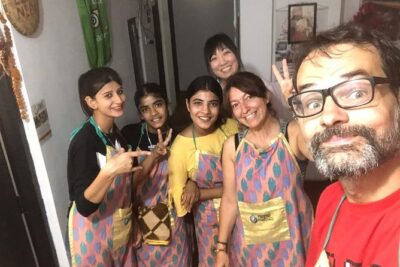 ★ 5.0Half day cooking class in Thamel kathmanduFrom $28607 reviews
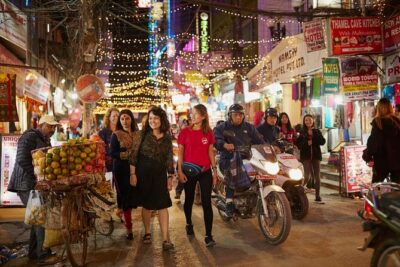 ★ 5.0Kathmandu Sunset Tour by Rickshaw Including Durbar Square VisitFrom $5073 reviews
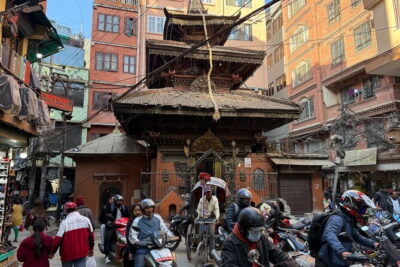 ★ 5.0Kathmandu Food & Drink and Shopping Rickshaw TourFrom $2548 reviews
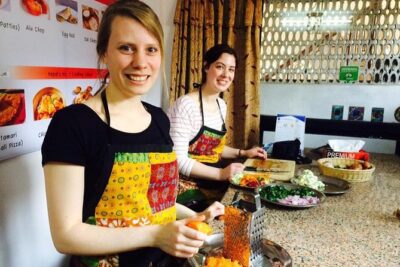 ★ 5.0Best Nepali Cooking Class in Thamel with Local Market TripFrom $3026 reviews
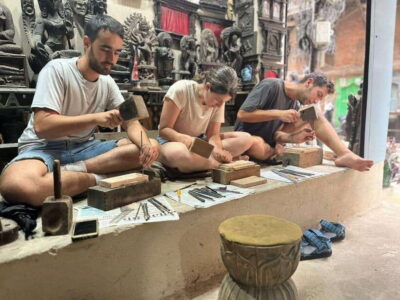 ★ 4.9Wood Carving Workshop with Local Artisan (Thamel)From $4217 reviews
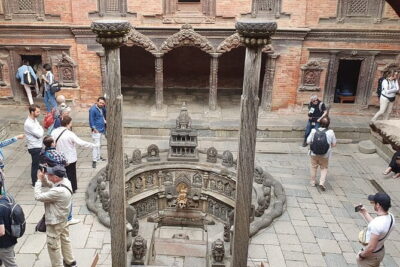 ★ 5.0Kathmandu and Patan Heritage and Living Goddess Experience TourFrom $5012 reviews
 ★ 5.0Oldest Local Market Walking Tour with Living Goddess KumariFrom $408 reviews
★ 4.7Food, Drink and Shopping Rickshaw TourFrom $287 reviews
★ 5.0Oldest Local Market Walking Tour with Living Goddess KumariFrom $408 reviews
★ 4.7Food, Drink and Shopping Rickshaw TourFrom $287 reviews