
REVIEW · NEPALI FOOD & MARKET TOURS
Kathmandu Secret Food Crawl & Local Market Tour
Want Kathmandu food, not tourist plates? This 2-hour Secret Food Crawl puts you in the old lanes around Ason Bazar with English-speaking guide Santosh, where eating and local culture happen side by side.
I love that it is built as a walking food route, so you watch how people actually shop and snack in daily rhythm, not just pose for pictures. I also love the range of tastes, from Newari classics like Yomari and Samay Baji to street favorites such as momo, chatamari, and laphing.
One drawback to plan for: it is a short tour that moves from stop to stop, so you need comfortable shoes and a willingness to eat a lot, quickly.
In This Review
- Key things you will notice on this Kathmandu crawl
- Where your Kathmandu market walk starts at Chhaya Devi Complex
- Ason Bazar, the oldest market, as your living food classroom
- Newari food you can actually understand as you eat it
- Street-food stops: momo, chatamari, and laphing in the real order
- Market crafts and traditions: why you see more than food
- Santosh’s guide style, the difference between eating and learning
- What the 2-hour timing really means for your day
- Price and value: $28 buys more than a few bites
- When this tour is the best fit for you
- Should you book the Kathmandu Secret Food Crawl?
- FAQ
- What is the duration of the Kathmandu Secret Food Crawl & Local Market Tour?
- How much does the tour cost?
- Where do we meet?
- Is the tour guide available in English?
- What food and drinks are included?
- What is included in the price besides the guide?
- What is the cancellation policy?
Key things you will notice on this Kathmandu crawl
- Ason Bazar as the center of the story, the long-running market where old Kathmandu life shows up fast
- Newari cuisine tastings like Yomari and Samay Baji, where food is also ritual and identity
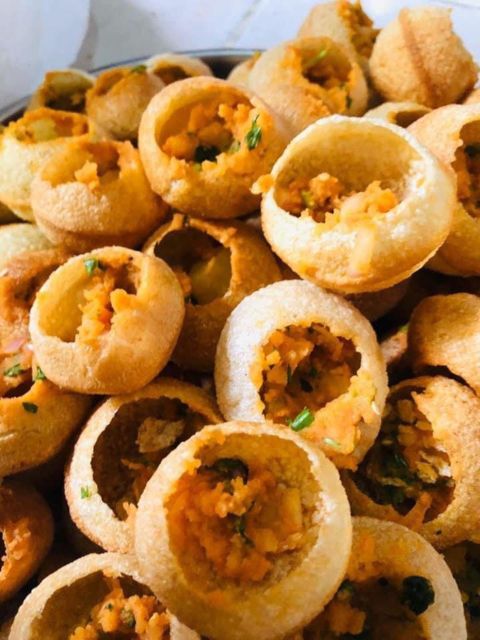
- Street-food variety including momo, chatamari, and laphing, so you are never stuck with one flavor style
- Crafts and traditions you can see while you walk, not just read about from a guidebook
- A guide-led cultural thread with Santosh sharing context about Nepal’s daily life and beliefs
- Plentiful portions in a 2-hour slot, so you leave full, not hungry and still hunting
Other bazaar crawls and tasting walks


Where your Kathmandu market walk starts at Chhaya Devi Complex
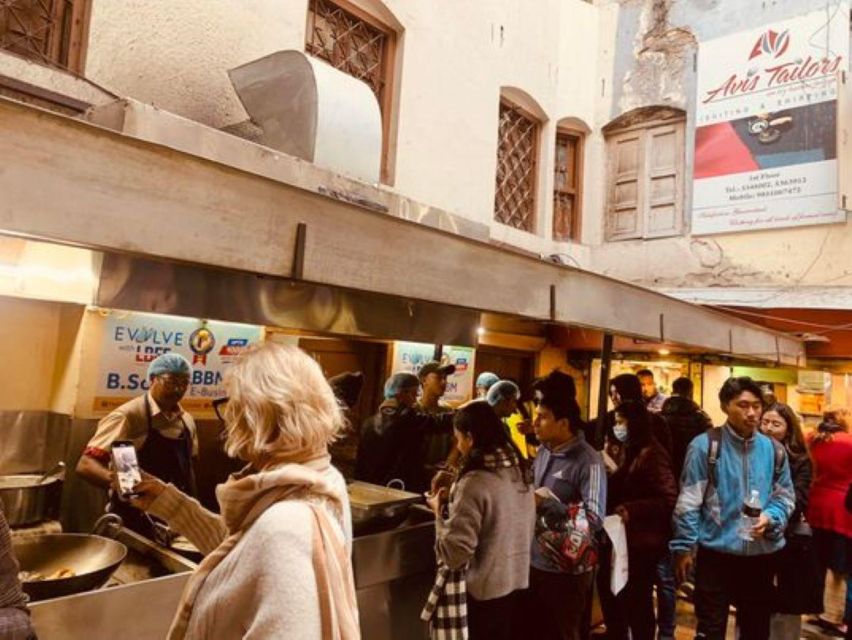
You meet at the main gate of Chhaya Devi Complex. It is a practical start point, and it helps you avoid the usual Kathmandu chaos of trying to match landmarks while hungry.
Right away, you are set up for a very local-style experience: short distances, close vendor stalls, and frequent moments where your guide points out what you would probably miss on your own. If you like getting your bearings fast in a new city, this format makes sense.
Also, because your tour includes your guide and all foods and beverages, you can focus on the food route instead of constantly budgeting or searching for what looks safe. In a place like Kathmandu, that matters.
Ason Bazar, the oldest market, as your living food classroom
The heart of the tour is the Ason Bazar area, described as the oldest local market in Kathmandu. That is not just marketing wording, it changes how you experience the place. You are walking through an environment where commerce, craft, and everyday needs have mixed for a long time.
As you move through the market lanes, you are not only sampling food. You are also seeing how vendors and customers relate, how snacks fit into shopping, and how different cultures show up in the same street.
What I like most here is the order of operations. You taste first, then your guide gives context, so the dish names start to mean something. It is the difference between eating randomly and eating with a story in your head.
Newari food you can actually understand as you eat it
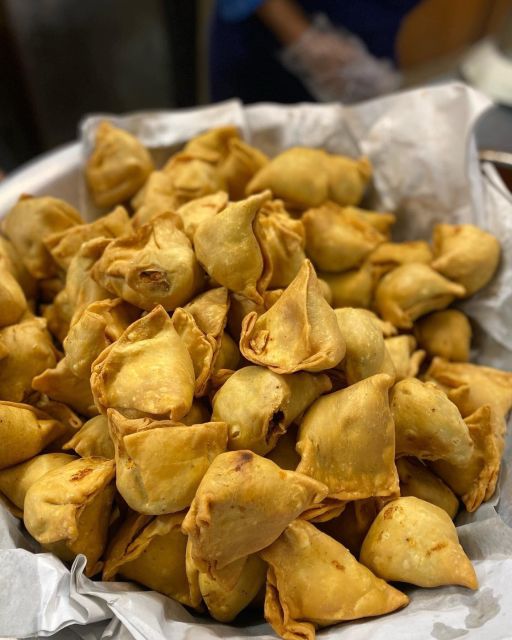
Newari cuisine is a major focus, and your tour uses real tastings to make the idea click. Newars are one of Nepal’s key indigenous groups, and their food culture is built around both flavor and meaning.
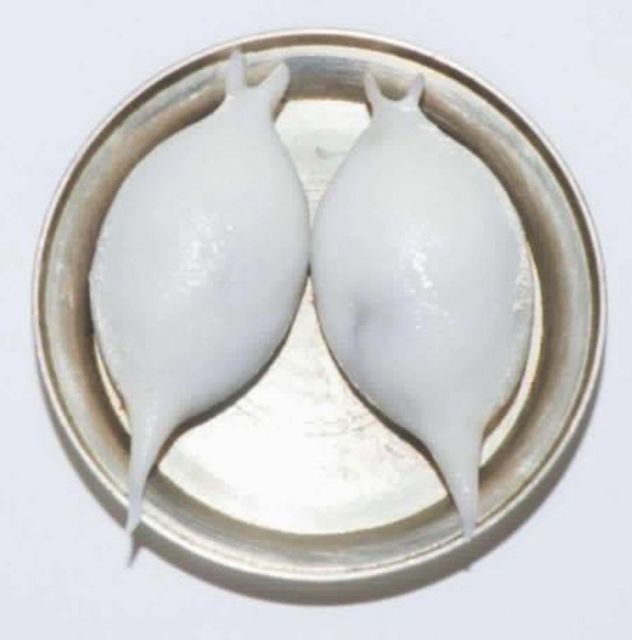
You will likely run into dishes like Yomari, a sweet steamed dumpling filled with molasses and sesame seeds. It is the kind of food that reads as dessert until you learn the local connections, then it becomes part of a bigger tradition.
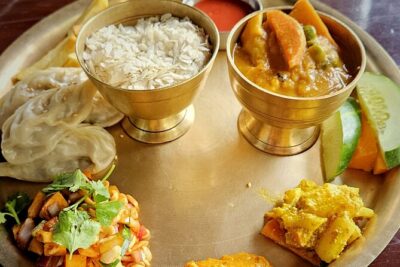
Another standout is Samay Baji, a ceremonial platter that can include beaten rice, spiced buffalo meat, and a spread of pickles. That platter matters because it shows how Nepali meals can be structured for events and community moments, not only for everyday hunger.
The practical upside for you: Newari food is memorable, and tasting it with guidance helps you recognize the patterns. If you later see a Newari dish on a menu or in another market, you will understand what you are looking at instead of feeling lost.
Street-food stops: momo, chatamari, and laphing in the real order
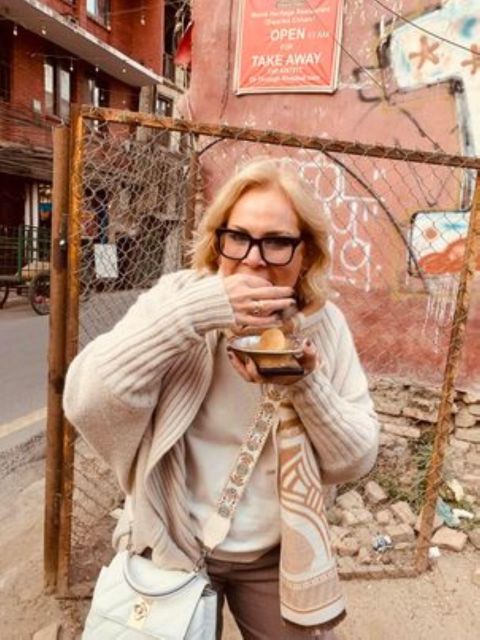
Kathmandu street food is the other big engine of this crawl. Your guide takes you through places where street snacks are part of normal life, not a tourist side show.
You are told to expect classic favorites like momo, the dumplings that come in many variations. Even if you have had momo before, the Kathmandu versions can shift in seasoning and texture, and your guide can point out what makes the local style different.
You will also try chatamari, sometimes described as a Newari pizza. It is thin and savory, and it helps bridge the idea that Kathmandu food blends influences while still feeling distinctly local.
And then there is laphing, a cold, spicy mung bean noodle dish that is especially popular with locals. The “cold and spicy” combo is a good reminder that Kathmandu does not treat heat like an optional ingredient. Your guide’s timing also matters here, because you want your palate awake before you go to the next taste.
This is one of those tours where you should expect your stomach to keep up with you. Portions are not massive like a full restaurant meal, but you stack multiple tastes in a short time, so your final stop hits hard.
Other Kathmandu tables and tea stops
Market crafts and traditions: why you see more than food
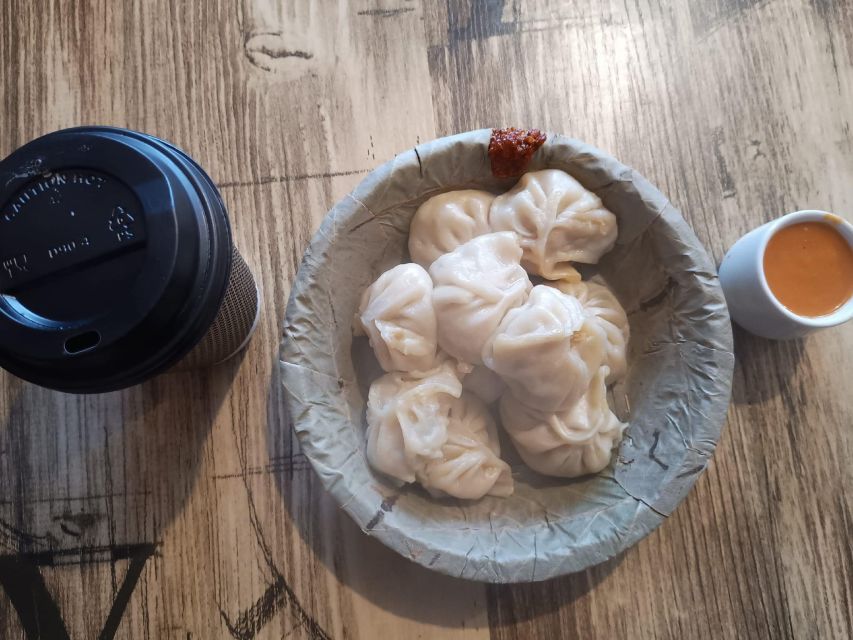
Your tour highlights crafts and traditions tied to Newars and other unique local cultures. This is not just decorative sightseeing. In a market setting, crafts and food are linked, because both are made, sold, and bought through the same networks of people.
As you walk, your guide’s job is to help you connect dots. You learn why certain items show up in certain places, how food vendors fit into the social layout of the district, and what kinds of products support everyday cooking.
This is also where the tour feels more human than a checklist. You get “touch with locals and their lifestyle, culture and traditions,” which is exactly what you want from Kathmandu. You do not just watch a market from the outside, you see it as people use it.
If you enjoy cultural context but you do not want a museum day, this is a nice middle ground. You are learning with your feet moving and your hands holding snacks.
Santosh’s guide style, the difference between eating and learning
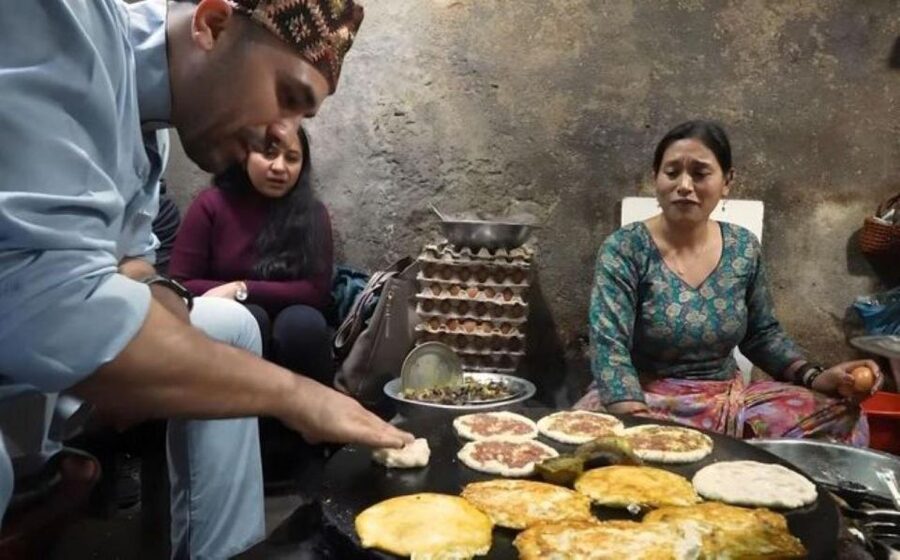
A repeated theme in the tour experience is guide quality, and English-speaking guide Santosh stands out. People describe him as friendly, courteous, and easy to talk with, and that matters because a food crawl is only fun if the conversation keeps pace with the walking.
Santosh does more than name dishes. He explains what you are eating and adds context about Nepali culture. Some people even mention conversations that go beyond food into religion and politics, which sounds heavy, but in practice it comes out in everyday-language connections while you wait for the next taste.
For you, that means the tour is not just “try this, then that.” It becomes a guided route through how Kathmandu people think and live, with food as the anchor.
And if you are worried about feeling rushed, pay attention to the pace. Several guests mention that they had a smooth flow and plenty of time to talk, while one person noted the tour can feel fast at some stops. So set your mindset accordingly, and you will enjoy it more.
What the 2-hour timing really means for your day
This is a 2-hour tour, which is short in a good way. It is long enough to hit multiple tastings and walk through the market area, but short enough that you can still plan the rest of your Kathmandu day.
The practical logic is clear: food tours work best when you keep your hunger close to the beginning of the walk. If you do this too late after lunch, you might miss some of the excitement of tasting early dishes, and you might get overwhelmed by the number of samples later.
Also, you should plan your schedule around stomach capacity. Multiple guests say they leave very full, and the tour includes all foods and beverages, with a minimum of five items plus drinks.
So think of it like a structured snack marathon. If you want a big dinner afterward, you might need to downgrade expectations.
Price and value: $28 buys more than a few bites
At $28 per person for a 2-hour guided crawl, this can be strong value if you are the kind of traveler who likes variety. The tour includes an experienced, helpful English-speaking guide, all government taxes and official expenses, and your foods and beverages (minimum five items with drinks).
What that means for you is predictable spending and less decision fatigue. In Kathmandu, you can waste time choosing what to eat, trying to judge hygiene from a distance, and negotiating. Here, your guide handles the selection, and you focus on tasting.
Another value point is the market context. Ason Bazar is not a theme park. You are paying for access to local vendors and a route that connects food with place. Even if you are a strong self-explorer, the food knowledge and the cultural explanations save you mental energy.
Finally, because several guests mention plenty of tastings, it feels like you get more than a token sample. You should expect to try enough that your palate leaves Kathmandu changed, not merely satisfied.
When this tour is the best fit for you
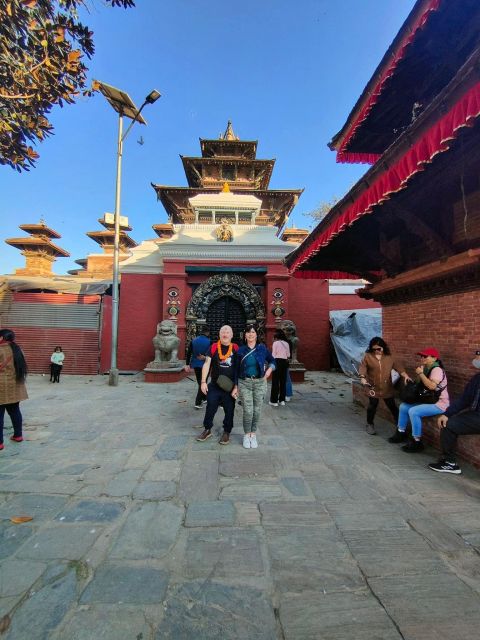
This tour suits you if you want a real introduction to Kathmandu food culture without committing to a long day. It is also a good choice if you are curious about Newari cuisine and street food, but you do not want to guess your way through markets alone.
If you are traveling with a partner, it works well because the snacks create an easy shared pace and you can compare impressions as you go. If you are solo, it is also a smooth way to get social time with a guide while still moving around locally.
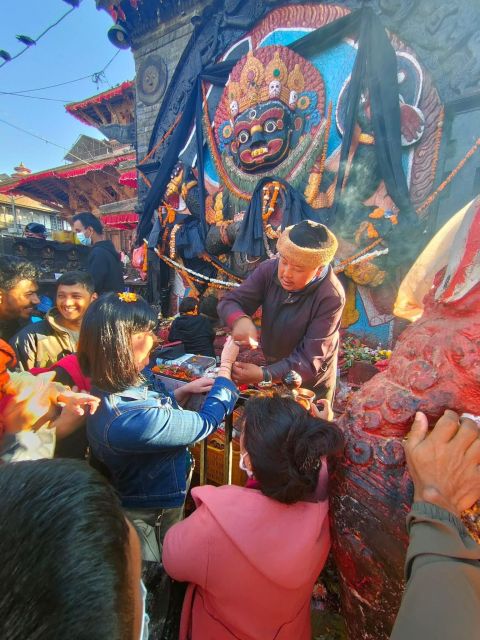
One more bonus: people mention visiting important cultural sites as part of the route, and in some early-evening situations there has been an opportunity tied to the Kumari Temple. Timing and access are always changeable in Kathmandu, but the point stands: this tour can connect food to major cultural landmarks, not only stalls.
Should you book the Kathmandu Secret Food Crawl?
Book it if you want a short, guided way to eat your way through Kathmandu market culture, with Ason Bazar and Newari dishes at the center. The price is reasonable for a guide-led route that includes foods and drinks, and it is a strong fit for the first or second day in town.
Skip it if you dislike fast-paced walking, hate spicy food, or want a more traditional sightseeing day instead of a food-first experience. If you do book, wear comfortable shoes, come hungry, and let Santosh do the explaining, because that is where the whole tour becomes more than snacks.
FAQ
What is the duration of the Kathmandu Secret Food Crawl & Local Market Tour?
It lasts 2 hours.
How much does the tour cost?
The price is $28 per person.
Where do we meet?
You meet at the main gate of Chhaya Devi Complex.
Is the tour guide available in English?
Yes, the tour has an English live guide.
What food and drinks are included?
The tour includes all foods and beverages, with a minimum of 5 items with drinks.
What is included in the price besides the guide?
The price includes an experienced English-speaking tour guide and all government taxes and official expenses.
What is the cancellation policy?
You can cancel up to 24 hours in advance for a full refund.
Everything Bookable Around Kathmandu

The Rest of Our Kathmandu Write Ups


Eating Through the Bazaar
Everything else we have reviewed around Kathmandu
- 12 Days Everest Base Camp Trekking
★ 5.0 · 3 reviews - 1 Night 2 Days Chitwan Jungle Safari Tour from Pokhara or Kathmandu
★ 3.0 · 3 reviews - Thamel Rickshaw tour
★ 4.7 · 3 reviews - Kathmandu: Momo Making Class with a Local Chef
★ 5.0 · 3 reviews - Kathmandu: Full-Day Yoga, Body Massage and Pedicure Package
★ 5.0 · 3 reviews - From Kathmandu / Pokhara / Chitwan: River Rafting – 1 Day
★ 4.6 · 3 reviews
Nepali Food & Market Tours worth a second look.
 ★ 5.0Kathmandu Food and Drink Walking TourFrom $36266 reviews
★ 4.9Food and Drink Walking TourFrom $28119 reviews
★ 5.0Kathmandu Food and Drink Walking TourFrom $36266 reviews
★ 4.9Food and Drink Walking TourFrom $28119 reviews
 ★ 5.0Walking Street Food Tour in KathmanduFrom $48111 reviews
 ★ 5.0Secret Food Tour – Food Bites and Sights Kathmandu 14+ TestingsFrom $3582 reviews
 ★ 5.0Kathmandu Food & Drink and Shopping Rickshaw TourFrom $2548 reviews
 ★ 5.0Walking Food Tour in Hidden Local Eateries of KathmanduFrom $3640 reviews
 ★ 5.0Kathmandu Food Crawl & Market TourFrom $2526 reviews
 ★ 5.0Best Nepali Cooking Class in Thamel with Local Market TripFrom $3026 reviews
Lists this tour sits in