
REVIEW · NEPALI FOOD & MARKET TOURS
Walking Food Tour in Hidden Local Eateries of Kathmandu
Street food, but with local guardrails.
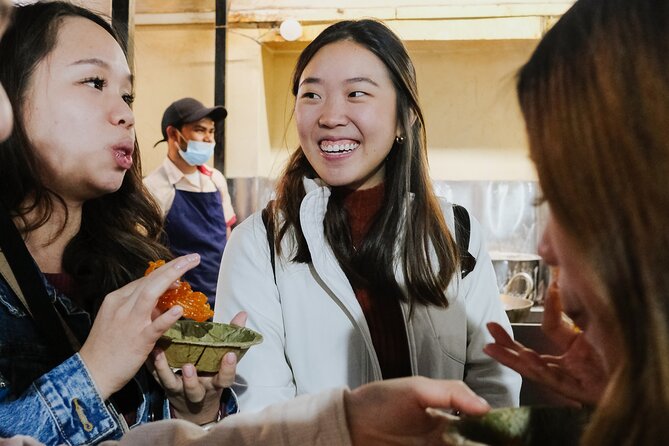
This 2-hour walking food tour takes you through Kathmandu’s old market lanes, starting at Indra Chowk and continuing toward Kathmandu Durbar Square, where you taste Nepali flavors you might miss on your own. You get all tastings plus a guide who explains what you are eating and where it fits in daily life, and the route is designed for a small group so the experience feels personal.
What I like most is the focus on hidden local eateries instead of touristy showpieces, plus the fact that you do not just eat, you also learn the story behind the flavors. Guides such as Shazia, Fahid, and Dhuksang show up in the guide lineup across bookings, and the common thread is clear, practical food talk, plus a pace that keeps you moving but not rushed.
One thing to plan for: some food is eaten standing up, which can be a little awkward if you prefer sitting every time. Also, because it is a walking tour, you will want comfortable shoes and a normal tolerance for busy alley traffic.
In This Review
- Key highlights to know before you go
- The route that turns street food into a plan
- Stop 1: Indra Chowk for quick bites and local rhythm
- Stop 2: Kathmandu Durbar Square and the hole-in-the-wall food culture
- What you get to taste, and why the mix is the real value
- Guides make or break the snack experience
- Small group size: why max 12 actually changes things
- Price and logistics that make sense for a first-time Kathmandu foodie
- Timing, what to bring, and how to enjoy the standing tastings
- Who this tour fits best
- Should you book this Kathmandu street food walk?
- FAQ
- How long is the Walking Food Tour in Hidden Local Eateries of Kathmandu?
- Where does the tour start, and does it end nearby?
- What is included in the price?
- Is private transportation included?
- How many people are on the tour?
- Do I need to stand to eat any of the food?
- What happens if the weather is bad or I need to cancel?
Key highlights to know before you go
- Small group size (max 12) keeps questions and pacing easy.
- Indra Chowk to Kathmandu Durbar Square covers two iconic food neighborhoods in about two hours.
- All food tastings are included in the $36 price.
- Guide context matters since you learn how local snacks fit into Kathmandu life.
- Expect some standing tastings, so bring a calm, flexible attitude.
- Mobile ticket + group discounts make it simple to join once you book.
Other bazaar crawls and tasting walks


The route that turns street food into a plan
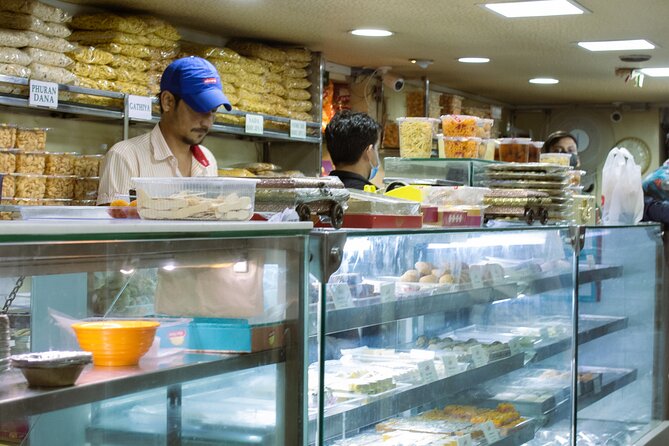
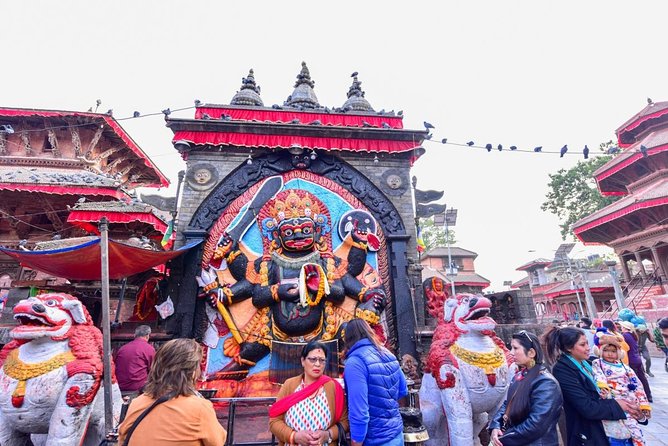
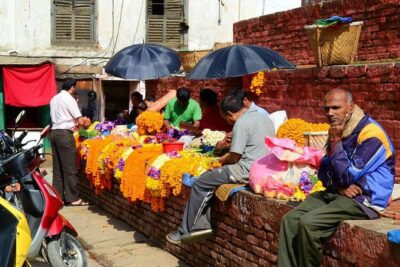
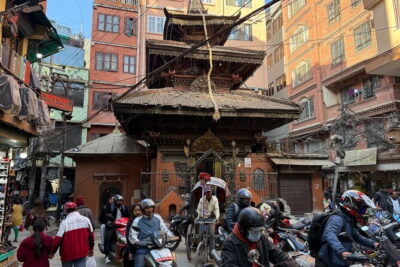
This tour is built around a simple idea, walking is the best way to find where locals actually snack. You start at the Akash Bhairab Temple meeting point (P845+9PQ, Kathmandu 44600, Nepal). From there, the first stretch focuses on Indra Chowk, a market area where small, fast bites are part of the rhythm of the day. The tour then shifts toward the Kathmandu Durbar Square zone, where culture and food meet at the level of everyday eating.
Why this matters for you: Kathmandu street food can feel chaotic if you do not know where to stand, what looks safe to try, or what is worth your appetite. On a guided walk like this, your guide acts as the “decision filter,” pointing you to places locals like and helping you understand what you are tasting.
Stop 1: Indra Chowk for quick bites and local rhythm
At Indra Chowk, you meet the group and start snacking right away. The tour description is straightforward, you will walk through the area while eating several tidbits. That first hour is not about one big sit-down meal, it is about learning the street-food tempo of the neighborhood.
Here is what to watch for:
- You will likely get a mix of snacks, not one single item repeated.
- Some tastings are small, so you may feel like you are “barely eating” until the group adds up the total.
- The pacing is designed so you can keep walking without being stuffed too early.
A small practical tip: go in hungry. People consistently talk about ending the tour full, which makes sense given that you are sampling multiple spots across both neighborhoods.
Stop 2: Kathmandu Durbar Square and the hole-in-the-wall food culture
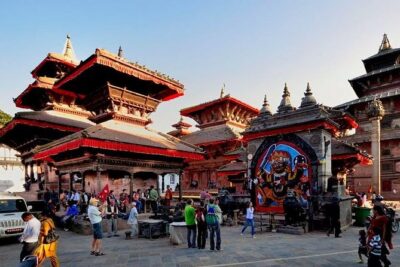
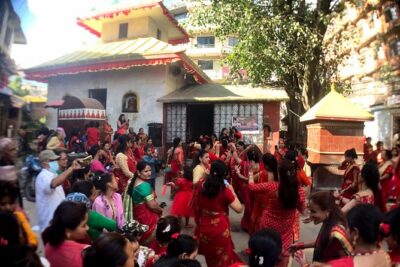
The second hour moves you into the Kathmandu Durbar Square area, where you get a stronger sense of how culture shapes food habits. The tour focuses on locally loved places, including hole-in-the-wall eateries, where the menu may look simple but the food is the point.
What I think you will appreciate here is contrast. Indra Chowk tends to feel like the snack-and-move environment, while the Durbar Square area adds a more “I can see the city’s layers” feel. You are still eating street-style, but the context shifts to long-standing spots and daily patterns around a very well-known landmark zone.
You also get an explanation-led experience. The guide is there to give context, so you are not just guessing what something is or why it tastes the way it does. Based on the guide feedback shared with the tour, the explanations tend to be practical: what you are eating, how it is typically ordered or used locally, and what to expect from spice and flavor.
What you get to taste, and why the mix is the real value
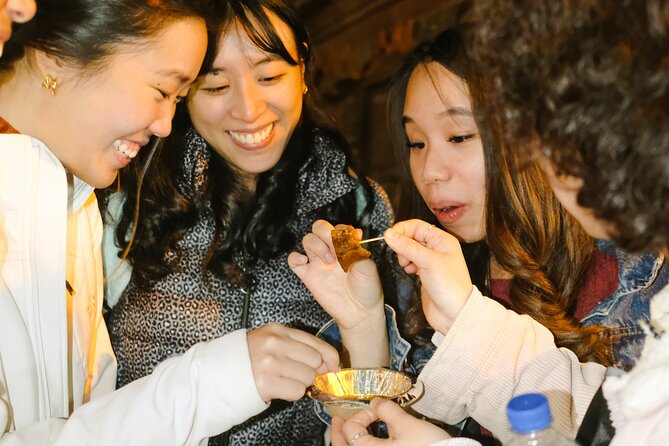
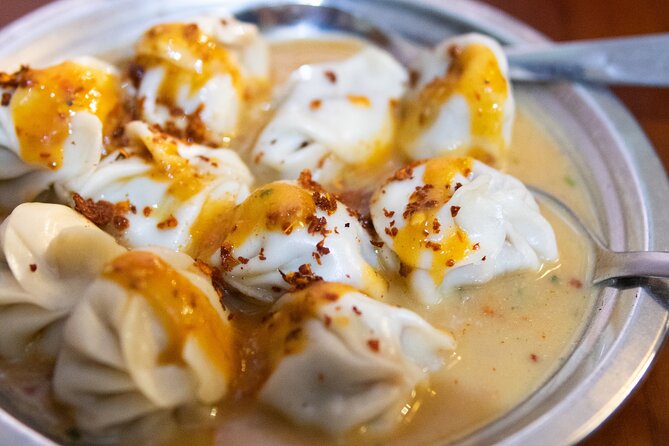
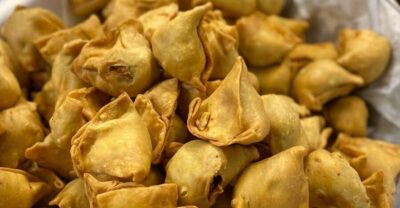
The tour includes snacks, and the structure is built for variety. Even if you love Indian or Nepali flavors already, this kind of walk is valuable because you try more than one thing and see how the flavors work across different stall types.
From the guide-led feedback tied to this experience, a few patterns show up again and again:
- The food mix tends to include both sweet and savory options.
- Spice level is usually well managed, so you are not stuck with only “burn your face off” choices.
- The tastings add up to a meal-like amount of food by the end.
You should also expect that not every stop is set up for comfort. The tour notes that some foods must be eaten standing up. That is normal for street food, and it is part of why the tastings are possible without changing the whole schedule.
Keep walking: more Kathmandu routes
Guides make or break the snack experience
You are paying for more than access. You are paying for guidance that turns random street snacks into a coherent route.
Across bookings, names like Shazia, Fahid, and Dhuksang show up, and the consistent praise is about the guide’s ability to:
- explain food and culture clearly,
- stay friendly and organized,
- take you to places you likely would not find on your own.
In practical terms, a strong guide helps with:
- choosing the right stall at the right moment,
- understanding what you are looking at,
- handling questions without slowing the group down.
If you care about how street food fits into daily life, the guide talk is the biggest reason this tour earns a high satisfaction rate. You leave with a better food map, not just a full stomach.
Small group size: why max 12 actually changes things
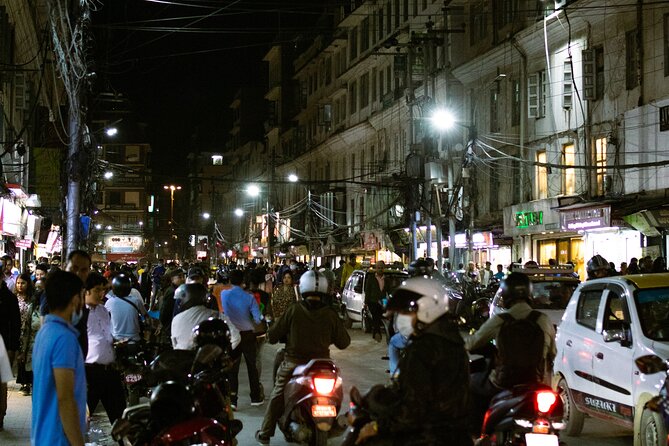
A maximum of 12 travelers might sound like a small number, but on a food walk it matters. Smaller groups mean:
- easier movement through narrow lanes,
- more chances to ask about ingredients or spice without feeling rushed,
- smoother timing so you do not spend half the tour waiting at the back.
It also keeps the vibe more conversational. Many food tours turn into a line shuffle. This one is structured to feel more like a guided wander with tastings along the way.
Price and logistics that make sense for a first-time Kathmandu foodie
The cost is $36.00 per person, and it includes the snacks. You also get a mobile ticket and group discounts, and on average it is booked about 14 days in advance, so planning ahead pays off.
Is $36 a lot? It depends on what you compare it to. If you compare it to buying a couple of snacks yourself, the guide and multiple tastings are the value. If you compare it to a normal sit-down meal plus a guide, it is usually cheaper than you would expect for two full neighborhoods worth of food stops.
Also, transportation is not included. That is typical for walking tours, but it means you should budget for getting to the start point yourself.
Practical logistics you should expect:
- Confirmation happens at booking.
- The start area is near public transportation.
- The tour ends back at the meeting point, so you do not have to figure out a new drop-off.
Timing, what to bring, and how to enjoy the standing tastings
This tour is listed at about 2 hours. Some food tastings require standing, so treat this like a walk-first experience, not a sit-and-sip outing.
Bring:
- Comfortable walking shoes (you are moving through market streets).
- A water bottle if you like to sip between tastings.
- An empty stomach mindset, because the food amount adds up.
- A phone for the mobile ticket.
Weather matters here. The tour requires good weather, and if it is canceled due to poor conditions, you will be offered another date or a full refund. That is one reason booking early helps, you can adjust plans if the weather turns.
Who this tour fits best
This is a strong pick if you:
- want street food but do not want to plan every stop yourself,
- prefer a small group with more attention from the guide,
- like Nepali and Indian flavors and want to widen your “what to try” list,
- are visiting Kathmandu for the first time and want quick context fast.
It may be less ideal if you:
- hate standing during tastings,
- have difficulty with walking through crowded market areas,
- need private transportation or a car-based itinerary (since private transport is not included).
Should you book this Kathmandu street food walk?
I would book it if you want an efficient, local-style way to eat across two key areas without guessing. The biggest reasons to say yes are the variety of included snacks, the small group (max 12), and the guide-led context that helps you understand what you are tasting. Add in the fact that it starts at Akash Bhairab Temple and loops back there, and it stays simple for your day.
Skip it if standing-and-walking is a hard no for you. Otherwise, show up hungry, wear good shoes, and treat it like a food map lesson. You will finish this one feeling like Kathmandu street food is something you can navigate, not just something you watched from the sidewalk.
FAQ
How long is the Walking Food Tour in Hidden Local Eateries of Kathmandu?
It lasts about 2 hours.
Where does the tour start, and does it end nearby?
The tour starts at Akash Bhairab Temple (P845+9PQ, Kathmandu 44600, Nepal). It ends back at the meeting point.
What is included in the price?
The tour includes snacks.
Is private transportation included?
No, private transportation is not included.
How many people are on the tour?
The tour has a maximum of 12 travelers.
Do I need to stand to eat any of the food?
Yes, some foods have to be eaten standing up.
What happens if the weather is bad or I need to cancel?
The tour requires good weather. If it is canceled due to poor weather, you will be offered a different date or a full refund. You can cancel for a full refund up to 24 hours in advance, but changes or refunds are not available within 24 hours of the start time.
Everything Bookable Around Kathmandu

The Rest of Our Kathmandu Write Ups

Eating Through the Bazaar
Everything else we have reviewed around Kathmandu
- 12 Days Everest Base Camp Trekking
★ 5.0 · 3 reviews - 1 Night 2 Days Chitwan Jungle Safari Tour from Pokhara or Kathmandu
★ 3.0 · 3 reviews - Thamel Rickshaw tour
★ 4.7 · 3 reviews - Kathmandu: Momo Making Class with a Local Chef
★ 5.0 · 3 reviews - Kathmandu: Full-Day Yoga, Body Massage and Pedicure Package
★ 5.0 · 3 reviews - From Kathmandu / Pokhara / Chitwan: River Rafting – 1 Day
★ 4.6 · 3 reviews
Nepali Food & Market Tours worth a second look.
 ★ 5.0Kathmandu Food and Drink Walking TourFrom $36266 reviews
★ 4.9Food and Drink Walking TourFrom $28119 reviews
★ 5.0Kathmandu Food and Drink Walking TourFrom $36266 reviews
★ 4.9Food and Drink Walking TourFrom $28119 reviews
 ★ 5.0Walking Street Food Tour in KathmanduFrom $48111 reviews
 ★ 5.0Secret Food Tour – Food Bites and Sights Kathmandu 14+ TestingsFrom $3582 reviews
 ★ 4.7Kathmandu Secret Food Crawl & Local Market TourFrom $2854 reviews
 ★ 5.0Kathmandu Food & Drink and Shopping Rickshaw TourFrom $2548 reviews
 ★ 5.0Kathmandu Food Crawl & Market TourFrom $2526 reviews
 ★ 5.0Best Nepali Cooking Class in Thamel with Local Market TripFrom $3026 reviews
Lists this tour sits in