
REVIEW · KATHMANDU CITY TOURS & SIGHTSEEING
Smells of Kathmandu Walking Day Tour
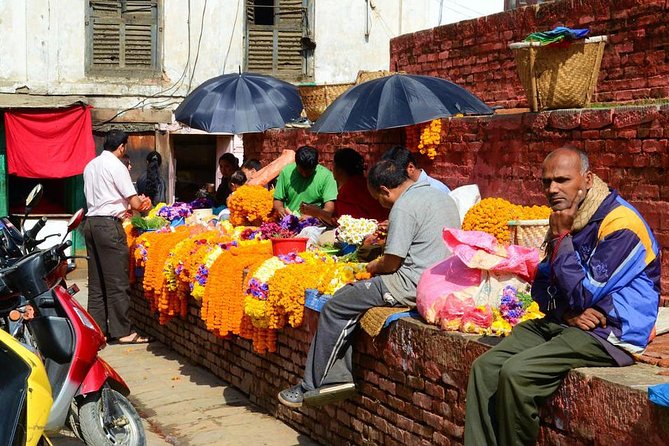
Your nose leads the way in Kathmandu. This walking tour focuses on the Asan markets, where you’ll spot everything from spices and produce to everyday foods, plus you’ll hear the stories behind what locals buy. It’s a smart way to get your bearings between Durbar Square and Thamel without feeling like you’re wandering randomly.
Two things I really like: you spend most of your time in the market lanes themselves, not just at a couple of photo stops, and your guide explains what you’re seeing in a way that actually helps you understand the city. I also like that it’s a small group experience, up to 10 people, so you can ask questions and not get lost in the noise.
One consideration: the market streets can be crowded and the smells are part of the point. If you’re sensitive to strong food and spice aromas, go in with a plan, like taking breaks and keeping an eye on where you step in busy lanes.
In This Review
- Key Things to Know Before You Go
- Start With Asan, Not Just Durbar Square Photos
- Walking Route and Timing, a Manageable 2.5 Hours
- Asan Market Stop: Spices, Produce, and Everyday Food
- Beyond Asan: Indrachowk and the Nearby Local Spots
- What Your Guide Adds, From Rajendra to Sunil
- Price and Value: Is $28 a Fair Deal?
- Things to Expect in the Lanes: Crowds, Smells, and Real Commerce
- Who Should Book This Tour, and Who Might Skip It
- Tips to Make It Easier, So You Enjoy More
- Should You Book This Kathmandu Walking Tour?
- FAQ
- What areas does the tour visit?
- How long is the walking day tour?
- What time does the tour start?
- Is hotel pickup available?
- What is included in the price?
- What if the weather is bad?
Key Things to Know Before You Go
- Asan is the main stage: you’ll spend the majority of the walk in the Old Kathmandu market area.
- You’ll link the dots between Durbar Square and Thamel as you work through nearby local spots.
- More than shopping lists: your guide points out ingredients and tells stories so you get context.
- Small group size (max 10) makes it easier to follow the route through narrow streets.
- Guides really matter: I’ve seen examples of guides like Rajendra (German-speaking) and Sunil (old-street expert) earn top marks.
- Plan for your own costs: food, drinks, shopping, and gratuities are not included.
Other one shot sweeps of the Valley

Start With Asan, Not Just Durbar Square Photos
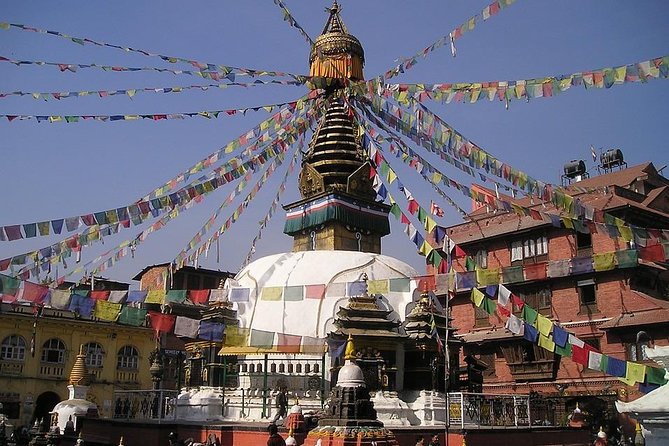
Kathmandu can feel like a big swirl of sights. This tour helps you focus that swirl into something you can actually understand. You’re walking in the old part of town, specifically around Asan, which sits in the area between Durbar Square and Thamel. That location matters because it puts you close to where visitors go, but it also pushes you into streets locals use.
What makes Asan a great starting point is simple: it’s practical. You’ll see the ingredients that show up in daily cooking and markets, not just monuments. The tour is built around the idea that if you learn how people shop here, you learn a lot about how they live.
And yes, the smells are real. Spices, fresh produce, and food stalls are part of the experience, not something you’re meant to avoid. If you want Kathmandu as a real place with real commerce, you’re in the right neighborhood.
Walking Route and Timing, a Manageable 2.5 Hours
This is a 2 hours 30 minutes walking day tour, with a start time of 2:45 pm. That late afternoon timing can work well because you get daylight for seeing the market activity and you’re not starting in the coldest part of the day.
The group is kept small, with a maximum of 10 travelers. For a walking tour through narrow lanes, that’s the difference between feeling guided and feeling like you’re trying to keep up with a crowd. You also get a mobile ticket, which makes it easy to show up without extra paperwork.
Pickup is optional, meaning you might be able to start from your hotel if you arrange it in advance. If you do not have pickup, you’ll meet at Karmachari Sanchaya Kosh Building, Tridevi Sadak, Kathmandu 44600. At the end, you return to the same meeting point.
Practical advice: wear comfortable shoes you trust. The route includes alleys and market lanes, so you’ll want grip and support. Also, since it’s a walking tour, bring patience for foot traffic, because this is everyday shopping space, not a staged walkway.
Asan Market Stop: Spices, Produce, and Everyday Food
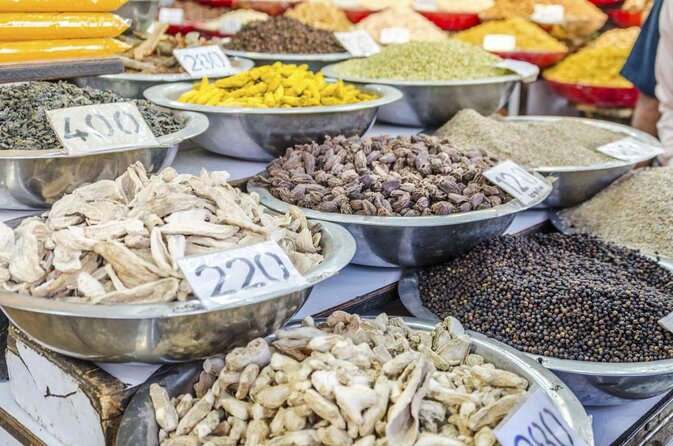
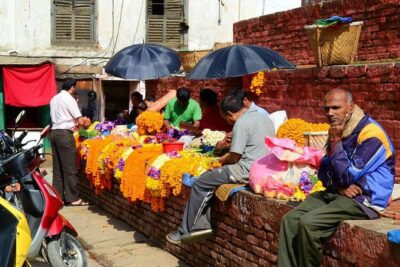
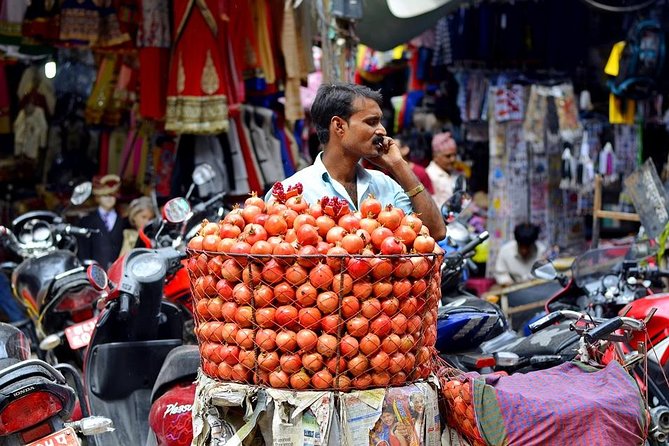
Asan is the big centerpiece. Expect to walk through a market where you’ll find what you’d typically need if you were doing real shopping as a local. The tour highlights the range: spices, fruit and vegetables, fish, meat, grains, and pulses.
This is where your guide earns their keep. The best part is not just seeing items. It’s understanding what they are and why they show up together in the market environment. Your guide points out local ingredients and shares stories along the way. That turns a colorful walk into something you can remember and apply later, like when you try Nepalese food and suddenly recognize what you’re tasting.
What’s also useful for planning: the tour is structured so you get lots of time in Asan, rather than scattering short glimpses around town. If you’ve ever done a city tour where you only catch the surface, this one is designed to make the market itself the lesson.
Possible drawback: the market lanes can feel intense. Even if you love food markets, you should expect tight walking spaces and busy stalls. If you like to take photos constantly, you may need to slow down and step aside to let people pass.
Beyond Asan: Indrachowk and the Nearby Local Spots
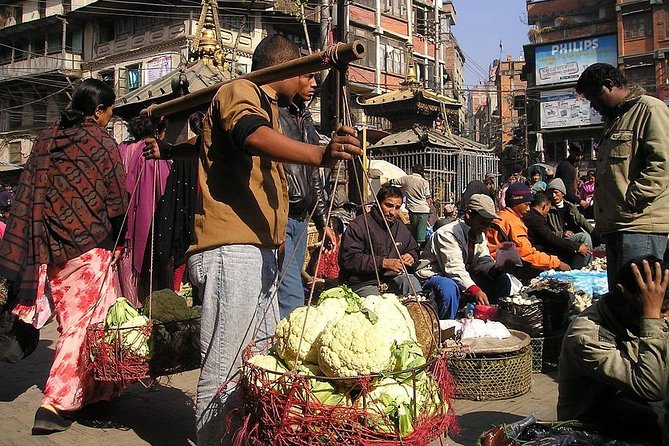
After Asan, the walk continues through nearby stops that help you understand how this part of Kathmandu connects. Indrachowk is one of the stops, and it’s a key crossroads that helps you move between larger areas and smaller lanes.
You’ll also pass by or visit spots like the bead bazaar and areas listed on the route such as Bangemudha and Nardevi. Even without memorizing every neighborhood name, those stops matter because they show you Kathmandu is not one single scene. It’s many small economies operating side by side.
Indrachowk works well as a contrast point. Markets often have one rhythm, then suddenly you hit an area where daily movement mixes with trading and foot traffic. That shift helps your brain map the city faster than if you just stayed in one single market lane.
And the bead bazaar is a nice change of pace. Your guide’s route includes it for a reason: it shows you the craft and specialty side of local commerce, not only food. If you like watching how different kinds of shops operate, you’ll appreciate seeing how buying habits change as you switch from food stalls to specialty goods.
Keep walking: more Kathmandu routes

What Your Guide Adds, From Rajendra to Sunil
A walking tour lives or dies on the guide. This one consistently earns praise for that reason. I’ve seen examples of guides who clearly tailor the walk to the group.
One standout example is Rajendra, who was praised for speaking perfect German and explaining everything during the walk. That matters if you’re not traveling with English as your native language. It also suggests the guide isn’t simply repeating a script, they’re making sure the information lands.
Another example is Sunil, described as taking people into narrow streets and alleys of old Kathmandu, the kind of place you can walk right past if you don’t have local direction. One of the strongest messages from the feedback is that Sunil makes you feel confident you’re seeing daily life, not just tourist scenery.
How does this show up on the ground? You’ll get stories along the way, plus help identifying what you’re seeing. That can include the ingredients in the market and how traders and shoppers interact. In one case, a guide even took a group to a local place for tea, which was described as delicious. Since the tour itself does not include food or drinks, treat that as a suggestion or optional stop you may be offered, not a guarantee.
If you want to make the guide’s knowledge useful, come prepared with simple questions:
- What are the common ingredients people buy here most often?
- How do locals think about spices versus fresh produce?
- What should I watch for if I want to understand the market quickly?
Price and Value: Is $28 a Fair Deal?
At $28 per person, this tour sits in an affordable category for Kathmandu walking experiences that include an in-person guide. The price works best if you care about more than photos.
Here’s what you do get:
- An in-person guide with expert information
- Time focused in the Asan market area, which is the core value
- An admission ticket included (the tour lists a ticket as included, so you’re not paying extra for that part)
- A small group experience (max 10)
What you do not get:
- Food and drinks
- Shopping
- Gratuities
So the value comes down to how much you’ll use the guide. If you want help understanding ingredients, learning how people shop, and navigating without getting overwhelmed, $28 can feel like a bargain. If you only want a quick stroll with minimal explanation, you might feel like you could do a self-guided walk for less. But in that case, you’d still need the confidence to navigate these lanes without losing time.
My practical approach: treat this as a paid orientation. You’re paying for someone to point out what matters and explain the why, not just to lead you from point A to point B.
Things to Expect in the Lanes: Crowds, Smells, and Real Commerce
This tour is about everyday market life, and that comes with practical realities. You’ll move through busy lanes, with pedestrians and scooters sharing the same space. The alley feel is real, and you may squeeze past stalls or people stopped at a vendor.
The smells are part of the deal. Spices, fresh ingredients, fish or meat stalls, and cooking aromas can mix together quickly. If you’re prone to getting overwhelmed, you’ll want to go with a calm mindset, not a plan to avoid all aromas.
A good guide helps with this. The route and pacing are chosen so you can keep moving and still take in what’s around you. If you stop too long, the market flow can swallow you, so listen when your guide asks you to keep close or move forward. In dense markets, following the group is about comfort and safety.
Also, remember this is a walking tour. Even though it’s only about 2.5 hours, you’re on your feet through market lanes. Comfortable shoes matter more than you think.
Who Should Book This Tour, and Who Might Skip It
This tour is a strong fit if you:
- Want to understand Kathmandu through how locals shop, not just landmarks
- Like food markets and ingredient-focused travel
- Prefer small groups where you can ask questions
- Are traveling with limited time and want a high-impact walking plan around Asan and nearby spots
It may be less ideal if you:
- Dislike crowded spaces or strong smells
- Want only major sights and a fast photo itinerary
- Struggle with walking through narrow city lanes
If your goal is to get confident in the neighborhoods around Durbar Square and Thamel, this tour gives you a route and context. You’ll leave with mental map lines, and that helps a lot on the rest of your trip.
Tips to Make It Easier, So You Enjoy More
A few small choices can make the experience smoother:
- Wear comfortable, grippy shoes for market lanes and uneven ground.
- Bring a little cash if you want to buy snacks, tea, or small items. Food and drinks are not included.
- Ask your guide what each stall is selling, even if you think you already know. The guide’s ingredient stories are the point.
- If you’re planning to shop, decide what you’re willing to carry. Market shopping can happen fast, and bags get heavy.
- Go with good weather in mind. The tour notes that it requires good weather, and if it’s canceled due to poor weather you’ll be offered another date or a full refund.
Should You Book This Kathmandu Walking Tour?
I think you should book this if you want Kathmandu that feels real, with markets as your main teacher. For $28, you get a focused walk through Asan, a guided explanation of what people are buying, and extra stops like Indrachowk and the bead bazaar that add variety to the day.
Skip it if crowds and strong food smells tend to wreck your day, or if you’re looking only for monuments and big-ticket sights. But if you’re curious about daily life, you’ll come away with a better sense of the city, plus the kind of ingredient knowledge that makes local food more fun to order later.
FAQ
What areas does the tour visit?
You’ll focus on Asan, including the Old Kathmandu area around Asan, Indrachowk, and the beads bazaar, plus other nearby spots such as Bangemudha and Nardevi.
How long is the walking day tour?
The tour lasts about 2 hours 30 minutes.
What time does the tour start?
The start time is 2:45 pm.
Is hotel pickup available?
Yes, hotel pick up can be arranged.
What is included in the price?
The tour includes an in-person guide with expert information and an admission ticket. A mobile ticket is also provided.
What if the weather is bad?
This experience requires good weather. If it’s canceled due to poor weather, you’ll be offered a different date or a full refund.
Everything Bookable Around Kathmandu

The Rest of Our Kathmandu Write Ups


One More Valley Day
Everything else we have reviewed around Kathmandu
- 12 Days Everest Base Camp Trekking
★ 5.0 · 3 reviews - 1 Night 2 Days Chitwan Jungle Safari Tour from Pokhara or Kathmandu
★ 3.0 · 3 reviews - Thamel Rickshaw tour
★ 4.7 · 3 reviews - Kathmandu: Momo Making Class with a Local Chef
★ 5.0 · 3 reviews - Kathmandu: Full-Day Yoga, Body Massage and Pedicure Package
★ 5.0 · 3 reviews - From Kathmandu / Pokhara / Chitwan: River Rafting – 1 Day
★ 4.6 · 3 reviews
Kathmandu City Tours & Sightseeing worth a second look.
 ★ 5.0Kathmandu Private Sightseeing Tour | UNESCO World Heritage SitesFrom $35109 reviews
 ★ 5.0Private tour of Major highlights of Kathmandu top rated placesFrom $4492 reviews
 ★ 5.0Kathmandu Heritage Tour (Full Day)From $3863 reviews
 ★ 5.0Kathmandu Full Day TourFrom $7054 reviews
 ★ 5.0Life and spirituality tour of KathmanduFrom $5554 reviews
 ★ 5.0Kathmandu Highlights: Private UNESCO World Heritage Sites TourFrom $4950 reviews
 ★ 5.0Full Day Private Tour of Kathmandu – UNESCO World Heritage SitesFrom $3542 reviews
 ★ 5.0Kathmandu Valley City Day TourFrom $6040 reviews
Lists this tour sits in