
REVIEW · NEPALI FOOD & MARKET TOURS
Kathmandu Food Crawl & Market Tour
Follow the smells, and Kathmandu feeds you fast. This Kathmandu Food Crawl & Market Tour is a short, well-paced walk that mixes local market sights with real street snacks, all guided in English. I love the minimum of 5 tastings with drinks, and I love that your guide ties what you eat to everyday Kathmandu life.
One thing to consider: two hours is enough for a fun food hit, but it is not enough for a full dinner. Plan on using the tour as your foundation, then add a meal later based on what you liked most.
In This Review
- Key highlights if you want the good stuff
- A focused Kathmandu street food walk, not a marathon
- Thamel start point: quick way to get your bearings
- Ason Bazar and the market alleys: sights you can’t “app” your way to
- What you taste: momo, chatamari, and the street-food “mix”
- Your guide is the secret ingredient: Santosh, Namaste, Manoj
- Price and value: $25 for guided tastings and local access
- Timing and what to expect in a 2-hour crawl
- How to get the most out of the walk
- Should you book the Kathmandu Food Crawl & Market Tour?
Key highlights if you want the good stuff
- Thamel meet-up, old-market focus: you start at Chhaya Devi Complex in Thamel, then head toward the historic Ason Bazar area
- Minimum 5 items, plus drinks: the tastings are built into the price, not an optional extra
- Street food mix, not one-note snacking: expect flavors shaped by Nepali, Tibetan, and Indian influences
- Local sights while you eat: you pass temples, stupas, and everyday market scenes along the way
- Small max group size: the tour caps at 20, which helps keep the pace friendly
- English-speaking guides with strong local knowledge: guides like Santosh, Namaste, and Manoj are praised for making the walk fun and informative
Other bazaar crawls and tasting walks


A focused Kathmandu street food walk, not a marathon
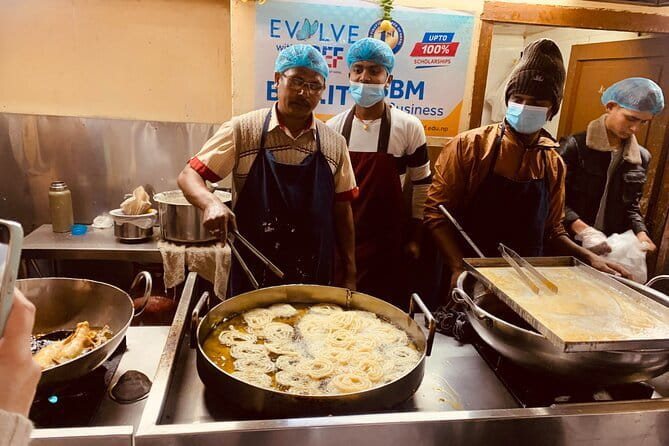
Kathmandu street food is one of those travel experiences that instantly makes the city feel understandable. You watch how people order, how vendors prepare, and how locals eat with zero fuss. This tour is designed for exactly that, in a time window that works even if you are jet-lagged.
The structure helps. You are not bouncing around all day. You meet in Thamel, walk through a historic market area, and stop for tastings along the way. At $25 for about two hours, the value is less about fancy restaurants and more about getting smart access: you get an English-speaking guide, you get food and drinks included, and you get guided time in places that are easier to navigate with someone local.
The biggest “this matters for you” detail is the food count. You are guaranteed a minimum of 5 items with drinks, which turns the tour into a real tasting session rather than a casual stroll where the best bites depend on luck.
Thamel start point: quick way to get your bearings
You begin at the Chhaya Devi Complex, Amrit Marg, at the meeting point in Thamel. The tour’s start here is practical for two reasons. First, Thamel is usually where most visitors end up first, so meeting is simple. Second, beginning at a clear tour hub means you spend less mental energy finding the first stop, and more energy paying attention to what you are about to eat.
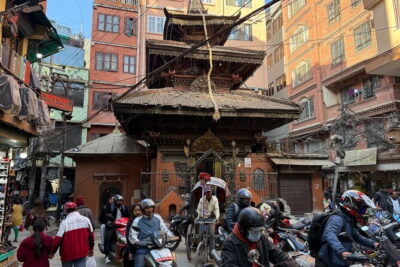
From there, the walk aims toward one of Kathmandu’s older market zones, Ason Bazar. That’s where the experience becomes more than snack collecting. Markets are social spaces. You see how people shop, how goods move through tight alleys, and how food fits into daily routines.
If you have never tried Nepalese street food, starting with a guide-led route is a big win. You are less likely to wander into the wrong place at the wrong time, and you can ask why something is popular, why it tastes the way it does, and what to try next.
Ason Bazar and the market alleys: sights you can’t “app” your way to
As you head toward Ason Bazar, your route runs through older, more local-feeling areas of the city. Along the way, you will also see the kind of landmarks that shape Kathmandu’s visual identity, including temples and stupas. These are not just background photos. When you notice religious and market spaces sitting side-by-side, Kathmandu makes more sense fast.
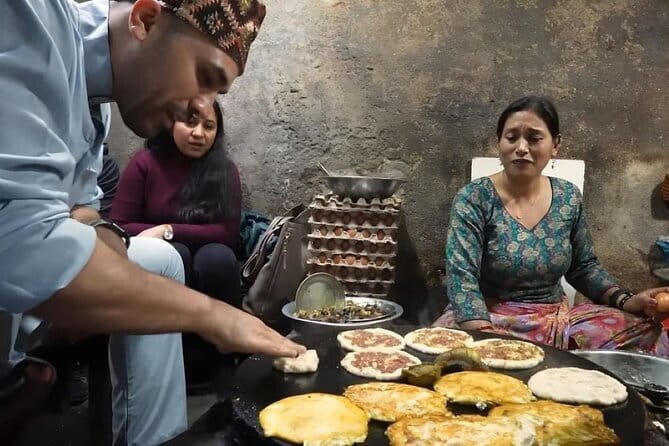
The best part of this market segment is how it blends food with context. You are not just eating. You are walking. You are watching the flow of people. You are learning what goods show up where and what kinds of snacks get sold right on the street.
A small caution: market walking can be tight. Expect narrow lanes and a lot of foot traffic. If you dislike crowds or need lots of personal space, you might feel the density during peak market moments. I suggest wearing comfortable shoes and keeping your pace steady, since the tour is built as a guided walk with stops.
What you taste: momo, chatamari, and the street-food “mix”
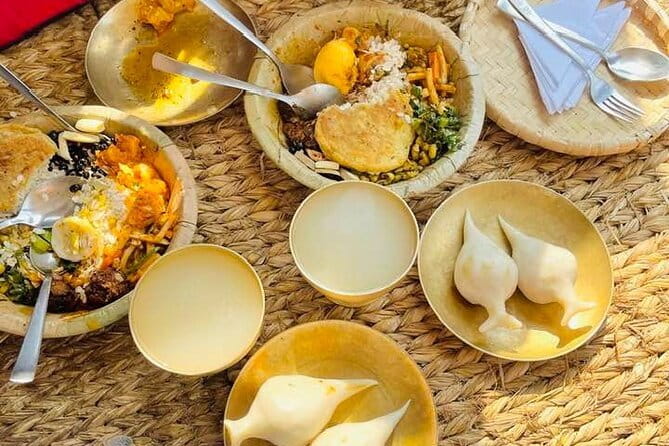
This crawl is built around Kathmandu’s street food culture and its blend of influences. The city’s food scene often pulls from Nepali, Tibetan, and Indian flavors, so the tasting list tends to feel varied even when everything is street-level and affordable.
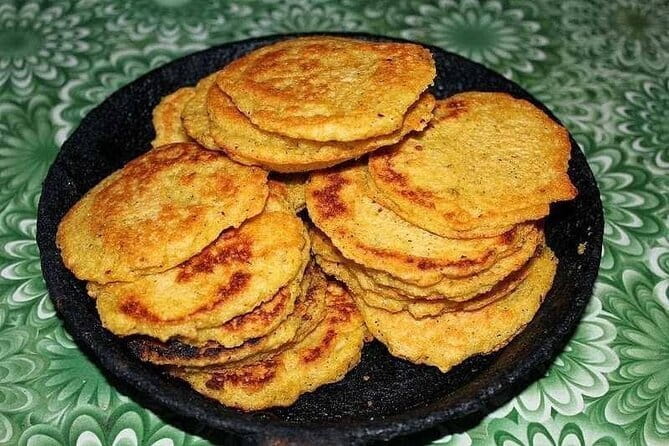
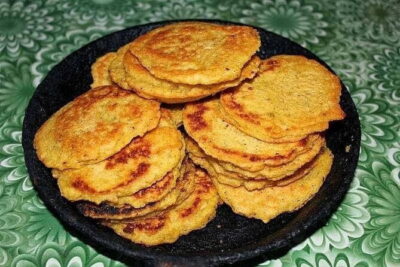
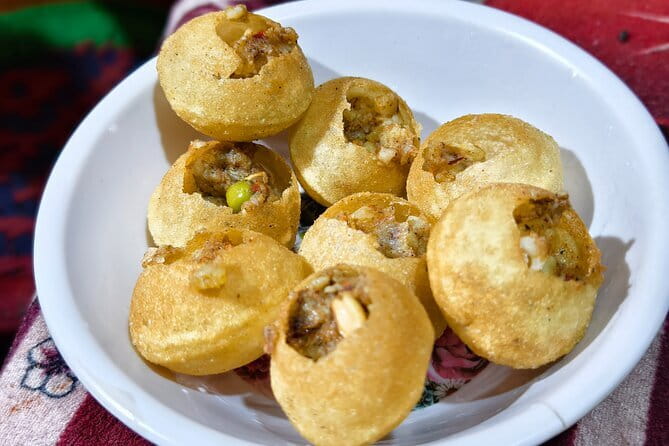
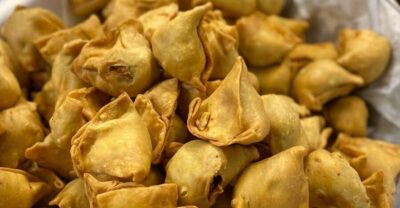
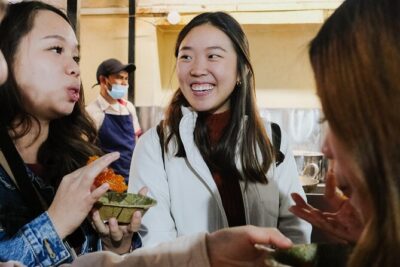
From the information provided, you should expect to see staples like momo dumplings and chatamari (often described as a Newari-style pizza). Those two alone give you a good snapshot of the city’s range: dumplings bring comforting spice and texture, while chatamari delivers a different kind of chew and savory base.
Based on the dish examples mentioned in the tour experience, you might also try items like:
- Chatamari
- Papadi chaat
- Panipuri
- Lalmohan
- Laphing (spelled as laphing in the details shared)
- Plus plenty of other local snacks and drinks that keep the minimum 5 items promise on track
Here is why that matters for your taste buds. If you only try one style of food, you miss how Kathmandu changes from savory to sweet and back again. The tour is set up so you get at least a small sequence, not just isolated bites. That means when you later pick where to eat on your own, you have a better idea of what you actually enjoy.
Also, you get drinks included with the tastings. Food crawls often fail when drinks are extra. Here, drinks are part of the deal, which makes the stops feel complete rather than interrupted.
Other Kathmandu tables and tea stops
Your guide is the secret ingredient: Santosh, Namaste, Manoj
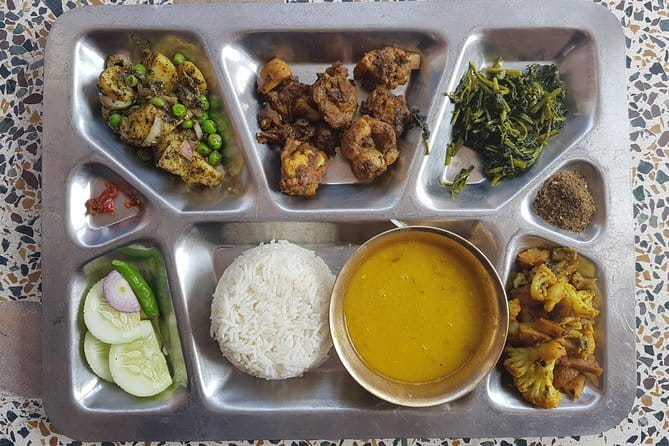
The tour leans heavily on your guide, and the feedback you have here is consistent: people praise the guides for being friendly, local, and good at explaining food and culture without turning it into a lecture.
You may have different guides depending on the group, but names that show up in the experience notes include Santosh, Namaste, and Manoj. The common thread is how they connect the walk to more than food. One guide is singled out for talking about local history, politics, and culture along with the snacks. Another is praised for helping people navigate new foods and for choosing places a tourist usually would not find alone.
So what does this mean for you? It means you get two benefits at once:
1) You taste more confidently, because you understand what you are ordering.
2) You leave with a mental map of the city, not just a list of dishes.
With a maximum of 20 travelers, you also have a better shot at interaction. Smaller groups usually make it easier to ask questions, keep dietary concerns in mind, and stay on the same pace without the whole tour feeling rushed.
Price and value: $25 for guided tastings and local access
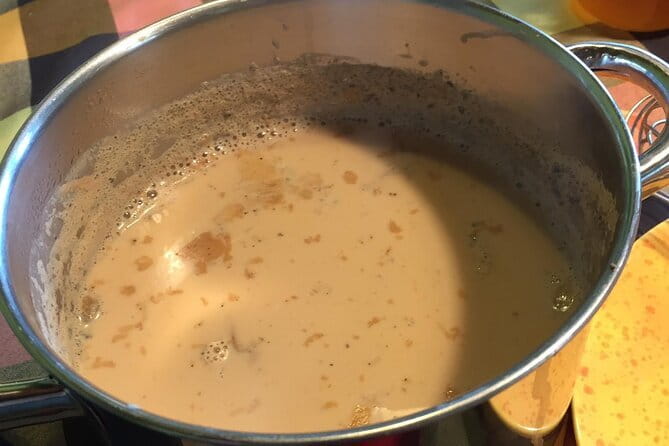
Let’s talk value in plain terms. Two hours can disappear fast in a city where you end up paying for one meal and still feel like you missed half the good stuff. Here, you are paying $25, and the price includes:
- An experienced, helpful, friendly English-speaking tour guide
- All foods and beverages (minimum 5 items with drinks)
- All government taxes and official expenses
That last part matters. Some “cheap” tours quietly add fees. This one keeps the core experience covered.
What you do not get included is also clear: tips for the guide and any personal expenses. That means you can budget realistically, and you can choose how much extra spending you want to do later.
The real value is the combination. If you tried to build this yourself, you would need to research where to go, handle language uncertainty, and figure out what to order. On this tour, you skip the guesswork. You also get a structured walk, so your time in the city feels efficient, not chaotic.
Timing and what to expect in a 2-hour crawl
This tour lasts about 2 hours. That is a sweet spot for most schedules. It works well as:
- A first activity in Kathmandu, so you start understanding the city through food
- A way to fill the evening after an arrival day
- A low-commitment option if you are doing other sightseeing later
You should also expect the pacing to be stop-and-go. You meet at Chhaya Devi Complex, then the tour moves through market areas with several food stops where you try multiple dishes and drinks. Since you only have two hours, each stop is likely designed to be quick, so you can keep moving and still taste enough to feel satisfied.
If you are sensitive to spice or have a strong preference for mild flavors, I recommend telling your guide early. The tour does not list a specific dietary accommodation policy in the details provided, so the safest move is to speak up before the first tasting.
How to get the most out of the walk
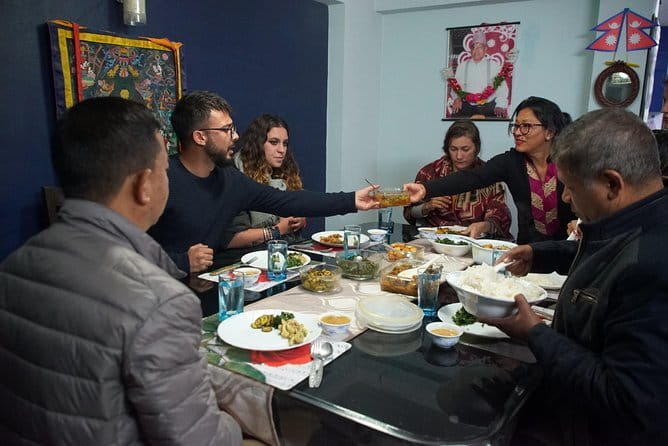
A food tour is part eating, part street-level observation. Here are practical ways to make it enjoyable.
Wear the right shoes. A market walk is rarely a clean, wide sidewalk situation. Comfort beats style here.
Go in with curiosity. Kathmandu street snacks are not always what you expect from “street food” at home. Even when dishes sound familiar, the spices, textures, and sauces can be different.
Take your time with tastings. The tour gives you a minimum number of items, so it is easy to rush through and regret not paying attention. Taste slowly enough that you can notice what you like, and later you can order it again on your own.
Ask one good question per stop. Guides like Santosh, Namaste, and Manoj are praised for their explanations, so use that. Ask what makes a dish special, or where the flavor comes from.
Should you book the Kathmandu Food Crawl & Market Tour?
I think this is a solid choice if you want an easy, guided way into Kathmandu’s street food scene. It is especially good for first-timers, because you get a local route through Thamel to Ason Bazar, you taste at least five foods with drinks, and you get an English-speaking guide who can translate the experience into something you can repeat later.
Skip it or adjust your expectations if you want a slow, sit-down meal or a deep, day-long gastronomic itinerary. This tour is short by design. You will leave with enough tastings to steer your future food choices, not with a full belly for the entire evening.
If you are deciding between doing nothing and doing this, do this. It is a practical way to turn Kathmandu’s markets from a blur into something you understand by eating your way through it.
Everything Bookable Around Kathmandu

The Rest of Our Kathmandu Write Ups
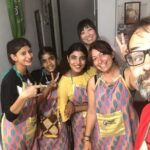

Eating Through the Bazaar
Everything else we have reviewed around Kathmandu
- 12 Days Everest Base Camp Trekking
★ 5.0 · 3 reviews - 1 Night 2 Days Chitwan Jungle Safari Tour from Pokhara or Kathmandu
★ 3.0 · 3 reviews - Thamel Rickshaw tour
★ 4.7 · 3 reviews - Kathmandu: Momo Making Class with a Local Chef
★ 5.0 · 3 reviews - Kathmandu: Full-Day Yoga, Body Massage and Pedicure Package
★ 5.0 · 3 reviews - From Kathmandu / Pokhara / Chitwan: River Rafting – 1 Day
★ 4.6 · 3 reviews
Nepali Food & Market Tours worth a second look.
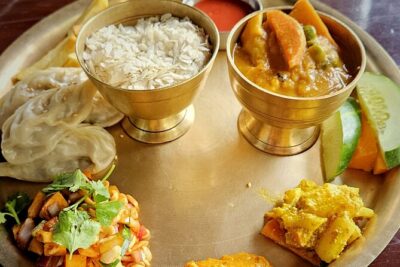 ★ 5.0Kathmandu Food and Drink Walking TourFrom $36266 reviews
★ 4.9Food and Drink Walking TourFrom $28119 reviews
★ 5.0Kathmandu Food and Drink Walking TourFrom $36266 reviews
★ 4.9Food and Drink Walking TourFrom $28119 reviews
 ★ 5.0Walking Street Food Tour in KathmanduFrom $48111 reviews
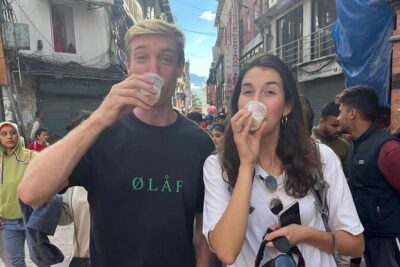 ★ 5.0Secret Food Tour – Food Bites and Sights Kathmandu 14+ TestingsFrom $3582 reviews
 ★ 4.7Kathmandu Secret Food Crawl & Local Market TourFrom $2854 reviews
 ★ 5.0Kathmandu Food & Drink and Shopping Rickshaw TourFrom $2548 reviews
 ★ 5.0Walking Food Tour in Hidden Local Eateries of KathmanduFrom $3640 reviews
 ★ 5.0Best Nepali Cooking Class in Thamel with Local Market TripFrom $3026 reviews
Lists this tour sits in