
REVIEW · NEPALI FOOD & MARKET TOURS
Kathmandu Food and Drink Walking Tour
One afternoon of street food teaches you Kathmandu fast. This 3-hour walking food tour threads together Thamel, Asan Bazaar energy, and deeper local neighborhoods like Jyatha and Chhetrapati, all guided by Deepak, so you eat well and learn along the way. You also stay on a route built for taste, not just sightseeing.
I love that the price includes real meals and drinks for the whole afternoon, not a token bite. I also love the emphasis on quality over quantity, with each stop planned to be worth your time, even when the streets look chaotic.
The trade-off is walking. Lanes can be tight and there may be steps, so if mobility is limited, you should think carefully before booking.
In This Review
- Key highlights worth prioritizing
- Kathmandu Food and Drink Walking Tour: what it feels like on the ground
- Price and value: how $36.21 adds up when you get full meals
- Getting started in Kathmandu: meeting point and how to plan your timing
- The 3-hour route: Thamel, Asan, Jyatha, and Chhetrapati
- Thamel (about 1 hour): the starting point for street food confidence
- Asan (about 30 minutes): market energy and spice culture
- Jyatha (about 30 minutes): local food scene in a smaller slice of the city
- Chhetrapati (about 1 hour): historic alleyways with modern everyday eating
- What you’ll eat and drink, and how the guide turns it into learning
- Street food safety in chaotic streets: why this tour matters beyond flavor
- Pacing, walking comfort, and who this tour fits best
- Timing ideas: pick a tour day and plan your stomach
- Should you book this Kathmandu food tour?
Key highlights worth prioritizing
- Four neighborhood areas in about three hours: Thamel, Asan, Jyatha, and Chhetrapati, with time to eat, walk, and ask questions.
- You get fed all afternoon with coffee or tea, brunch, lunch, dinner, snacks, and bottled water.
- Deepak’s food stories connect to Nepal beyond the menu, including how dishes fit different regions.
- Street food feels safer on this route, since the guide steers you toward dependable spots rather than random stalls.
- Vegetarian options are planned in, so you are not stuck taking guesses.
- You may get extra help after the tour, like photos and a list of what you tasted.
Other bazaar crawls and tasting walks


Kathmandu Food and Drink Walking Tour: what it feels like on the ground
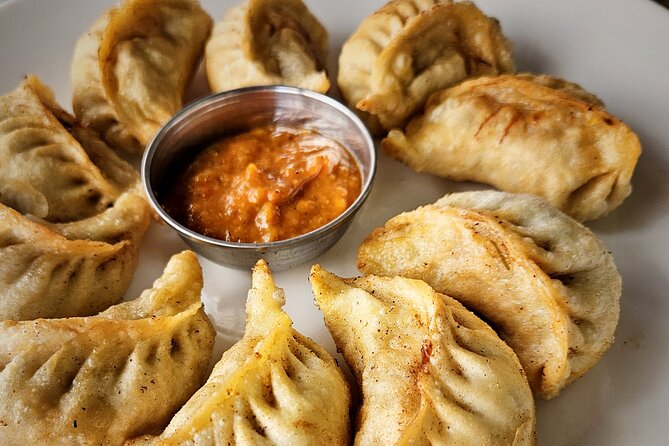
Kathmandu can feel loud, crowded, and a little confusing when you first arrive. That is exactly why a food tour like this one works. You’re not just eating, you’re using food as your map, because the guide explains what you’re looking at and why it matters.
Deepak’s style comes through in the way the tour is paced. Groups say they never felt rushed, and that the walking rhythm matches the group. That matters in Kathmandu, where you can lose time just figuring out where to stand, when to cross, and which alley leads where.
At the same time, this is not a fancy, slow, sit-everywhere tour. It is practical. You’ll be on foot for hours, moving through real streets, and stopping at places where locals actually go to eat.
Price and value: how $36.21 adds up when you get full meals
At $36.21 per person, the headline price is tempting. The better way to think about value is what you actually receive.
This tour includes:
- Coffee and/or tea
- Brunch
- Lunch
- Dinner
- Snacks
- Bottled water
That is a lot of food coverage for one ticket. It also reduces the usual travel math. Instead of paying for meals one by one, you’re paying once and letting the tour handle the lineup. For a short stay, that is a big deal because one good “food afternoon” can replace multiple “I guess we’ll eat later” meals.
There is also a quality angle. The tour focuses on quality over quantity, meaning you should not feel like you are eating random low-stakes items just to hit a number. Multiple reviews mention the portion size and the end result: you come hungry, and you leave stuffed.
One more value detail: admission tickets are listed as free for the stops. So you are not paying separate entry fees while you are still paying for food.
Getting started in Kathmandu: meeting point and how to plan your timing
You meet at Kaiser Library on Kanti Path (listed as Kaiser Library P878+H4G). The tour ends back at the meeting point, so you don’t need a second navigation puzzle after you finish eating.
A couple practical notes help you avoid stress:
- You get a mobile ticket, so keep your phone handy and charged.
- Service animals are allowed.
- It’s near public transportation, which is useful when you want an easy jump back to your hotel.
Pickup is listed as offered, but private transportation pickup and drop-off are listed as not included. So if you need pickup, I suggest you confirm exactly what you will get for your departure time, rather than assuming it is automatic.
Finally, the tour requires good weather. If conditions are bad, you’ll be offered a different date or a full refund. That means you should pick a time that is not your last day in Kathmandu.
The 3-hour route: Thamel, Asan, Jyatha, and Chhetrapati
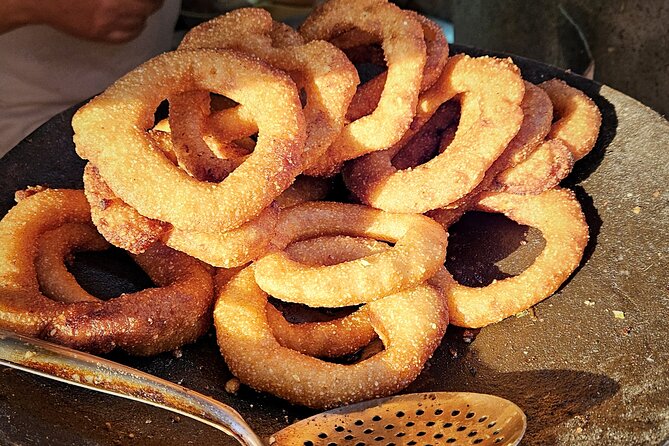
The itinerary is built around four neighborhood stops, with walking between them. Each one gives you a different “lens” on Nepalese food and daily life.
Keep walking: more Kathmandu routes
Thamel (about 1 hour): the starting point for street food confidence
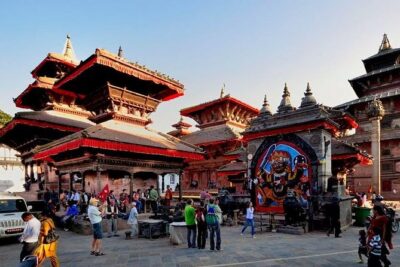
Thamel is the tour’s first base, and it makes sense. It is a place where visitors and locals overlap, so you can find a rhythm quickly. The tour starts here because it sets expectations: you get your first tastes, you learn how the guide orders, and you start understanding what the menus are really talking about.
You’ll likely notice the contrast between tourist-friendly food and everyday Kathmandu food right away. That is useful, because later on the route you’ll be comparing what you see, not just consuming it.
A drawback with a start like this: if you dislike crowds, Thamel may feel intense. But the upside is that it’s a fast way to orient yourself, especially on your first afternoon.
Asan (about 30 minutes): market energy and spice culture
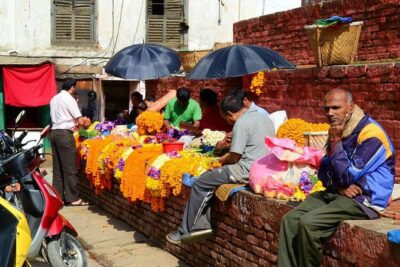
Asan is where the tour leans into market culture. The overview specifically calls out aromatic spices at Asan Bazaar, and that is a big part of why this stop works.
Markets are where food is more than flavor. You see the ingredients, you learn what people look for, and you get context for why certain dishes show up repeatedly. Even if you do not buy anything, the sensory input is the education.
Since this stop is shorter, you should expect it to move quickly. Ask questions early, because the best way to get value is to learn how to recognize flavors you want later.
Jyatha (about 30 minutes): local food scene in a smaller slice of the city
Jyatha is included as a bridge between the more visitor-heavy areas and the historic feel deeper into Kathmandu. The description focuses on walking through busy streets and experiencing the local food scene, with the guide steering you to the right places.
This stop is likely where you start noticing consistency in the guide’s approach: safer selection for street food, clear explanations, and pacing that keeps everyone fed without turning it into a marathon.
If you enjoy chatting while you eat, this is the kind of stop where that happens naturally. Multiple reviews highlight that the guide mixes food with Nepalese culture and practical context, not just a running list of dishes.
Chhetrapati (about 1 hour): historic alleyways with modern everyday eating
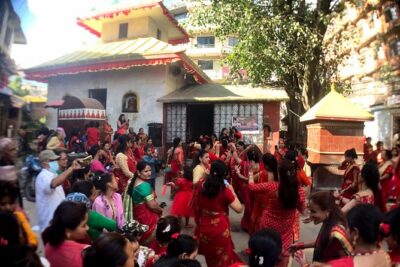
Chhetrapati is described as a historic neighborhood with centuries-old traditions alongside modern life. That blend matters for food because Nepalese cuisine is tied to daily routines, religious calendars, and regional identity.
This stop is your longer final neighborhood stretch. It’s also where you tend to get the feeling that Kathmandu is not one food style, it’s many. If you have only eaten a few things in Kathmandu so far, this part often helps you widen your mental map of what Nepalese food can be.
One consideration here: older streets mean stairs and narrow lanes can show up. If you have mobility limits, this is one of the places you should think about most.
What you’ll eat and drink, and how the guide turns it into learning
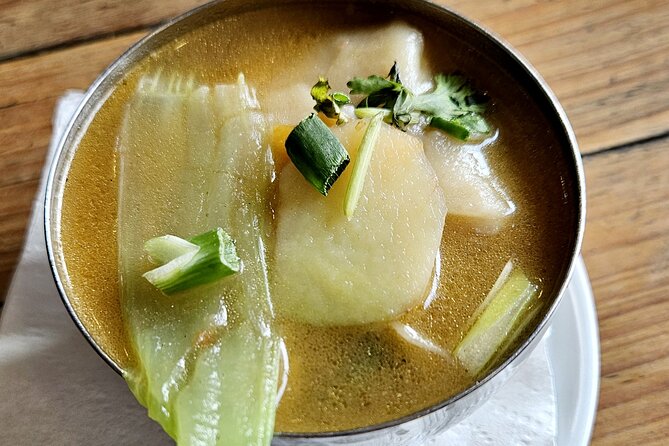
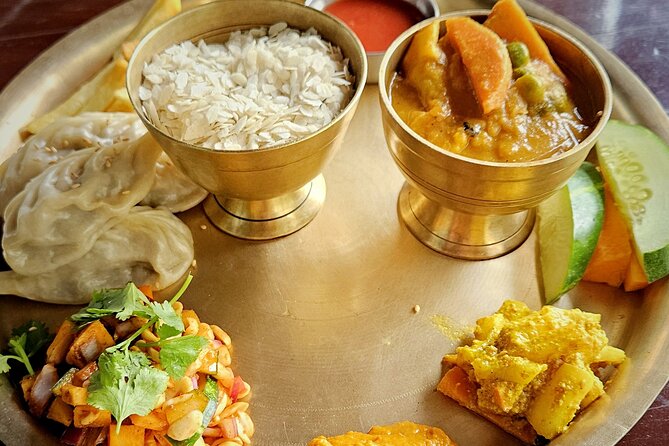
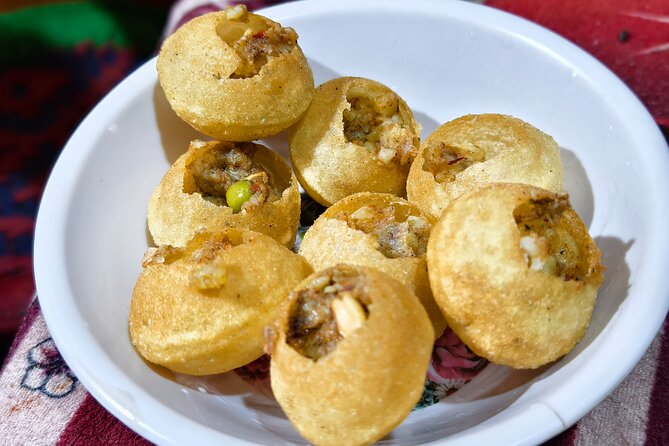
This tour is built around more than one dish category. You should expect a mix of drinks and Nepalese comfort foods, plus some items that you might not pick on your own.
From the information provided, you can plan around these included items:
- Coffee or tea
- Snacks plus major meal stops (brunch, lunch, dinner)
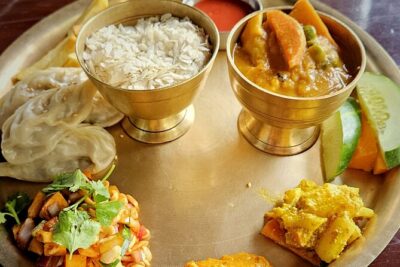
From the dish examples mentioned in the tour experience, common highlights include:
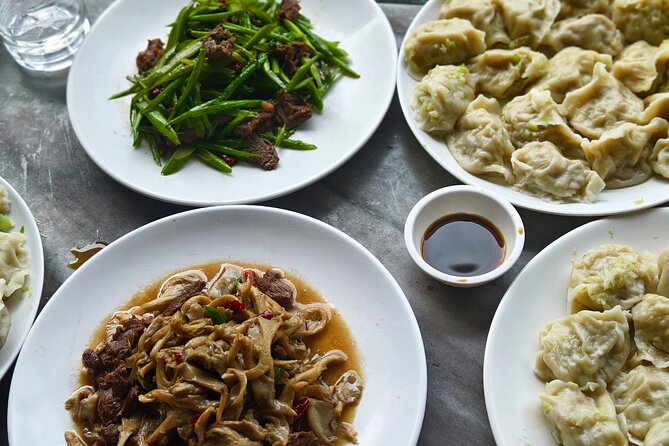
- momo
- lassi
- sugar cane drink
- tea with spices (like Marsala tea)
- noodle soup
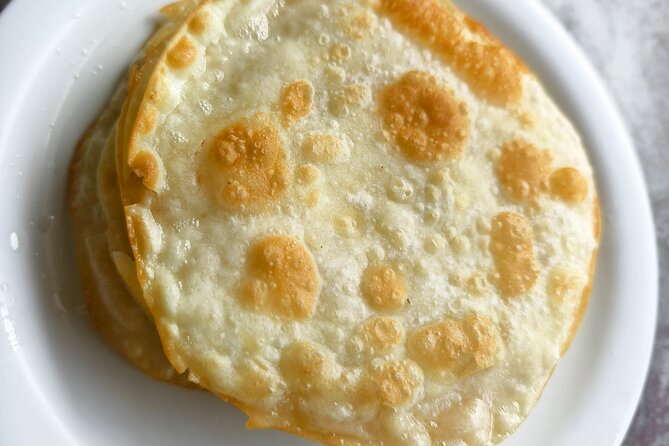
- a pancake-style item
- a dessert at the end
Vegetarians are not left out. Vegetarian options are stated as available at all places, which is exactly what you want to hear for a street-and-food tour.
Here’s the smarter takeaway: the guide doesn’t just hand you food. Deepak provides context, including how foods relate to Nepal’s different regions. That makes the tastings stick in your memory. After the tour, you can order with intention instead of ordering randomly because it looks good.
Also, a practical bonus some groups report: after the tour, the guide sends photos and a list of dishes with descriptions. That’s handy when you want to repeat a favorite later in Kathmandu.
Street food safety in chaotic streets: why this tour matters beyond flavor
Kathmandu streets can be chaotic. That is part of the charm. It’s also where a solo eater can get in trouble, because some stalls look perfect but are not always the best choice.
The tour solves this by choosing “safe-feeling” stops. Reviews describe that the guide navigates the streets for you and takes you to safer spots, especially when the street scene looks questionable.
That is a huge value driver if you are new to Nepalese street food. You get to sample the real stuff without playing roulette with your stomach.
Still, keep your expectations realistic. This is street food and small restaurants. You’re not in a sterile food court. If you have a sensitive stomach, I’d treat the included bottled water as your baseline and follow the guide’s lead on what to drink.
Pacing, walking comfort, and who this tour fits best
The tour is about 3 hours. It is active enough to burn off some hunger, but it is also paced so you are not constantly sprinting to the next bite.
The tour also has a maximum group size of 100 travelers. That doesn’t guarantee a small group every time, but it gives you an upper boundary. The feedback you see for this tour points to a friendly pacing, with time for questions.
Who it suits well:
- First-time visitors who want their bearings fast
- Food lovers who want both street stalls and proper restaurant stops
- People who like stories, culture, and practical explanations while they eat
- Vegetarians, since vegetarian options are provided at all places
Who should think twice:
- Anyone with mobility issues. One part of the experience includes tight staircases and narrow lanes, which can make movement tough.
If you fall into the “mobility sensitive” category, you can still enjoy Kathmandu food, but this specific format may be harder to do comfortably.
Timing ideas: pick a tour day and plan your stomach

Because you get brunch, lunch, dinner, snacks, and drinks, timing is everything. You do not want to show up overly full, or you will miss half the point.
A useful approach is to treat this as your main meal block for the day. If you eat a big breakfast, you might feel rushed by your own fullness. If you start lightly, you’ll be able to enjoy the pacing and work through multiple dish styles without that mid-tour slump.
Many people come hungry and are pleasantly surprised by how much they eat. Plan to slow down afterward, because walking plus eating can hit harder than you expect.
If you book during monsoon season, remember the tour requires good weather. Rain didn’t ruin the experience for some groups, but the operator will still adjust if conditions are unsafe.
Should you book this Kathmandu food tour?
Book it if you want:
- A shortcut to Nepalese food variety in a single afternoon
- Built-in meals and drinks so you can spend less time making food decisions
- A guide-led route that helps you sample street food with less stress
- Vegetarian-friendly choices planned into the stops
Skip it or choose carefully if:
- You cannot handle tight lanes, steps, and a lot of walking
- You prefer food at your own pace with no scheduled stops
- You want a fully luxury experience, because this is still a street-and-neighborhood format
If your goal is to understand Kathmandu through food, and to leave with real recommendations you can use later, this is a strong pick. You’ll eat well, learn how Nepalese dishes connect to culture, and get enough tastings to feel confident ordering on your own.
Everything Bookable Around Kathmandu

The Rest of Our Kathmandu Write Ups

Eating Through the Bazaar
Everything else we have reviewed around Kathmandu
- 12 Days Everest Base Camp Trekking
★ 5.0 · 3 reviews - 1 Night 2 Days Chitwan Jungle Safari Tour from Pokhara or Kathmandu
★ 3.0 · 3 reviews - Thamel Rickshaw tour
★ 4.7 · 3 reviews - Kathmandu: Momo Making Class with a Local Chef
★ 5.0 · 3 reviews - Kathmandu: Full-Day Yoga, Body Massage and Pedicure Package
★ 5.0 · 3 reviews - From Kathmandu / Pokhara / Chitwan: River Rafting – 1 Day
★ 4.6 · 3 reviews
Nepali Food & Market Tours worth a second look.
 ★ 4.9Food and Drink Walking TourFrom $28119 reviews
 ★ 5.0Walking Street Food Tour in KathmanduFrom $48111 reviews
 ★ 5.0Secret Food Tour – Food Bites and Sights Kathmandu 14+ TestingsFrom $3582 reviews
 ★ 4.7Kathmandu Secret Food Crawl & Local Market TourFrom $2854 reviews
 ★ 5.0Kathmandu Food & Drink and Shopping Rickshaw TourFrom $2548 reviews
 ★ 5.0Walking Food Tour in Hidden Local Eateries of KathmanduFrom $3640 reviews
 ★ 5.0Kathmandu Food Crawl & Market TourFrom $2526 reviews
 ★ 5.0Best Nepali Cooking Class in Thamel with Local Market TripFrom $3026 reviews
Lists this tour sits in