
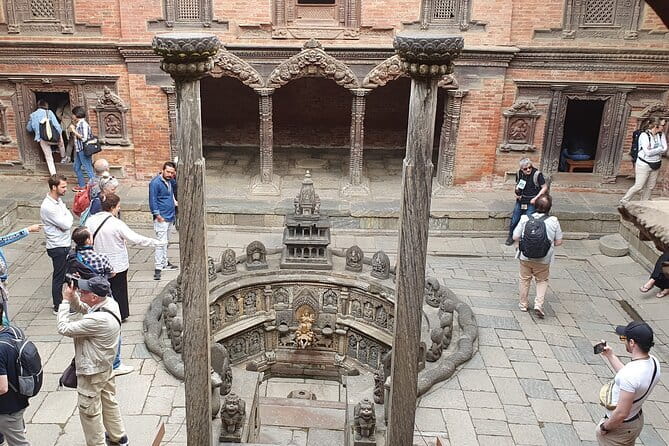
REVIEW · BHAKTAPUR & PATAN TOURS
Kathmandu and Patan Heritage and Living Goddess Experience Tour
Kumari viewing changes the whole walk. This Kathmandu tour mixes major temple sights with a real-life look at Nepal’s Living Goddess tradition, then adds a market wander and a calm Buddhist stop along the way. You get a guided route through the UNESCO Kathmandu Durbar Square area, plus Basantapur Durbar Square viewpoints tied to the Malla and Shah dynasties.
I especially like the Living Goddess Kumari element, because it is not something you can recreate on your own. I also like that the tour is guided by certified, trained guides, and people specifically highlight how kind and clear the guidance feels during the temples and street sections.
One thing to consider: the tour name mentions Patan, but the itinerary you’ll follow here centers on Kathmandu Durbar Square and Basantapur. If Patan is a must for you, confirm what exact sites are included before you book.
In This Review
- Key things that make this tour work
- Kumari and Durbar Square, in 2.5 hours
- Your walk loop: shrine, market, and UNESCO temples
- Kathmandu Durbar Square: what to look for beyond the photos
- Basantapur Durbar Square: UNESCO architecture plus Kumari’s residence
- Shree Gha as your mental reset
- Markets, street time, and smart snack strategy
- Guides matter here, and you’ll feel it
- Price and value: what you really get for $50
- Where this tour fits best (and where it might not)
- Practical logistics you’ll care about
- Should you book Kathmandu and the Living Goddess walking experience?
- FAQ
- How long is the Kathmandu and Living Goddess walking tour?
- Is hotel pickup included?
- What entrance fees are included?
- Are admission tickets included for every site?
- Is this tour private or shared?
- What is the cancellation policy?
Key things that make this tour work

- Kumari at Durbar Square and Basantapur: you’ll focus on the Living Goddess sites as part of the UNESCO-area walk.
- A two-stop temple route: Kathmandu Durbar Square plus Basantapur Durbar Square keeps the time efficient.
- Shree Gha for a quiet break: a Buddhist shrine stop helps balance the Hindu temple intensity.
- Guide quality shows up fast: guides such as Badri and Sovit get repeated praise for being kind and on-point.
- UNESCO entrance fee included: that’s real value for a short, guided half-day style activity.
- You control the pacing at the end: after the Basantapur section, you can return to the hotel or keep exploring nearby streets.
Old towns beyond Kathmandu, compared



Kumari and Durbar Square, in 2.5 hours
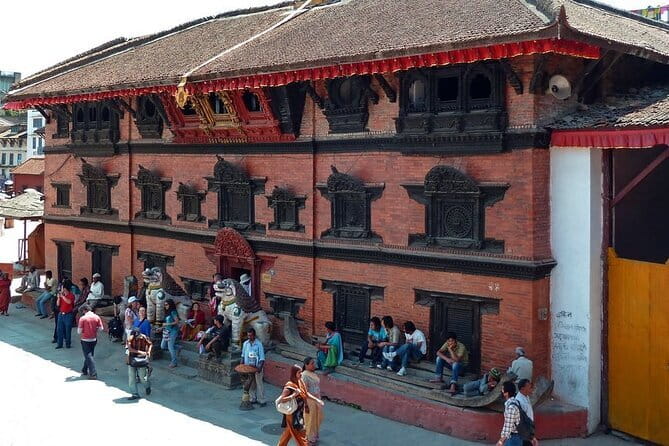
This is a short walking tour with a big wow factor built in. You’ll be spending your time in and around Durbar Square areas, which are central, historically important, and packed with religious and artistic details. The key reason this tour feels worth it is that it is not just “look at buildings.” It’s also about watching living practices, especially around the Living Goddess Kumari tradition.
The tour is listed for about 2 hours 30 minutes. In practice, that feels like a sweet spot. Long enough to walk, see multiple named sites, and get explanations from your guide. Short enough that you are not mentally fried after. This matters in Kathmandu, where weather, walking pace, and crowds can change hour by hour.
If you’re trying to decide what to do on a first day, this can also help you get your bearings fast. Once you’ve walked the Durbar Square area with context, the streets feel less like a maze.
Your walk loop: shrine, market, and UNESCO temples
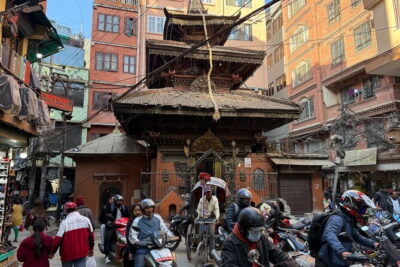
The route starts with a meet-up at your hotel, then a 30-minute walk that sets the tone. Right away, you pass Shree Gha, a serene Buddhist shrine. That’s a smart move because it acts like a breather before you hit the heavier temple concentration.
After Shree Gha, you move into a local market area. Even if you are not shopping, you’ll get a taste of how people actually move through the city for daily needs. This is also where your guide can help you understand what you are seeing, including typical stalls and local goods. If you like travel that teaches you how a place works, not just how it looks, this section is for you.
Then you reach Kathmandu Durbar Square, where the tour focuses on temples, museums, and the Living Goddess viewing at Kumari’s associated spot. Because this is a UNESCO area, the design details matter. Your guide’s job is to point out what is religious, what is historic, and what you are seeing because of specific dynasties and local traditions.
After the Kathmandu Durbar Square time, you return along the same route. That helps you avoid getting lost, and it keeps the time realistic for a 2.5 hour tour. If you’re short on time, this loop format is a relief.
Kathmandu Durbar Square: what to look for beyond the photos
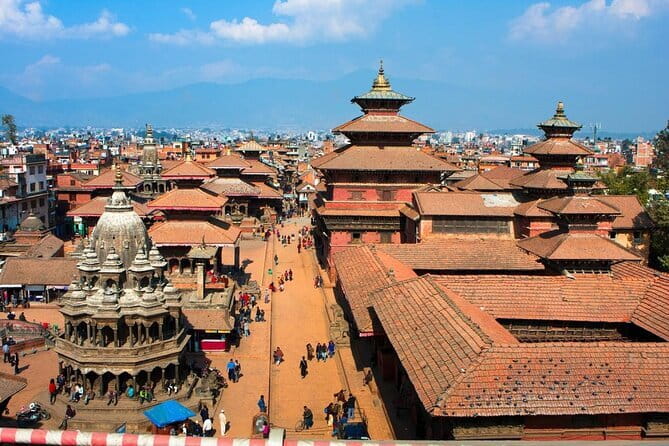
Kathmandu Durbar Square is the kind of place where a guide can change your experience completely. Without help, you might walk through and just take photos of temple façades. With guidance, you notice what has meaning and why it is arranged the way it is.
Expect your focus to include:
- Temple areas and the UNESCO setting around them
- Museum sections within the square area
- The Kumari related viewing experience during your time on site
A practical tip: wear comfortable walking shoes. This is not a “slow stroll with minimal standing.” You’ll spend time stopping, looking, and shifting positions for views and explanations.
Also, plan your expectations around time. Admission and entry rules can be strict in sacred sites, so your guide’s timing and instructions matter. The tour’s short format is built around fitting those moments into a tight window.
Basantapur Durbar Square: UNESCO architecture plus Kumari’s residence
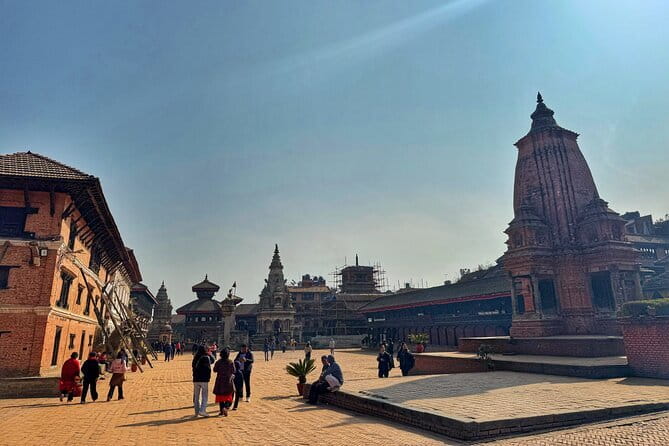
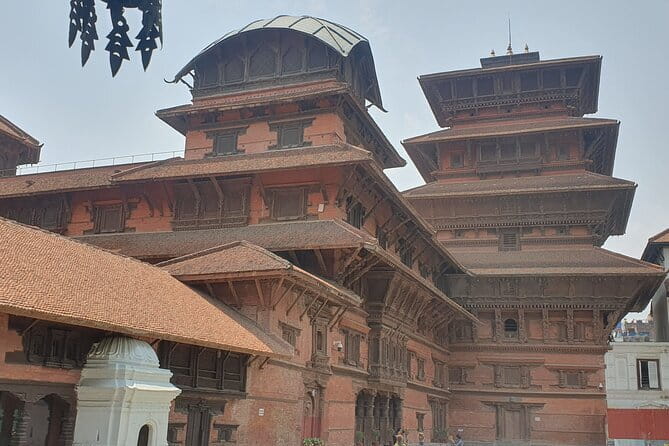
Your second stop centers on Basantapur Durbar Square, which is also UNESCO listed. Here, the tour connects the area’s architecture to the Malla and Shah dynasty influence, with dating described as spanning from the 12th through the 19th centuries.
This is a strong match for people who love the “why” behind what they see. The buildings are not just old. They show how power, religion, and art shaped each other over time. A guide helps you read those clues instead of guessing.
You’ll also visit the Living Goddess Kumari’s residence area. In Nepalese Hindu tradition, Kumari is treated as a key figure in Newari culture and Hindu religion, so this part of the tour is both cultural and spiritual. Even if you are not deeply religious yourself, you’ll likely find the experience moves beyond sightseeing because of the way people behave there.
The tour also includes a look at a 17th-century stone sculpture of the god Kalvairabh. That kind of named stop is valuable because it gives you something concrete to watch for, not just “more stone carvings.”
Finally, you’ll spend time in a local museum to understand Basantapur’s history. This is one of the ways this tour stays balanced: you get outdoor temple looking and then a more explanatory indoor component.
Still in Thamel? Keep wandering

Shree Gha as your mental reset
One of the nicest touches in the itinerary is that Shree Gha is not treated as an optional extra. It is built into the walk before Kathmandu Durbar Square.
That makes a difference. The shrine gives you a quieter atmosphere right before you hit the main temple and heritage area. So when you later stand in temple space, you’re calmer and more focused, and you notice more.
If you’re traveling with someone who gets overstimulated by big sightseeing zones, this shrine stop often helps the day feel more human.
Markets, street time, and smart snack strategy
The market segment is short, but it is not empty. You’ll get time to walk through the market atmosphere and experience local goods. This is where the tour feels like part city orientation, part culture.
One note from guide styles: some groups have appreciated the way their guide keeps the walk friendly and practical, including stopping for simple street food such as momos and chai. The itinerary doesn’t promise a specific food stop, but it fits the spirit of how guides often pace these walks.
If you do want snacks, keep it flexible. Sacred sites often come with rules about food and where you can pause. Your guide will help you pick the moment.
A simple photo tip: after you hear your guide’s explanation, wait 20 seconds before shooting. You’ll see better angles once you know what you are looking for.
Guides matter here, and you’ll feel it
The strongest praise in the feedback is about the guide experience. People mention guides like Badri and Sovit for being kind, patient, and able to explain what you’re seeing in a way that sticks.
That’s not a small detail. In Kathmandu heritage areas, there are many layers: dynasties, religious traditions, art styles, and daily life. When the guide is strong, the walk becomes more than a checklist.
It also helps that this is described as a private tour for your group. That tends to mean you can ask questions without feeling rushed, and the guide can adjust walking pace to your comfort level.
Price and value: what you really get for $50
At $50 per person, this tour is positioned as budget-friendly for a guided UNESCO-area experience. A big part of the value is that an UNESCO Durbar Square entrance fee is included.
That does not automatically mean every single potential paid entry on every site is covered, because the itinerary notes that admission tickets are not included in at least one section. So I recommend you treat the price as “guided walk with UNESCO Durbar Square fee covered,” and be ready for any additional entries that your guide may confirm onsite.
Still, for a 2.5 hour guided route that includes multiple named heritage stops plus Kumari viewing time, the cost feels reasonable. You’re not paying for a long transport day, and you’re not spending all your time just standing in one place.
If you are a first-time visitor trying to understand Kathmandu’s religious and historic core quickly, this price point makes sense. If you already know a lot about Nepalese architecture and want a self-paced day, you might find better value by doing fewer guided hours. But for most people, the guide plus the Kumari element justify the spend.
Where this tour fits best (and where it might not)
This tour fits best if you:
- Want Kumari as a headline experience without building a full day around it
- Prefer walking with explanations rather than wandering alone
- Like a mix of outdoor heritage sites and a short museum visit
- Appreciate a quieter contrast stop like Shree Gha
It might not fit if:
- You are expecting a clearly defined itinerary inside Patan itself. The tour title includes Patan, but the provided walking plan focuses on Kathmandu Durbar Square and Basantapur.
- You want a deep archaeological lecture or a full day of museums. This is short and practical.
Because you can request hotel drop-off or choose to explore local streets after Basantapur, it also works well as either a morning reset or an early afternoon activity.
Practical logistics you’ll care about
Pickup is offered, and the tour is also described as near public transportation, so you have options. Confirmation happens at booking time, and you’ll receive a mobile ticket.
The tour is private, meaning only your group participates. Group discounts may be available, which can help if you’re traveling with friends or a small group.
Most people can participate, and service animals are allowed. Walking shoes are still the smart call because this is, at heart, a heritage walking day with stops.
At the end of the Basantapur portion, you can either be dropped back at your hotel or continue on your own through the nearby streets and markets.
Should you book Kathmandu and the Living Goddess walking experience?
If you want a fast, meaningful introduction to Kathmandu’s sacred centers, I’d book it. The combination of Kumari viewing time, UNESCO Durbar Square focus, a calm shrine stop, and a guided explanation makes this feel like “learn while you walk,” not just “see while you stand.”
Book it especially if you value guide quality. When people consistently highlight guides like Badri and Sovit, that usually means the explanations are clear and the pacing is humane. In a city like Kathmandu, that can be the difference between a frustrating day and a memorable one.
Before you confirm, check one detail: the tour title mentions Patan. Based on the itinerary you’ll follow, your time is centered on Kathmandu Durbar Square and Basantapur. If Patan is a must-have, ask the provider to confirm exactly what’s included.
FAQ
How long is the Kathmandu and Living Goddess walking tour?
It’s listed at about 2 hours 30 minutes.
Is hotel pickup included?
Pickup is offered, and after the Basantapur portion you can also choose to be dropped off at your hotel.
What entrance fees are included?
The UNESCO Durbar Square entrance fee is included in the tour.
Are admission tickets included for every site?
Admission tickets are not included as described for the itinerary stops. The UNESCO Durbar Square entrance fee is included, but you should expect that other entry costs, if any, may be separate.
Is this tour private or shared?
It’s a private tour, so only your group will participate.
What is the cancellation policy?
You can cancel for a full refund up to 24 hours before the experience’s start time. If you cancel less than 24 hours before, the amount paid will not be refunded.
The Rest of Our Kathmandu Write Ups



Still in Thamel


Bhaktapur and Patan, Brick by Brick
Everything else we have reviewed around Kathmandu
- 12 Days Everest Base Camp Trekking
★ 5.0 · 3 reviews - 1 Night 2 Days Chitwan Jungle Safari Tour from Pokhara or Kathmandu
★ 3.0 · 3 reviews - Thamel Rickshaw tour
★ 4.7 · 3 reviews - Kathmandu: Momo Making Class with a Local Chef
★ 5.0 · 3 reviews - Kathmandu: Full-Day Yoga, Body Massage and Pedicure Package
★ 5.0 · 3 reviews - From Kathmandu / Pokhara / Chitwan: River Rafting – 1 Day
★ 4.6 · 3 reviews
Bhaktapur & Patan Tours worth a second look.
 ★ 5.0Private Bhaktapur and Nagarkot Day Tour From KathmanduFrom $20305 reviews
 ★ 5.0Day Trip to Bhaktapur and Panauti from KathmanduFrom $34184 reviews
 ★ 4.7Nagarkot Sunrise and Hike Tour to Changu NarayanFrom $55151 reviews
 ★ 4.8Everest View from Nagarkot & hike to ChanguFrom $43140 reviews
 ★ 5.0Nagarkot Sunrise & Hike to Changu Narayan Day Tour from KathmanduFrom $25126 reviews
 ★ 5.0Bhaktapur & Patan Durbar Square Day ToursFrom $50122 reviews
 ★ 5.0Nagarkot Sunrise & Bhaktapur UNESCO Heritage Private TourFrom $5066 reviews
 ★ 4.5Mt Everest view from Nagarkot -hiking to Changu UNESCO siteFrom $4764 reviews
Lists this tour sits in