
REVIEW · KATHMANDU UNESCO HERITAGE TOURS
Kathmandu Sunset Tour by Rickshaw Including Durbar Square Visit
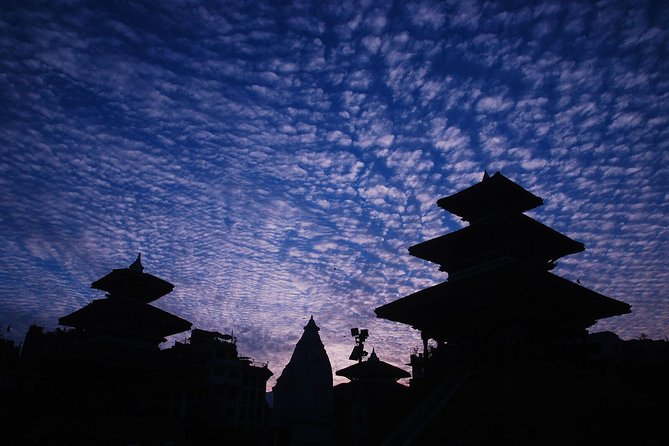
Kathmandu at sunset has a specific rhythm, and this ride gives you a front-row seat. You start in Thamel, glide past market lanes on a rickshaw, then switch to walking time in Kathmandu Durbar Square as the evening light turns temples into silhouettes. It’s a simple plan, but the pacing is what makes it work.
I especially like two parts: the rickshaw ride through narrow streets and the fact you get time on foot in Durbar Square, not just a drive-by. I also like that you’ll stop at major temple spots along the way, including Annapurna Temple and nearby shrines around Asan.
One thing to consider: it’s mostly an evening outdoors tour, and light can feel patchy as you move around. If you’re planning to wander afterward, give yourself extra time, because you’ll likely want a calm landing back in Thamel.
In This Review
- Quick hits
- Starting at 6:00 pm, right where Kathmandu feels real
- Thamel before the light fades: a quick start that sets the tone
- Asan market lanes and temple stops you can actually notice
- Arriving at Durbar Square: why this UNESCO area changes at dusk
- The Gaddhi Baithak balcony and the Rana-era story
- Freak Street nostalgia, plus chai on the edge
- Rickshaw vs. a vehicle: the street-level advantage
- Price and value: what $50.30 buys you in real terms
- Carbon neutral and local impact that you can feel
- What to bring, what to expect, and how to avoid frustration
- Who should book this Kathmandu sunset rickshaw tour
- Should you book it?
- FAQ
- What time does the Kathmandu Sunset Tour start?
- Where do we meet for the tour?
- How long is the tour?
- How big is the group?
- Is Durbar Square entrance included?
- Do I need to buy a ticket for the tour?
- Is food and drinks included?
- Does the tour include a rickshaw ride?
- Can children join the tour?
- What is included besides Durbar Square?
Quick hits
- Small group (max 12) means the guide can steer your pace and stop where questions actually pop up
- Durbar Square entrance is included, so you can focus on temples and courtyards instead of ticket juggling
- Asan market stops put you in front of recognizable religious landmarks, including Annapurna Temple
- Rickshaws support drivers directly, which matters in a city where cars and motorbikes dominate
- Carbon neutral, B Corp certified operator adds a sustainability angle that feels practical, not preachy
Other seven site heritage runs
Starting at 6:00 pm, right where Kathmandu feels real
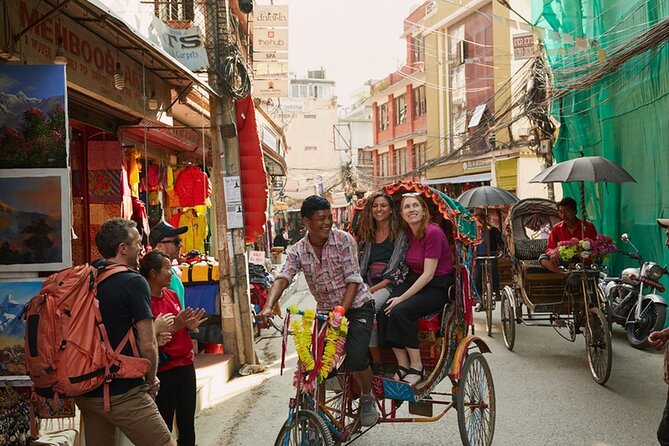
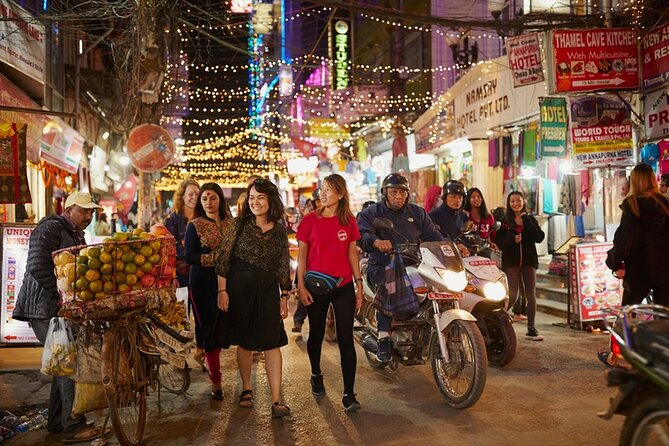
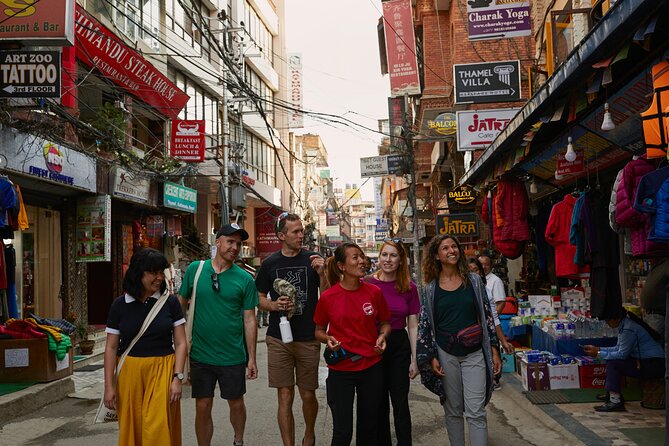
This tour is built for the hour when Kathmandu shifts from daytime motion to evening life. You meet at Hotel Marshyangdi at 6:00 pm, then you climb into your rickshaw and get moving immediately. It’s an easy entry point if you’re staying in the Thamel area, because you’re not scrambling across town first.
The ride is also a smart way to beat the “stand and stare” problem. On a rickshaw, you’re above street level just enough to see what’s happening, but close enough to notice details like carts, shop displays, and pedestrians weaving through the lane system. Your guide and driver handle the street flow, so you can stay in sightseeing mode.
Thamel before the light fades: a quick start that sets the tone
Thamel is the starting zone, about a 15-minute head start that’s perfect for settling into the city. It’s a tourist district, yes, but it also works as your warm-up. You’ll board your rickshaw there and roll onward, watching everyday commerce in motion.
What you’ll feel here is useful context for the rest of the tour. Thamel’s shops and foot traffic show you how Kathmandu supports travelers, while the short lead-in time keeps the group from burning energy before the real temple section.
Asan market lanes and temple stops you can actually notice
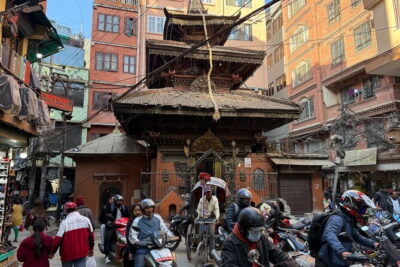
Asan is where Kathmandu starts to feel more local, more layered. You’ll spend around 50 minutes here, and the key value is that you’re not just “passing by a market.” You pause in a space known for spice, vegetables, and all kinds of everyday goods, and you also get shrine and temple moments tucked along the street sides.
A few specific stops matter because they anchor the walking time in real religious landmarks:
- Annapurna Temple, tied to the goddess of abundance. The symbolism is part of the story: Anna for food, Purna for fulfil. Even if you don’t remember the details perfectly, you’ll remember the way the area centers around offerings and people’s routines.
- Seto Machindranath (also called Janabaha Dyo), shared by Hindus and Buddhists. This overlap is one of those Kathmandu patterns that becomes easier to see once you’re on the ground.
- Aakash Bhairab and the story connected to King Yalambar in Nepal Bhasa. It’s the kind of reference that adds depth without turning the tour into a lecture.
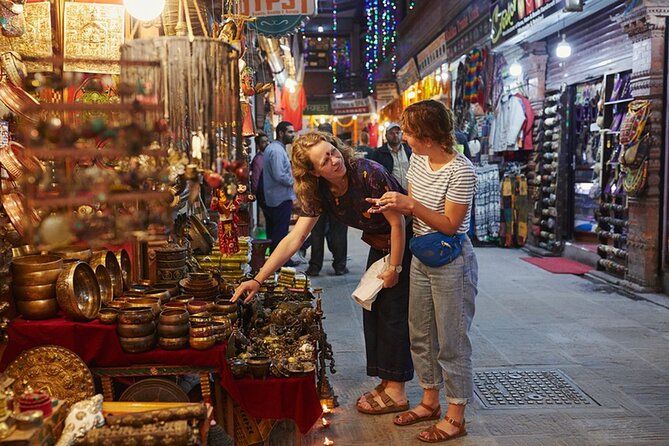
Your rickshaw ride through Asan’s narrow streets is part of the point. You get to look into storefronts selling everything from scarves to snacks, then you transition from market noise toward the quieter gravity of palace and temple space.
Practical note: Asan can be busy. Stay close to your guide, and don’t be shy about asking for a moment to step aside so you can see what they’re pointing out.
Arriving at Durbar Square: why this UNESCO area changes at dusk
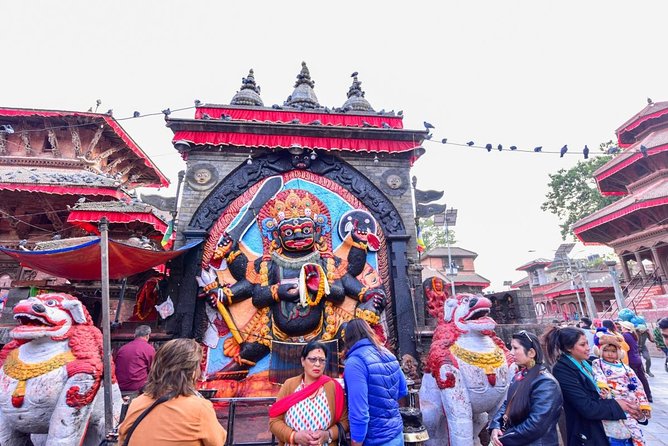
Durbar Square is the core of the evening. This complex includes more than 50 temples and shrines concentrated in a small area, tied to palace and courtyard architecture built between the 12th and 18th centuries. You’re seeing the old seat of Malla kings of Kathmandu, but the best part is that it doesn’t feel like a museum.
At the right light, temples and wooden carvings look dramatic in a way that midday photos often miss. Evening also brings motion: people pause for devotion, shopkeepers get active, and the area slowly shifts into night life. You’ll get about 1 hour 25 minutes on the ground here, which is long enough to feel the place.
Still in Thamel? Keep wandering
The Gaddhi Baithak balcony and the Rana-era story
One structure you should pay attention to is Gaddhi Baithak, the European-influenced building associated with the Rana regime. Today, it’s used for ceremonial programs from the balcony. Even if that fact sounds niche, it helps you understand how power and culture shaped the same physical space you’re visiting for heritage and worship.
Your guide will connect what you see to what it meant, including how courtyard and temple groupings functioned historically. This is where a good guide name can matter. Guides like Nikita and Sanjeeb have a way of making details stick, not just reciting facts.
Freak Street nostalgia, plus chai on the edge
Durbar Square isn’t only temples. You can also find shops with a nod to the 1960s hippie heyday, often referred to as Freak Street, which helps explain why Kathmandu has long attracted outsiders drawn to the spiritual vibe. The interesting part is that it’s all happening in the same block as active sacred sites.
If you want a simple break, you might grab a cup of chai from a local vendor or pub in the area. Food and drinks are not included in the tour price, but this is a good place to pause without losing the mood.
Rickshaw vs. a vehicle: the street-level advantage
The whole reason this tour works is that it uses the rickshaw as more than transport. Your driver navigates uneven, busy lanes, and you sit higher than you would walking. That angle helps you notice street life quickly, like how people flow around corners and how shopfronts connect directly to the sidewalk crowd.
It also changes your relationship with traffic. Instead of holding a phone up behind glass, you’re moving slowly enough to register what’s around you. You’ll likely pass places like Thamel’s market edges and then head toward major bazaars and square approaches.
Small-group size reinforces that advantage. With a limit of 12 people, your guide can steer the group so nobody gets lost in the crowd. That matters in Kathmandu, where streets can feel like a puzzle and waiting time can add up.
Price and value: what $50.30 buys you in real terms
At $50.30 per person, this isn’t a budget “just get in the car” tour. But it’s also not priced like a private driver and guide for half a day. What makes it feel fair is that the ticket bundles the parts you would otherwise pay for separately:
- Rickshaw hire is included
- Durbar Square entrance fee is included
- You get a guide who helps you connect the stops rather than wandering alone
You also get a structured duration of about 2 hours 30 minutes, starting at 6:00 pm. For many people, that’s an efficient way to see central Kathmandu in the evening without burning daylight or splitting into multiple plans.
If you’re comparing options, the key question is simple: are you paying mostly for “transport,” or for a guided route with a real temple visit? This one leans toward the second.
Carbon neutral and local impact that you can feel
This tour is described as carbon neutral and run by a B Corp certified company. That’s the corporate label, but the more practical part is what they do locally.
Two local impact notes matter:
- Entrance fees to Kathmandu Durbar Square support cultural heritage preservation.
- The tour hires rickshaws directly from drivers, so the work goes to people who actively pedal and navigate rather than getting filtered through layers.
In a city where many livelihoods are squeezed, that direct support is not just feel-good. It’s the difference between a tourist experience that passes through and an experience that contributes to the neighborhood economy.
What to bring, what to expect, and how to avoid frustration
Food and drinks are not included, so plan to buy water or a snack if you need it. Start the tour after a full meal, or bring a light stomach-friendly plan, because it’s easier to enjoy temples without constantly thinking about hunger.
Bring a small practical set:
- A light layer, since evening in Kathmandu can feel cooler than the afternoon
- Comfortable shoes for uneven temple-area ground
- Something for photos, but also be prepared to pause and look without always shooting
Also, because this is at night, you may find lighting is not consistent around older stone and temple areas. If you’re the type who likes clear photos, a small hand light can help, but even without it, the evening mood is the point.
One more practical tip from real-world experience: if you’re taking an extra rickshaw back afterward, agree on the price first. Night rides can turn into a negotiation if you assume the driver will just follow a fair default.
Who should book this Kathmandu sunset rickshaw tour
This is a great fit if you want:
- A first taste of central Kathmandu without committing to a longer full-day plan
- A mix of market atmosphere plus major heritage in one evening
- A small-group experience where you can ask questions and actually hear the guide’s explanations
It’s also child-friendly, and children under 6 can join for free. If you’re traveling as a couple or solo and you don’t want to manage streets yourself, the guide and driver combo reduces stress.
If you already have a big city tour scheduled for the same day, do some planning. There can be overlap in the central market and temple zone, so consider pairing this with something that covers a different part of the city.
Should you book it?
Yes, if you want a guided, story-based evening that combines street views with a real time-on-foot heritage stop. The price makes sense because the tour includes both rickshaw hire and the Durbar Square entrance fee, and the small group size helps the experience feel controlled rather than rushed.
I’d think twice if you strongly prefer long museum-style wandering or if you already have Durbar Square covered in another plan. Also, if night logistics make you nervous, plan to keep your post-tour wandering close to Thamel.
Overall, this is the kind of tour that gets Kathmandu right. You see the city moving, then you stand still in the places where people have been gathering for centuries.
FAQ
What time does the Kathmandu Sunset Tour start?
It starts at 6:00 pm.
Where do we meet for the tour?
The meeting point is Hotel Marshyangdi, Chaksibari Marg, Kathmandu 44600, Nepal.
How long is the tour?
The duration is about 2 hours 30 minutes.
How big is the group?
The maximum group size is 12 people.
Is Durbar Square entrance included?
Yes. The entrance fee to Kathmandu Durbar Square is included.
Do I need to buy a ticket for the tour?
You’ll receive a mobile ticket.
Is food and drinks included?
No. Food and drinks are not included.
Does the tour include a rickshaw ride?
Yes. Rickshaw hire is included.
Can children join the tour?
Yes. Children under age 6 can join free of charge.
What is included besides Durbar Square?
The tour includes guided stops around Asan, time in Durbar Square, and a ride through the laneways and backstreets, plus guidance on what else to see and do.
The Rest of Our Kathmandu Write Ups

Still in Thamel

Seven Sites, Other Routes
Everything else we have reviewed around Kathmandu
- 12 Days Everest Base Camp Trekking
★ 5.0 · 3 reviews - 1 Night 2 Days Chitwan Jungle Safari Tour from Pokhara or Kathmandu
★ 3.0 · 3 reviews - Thamel Rickshaw tour
★ 4.7 · 3 reviews - Kathmandu: Momo Making Class with a Local Chef
★ 5.0 · 3 reviews - Kathmandu: Full-Day Yoga, Body Massage and Pedicure Package
★ 5.0 · 3 reviews - From Kathmandu / Pokhara / Chitwan: River Rafting – 1 Day
★ 4.6 · 3 reviews
Kathmandu UNESCO Heritage Tours worth a second look.
 ★ 5.0Full Day 7 UNESCO Tour with Lunch – Private/GroupFrom $10415 reviews
 ★ 5.0Full Day Top 4 UNESCO Tour with Lunch – Private/GroupFrom $10269 reviews
 ★ 5.0UNESCO Seven World Heritage Tour in KathmanduFrom $180253 reviews
★ 4.9Full-Day 7 UNESCO Tour with Lunch – Private/GroupFrom $5247 reviews
★ 5.0UNESCO Seven World Heritage Tour in KathmanduFrom $180253 reviews
★ 4.9Full-Day 7 UNESCO Tour with Lunch – Private/GroupFrom $5247 reviews
 ★ 4.97 UNESCO Sites Tour in 1 Day (Private Tour)From $4204 reviews
 ★ 4.9Top 4 UNESCO Tour with Lunch – Private/GroupFrom $5181 reviews
 ★ 5.0Bhaktapur & Patan Durbar Square Day ToursFrom $50122 reviews
 ★ 5.0Kathmandu Private Sightseeing Tour | UNESCO World Heritage SitesFrom $35109 reviews
Lists this tour sits in