
REVIEW · NEPALI COOKING CLASSES
Pokhara: 3 Hour MoMo cooking class
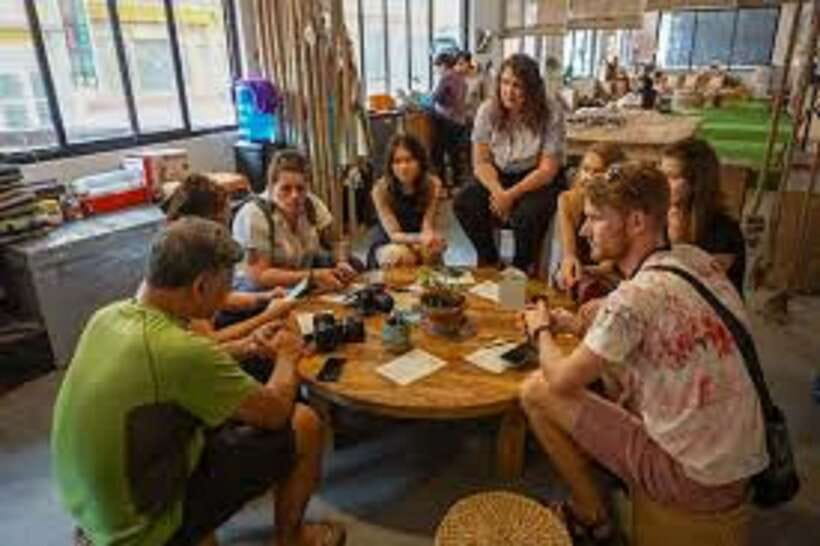
Momos are Nepal’s edible comfort. In this 3-hour class in Pokhara, you learn to make dumplings from scratch, and you get real hands-on time with both the filling and the folding. I especially like that you choose your filling style, then practice shaping until yours actually look right. I also like the practical pace, you make, you steam, and then you eat what you cooked. One possible consideration: this class is not suitable for people with mobility impairments, since you’ll be working on and around the table.
Most days start with hotel pickup within the Lakeside area, then a short hop to a local café kitchen. You’ll work with an English and Hindi speaking instructor, in a private group setup that keeps the teaching focused. Afterward, you’re not walking away with a recipe card and wishful thinking, you’re walking away with skills you can repeat at home.
In This Review
- Key Things I’d Put On Your Priority List
- Pokhara Pickup and the Local Café Kitchen Setup
- What Makes Momo More Than Just Dumplings
- Filling Station: Vegetarian, Chicken, or Meat Options
- Dough Time: Knead, Rest, and Roll for Real Wrappers
- Folding Techniques: Pleats and Crescent Moon Shapes
- Steaming the Momos, Plus the Chance of Fried Batches
- Sauce Making: Your Spicy, Mild, and Soy-Based Dips
- Tasting, Feedback, and a Real End-Point
- Price and Value: Is $29 Worth It in Pokhara?
- Who This Class Suits Best (And Who Might Skip It)
- Should You Book the Pokhara 3 Hour MoMo Class?
- FAQ
- How long is the Pokhara momo cooking class?
- What is the price per person?
- Do I get hotel pickup in Pokhara?
- What languages is the instructor able to teach in?
- What is included in the class price?
- What do I need to bring, and what is not allowed?
Key Things I’d Put On Your Priority List
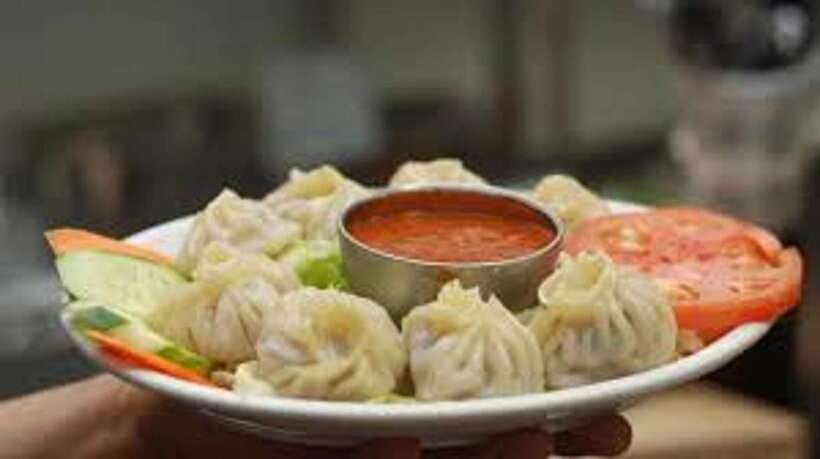
- From dough to dumplings: you handle the dough, fillings, shaping, steaming, and sauce pairing.
- Filling choices that match your taste: vegetarian, chicken, or meat options, taught step by step.
- Folding practice you can see improve: pleats, crescent moon shapes, and techniques explained clearly.
- You get to taste your results: the class ends with a table-style tasting and instructor feedback.
- Sauce making is part of the lesson: you don’t just dip, you make your own complementary sauces.
- Rain or shine: plan your day knowing the cooking happens regardless of weather.
Fold more momos: other Nepali kitchens

Pokhara Pickup and the Local Café Kitchen Setup
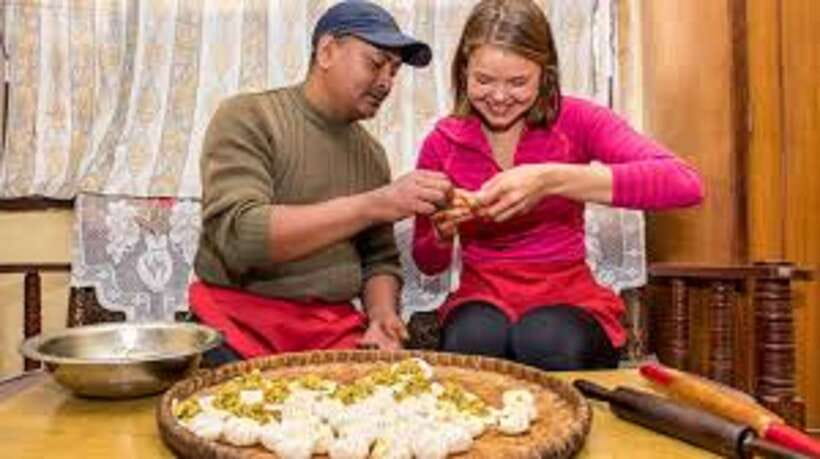
This is one of those activities that removes friction. You get hotel pickup within the Lakeside area, so you can spend your energy on cooking instead of figuring out transport in a new place. Once you arrive at the café, you’re not stuck watching from the sidelines. The setup is simple: ingredients laid out, cooking tools ready, and an instructor guiding you through each stage.
One past group noted an easy walk from the pickup point to the restaurant, which tells me the local logistics are usually low-stress. Still, do expect a real kitchen workflow, not a showroom. You’ll be handling dough and fillings, then shaping dumplings with your hands.
Also, the class takes place rain or shine, so if you’re in Pokhara with shifting weather, this is a good “do it today” option. Bring your ID or passport as requested, and keep luggage minimal, since large bags are not allowed.
What Makes Momo More Than Just Dumplings
At the start, you’ll get an introduction to momos and why they matter culturally in Nepal. That matters more than it sounds. When you understand what’s expected of the dough, the filling texture, and the cooking method, the dumpling becomes less of a mystery and more of a craft.
You’ll also be introduced to the ingredients and equipment used in the class. Even if you’ve eaten momos before, this is where you start learning the language behind the technique. Small details, like dough consistency and wrapper thickness, can make the difference between a dumpling that seals well and one that leaks or turns rubbery.
If you’re the type who likes to cook better by understanding why, you’ll appreciate that the lesson isn’t only motion copying. You get an explanation of what each step is trying to accomplish.
Filling Station: Vegetarian, Chicken, or Meat Options
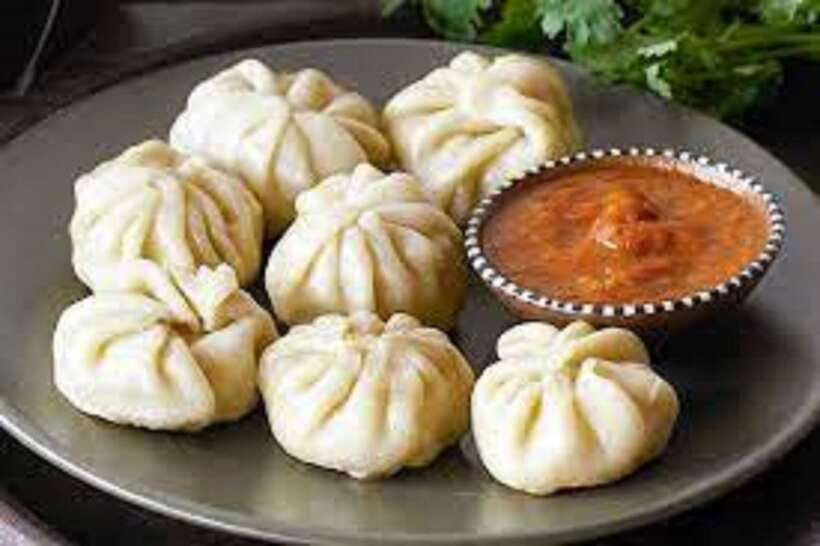
The largest payoff early on is that you get to work with filling choices. The class covers different filling options, including vegetarian, chicken, or meat. The instructor explains how to prepare the filling based on the chosen ingredients, and then you get hands-on time making your own portion.
What you’ll likely notice is that the filling is not just chopped food. You’re learning how to get the texture right for wrapping, and how the filling behaves when you steam it. Too dry and it can feel crumbly. Too wet and it can make sealing harder. The guidance helps you hit that middle ground where the wrapper stays intact and the filling tastes balanced.
If you prefer a more familiar flavor profile, vegetarian options are a great entry point. If you’re curious, chicken and meat fillings teach you how seasoning and texture shift across different styles. Either way, you’re not stuck with one bland filling just because you showed up.
Dough Time: Knead, Rest, and Roll for Real Wrappers
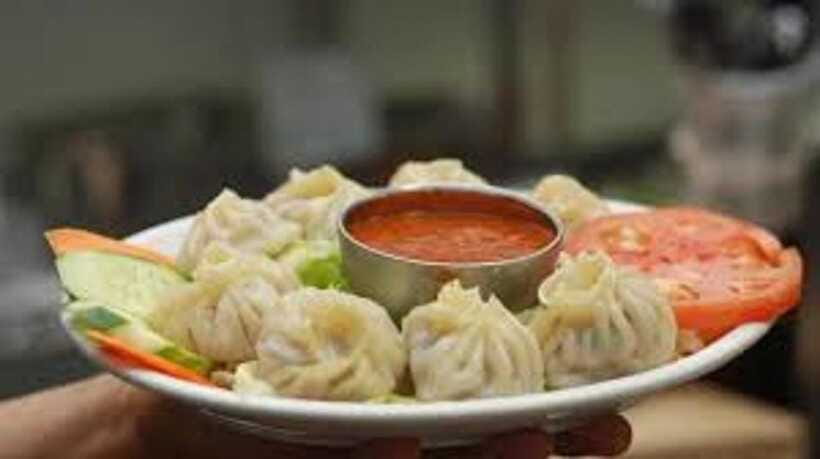
Next comes momo dough. You’ll learn what goes into the dough and why each ingredient matters. Then you’ll work through kneading and preparation, with the dough resting for a few minutes.
That rest time is not fluff. In dough work, rest helps gluten relax and improves texture, which makes rolling easier and wrappers more uniform. In a dumpling class, uniform thickness is everything because it affects cooking time and final bite.
You’ll also practice rolling out the wrappers. The instructor shows you the target thickness, then you do it. This is where the class feels practical rather than theatrical. You see how small changes in rolling pressure and dough thickness affect the wrapper. When your wrapper is even, shaping becomes easier, and steaming becomes more predictable.
If you go into this expecting perfect circles, lower the pressure on yourself. Part of the charm is learning, and the instructor does feedback while you’re still in the process.
Folding Techniques: Pleats and Crescent Moon Shapes
Folding is the skill that makes momos look like momos. In the shaping section, the instructor demonstrates techniques for different momo styles, including traditional pleats and crescent moon shapes.
Then it’s your turn to practice. You’ll likely make a few that look messy at first. That’s normal. One of the best details from a past class was that shaping might be hit or miss during practice, yet everyone still ended up with dumplings that looked great and tasted even better. You learn that the dough forgivingly adapts, as long as you seal properly.
Also, folding teaches you how to manage filling placement. Put too much in and the dumpling struggles to seal. Put too little and you lose the satisfaction of a “proper bite.” As you fold more than one dumpling, your hands get smarter quickly.
If you’re short on time elsewhere in Pokhara, this part alone is worth it. It turns momos from a snack into a technique you can repeat.
Steaming the Momos, Plus the Chance of Fried Batches
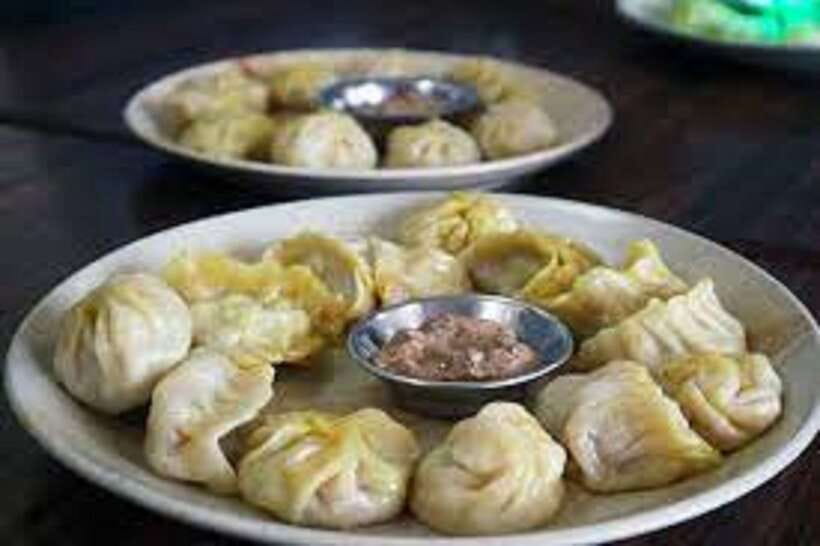
Steaming is core to momo cooking. The class explains the steaming process and why it matters, then you learn how to set up a steamer and cook your dumplings until they’re tender and fully cooked.
Steaming also lets the filling flavors stay clean. You don’t get the same browned flavor you’d get from frying, but you do get a softer dumpling skin that pairs well with sauce.
One important note: at least one version of the class included both steaming and frying, with some momos steamed and some fried. Your specific batch plan may depend on timing and class flow, but you can expect steaming for sure, and you might also see a fried option depending on how the instructor runs the session.
Sauce Making: Your Spicy, Mild, and Soy-Based Dips
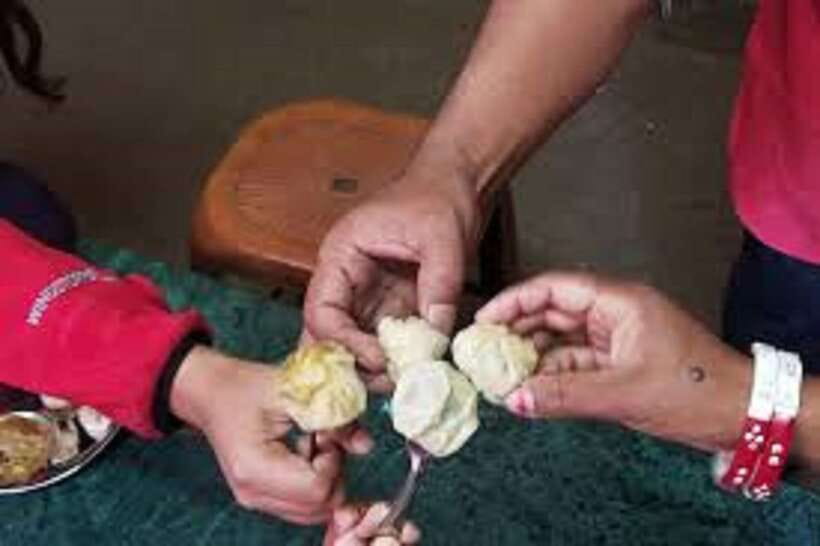
If dumplings are the vehicle, sauces are the destination. After steaming, you’ll move into dipping sauces. You’ll get an introduction to different sauce styles, including spicy, mild, and soy-based options.
Then you’ll prepare sauces yourself. That step is a big value add because it trains your palate. It also makes you less dependent on store-bought bottled dips at home. Once you’ve built your own sauce, you understand how heat, salt, and tang work together to balance the dumpling.
When you taste what you made, you’ll likely notice that your sauce choices affect how you perceive the dough and filling. This is the kind of practical cooking learning that actually sticks.
Tasting, Feedback, and a Real End-Point
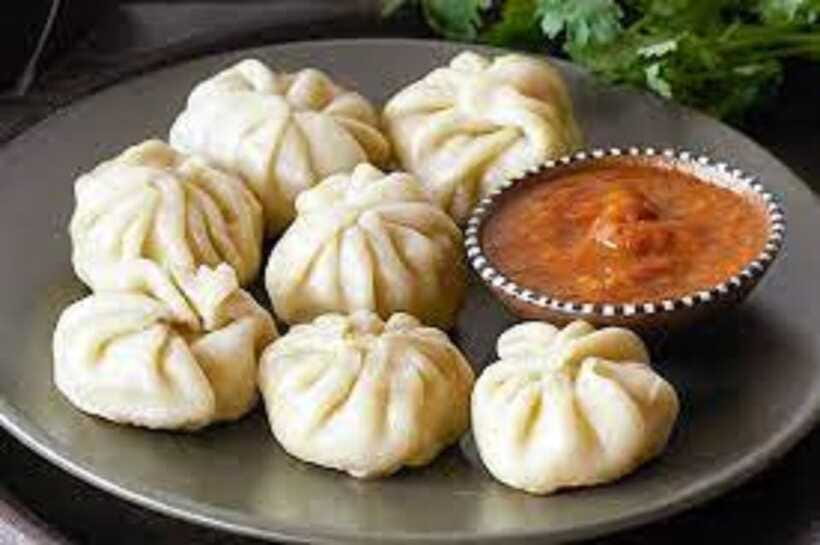
The class closes with a tasting session where you gather together and eat the momos you made. You’ll get instructor feedback and a chance to ask questions. That Q and A piece is where you can clarify any confusion from the earlier steps, like how to adjust dough thickness next time or what to change if your folds didn’t seal as well.
This is also when you see the full outcome. Even if some dumplings looked rough during shaping, cooking brings them together. Steaming cooks the wrapper properly and brings the filling together, and your final plate is proof of effort.
One small non-cooking detail you might encounter is a reminder to leave a rating or feedback. It doesn’t affect your food lesson, but it’s worth knowing it may come up at the end since the class is part of a booking platform.
Price and Value: Is $29 Worth It in Pokhara?
At $29 per person for a 3 hour class, the value depends on what you want from the experience.
Here’s what you’re paying for, and why it’s fair:
- Hotel pickup and drop-off within the Lakeside area, so you don’t add extra transport costs or stress.
- A glass of cold drinks per person, included.
- All momo cooking materials, which saves you from buying ingredients you won’t use again.
- Instructor time across multiple techniques: filling, dough, rolling, folding, steaming, and sauces.
The only ongoing cost you might have is if you want extra food or drinks at the café, since those are available for purchase but not included.
If your goal is only to eat momos, you could find cheaper meals. But if your goal is to learn hands-on skills you can use at home, this price is in the zone where the learning and included materials justify it. For many people, it turns into a “one-time skill purchase,” not just a snack.
Who This Class Suits Best (And Who Might Skip It)
This is a great fit if you:
- want a hands-on Nepalese cooking experience in a short window
- enjoy learning by doing, not by watching
- like dumplings and want to understand wrapper, filling texture, and steaming technique
- prefer a private group feel, where you can ask questions without the group pressure
It may be a poor fit if you have mobility impairments, because the class involves active prep and work around the cooking table. Also, because luggage or large bags aren’t allowed, keep your day bag light.
If you’re traveling solo or as a small group, this kind of class also tends to feel more personal. At least one past booking noted a tiny group size that made the teaching more interactive, which is exactly what you want in a technique-based lesson.
Should You Book the Pokhara 3 Hour MoMo Class?
Book it if you want a practical, skill-based experience that ends with food you made yourself. I like it because it’s structured, teachable, and short enough to fit neatly into a Pokhara day. The combination of filling choices, dough work, folding technique, steaming, and sauce making means you leave with more than one trick, you leave with a whole workflow.
Skip it if you need a fully seated, low-movement activity, since this one is not suitable for mobility impairments. Also, if you’re only looking for a quick bite with no interest in cooking, you might prefer a restaurant meal.
If you like learning with your hands and eating immediately after, this class is an easy yes.
FAQ
How long is the Pokhara momo cooking class?
The class runs for 3 hours.
What is the price per person?
The price is $29 per person.
Do I get hotel pickup in Pokhara?
Yes. You get hotel pickup and drop-off, and pickup is available within the Lakeside area.
What languages is the instructor able to teach in?
The instructor speaks English and Hindi.
What is included in the class price?
The price includes hotel pickup and drop-off, a glass of cold drinks per person, and all momo cooking materials.
What do I need to bring, and what is not allowed?
Bring your passport or ID card. Luggage or large bags are not allowed, and the class takes place rain or shine.
Chop, Fold, Simmer

The Rest of Our Pokhara Write Ups

More Kitchens, More Momos
Everything else we have reviewed around Pokhara
- Pokhara: Cable Car Tour – Bird Eye View of Mountain & Lake
★ 4.4 · 3 reviews - Jomsom Muktinath Tour by 4WD SUV 2 Days
★ 5.0 · 3 reviews - Ghorepani Poonhill Private Trek – 2 nights / 3 days
★ 4.5 · 3 reviews - Pokhara: 30-Minute Paragliding Adventure with pick up/drop off
★ 4.5 · 3 reviews - Pokhara: 7-Day Annapurna Base Camp Trek via Ghandruk
★ 4.3 · 3 reviews - Pokhara Group Joining Sarangkot Sunrise Himalayas Tour
★ 5.0 · 3 reviews
Nepali Cooking Classes worth a second look.
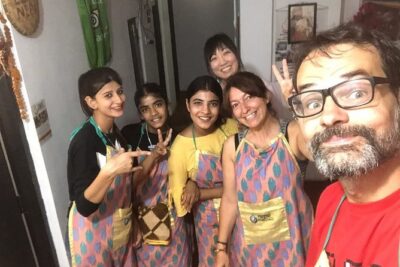 ★ 5.0Half day cooking class in Thamel kathmanduFrom $28607 reviews
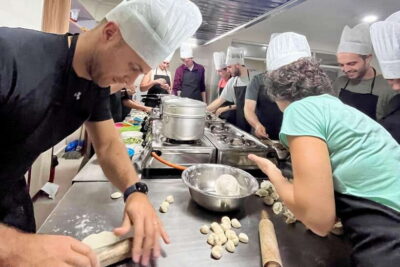 ★ 4.9Local Women-Led Nepali Cooking & Momo ClassFrom $4360 reviews
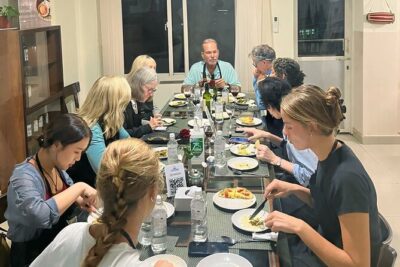 ★ 5.0Local Lead Nepali Cooking & Momo-Making ClassFrom $5212 reviews
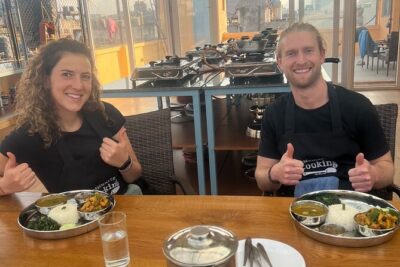 ★ 5.0Local Women Lead Nepali Cooking ClassFrom $30125 reviews
 ★ 5.0Nepalese Momos or Dal Bhat Cooking Class (Cook with Delight)From $5099 reviews
 ★ 5.0The best Private Nepali Cooking Class in KathmanduFrom $2483 reviews
 ★ 5.0Nepalese Kitchen in Pokhara: Momos or Dal Bhat Cooking ClassFrom $2867 reviews
 ★ 4.8Traditional Momo Making Class & PickupFrom $460 reviews
Lists this tour sits in