
REVIEW · POKHARA CITY TOURS & LAKESIDE SIGHTS
Pokhara: Full-Day Sharing Bus Tour on 7 Iconic Destination
Pokhara in one packed day. You’ll hit Mahendra Cave and the World Peace Stupa in a tight circuit, with real stops for culture and underground geology, not just scenic passing views. The trade-off is that you explore many places on your own with a set time window, and entry fees are extra (about $4).
This is a budget-friendly way to tour the main sights from Lakeside without arranging a car. The schedule is practical and efficient, and the ride is run by a skilled driver, but it can run closer to 7 to 8 hours depending on traffic and how the caves and waterfalls are running. Also, the cave stops are not friendly if you’re claustrophobic or have back issues.
In This Review
- Key things to know before you go
- A smooth Lakeside-to-sights day on a shared bus
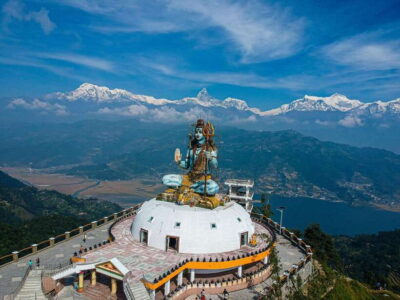
- Pumdikot’s Shiva Idol: your first big photo moment
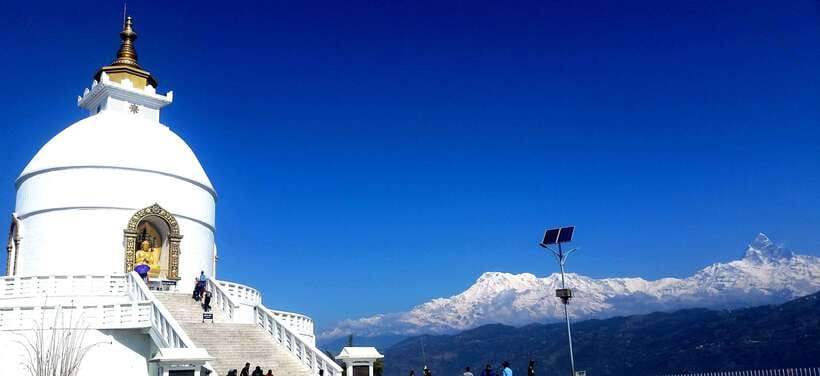
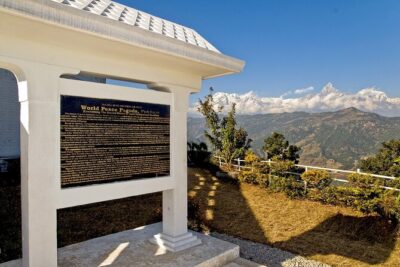
- World Peace Stupa: why you stop before the caves
- Devi’s Waterfall and the Mahadev Cave: water first, then sacred stone
- Mahendra Cave: stalactites, stalagmites, and the cool break
- Chamere Cave (Bat Cave): plan for your comfort level
- Seti River stroll: nature power right through town
- Bindabasini Temple: the calm finish you can feel in your feet
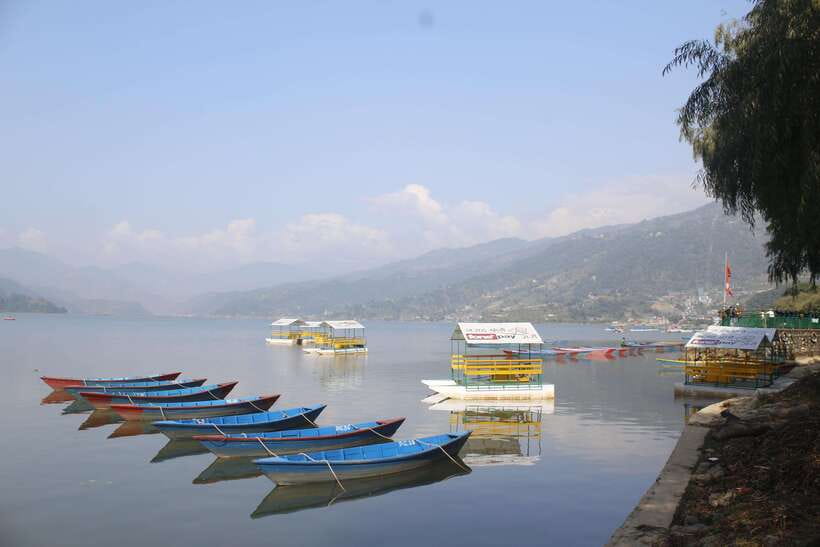
- Fewa Lake at the end: flexible time, flexible mood
- Price and value: what $12 buys, and what costs extra
- Comfort, timing, and the few snags to plan for
- What to bring for caves, temples, and river steps
- Who should book this full-day bus circuit
- Should you book this tour?
- FAQ
- What is included in the tour price?
- Are entry fees included for the monuments and caves?
- How long is the tour?
- Where will the pickup happen?
- Is food included?
- Is this a fully guided tour at every stop?
- What should I bring?
- Is it suitable for claustrophobia or wheelchair users?
- Where does the tour end?
- Can I cancel for free?
Key things to know before you go
You’re moving nonstop: shared bus plus quick transitions between religious sites, caves, and river views.
Caves take the spotlight: Mahendra Cave stalactites and stalagmites, plus the Chamere/Bat Cave.
Spiritual stops are real, not filler: Shiva Idol at Pumdikot, World Peace Stupa, and Bindabasini Temple.
Seti River is your outdoor pause: a walk along the river for that strong, city-dividing nature feeling.
It’s mostly self-guided on-site: you get the plan and timing, then you explore during allotted time.
Other slow days along the Phewa shore
A smooth Lakeside-to-sights day on a shared bus
If you’re staying in Pokhara’s Lakeside area, this tour is built for you. You get hotel pickup and drop-off within Lakeside, then a shared bus takes you from place to place for a full-day circuit. You’re not paying for private transport, so the value is about efficiency: you squeeze several of Pokhara’s top stops into one day.
The ride itself can be simple, and on hot days you might get an AC upgrade. Either way, what matters is the driving and the route pace. Multiple past travelers pointed out that the driver feels careful and professional, which you’ll appreciate when you’re bouncing between hill roads and viewpoints.
One practical note: even though it’s listed as 6 hours, you should plan for a longer day. Some people experienced closer to 8 hours, especially when routes change due to weather or closures.
Pumdikot’s Shiva Idol: your first big photo moment
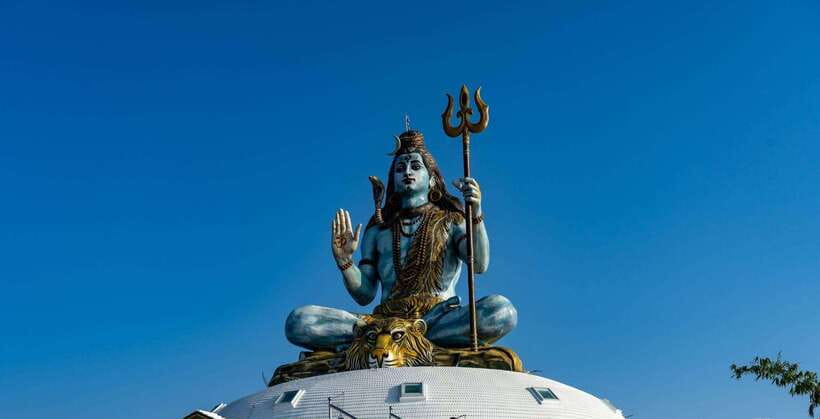
Your day starts with the Shiva Idol at Pumdikot. This is a classic “get your bearings” stop. Even if you only have time to walk around quickly and take photos, it sets the tone: this tour mixes caves with spirituality, so you’re already in the right mindset before you head underground.
What you’ll like here is the pace. It’s early in the circuit, so you’re not exhausted yet. Also, the views from higher ground in Pokhara are usually the kind of thing you’ll notice right away from the area around Pumdikot, even if you’re not going super far on foot.
What to watch: wear comfortable shoes. You’ll likely deal with uneven ground and steps, and the tour keeps moving.
World Peace Stupa: why you stop before the caves
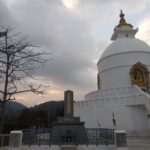
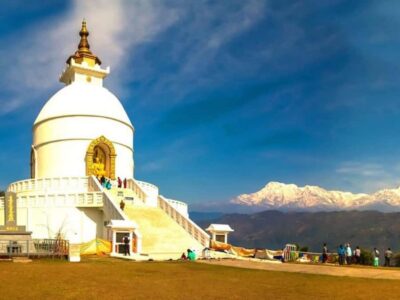
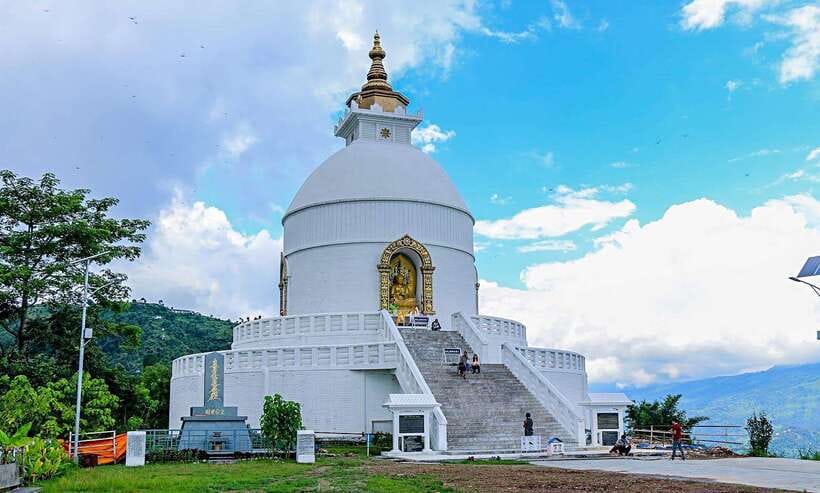
Next up is the World Peace Stupa. This is one of those stops that works even if you’re not a hardcore temple person. You get a clean, calmer pause in the middle of a busy day, plus a chance to reset your head before heading into cooler, darker spaces.
It’s also a smart scheduling choice. You’re going from high-energy viewing to cave time. That means the stupa stop gives you daylight, open air, and a breather, which makes the later underground part feel less exhausting.
If you’re taking photos, keep your camera ready but don’t rush. People often forget that the best photos happen when you slow down for 2 minutes and stop walking.
Devi’s Waterfall and the Mahadev Cave: water first, then sacred stone
The tour then moves to Devi’s Waterfall. On a dry day, this is a memorable burst of nature, and it also acts as a transition from hill viewpoints to more “local Pokhara” sights. On rainier days, though, waterfalls can be messy, or closures can happen. The key is to hold expectations lightly and focus on the experience of being out there.
After that you visit the Mahadev Cave, which connects with the Gupteswor theme in the highlights. Here the emphasis is on the sacred side of the stop, not just “a cave is a cave.” You’re heading into a place people treat as meaningful, so it feels different than a purely sightseeing tunnel.
Practical tip: cave areas can be humid and slippery. You’ll be happier if you’re wearing shoes with grip, not flip-flops.
Other Pokhara days that run to dusk

Mahendra Cave: stalactites, stalagmites, and the cool break
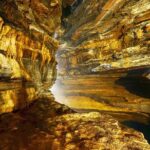
Underground time is the real centerpiece, starting with Mahendra Cave. This is the part where the tour justifies its reputation. You’re looking at formations like stalactites and stalagmites, which are the kind of details you don’t really get from viewpoint hopping.
What makes this stop valuable is how it balances awe with accessibility. You’re not trekking for hours, and you’re not required to be an expert. You just follow the route inside and take in what’s visible, then come back out to daylight. For a day like this, that is perfect.
The drawback is the same one you’d expect from caves: you’re moving at a set pace and there’s not much flexibility. If you want to linger for photos for 20 minutes, you may not get that luxury.
Also, if you’re sensitive to tight spaces or enclosed areas, don’t “test it.” This is not the time to be brave.
Chamere Cave (Bat Cave): plan for your comfort level
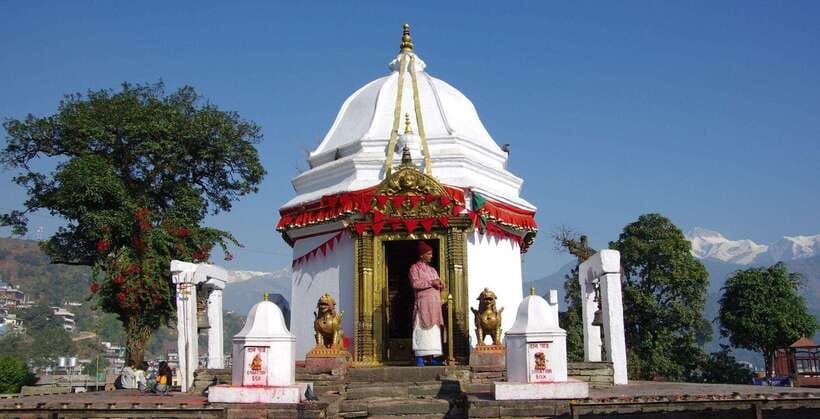
After Mahendra Cave, the tour continues with the Bat Cave, tied to the Chamere Cave highlight. This is another underground stop, so you’re repeating the same comfort variables: space, darkness, and the fact that you’re on someone else’s timing.
Some people also noted that conditions can vary. For example, there may be times when bat activity is not visible. That doesn’t ruin the cave itself, but it does mean you should treat bat spotting like a bonus, not a guarantee.
If you’re unsure about caves, do a reality check before booking:
- If you’re okay with enclosed spaces for short periods, you’re probably fine.
- If you’re even mildly uncomfortable in tight corridors, skip it. Claustrophobia can escalate fast.
Seti River stroll: nature power right through town
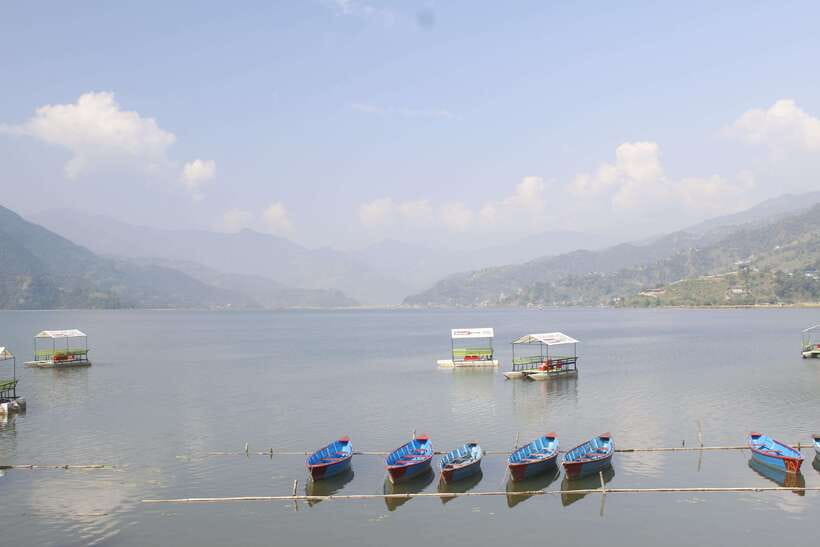
Next comes the Seti River. This is one of the best “balance” points in the day because you finally get open air again. You’ll stroll along the river banks and watch how the river cuts through the city, with that strong sense of moving water and physical force.
Why this matters: after caves, your eyes need daylight. The Seti River stop gives you contrast and a chance to stretch without feeling like you’re just sitting on a bus again.
One practical point: the river area can be slick near the water. Shoes with traction and careful footing will make the difference between a calm walk and an awkward shuffle.
Bindabasini Temple: the calm finish you can feel in your feet
The final spiritual stop is Bindabasini Temple, where the focus is serenity and respect. This is a place to slow down a bit and absorb the atmosphere. After you’ve spent time underground and moving around viewpoints, this temple stop is a relief, and it’s also a good place to get a few photos without feeling like you’re constantly rushing.
This stop also helps you end the day with meaning. A circuit of caves and river views can feel disconnected. The temple anchors it.
Dress and behavior matter here. Keep it simple: modest clothing and a quiet, respectful tone.
Fewa Lake at the end: flexible time, flexible mood
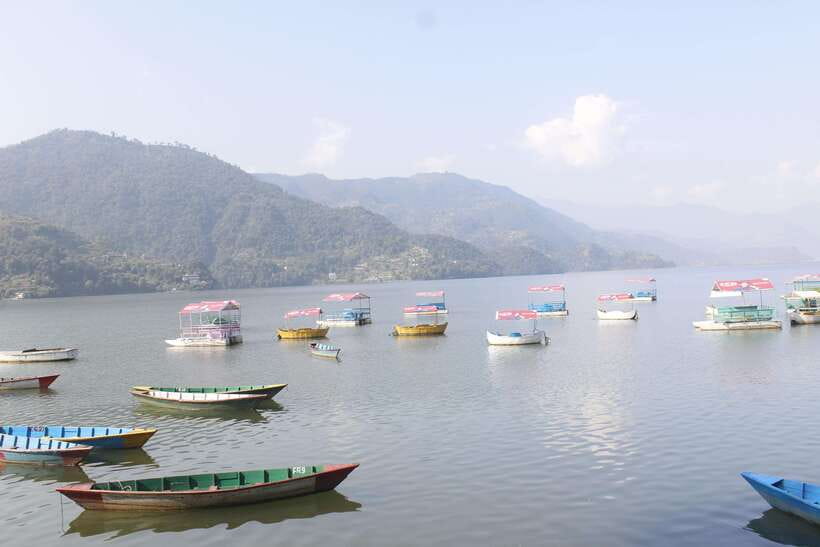
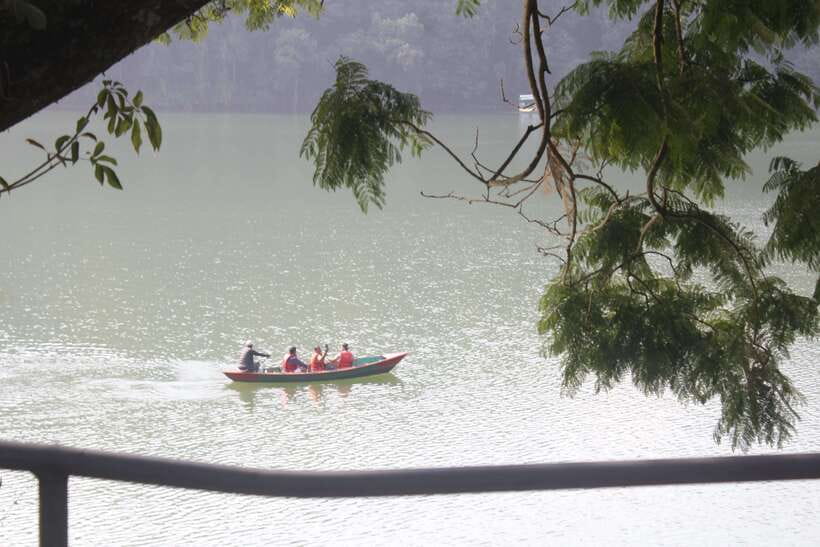
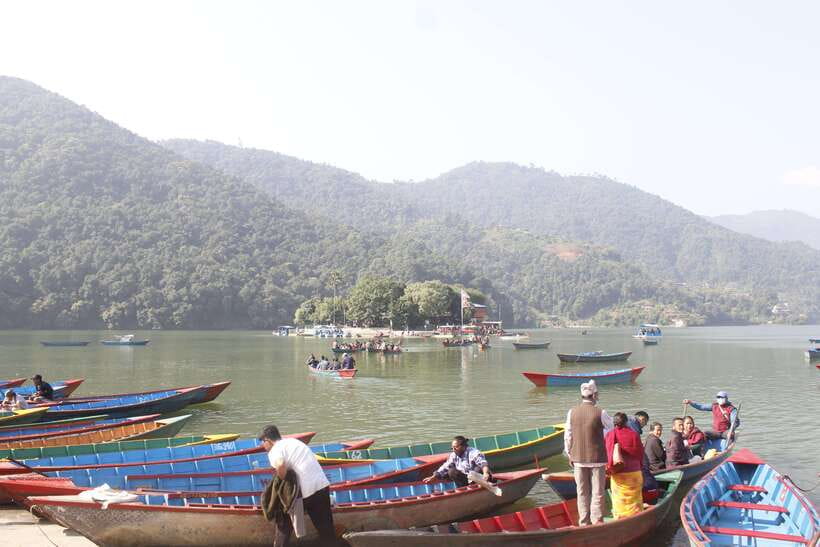
At the end, the bus drives you back toward Fewa Lake. This is where the tour gives you a choice. You can opt out to explore the Fewa Lake area on your own, or you can stay on the same bus and ride back to your hotel at the same time.
This is handy if you want to keep your day going, or if you’re simply tired and want to wrap up immediately. Either way, you are not stuck waiting alone for a taxi, which is a real quality-of-life thing in Pokhara.
If you do step out near Fewa Lake, keep your plan tight. This tour is all about momentum, and it’s easy to lose time wandering if you don’t set a loose deadline for yourself.
Price and value: what $12 buys, and what costs extra
The headline price is $12 per person, and that’s why this tour sells so well. For that money, you’re paying for the part most people struggle with: transportation plus a structured route that covers major sights.
Yes, you’ll pay extra for entry. Monument and cave entry fees are listed as about US$4. The important part is that you’re not facing a long list of separate paid attractions. The bigger costs here are your own decisions on food and time, not ticket math.
Also, this tour often feels like good value because of how much it squeezes in. You’re not just seeing one cave or one temple. You’re getting a full circuit, including Mahendra Cave, Chamere Cave (Bat Cave), Seti River, and Bindabasini Temple, plus the stupa and Shiva Idol.
One more value factor: you’re likely sharing the day with other visitors, and some people specifically loved meeting new folks on the bus. It’s not a party tour, but it’s social in a low-effort way.
Comfort, timing, and the few snags to plan for
Most of the positive feedback you’ll find on this kind of tour comes down to two things: smooth timing and stress-free transport. Past travelers described the day as organized and easy, and they also appreciated little touches like tea and helpful staff support.
Still, there are a few reality checks worth keeping in mind:
- It is self-guided on-site. You get a route and time limits, then you explore and return when it’s time. This means you should come prepared with questions or curiosity.
- Pickup can be timing sensitive. One traveler reported nobody appeared at the pickup time and had to contact the company. Do yourself a favor and keep the contact method handy, and confirm the pickup window the day before.
- Stops can change. There can be closures, like a waterfall stop shut, or reduced cave activity like no bat sightings. On rare days with local disruptions, the trip may be shortened for safety.
The best way to avoid stress is simple: bring your essentials and build in patience for the schedule.
What to bring for caves, temples, and river steps
This tour asks for a basic kit, and it makes sense:
- Comfortable shoes with grip
- Water (you’ll want it, especially in warmer months)
- Sunscreen and a hat if you burn easily
- Camera for stupa and cave interior shots
Also follow the rules: no smoking, and no alcohol or drugs. It’s standard, but it matters more on a shared bus.
If you get cold easily, consider a light layer. Caves can feel cooler than you expect once you step inside.
Who should book this full-day bus circuit
This tour is a great fit if:
- You want to see a lot of Pokhara in one day without arranging transport
- You’re okay exploring on your own with time limits
- You enjoy caves, temples, and a mix of scenery and spirituality
It’s not a great fit if:
- You have back problems. The cave walking and uneven surfaces can be tough.
- You’re claustrophobic. The cave stops are the main attraction, and they are enclosed.
- You use a wheelchair. The tour is not set up for that.
If you’re traveling solo, you may also like the social side. The shared bus format makes it easy to talk to people without committing to a full guided group experience.
Should you book this tour?
Yes, if you want maximum Pokhara per hour and you’re comfortable with a self-guided, time-boxed approach at each stop. The route hits the big names: Shiva Idol at Pumdikot, World Peace Stupa, Devi’s Waterfall, Mahendra Cave, Bat Cave (Chamere), Seti River, and Bindabasini Temple. For the price, plus small extra entry fees, it’s a solid way to feel like you covered the essentials.
Skip it if caves make you nervous or if you hate the idea of returning on a schedule. In that case, you’ll enjoy Pokhara more with a calmer plan built around one or two stops.
FAQ
What is included in the tour price?
Hotel pickup and drop-off within the Lakeside area of Pokhara is included, along with sightseeing by sharing bus.
Are entry fees included for the monuments and caves?
No. Entry fees are not included and are listed as approximately US$4.
How long is the tour?
The duration is listed as 6 hours. Starting times depend on availability.
Where will the pickup happen?
Pickup is included from any hotel within the Lakeside area of Pokhara. You’ll receive a name card for pickup.
Is food included?
No. Food and drink are not included.
Is this a fully guided tour at every stop?
The tour is shared bus sightseeing with a guide for the overall day, and you spend your time at each stop within an allocated schedule. You explore independently at the attractions.
What should I bring?
Bring comfortable shoes, a camera, sunscreen, and water.
Is it suitable for claustrophobia or wheelchair users?
No. The tour is not suitable for claustrophobia, back problems, or wheelchair users.
Where does the tour end?
The bus returns you back to Fewa Lake as the last stop. You can explore the Fewa Lake area on your own, or drive back to your hotel on the same bus at the same time.
Can I cancel for free?
Yes. Free cancellation is available up to 24 hours in advance for a full refund, and you can reserve now and pay later.
Everything Bookable Around Pokhara



The Rest of Our Pokhara Write Ups
Pokhara, Lakeside and Above
Everything else we have reviewed around Pokhara
- Pokhara: Cable Car Tour – Bird Eye View of Mountain & Lake
★ 4.4 · 3 reviews - Jomsom Muktinath Tour by 4WD SUV 2 Days
★ 5.0 · 3 reviews - Ghorepani Poonhill Private Trek – 2 nights / 3 days
★ 4.5 · 3 reviews - Pokhara: 30-Minute Paragliding Adventure with pick up/drop off
★ 4.5 · 3 reviews - Pokhara: 7-Day Annapurna Base Camp Trek via Ghandruk
★ 4.3 · 3 reviews - Pokhara Group Joining Sarangkot Sunrise Himalayas Tour
★ 5.0 · 3 reviews
Pokhara City Tours & Lakeside Sights worth a second look.
 ★ 4.8Full-Day Private Tour on 7 Iconic DestinationFrom $53108 reviews
 ★ 5.0The Best of Pokhara: Full-Day Private Tour with Sarangkot SunriseFrom $6866 reviews
 ★ 5.0Guided Tour to explore the entire Pokhara CityFrom $7051 reviews
 ★ 4.1City Sightseeing Group Bus TourFrom $837 reviews
 ★ 4.5Private Half Day Tour Highlights of Pokhara by CarFrom $8036 reviews
 ★ 5.0Pokhara Valley Mountain Bike Adventure Private TourFrom $18530 reviews
 ★ 5.0Half-Day Private Pokhara TourFrom $6727 reviews
 ★ 4.0Kathmandu to Pokhara Bus Ticket- SofaFrom $2124 reviews
Lists this tour sits in