
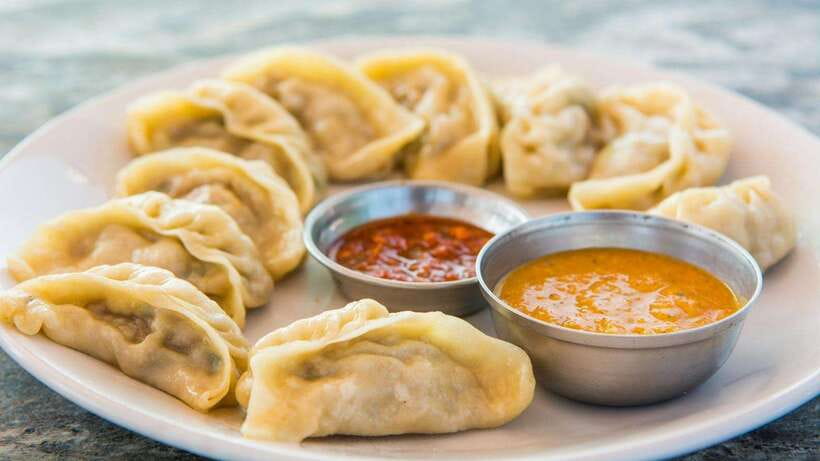
REVIEW · NEPALI COOKING CLASSES
Pokhara: Nepali Cooking Class and Momo Making Workshop
Nepal tastes better in a home kitchen. This Pokhara workshop is a practical way to learn Nepali cooking while you work side by side with an Aama chef and cook famous momo or dal bhat styles.
I especially like the hands-on pace, where you get step-by-step guidance and actually cook your own dishes instead of watching. You also get a small group setup (up to 8), plus hotel pickup and drop-off, so the experience feels focused and easy.
One thing to keep in mind: it is not suitable for people with food allergies, since the class uses fresh ingredients and typical Nepali seasonings and fillings.
In This Review
- Key highlights you’ll feel during the class
- A home-kitchen Pokhara experience, not a quick demo
- Dal Bhat and Momo, the two menus that teach two different skills
- How the 3-hour rhythm works, from pickup to return
- The market stop that makes the cooking make sense
- Cooking with an Aama instructor, step-by-step without the pressure
- The tasting and meal part, where it all clicks
- Price in context: is $42 worth it?
- Who this works for, and who should choose something else
- Practical tips so you get the most from your session
- Should you book this Pokhara Nepali cooking workshop?
Key highlights you’ll feel during the class
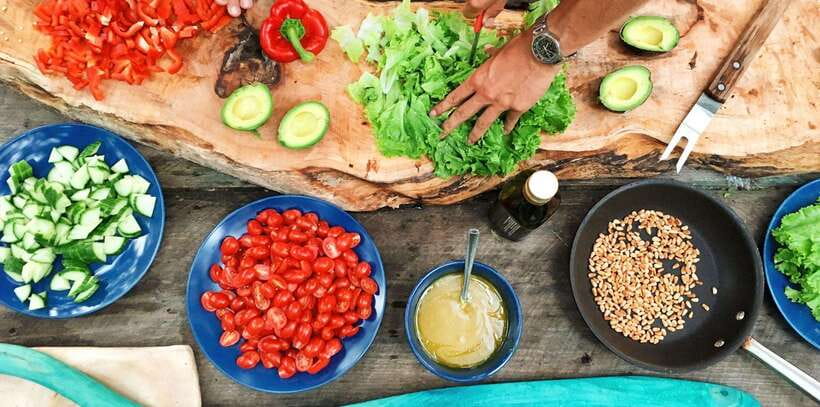
- Market time for real ingredients: you shop for vegetables, spices, and meat to match what you cook.
- Momo and dal bhat options: choose your menu focus, either dumplings or the classic rice and lentil set.
- English instruction with patient teaching: the format is built for beginners and people who just want to understand techniques.
- Traditional kitchen atmosphere: you learn in a home kitchen with the warm hospitality of the house Aama.
- You eat what you make: tasting happens during the session, then you enjoy a meal of prepared dishes with masala tea.
Fold more momos: other Nepali kitchens

A home-kitchen Pokhara experience, not a quick demo
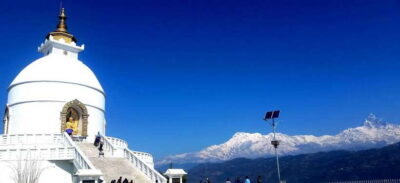
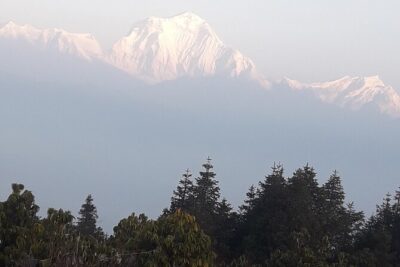
Pokhara is known for lakeside walks and hill views, but this is the kind of activity that gives you a different kind of memory. You are not just sampling Nepali food. You are learning how it is built, from spice choices to dumpling or curry technique, while you sit in a real household kitchen environment.
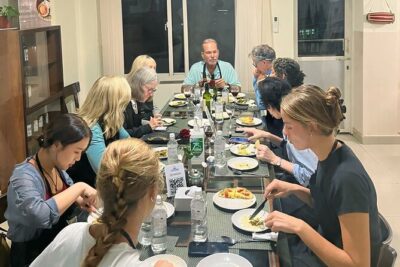
The star here is the teaching style. The class is guided by a local house Aama chef instructor, and the cooking flow is designed so you can follow along even if you have never chopped herbs or mixed dough before. With a group capped at 8 participants, you are more likely to get direct help when your dough feels too sticky or your spice balance needs adjusting.
There is also something quietly meaningful about the way Nepali food culture shows up in the details. Dishes like dal bhat are not treated like a checklist. They are explained as a set with its own logic, which makes the meal feel more than food. It feels like context.
Dal Bhat and Momo, the two menus that teach two different skills
If you like the idea of learning Nepali cooking through famous dishes, this workshop gives you two solid pathways: Dal Bhat or Momo.
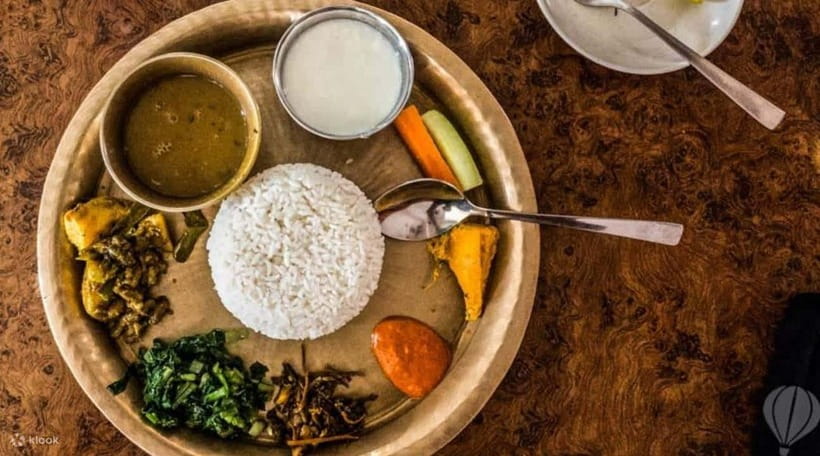
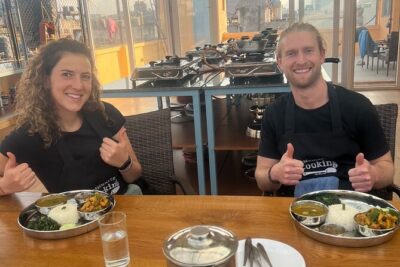
Dal bhat is the quintessential Nepali plate, built around rice plus lentil soup (often with curry elements alongside). What you learn is how to balance the lentil base and how rice and curry components work together as a full meal. Even if you choose it once, you leave with a method you can reuse when you cook at home, because you understand what each element is doing.
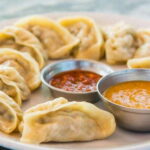
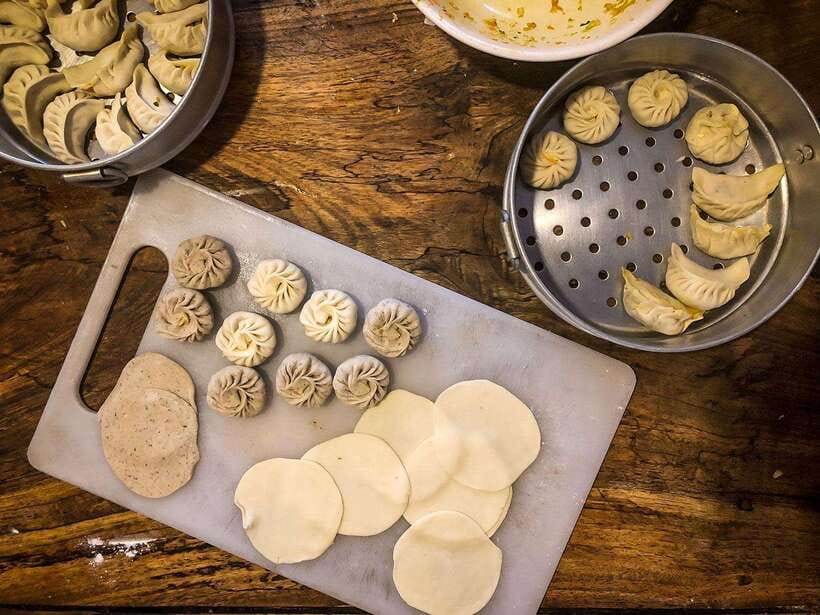
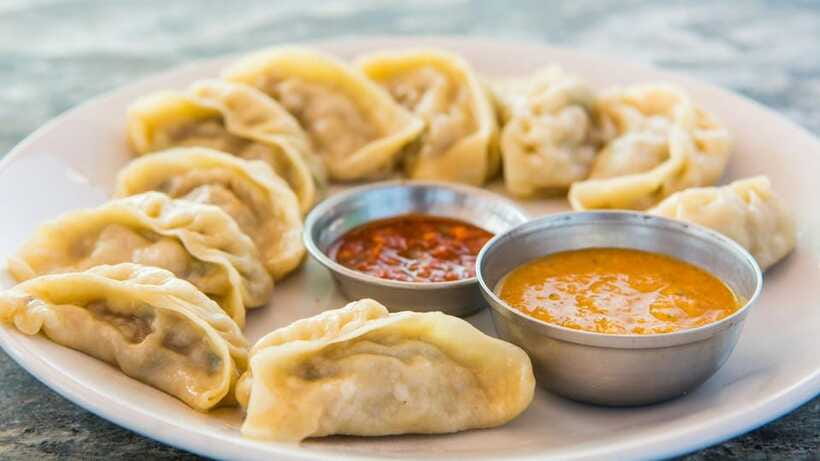
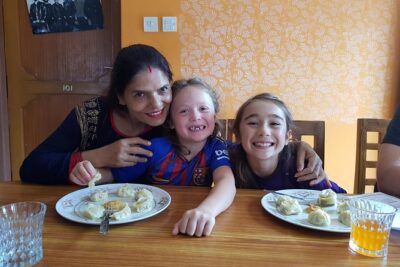
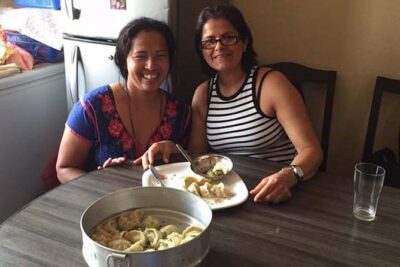
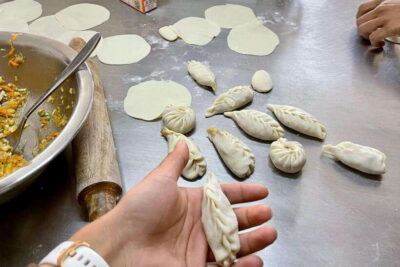
Momo is dumplings, with a choice of chicken or vegetarian fillings. This menu is all about technique: preparing filling, shaping, and understanding how dumplings are cooked so they turn out tender rather than tough. If you love hands-on tasks like rolling, filling, and forming, the momo path tends to feel more playful, and the satisfaction is instant once you taste your results.
Many classes offer both flavors as part of Nepali dining culture, but here you select a focus. Some people even switch based on availability, so if you have a strong preference, it is worth telling your host in advance. That way, you match your mood to the dish you most want to master.
How the 3-hour rhythm works, from pickup to return
The total experience runs about 3 hours, and it is structured so you are not stuck waiting around. It starts with hotel pickup in Pokhara. A driver collects you from your accommodation with a name card, which is a simple but helpful touch, especially in a place where signage and addresses can be different across hotels and streets.
From pickup, you head to the home kitchen and the schedule moves through a clear sequence:
- You arrive, get introduced to the kitchen setup, and start preparing ingredients.
- You learn the cooking steps with step-by-step instructions.
- You taste the dishes you prepare during the session.
- You eat a meal made from the food you cooked.
Then you get returned to Pokhara at the end. The tight timeline is one reason this works well for visitors who feel like they do not have time for a longer cooking course, but still want a meaningful activity.
A small drawback of a short class is that you will not get every technique under the sun. If you want to master Nepali cooking like a professional, this is not that. But for learning the core foundations of dal bhat or momo, it hits the sweet spot.
The market stop that makes the cooking make sense
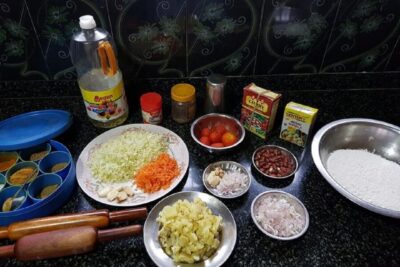
One of the most valuable parts, and one that many cooking classes skip, is the chance to choose ingredients. In this workshop, you get time to explore local options for vegetables, spices, and meat for the class.
Why that matters: Nepali cooking depends a lot on ingredient feel and spice behavior. If you buy the right kind of spice and the fresh herbs match what the recipe expects, your final dish tastes right even if your technique is still developing. Shopping first also turns cooking from following steps into making decisions, which is exactly what you want if you are the type of person who enjoys learning how to recreate flavors at home.
What you should do: if you have dietary restrictions, tell the instructor ahead of time. The class is designed for typical choices, including a vegetarian momo filling option, but the workshop does require advance communication if you cannot eat certain ingredients.
And a practical note, bring comfortable clothes and shoes. You may be standing and working with ingredients, and you will be happier if you can move easily.
Cooking with an Aama instructor, step-by-step without the pressure
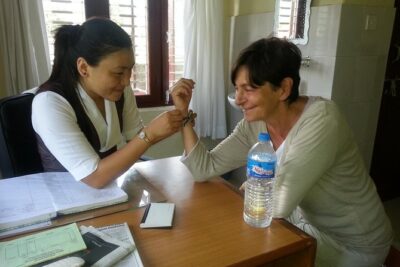
The teaching setup is what people remember most, and it is not just because the food is good. The class is built around patient instruction and clear steps. The instructor teaches you in a way that works for beginners and also feels satisfying if you already know basic kitchen skills.
In the home kitchen setting, you often get a mix of technique and cultural explanation. The lesson connects dishes to everyday Nepal traditions, which helps you understand why certain flavors are used, and why the meal is served in the way it is.
A few small details can make a big difference in comfort:
- The group size stays small, so you can ask questions without feeling rushed.
- Instruction happens in English, which keeps the lesson accessible for most visitors.
- You get the full ingredients and equipment included, so you are not showing up to hunt for supplies.
Some experiences described by previous participants also mention extra touches from the family side. In a few cases, people received a printed completion certificate, and one person even shared that they were given a Tika on the forehead and a scarf. That sort of warmth is not something you can count on every time, but it matches the vibe the hosts are known for: friendly, welcoming, and genuinely invested in you leaving with skills, not just photos.
The tasting and meal part, where it all clicks
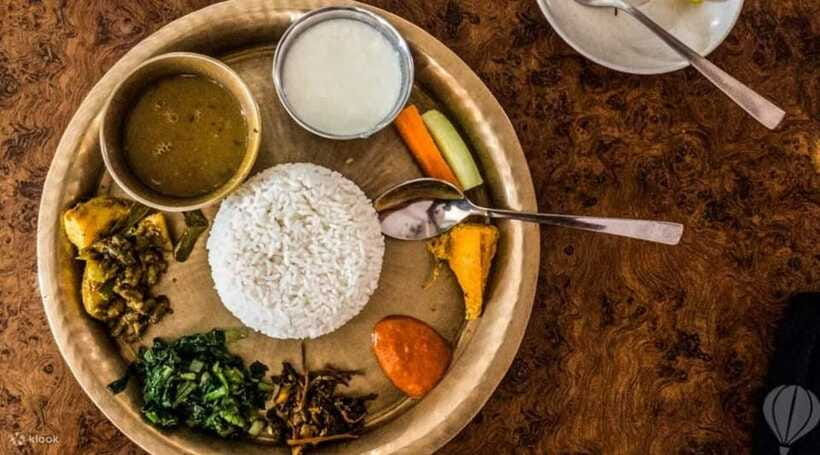
A good cooking class has a satisfying end. This one does that in two phases: you taste what you cook during the session, and then you enjoy a full meal of the prepared dishes.
You also get Nepali masala tea during the lesson. It is a small inclusion, but it fits the pacing. Tea helps reset your palate while you are still working, and it makes the whole event feel more like a shared meal than a formal class.
If you want to bring a camera, do it. The experience is photo-friendly because you are working at a table or counter, and you can capture hands-on moments with spices, dumplings, and curry components. Just keep it practical, because you are there to cook, not to film.
One thing to note: alcoholic beverages are not included. If that is important to you, plan to handle it separately.
Price in context: is $42 worth it?
At $42 per person for about 3 hours, this is priced like an activity that respects your time. What you are paying for is not just food. You are paying for:
- Hotel pickup and drop-off
- A local Aama chef instructor with step-by-step teaching in English
- All ingredients and equipment
- A tasting and a meal of what you cooked
- Market time for selecting key ingredients
- A small group size limited to 8
To judge value, think about what you would spend if you tried to replicate this on your own. You would need a guided ingredient approach, a teaching moment for technique, and you would still likely end up shopping twice because you do not know what the recipe expects. Here, those unknowns are handled for you.
The other value factor is the small-group feel. In a large class, you can end up waiting your turn. With fewer participants, you get help faster when you need it, and that can actually change whether your food turns out well.
If you have food allergies, this is a hard no based on the activity details provided. For everyone else, $42 is a fair rate for a hands-on cultural meal in Pokhara.
Who this works for, and who should choose something else
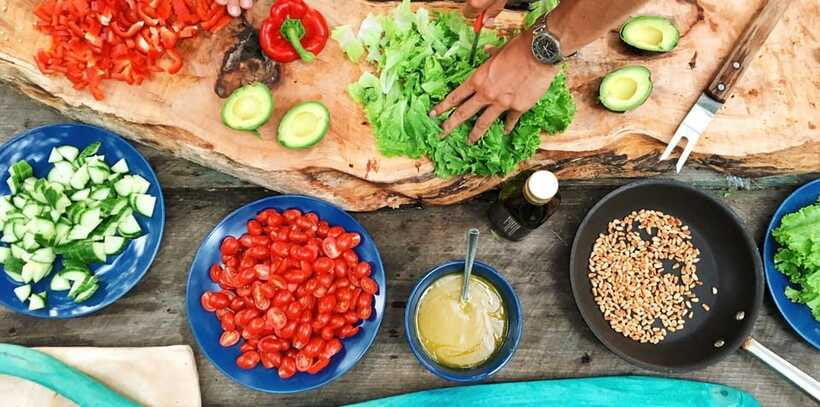
This class fits best if you want a social, practical introduction to Nepali cooking. You might love it if you:
- enjoy cooking and want a structured way to learn
- want to try Nepali classics like momo and dal bhat beyond ordering them in a restaurant
- prefer small groups and clear instruction
- like cultural learning that connects to everyday meals
It also suits different experience levels. The class is described as suitable for beginners and seasoned food enthusiasts.
It is not a fit if you have food allergies. The activity also includes meat and spices typical of Nepali cooking, and it is not presented as an allergy-safe or medical-grade substitution class.
If you smoke, note that smoking indoors is not allowed, so plan for breaks outside if you need them.
Practical tips so you get the most from your session
Here are a few ways to make the most of the experience using only common sense and what the workshop asks for:
- Wear comfortable clothes and shoes that can handle kitchen work.
- Bring a camera if you want to capture dumpling shaping, spice bowls, and the final plate.
- Tell the instructor about dietary restrictions before the class starts.
- Plan to eat what you make. This is part of the payoff, not an add-on.
Also, if you are choosing between dal bhat and momo, think about what you want to learn. Dal bhat rewards patience and balance in curry and lentil components. Momo rewards hands-on shaping and cooking technique. Pick the one that matches your personality, and you will enjoy the 3-hour block more.
Should you book this Pokhara Nepali cooking workshop?
I think you should book it if you want a genuine Pokhara food experience that teaches technique, not just taste. The combination of market ingredient time, a small-group home-kitchen setting, and an Aama-led instruction style makes it feel personal and practical.
Book it when:
- you are in Pokhara and want a focused half-day activity
- you want either momo skills or dal bhat fundamentals
- you like structured learning with tasting and a full meal at the end
Skip it if:
- you have food allergies and need an allergy-safe setup
- you only want a quick snack without cooking
One more reason to consider it: flexibility. The activity offers free cancellation up to 24 hours in advance and a reserve now, pay later option, which can be handy if your Pokhara plans are still shifting.
If your goal is to leave with real cooking skills and a meal you understand, this workshop is an easy yes.
Chop, Fold, Simmer

The Rest of Our Pokhara Write Ups

More Kitchens, More Momos
Everything else we have reviewed around Pokhara
- Pokhara: Cable Car Tour – Bird Eye View of Mountain & Lake
★ 4.4 · 3 reviews - Jomsom Muktinath Tour by 4WD SUV 2 Days
★ 5.0 · 3 reviews - Ghorepani Poonhill Private Trek – 2 nights / 3 days
★ 4.5 · 3 reviews - Pokhara: 30-Minute Paragliding Adventure with pick up/drop off
★ 4.5 · 3 reviews - Pokhara: 7-Day Annapurna Base Camp Trek via Ghandruk
★ 4.3 · 3 reviews - Pokhara Group Joining Sarangkot Sunrise Himalayas Tour
★ 5.0 · 3 reviews
Nepali Cooking Classes worth a second look.
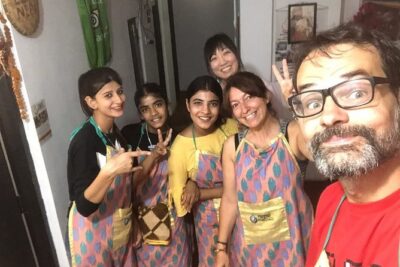 ★ 5.0Half day cooking class in Thamel kathmanduFrom $28607 reviews
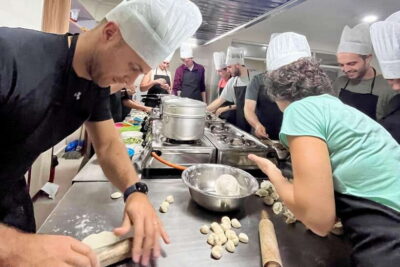 ★ 4.9Local Women-Led Nepali Cooking & Momo ClassFrom $4360 reviews
 ★ 5.0Local Lead Nepali Cooking & Momo-Making ClassFrom $5212 reviews
 ★ 5.0Local Women Lead Nepali Cooking ClassFrom $30125 reviews
 ★ 5.0Nepalese Momos or Dal Bhat Cooking Class (Cook with Delight)From $5099 reviews
 ★ 5.0The best Private Nepali Cooking Class in KathmanduFrom $2483 reviews
 ★ 5.0Nepalese Kitchen in Pokhara: Momos or Dal Bhat Cooking ClassFrom $2867 reviews
 ★ 4.8Traditional Momo Making Class & PickupFrom $460 reviews
Lists this tour sits in