
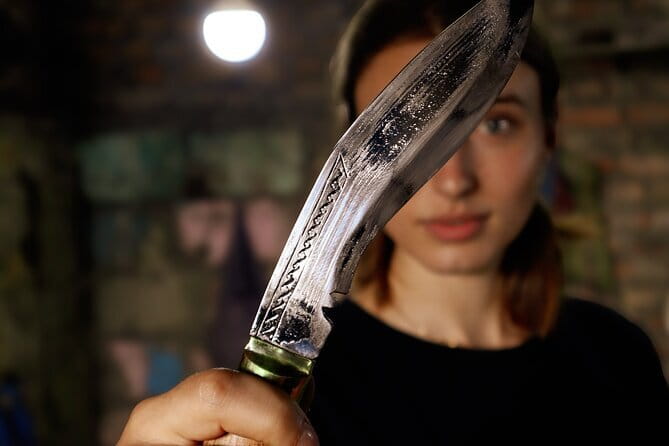
REVIEW · NEPALI CULTURE & CRAFT EXPERIENCES
Gurkha Knife Making
Knives have a way of telling stories. In this small Kathmandu class, you make a Gurkha kukri-style knife while learning why these blades matter to Nepali identity and resistance. It’s hands-on metalwork with a friendly pace, and you leave with a real souvenir, not just photos.
I especially love the small group size (up to 4), because it keeps the blacksmithing time personal and you get help when you need it. I also love the simple, satisfying structure, tea and cookies while you work, then stamping your initials so the knife becomes yours.
One possible drawback: it’s a morning slot from 7:15 AM to 10:15 AM, so if you like later starts in Kathmandu, this may feel tight.
In This Review
- Key highlights you should know before you go
- Forging a Gurkha knife in 4 hours, what the class feels like
- Garden of Dreams start time, and why the morning slot can be a plus
- Inside the forge, hands-on metalwork with real teachers
- The Gurkha story behind the blade, without turning it into a lecture
- Crafting steps you can expect, handle, initials, and a finished souvenir
- 100-year guarantee, and how to judge the value of a souvenir knife
- Group size and pacing, why small matters more than you think
- Who this is best for, and who may want a different plan
- Practical tips to get the most out of your morning
- Should you book Gurkha Knife Making in Kathmandu?
- FAQ
- How long is the Gurkha Knife Making experience?
- Where does the experience start in Kathmandu?
- What time does it run?
- Is pickup available?
- How much does it cost per person?
- What is included in the session?
- What is the cancellation policy?
Key highlights you should know before you go
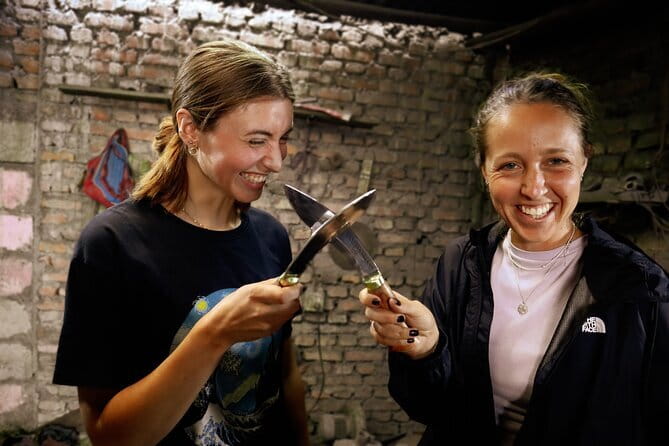
- Up to 4 people, so you get real attention in the forge, not a quick demo
- Your initials on the blade, a small step that makes the final knife feel personal
- Indian rosewood handle, a classic choice that upgrades the finish you’ll see every day
- Tea and cookies included, a calm break that helps the session feel welcoming
- 100-year guarantee, built into the experience and the promise of durability
- Starts at Garden of Dreams, a convenient, central Kathmandu reference point
Slower, more local afternoons



Forging a Gurkha knife in 4 hours, what the class feels like
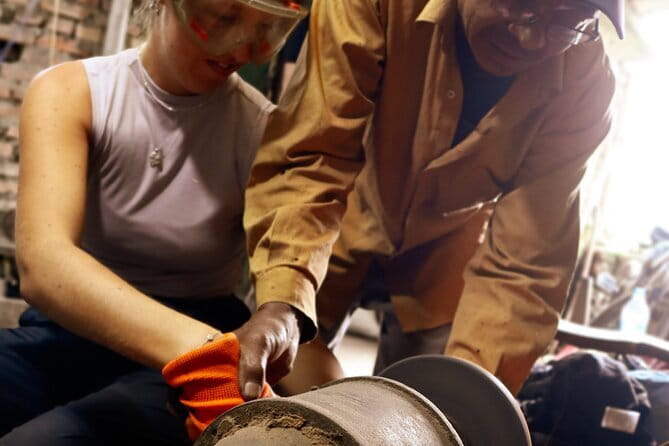
This is a half-day, 4-hour blacksmithing experience built around one goal: you’ll craft an authentic Gurkha knife under a working smith’s guidance. The atmosphere is relaxed, and the pace is friendly enough that most people can participate.
You’re not just watching. You’re doing the work in the forge while the history and symbolism of the Gurkhas sits in the background, shaping why this tool is treated with respect. Even if you have zero metalworking experience, the point is to help you understand the process step by step and end up with something you can actually use and display.
The materials matter, too. You work with quality Indian rosewood for the handle, and your final touch is stamping your initials on the blade. Those two details make a huge difference for how special the finished knife feels in your hands.
Garden of Dreams start time, and why the morning slot can be a plus
The class meets at Garden of Dreams on Tridevi Sadak in Kathmandu (start and end there). That’s useful because you aren’t hunting around a maze of side streets, and you can plan your day around a known landmark.
It runs daily, Monday through Sunday, with a time window listed as 7:15 AM to 10:15 AM. In practice, that lines up well with a morning of productive travel. If you’re planning to see Kathmandu temples later, this course gives you a focused activity early, then frees up your afternoon.
Also note: pickup is offered. If you’re not staying close to the Garden of Dreams area, pickup can simplify your logistics and help you avoid arriving flustered. You’ll get a confirmation at booking, and the activity uses a mobile ticket.
Inside the forge, hands-on metalwork with real teachers
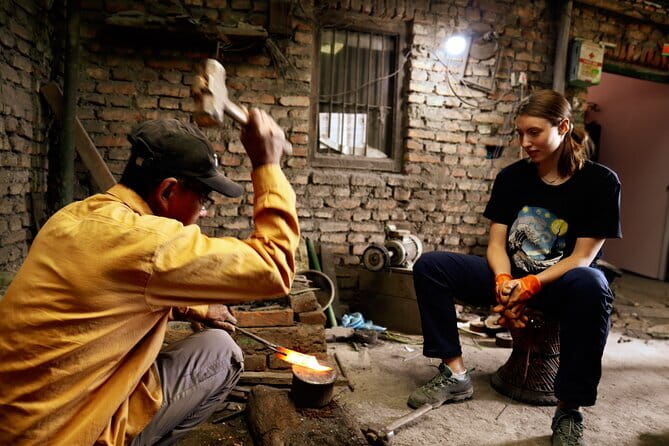
The heart of the experience is the forge itself, a small working setup where you get close to the craft. In a setting like this, you can feel the rhythm of the work, the way metal responds as it heats and cools. It’s exactly the sort of practical, grounded learning you can’t get from watching videos later.
A big part of why people rave about this class is the teaching style. The blacksmith, described as a long-time knife maker, works in a small forge, and the guidance is personal. In some cases, a translator is included during the interaction, which makes it easier to understand the steps and ask questions without guessing.
Names that come up in past experiences include Indra, the craftsman, who is described as very knowledgeable and friendly. Another name you might meet is Aayam, a guide who kept the day light and made the session fun while helping people connect with what they were doing.
Even better, you’re not treated like a ticket number. With a maximum of 4 travelers, the blacksmithing flow makes room for your learning pace. That small group size is more than a comfort detail. It’s what turns a “see how it’s made” day into actual participation.
The Gurkha story behind the blade, without turning it into a lecture
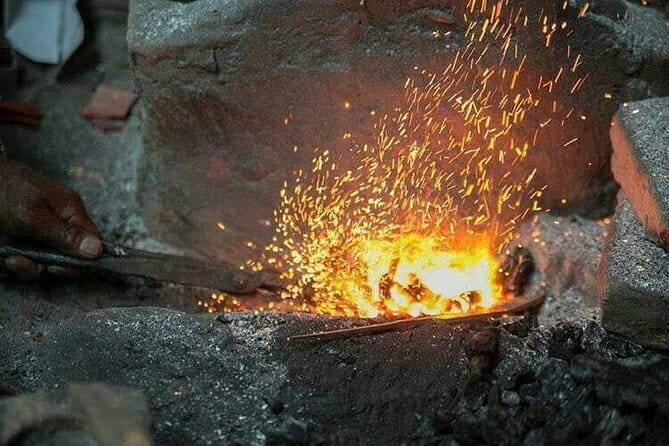
This isn’t history as a slideshow. The overview frames the Gurkha knife as a symbol of history, strength, and resistance, and you feel that theme while you work. The class is designed to connect the craft to the cultural meaning rather than replacing the craft with long explanations.
That matters because a knife is practical and symbolic at the same time. You’re not only learning metalwork steps. You’re also learning why the final product carries weight in the stories people tell about Gurkha warriors. The result is a souvenir with context, not just decoration.
In past sessions, guides and teachers have also added humor and warmth. A host named Aachal is mentioned as friendly and fun, with plenty of laughs that helped the day feel relaxed. That tone helps a lot if you feel nervous about doing something unfamiliar. You’re more likely to keep going through the tricky parts when the room has good energy.



Crafting steps you can expect, handle, initials, and a finished souvenir
The class is built around the full workflow of making a Gurkha knife. You’ll spend the time in the forge learning and working toward the finished piece, with tea and cookies provided during the session. That small pause is practical, but it also keeps the energy steady so you can focus.
Here are the key things you can plan around:
1) Forming the knife and working metal
You’ll actively participate in the process, not just assemble a pre-made handle. The experience is often described as making a quality knife from scrap metal, which makes the craft feel real and a bit more satisfying. You see how raw metal becomes a usable blade.
2) Adding the rosewood handle
The handle uses Indian rosewood. That detail is more than branding. It’s the difference between a blade that’s technically correct and a knife that feels finished and attractive in the hand.
3) Stamping your initials
Your personal touch is stamping your initials on the blade. This is the moment that turns a handmade item into something that feels linked to you. It also helps the knife tell your story back later, when someone asks where you got it.
One more practical point: the experience ends back at the meeting point. So you don’t have to plan a separate drop-off. In a busy city, that kind of “no extra hassle” scheduling adds value.
100-year guarantee, and how to judge the value of a souvenir knife
At $66 per person for about 4 hours, this is one of those experiences that’s easier to justify when you think in terms of what you’re paying for. You’re not paying only for a product, you’re paying for a guided craft session plus a guaranteed finished knife.
The listing mentions a 100-year guarantee, which is a strong claim and also a strong selling point. You should read that as part of the value package: you’re expected to leave with a knife built to last, and the provider is standing behind it.
Compared with buying a knife in a shop, the value feels different because you’re involved in the making. You’ll still pay a souvenir price, but the experience gives it meaning. The final product also shows visible choices you helped make, like the handle and the initials.
If you like taking home items that have a story attached, this hits the mark. People leave talking about the quality of the knife and the fun of actually helping in the forge.
Group size and pacing, why small matters more than you think
This course caps at 4 travelers. That sounds simple, but it’s a big deal in a metalworking environment. Heat, tools, and step timing are not like pottery where you can comfortably watch from the side while waiting for your turn. A small group means your instructor can adjust attention based on how you’re progressing.
It also changes the feel of the day. Instead of a production line, you get a more conversational session. If you want to ask about the process, or you want to understand what’s happening at each step, this setup gives you the space to do that.
Also, the format includes a guide and sometimes translation support. When communication is smooth, you waste less energy figuring out what you’re supposed to do and more energy focusing on the work.
Who this is best for, and who may want a different plan
This experience fits best if you want an active, hands-on craft activity in Kathmandu. It’s also a good option if you like learning from local specialists in a small setting rather than doing a crowded, generic tour.
It’s described as a session most travelers can participate in, so it shouldn’t be an extreme physical challenge for the average visitor. Still, it’s clearly a workshop setting, meaning you should be comfortable spending a focused morning around tools and heat.
You might want to choose a different activity if you:
- Prefer to start your day later in Kathmandu
- Don’t want to spend time in a working forge
- Expect a purely sightseeing experience rather than making something
If you’re the kind of traveler who likes to bring home a crafted item with personal touches, this one matches your style fast.
Practical tips to get the most out of your morning
Here are a few practical things I’d plan for, based on how the experience is set up:
- Arrive early for a calm start. The session time is early, and you’ll want to settle in before the work begins.
- Confirm pickup ahead of time if it’s offered for your location. It can remove stress.
- Keep your mobile ticket handy. The tour uses a mobile ticket system.
- Think about the initials you want on the blade before you go. This is a signature part of the experience.
- Plan your afternoon around a half-day. The activity ends back at the meeting point, but you’ll likely feel fully “done” afterward, in a good way.
The class includes tea and cookies, but don’t treat that as your full meal plan. Plan to eat after, since the morning format can leave you hungry if you’re already on an early travel routine.
Should you book Gurkha Knife Making in Kathmandu?
I’d book it if you want a real craft experience, not a passive one. The combination of hands-on work, a personal finish like stamping your initials, and the 100-year guarantee makes it feel like you’re paying for both learning and a lasting souvenir.
I’d skip it if mornings are a dealbreaker or if you want mostly scenic sightseeing. This is about work in the forge first, culture and story second, and it does that job well.
If you’re staying in or near central Kathmandu, the Garden of Dreams location plus the limited group size makes it one of the easiest “smart add-ons” you can fit into a short itinerary.
FAQ
How long is the Gurkha Knife Making experience?
It lasts about 4 hours (approx.).
Where does the experience start in Kathmandu?
The meeting point is Garden of Dreams, Tridevi Sadak, Kathmandu 44600, Nepal. The activity ends back at the same meeting point.
What time does it run?
The listed opening hours are 7:15 AM to 10:15 AM, Monday through Sunday.
Is pickup available?
Yes, pickup is offered.
How much does it cost per person?
The price is $66.00 per person.
What is included in the session?
You’ll have a hands-on knife making experience with tea and cookies, use Indian rosewood for the handle, and you can stamp your initials on the blade. The experience also includes a 100-year guarantee for the knife.
What is the cancellation policy?
You can cancel for a full refund if you cancel at least 24 hours in advance of the experience’s start time. If you cancel less than 24 hours before, the amount paid is not refunded.
The Rest of Our Kathmandu Write Ups




Craft, Ritual and Village Life


Everything else we have reviewed around Kathmandu
- 12 Days Everest Base Camp Trekking
★ 5.0 · 3 reviews - 1 Night 2 Days Chitwan Jungle Safari Tour from Pokhara or Kathmandu
★ 3.0 · 3 reviews - Thamel Rickshaw tour
★ 4.7 · 3 reviews - Kathmandu: Momo Making Class with a Local Chef
★ 5.0 · 3 reviews - Kathmandu: Full-Day Yoga, Body Massage and Pedicure Package
★ 5.0 · 3 reviews - From Kathmandu / Pokhara / Chitwan: River Rafting – 1 Day
★ 4.6 · 3 reviews
Nepali Culture & Craft Experiences worth a second look.
 ★ 5.0Knife (Khukuri) Making Workshop- Forge of the GurkhasFrom $68143 reviews
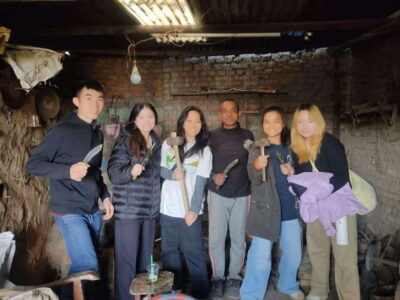 ★ 4.9Knife Khukuri Making WorkshopFrom $7338 reviews
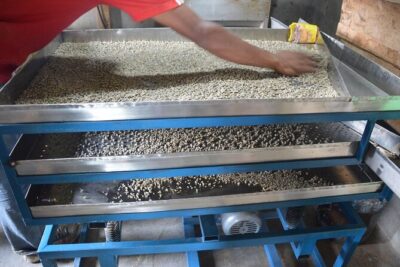 ★ 5.0Sarangkot Village Coffee Culture and Authentic Local Life TourFrom $6029 reviews
 ★ 5.0Nepal BirdingFrom $22528 reviews
 ★ 4.2Cultural Dinner Show with Traditional DanceFrom $1827 reviews
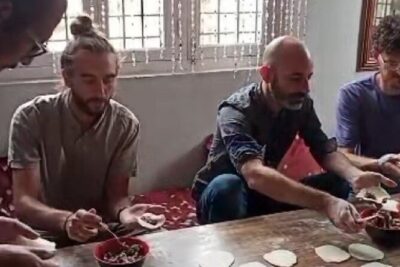 ★ 5.0Women Empowerment Project(Nepali cooking class & jewelry workshopFrom $5015 reviews
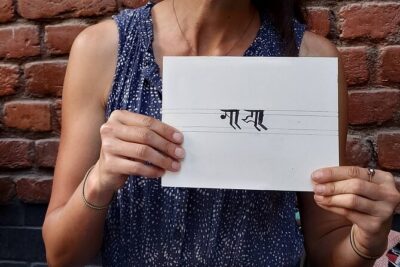 ★ 5.0Discover Ranjana Lipi the Traditional Newari ScriptFrom $429 reviews
 ★ 5.0Dinner with Cultural Show KathmanduFrom $168 reviews
Lists this tour sits in